What the Monuments Men Did in History (September 2026)
What "monuments men" did in history

During World War II, a group of approximately 345 men and women from 13 nations served in the U.S. Army’s Monuments, Fine Arts, and Archives (MFAA) program to protect and recover millions of cultural treasures looted or threatened by the Nazis. These museum curators, art historians, and architects—nicknamed the “Monuments Men”—saved over five million irreplaceable … Read more
How Museums Safeguard Artifacts During Crises (September 2026)

How museums safeguard artifacts during crises

When the LA wildfires threatened the Getty Center in , museum professionals around the world held their breath. The Getty survived, but the incident forced the entire museum community to confront a difficult question: what happens when disaster strikes? Understanding how museums safeguard artifacts during crises is essential for anyone working in cultural heritage protection, … Read more

The History of Looted Art and Its Recovery (September 2026)

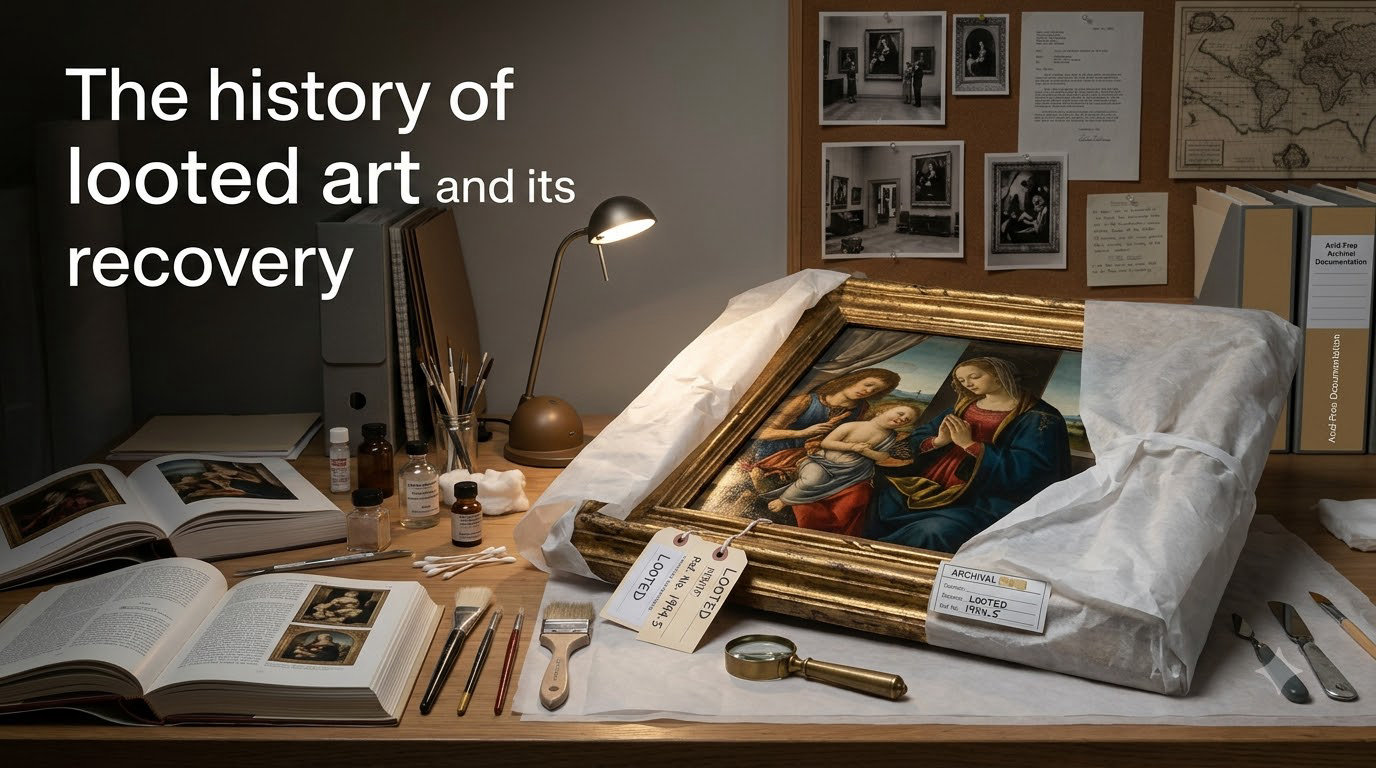
The history of looted art and its recovery

Throughout history, armies, empires, and criminal networks have stolen art on a staggering scale — and the fight to get it back continues to this day. The history of looted art and its recovery spans from ancient civilizations plundering conquered cities to modern investigators using AI to track paintings stolen decades ago. Understanding this history … Read more

How Archives Are Digitized to Prevent Loss (September 2026 Full Guide)

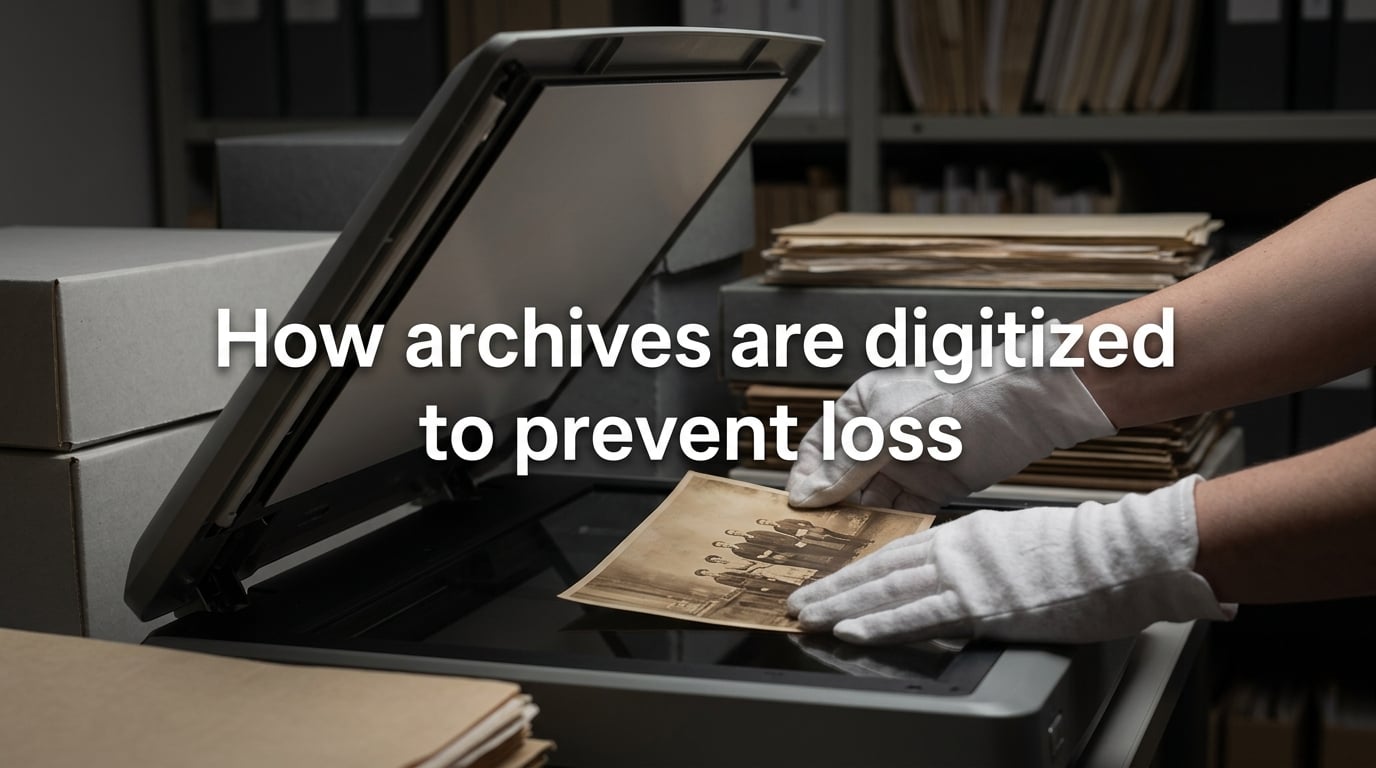
How archives are digitized to prevent loss

Every year, fires, floods, conflicts, and simple decay destroy archives that took centuries to build. In 2018, Brazil’s National Museum lost an estimated 90% of its 20 million items in a single night. Digitization is the primary defense against this kind of catastrophic loss. This guide explains how archives are digitized to prevent loss, covering … Read more

Open-Source Intelligence Tools (September 2026 Guide)

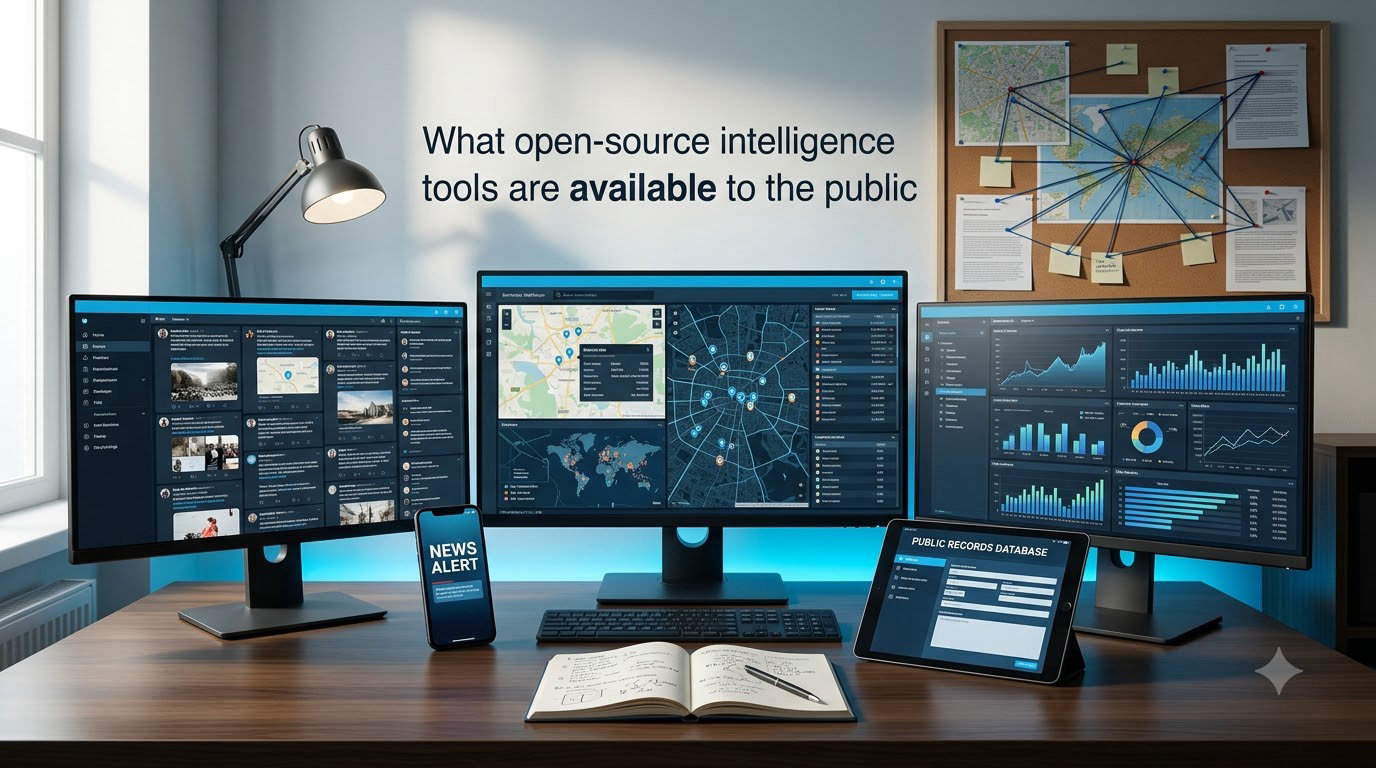
What open-source intelligence tools are available to the public

If you’ve ever wondered what open-source intelligence tools are available to the public, you’re in the right place. OSINT tools have transformed how cybersecurity professionals, journalists, researchers, and everyday people gather information from publicly available sources. In this guide, I’ll walk you through the most popular free and open-source intelligence tools in , explain how … Read more

How to Evaluate a News Source’s Credibility (September 2026)

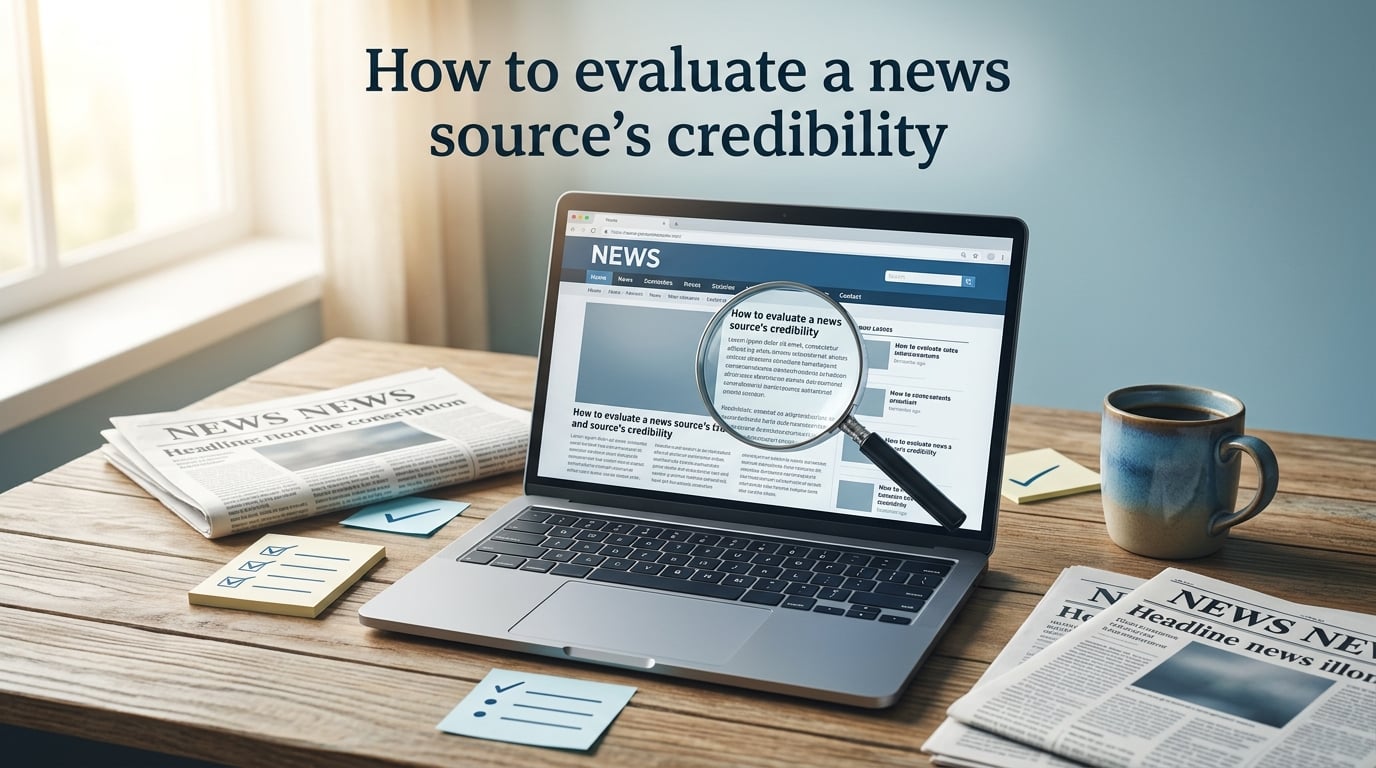
How to evaluate a news source's credibility

Knowing how to evaluate a news source’s credibility takes about 30 seconds per story once you build the habit, and it protects you from amplifying misinformation, disinformation, and AI-generated fakes. Start by checking the author and outlet, cross-reference claims with independent fact-checkers, trace images back to their origin, and apply a simple framework like CRAAP … Read more

How Social Media Platforms Handle Wartime Content (September 2026)

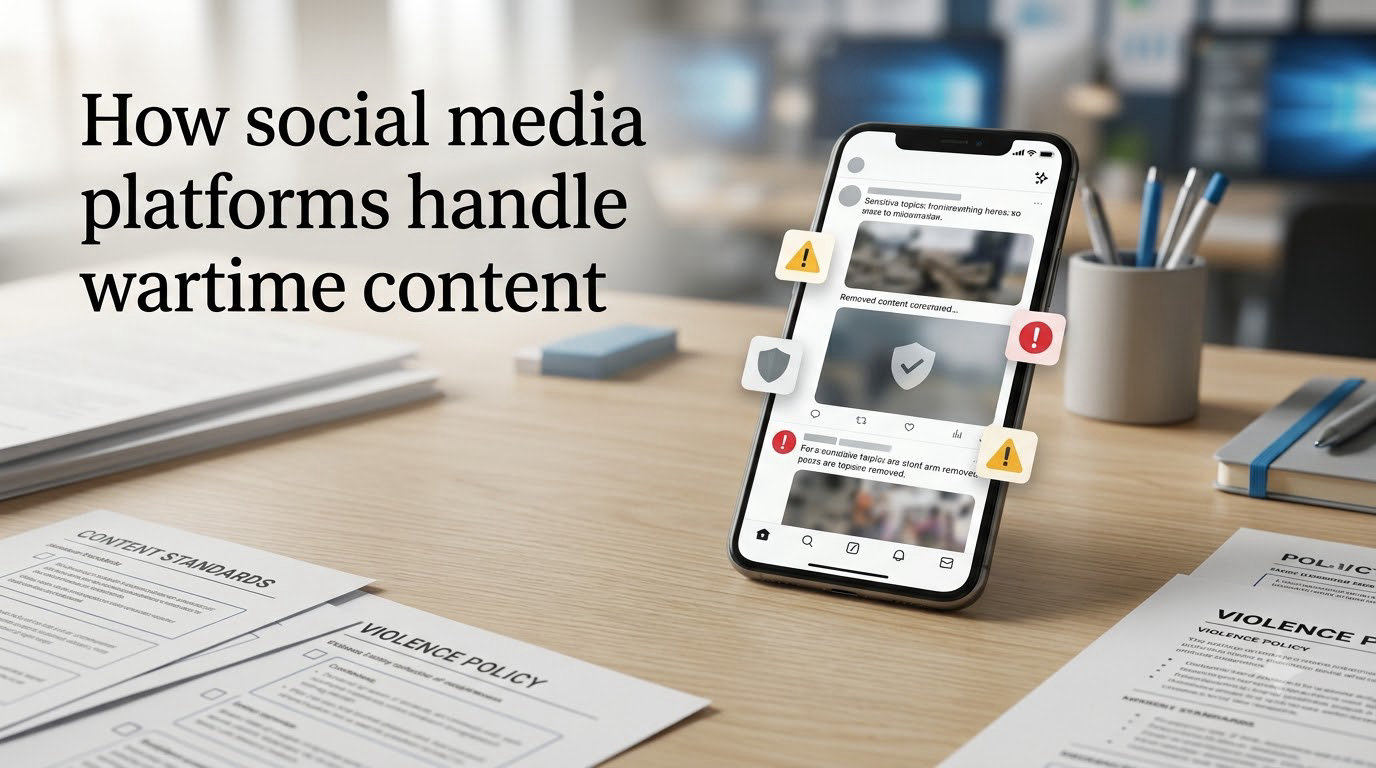
How social media platforms handle wartime content

Social media has fundamentally reshaped how wars are documented, debated, and experienced by civilians worldwide. When conflict erupts, platforms like Instagram, X, TikTok, and YouTube become the front lines of information warfare — and the companies behind them face impossible decisions about what stays visible and what gets removed. Understanding how social media platforms handle … Read more

What Content Moderation Involves (September 2026 Complete Guide)

What content moderation involves

Content moderation is the process of reviewing, monitoring, and managing user-generated content (UGC) to ensure it complies with a platform’s community guidelines, legal requirements, and safety standards. Every day, more than 500 hours of video are uploaded to YouTube every minute, and millions of posts, comments, images, and reviews flow through online platforms worldwide. Behind … Read more

History of State Controlled Media (September 2026 Royal Gazettes to AI)

The history of state-controlled media

State-controlled media are media outlets that are owned, operated, or significantly influenced by the government. When citizens, students, or researchers ask about the history of state-controlled media, they are usually trying to understand a pattern that stretches from 16th-century royal printing licenses to today’s AI-generated propaganda networks. This guide walks through that entire arc. I … Read more