How Children Continue Schooling During Displacement (September 2026)
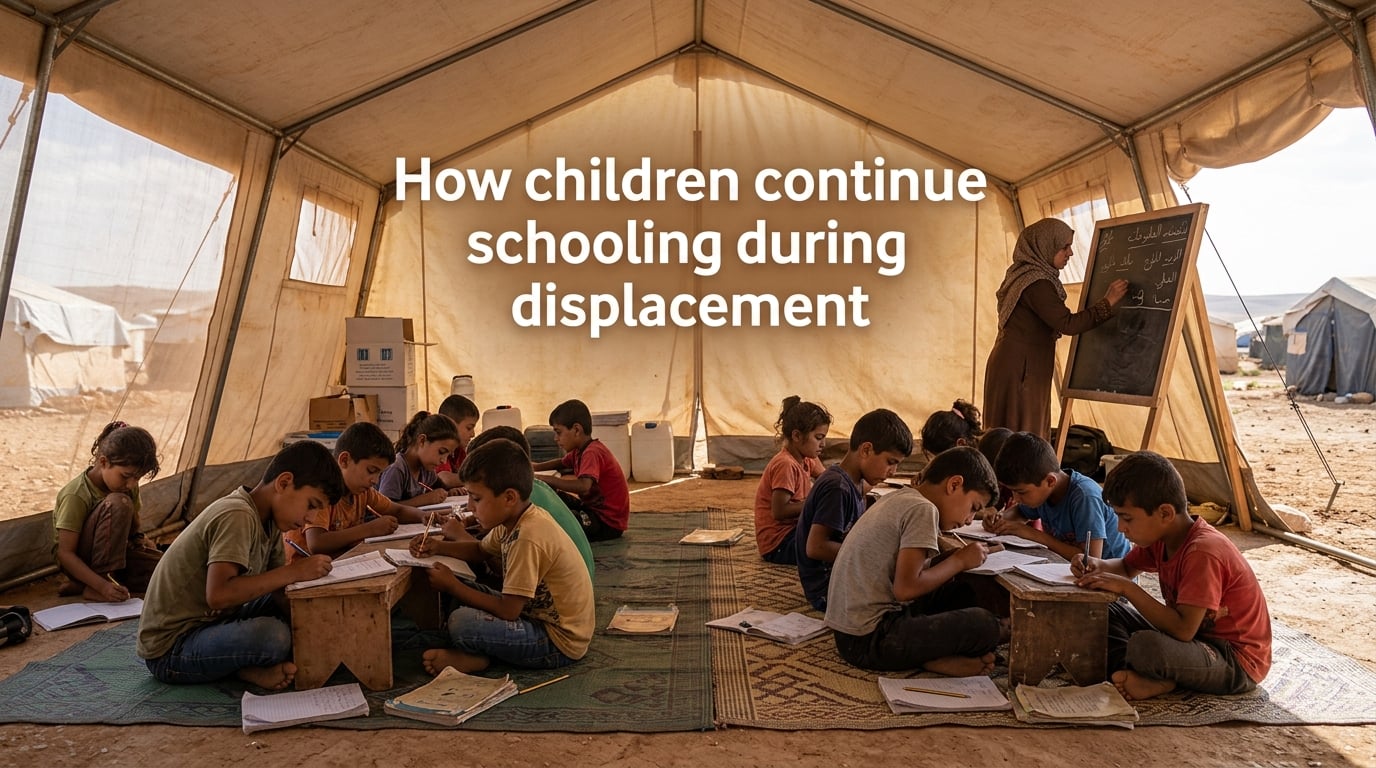
How children continue schooling during displacement

When families are forced to flee conflict, persecution, or disaster, education rarely stops completely. Children continue schooling during displacement through a mix of temporary learning spaces, mobile classrooms, accelerated learning programmes, host-country school enrollment, distance learning, and community-based education. These approaches, coordinated by UNHCR, UNICEF, UNESCO, and local partners, keep millions of displaced children connected … Read more
What “Education in Emergencies” Means (September 2026)

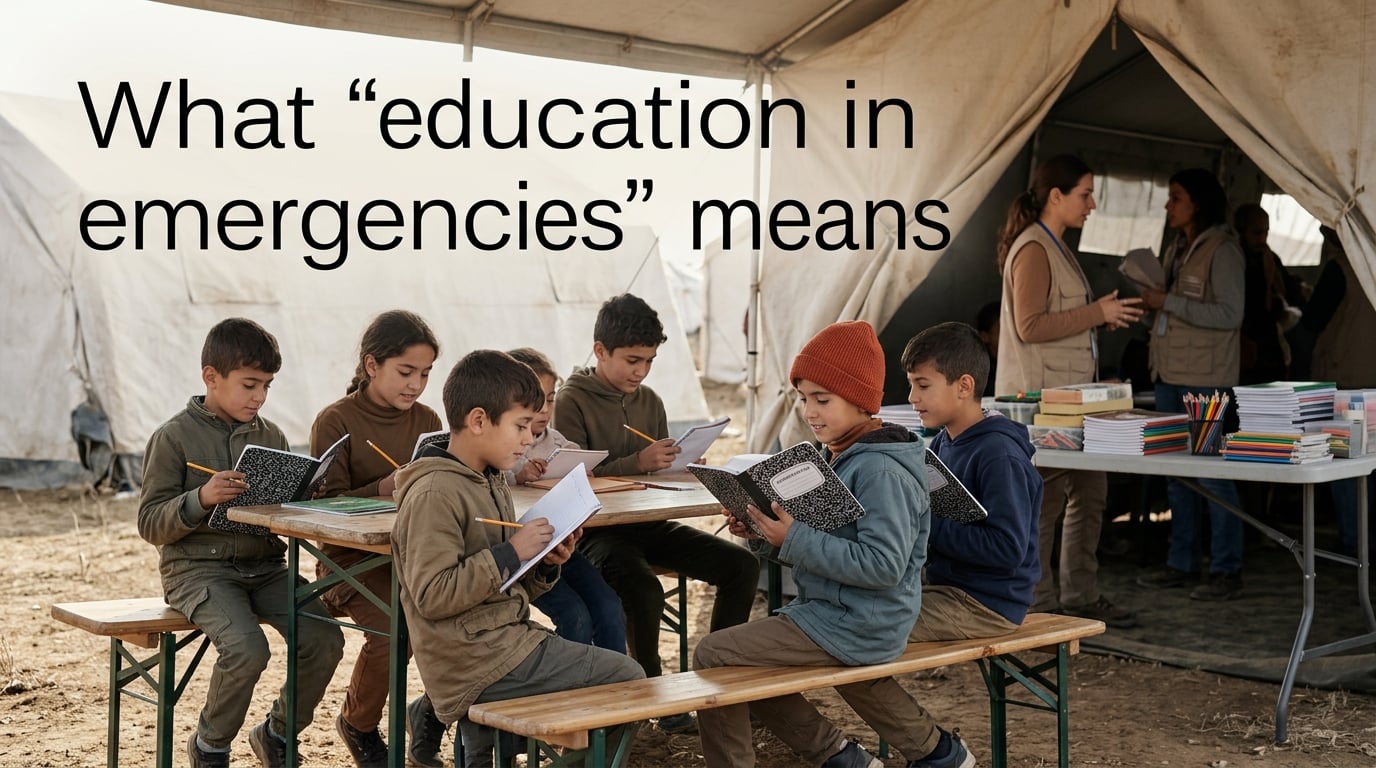
What "education in emergencies" means

Education in emergencies (EiE) refers to the “quality learning opportunities for all ages in situations of crisis, including early childhood development, primary, secondary, non-formal, technical, vocational, higher and adult education.” According to INEE, the Inter-agency Network for Education in Emergencies, this learning provides physical, psychosocial, and cognitive protection that can sustain and save lives. Education … Read more

How Communities Rebuild Social Trust After Conflict (September 2026 Guide)

How communities rebuild social trust after conflict

When a community survives war, ethnic cleansing, or systematic violence, the physical destruction is obvious. Rebuilding homes and roads takes years. But rebuilding the invisible bonds between people who harmed each other — or stood by while harm happened — takes far longer. How communities rebuild social trust after conflict is one of the most … Read more

How Truth Commissions Work (September 2026 A Complete Guide)

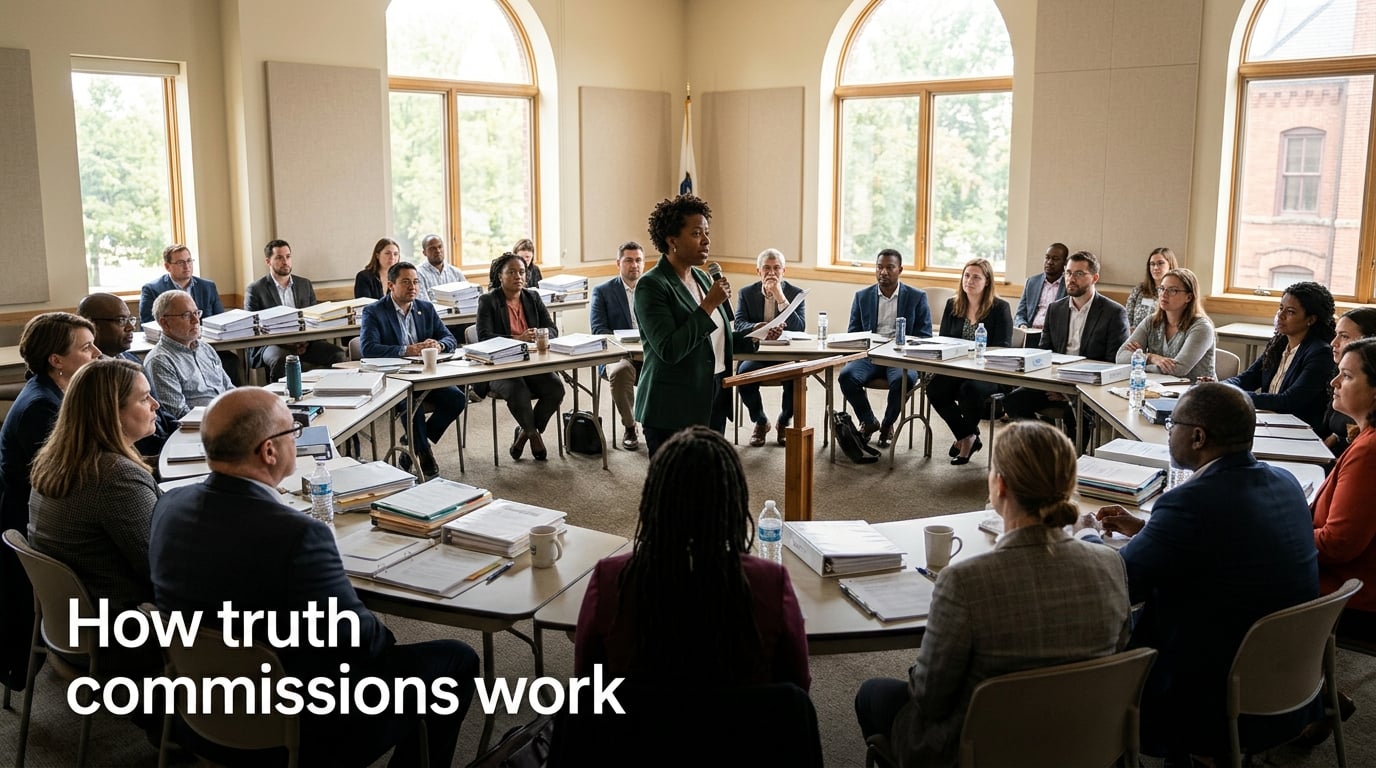
How truth commissions work

Truth commissions work through a structured, government-authorized process designed to investigate and document human rights violations that occurred during a specific period of conflict or repression. These official, temporary bodies collect victim testimony, examine evidence, hold public hearings, and produce a final report with findings and recommendations. Since the 1980s, more than 40 countries have … Read more

The History of Reconciliation Efforts Worldwide ((September 2026 Guide)

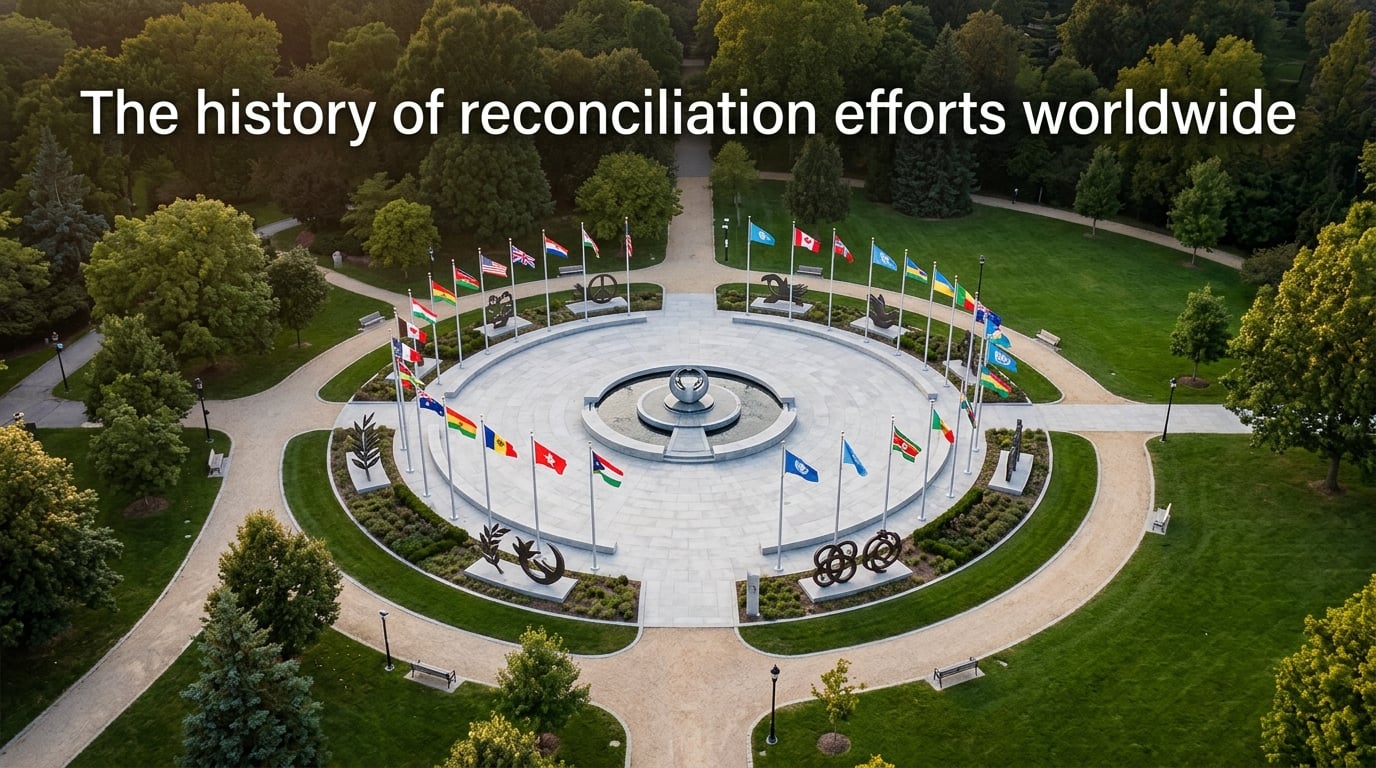
The history of reconciliation efforts worldwide

Reconciliation in history refers to the process of addressing past wrongs, healing divisions, and rebuilding relationships between communities after periods of conflict, oppression, or injustice through formal mechanisms like truth commissions, public hearings, and institutional reforms. From South Africa’s landmark Truth and Reconciliation Commission to Canada’s ongoing work with Indigenous communities, the history of reconciliation … Read more

How Memorials Help Societies Heal (September 2026 Expert Guide)

How memorials help societies heal

When a community loses someone—or many someones—the question isn’t whether to grieve. It’s how to grieve together. That’s where memorials step in, offering something no individual act of mourning can provide: a shared place to remember, reflect, and slowly heal. Memorials help societies heal by creating physical and symbolic spaces where collective grief can be … Read more