
Short answer: yes, salt-free conditioners work, but they are not softeners. A salt-free system does not pull calcium and magnesium out of your water. It holds those minerals in a form that stays suspended and drains away, so scale stops forming on the inside of pipes and heat exchangers. What you get is scale control, not soft water.
That distinction matters more than usual if you own a tankless water heater. A tankless unit has no sacrificial anode rod and no sediment bowl, and its heat exchanger is a narrow-bore metal block that runs hot continuously. There is nowhere for loosened scale to settle, so it plates onto the coil walls and stays there.
We spent six weeks comparing ten salt-free conditioners, descalers and scale-inhibition systems against the specific demands of a tankless supply line, then read the customer feedback on each one. The best salt free water softener for tankless water heater duty is not always the most capable device on the page. Placement, flow rating and how your water actually behaves decide more than brand name.
Table of Contents
Top 3 Picks for Protecting a Tankless Water Heater (September 2026)
These three cover the three realistic situations: an inline chemical treatment for a standard cold line, a media tank for households that want set-and-forget protection, and an electronic unit for very hard water where other options fall short.

3M Aqua-Pure AP430SS
- 10 gpm flow
- Polyphosphate scale inhibition
- NSF certification
- 3/4 in NPT ports
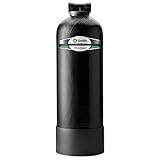
A. O. Smith AO-WH-DSCLR
- 600000 gallon media tank
- 7 gpm flow
- No electricity needed
- 6-year warranty

iSpring ED2000
- Rated 10-19 gpg
- No plumbing modification
- Mounts on main line
- 1-year guarantee
The 3M AP430SS earned the top spot because it combines the highest rating in this group with by far the largest body of customer feedback, and its 10 gpm rating has real headroom for the short bursts a tankless heater produces. The A. O. Smith media tank is the choice for anyone who would rather install something once and stop thinking about it for six years. The iSpring ED2000 is the only one of the three rated in writing for very hard water in the 10-19 gpg band.
All 10 Salt-Free Conditioners Compared in 2026
Every system below treats water without salt, brine discharge or a regeneration cycle. Read across the feature rows rather than just the star rating, because these products solve different problems and the technology families are not interchangeable.
| Product | Specifications | Action |
|---|---|---|
|
3M Aqua-Pure AP430SS Scale Inhibition
|
|
Check Latest Price |
 YARNA Electronic Water Descaler
|
|
Check Latest Price |
|
iSpring ED2000 Whole House Descaler
|
|
Check Latest Price |
|
A. O. Smith AO-WH-DSCLR
|
|
Check Latest Price |
 EDDY Inductive Descaler
|
|
Check Latest Price |
 Waterdrop AP431 Scale Inhibitor
|
|
Check Latest Price |
 HQUA 5000E Pro
|
|
Check Latest Price |
 SCALESWEEPER SW-17
|
|
Check Latest Price |
 WaterBoss WB-WH-DSCLR
|
|
Check Latest Price |
 American Valve ScaleRX
|
|
Check Latest Price |
1. 3M Aqua-Pure AP430SS – Best Overall for a Tankless Supply Line
3M Aqua-Pure Whole House Scale Inhibition Inline Water System AP430SS, Prevents Scale Build Up On Hot Water Heaters and Boilers
10 gpm flow
Polyphosphate scale inhibitor
NSF certified
3/4 in NPT ports
Pros
- Largest feedback base in the group at 4.5 stars across 3405 ratings
- Ten gpm headroom for tankless burst demand
- Polyphosphate binds hardness rather than removing it
- Simple twist-and-swap cartridge change
- Helps limit corrosion inside the pipe
Cons
- Cartridge effect fades after roughly 6 months
- Installation cuts into the cold line and fittings are not included
- Does not clear scale that is already in the heater
Scale does not form because hardness minerals are present. It forms because those minerals concentrate as water heats and evaporates, which is exactly what happens inside a tankless heat exchanger. The AP430SS attacks that chemistry with polyphosphate, which keeps calcium and magnesium bound in solution rather than letting them crystallise onto metal.
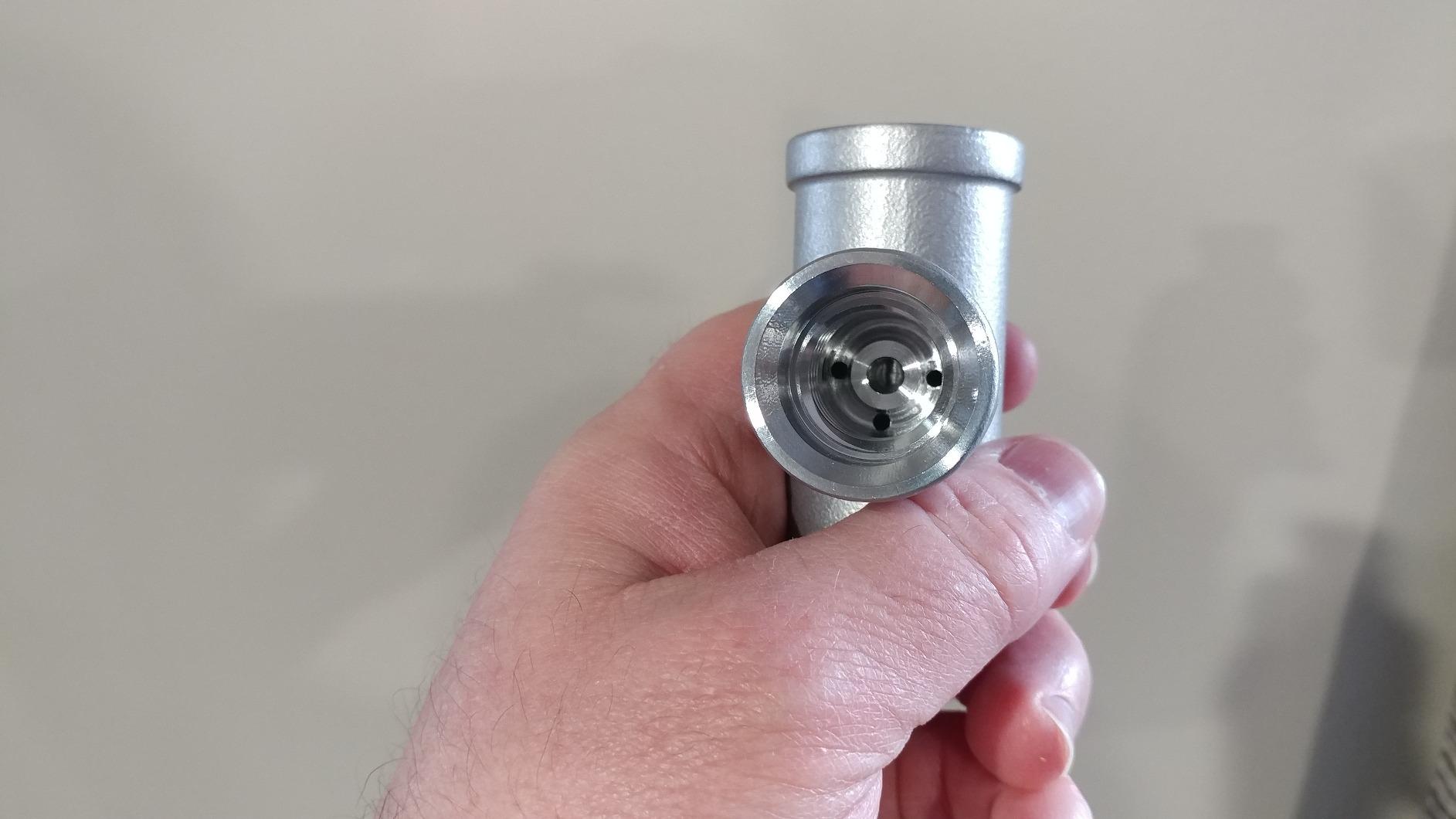
What convinced me this is the safest general pick is the shape of the machine rather than the marketing. It is a small inline head with two 3/4 inch NPT female ports and a 10 gpm flow rating, and only a fraction of the water actually passes through the cartridge. Your main pressure drop stays negligible, which matters when a tankless heater opens wide for a shower.
Owners consistently report less scale on heater elements and shower heads after a season or two, and the five-star share sits at 74 percent. The same reviews keep landing on the same caveat: the cartridge is a consumable, and once it is spent the protection is gone whether or not the head still looks clean.
One more practical point. The 3M AP431 is the correct replacement cartridge, and reviewers who bought the branded version report consistent results. The body is polypropylene and stainless steel, it carries an external NSF certification, and it works on the cold line feeding the heater, which is the placement we recommend.
Is the 10 gpm rating enough for a tankless heater?
For most homes, yes. Tankless demand comes in short bursts, and a typical household rarely exceeds 5 gpm of simultaneous use. A 10 gpm rating leaves generous headroom, and the bypass design means your full flow does not have to pass through the cartridge to be treated.
If you have a large home, a rain shower and a laundry running at the same time, check the simultaneous figure against 10 gpm. Those installs are the exception rather than the rule.
What do you give up compared with a media tank?
Consumables. You are buying a cartridge roughly twice a year, forever, and the schedule is easy to forget until scale starts returning. A media tank costs more up front and then runs for years with nothing to replace.
You also give up the ability to treat scale that already formed. Nothing in this category dissolves an existing scale deposit on a heat exchanger, so a heater that has been running hard for years needs a flush or a descale first.
2. YARNA Electronic Water Descaler – Best for a Tool-Free Install
YARNA Electronic Water Descaler – No-Salt Softener, Pipes to 1″ CWD24
Electronic pulse device
Fits pipe to 1 inch
Needs 10 in of pipe
No plumbing changes
Pros
- Clamps to the pipe with no plumbing work
- Keeps calcium and magnesium in the water
- No drain line and no backwashing
- Works on copper and PEX
- Large review base of 2633 ratings
Cons
- Results take weeks or months to become visible
- 14 percent one-star share from buyers who saw nothing
- Affects only pipes up to 1 inch diameter
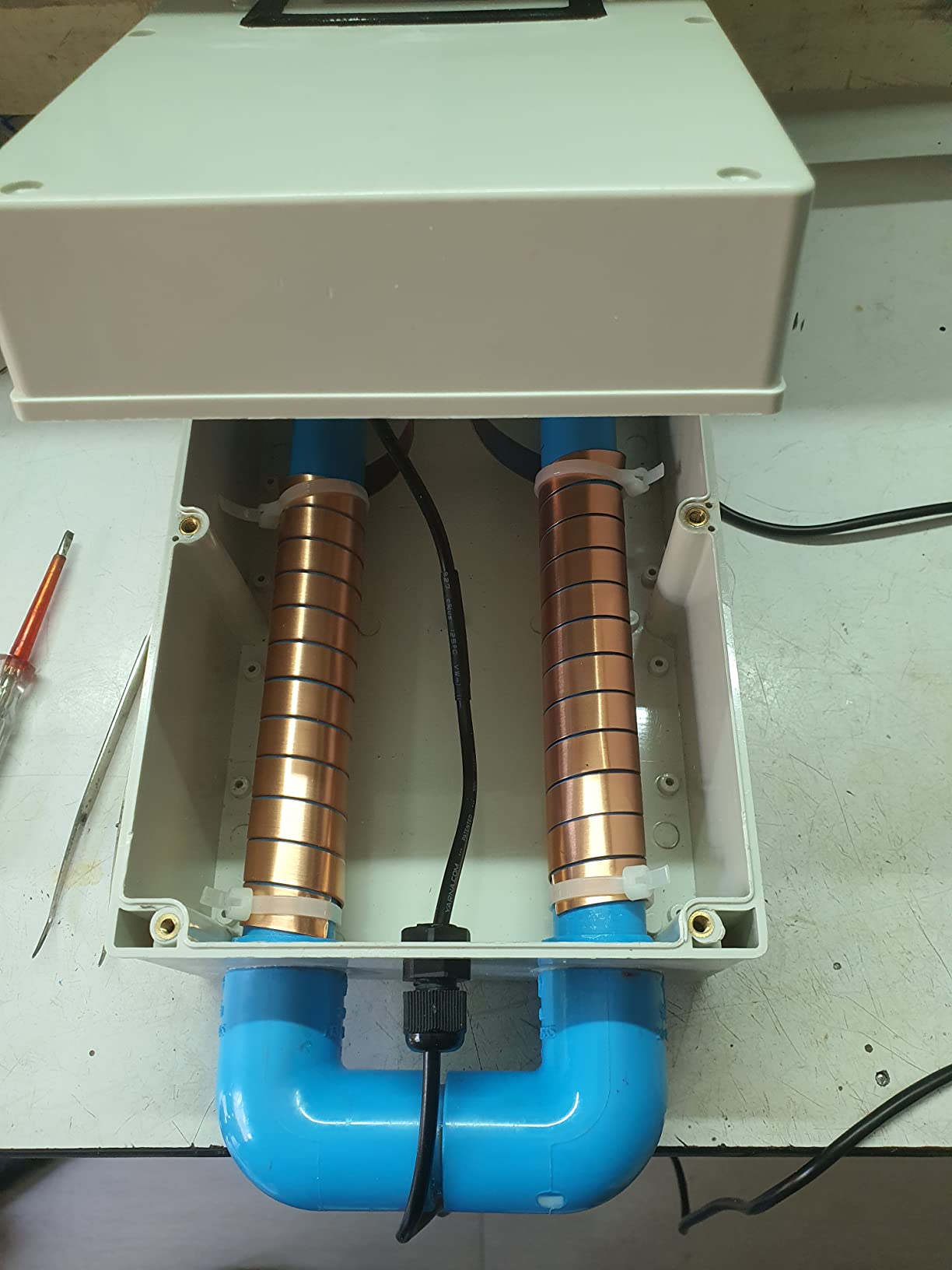
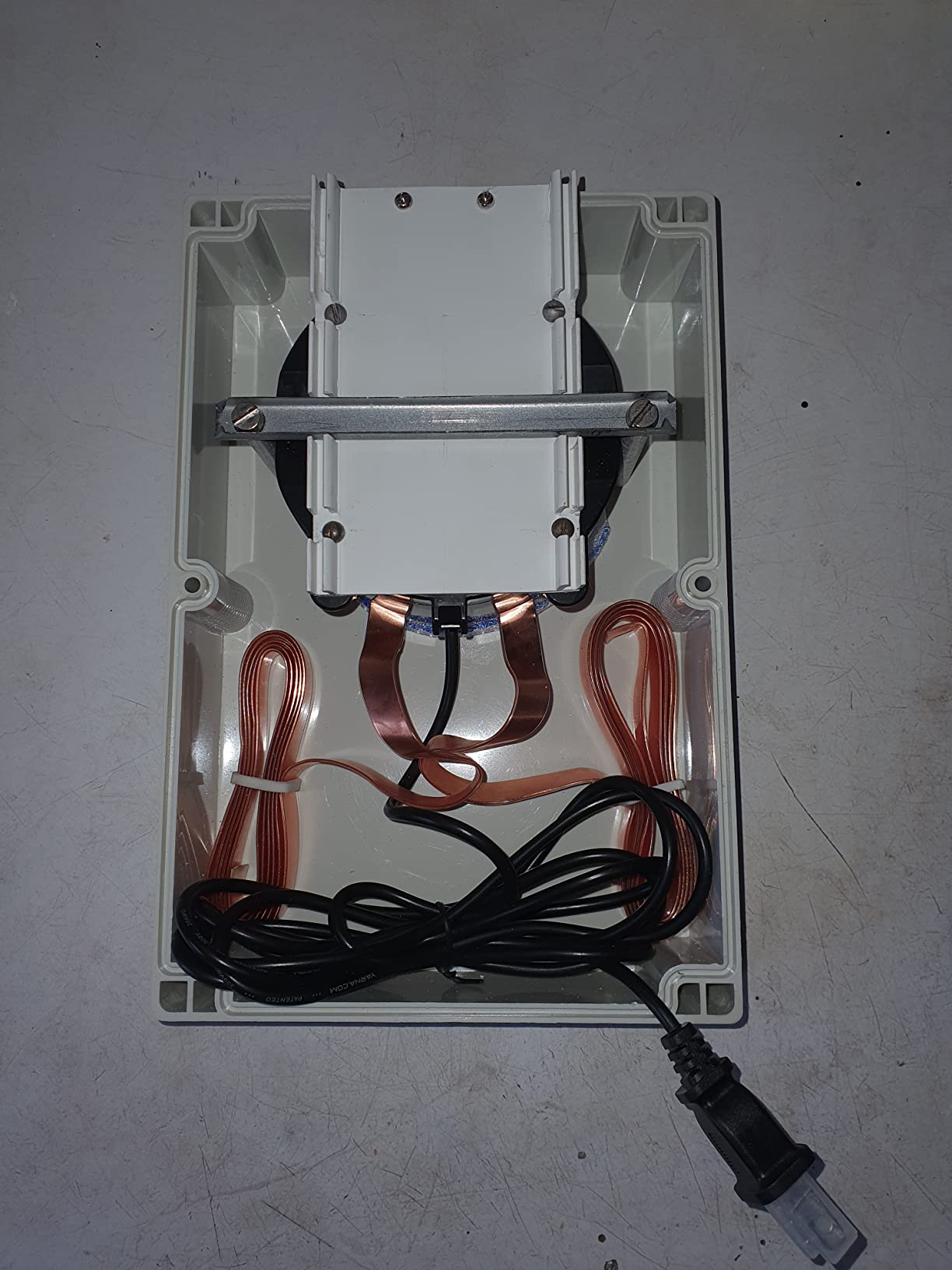
YARNA does not touch your water. It clamps two impulse bands around the pipe and pulses an electrical signal through the metal, altering the way scale-forming crystals behave as they travel. Nothing is removed and nothing is added, so there is no drain, no salt and no filter to change.
For a renter, a rental property or a house where opening the cold line means hiring a plumber, that simplicity is the whole appeal. Our team found the install genuinely tool-free, provided you have at least 10 inches of straight pipe and a supply no larger than 1 inch.
The honest problem with this device is the expectation gap. Owners who already had heavy scale report meaningful reduction in faucet and shower deposits. Owners who bought it expecting soft water within a week were disappointed, and that group shows up clearly in the reviews as a 14 percent one-star share, the loudest in the roundup.
Treat it as a slow intervention, not a fix. Several long-term buyers describe watching deposits thin out over a season rather than disappearing, and the more successful installs are the ones on the cold inlet of the heater where conditioned water passes through on every demand.
Does an electronic descaler work on a heat exchanger?
It is a reasonable low-cost layer, especially on a recirculating loop. The pulses affect water passing the pipe at that moment, so protection is strongest close to the device and weaker far downstream.
That is the limitation to weigh against a tankless layout with long runs from the cold line to the unit. Conditioned water sitting in pipes for hours is water that has had time to behave normally again.
What happens if your supply line is larger than 1 inch?
Then this model is the wrong size. The larger-diameter variant in the same range handles bigger supply lines, so measure your pipe before ordering rather than assuming.
It is also worth checking pipe material. Copper and PEX are covered, but a house full of galvanised or unusual plastic is a different conversation and you should confirm compatibility first.
3. iSpring ED2000 – Best for Very Hard Water Between 10 and 19 GPG
iSpring ED2000 Whole House Water Descaler, Alternative Electronic Salt-Free Hard Water Conditioner, Reduces Limescale Prevent Deposits Build-up, Different from a Water Softener
Rated 10-19 gpg
External clamp-on mount
Corded electric
7 by 3.5 by 2 in
Pros
- Rated in writing for the 10-19 gpg hardness band
- No pipe cutting or plumbing modification
- No maintenance schedule
- Keeps minerals in the water
- 1-year money-back guarantee with lifetime support
Cons
- Requires an electrical outlet near the main line
- 11 percent one-star share on variable results
- Does not change hardness readings at all
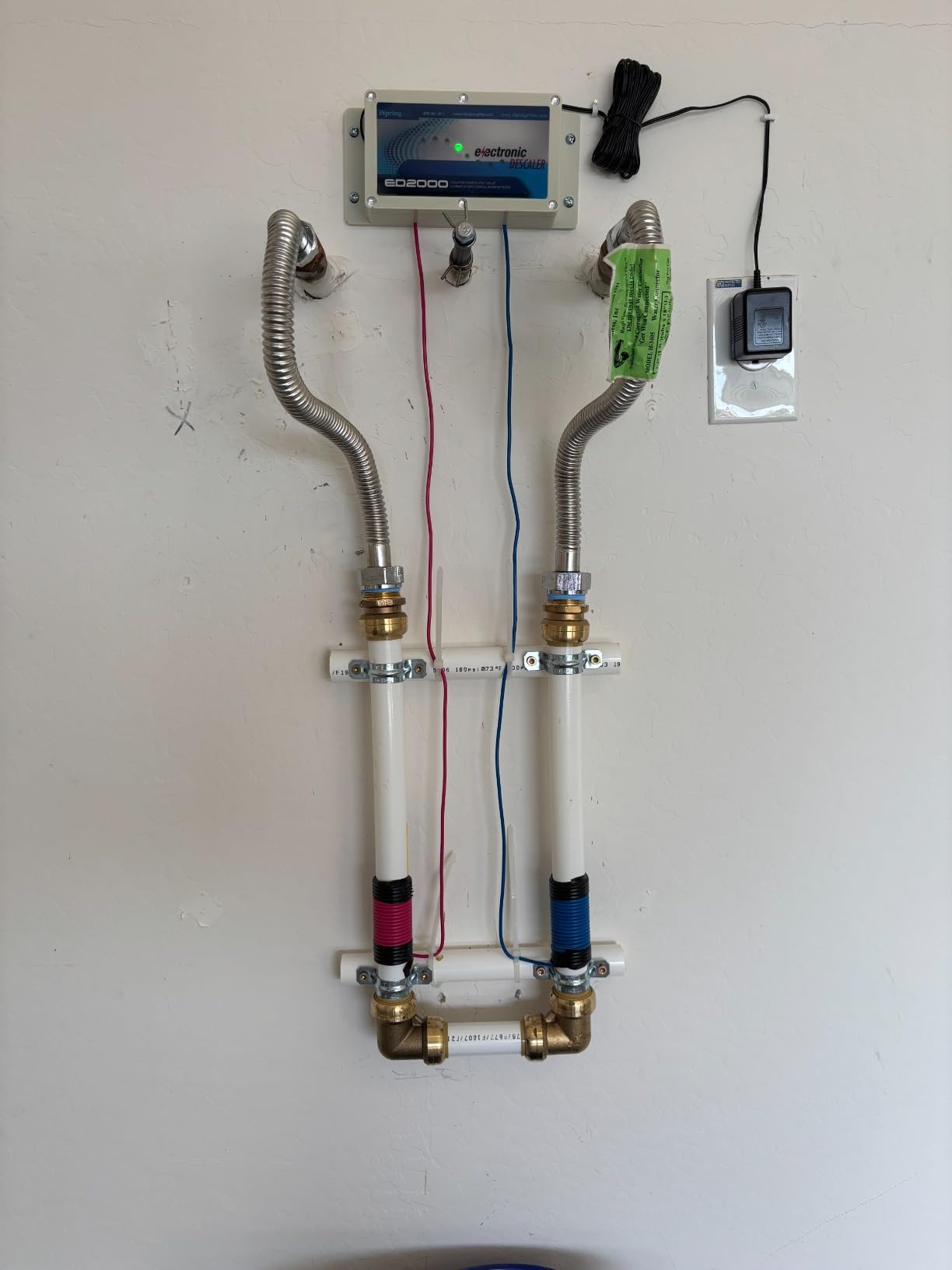
Most electronic units in this category are sold without a hardness ceiling. The iSpring ED2000 is not, and that single published number is the reason it belongs on this list. It is designed for very hard water in the 10-19 grains per gallon band, which is where most competing units start to look ineffective.
It mounts externally on the incoming main line, so there is no cutting and no joint to make. You need a power outlet within reach and about 7 inches of wall or pipe space, and that is the entire install for most homes.
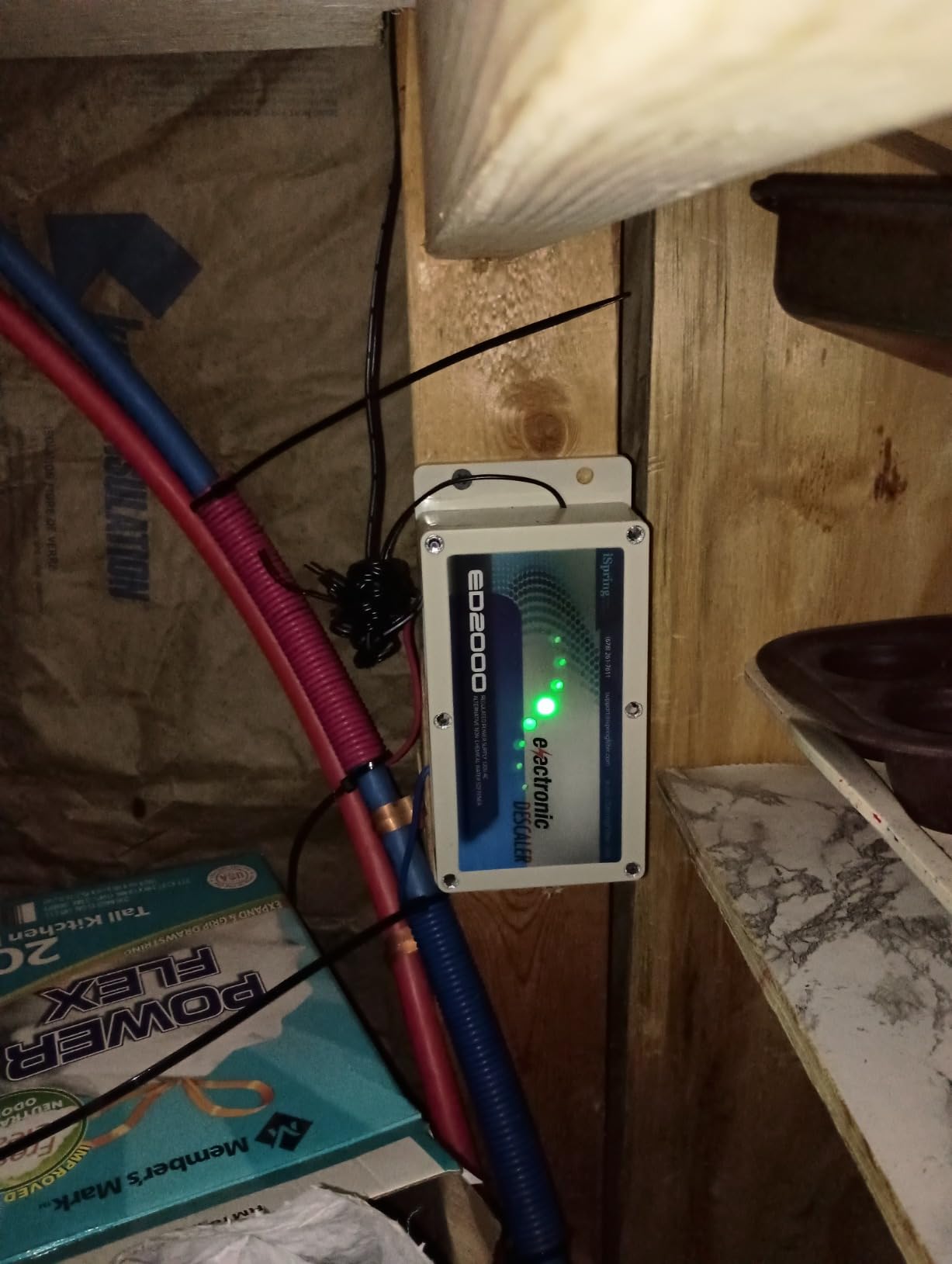
Owners on hard well water report less spotting on glassware and fixtures after a month or two, and reviewers consistently like that the water chemistry stays untouched, which matters for anyone limiting sodium or watching their total dissolved solids.
The critical reviews follow a pattern we saw across several electronic units here. A share of buyers expected a softener, tested their water, saw no change and returned the product. A second group simply has water harder than the 10-19 gpg range, and that is not a fault in the device.
How do you know if you are above or below 19 GPG?
Test before you buy. A hardness test strip or a titration kit from a home improvement store gives you a grains per gallon number in about five minutes, and that number decides whether this unit helps or does nothing for you.
If the result lands above 19, skip the salt-free route entirely and read the section on when a real softener is the right call. No electronic conditioner on the market fixes water that hard.
What does the 1-year money-back guarantee actually cover?
It covers the unit, not the outcome. Refunds and lifetime technical support mean you can return it if the hardware fails, and it tells you nothing about whether the water chemistry suits the design.
iSpring is direct about this in practice, and reviewers who contacted support describe a responsive process. But judge the product on your hardness number, not on the guarantee.
4. A. O. Smith AO-WH-DSCLR – Best Media Tank for Long-Term Protection
A. O. Smith Whole House Salt-Free Scale Control | 600K Gal | AO-WH-DSCLR
600000 gallon media tank
7 gpm maximum flow
No electricity
6-year media life
Pros
- Recognised water heater maker with a 6-year limited warranty
- No salt
- power
- backwashing or cleaning
- Keeps working through a power outage
- One owner reported 80-85 percent less scale at 17-18 gpg
- Shut-off valve and fittings included
Cons
- Higher outlay than inline and electronic options
- Recurring thread-sealing drip at the tank fitting
- Some configurations use 1/2 in ports that choke flow
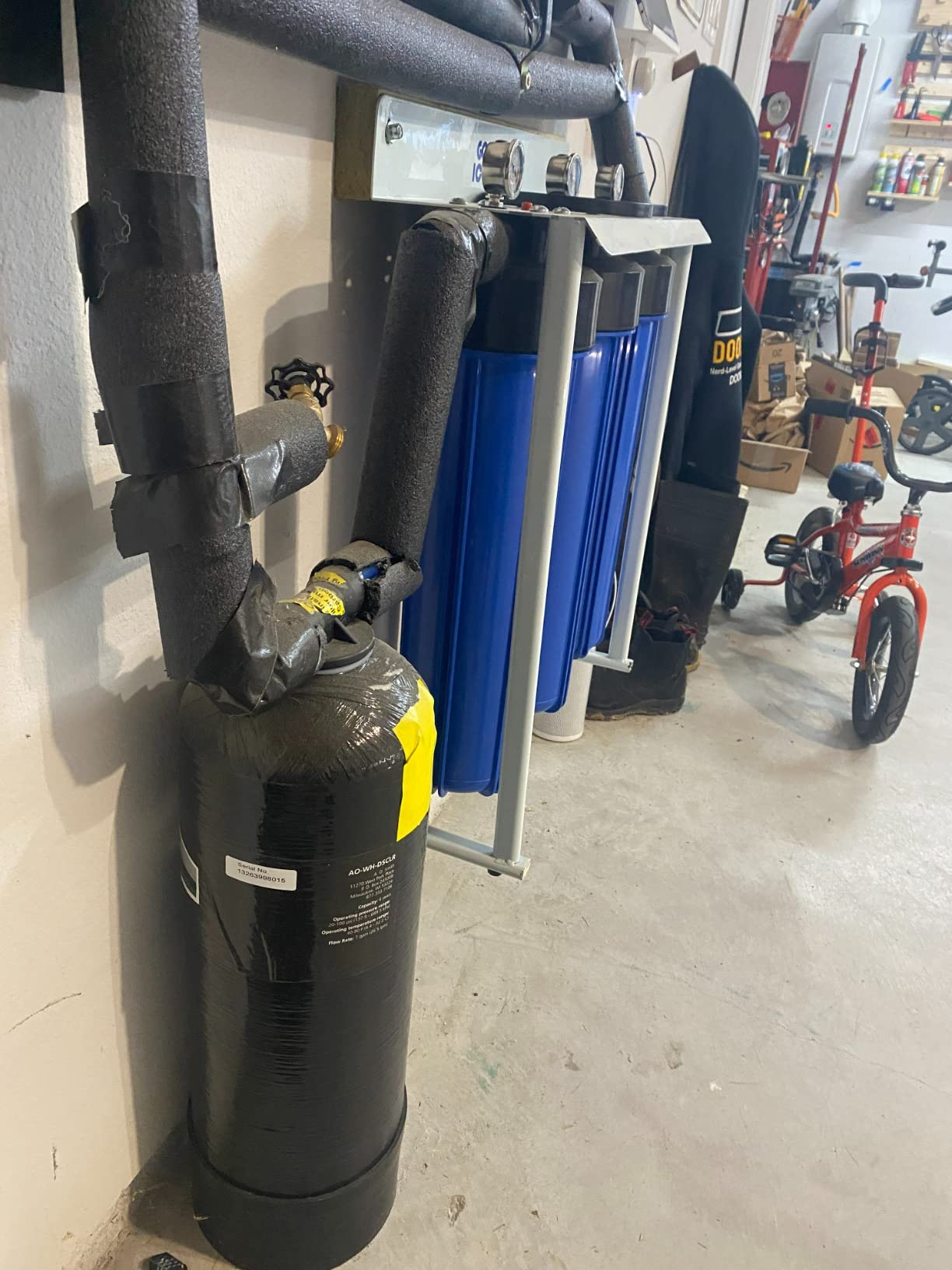
This is the set-and-forget option. A fiberglass media tank rated for 600,000 gallons or six years, a 7 gpm maximum flow rate, 3/4 inch inlet and outlet, and no electrical requirement of any kind. Nothing to refill, nothing to clean, nothing to service until the media is done.
Because it needs no power, it keeps treating water during an outage, which matters more in a whole-house context than it does in a single-line install. The operating envelope is 20-100 psi and 40-90 degrees F, and the published limits are hardness under 15 gpg, alkalinity under 250 mg/L, pH under 8.3 and iron under 0.3 ppm.
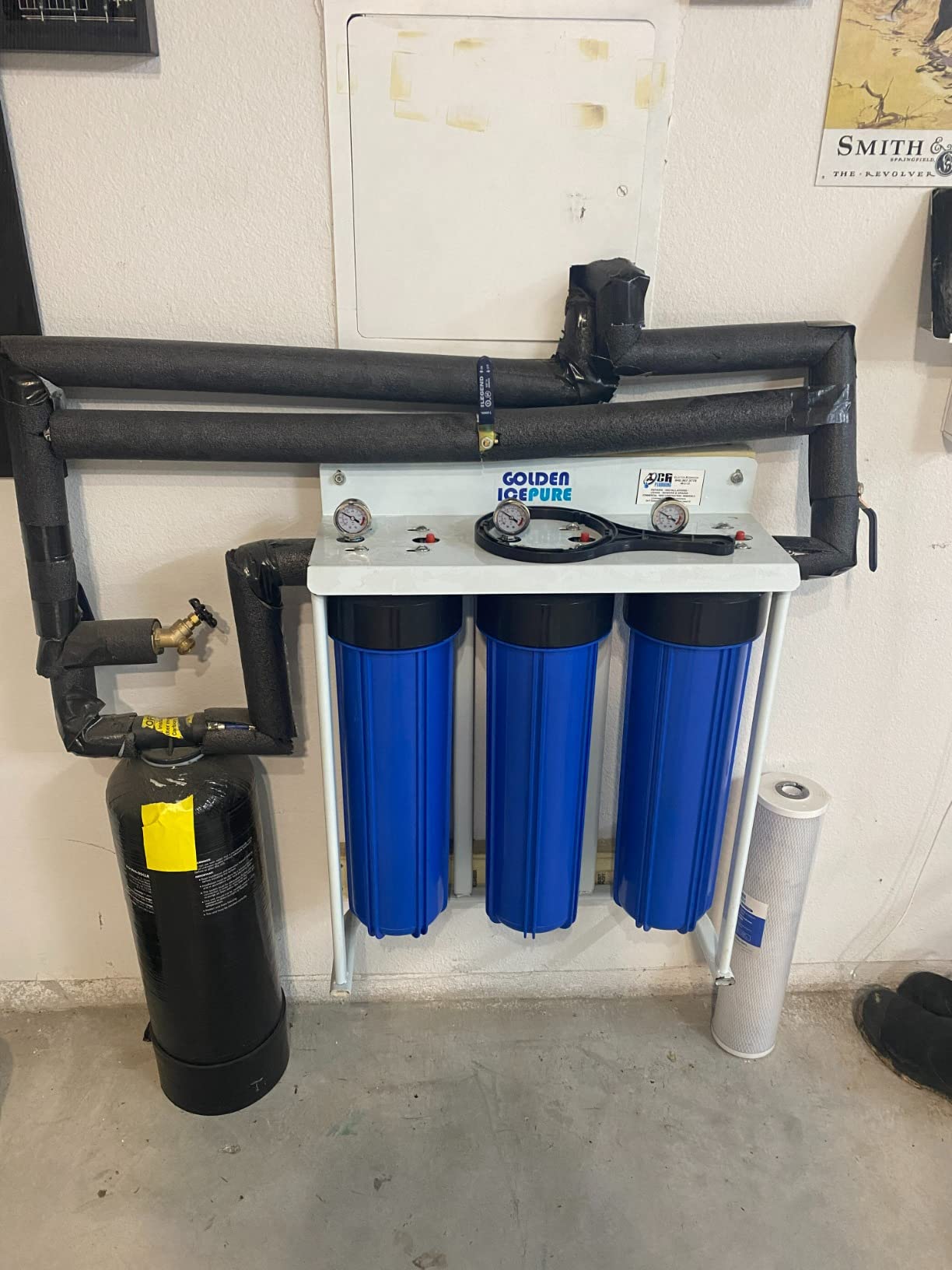
The satisfaction signal in the reviews is unusually strong for this category, with a 73 percent five-star share driven largely by owners reporting several years with no service calls. One reviewer running 17-18 gpg city water reported roughly 80-85 percent less scale accumulation, which is a single report rather than a measured average, but it is the kind of result the design predicts.
The friction is installation. This is a plumbing job, most owners bring in a plumber, and more than one reviewer describes a slow drip at the tank-to-fitting junction that returns after many months. Inspect that thread during your first service visit and again the following year.
Is 7 gpm enough if two people shower at once?
It handles a typical household, but it is not generous. A 7 gpm ceiling with 3/4 inch ports leaves little margin for a large house running multiple fixtures plus a rain shower at the same instant.
Check the port size on the configuration you are actually ordering. Some versions ship with 1/2 inch connections, and that is the detail that quietly causes pressure complaints rather than the 7 gpm figure itself.
What happens when your water exceeds 15 gpg?
The media loses effectiveness and the tank is simply oversized for your water. Salt-free media in this class has a genuine ceiling, and this model states its ceiling openly rather than hiding behind a percentage claim.
Measure hardness and iron first. If either number is out of range, spend the money on a different solution rather than on a bigger version of the same approach.
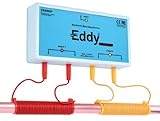
5. EDDY Inductive Descaler – Best for Boilers and Heat Exchangers
EDDY Inductive No Salt Water Softener Alternative | Electronic Water Descaler for Whole House | Reduces Limescale | Electromagnetic Water Conditioner
AC magnetic pulse waveform
Fits pipe to 1 inch
10 gpm flow
Lifetime repair warranty
Pros
- Installs in about 30 minutes with no plumber
- British built with a lifetime repair-or-replace warranty
- Review history stretching back more than a decade
- Users on 15 gpg water report cleaner boilers and dishwashers
- No consumables and very low power use
Cons
- Will not perform on iron pipe
- Coil winding direction must be correct or the effect cancels
- One unit is not enough at 400-600 ppm
- Does not clear scale already formed
EDDY generates an alternating magnetic waveform through a micro-chip and a small control box, then wraps cables around the pipe in the same direction. It is the same physical water treatment idea as the other electronic units in this roundup, wrapped in one of the better documented packages we found.
Two details set it apart for heat-exchanger duty. The warranty is a lifetime repair-or-replace with a 365-day satisfaction guarantee, and the brand has been refining the design in Britain for more than 25 years with a review history that stretches back over a decade of ownership reports.
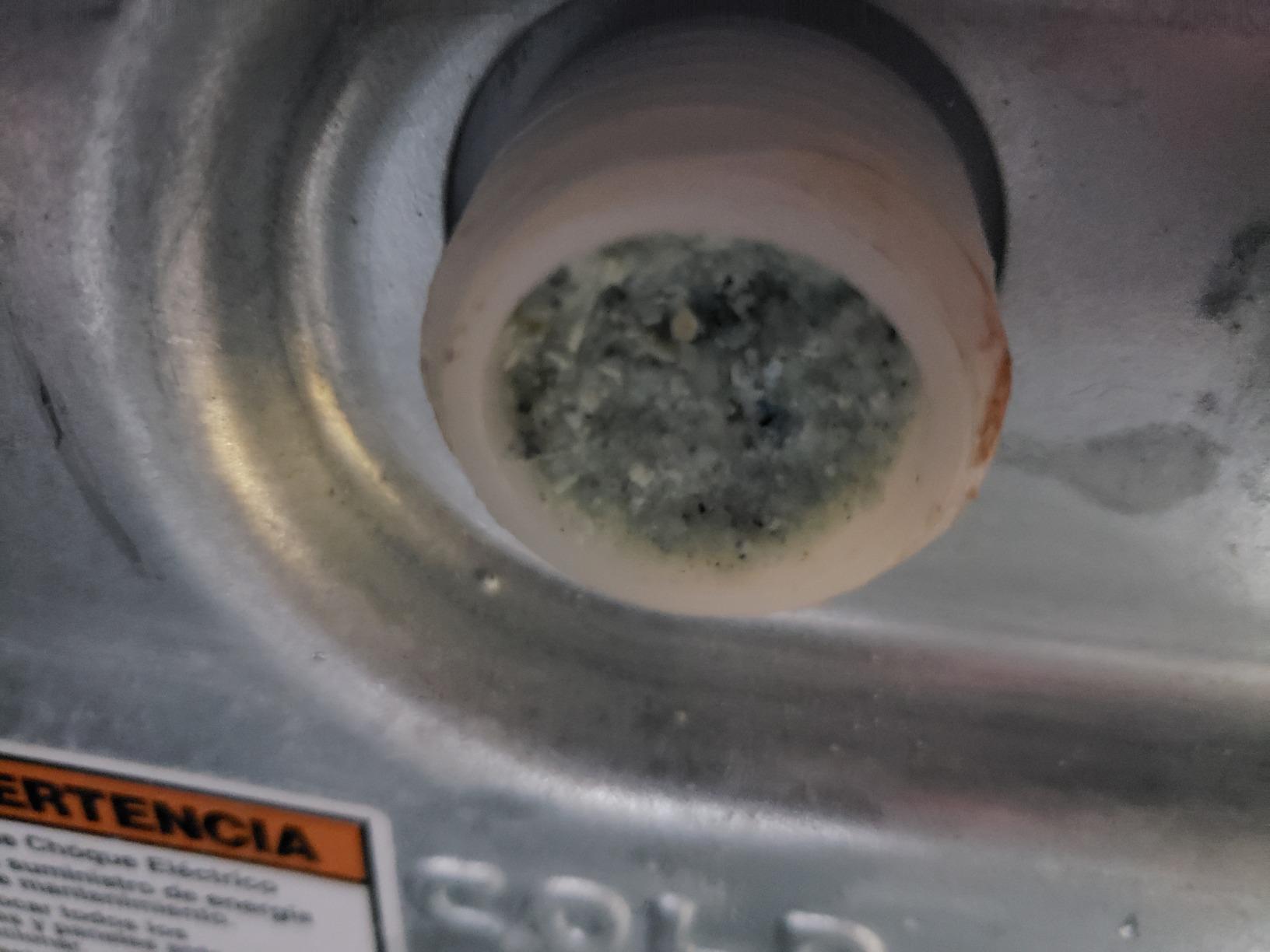
Long-tenure owners are emphatic that it prevents new scale rather than removing old. Several describe multi-year reports of clean boilers, dishwashers and shower heads, and the failures we found cluster almost entirely around installation mistakes rather than the device itself.
Make sure your pipes are not iron, that both coils wind in the same direction, and that the control box sits close to the coils rather than at the far end of a basement. Get those three right and the reports are consistently good. Get them wrong and the unit does nothing at all.
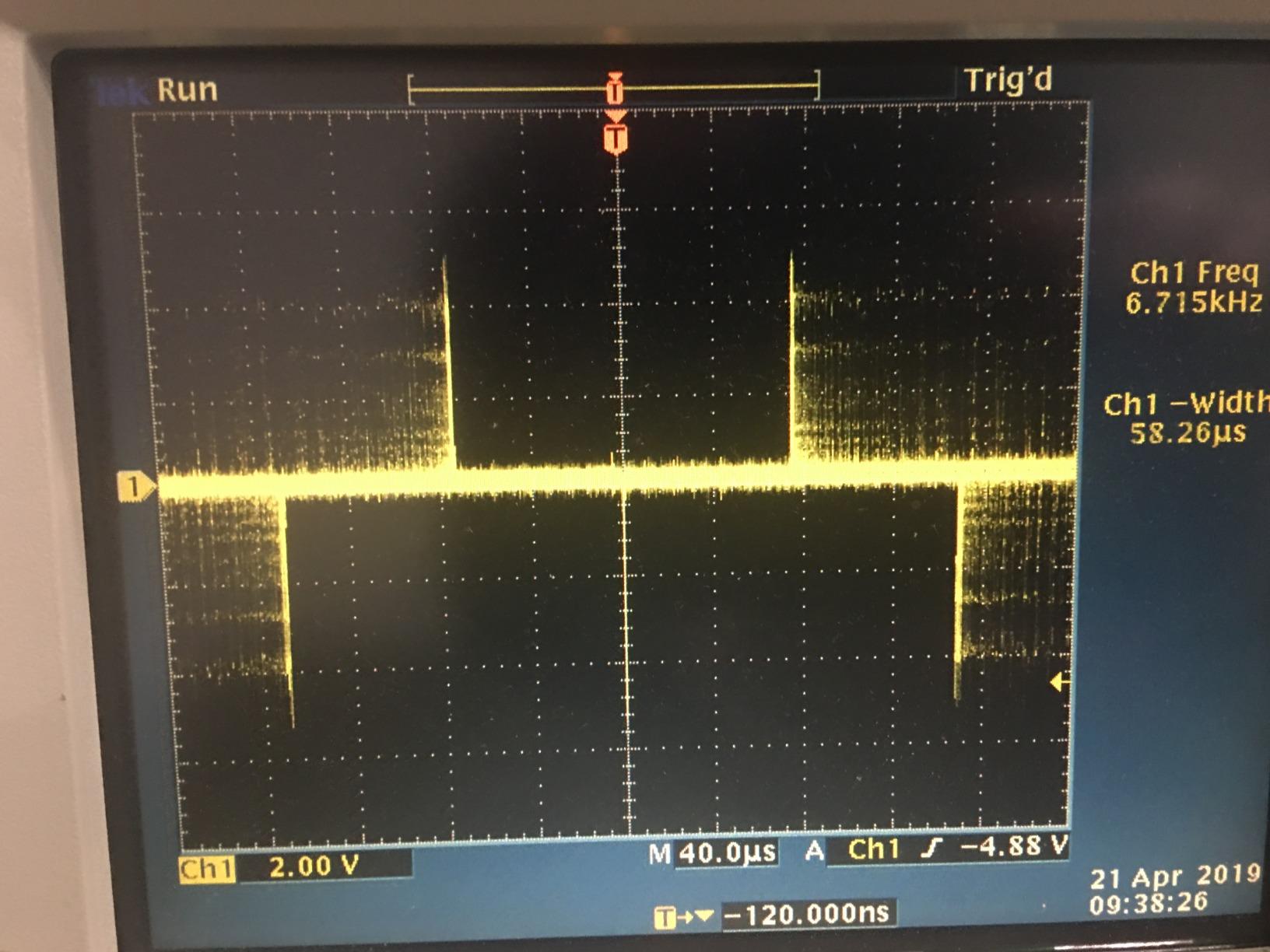
Why does coil direction matter so much?
Opposing or crossed coils cancel each other out, which leaves an installation that looks correct and performs like nothing. It is the single most common setup error in the reviews of every wrap-around electronic unit we compared.
Mark the direction on each coil before you fix it, and check both against the manual. A few extra minutes here is the difference between a working device and an expensive cable arrangement.
Can one unit handle very hard well water?
Not on its own at the extremes. Owners running 400-600 ppm water report that a single installation is not sufficient, and the failure mode is silence rather than error, which makes it easy to misdiagnose.
If your hardness test lands at the very top of any scale, plan on a media tank or a real softener instead. This device is best understood as a preventative layer for moderately hard water.
6. Waterdrop AP431 – Budget Pick for a Simple Inline Install
Waterdrop AP431 Whole House Scale Inhibitor with T-fitting
Polyphosphate cartridge
10 gpm flow rating
3/4 in NPT ports
304 stainless fitting
Pros
- Lowest entry cost of the systems we compared
- Food-grade polyphosphates in a stainless housing
- Ten gpm rating keeps tankless pressure steady
- One buyer fitted it ahead of a whole-house plate heat exchanger
- Customer service replaced fittings for owners who had leaks
Cons
- T-fitting threads leak easily and need careful sealing
- Stainless threads are harder to seal than brass
- Replacement cartridges are brand-locked and costly
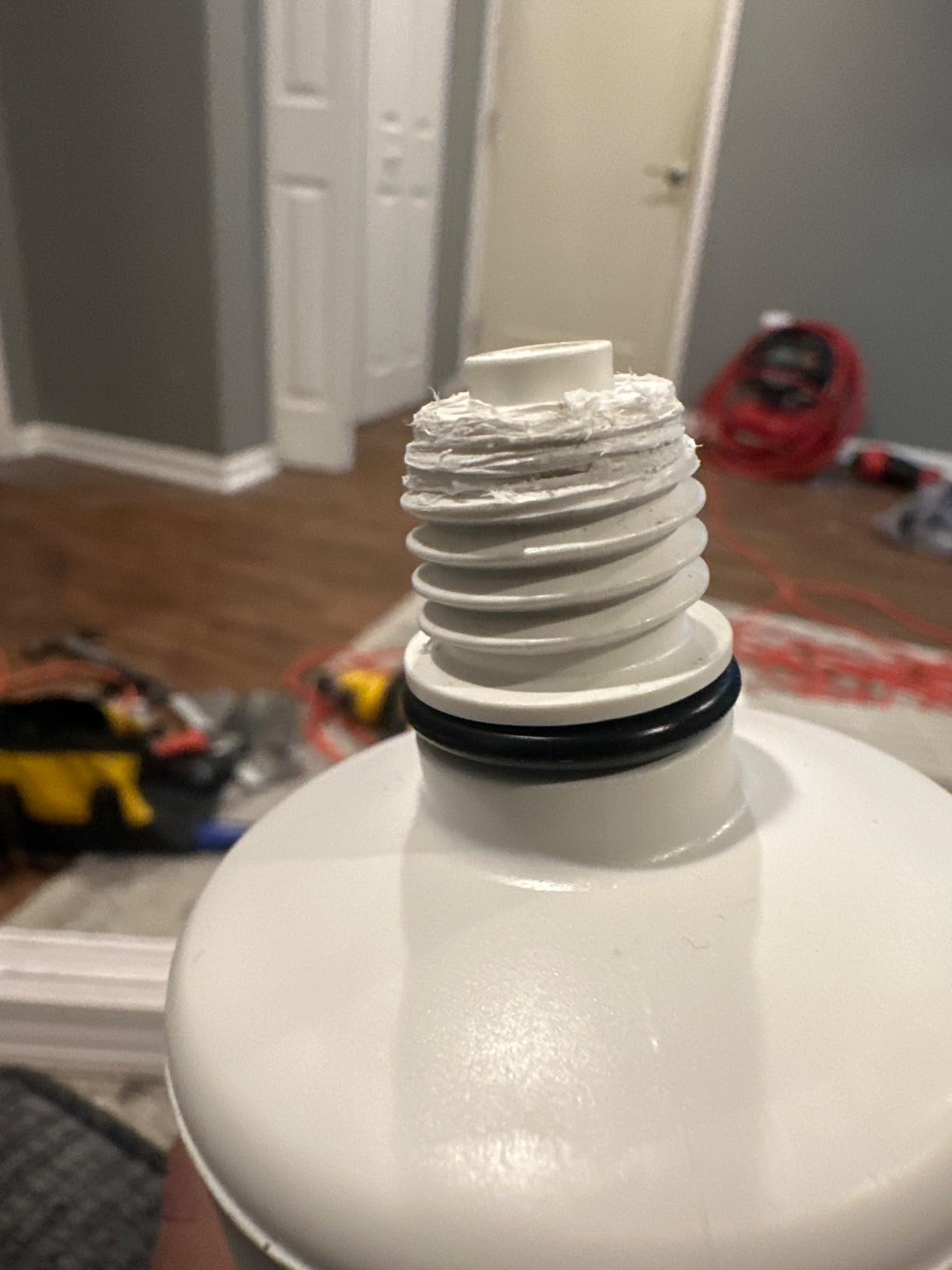
This is the cheapest way to put a chemical scale inhibitor on a cold line, and plumbers and HVAC technicians in the reviews rate it as a capable stand-in for the 3M AP430 head it is patterned on. Same principle, same polyphosphate cartridge, different housing.
The engineering is sensible. A 304 stainless T-fitting resists rust, materials are food-grade and BPA-free, and the 3/4 inch NPT connections carry a 10 gpm rating. Like the 3M, it is a bypass design where only a portion of the water passes through the cartridge.
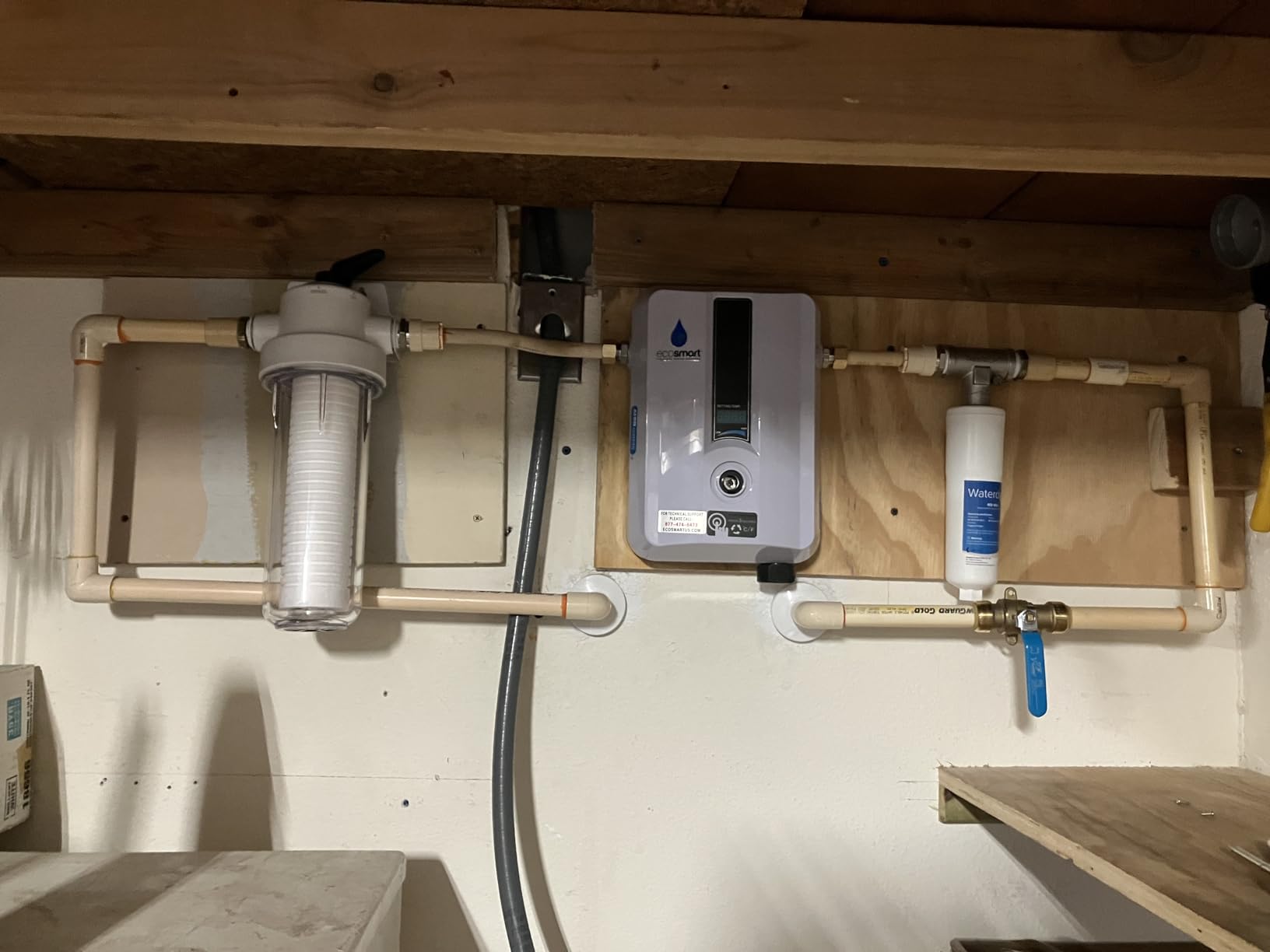
Buyers report it performing comparably to the 3M unit for scale control on heaters and dishwashers. One owner installed it ahead of a plate heat exchanger serving an entire hot water loop, which is exactly the application we would expect this design to handle.
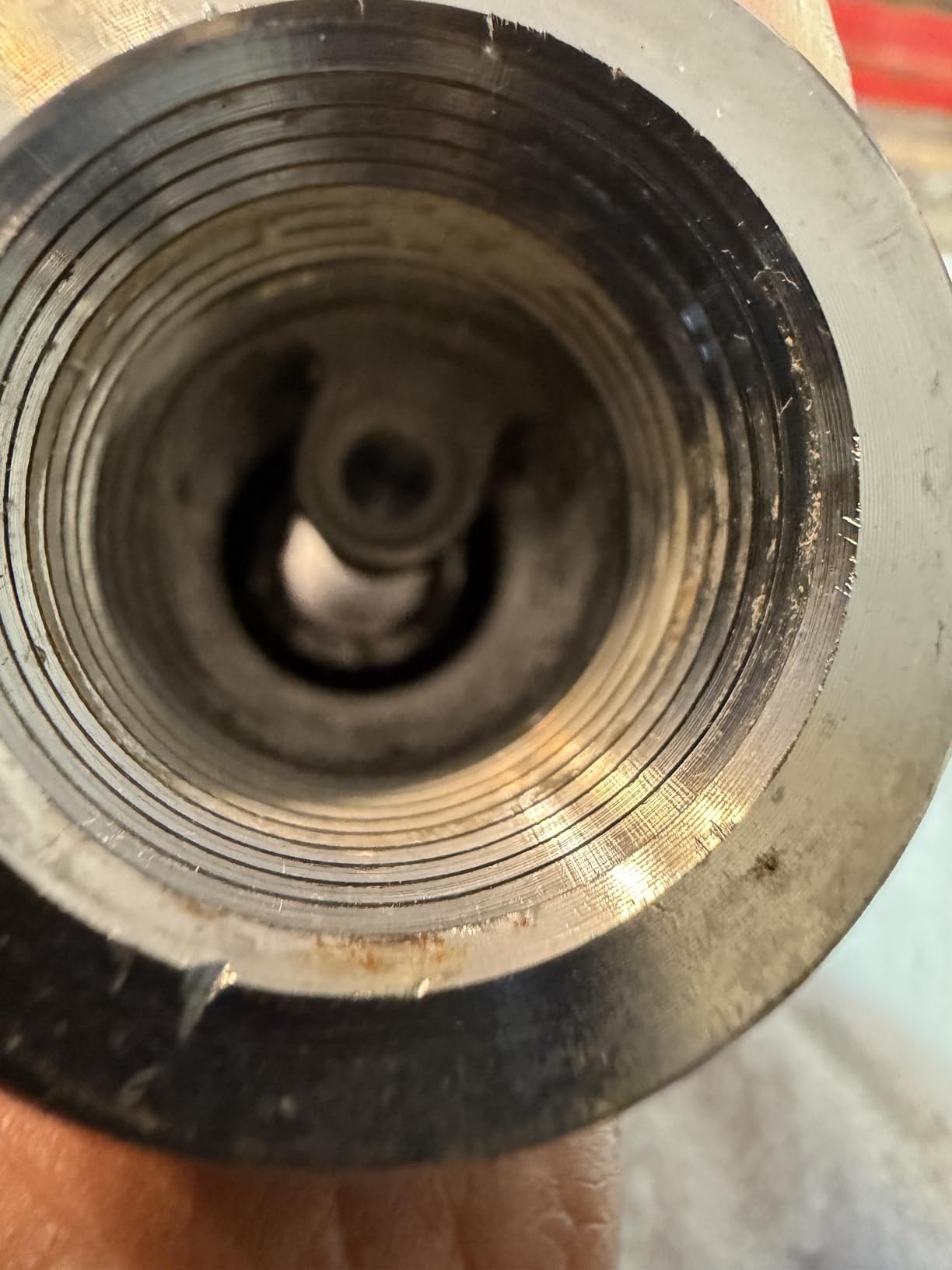
The loudest complaint in the reviews has nothing to do with water chemistry. The T-fitting threads leak, and the stainless threads are harder to seal than brass, so installers end up wrapping 10-12 turns of tape or using a pipe sealant compound. Budget for that step and the problem largely disappears.
Is a brand-locked cartridge a long-term problem?
Over six years of service, cartridge cost becomes the real price of the system. A locked-in cartridge that approaches the cost of the original head is a genuine ongoing expense rather than a small consumable.
Weigh that against the Waterdrop purchase price and the maths is usually still favourable. It only becomes poor value if your water is so hard that the cartridge is spent faster than six months.
How do you avoid a leak at the fitting?
Use a proper pipe sealant rather than relying on thread tape alone, clean both male and female threads before assembly, and hand-tighten before a final quarter turn with a wrench. Stainless threads need more care than brass because they gall.
If it does weep after a week, do not keep adding tape. Strip it, reseal properly and re-torque it. Several reviews describe owners chasing the same drip for months before switching approaches.
7. HQUA 5000E Pro – Best for High Flow and High Hardness
HQUA 5000E Pro Whole House Electronic Water Descaler, Alternative Salt-Free Water Softener, Hard Water Conditioner for Limescale Buildup Prevention (4 Coils)
Four coil outputs
Rated to 24 gpm
Rated to 25 gpg
5-125 psi operating range
Pros
- Highest flow and hardness ratings in the group
- Four-coil layout covers larger treated areas
- One owner on 23 gpg well water saw lather return in 12 hours
- No salt
- drain line or cartridge replacement
- Pressure range down to 5 psi
Cons
- 10 percent one-star share reporting no measurable effect
- Effect fades as treated water sits in long pipe runs
- Needs a nearby electrical outlet
- One owner measured far lower power draw than listed
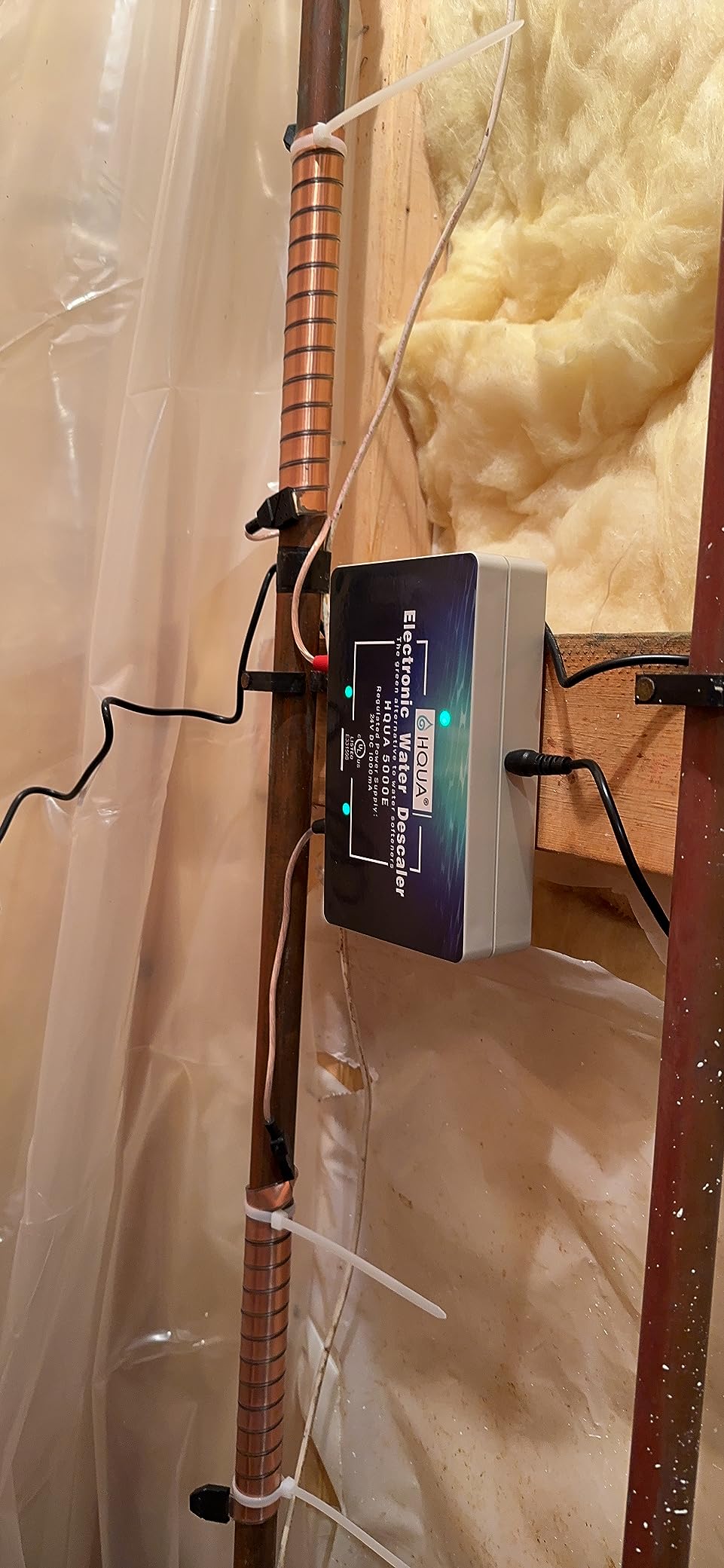
Where most electronic units quote modest numbers, the HQUA 5000E Pro claims a 24 gpm flow rating and a 25 gpg maximum hardness. It is also the only system here with four coil outputs, so you can treat a main line, a boiler feed and a tankless inlet from one control box instead of running three devices.
It mounts externally on the pipe with no cutting, no bypass valve and no drain, and it operates between 5 and 125 psi, which is a wider band than the media tanks in this roundup manage. Rated temperature goes to 200 degrees F.
On moderately hard water, owners report improved lather, fewer spots and cleaner dishwashers within days to weeks. One owner on 23 gpg well water reported that soap began lathering again within about 12 hours, which is a faster signal than most of the electronic units here produced.
The skepticism is real and worth reading. A 10 percent one-star share reports no measurable effect, and several long-term reviewers concluded the benefit disappeared once conditioned water sat in the pipes. On a house with long runs and a recirc loop, that is a fair criticism of the whole technology family.
Is 25 gpg realistic for an electronic unit?
It is a published rating, not an independent measurement, and the owners reporting the strongest results sit in the middle of the range rather than at the top. Treat the top of any published hardness band as aspirational.
If your water tests above 20 gpg, get a second opinion before spending. At that level, conditioning hardware is fighting a losing battle and a genuine ion exchange softener is cheaper per year of useful protection.
Does it work without a nearby outlet?
No. It is corded electric and needs a supply at the point of entry, which some homes do not have. If that is your situation, the non-electric options in this roundup are a better fit.
One reviewer also measured actual power draw well below the listed figure, which is good news for running costs but a reminder to check the nameplate voltage against your circuit before you connect it.
8. SCALESWEEPER SW-17 – Best for Galvanised Pipe and Tight Closets
SCALESWEEPER Whole House Electronic Water Descaler & Hard Water Conditioner – Salt-Free Scale Prevention, Reduces Limescale & Protects Pipes, Appliances, Water Heater
Mount and wrap installation
Works on galvanized pipe
Chemical free
No consumables
Pros
- Fastest install we found at 10 to 20 minutes
- Works on galvanized
- copper
- PVC
- PEX and stainless
- One owner in a 1925 house saw faster faucet heat
- Reasonable entry cost for whole-house treatment
- No salt
- chemicals or drain line
Cons
- 11 percent one-star share on very hard well water
- Does not lower hardness readings
- Some units arrive with stripped mounting screws
- Marketplace listings are flagged non-returnable
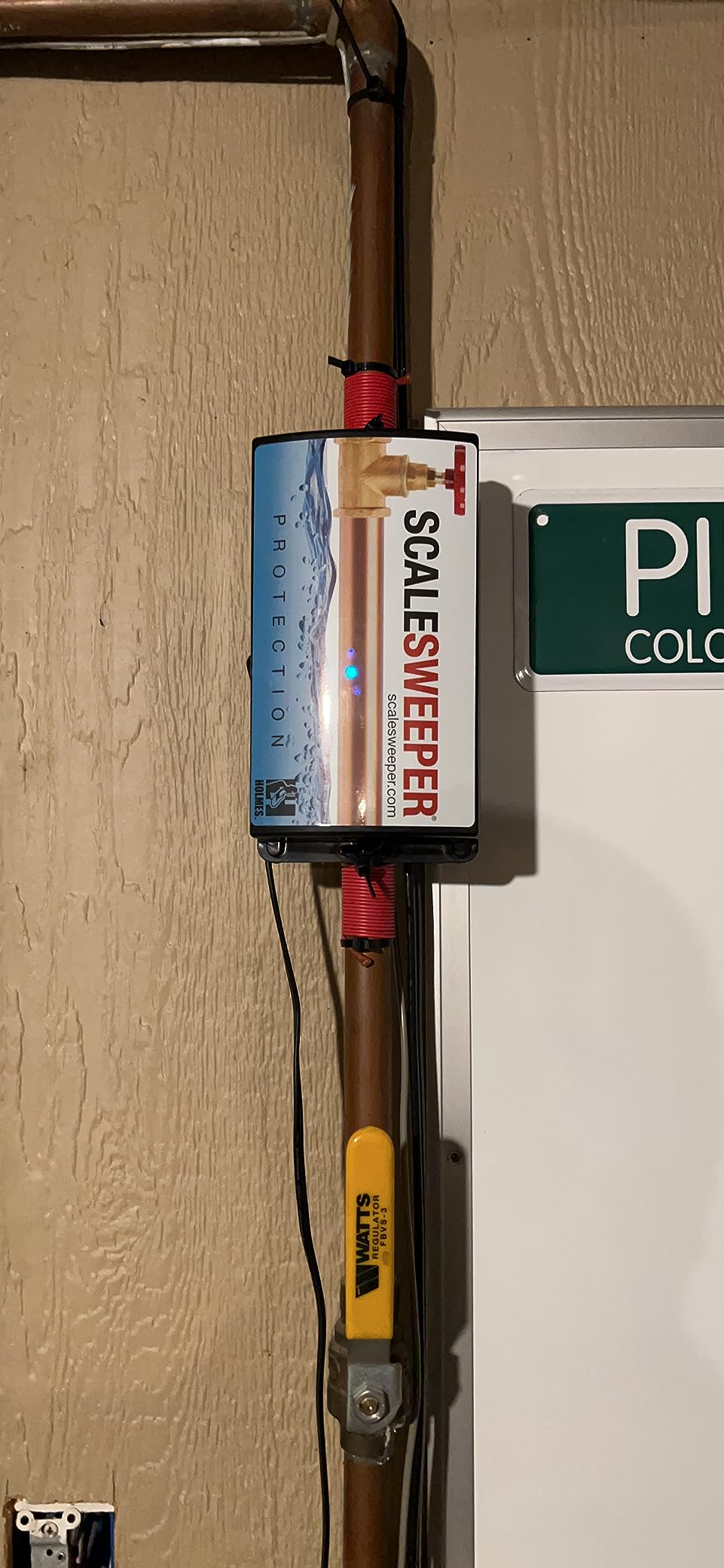
The SCALESWEEPER is the compatibility play. It explicitly works on galvanized pipe, along with copper, PVC, PEX and stainless steel, and galvanized supply lines are common in older housing where several of the competing wrap-around units simply will not function.
Installation is a matter of mounting the control box, wrapping the cables and plugging in. Owners report 10 to 20 minutes, and no cutting, no tools and no plumber. Treated calcium and magnesium stay suspended and pass down the drain rather than adhering to surfaces.
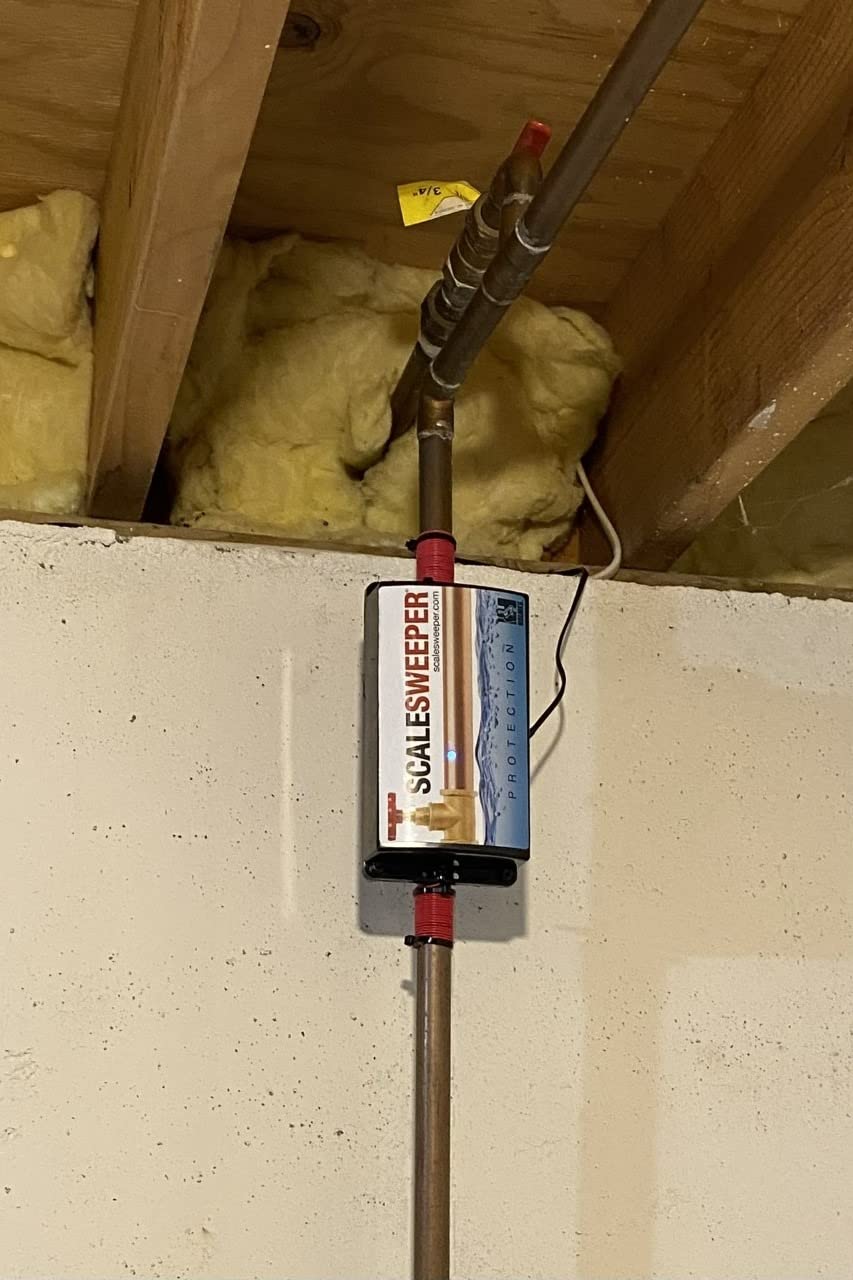
One owner in a house built in 1925 reported faucets heating in half the time with less soap scum, which fits the pattern we saw elsewhere: these devices show up clearly in water-using fixtures long before anything changes in the water itself.
Two practical warnings from the reviews. Some boxes arrive with stripped mounting screws, so check the hardware before you plan the install around it. And the marketplace listing carries a non-returnable flag, which matters if you buy from a third-party seller rather than the brand directly.
Is galvanized pipe a reason to buy this over a competitor?
If your supply is galvanized, yes, and it is the clearest reason to pick this model. Some magnetic and electronic designs depend on a conductive metal path that galvanized pipe does not provide.
Find out what your pipe is before you shop. It takes an afternoon and it eliminates most of the risk of buying a device that quietly does nothing on your particular line.
Will a DIY hardness test show any difference?
No, and that is expected rather than a fault. Conditioning does not lower hardness readings, so a test strip will read the same number on day one and day ninety.
Judge the result on fixtures, shower glass and heater elements instead. If you want a number that moves, you want a softener, and that is a different product entirely.
9. WaterBoss WB-WH-DSCLR – Same Six-Year Tank, Lower Cost
WaterBoss Whole House Salt-Free Scale Control | 600K Gal | WB-WH-DSCLR
600000 gallon media tank
7 gpm flow
6-year media life
6-year warranty
Pros
- 600000 gallon media life with no consumables
- No salt
- electricity
- backwashing or cleaning
- Seven gpm with no noticeable pressure drop
- Same hardness envelope as the costlier equivalent
- Designed and assembled in the USA
Cons
- Smallest review base here at just over 200 ratings
- 14 percent one-star share is the highest among tank systems
- Does not soften water or reduce dissolved solids
- Adds a bulky tank to the mechanical room
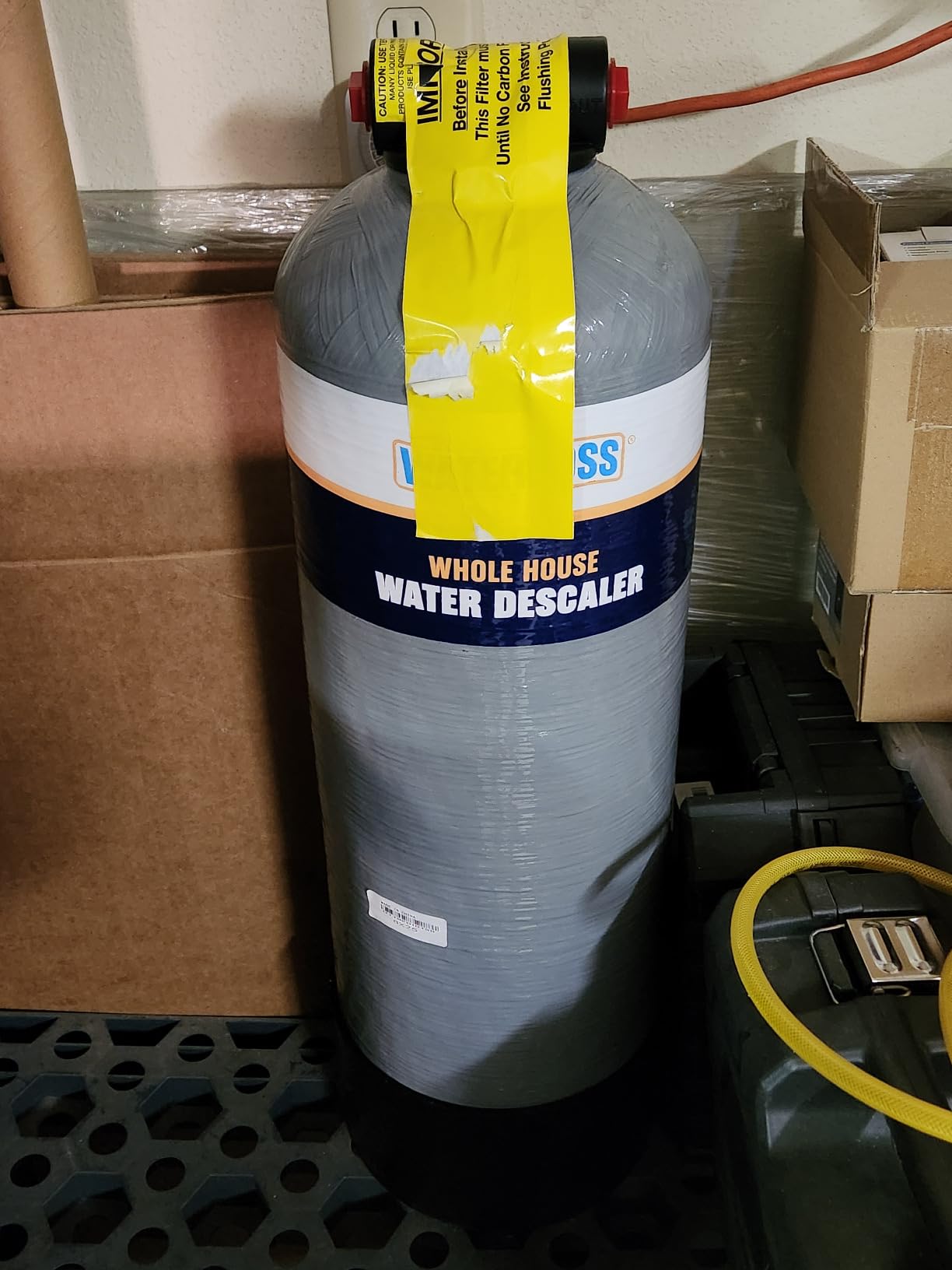
This is the same architecture as the A. O. Smith tank: a 600,000 gallon salt-free scale control media tank rated for six years, a 7 gpm maximum flow with 3/4 inch connections, no electricity, no backwashing and a 6-year limited warranty. The published limits match as well, at under 15 gpg hardness and under 0.3 ppm iron.
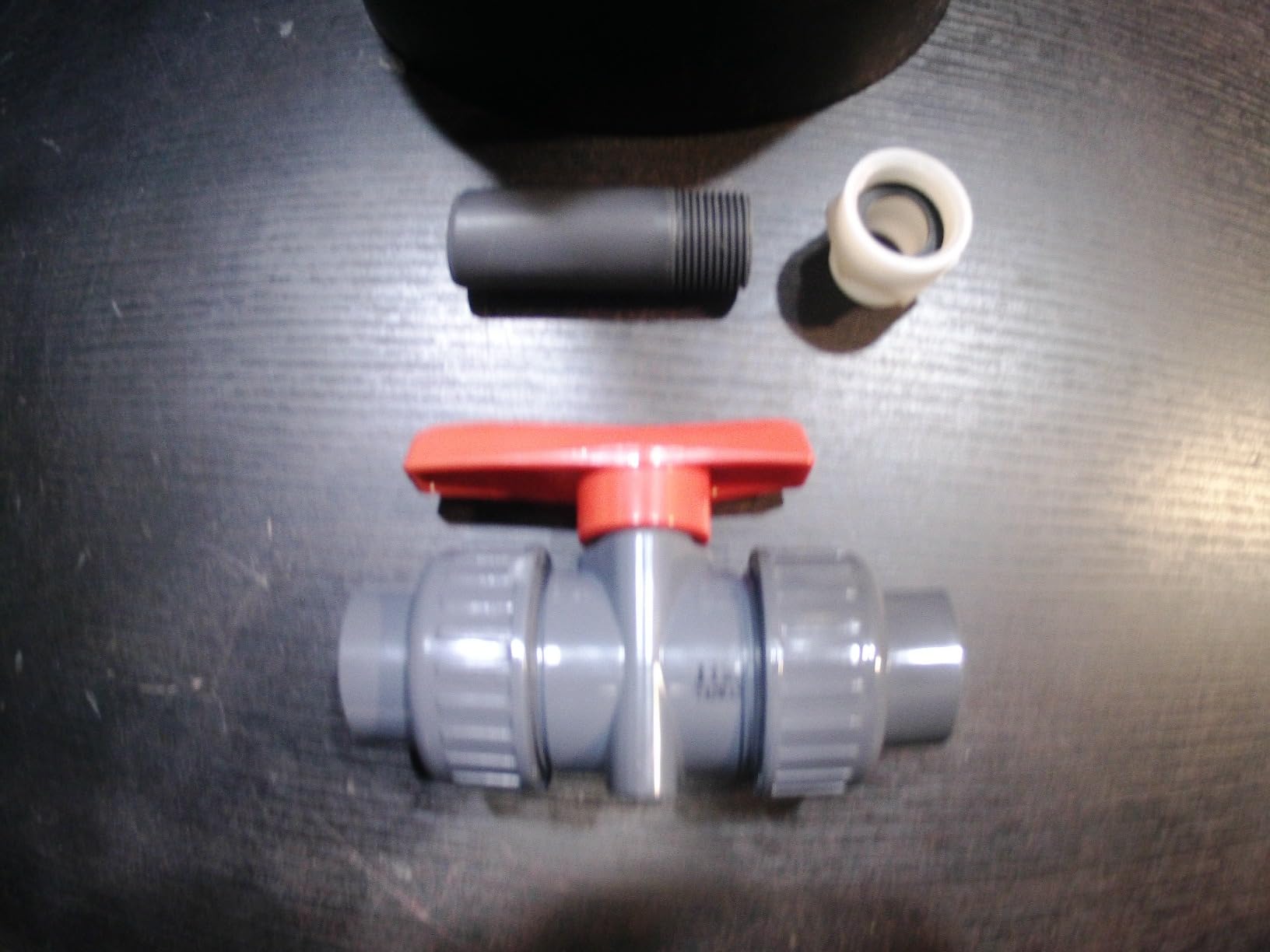
Owners coming from a failed salt-based system tend to be the happiest customers here. They wanted something they install once and stop servicing, and that is exactly what this delivers. A shut-off valve, nipple and hose adapter ship in the box.
The gap between this and the A. O. Smith option is evidence, not specification. With just over 200 ratings behind it, there is a thinner base of long-term ownership reports, and a 14 percent one-star share is the highest among the media tanks we compared.
That matters less for a six-year media life than you might think, because most of the negative feedback here is about expectations rather than failure. Buyers who wanted softened water rather than scale control are the recurring critical voice.
How does this compare with a costlier equivalent tank?
The hardware is comparable. Same media volume, same flow rating, same operating pressure band of 20-100 psi, same 40-90 degree F temperature range and the same six-year warranty.
The difference is the record. A tank with a decade of ownership reports behind it is a safer bet than one with two years, and that is the only real reason to pay more for an otherwise identical design.
Is it worth installing for a small home?
It is rated for households of four or more. Below that, the inline polyphosphate options deliver a comparable result for a fraction of the space and a much smaller outlay.
Also consider the footprint. The tank is 27 inches tall and 8.75 inches square, it needs floor space in the mechanical room, and it adds permanently to your system whether you need it or not.
10. American Valve ScaleRX – Built Specifically for a Tankless Heater Inlet
ScaleRX ¾-Inch Water Heater Descaler and Scale Prevention System
3/4 inch inlet
Non-electric
Stainless body
12-year limited warranty
Pros
- No electricity needed in a heater closet with no outlet
- No measurable flow restriction or pressure drop
- One owner flushed an on-demand heater after a year with minimal build-up
- Plumbers report it as a standard tankless add-on
- Compact enough for tight heater closets
Cons
- One owner reported internal media shedding a silty residue
- Additional pipe fittings usually bought separately
- Review base of under 100 limits long-term confidence
- Treats only the line it is installed on
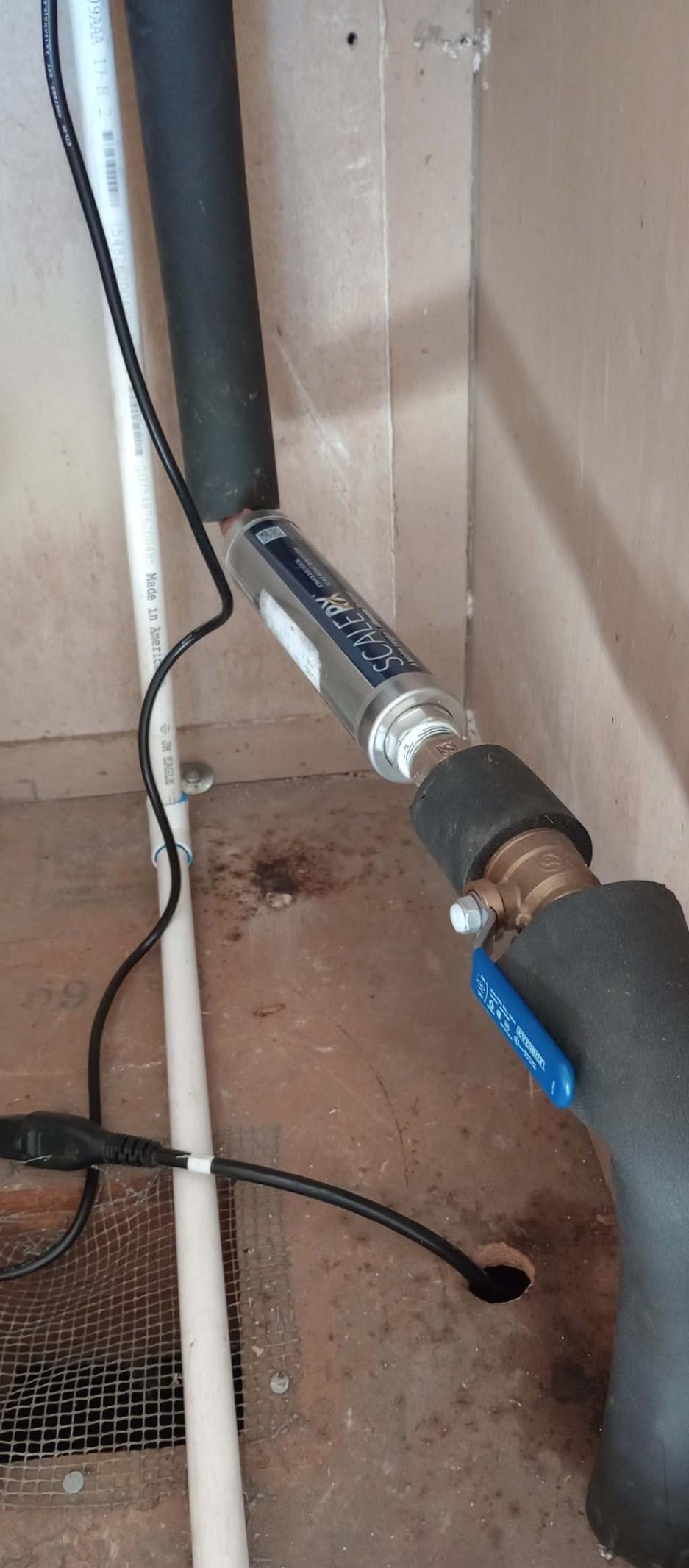
The ScaleRX is the narrowest brief in this roundup and the most on-topic. It is a non-electric, 3/4 inch device designed to sit at the inlet of a water heater, with a stainless body and copper, titanium and zinc media inside, backed by a 12-year limited warranty.
Plumbers installing on-demand heaters describe it as the scale device they fit by default, and owners report no measurable pressure drop after installation. That last point is the one to check yourself, because anything restricting flow on a tankless cold line shows up immediately as a lukewarm shower.
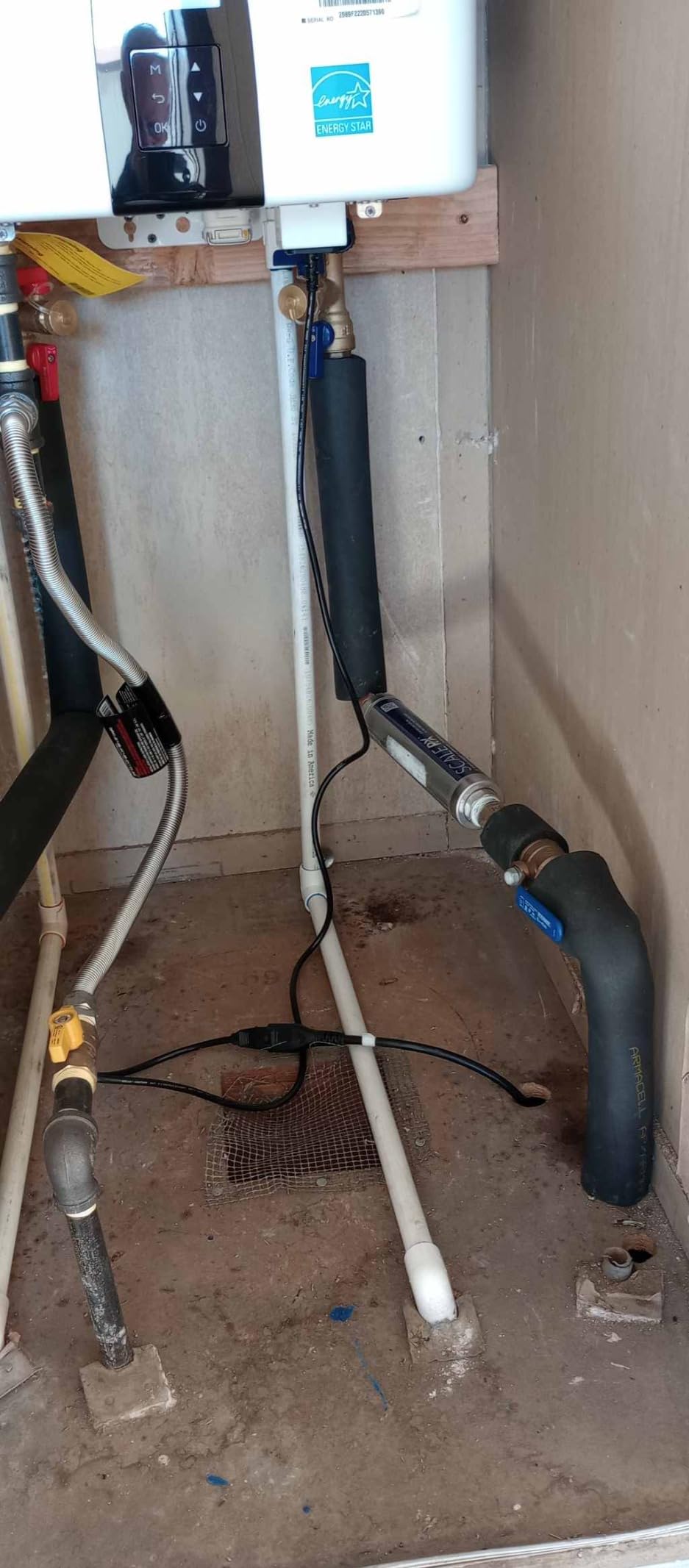
One owner flushed an on-demand heater after a year and found minimal calcium build-up, which is close to the outcome you are buying. The compact body works in tight under-stairs heater closets where a media tank would never fit, and it needs no outlet, which closed-in closets rarely have.
The serious complaint is a single detailed account of internal media breaking down after about a year and shedding a silty residue that clogged faucets and shower outlets. It is one review, but it is specific enough that you should keep an eye on downstream aerators during the first year of service.
Is this a whole-house solution?
No, and it is not trying to be. It treats the one line it is plumbed into, which for most buyers is the cold inlet of the tankless heater. Everything downstream of that point in the house remains untreated.
If your priority is fixtures, dishwashers and washing machines, you want one of the point-of-entry systems instead. If your priority is the heater alone, this is the most targeted option in the roundup.
What should you plan for at install time?
Additional pipe fittings. The included component list is the device itself, so most installers buy the nipples, adapters and any transitional fittings their particular line requires before the job starts.
Budget for a plumber unless you are comfortable cutting and joining the cold line. The non-electric design means there is no electrical work, which is the main reason to choose it over a powered unit in the same location.
What Salt-Free Conditioners Do and Do Not Do
A salt-free conditioner does not remove hardness minerals. It converts calcium and magnesium into microscopic crystals that stay suspended and leave with the water, so nothing adheres to pipes, fixtures or heat exchangers. Your hardness test will read the same number afterwards.
There are two common media approaches. Template-assisted crystallization uses a media bed that forms crystals on a template surface, while nucleation-assisted crystallization seeds the formation of microcrystals throughout the flow. Both are physical water treatment, and both leave the minerals in the water rather than capturing them.
The honest limit is heat. Crystals formed by conditioning media can redissolve when water temperature rises well beyond normal supply temperatures, which is a genuine concern inside a tankless heat exchanger. That is why placement close to the heater inlet matters, and why no salt-free device removes scale that already formed.
Only ion exchange with resin and brine actually softens water, and it is the only approach that solves a soft-water problem. Plumbers who say salt-free units are worthless are usually defending a correct technical point, not making a sales pitch.
Why Tankless Water Heaters Are Uniquely Vulnerable to Scale
Tankless heaters fail differently from storage tanks. A storage tank has a sacrificial anode rod that corrodes first and a sediment bowl at the bottom where debris collects. A tankless unit has neither, so scale has nowhere to go except onto the heat exchanger walls.
The heat exchanger in a typical tankless unit is a narrow-bore metal block. As cold water passes through and picks up heat, dissolved hardness minerals concentrate at the surface, and the same happens on every firing cycle, all day, every day.
The consequences show up in three places: a rising flow restriction that makes a hot shower go lukewarm, higher gas or electricity consumption from insulating scale on the transfer surfaces, and eventual failure of the exchanger itself. Some manufacturers also tie warranty claims to water quality, which makes upstream scale control a warranty question as much as a maintenance one.
How to Choose a Salt-Free Conditioner for a Tankless Heater
Step one: measure your hardness before you spend anything. Take a test strip or run a titration kit and write down the grains per gallon figure. Below about 5 gpg, inline chemical treatment is usually sufficient. Between 5 and 15 gpg, either chemical treatment or a media tank will work well. Above 15 gpg, a media tank is the floor rather than the ceiling, and above about 25 gpg you want ion exchange.
Step two: check for iron and manganese. Both foul catalytic media and coating-based treatment. Under 0.3 ppm iron is workable, which is the limit the A. O. Smith and WaterBoss tanks both publish. Any meaningful iron reading points to a different product category and a pre-filter at minimum.
Step three: match flow to how your tankless heater is actually used. Tankless demand is bursty rather than sustained, so peak simultaneous flow is the number that matters. The 10 gpm inline units leave comfortable headroom for a normal household, while the 7 gpm media tanks assume moderate demand. A 24 gpm electronic unit exists mainly for large homes and multi-coil coverage.
Step four: decide placement. For heater protection alone, the cold inlet of the tankless unit is the right spot. For whole-house scale control, install at the point of entry. On a recirculating loop, protection close to the loop matters more than protection at the entry, because the water there has already been through the pipes.
Step five: budget the ongoing cost honestly. Polyphosphate cartridges run about six months, so budget two a year forever. Media tanks run six years with no consumables. Electronic units have no consumables at all but draw power and stop working if the outlet fails.
On the question of flushing, follow the tankless manufacturer’s guidance rather than a fixed calendar. Annual flushing is the common recommendation for an on-demand unit, and the interval should shorten when your hardness is high, your usage is heavy or the descale interval recommended for your model is already short.
When a Real Salt-Based Softener Is the Only Right Answer
If your water tests above roughly 25 gpg, if you have measurable iron, or if your goal is genuinely soft water for hair, skin and laundry, no salt-free product in this roundup will get you there. Conditioning hardware changes behaviour, not composition.
Forum discussion on water softeners is blunt on this point, and the consensus is that a real ion exchange softener should be treated as close to a requirement for a tankless heater rather than an optional accessory. We agree, with one caveat: the softener belongs on the cold line feeding the house, not plumbed into the heater in a way that reduces flow.
Saying that costs us nothing here and saves you from buying the wrong device twice. A salt-based softener also means salt deliveries, a drain line, a regeneration cycle and a septic compatibility conversation. If any of that is unacceptable, salt-free is a reasonable trade rather than a failure.
Frequently Asked Questions
Do saltless water softeners actually work?
They work for scale control, not for softening. A saltless conditioner keeps calcium and magnesium in a form that stays suspended so it cannot crystallise onto pipes, fixtures and heat exchanger walls. Your water will still test as hard, hair and skin will not feel the difference, and no device in this category removes hardness or dissolves scale that has already formed.
Should you use a water softener with a tankless water heater?
Some form of scale control is close to a requirement, because a tankless heat exchanger has no anode rod and no place for debris to settle. Above about 25 grains per gallon, or with measurable iron, a real ion exchange softener is the correct answer. Between 5 and 15 grains per gallon, a salt-free conditioner or media tank handles a tankless supply line well.
What is the best non-salt water softener for a tankless water heater?
It depends on where you install it and how hard your water is. For heater protection alone, a point-of-use device such as the American Valve ScaleRX is the most targeted. For the whole house, a 600000 gallon media tank such as the A. O. Smith or WaterBoss runs six years with no consumables. For a cheap inline chemical treatment on the cold line, the 3M AP430SS is the best-supported option.
How long do saltless water softeners last?
The hardware lasts indefinitely, but the treatment does not. Polyphosphate cartridges such as the 3M AP431 and the Waterdrop AP431 stay effective for roughly six months. Scale control media tanks are rated for about six years or 600000 gallons. Electronic and magnetic units have no consumables at all, so they run until the electronics fail or the installation is disturbed.
Why don’t plumbers like tankless water heaters?
Most of the objection is about water quality rather than the heater itself. A tankless unit has no anode rod and no sediment bowl, so hardness scale has nowhere to settle except on the narrow-bore heat exchanger, where it cuts flow, raises running costs and eventually kills the unit. Plumbers see the failed exchangers, and they are right to insist on treatment upstream.
Will a water softener or conditioner void my tankless water heater warranty?
It depends entirely on the manufacturer and the model. A salt-based softener on the cold supply line does not normally void a warranty, and conditioning devices are generally acceptable. What manufacturers do look at is water quality, so if scale damage is found and the water exceeded their hardness limit, a claim can be declined regardless of whether a device was installed. Keep your hardness test result.
Our Verdict for 2026
The best salt free water softener for tankless water heater duty in 2026 is the 3M Aqua-Pure AP430SS for most homes, because it carries the highest rating and the deepest review history here while leaving enough flow headroom for tankless bursts. If you would rather install once and forget it, the A. O. Smith AO-WH-DSCLR media tank is the better long-term buy, and if your water is very hard, the iSpring ED2000 is the only one of our picks with a published 10-19 gpg ceiling.
Whatever you choose, measure your hardness first and place the device on the cold line feeding the heater. Start the tankless descaling and flushing schedule from your manufacturer’s guidance, not from a generic calendar.