
A PA subwoofer is a dedicated low-frequency cabinet, usually 12, 15 or 18 inches, that handles everything below roughly 100 Hz so your full-range mains can spend their power on vocals and instruments. The result is a mix that stays clear at high volume, because the small drivers in your tops are no longer being asked to move the deepest air in the room.
Here is the short version of our verdict. The Rockville RBG12S is the best all-round pick in our list of the best subwoofers for PA systems because it has the largest body of owner feedback by a wide margin, a genuinely useful set of connections, and a cabinet you can lift alone. Add a second cabinet later if you need more low end in a larger room.
Before the picks, three questions come up constantly. Do you need a subwoofer at all? Only if your music has meaningful energy below 100 Hz, which is true for most live bands, EDM, hip-hop, worship and club sets, and arguable for solo acoustic work. Is one subwoofer enough? One well-chosen cabinet covers a room up to about 200 people, and a second cabinet does more for your low end than a bigger amplifier inside a single box. And should you buy powered or passive? Powered is easier, passive gives you more headroom later if you already own a rack amplifier.
One caution before we start. Home theater and car audio subs from brands like SVS and Klipsch show up constantly in shopping results for this search, and they are the wrong tool. They are tuned for a listening chair at a few feet, not for a room, and they have no pro signal inputs, no high-pass outputs for your mains and no protection for hard live use. Every sub below is built for the job.
Our ranking is built from published manufacturer specifications combined with patterns in aggregated owner reviews. We have not run lab measurements, so where a manufacturer quotes a wattage figure we tell you what kind of figure it is rather than repeating it as fact.
Table of Contents
Top 3 Picks for the Best Subwoofers for PA Systems (October 2026)

Rockville RBG12S Powered…
- 1400W max output
- XLR and TRS in and thru
- Onboard crossover and DSP
- 46.7 lb

Behringer B1200D-PRO 12…
- 500W active
- Built-in stereo crossover
- Variable high-cut filter
- 2-year warranty

Rockville PBG18 Passive 18…
- 1000W RMS at 8 ohm
- 4 inch voice coil
- 35Hz to 4kHz response
- 64 lb
These three cover the widest range of situations. If you want one cabinet and one cable, the RBG12S is the safe starting point. If your mains already handle the low mids and you only need weight underneath, the passive PBG18 gives you more headroom for the money.
Best Subwoofers for PA Systems in 2026 at a Glance
| Product | Specifications | Action |
|---|---|---|
|
Rockville RBG12S 12 inch Powered Subwoofer
|
|
Check Latest Price |
 PRORECK PR18 18 inch Powered Subwoofer
|
|
Check Latest Price |
 Rockville SBG1158 15 inch Passive Subwoofer
|
|
Check Latest Price |
|
Rockville PBG18 18 inch Passive Subwoofer
|
|
Check Latest Price |
|
Behringer B1200D-PRO 12 inch Powered Subwoofer
|
|
Check Latest Price |
 ALTO TS18S 18 inch Powered Subwoofer
|
|
Check Latest Price |
 ALTO TS12S 12 inch Powered Subwoofer
|
|
Check Latest Price |
 Sound Town METIS-PRO18AS 18 inch Powered Subwoofer
|
|
Check Latest Price |
 Mackie SR18S 18 inch Powered Subwoofer
|
|
Check Latest Price |
 ALTO TX12S 12 inch Powered Subwoofer
|
|
Check Latest Price |
 Behringer VP1800S 18 inch Passive Subwoofer
|
|
Check Latest Price |
 QSC KS112 Active 12 inch Subwoofer
|
|
Check Latest Price |
Three things stand out in that list. Only three of these twelve publish a max SPL figure, which tells you how loosely that number is applied across the industry. And three of the twelve are passive, which matters if you already own a rack amplifier or plan to grow into a larger system.
1. Rockville RBG12S – Best Powered 12-Inch Sub With the Most Owner Feedback
Rockville RBG12S Bass Gig 12″ Active Powered PA Subwoofer for DJ/Pro
12 inch driver
1400W max output
46.7 lb cabinet
Combo XLR and TRS in and thru
Pros
- Largest body of owner feedback in the group at 1565 reviews
- Onboard crossover and DSP settings shorten setup time
- Combo XLR and quarter-inch line in and thru plus XLR outputs
- Integrated handles and pole-mount ready at 46.7 lb
Cons
- A 12 inch driver will not reach the depth of an 18 inch cabinet
- Needs a line-level feed from a mixer or preamp
- Carpet covering and control knobs feel basic
The RBG12S is the pick we keep coming back to, and the reason is not glamorous. It has 1565 owner reviews behind it, which is several times the evidence available for most cabinets at this level, and the sentiment inside those reviews is consistently practical. Owners describe tight, accurate low end once gain and crossover are set correctly, and they describe pairing it with entry-level tops without drama.
At 46.7 lb this is a cabinet one person can genuinely load into a car on their own. That matters more than people expect, because a sub you dread carrying is a sub you leave behind on small gigs.
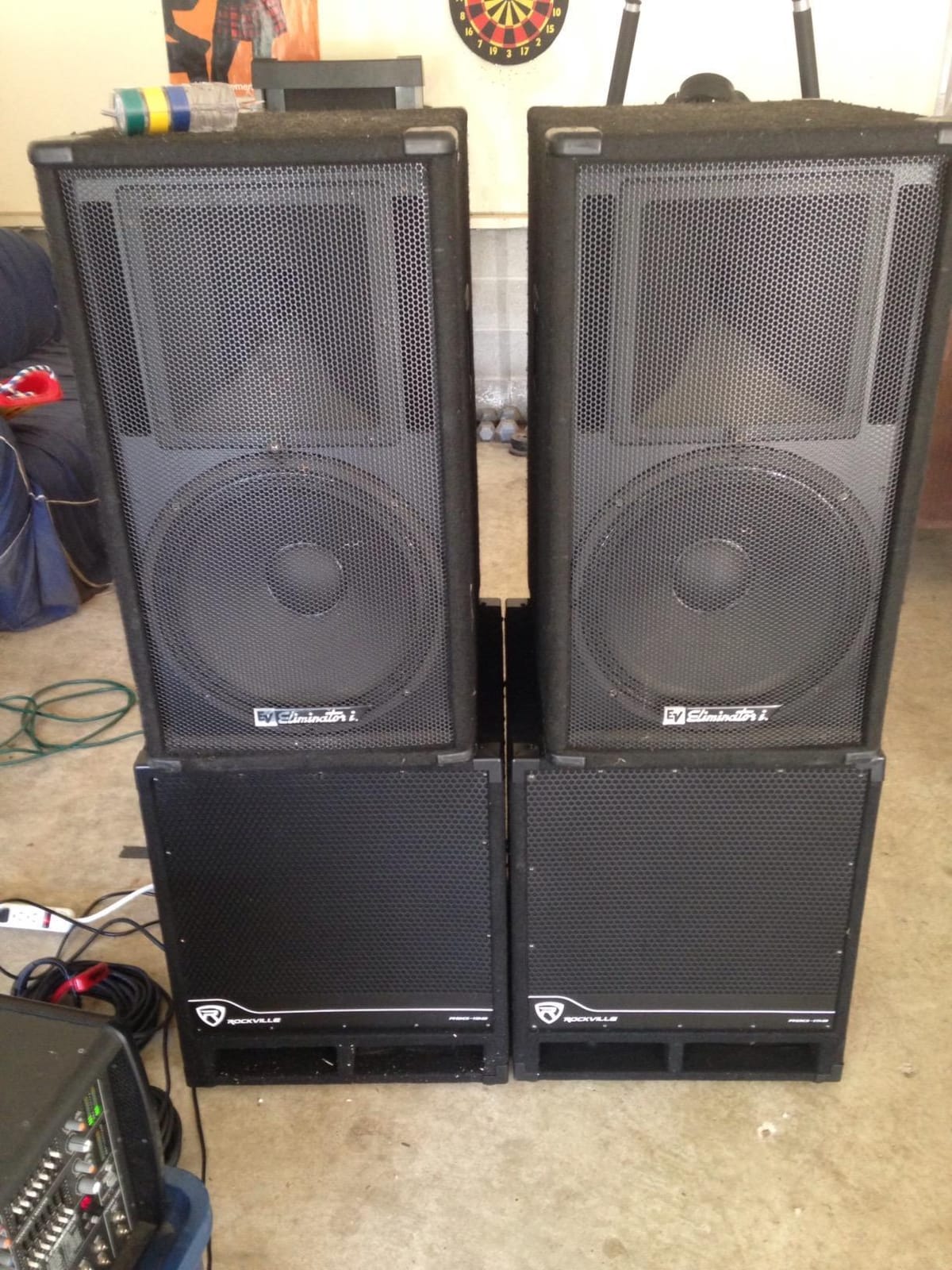
The connection panel is where this cabinet earns its place. You get a combo line input and pass-through on quarter-inch and XLR, plus XLR outputs, which means you can feed mains from the sub instead of running a splitter. Owners running mobile DJ sets mention the onboard crossover and DSP selection cutting their setup time to a few minutes.
On the technical side, the published power figure is a maximum output number rather than a continuous rating, so read it as a ceiling claim and not as clean sustained power. The manufacturer lists a 12 inch dynamic driver in a plastic enclosure weighing 46.7 lb and measuring 15.75 inches deep by 15.75 wide by 18.5 high.
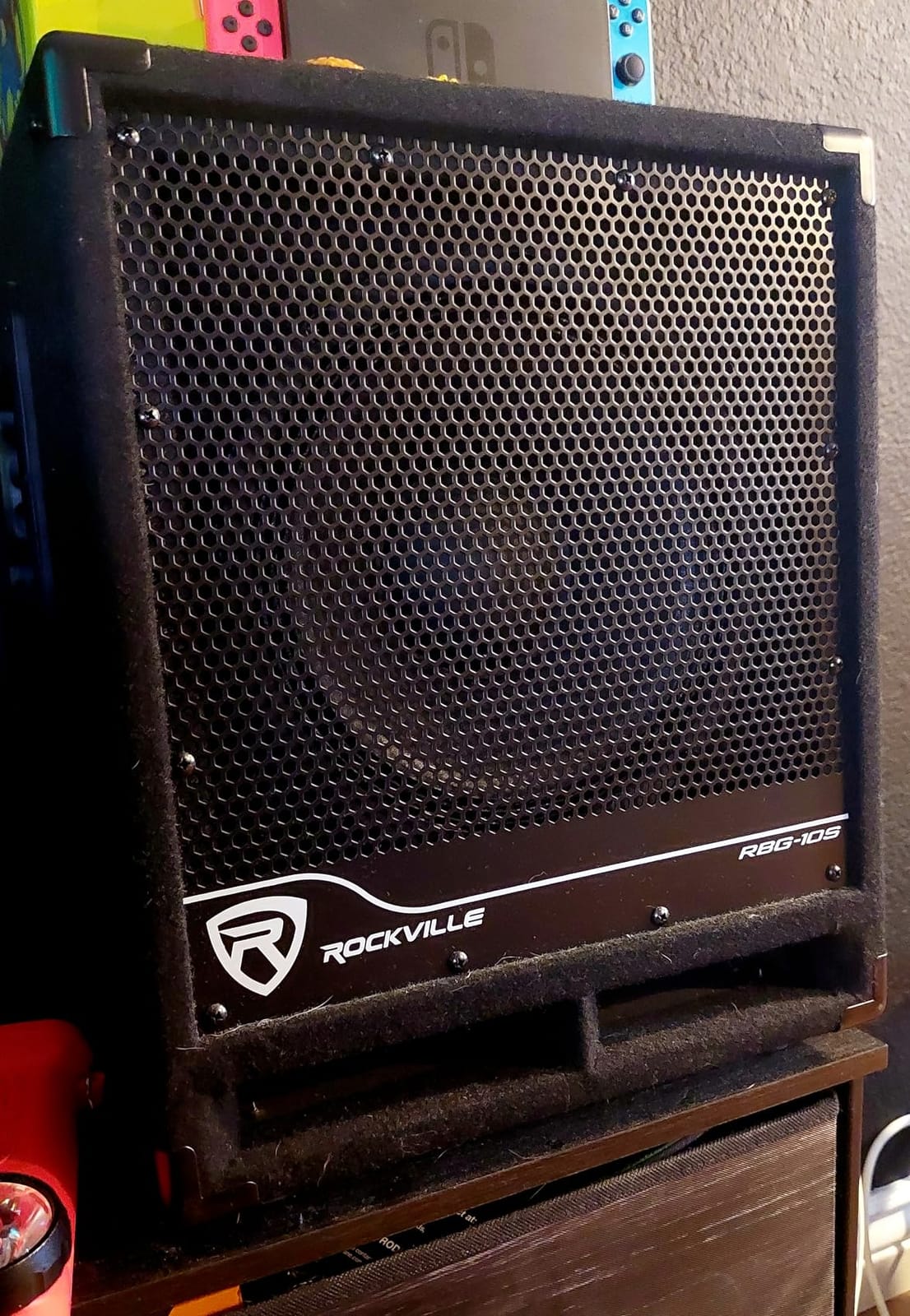
Who this subwoofer suits
This is the right cabinet for a solo performer, a worship team, a school assembly or a DJ who needs real low end and one cable to run. If your mains are competent 10 or 12 inch tops, this pairs with them cleanly and gives the mix a floor it currently lacks.
It also works as a first step into a bigger system. Because it has XLR outputs and a crossover, you can add a second identical cabinet later and run both from one feed.
Where it falls short
A 12 inch driver moves far less air than an 18 inch one, so if you are playing EDM or hip-hop to a 300-plus capacity room, you will run out of low end before you run out of volume on the mains. Reviewers also note that the carpet and knob feel is entry-level, and a few report cabinets arriving with damage.
There is no warranty listed for this model, which is worth weighing against the extended registration warranties offered by some brands in this list.
2. PRORECK PR18 – Best Budget 18-Inch Powered Workhorse
PRORECK PR18 18 inch 2000W P.M.P.O Active Powered PA DJ Subwoofer Cabinet (ONE Subwoofer)
18 inch driver
400W RMS and 2000W peak
70 lb
Crossover 40Hz-160Hz
Pros
- 400W RMS and 800W program handling in an 18 inch cabinet
- Selectable phase from 0 to 180 degrees for system integration
- Balanced XLR combo and stereo RCA inputs plus filtered XLR output
- Plywood cabinet with side handles
Cons
- At 70 lb it is a two-person lift for many setups
- Can still clip on sustained high-level program material
- Some owners report knob and finish quality below the price point suggests
The PR18 is interesting because it publishes three different power numbers, which is more honest than most. You get 400 watts RMS, 800 watts program and 2000 watts peak, and that trio tells you exactly what kind of cabinet you are holding. This is the one product here where the headline figure is clearly a peak claim rather than a continuous rating.
Reviewers use it for parties, churches and DJ sets, often alongside matching tops, and they report solid performance for the money. The general verdict is a workhorse rather than a specialist.
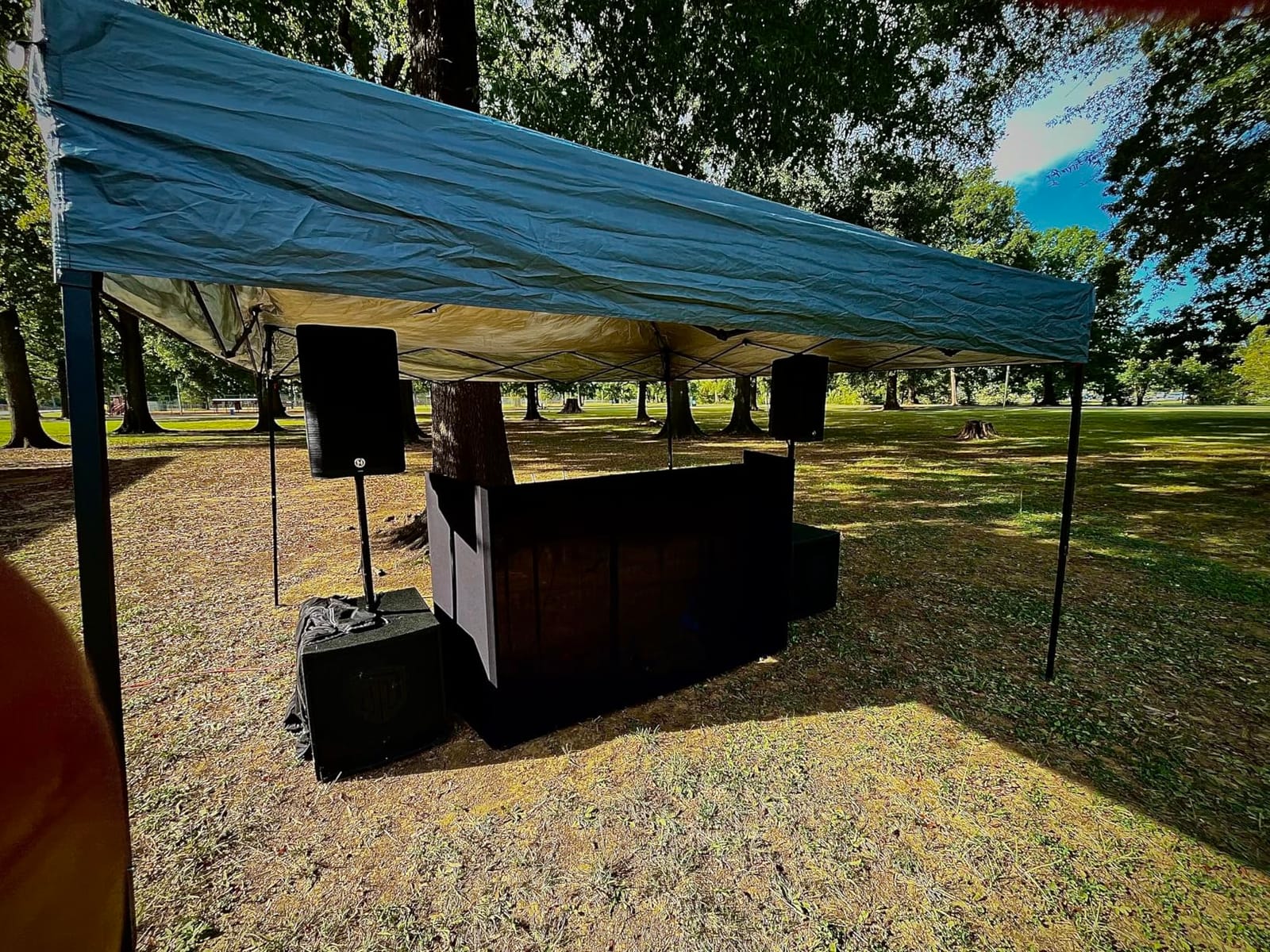
Integration controls are unusually good for a budget cabinet. The crossover sweeps from 40Hz to 160Hz, which covers everything from a deep music setting to a conservative setting for spoken word, and the phase control covers the full 0 to 180 degree range. That is more adjustment than most powered subs at this level give you.
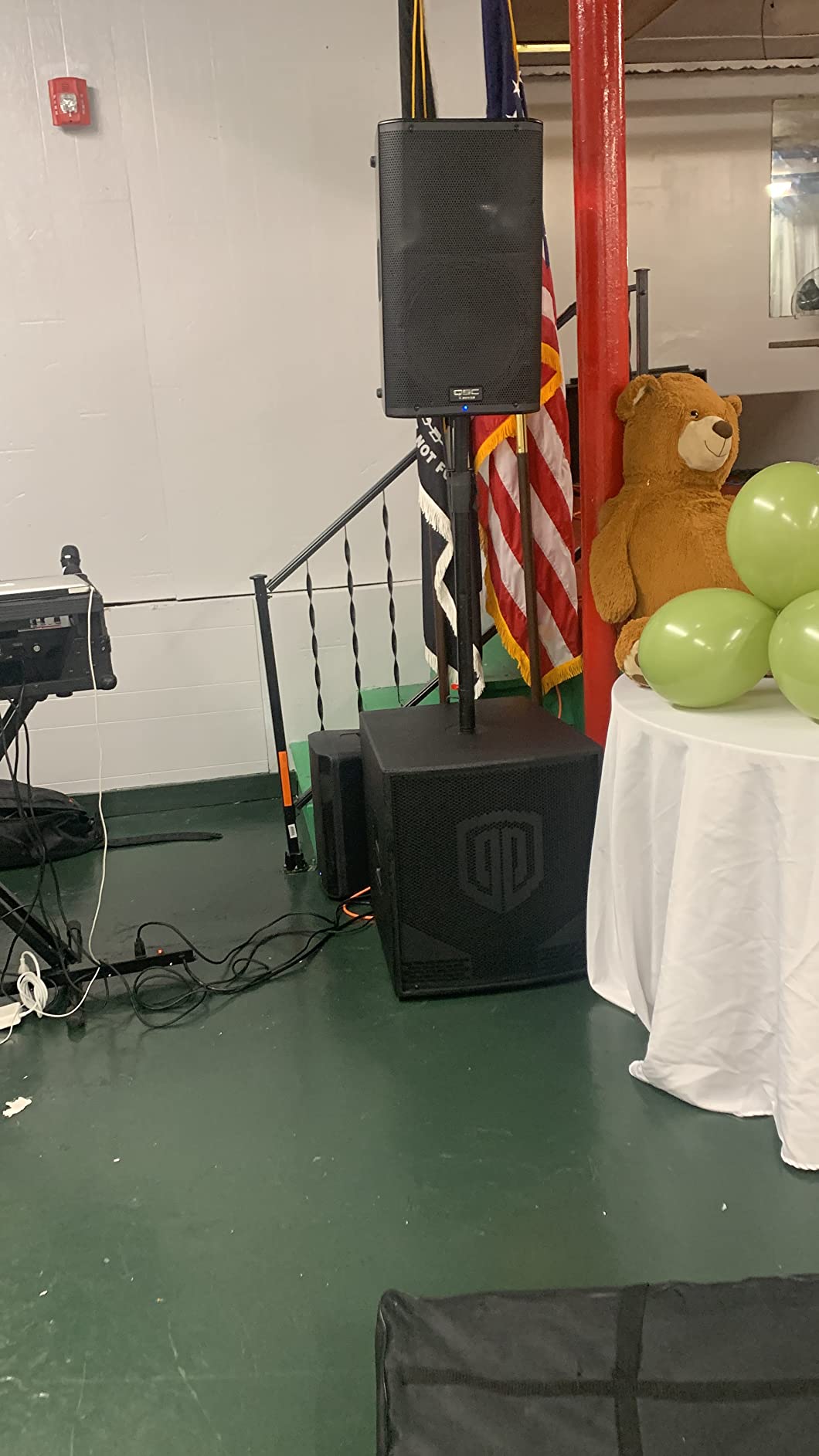
Driver-wise you are looking at an 18 inch woofer with a 60oz magnet and a 3 inch voice coil in a plywood cabinet weighing 70 lb, measuring 22 inches wide by 24.5 deep by 26 high. The 3 inch coil is the number that matters here, since it is the part that survives sustained high-level program material.
Who this subwoofer suits
This suits a band or DJ who needs an 18 inch driver for real output and wants everything in one box with no separate amplifier to buy, carry or cable. The filtered XLR output means you can high-pass your mains straight from the sub.
It is also a sensible second cabinet for anyone who started with a 12 inch unit and found the low end stopping short in a bigger room.
Where it falls short
Seventy pounds is a two-person lift for a lot of load-in crews, and there is no caster option listed. Owners also report that it can still clip on sustained high-level program material, which is a limit of the amplifier section rather than the driver.
A few reviewers point out that the knobs and finish feel cheaper than the specification list implies, and the warranty is one year.
3. Rockville SBG1158 – Best Lightweight Passive 15-Inch Box
Rockville SBG1158 15″ Passive Pro DJ Subwoofer, 8 Ohm, MDF, Pole Mount
15 inch passive
800W peak and 400W RMS
35.9 lb
8 ohm with SpeakON
Pros
- Lightest cabinet here at 35.9 lb for one-person transport
- SpeakON plus quarter-inch and binding post terminals for flexible amp connection
- Pole-mount socket works with standard speaker stands
- Braced MDF cabinet with molded steel grille
Cons
- Passive only so an external amplifier is required
- 800W peak rating is not intended for very high SPL demands
- Needs external crossover and EQ work to sound its best
The SBG1158 is the practical answer for anyone whose biggest obstacle is weight. At 35.9 lb it is the lightest cabinet in this roundup, and it is a passive design, which means you can pair two on one amplifier channel and still keep the whole rig inside a normal car.
Owners mostly describe the cabinet build and value favourably, and they repeatedly note that sound is good once crossover and EQ are dialled in. The limited output ceiling compared with larger drivers is the trade they accept.
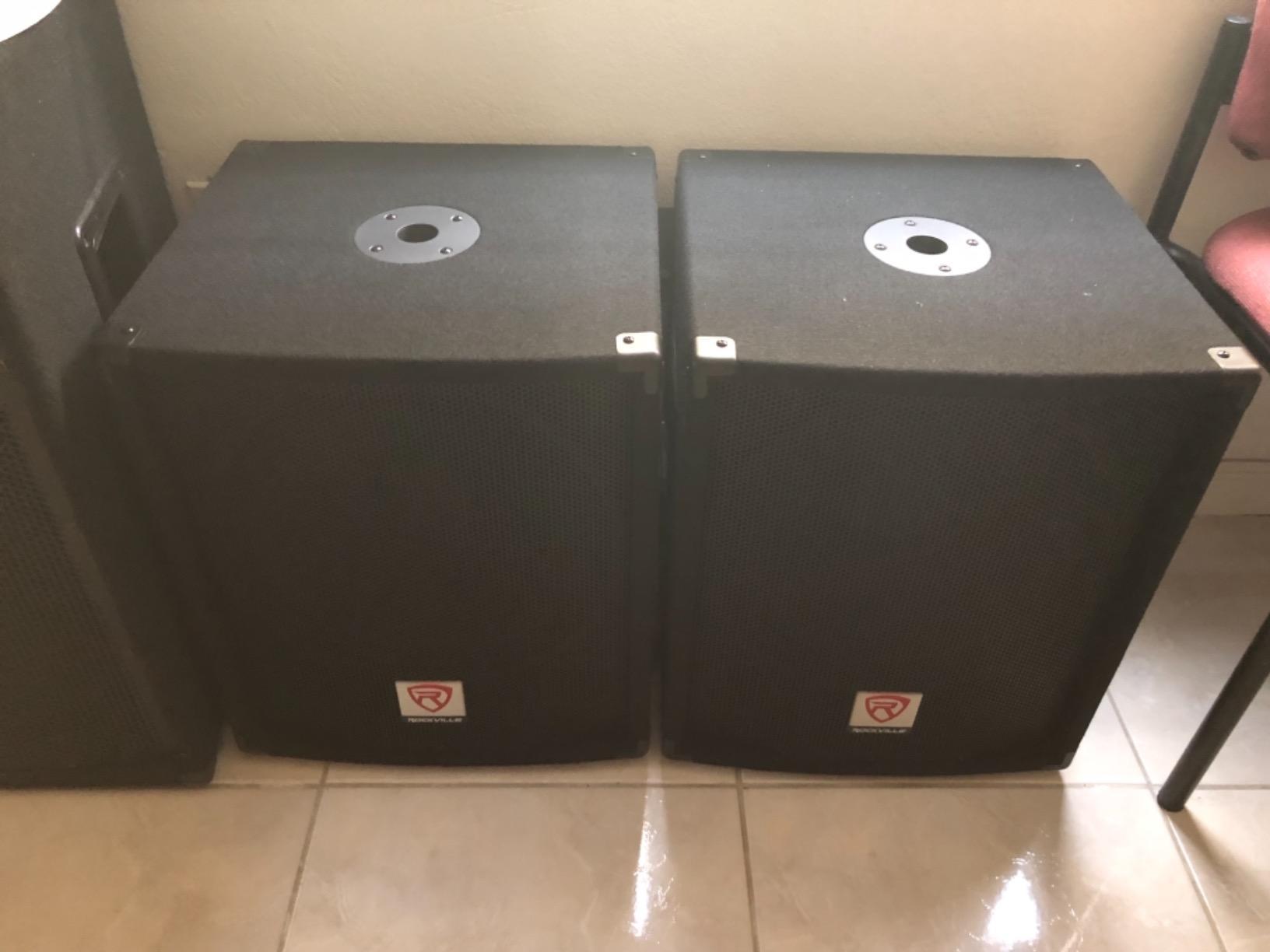
The technical story is a 15 inch subwoofer with a 3 inch high-temp voice coil and a 70 oz magnet, rated at 800W peak and 400W RMS. The 400W RMS figure is the one to plan your amplifier around, since driving a passive cabinet near its peak rating is how voice coils get cooked.
Terminal flexibility is genuinely useful. You get SpeakON, quarter-inch jack and binding posts wired in parallel, so you can use whatever cable you actually own. The cabinet is braced MDF with a molded steel grille and aviation-grade carpet, and it measures 19.5 inches deep by 21.5 wide by 17.5 high.
Who this subwoofer suits
This is the box for a musician who moves their own rig, a small worship team that loads in on its own, or anyone who already owns a two-channel amplifier and just wants a second low-frequency voice. The pole-mount socket also lets you stack a small top on a standard stand.
For acoustic, folk and jazz sets in a community hall, a 15 inch passive box driven cleanly is often all the low end you need.
Where it falls short
Being passive means you still have to source an amplifier and handle the crossover, either in the amp or in an external processor. Without that tuning step the sound is described as unrefined.
The 800W peak rating is a modest ceiling, so pairing two of these is more realistic than pushing one hard in a large room. A one-year warranty is also the shortest cover here.
4. Rockville PBG18 – Best Passive 18-Inch for Bands
Rockville PBG18 18″” Passive 8-ohm Pro Audio Subwoofer with MDF Cabinet
18 inch passive
1000W RMS and 2000W peak
64 lb
35Hz to 4kHz response
Pros
- Four inch KSV voice coil with a 100 oz magnet
- Response down to 35Hz for kick and bass guitar weight
- SpeakON and quarter-inch parallel in and out jacks
- Integrated pole mount with rubber isolating feet
Cons
- Passive design requires an external amplifier
- Un-tuned out of the box so EQ and crossover work is needed
- Some buyers report drivers burning when pushed near the 1000W RMS figure
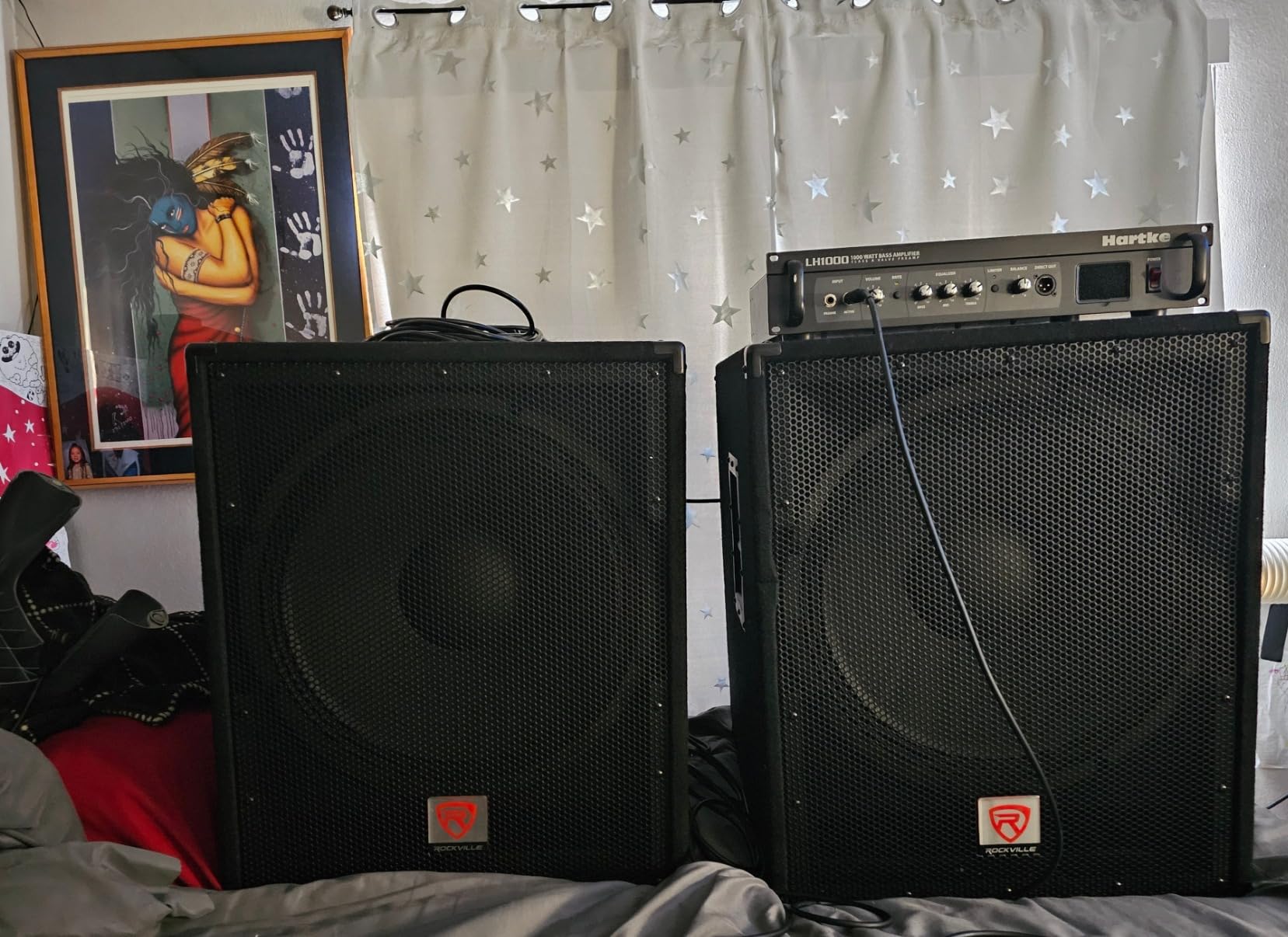
The PBG18 is the passive option that punches above its weight, both acoustically and on paper. A 4 inch KSV voice coil driven by a 100 oz magnet is a genuinely substantial driver, and the published response runs from 35Hz to 4kHz, which is a real low end claim rather than a marketing one.
Most owners treat it as exceptional value, and several mention driving it with modest DSP amplifiers while still getting plenty of output. That is the correct way to run a passive cabinet: matched to a properly configured amplifier, not pushed to the plate.
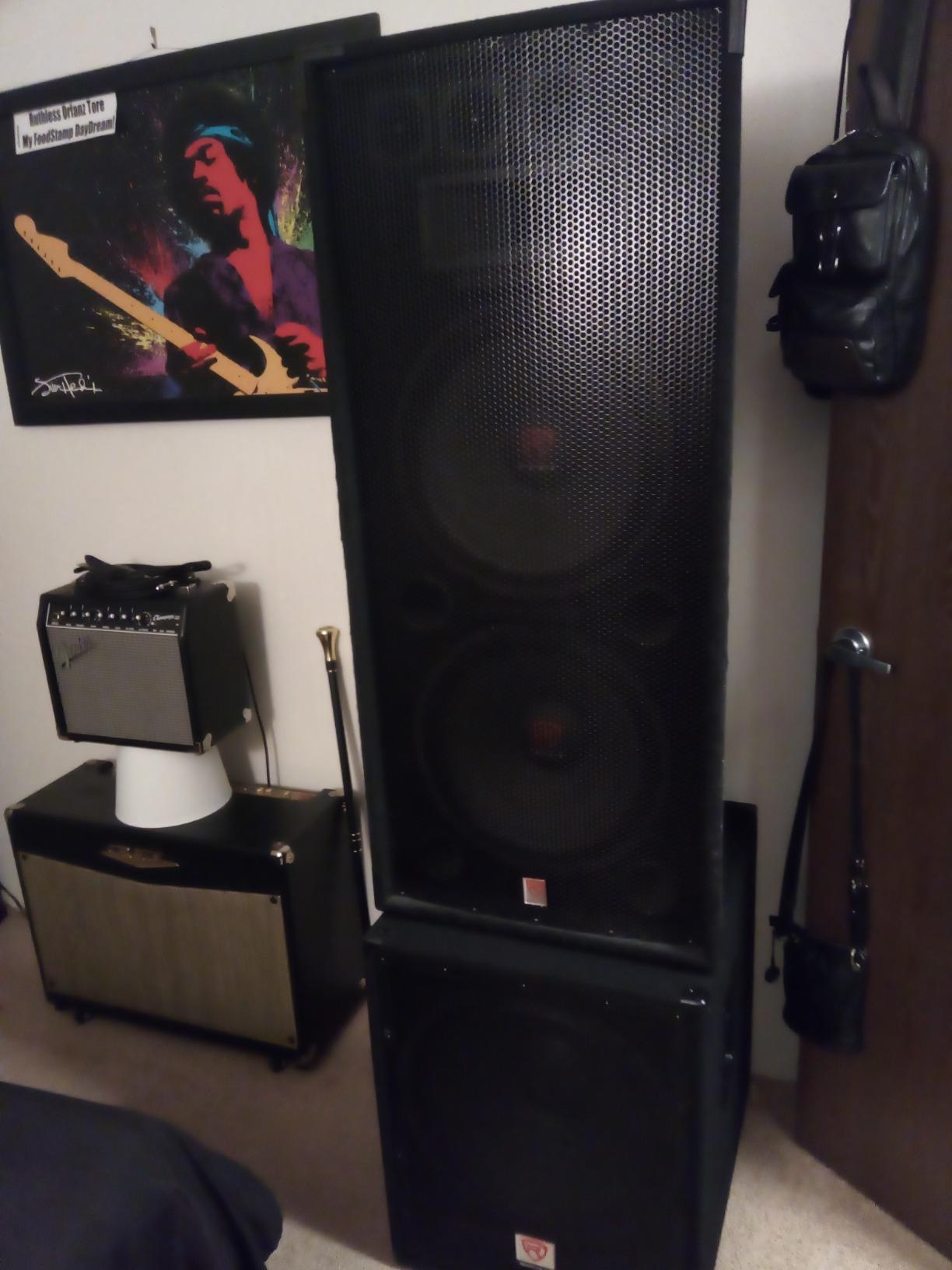
At 1000W RMS and 2000W peak, you have far more clean headroom than the smaller passive box above. If you are running a band PA on a rack amplifier with two spare channels, two of these will outperform a single powered cabinet of similar size, which is a consistent argument in live sound forums.
Connections are SpeakON and quarter-inch in and out, wired in parallel at 8 ohm. The integrated pole mount and rubber isolating feet make it easy to stack a top on a stand and keep the cabinet from walking across a smooth floor.
Who this subwoofer suits
This suits rock, metal and funk bands that need kick and bass guitar weight rather than just volume, and it suits anyone with amplifier channels already available. A passive design also gives you the option to add cabinets later as your rig grows.
For a permanent venue install where the amplifiers stay put, a passive cabinet is a rational long-term choice because the amp is the part you upgrade, not the box.
Where it falls short
The cabinet is untuned out of the box, so budget time for crossover and EQ work or it will sound boxy. A minority of buyers report driver failures after pushing close to the 1000W RMS figure, which is a reminder to respect that number rather than chase it.
Some reviewers also found the panel thinner than the MDF description implies and added bracing. At 64 lb, it is also not a one-person carry.
5. Behringer B1200D-PRO – Best Value Powered 12-Inch
Behringer EUROLIVE B1200D-PRO High-Performance Active 500 Watt 12″ PA Subwoofer with Built-In Stereo Crossover
12 inch powered
500W active
19.55 kg
Built-in stereo crossover
Pros
- Variable high-cut filter with high-pass filtered outputs for clean integration
- Quiet well-acting gain and phase controls
- Thermal and clip limit protection
- Two-year warranty is the longest among the budget powered boxes
Cons
- 500W is modest and some buyers want more RMS headroom
- Limited extension below roughly 40Hz
- Not a substitute for a large sub in big venues
The B1200D-PRO is the reason entry-level PA packages still make sense. Reviewers frame it consistently as an excellent small-to-medium venue sub that is easy to transport and sounds clean, and the 4.5 average rating here is the second highest of the twelve.
What makes it good is not the power figure, it is the signal routing. The variable high-cut filter and the high-pass filtered outputs mean you can feed your mains from the sub, so a beginner with a two-channel mixer gets a properly split system without a separate crossover unit.
Technically you are looking at a 500W active 12 inch subwoofer in a cabinet listed at 19.55 kg, measuring 14.8 inches deep by 16.6 wide by 17 high. Thermal and clip limit protection are built in, which matters more than buyers expect because they are the difference between a limiter stopping an overload and an amplifier cooking itself.
Note that at 19.55 kg this is one of the lighter powered cabinets in the group, and the two-year warranty is among the longest listed here.
Who this subwoofer suits
This suits beginners, small venues, worship rooms and mobile DJs who need a straightforward powered box that integrates with whatever tops they already own. The filtered outputs remove the single most common beginner mistake, which is running mains and sub together at full range.
It is also a good second cabinet for a bigger system, since the two identical boxes stack neatly.
Where it falls short
500W is a modest amplifier, and some buyers want a larger voice coil and more RMS headroom than they get. Low-frequency extension below roughly 40Hz is limited, so this is not the cabinet for sub-bass-heavy EDM playback.
It is also not a substitute for a large sub in a big venue. If your room holds more than a couple of hundred people, look at an 18 inch cabinet instead.
6. ALTO TS18S – Best Powered 18-Inch for DJs
ALTO TS18S 2500W 18″ Powered PA Subwoofer
18 inch driver
2500W Class-D
137 dB max SPL
42.2 kg
Pros
- 2500W active output with 137 dB max SPL from one cabinet
- DSP voicing modes with EQ Off plus Live and DJ settings
- Internally braced front-ported MDF cabinet with 36mm pole socket
- Phase alignment control simplifies matching to tops
Cons
- 42.2 kg cabinet is a two-person lift
- Larger footprint and power draw than a 12 inch option
- Fewer owner reviews than the entry-level models
The TS18S publishes a max SPL figure of 137 dB, the highest stated among these twelve, though that number is measured differently by every brand and should be treated as a guide rather than a promise. It is a genuinely high-output design rather than a headline-wattage product.
Owners cite strong output and clean bass for mid-size venues, schools and clubs, and they mention straightforward DSP setup. Feedback volume is much lower than the budget cabinets, but what is there is strongly positive.
The feature that matters most for a DJ is the Speaker Use Button with three DSP EQ modes: EQ Off, Live and DJ. Switching between them means you can cover a wedding, a band set and a club-style playlist without rebuilding your EQ every time, and the phase alignment control handles the other common complaint, which is low end that arrives late relative to the kick.
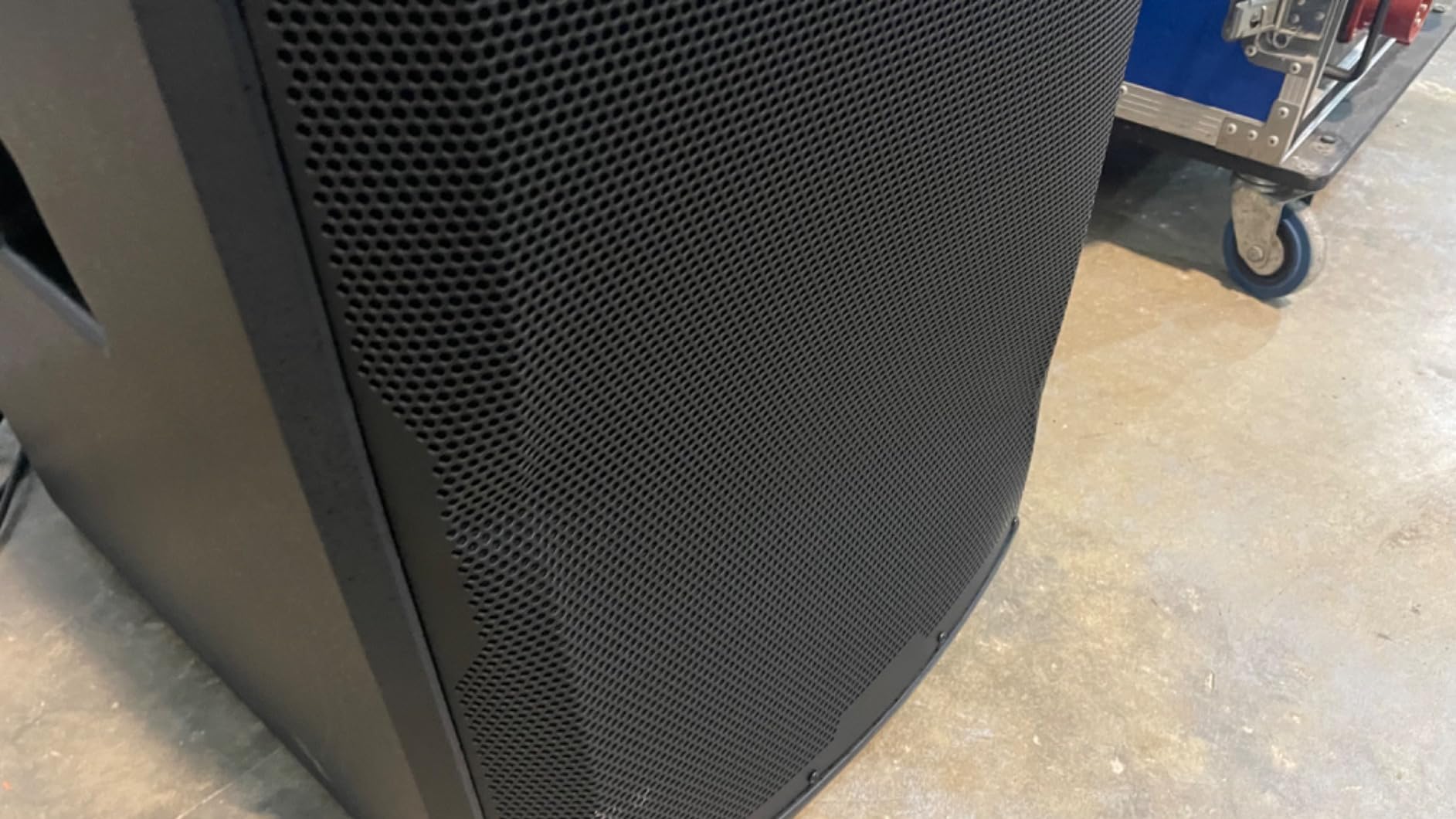
Underneath it is a 3 inch voice coil driven by a high-efficiency Class-D amplifier, in an internally braced front-ported MDF cabinet with a splatter-spray finish. Electronic clip, thermal and transducer overdrive protection are all present, and the cabinet weighs 42.2 kg.
Who this subwoofer suits
This is the pick for a mobile DJ working 200 to 400 capacity rooms, or a school or church that needs one box to cover very different programme material. The DJ voicing mode is the reason to choose it over a plain high-output cabinet.
It also works well for a band that plays mostly pop and funk and does not need an 18 inch driver for kick weight alone.
Where it falls short
At 42.2 kg it is a two-person lift, and its footprint is larger than a 12 inch cabinet, which matters in tight bars and small stages. The power draw is correspondingly higher, so a single domestic circuit is worth checking before a long event.
With only 149 owner reviews, the long-term field data here is thinner than for the entry-level models, and the warranty is one year.
7. ALTO TS12S – Best Powered 12-Inch With Headroom to Spare
ALTO TS12S 2500W 12″ Powered PA Subwoofer
12 inch driver
2500W Class-D
130 dB max SPL
25.9 kg
Pros
- 2500W amplifier with a 3 inch voice coil in a 12 inch cabinet
- Smaller and lighter than the TS18S while keeping the same DSP modes
- Phase alignment control aids integration with powered tops
- Side handles and 36mm pole socket for transport and stacking
Cons
- Still a 25.9 kg cabinet
- Shallower low frequency depth than an 18 inch driver
- Fewer owner reviews than the budget-tier models
The TS12S solves a problem the rest of the category mostly ignores. Almost every 12 inch powered sub pairs a small amplifier with a small driver, and then it runs out of headroom long before the room runs out of volume. This one pairs 2500 watts with a 3 inch voice coil, so the amplifier has something real to drive.
Owners are broadly positive and short in their comments, noting a powerful, clean low end for the size and easy hookup to powered tops. Several highlight portability relative to larger powered subs, which is accurate given the 25.9 kg listing.
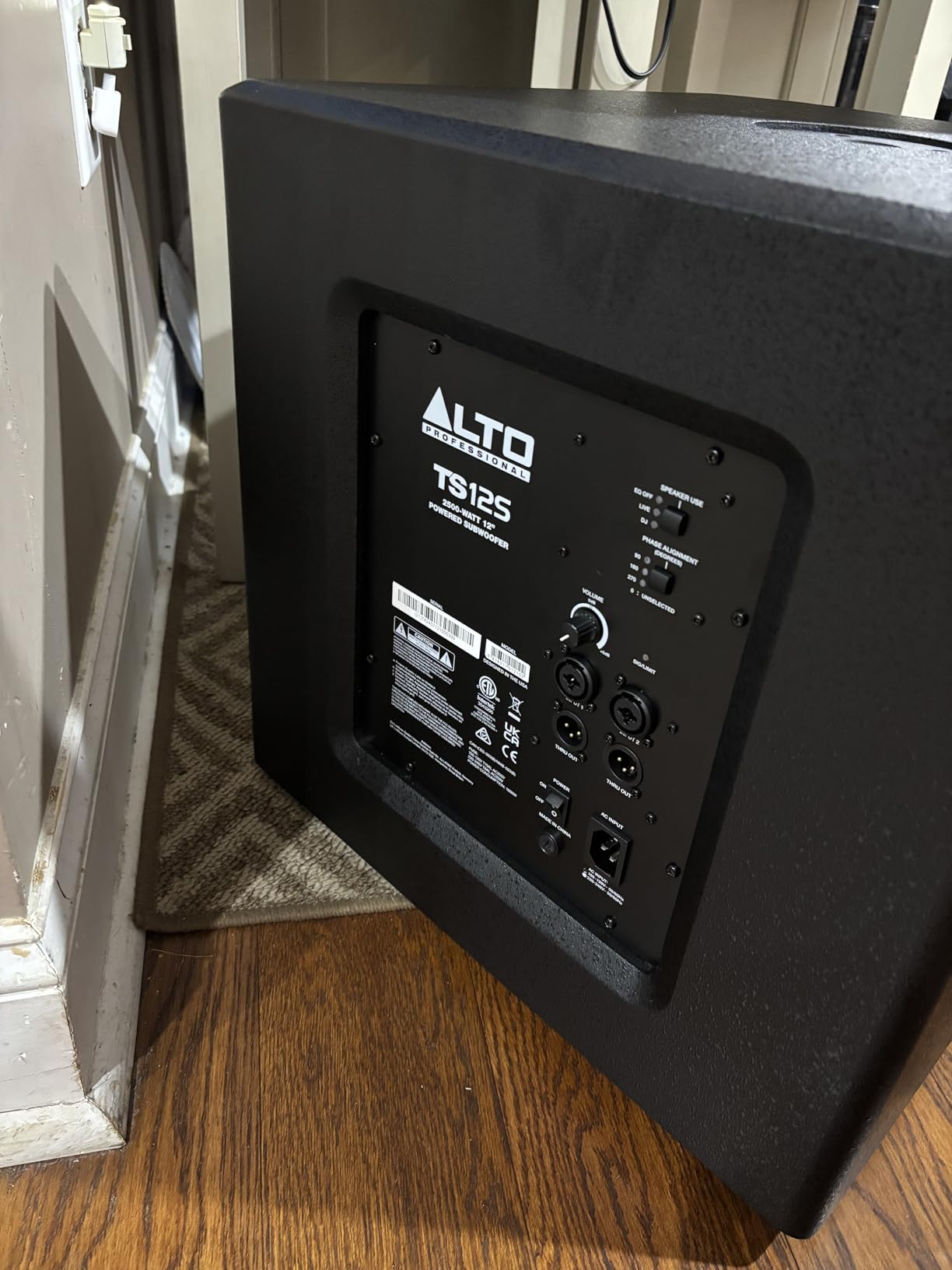
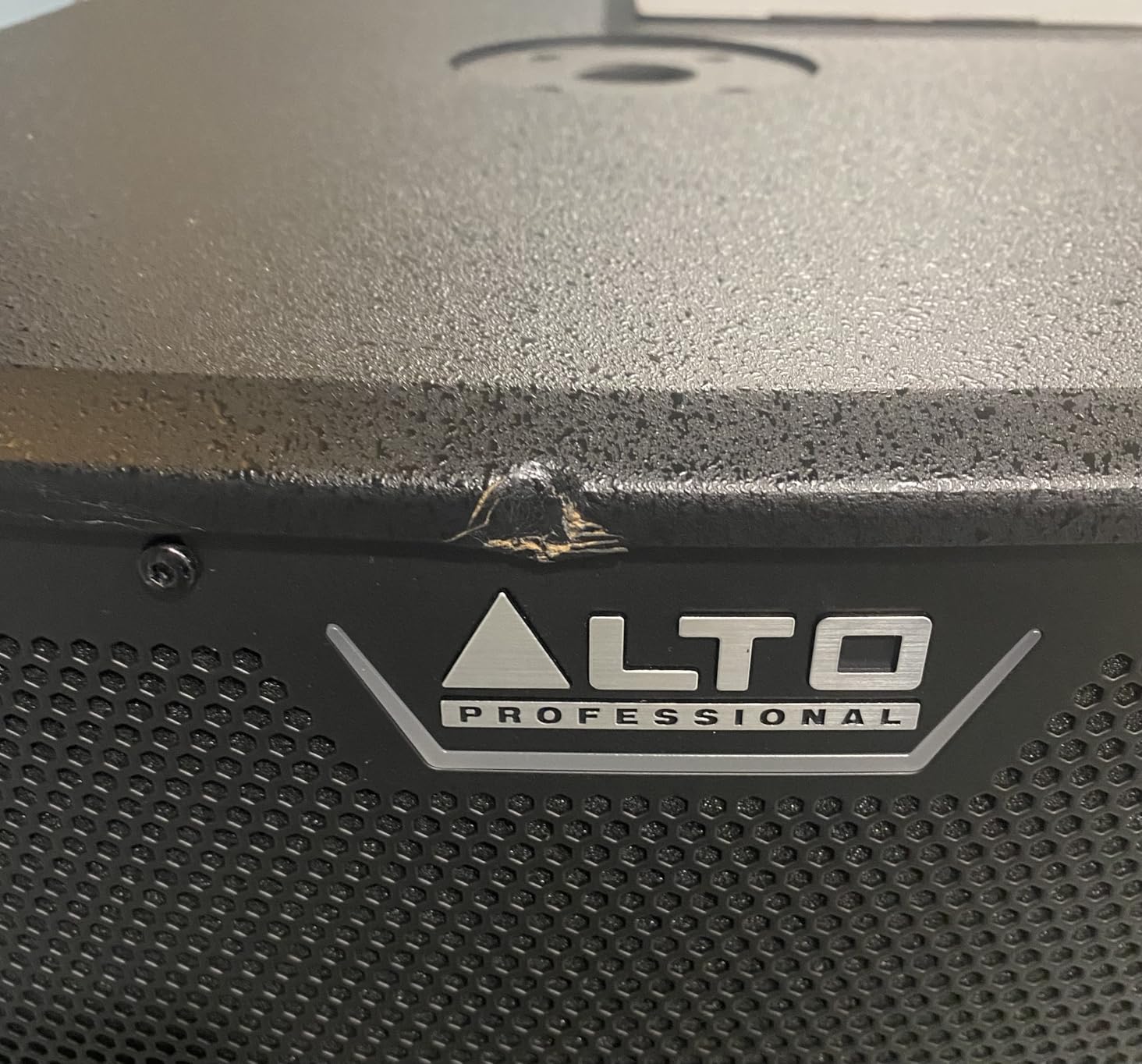
Feature-wise it mirrors the 18 inch model in the same range. You get the same Speaker Use Button DSP modes, the same phase alignment control, the same internally braced front-ported MDF cabinet and the same 36mm pole socket, and it publishes a 130 dB max SPL figure.
That combination makes it a strong middle ground for small and mid rooms. You get the amplifier quality of a larger cabinet in a package that fits through a standard door and into most van boots, which is a real constraint more often than buyers expect.
Who this subwoofer suits
This suits small venues, church rooms, classrooms and any 12 inch powered top that needs a partner with enough amplifier behind it. It is also a good fit for bands that want presence and punch more than they want sub-bass depth.
If your mains are already capable of handling the 60 to 100Hz region well, a 12 inch sub is often the correct tool and a cheaper one.
Where it falls short
It is still a 25.9 kg cabinet, so it is not a genuine one-person carry, and low-frequency depth is shallower than any 18 inch option here. That is the physics of driver size, not a fault.
With 127 owner reviews, the feedback base is thin, and the warranty is one year.
8. Sound Town METIS-PRO18AS – Best Powered 18-Inch for Connection Flexibility
Sound Town METIS Series 18″ 2400W Powered Subwoofer (METIS-PRO18AS)
18 inch powered
700W RMS and 2400W peak
40Hz-160Hz low-pass
8 ohm
Pros
- Broad I/O with two XLR combo inputs plus RCA and high-pass XLR outputs
- 700W RMS with a 4 inch voice coil and 100 oz magnet
- Birch plywood cabinet with heavy-duty metal grille
- M20 pole-mount socket plus crossover phase switch and limiter
Cons
- Lowest average rating in the group at 4.2 with a notable share of one-star feedback
- Some reports of cabinets failing or quality-control problems
- Heavier cabinet than smaller 12 inch alternatives
The METIS-PRO18AS has the most flexible connection panel of any powered sub here, and that is not a marketing point, it is a practical one. You get two XLR and quarter-inch combo inputs, two RCA inputs, two XLR through outputs, two 100Hz high-pass XLR outputs and two RCA outputs, all on one cabinet.
That means you can build almost any signal path you want from a single box: a DJ mixer straight into the sub, mains fed from the high-pass outputs, or a second sub chained from the through outputs without extra hardware. Owners running DJ and live sets consistently point at power for money and connection flexibility as the reasons they chose it.
Power is quoted as 700W RMS and 2400W peak, which is a more useful pair of numbers than a single peak figure. The driver is a 4 inch voice coil with a 100 oz magnet, driven by an integrated Class-D amplifier with a 40Hz to 160Hz low-pass crossover, a polarity switch and a limiter.
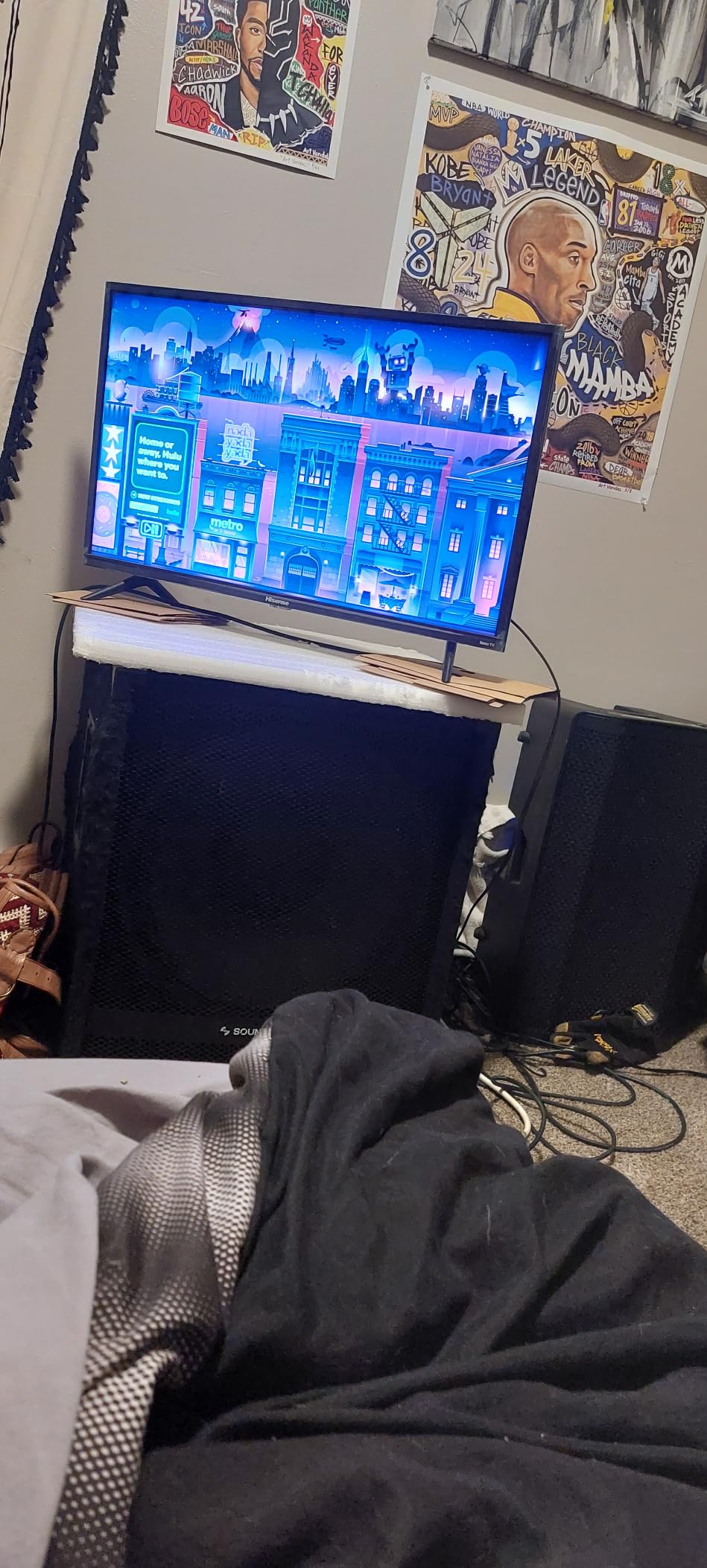
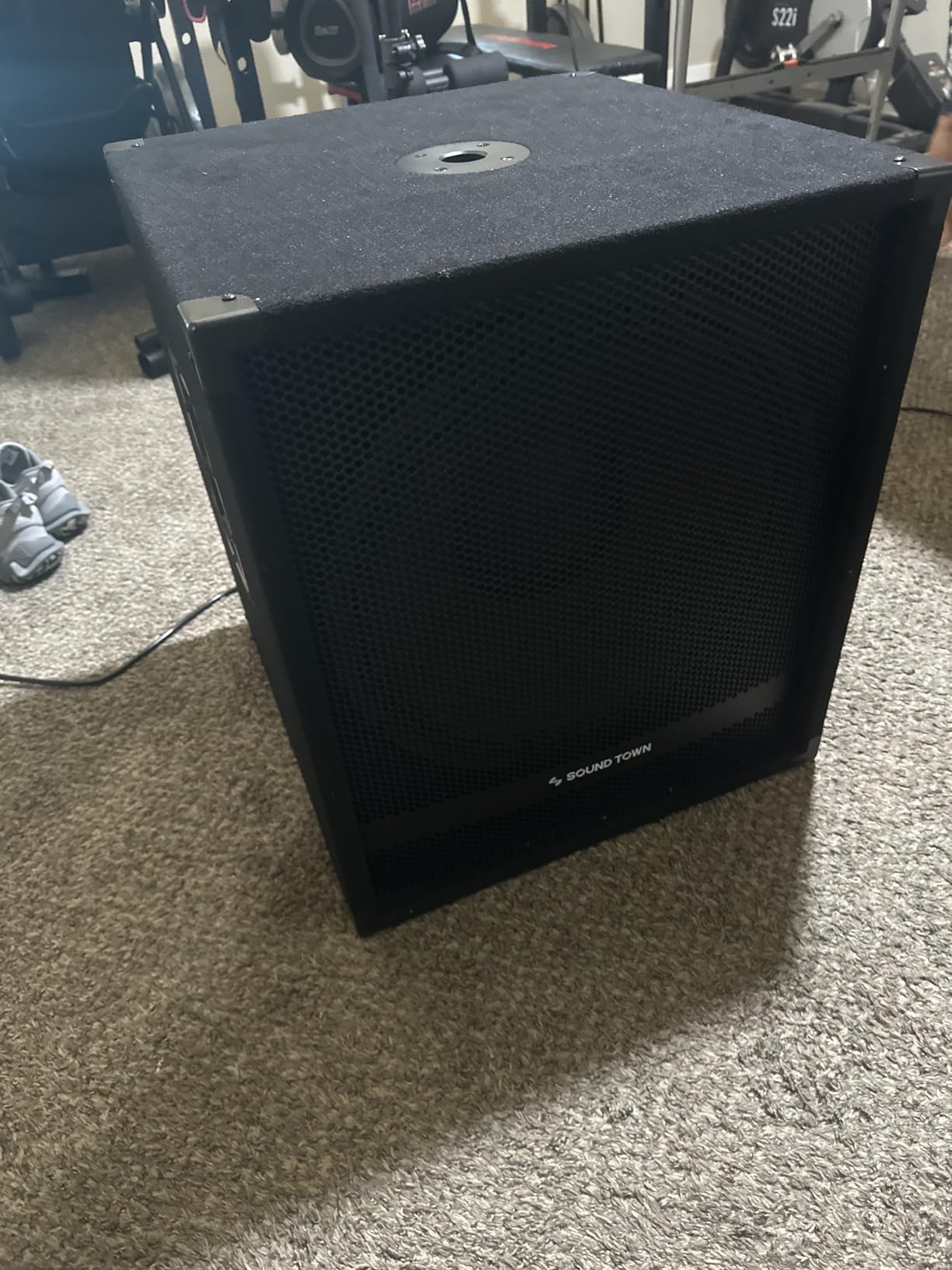
The cabinet is birch plywood rather than the MDF used by most budget boxes, with a heavy-duty metal grille, two recessed handles and an M20 threaded pole-mount socket. Build material is a genuine advantage when a cabinet is loaded in and out of a van every weekend.
Who this subwoofer suits
This suits anyone whose rig has awkward signal routing, particularly DJs mixing from a controller with limited outputs, and anyone building a multi-sub array where chaining matters. The birch cabinet also appeals to gigging crews who move gear hard.
At 700W RMS per cabinet, two of these on independent feeds give serious output for a mid-size room.
Where it falls short
This is the one cabinet here we would approach most carefully. Its 4.2 average is the lowest in the group, and it carries a notable share of one-star feedback, including reports of cabinets failing on arrival and packaging damage during transit.
Quality control appears inconsistent, so this is a purchase where buying from a seller with straightforward returns matters more than it does for the others on this list. The warranty is also one year.
9. Mackie SR18S – Best-Sounding Powered 18-Inch in the Lineup
Mackie SR18S, 18-Inch 1600W Professional Powered Subwoofer
18 inch powered
1600W Class-D
133 dB max SPL
33Hz-200Hz response
Pros
- Highest average owner rating in this group at 4.7
- Extends to 33Hz with 133 dB max SPL
- Voicing presets for Flat plus Deep and Punch
- Three-year electronics and two-year driver warranty
Cons
- 87.7 lb cabinet
- Textured coating chips and nicks easily during transport
- Only 90 owner reviews so long-term field data is thin
The SR18S has the highest average owner rating of the twelve at 4.7, and the reviews behind that number describe loud, clear, dependable output for band, wedding and event work, with several owners buying multiples. That is why we rate it the best-sounding cabinet here even though it is far from the most reviewed.
The specification sheet backs the sentiment. Frequency response is given as 33Hz to 200Hz, which is the deepest stated low-frequency figure of any powered cabinet in this list, and max SPL is published at 133 dB.
The 1600W Class-D amplifier is paired with custom voicing presets for Flat, Deep and Punch, plus a variable crossover. Flat is what you want for a band that tunes their own kick, Deep suits DJ and electronic material where you want extension, and Punch is a middle setting for parties and worship.
One more thing worth knowing is the warranty: three years on electronics and two years on drivers, which is the second-longest cover among the twelve here.
Who this subwoofer suits
This suits a working band or event company that plays constantly and wants sound quality over raw portability. Owners buying multiples for band, wedding and event work are the core of the review base.
It also suits anyone who wants predictable low end from a preset rather than an afternoon of EQ work, which is a real saving at the load-in.
Where it falls short
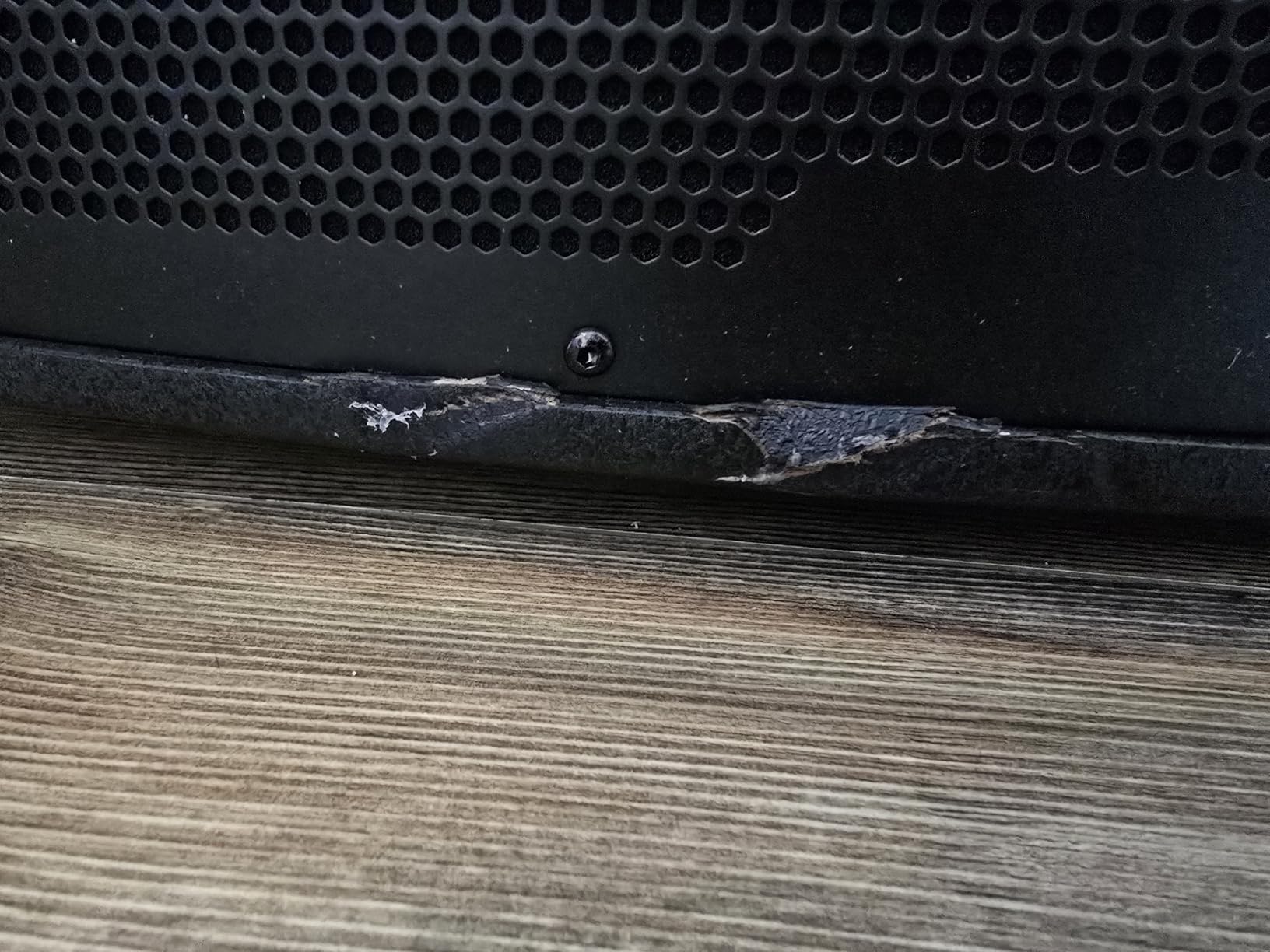
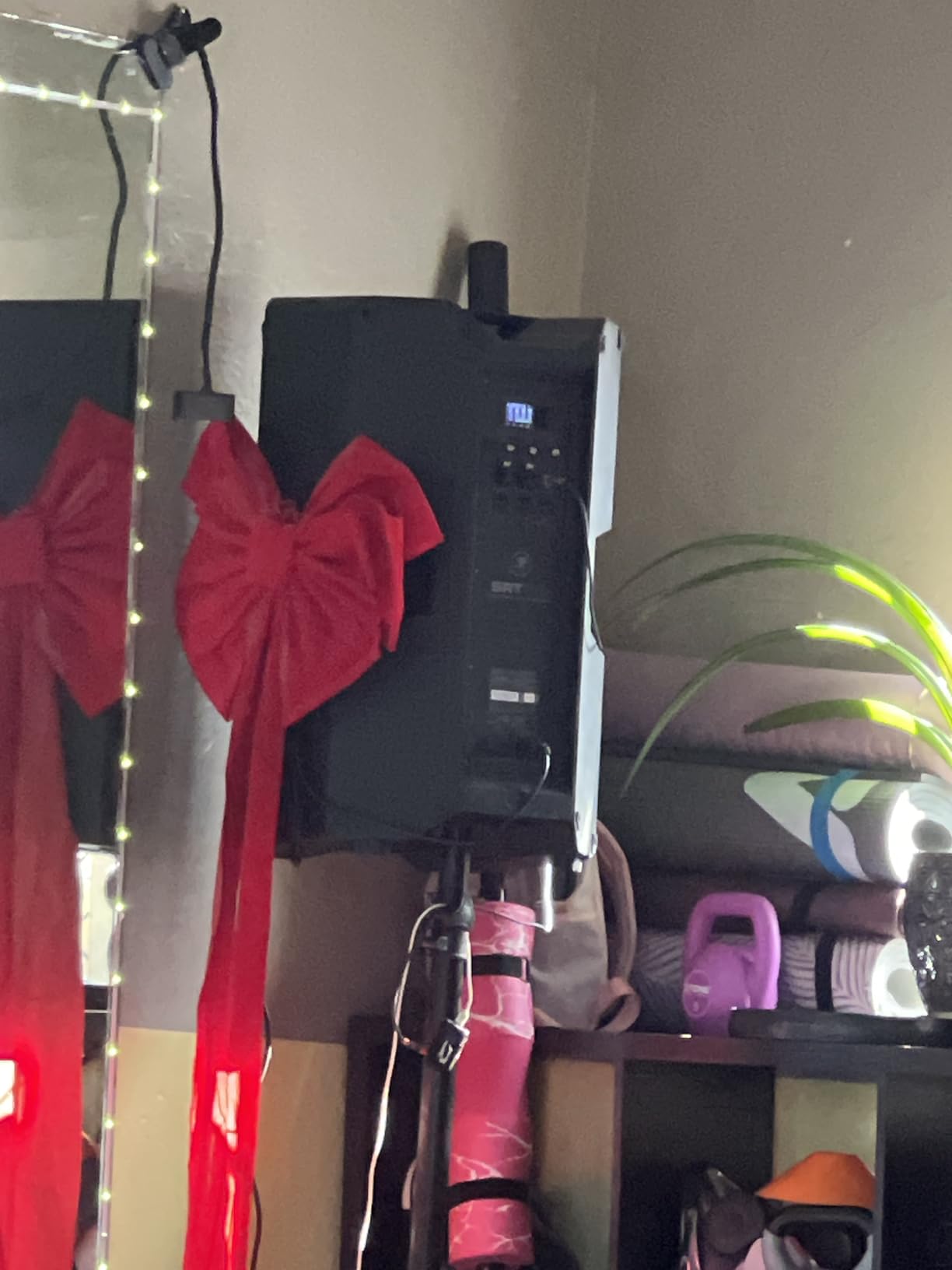
At 87.7 lb this is one of the heavier cabinets in the lineup, and it also sits at the upper end of what most buyers spend on a single sub. The textured cabinet coating is also reported to chip and nick easily during transport.
With 90 owner reviews the long-term field reliability picture is thin, so treat the rating as encouraging rather than proven.
10. ALTO TX12S – Best Powered 12-Inch for Traveling Performers
ALTO TX12S 900W 12″ Powered PA Subwoofer
12 inch powered
900W Class-D
22.4 kg
Low-pass at 80 plus 100 plus 120Hz
Pros
- Selectable low-pass filters at 80Hz plus 100Hz and 120Hz at 24dB per octave
- Live and Music voicing modes via DSP EQ and protection
- Under 50 lb for single-person transport
- 36mm pole socket and side handles with full metal grille
Cons
- Limited sub-bass depth below roughly 50Hz
- A few reports of cabinets arriving non-functional
- Low-pass filtering is required to avoid muddiness with full-range tops
The TX12S is the one to look at if every kilogram counts. At 22.4 kg it sits in the middle of the weight range here, light enough for one person to move comfortably, and it pairs with compact tops without dominating the van.
Buyers are consistently impressed that a 12 inch powered sub delivers genuine low end, and several use it as a speaker stand for smaller PA cabinets. The feature that earns repeat mentions is the selectable low-pass filter.
Instead of one vague crossover knob, you get discrete settings at 80Hz, 100Hz and 120Hz at 24dB per octave, alongside Live and Music voicing modes through the DSP EQ and protection section. Matching a sub to mains stops being guesswork.
Who this subwoofer suits
This suits solo performers, duos, acoustic-plus-electric lineups, small worship teams and anyone who loads in alone. A 900W amplifier with a 12 inch high-output woofer and a 2 inch voice coil is a sensible match for most small and mid rooms.
The pole socket and side handles mean it doubles as a stand, which saves both floor space and a piece of gear.
Where it falls short
Depth is the limit. Low-frequency extension below roughly 50Hz is modest, so it will not deliver the sub-bass weight of an 18 inch cabinet, and for electronic music that matters.
Its 86 owner reviews are a thinner evidence base than most cabinets here carry, and the warranty is one year.
11. Behringer VP1800S – Best Passive 18-Inch Per Amp Channel
Behringer EUROLIVE VP1800S Professional 1600 Watt 18″ PA Subwoofer
18 inch passive
1600W peak
8 ohm
99.2 lb
Pros
- Very high output per dollar for a passive 18 inch cabinet
- Deep powerful low end that fills small to medium venues
- Pole socket and ergonomically shaped side handles
- Professional touring-style carpeted cabinet
Cons
- Passive only so a substantial external amplifier is required
- No built-in crossover so filtering must come from the amp or DSP
- Heaviest cabinet in the lineup at 99.2 lb with awkward handles
The VP1800S is the most straightforward way to get a serious 18 inch passive cabinet per amplifier channel, and owners say so. The recurring verdict is high output for the money, filling small to medium venues for DJ, gym and house-party work when paired with a capable amplifier.
The specification is 1600W peak at 8 ohm, and again that is a peak figure rather than a continuous one, so plan your amplifier around conservative headroom rather than the headline number.
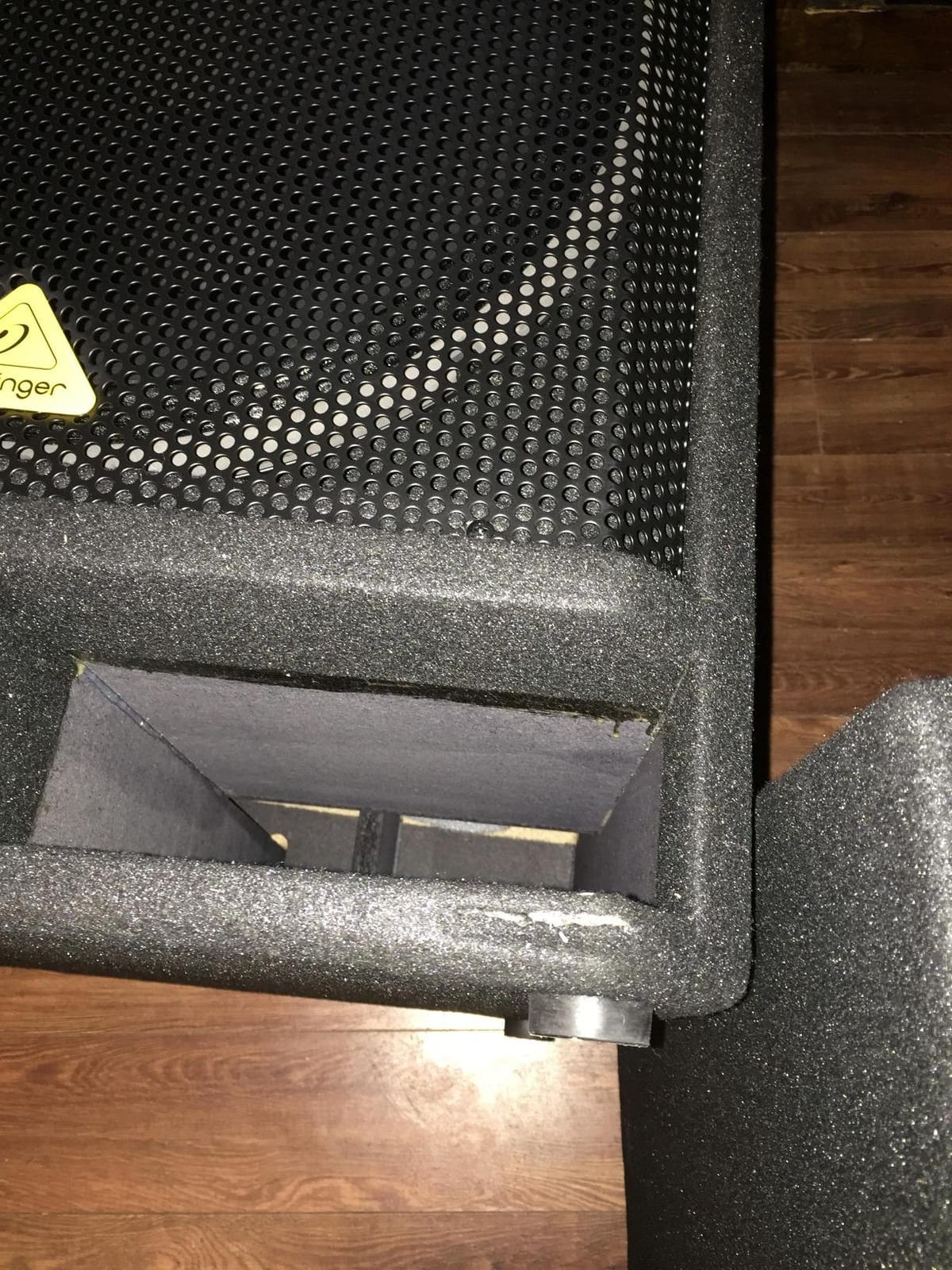
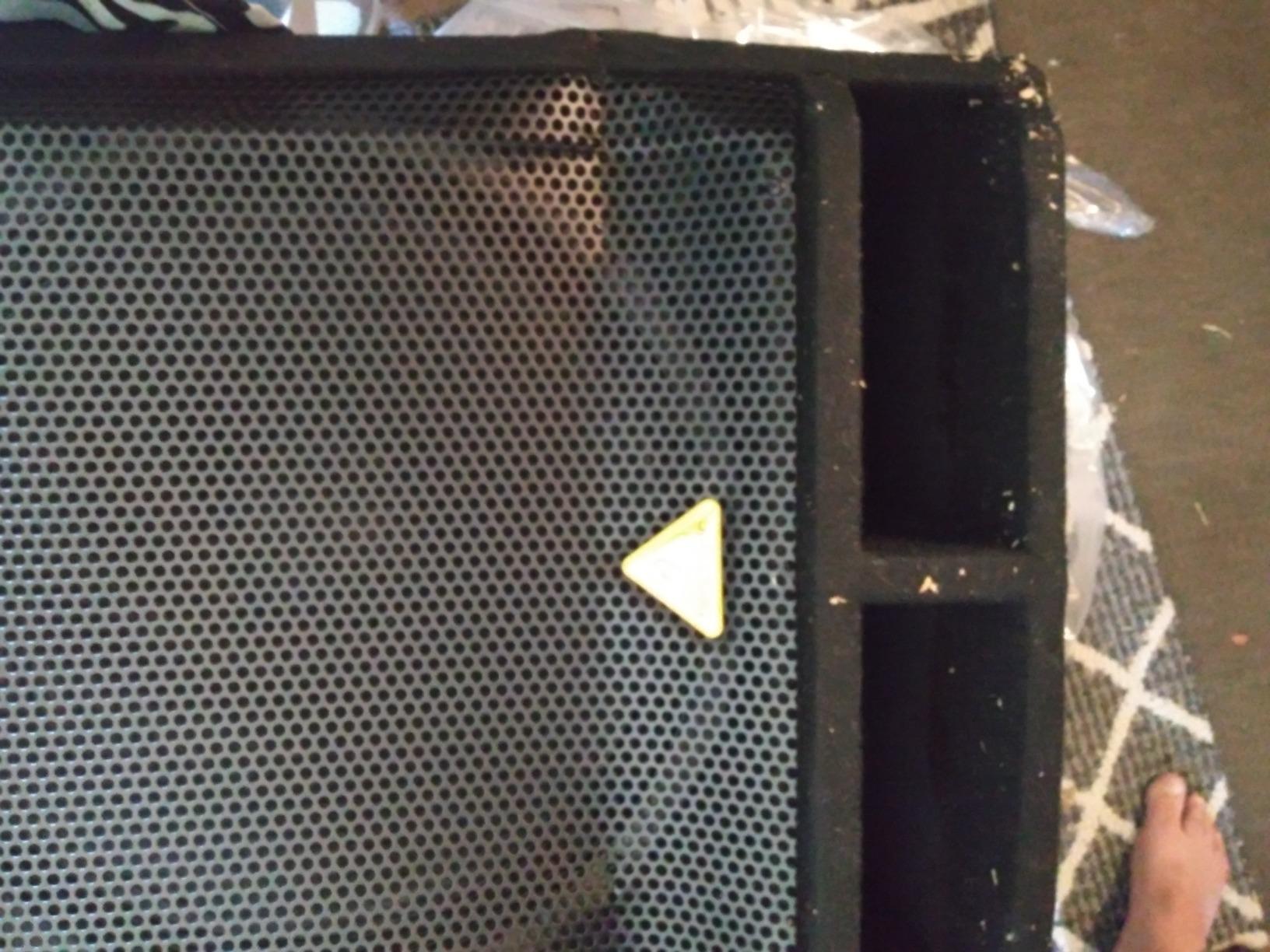
The cabinet is a professional touring-style carpeted box with a pole socket and ergonomically shaped side handles, measuring 24.21 inches deep by 20.87 wide by 25.59 high. Note the price of that cabinet: at 99.2 lb it is the heaviest sub in this roundup by a wide margin.
Connections are the limiting factor here. You get SpeakON-style input and output terminals on the rear and nothing else, and there is no built-in crossover, so high-pass filtering for your mains has to come from the amplifier or an external processor. That is fine in a fixed install and annoying in a mobile rig.
Who this subwoofer suits
This suits venues and rental houses that already run serious rack amplifiers, and anyone building a permanent install where weight is handled by two people and by the truck rather than by the person carrying it. Two of these on bridged channels is the classic club and DJ configuration.
It is also the option to pick if your amplifier choice is still open, because passive means you decide the amp rather than inheriting one.
Where it falls short
At 99.2 lb with handles reported as awkward for large hands, this is firmly a two-person lift, and the number is high enough that a rolling dolly is close to essential. For a solo performer it is not a realistic option.
Owners also report thin packaging leading to transit damage, and cabinets or drivers that degrade after a couple of years of heavy use. The 4.1 rating is the lowest among the powered and semi-pro cabinets here, so the value case has to be weighed against that.
12. QSC KS112 – Best Premium Active 12-Inch for Installed Systems
QSC KS112 Active 12″ Subwoofer
12 inch active bandpass
2000W peak Class-D
75 lb
6-year registered warranty
Pros
- Serious low-end output and throw from one compact 12 inch cabinet
- Four low-noise heavy-duty casters plus a premium birch cabinet
- Intrinsic Correction tuning and loudspeaker management
- Dual M20 pole receptacles and a 6-year registered warranty
Cons
- Highest price point of the twelve cabinets
- Low output mode limits maximum SPL for large outdoor events
- Only 62 owner reviews so long-term reliability data is thin
The KS112 is the odd one out in this list, and that is why it earns a place. It is a compact active bandpass design rather than a conventional ported box, which is a different acoustic philosophy: instead of one large driver in a big cabinet, you get a 12 inch unit in a shallow enclosure designed to throw low frequency further with less floor space.
Owners running K-series tops report tight, punchy bass that surprises them for a 12 inch cabinet, and several returned to buy more after switching from other brands. The complaint that appears is simply wanting even more output, plus the price.
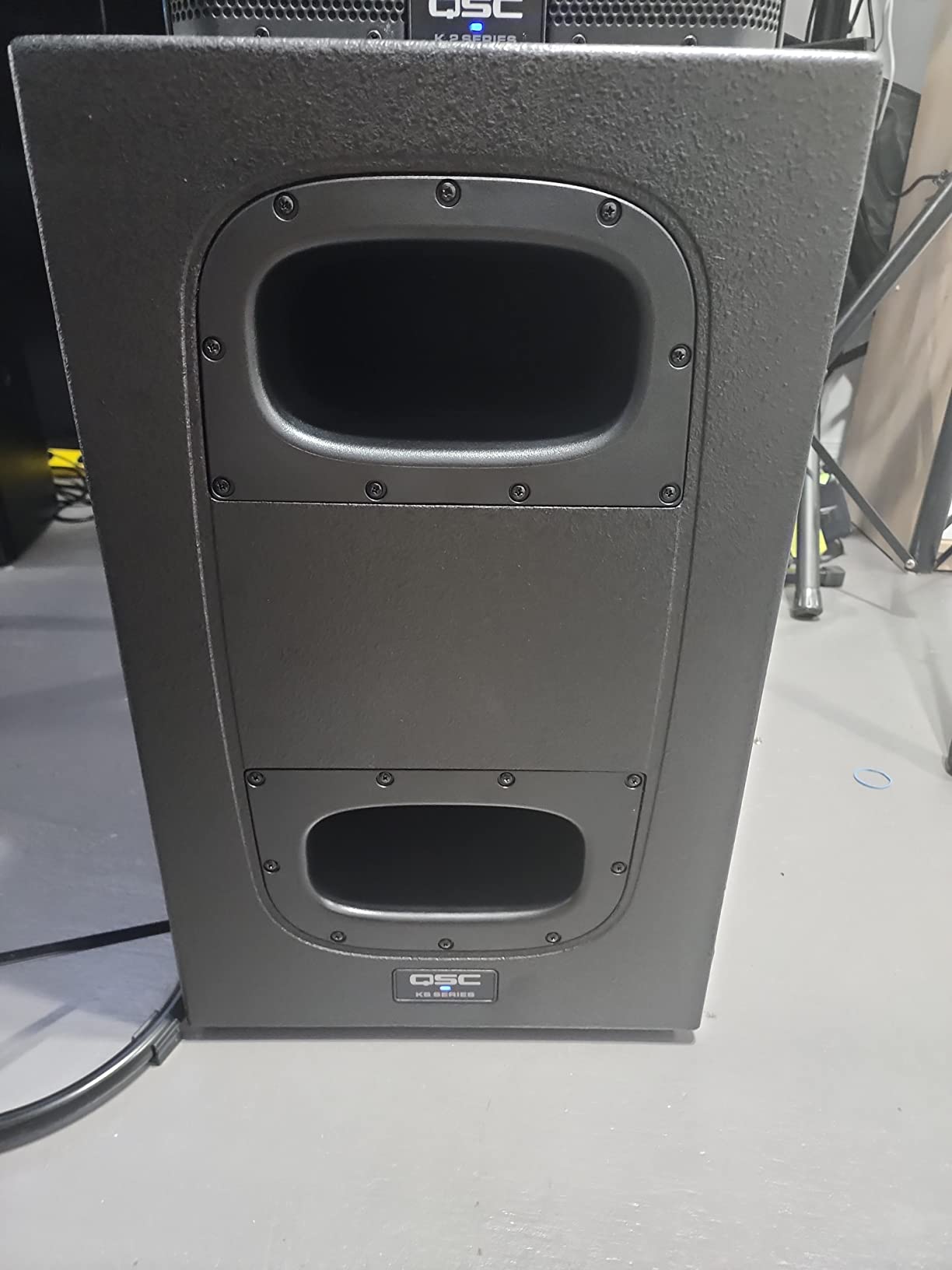
Portability is handled unusually well for a 75 lb cabinet. It ships with four low-noise heavy-duty casters, which matters because low-noise wheels are the difference between a sub you can roll onto a stage and one you cannot, and there are two M20 threaded pole receptacles so you can mount a pole vertically or horizontally.
Processing comes through Intrinsic Correction tuning and loudspeaker management, and there is an optional security cover for installs where the cabinet is exposed. The registered warranty runs six years, the longest of any sub in this roundup.
Who this subwoofer suits
This suits churches, schools, corporate spaces and venues where the rig is installed or semi-permanently positioned, and where a six-year warranty and a company with a support infrastructure matter as much as the spec sheet. The casters make it practical for a room where the sub lives at the front of the stage.
It is also a strong second-stage upgrade for someone who started with an entry-level powered 12 inch and found the mid bands fighting the sub.
Where it falls short
Its price also puts it out of reach for most first-time buyers, so it makes sense as a second-stage purchase rather than a starting point. The low output mode limits maximum SPL, so it is not the right choice for large outdoor events.
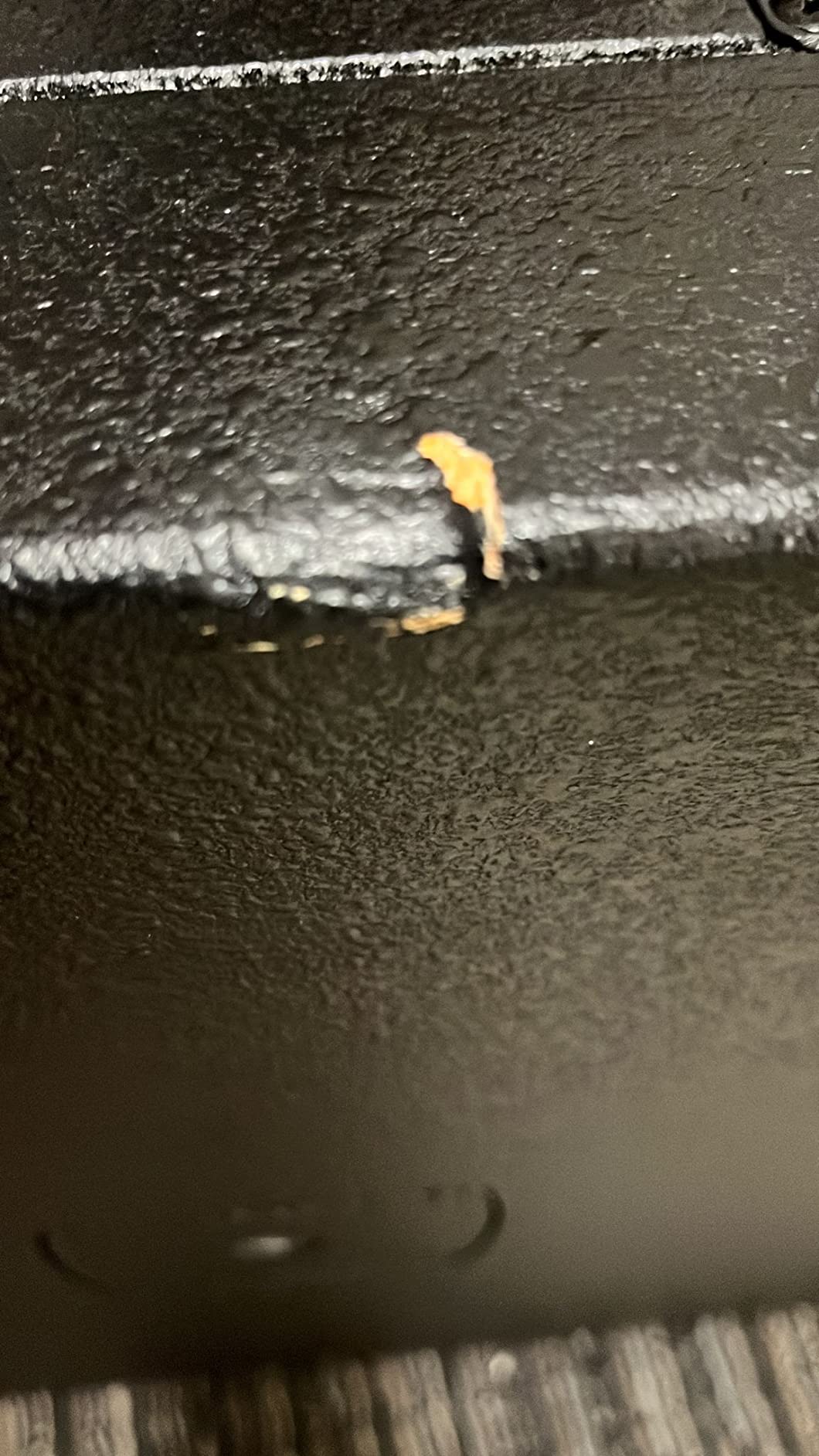
With 62 owner reviews, the long-term field data is the thinnest in the group. The casters are the other watch point, since caster wear is a common long-term complaint on heavier powered cabinets, and none of the current reviews give you a long service history to go on.
How Many Subwoofers Do You Actually Need?
This is the most repeated question in live sound forums and the one least often answered, so here is a straightforward way to think about it. Judge by room capacity and how much low-frequency content your material carries, not by how many cabinets you can afford to move.
Up to 150 people, one 12 inch powered cabinet is genuinely enough. Between 150 and 400 people, one 15 or 18 inch powered cabinet handles most material, and a second cabinet is worthwhile for EDM, hip-hop, metal or worship. Beyond 400 people, plan on two 18 inch cabinets minimum and match them to your mains rather than to your budget.
The reason two cabinets beat one larger cabinet is not marketing. Two cabinets spread the required acoustic output across two drivers, which means each one moves less air for the same perceived loudness, so distortion falls and the mix stays clean at the level you actually need. Owners in gear forums reach the same conclusion independently, and it holds for both powered and passive cabinets.
One practical note on arraying. If stage noise is a problem, do not just aim two cabinets at the audience. Setting them in a shallow arc with the rear cabinet slightly delayed cancels output behind the stage, which is the cardioid arrangement and the single most effective stage-noise fix available to a small PA.
Powered vs Passive PA Subwoofers: Which Should You Buy?
Powered means the amplifier is inside the cabinet. You run one cable from your mixer to the sub and it works, which is why every powered sub on this list carries a crossover control on the back and most of them also provide high-pass outputs for your mains.
Passive means the cabinet is a driver in a box. It costs less, it is usually lighter for the same driver size, and it can be scaled by adding channels on your amplifier. The cost is that you must source an amplifier, configure the crossover somewhere in the signal chain, and carry a cable run for the amp.
Our rule is simple. Buy powered unless you already own a rack amplifier, you are building a permanent install, or you are buying for a rental fleet where the amplifier stays with the truck. Those are the only three cases where the extra setup cost of a passive cabinet pays for itself.
For a rental fleet specifically, passive cabinets are usually the better business decision. The amplifier is shared across every cabinet you hire out, so it is not sitting idle in a case, and a damaged passive cabinet can be swapped in minutes while the same amplifier keeps working.
How to Read Power Ratings and Max SPL Without Being Misled
Wattage numbers on subwoofers are the single most misleading spec in live sound, and the reason is that three different numbers are all labelled power. Continuous or RMS power is what the amplifier can deliver indefinitely. Program power is roughly one and a half times that for sustained periods. Peak or PMPO power is a momentary figure that tells you almost nothing about real-world output.
Look at this list and the spread is enormous. One 12 inch powered sub here publishes 1400 watts as a maximum output with no continuous figure at all, while a passive 18 inch box publishes 1000W RMS alongside its 2000W peak. Those numbers are not comparable at all, and buying the first because of the bigger headline is the most common mistake in this category.
Max SPL is worse, because measurement standards vary. Some figures are quoted at 1 metre in half space, which is a laboratory number, and others are extrapolated to a real room. Only three cabinets in this roundup publish an SPL figure at all, which is why we tell you the frequency response and driver size alongside it rather than ranking on a number that is measured differently by every brand.
The two numbers worth comparing across brands are the driver size and the low-frequency figure in hertz, because those describe what the cabinet actually reproduces. After that, the crossover control and the filtering outputs tell you whether the box will integrate cleanly with your mains.
How to Add a Subwoofer to Your Existing PA System
Adding a sub to a PA you already own is a five-minute job if your mixer has a sub output, and a twenty-minute job if it does not. Here is the whole process.
First, find your sub feed. Look for a mono sub out or a pair of mono or stereo aux sends on your mixer. If you have neither, you can still use a high-pass filtered output from the sub itself, but a proper aux send gives you independent level control.
Second, set the crossover. For most music, 80Hz to 100Hz is the working range. Anything below 80Hz starts to occupy space your kick drum and bass guitar need, and anything above 120Hz starts duplicating the bottom of your mains and making the low end sound muddy.
Third, high-pass your mains. Every powered sub here has a high-pass output, and the passive cabinets rely on your amplifier or processor for filtering. Set them near the crossover frequency so the mains stop trying to produce the frequencies the sub is now handling, which is the single biggest improvement most owners report after adding a sub.
Fourth, set gain staging. Turn the sub amp to minimum, set your mixer channel fader to zero, bring the sub up, then bring the fader up until the low end sits where you want it relative to the rest of the mix. The most common cause of a muddy low end is simply too much of it.
Fifth, check polarity. Most cabinets have a phase or polarity switch. If the kick drum sounds hollow or the bass seems to arrive late, flip it. Then walk the room before you play, because low frequency is the one range where listening from the mix position can mislead you.
12-Inch vs 15-Inch vs 18-Inch: Which Driver Size Fits Your Room?
Driver size is the decision that matters most after powered versus passive, and it is a genuine trade rather than a quality ladder. A 15 inch driver and an 18 inch driver are not the same product in a bigger box, they are different instruments for different rooms.
Choose 12 inches for small rooms, portable rigs and mains that already cover the low mids well. A 12 inch cabinet moves less air than an 18 inch one, so the ceiling is lower, but it is also lighter, cheaper to transport and easier to run in a room where you do not want the sub to be the loudest thing in the mix. This is the right size for a solo performer, a worship team in a community hall, or any room up to about 150 people.
Choose 15 inches for passive systems, mid-size rooms and any genre where you want weight without maximum depth. A 15 inch cabinet is the sweet spot between moving air and moving the cabinet, which is why the lightest passive option in this roundup is a 15 inch box.
Choose 18 inches for rooms over 200 people, for EDM, hip-hop and metal, and for any application where kick and bass guitar need to be felt rather than heard. The cost is weight, and in this roundup the 18 inch cabinets range from 42.2 kg to 99.2 lb, so the driver size decision is also a load-in decision.
One rule of thumb that matches how owners actually behave: buy the largest cabinet you can still lift and load by yourself twice a night. A sub that stays in the van is worse than a smaller sub that plays every gig.
Skip Home Theater and Car Audio Subs for PA Work
Shopping results for this search are crowded with home theater and car audio subs, and they are consistently the wrong purchase for a PA system. They are voiced for a listening chair a few feet away rather than a room, and their frequency response is shaped for dialogue clarity and movie effects rather than continuous musical program.
Practically, they also lack the connections a PA needs. You will find no high-pass outputs to feed your mains, no proper line-level input and thru, and no speaker protection designed to survive being pushed hard for a three-hour set. Home theater subs in particular are frequently sold as bare drivers in a thin enclosure with no rigging points.
Every sub recommended in this roundup is a professional PA cabinet with a line input, filtering for your mains, and an enclosure built to be carried and stacked. That is the difference that matters once there are people in the room.
Frequently Asked Questions
What is a good powered subwoofer for a PA system?
The Rockville RBG12S is our pick for a good all-round powered subwoofer for a PA system, because it has by far the largest body of owner feedback in this group, a cabinet you can lift alone at 46.7 lb, combo XLR and quarter-inch inputs plus XLR outputs, and an onboard crossover with DSP settings. For a smaller or lighter setup the Behringer B1200D-PRO is the value pick, and for a single cabinet with real output in a larger room the ALTO TS18S publishes a 137 dB max SPL figure and 2500W of Class-D power.
Do you need a subwoofer with a PA system?
You need one if your material has real energy below 100 Hz, which covers most live bands, EDM, hip-hop, worship and club music. A sub takes that workload off your full-range mains, which lets them run cleaner and louder before distorting, and it controls low-frequency room modes that make small rooms sound boomy. For solo acoustic, folk or spoken word at low volume you can manage without one, and your money is usually better spent on better mains.
Is one subwoofer enough for a PA system?
One well-chosen subwoofer is enough for a room up to about 150 people, and it remains workable up to 200. Between 150 and 400 people, a second cabinet makes a bigger difference than a more powerful amplifier inside a single box, because two drivers move less air each for the same perceived loudness and therefore distort less. Beyond 400 people, plan on two 18 inch cabinets minimum. For stage noise, set a pair in a shallow arc rather than pointing both at the audience.
Are passive subwoofers better than powered?
Neither is better in general, but passive wins in three specific situations: you already own a rack amplifier, you are building a permanent venue install, or you run a rental fleet where the amplifier stays with the truck. In those cases a passive cabinet costs less, scales by adding amplifier channels, and is usually lighter for the same driver size. Powered wins everywhere else, because it needs one cable instead of a cable run to an amplifier, and the filtering on the back panel makes matching to your mains straightforward.
What are the disadvantages of passive subwoofers?
The main disadvantages are setup and integration. You must buy an amplifier, you must configure a crossover either in the amplifier or in an external processor, and you carry a cable run to the rack. The Behringer VP1800S is a clear example of the second problem, since it has no built-in crossover at all, so filtering has to come from the amp. Passive cabinets also tend to be heavier for their driver size, and the VP1800S at 99.2 lb is the heaviest cabinet in our roundup.
How do I add a subwoofer to my existing PA?
Find a mono sub out or an aux send on your mixer and run it to the sub line input. Set the crossover between 80Hz and 100Hz for most music, then use the sub high-pass outputs to set your mains to roughly the same point so they stop producing frequencies the sub now handles. Set gain with the sub amp at minimum and your fader at zero, then bring both up until the low end sits under the rest of the mix. Finally check the polarity switch if the kick sounds hollow, and walk the room before you play.
Which PA Subwoofer Should You Buy?
Start with the Rockville RBG12S if you want one powered cabinet and one cable, because its owner feedback base is far larger than anything else here and the connection panel does most of the work for you. If you want the deepest extension and best sound quality from a single powered cabinet and you play constantly, the Mackie SR18S is the one to beat.
If you already own a rack amplifier, the Rockville PBG18 passive 18 inch gives you the most headroom and low-frequency extension of the passive options, and two of them will outperform a single active cabinet. If portability is the constraint, the Rockville SBG1158 at 35.9 lb is the only passive box here one person can genuinely carry, and the Behringer B1200D-PRO is the lightest powered option with the cleanest integration features.
Whichever you choose, buy the smallest number of cabinets you can move and add a second later, because two cabinets in the right room will always beat one cabinet in the wrong one. That is the single most repeated piece of advice across every owner thread we read while putting this roundup of the best subwoofers for PA systems together.