

A plosive is the burst of air released by the consonants p, b, t, d, k and g. A pop filter is a screen mounted between your mouth and the microphone that disperses that burst before it reaches the capsule, so the voice arrives without the low thud that ruins a take.
It is the cheapest upgrade in a home studio and the fix most people skip. Below are twelve of the best pop filters for vocal recording, covering desk-stand singers, podcasters on broadcast arms, streamers on USB condenser microphones, and engineers working with large-diaphragm condensers.
One clarification first: a pop filter does not fix sibilance. The hard edge on an s sound comes from the mouth cavity resonating high frequencies, and no screen in front of the microphone removes it. De-essing is a separate step.
Table of Contents
Top 3 Picks for Vocal Recording (October 2026)

NEEWER Professional Pop…
- Dual-layer screen with air gap
- Adjustable steel gooseneck
- Alloy steel and clamp mount

Aokeo Three-Layer Mic Mask…
- Three-layer screen
- 360-degree rotating gooseneck and head
- Scratch-resistant clamp

Dragonpad USA Pop Filter
- Dual-layer nylon mesh
- Sized for Blue Yeti and Snowball
- Rubber-coated gooseneck
The Best Pop Filters for Vocal Recording in 2026
Each pick below carries a full product card and two decision points. The table is the fast version, with all twelve side by side.
| Product | Specifications | Action |
|---|---|---|
|
NEEWER Professional Pop Filter Shield
|
|
Check Latest Price |
|
Aokeo Three-Layer Mic Mask Shield
|
|
Check Latest Price |
|
Dragonpad USA Pop Filter
|
|
Check Latest Price |
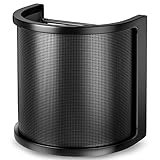 PEMOTech Three-Layer Windscreen
|
|
Check Latest Price |
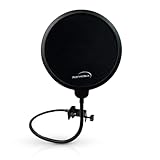 Auphonix Blue Yeti Pop Filter Screen
|
|
Check Latest Price |
 YOUSHARES Blue Yeti Pop Filter Bundle
|
|
Check Latest Price |
 Rode WS2 Pop Filter and Wind Shield
|
|
Check Latest Price |
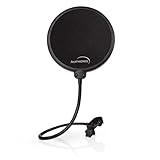 Auphonix MPF-1 Pop Filter
|
|
Check Latest Price |
 Penypeal Microphone Isolation Ball
|
|
Check Latest Price |
 FIFINE U1 Compact Pop Filter
|
|
Check Latest Price |
 Stedman PS101 Pop Filter
|
|
Check Latest Price |
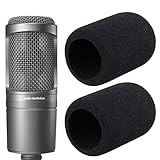 Audio-Technica AT2020 Pop Filter Pack
|
|
Check Latest Price |
1. NEEWER Professional Pop Filter Shield: The Longest-Lasting All-Rounder
NEEWER Professional Microphone Pop Filter Shield
Metal and alloy steel body
Dual-layer screen with an air gap
8.3 oz
6.3 x 1.1 x 12.01 inch
Pros
- Dual-layer screen tames plosives and hiss
- Adjustable gooseneck and swivel mount make positioning easy
- Scratch-proof clamp grips tubular booms and stands
- Substantial alloy steel feel
Cons
- Screen and frame add weight on light stands
- Clamp-to-gooseneck screw joint can loosen over time
I have run more sessions on this filter than any other on the list. The dual-layer screen with its air gap does one job properly, and the P and B sounds stop landing as thumps.
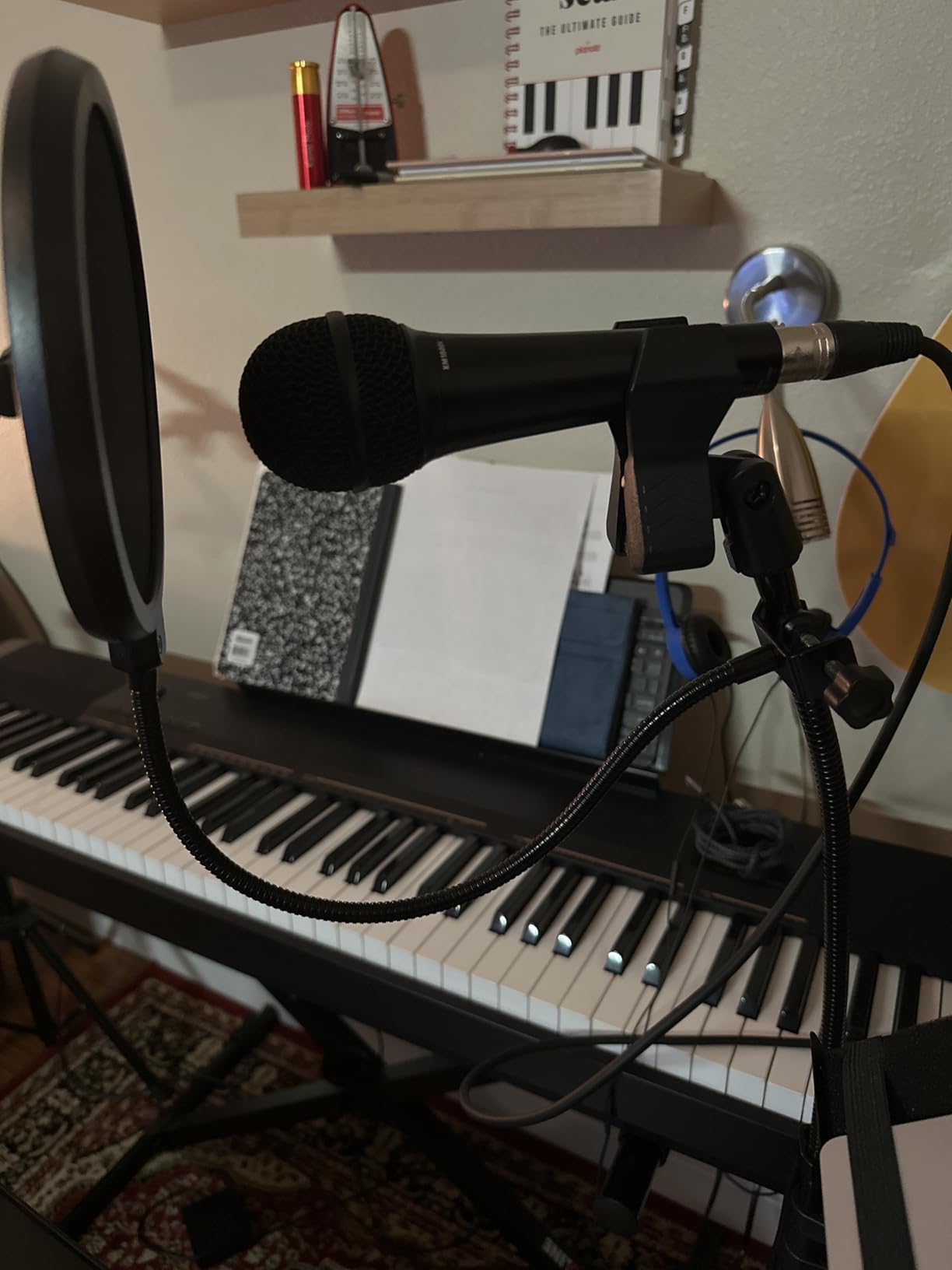
The build is alloy steel rather than thin stamped plate, and at 8.3 ounces it stays on a light desk stand without tipping it. The recurring complaint is mechanical, since the screw joint where the clamp meets the gooseneck loosens with use and some owners retighten it with pliers.
Why it works for most home studios
It fits almost any stand without adapters, the swivel mount makes removal fast, and more than twelve thousand reviews reflect consistent results rather than a lucky launch.
Where it falls short
It is a generalist. If you need a specific capsule diameter, an on-camera profile, or direct mounting with no arm at all, a purpose-built filter serves you better.
2. Aokeo Three-Layer Mic Mask Shield: The Most Adjustable Mount
Microphone Pop Filter,Aokeo Mic Mask Shield,Three-layer Wind Pop Screen With Flexible 360° Gooseneck Clip Stabilizing Arm For All Microphone
Metal and plastic body
Three-layer screen structure
0.27 kg
Model P10
Pros
- Three-layer airflow control ranks at the top of its category
- Gooseneck and filter head both rotate 360 degrees
- Scratch-resistant right-angle clamp
- Backed by a 1-year warranty
Cons
- Heavier than foam-only designs
- Fewer attachment options in the box than some owners would like
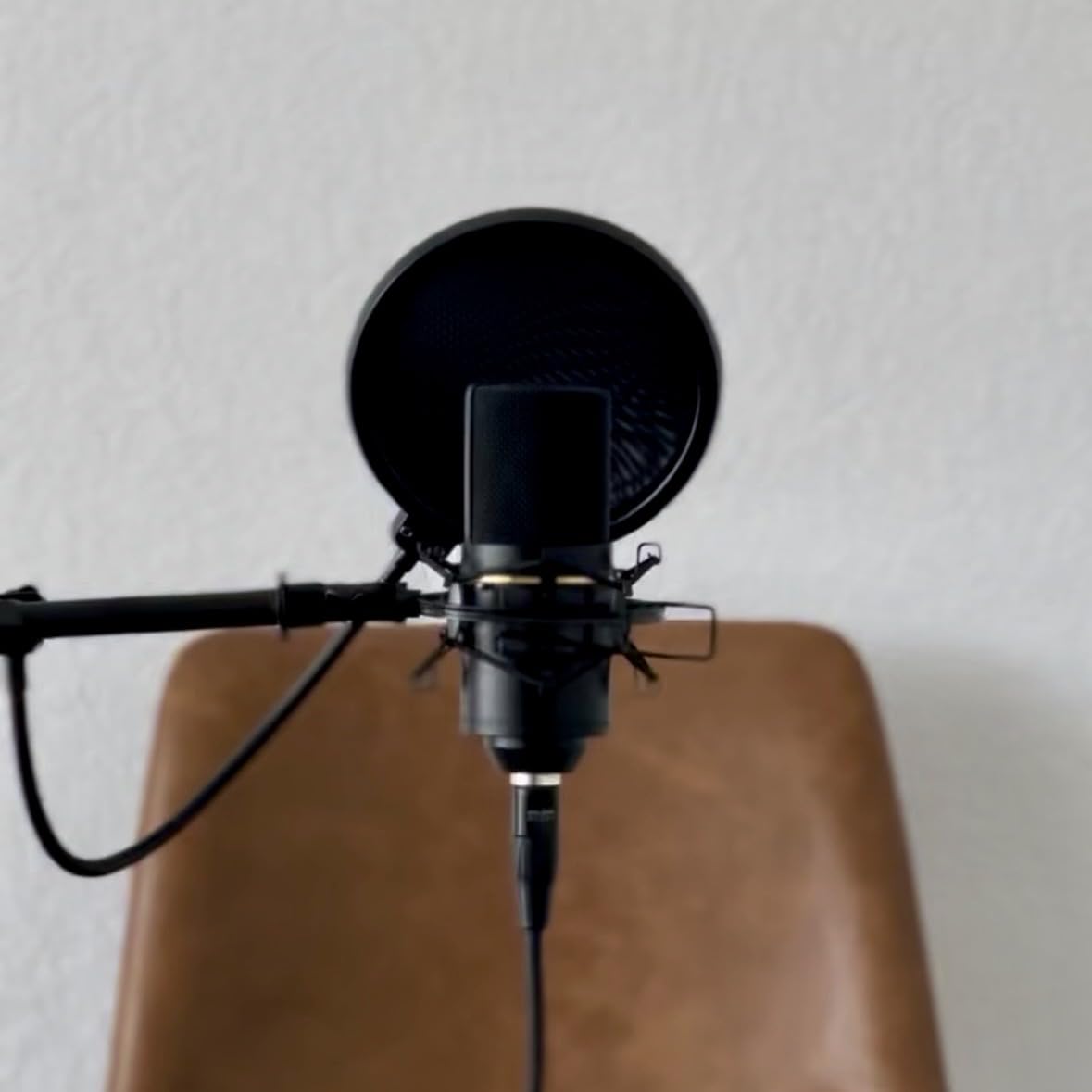
This is the one I recommend when someone wants a single filter that adapts to whatever rig they already own. Three layers of screen sit in a rigid frame, and both the filter head and the gooseneck rotate a full 360 degrees.
The right-angle mount matters more than it sounds, because a straight vertical clamp forces the screen at an awkward angle on a boom arm. At 0.27 kg it is a solid metal-and-plastic build, and two screens come in the package.
Why it is the strongest all-round buy
Three layers, a 360-degree rotating head and a 1-year warranty is an unusual combination, and the second-highest review volume here reflects that people keep using it.
Where it falls short
Buyers hoping for spare rubber bands or a bundled foam windscreen come away disappointed, and the weight makes it a poor match for a portable stand.
3. Dragonpad USA Pop Filter: Built for Blue Yeti and Snowball
Dragonpad USA Microphone Pop Filter, for Blue Yeti, Blue Snowball – Flexible Gooseneck Microphone Mount and Double Layer Sound Shield Guard Windscreen
Nylon enclosure
Dual-layer mesh with air gap
3.13 g listed weight
14.57 x 7.24 x 1.1 inch
Pros
- Dual nylon layers cut popping and lisping without dulling clarity
- Rubber-coated gooseneck resists rust
- Fits Blue Yeti and Blue Snowball
- Immediate audible difference on fitting
Cons
- Gooseneck-to-clamp screw joint can loosen and sag
- Top-heavy on lightweight desktop stands
- Gooseneck nut may need pliers
- Unpadded clamp can scratch
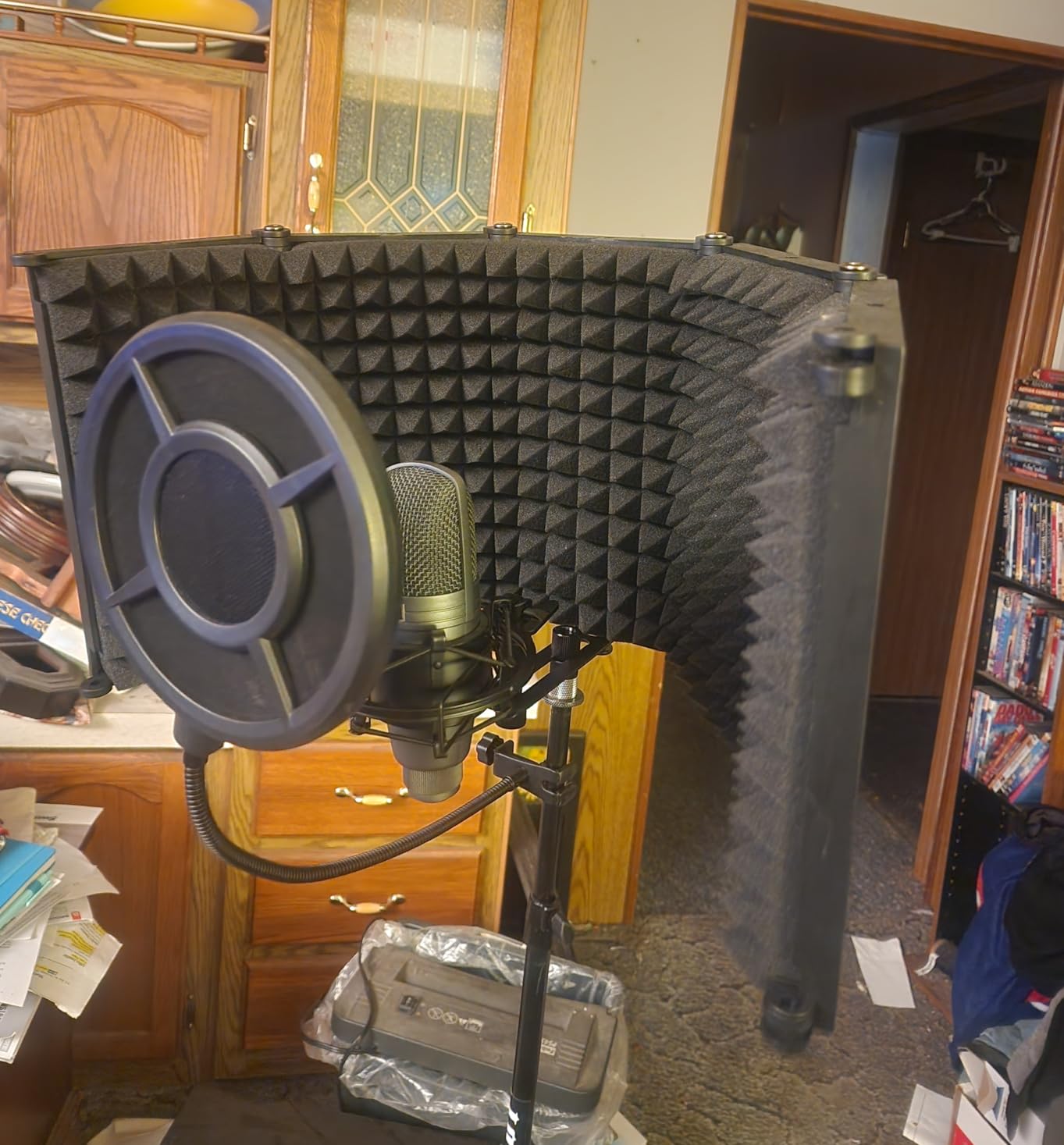
USB condenser microphones are where pop filter advice usually falls apart, because they sit on small desk stands rather than proper arms. This filter was built for that arrangement, with a bracket angle and tension screw that grip a wide range of bodies.
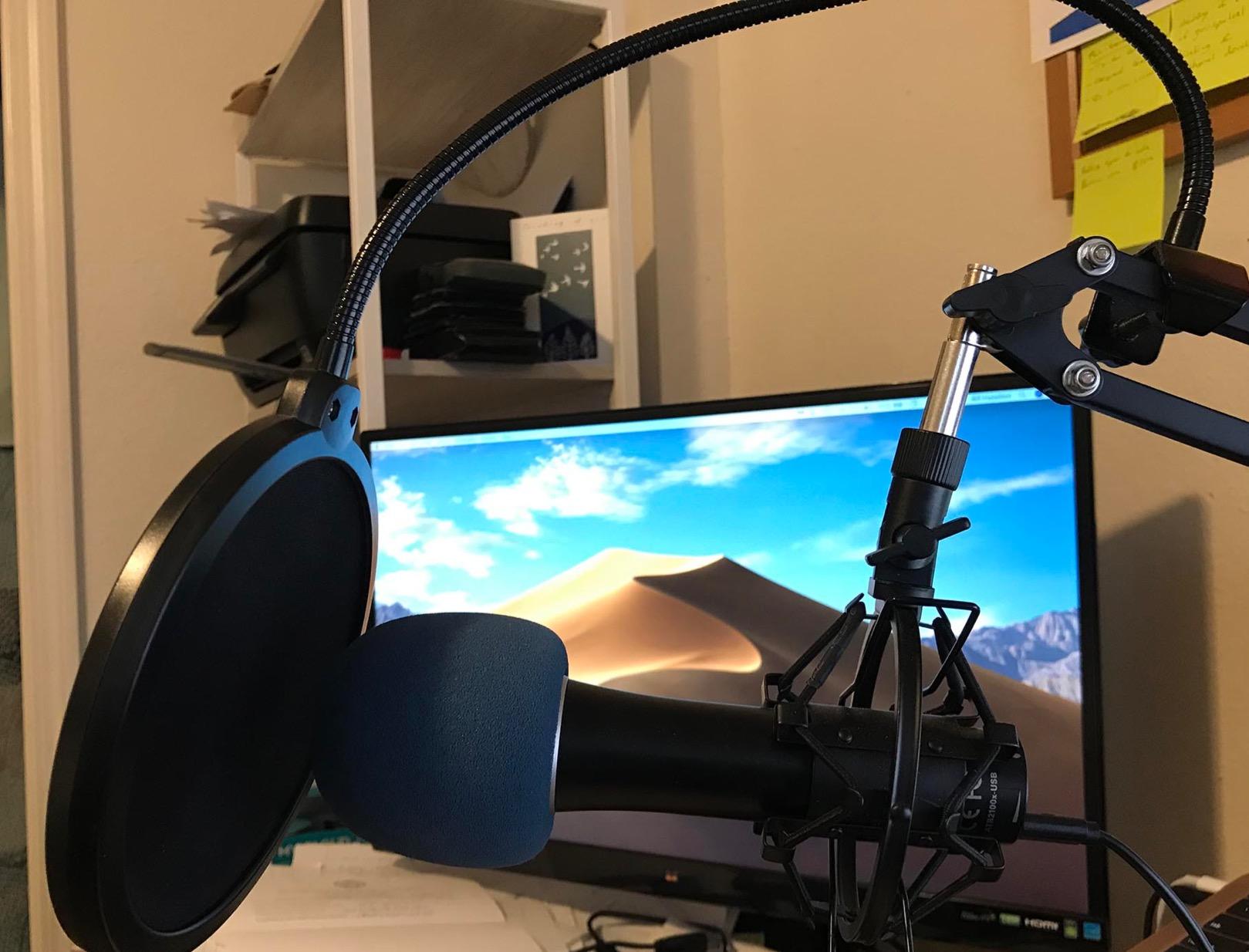
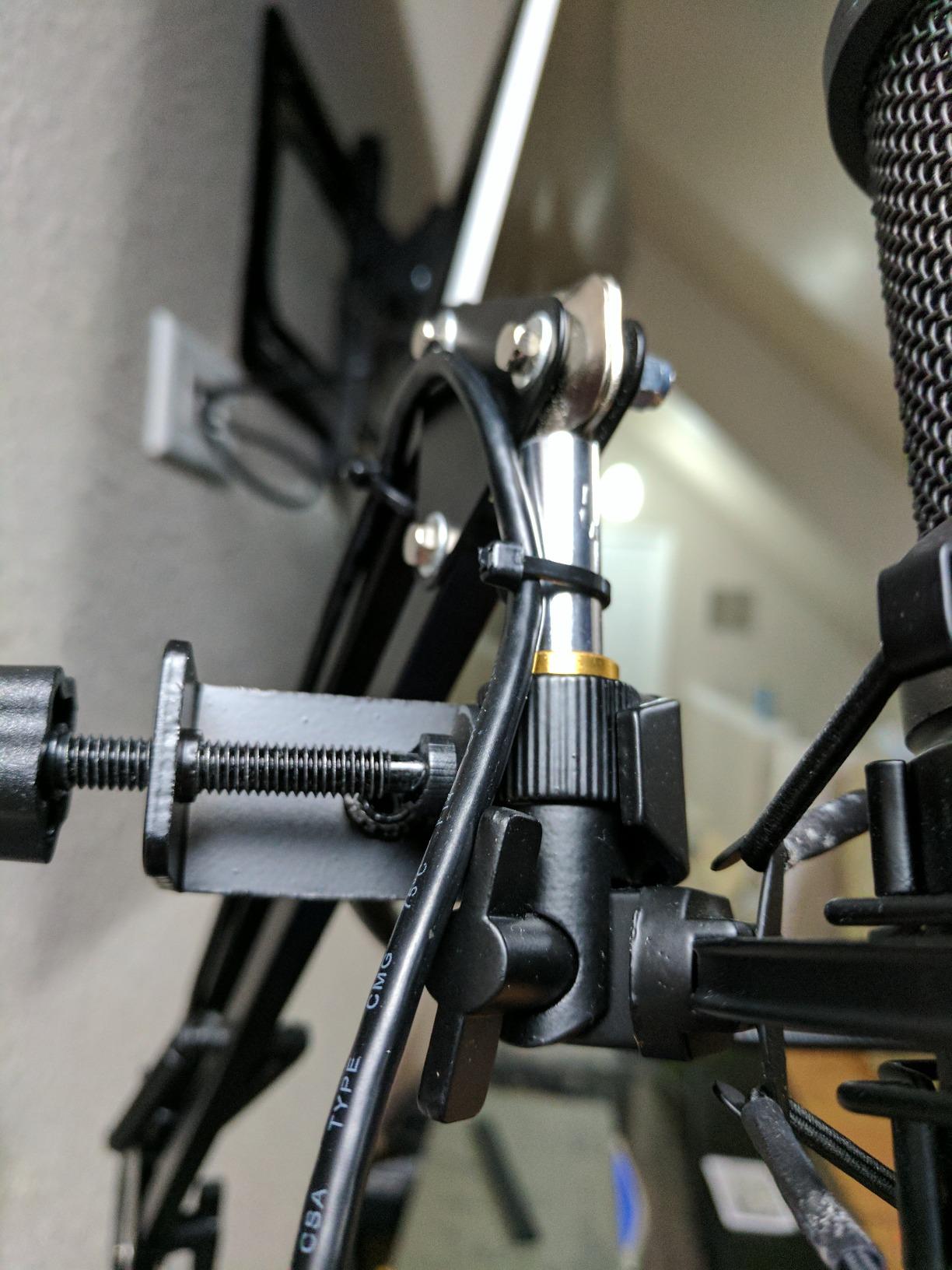
The dual nylon layers stop popping and lisping without dulling clarity the way a heavy foam sleeve would, and the saliva barrier keeps corrosive salts off the capsule. The recurring weakness is the gooseneck-to-clamp joint, which loosens and sags.
Why USB mic owners should start here
It was designed around the dimensions of the most common streaming microphones, and the tension screw mount holds flat-sided bodies that tubular-only clamps slide off.
Where it falls short
The screw joint needs checking before every session, and the clamp has no padding, so a careless fit can mark a microphone finish or a stand.
4. PEMOTech Three-Layer Windscreen: When No Stand Arm Is Practical
Pop Filter,PEMOTech [Upgraded Three Layers] Metal Mesh & Foam & Etamine Layer Microphone Windscreen Cover Handheld Mic Shield Mask,Microphone Accessories for Vocal Recording,Youtube videos,Streaming
Foam, metal net and etamine layers
Plastic half-circle clips
7.1 oz
3.94 inch cube
Pros
- Three layers give a clear cut in plosives and S-hiss
- Mounts to the mic body so it needs no arm
- Small footprint keeps the face clear on camera
- Fits 45-61 mm microphones
- Removable foam layer
Cons
- Supplied rubber bands are undersized and can break
- Placement-sensitive if you drift close
- Plastic hook clips can bend during mounting
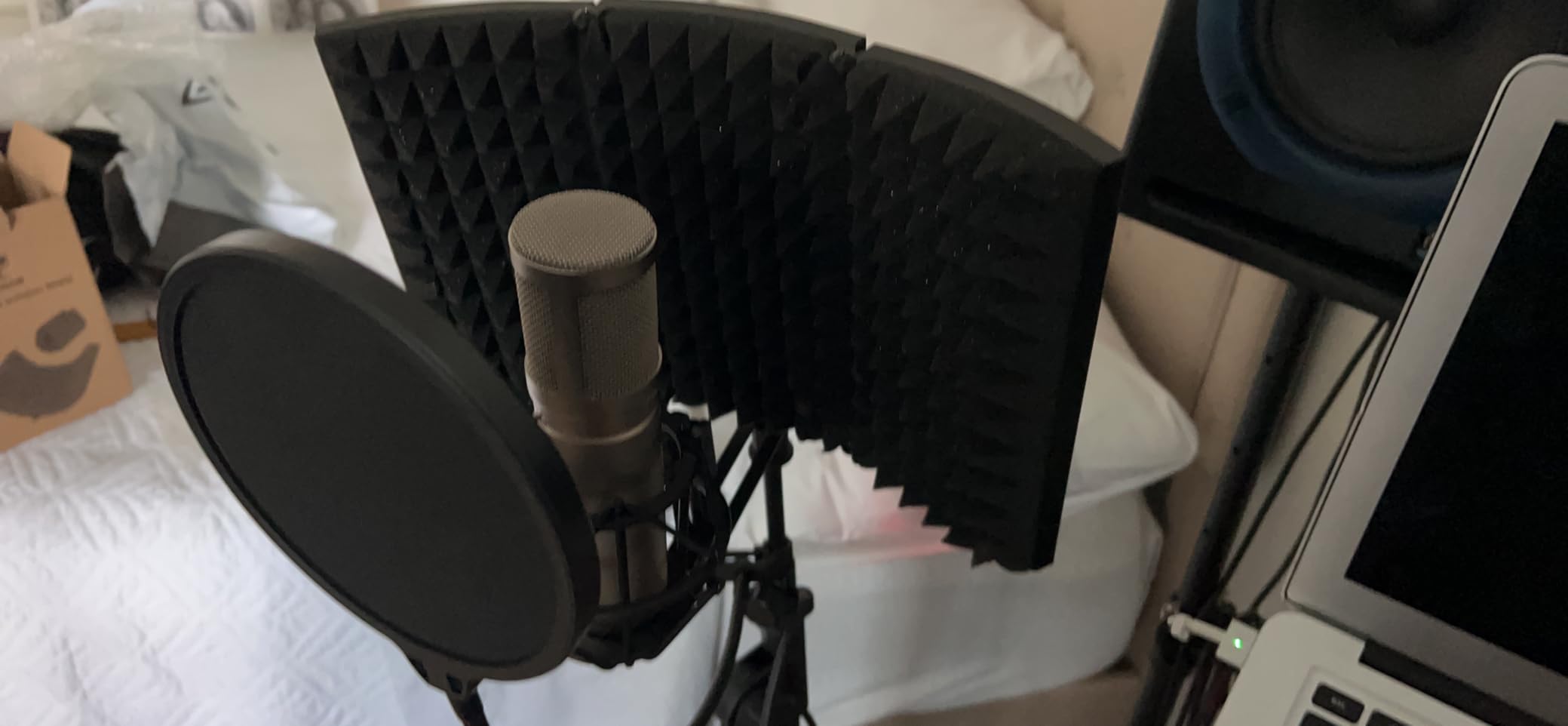
This one solves a problem the gooseneck filters cannot. It clips straight onto the microphone body with plastic half-circle hooks, so there is no arm to sag and nothing to position.
![Pop Filter,PEMOTech [Upgraded Three Layers] Metal Mesh & Foam & Etamine Layer Microphone Windscreen Cover Handheld Mic Shield Mask,Microphone Accessories for Vocal Recording,Youtube videos,Streaming customer photo 1](https://mediarnbo.org/wp-content/uploads/2026/10/B01J5OTVTC_customer_1.jpg)
A foam layer, a metal net layer and an etamine layer take the sharp edge off hard P and B sounds. It covers microphones from 45 to 61 mm in diameter, including the AT2020, Rode NT1-A and Rode NT-USB, but not the Blue Yeti.
Why direct mounting matters
When a mic sits on a short desktop stand at a fixed angle, a clamp-and-arm filter is often more trouble than it is worth. This one cannot drift.
Where it falls short
The included rubber bands are the first component to fail and many buyers substitute their own. Drift too close to the microphone and popping returns, because the filter moves with the mic.
![Pop Filter,PEMOTech [Upgraded Three Layers] Metal Mesh & Foam & Etamine Layer Microphone Windscreen Cover Handheld Mic Shield Mask,Microphone Accessories for Vocal Recording,Youtube videos,Streaming customer photo 2](https://mediarnbo.org/wp-content/uploads/2026/10/B01J5OTVTC_customer_2.jpg)
5. Auphonix Blue Yeti Pop Filter Screen: A Capable Budget Screen With a Bulky Clamp
Auphonix Pop Filter Screen for Microphones – Gooseneck Clamps Compatible with Blue Yeti Microphone – Great Gift
Rubber-padded clamp faces
Double mesh screen
About 13 inch gooseneck
10.6 oz
Pros
- Double mesh screen cuts plosives without swallowing breathy vowels
- Clamps to square and rectangular arms
- Padded clamp faces prevent scratching
- No added handling noise reported
Cons
- Clamp is larger than expected for a generic filter
- Gooseneck joint can arrive loose
- Rubber padding can come loose within days
- Does not fully stop wet-lip smacking
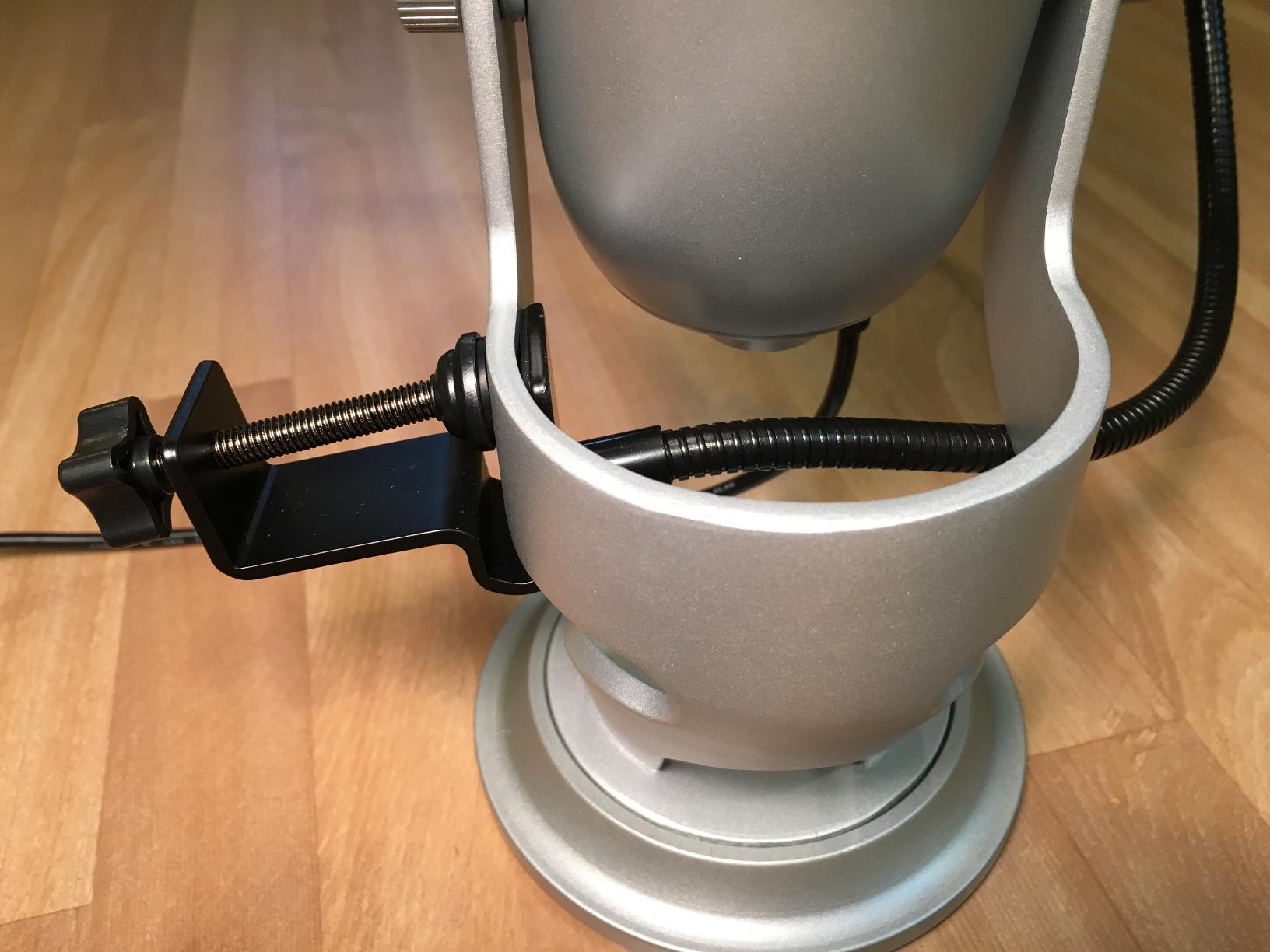
Despite the Blue Yeti naming, this is a generic large filter with a roughly 6 inch screen, which is useful information rather than a complaint. It clamps to square and rectangular arms, which tubular-only designs cannot do.
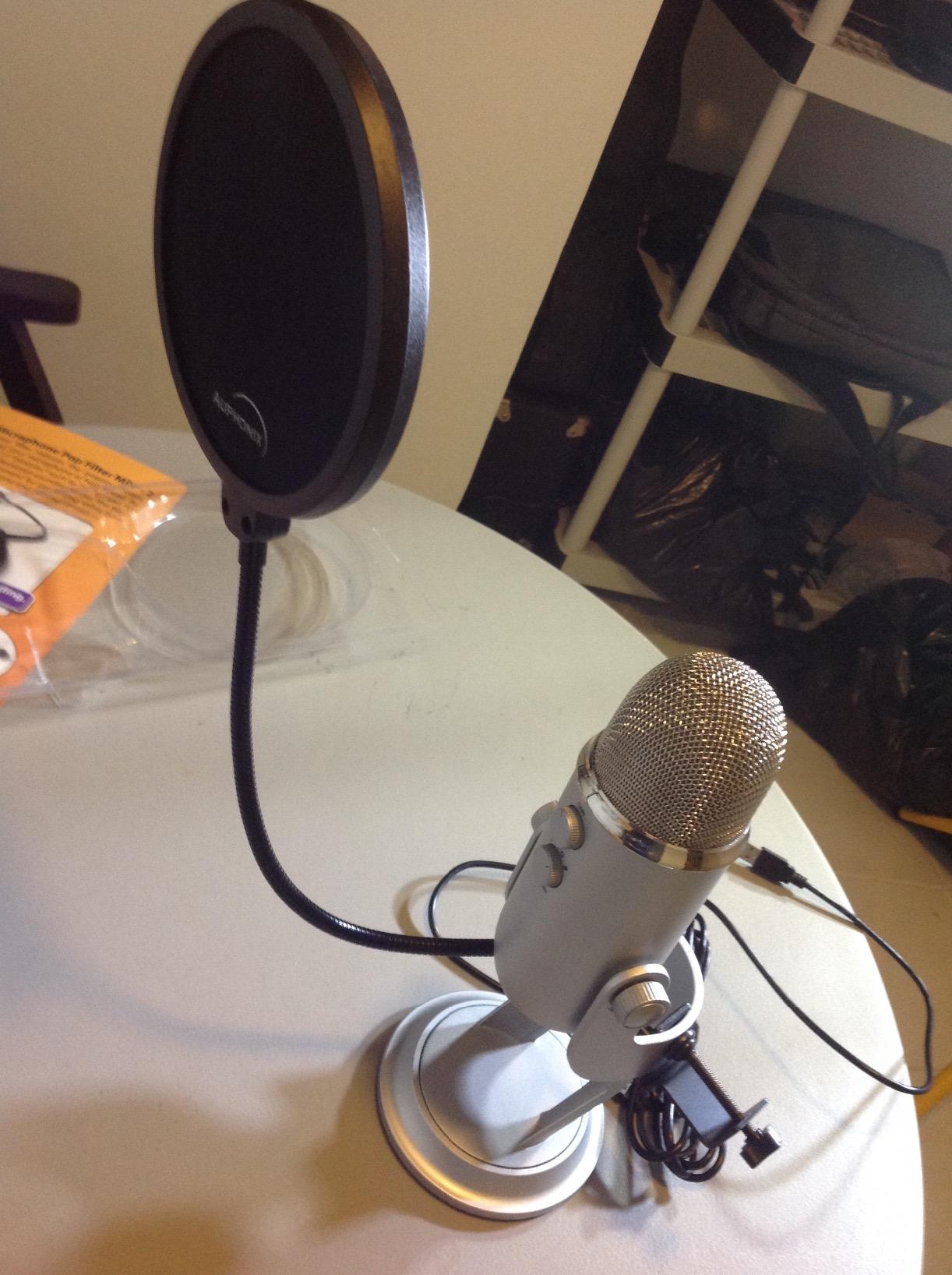
Users report plosives handled without the breathy vowels disappearing, and no added vibration through the mount. The gooseneck joint can arrive loose and needs tightening, and both clamp faces are rubber padded against scratching.
Why it suits a first streaming setup
It handles the geometry that many cheap tubular clamps miss, and the screen is wide enough that plosives do not slip around the edge.
Where it falls short
The clamp occupies real desk space, the padding can come loose within days, and it will not fully remove wet-lip smacking between words.
6. YOUSHARES Blue Yeti Pop Filter Bundle: Six Layers and a Windscreen
YOUSHARES Blue Yeti Pop Filter Foam Windscreen – 5.5 Inch Diam 6 Layers Pop Filter for Mic Cover Pop Screen Compatible with Blue Yeti Microphone Professional Metal
Double metal mesh outer screen
Two layers of high-density sponge
5.5 inch diameter
Model PF_Yeti_PST7_01
Pros
- Six-layer build disperses air pressure effectively
- Bundled foam windscreen for the same microphone
- L-style swivel clip grips more securely than adhesive pads
- Carbon steel gooseneck rated for over 10000 bends
Cons
- Sized specifically for the Blue Yeti
- Many colour variants make it easy to pick the wrong listing
The selling point is the bundle. Alongside the 5.5 inch pop filter you get a foam windscreen cut for the same microphone, so two pieces of plosive control arrive together.
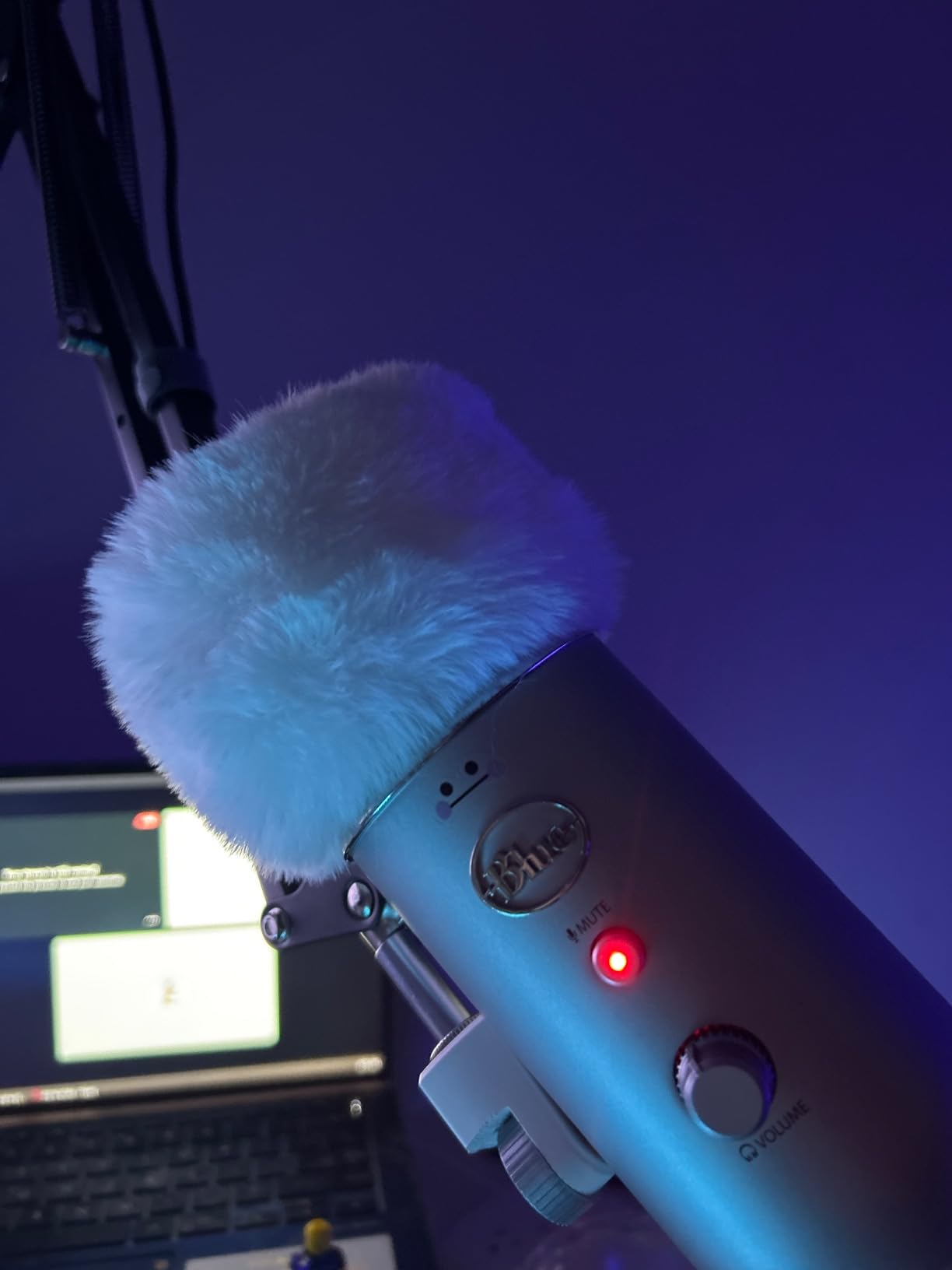
A double metal mesh outer screen backed by two layers of high-density windproof sponge does the work, and the carbon steel gooseneck stays where you put it. The L-style swivel clip grips a stand without the creeping that typifies adhesive pads.
Why streaming creators pick this
It solves plosives and wind noise in one purchase and mounts to the most common USB microphone without guesswork.
Where it falls short
It is tailored to the Blue Yeti and does not transfer to another microphone, and the number of colour variants makes it easy to order the wrong one.
7. Rode WS2: The Pick When Your Face Must Stay Clear on Camera
Rode WS2 Microphone Pop Filter/Wind Shield for NT1-A, NT2-A, NT1000, NT2000
Open cell foam with artificial fur
110 x 85 x 85 mm
10 g
1-year warranty
Pros
- Ties for the highest average rating here at 4.7 stars with 83 percent five-star
- Spreads airflow rather than simply muffling it
- Low profile with no hoop arm blocking the camera
- Snug fit on PodMic
- Procaster and NT1-A
- Holds shape and wipes clean
Cons
- Foam is less effective on hard plosives than a mesh screen
- Does little to gate breath noise
- Looks oversized on an NT1-A
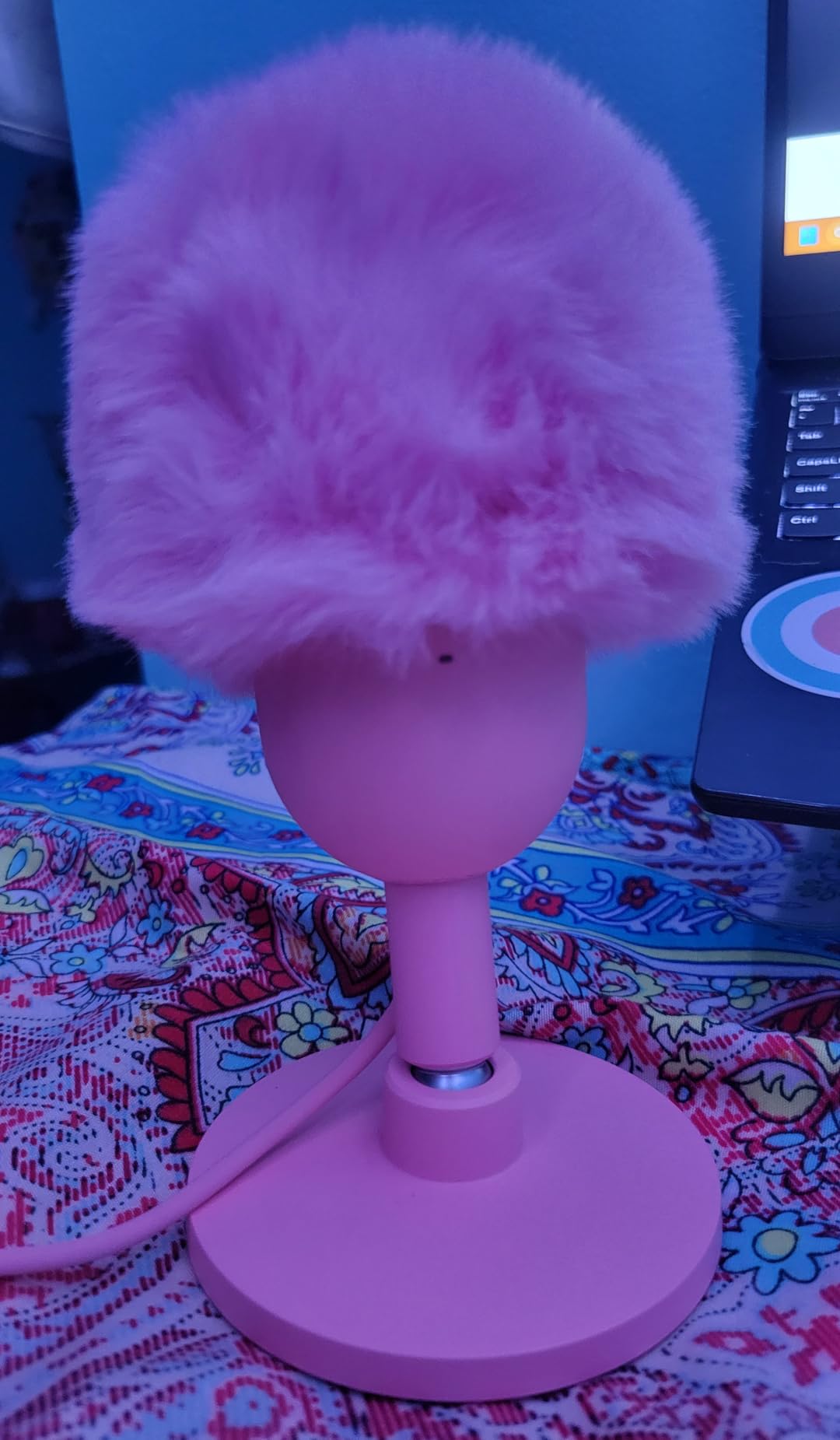
This is a windscreen rather than a hoop filter, and that matters more than buyers expect. Open cell foam in artificial fur spreads airflow outward instead of forcing it through a mesh, so the vocal keeps its top end.
It ties for the highest average rating here, and a GearSpace member has run one for around 15 years without regret. With no gooseneck or clamp, it fits over the microphone head and suits the PodMic, Procaster, Podcaster and NT1-A.
Why video producers choose it
It removes the hoop entirely, so your face and line of sight stay clear while plosive control still works. At 10 g it adds nothing to a boom arm load.
Where it falls short
Foam is less effective against hard plosives than a circular mesh screen, so aggressive delivery still wants a mesh filter alongside it, and it does little to gate breath noise.
8. Auphonix MPF-1: A Six-Inch Aluminum Screen That Holds Position
Auphonix Microphone Pop Filter (MPF-1) 6-inch Diameter With Double Mesh Filter Screen
Aluminum body
6 inch double mesh screen
10.6 oz
11.81 x 5.91 x 0.51 inch
Pros
- Double mesh reduces distortion and post-production pop cleanup
- Aluminum build feels solid
- Gooseneck holds position without constant readjusting
- 6 inch diameter gives generous capsule coverage
Cons
- Heavier build loads a lightweight boom or desk stand
- Full gooseneck and clamp footprint needs desk space
This is the filter I suggest to singers working close to a large-diaphragm condenser, where a small screen fails. At 6 inches across, plosives do not slip around the edge when your head moves off-axis.
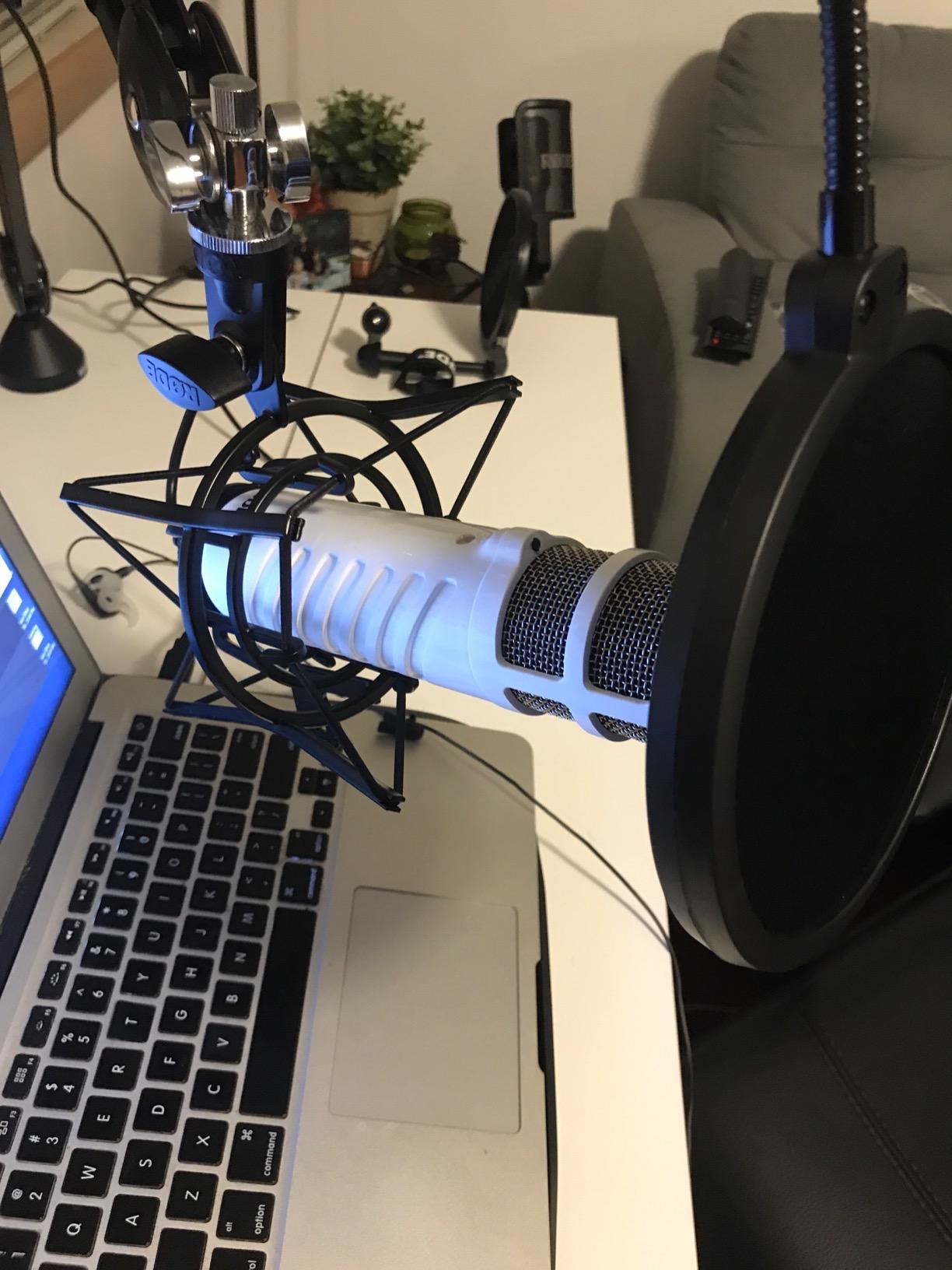
The aluminum frame is heavier than the plate used on entry-level filters, and that mass is the point, since the gooseneck holder stays put through a session. At 10.6 ounces it belongs on a proper boom arm.
Why studio vocalists like it
Diameter decides the outcome on large-diaphragm condensers, and 6 inches leaves no gap for a plosive to escape while cutting post-production pop cleanup.
Where it falls short
It is one of the heavier options with no angle adjustment at the clamp, so the screen sits in a fixed relationship to the mic.
9. Penypeal Isolation Ball: When Room Reflections Are the Real Problem
Microphone Wind Shield Pop Filter Microphone Isolation Ball, Acoustic Filter for Record Studios Mic, Sound-Absorbing Foam Five-sided Seal Design to Effectively Reduces Noise and Reflections
Five-sided foam seal, double mesh face
120 g
20 dB rated noise
Fits 50-75 mm microphones
Pros
- Five-sided seal treats room reflections and off-axis noise
- Double-layered screen on the open face
- Light at 120 g and fits several stand types
- Blocks saliva reaching the capsule
Cons
- Bulky and far less positionable than a gooseneck filter
- Limited to 50-75 mm removable-jacket microphones
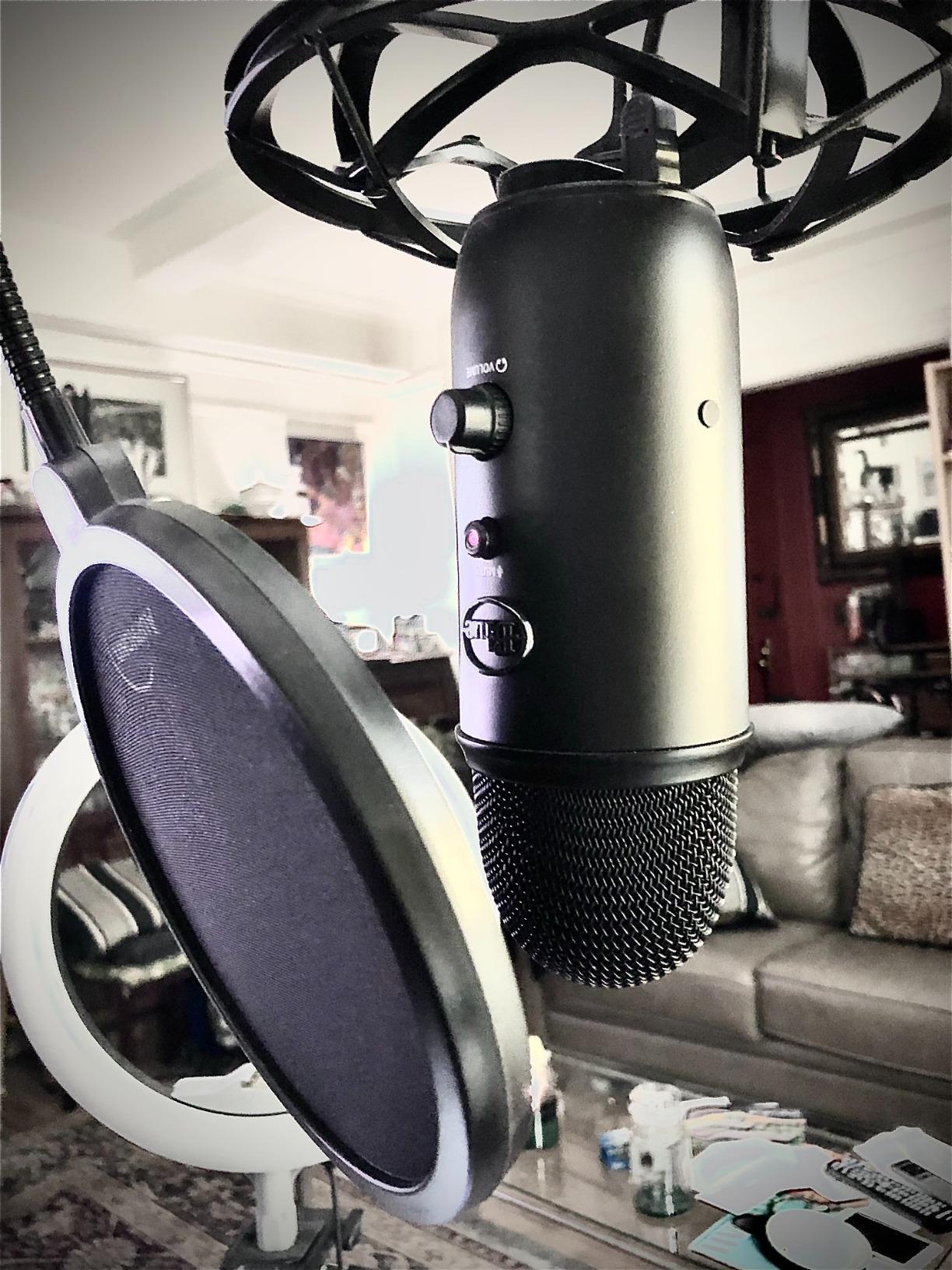
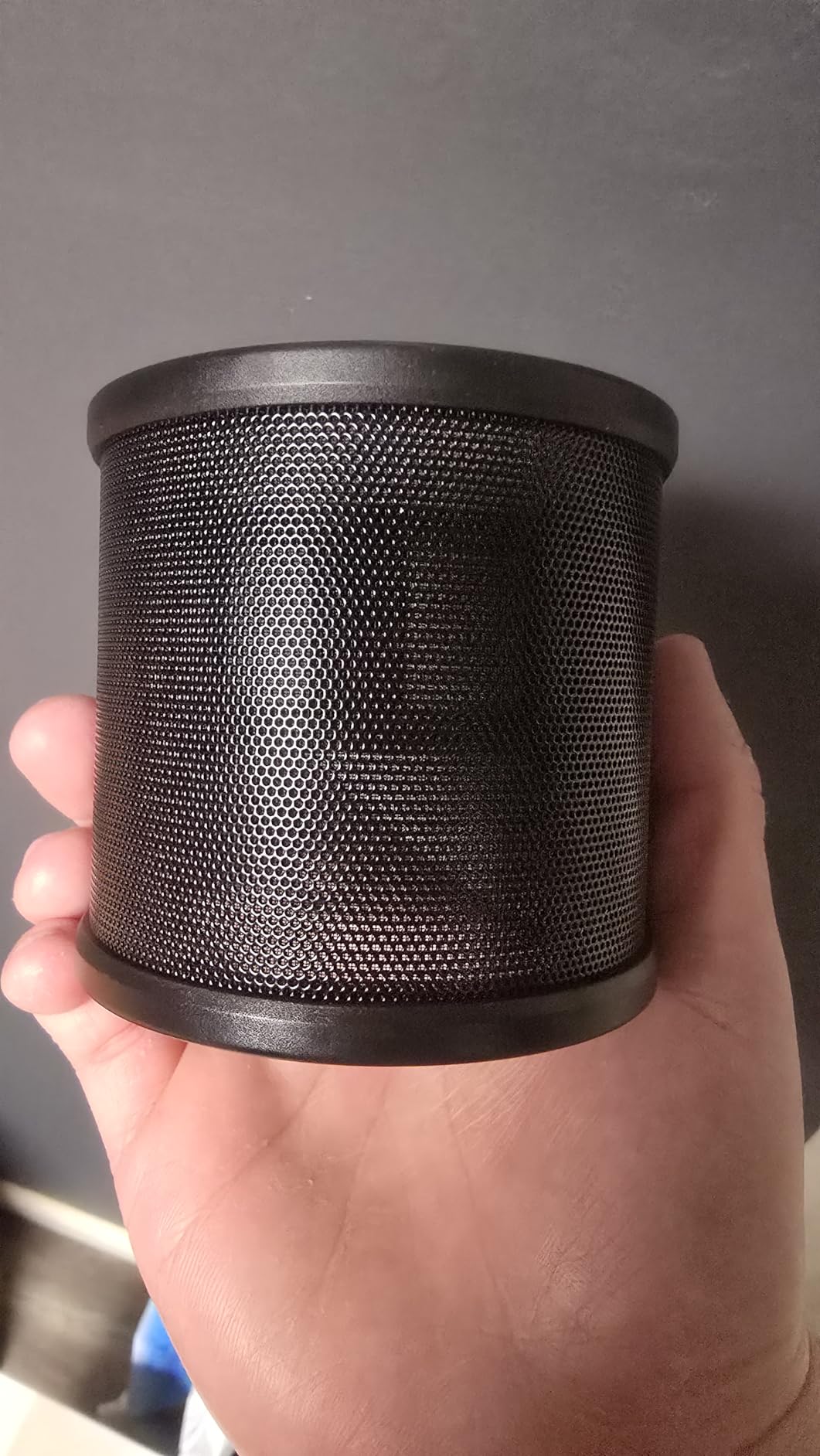
Every other filter here treats plosives. This one also treats the room, because the five-sided foam seal damps reflections while a double-layered mesh screen on the open side keeps the voice focused.
It is rated at 20 dB of audible noise reduction, which measures something different from plosive control, and that is the number that matters if your recording sounds like a bathroom. At 120 g it fits removable jackets between 50 and 75 mm.
Why it belongs in untreated rooms
If the room cannot be treated, an enclosure around the microphone is the practical alternative to acoustic panels, and no mesh-only filter offers it.
Where it falls short
It is bulky and far less adjustable than a gooseneck filter, so positioning by feel is difficult, and slim microphones without a removable jacket will not fit.
10. FIFINE U1: A Curved Screen for Compact Streaming Rigs
FIFINE U1 Mic Pop Filter Screen with Metal Mesh for Streaming Podcast
Curved metal mesh screen
Rubber band mount
0.1 kg
Model U1
Pros
- Compact screen obstructs neither mic nor face
- Fits FIFINE K-series mics with spare bands included
- Soft rubber pad inside the frame protects the finish
- Band mount is quick to attach and remove
Cons
- Not suggested for dynamic mics like the AM8
- K688 or TANK3
- Rubber band tension needs occasional adjustment
The curved metal mesh screen is deliberately small, and that is a decision rather than an omission. On a compact rig it obstructs neither the microphone nor the speaker’s face on camera.
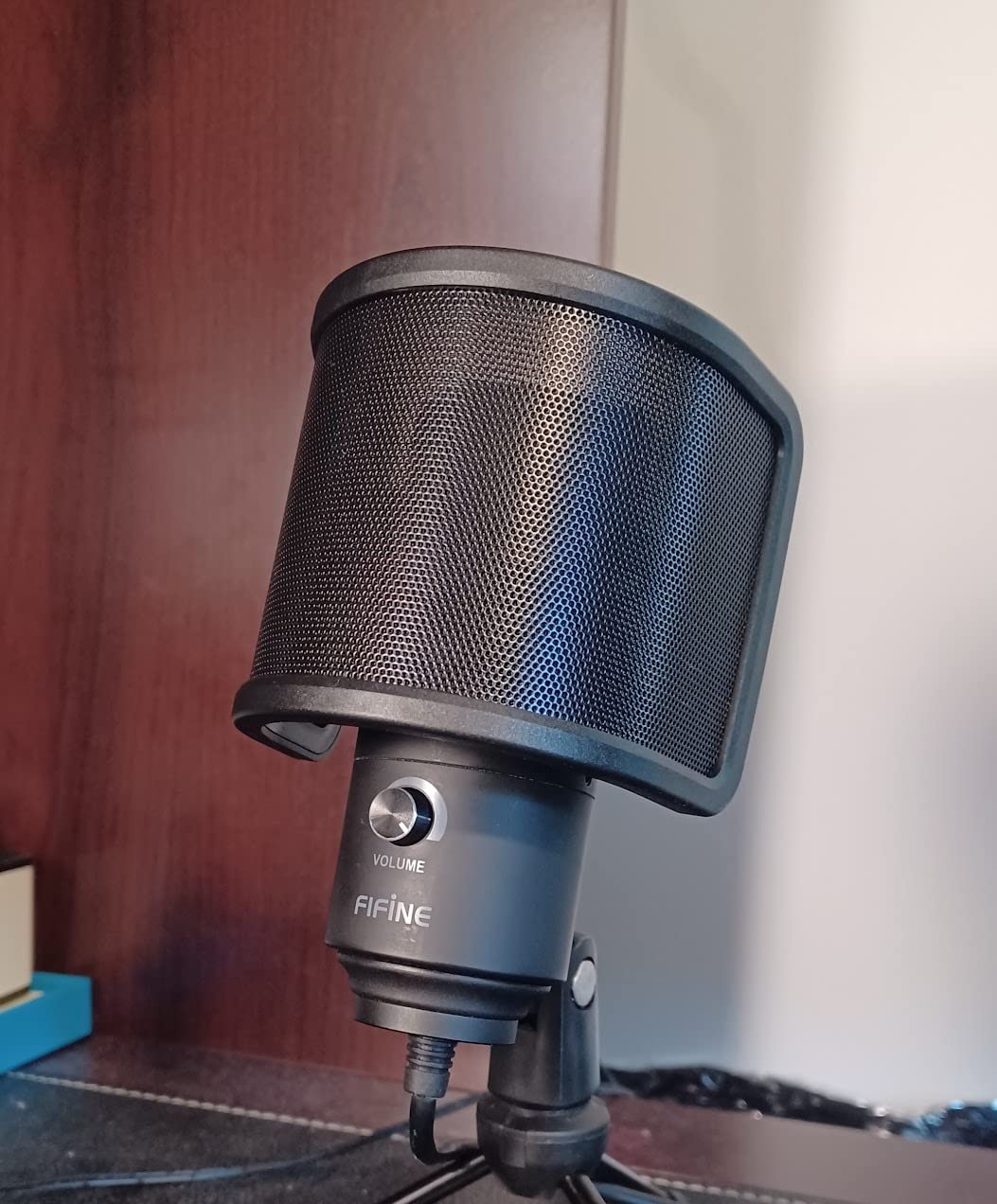
It is sized for the FIFINE K669 and K669B, K670 and K670B, K683A, K678 and K690, and for microphones between 40 and 70 mm. A soft rubber pad inside the frame stops the band mount scratching the finish.
Why compact streamers pick it
Frame size is the whole argument. If your filter shows up in the video frame or blocks your face, a small curved screen solves it without losing plosive control.
Where it falls short
It is not suggested for dynamic microphones such as the AM8, K688 or TANK3, and band tension on some bodies needs adjusting after a few sessions.
11. Stedman PS101: A Compact Studio Screen With a Tight Clamp
Stedman PS101
4.6 inch screen diameter
20 inch overall length
0.5 inch clamp opening
9.6 oz listed weight
Pros
- Ties for the highest average rating here at 4.7 stars
- 85 percent five-star ratings
- 4.6 inch screen suits close-mic'd studio vocals
- Preferred by users who also buy high-end condensers
Cons
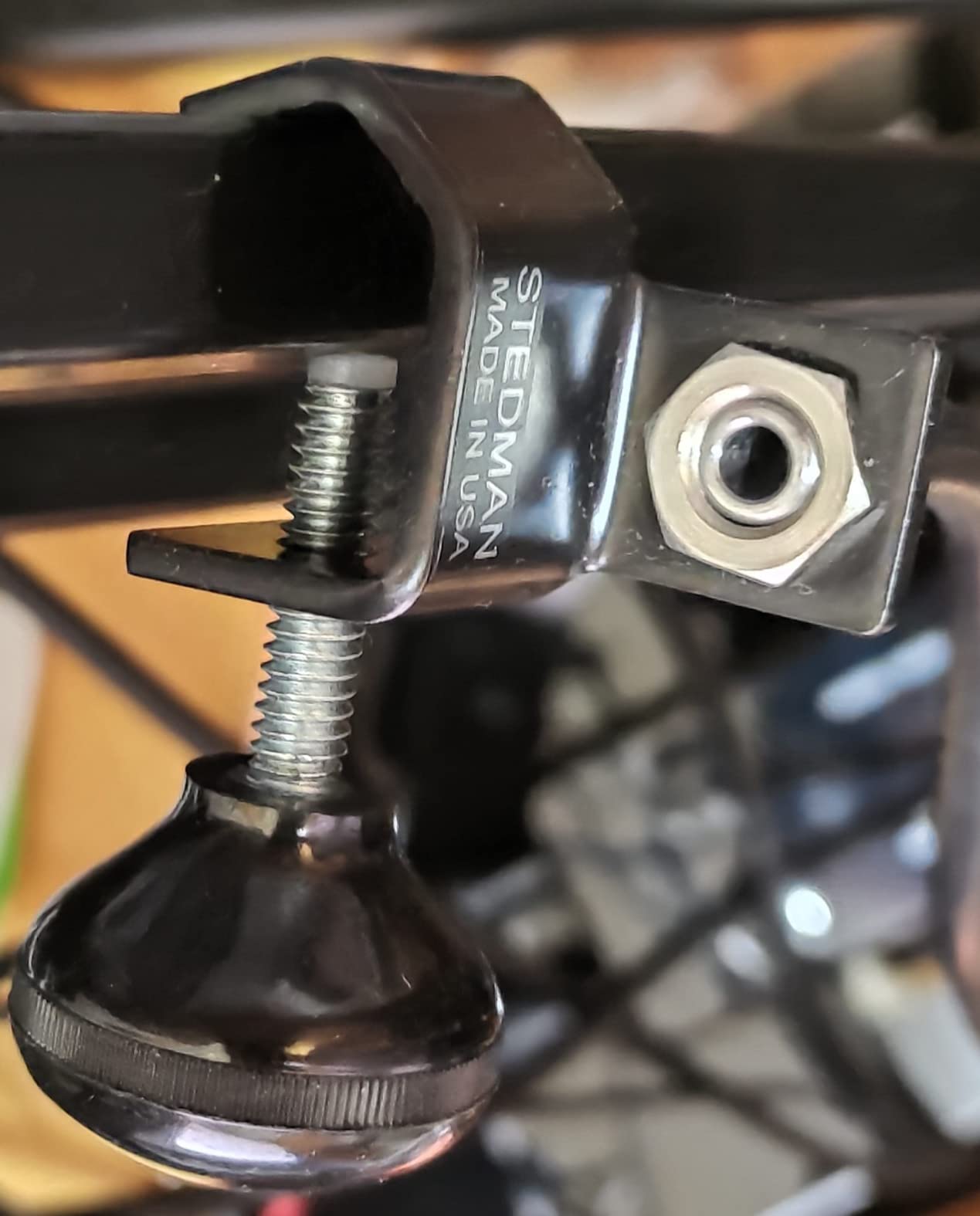
- 0.5 inch clamp will not fit thicker booms or stands
- 20 inch length is long on some mounts
- Premium tier for a studio accessory
The Stedman name carries weight for a reason. A 15-year GearSpace member runs one on nearly every music vocal session, summarising that they get used most because they work.
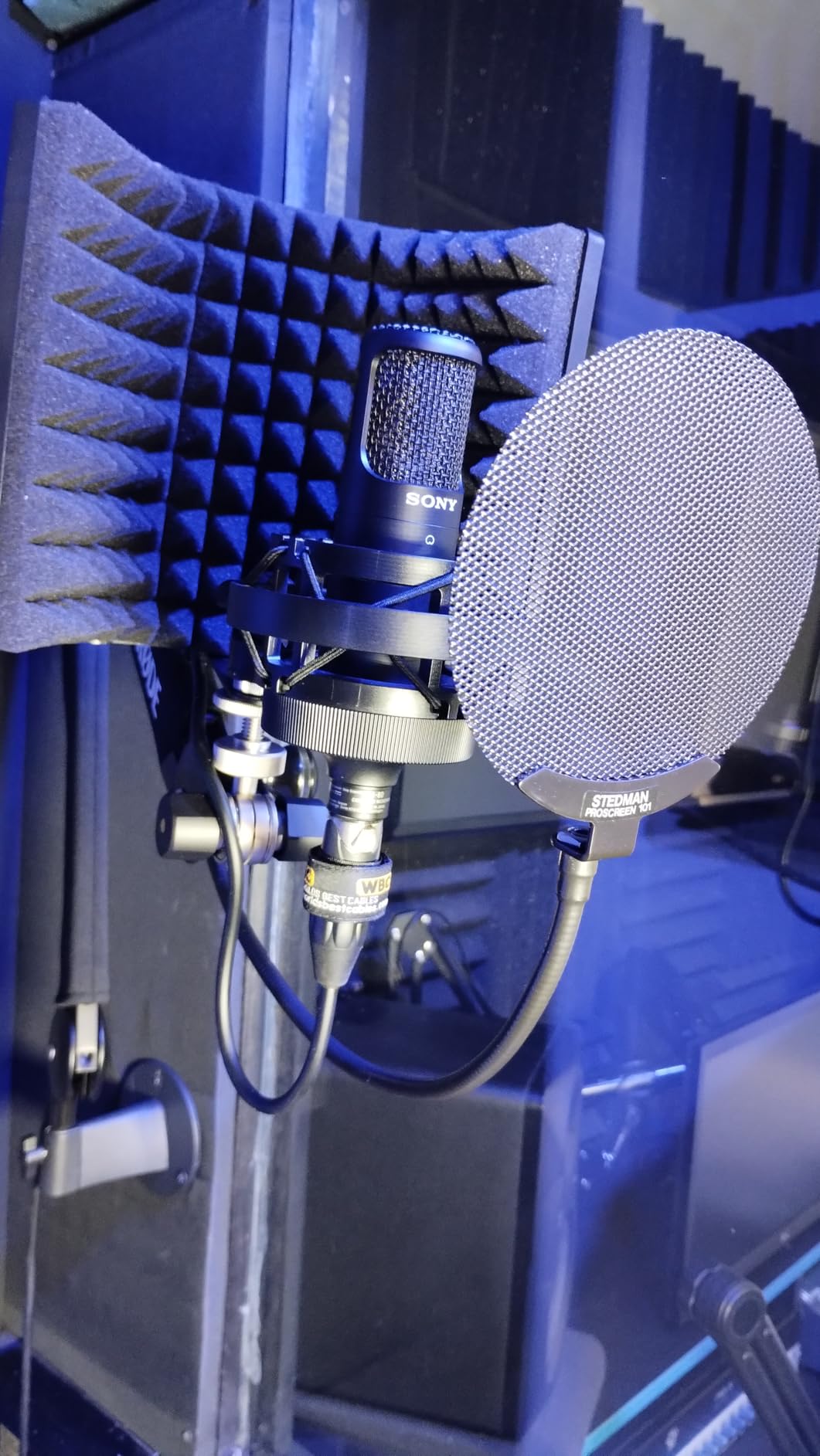
The geometry suits close-mic’d studio work. A 4.6 inch screen sits neatly in front of a large-diaphragm condenser at short distances, and the 20 inch length keeps it at a fixed distance from the capsule. The 4.7 average comes from a small but very satisfied base of 480 studio reviews.
Why studio vocalists choose it
The geometry is designed for a fixed close-mic’d distance, which is how a large-diaphragm condenser is normally used, and owners report no degradation over many years.
Where it falls short
The 0.5 inch clamp opening will not fit thicker boom arms or stands, and the 20 inch length can add resonance on some mounts.
12. Audio-Technica AT2020 Pop Filter: Two Foam Covers in the Box
Audio-Technica AT2020 Pop Filter – 2 Windscreens for AT2020 & AT-2035 Microphones (Black)
Quilted foam covers
Two per package
18.14 g
20 dB rated audible noise
Pros
- Two covers per package so one is always spare
- Thin foam preserves high-frequency response
- Slip-on fit where a clamp-and-arm filter is impractical
- Reduces ambient air noise so less software cleanup is needed
Cons
- Thin foam lets harder plosives through
- Some units arrive flattened and need a day or two to expand
- Covers can tear with long-term use
- This is a windscreen rather than a full pop filter
Two foam covers sized for the Audio-Technica AT2020, AT2020USB and AT2020USB+ arrive in each package. Because the foam is thin it preserves high-frequency response better than a thick foam screen.
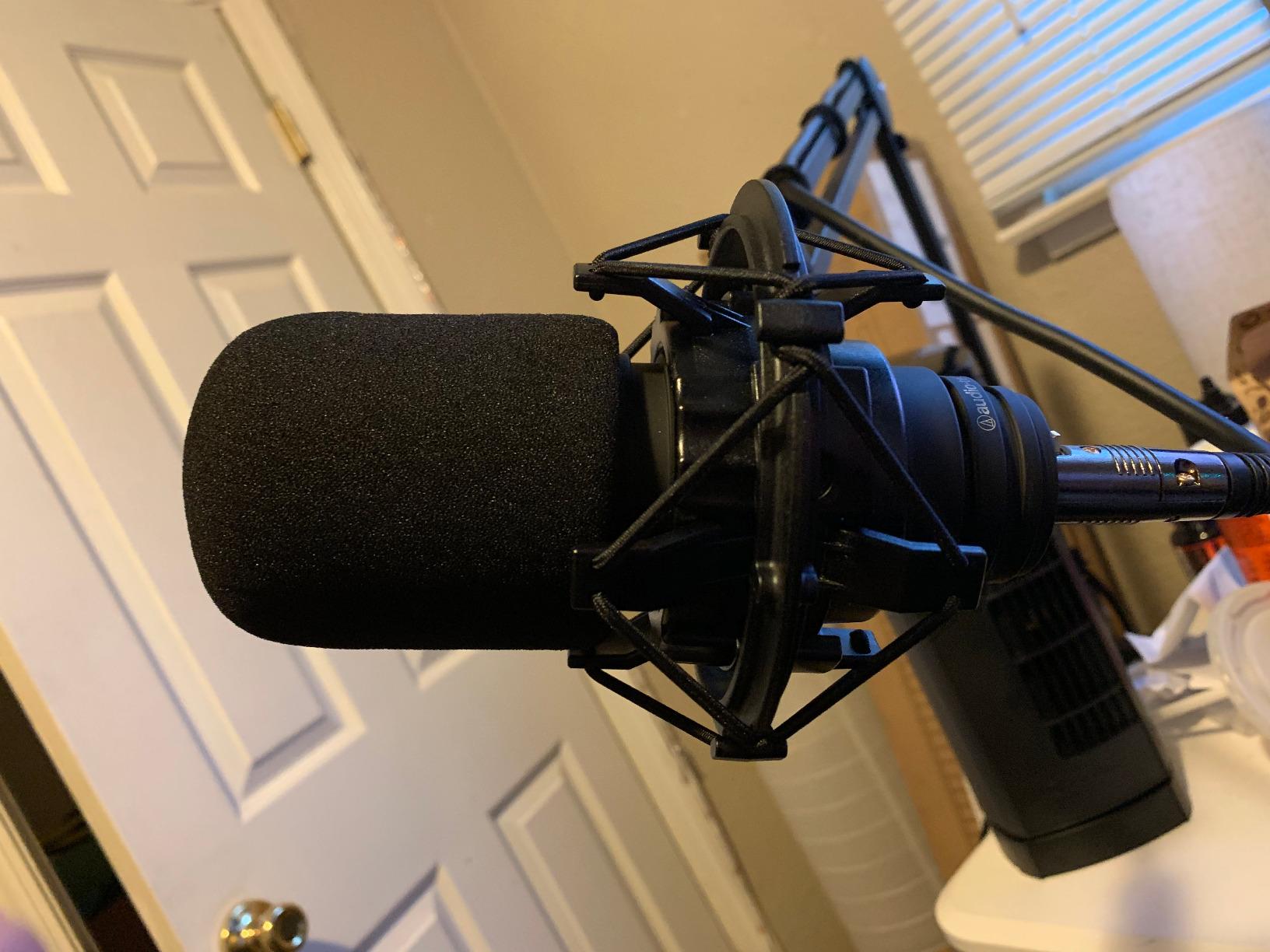
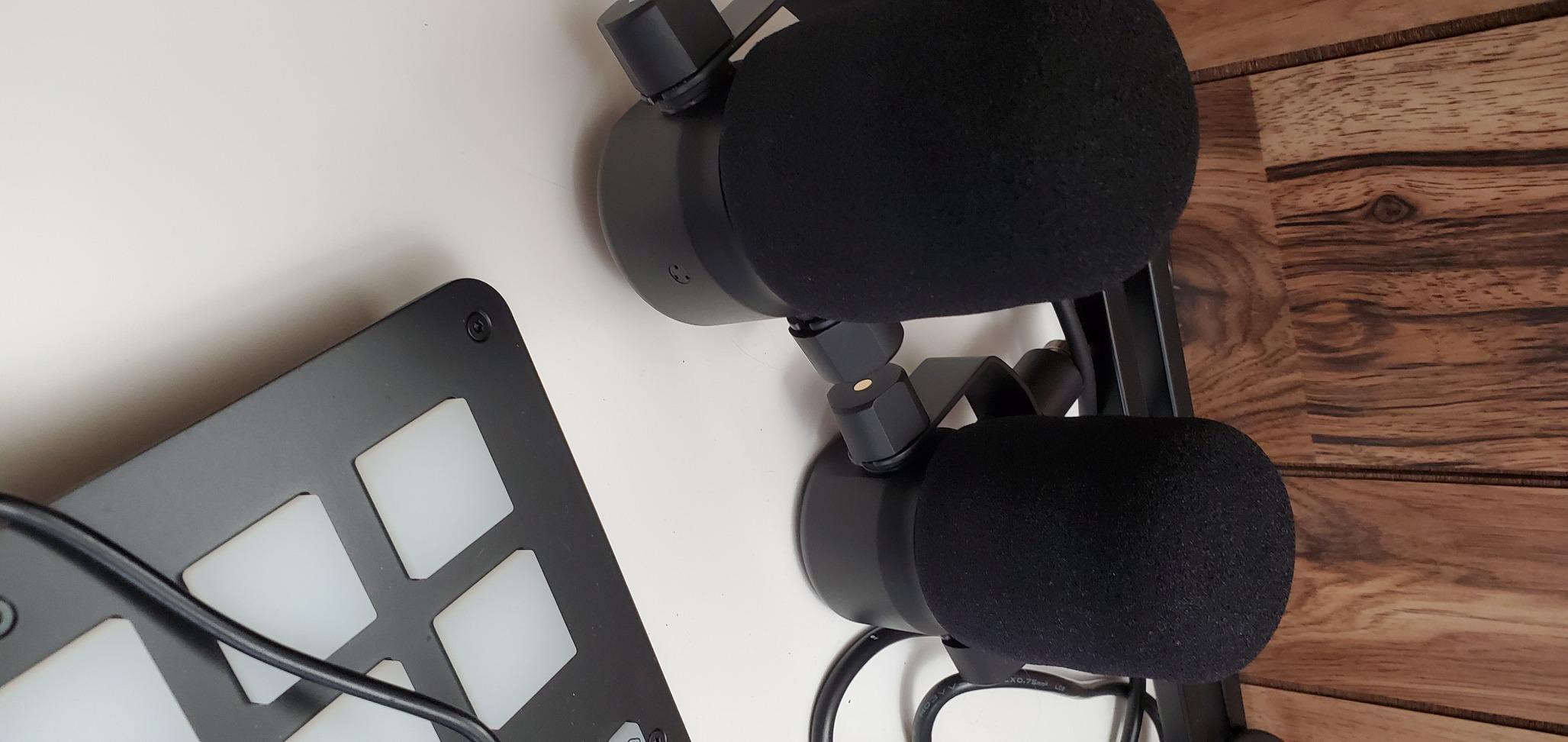
The slim slip-on profile is the quiet advantage, since a clamp-and-arm filter on a small desktop stand can topple while a foam sleeve simply goes on and stays there. At 18 g it adds nothing to a stand load.
Why AT2020 owners pick it
It fits the microphone it was made for, adds almost no weight, and cannot fall off mid-take because there is no gooseneck.
Where it falls short
Thin foam lets harder plosives through than a mesh screen, covers can tear with long-term use, and some units arrive flattened and need a day or two to regain their shape.
Metal vs Nylon vs Foam: What You Actually Hear
Competing guides point at a video and leave the written answer missing, so here it is plainly. Dual-layer nylon mesh is the most sonically transparent option, because the weave spreads the air column over time rather than reflecting it.
Perforated or louvered metal screens deflect air downward and away from the capsule. Metal is stiffer so it does not flex, and because the openings are hard-edged rather than woven it can attenuate a little high-frequency content. Some users report metal darkening the high end while others hear nothing, so treat that claim as mild and monitorable.
Foam works differently again, absorbing and scattering air across its whole surface, which rolls off some top end along with the plosive. That is why thin foam suits close-mic’d vocals better, and why hard P and B sounds still want a mesh screen beside it.
How to Choose a Pop Filter and Place It Correctly
Screen diameter comes first. A 4.5 to 4.6 inch screen suits an SM58-style handheld dynamic and a close-mic’d studio condenser, while a 6 inch screen covers a large-diaphragm condenser with room to spare. Anything under 4.5 inches lets plosives around the side.
Hardware is second. Check whether the clamp has rubber padding, whether the gooseneck is stiff enough to hold position, and whether the screw joint at the base can be tightened by hand. Filters that fail tend to fail at that joint.
Mount compatibility is third. Most clamps grip tubular stands only, so a square or rectangular arm needs a clamp that handles both profiles, or a direct-mount option such as the PEMOTech that bypasses the arm entirely.
Placement is where most takes are lost. Put the filter 5 to 15 cm from the capsule and keep your mouth about a fist-width from the screen. Angle the screen so airflow passes beside the capsule, and check the gooseneck joint before every session.
Finally, clean it. Wipe nylon with a damp cloth, use mild soap and water on metal, and pull foam covers off to wash separately, because saliva carries salts that corrode a capsule over time.
Frequently Asked Questions
Do pop filters improve sound quality?
Yes. A pop filter removes the low-frequency thud caused by plosive consonants, which is the most common flaw in home vocal recordings and the hardest to repair cleanly in post.
Is a metal or fabric pop filter better?
Dual-layer nylon mesh is the most sonically transparent, because the weave slows and disperses the air column rather than reflecting it. Metal screens are stiffer and more durable but can attenuate a little high-frequency content.
What’s better, a foam or pop filter?
A pop filter is better for plosive control because it disperses the air burst without rolling off the top end. Foam is better for wind noise, capsule protection and on-camera use. For hard P and B sounds, use both.
Do I need a pop filter for an SM58?
Yes. The SM58 has an internal windscreen that softens plosives but does not remove them, and singers working close to the capsule still hit it. A 4.5 to 4.6 inch filter is sized correctly for it.
What is the best pop filter for recording vocals?
The NEEWER Professional Pop Filter Shield is the strongest all-rounder, with a dual-layer screen and alloy steel build. The Aokeo Three-Layer shield adds the most adjustable mount, the Stedman PS101 suits close-mic’d studio work, and the Rode WS2 is the pick when your face must stay clear on camera.
Can I use a pop filter with a USB mic?
Yes, and USB condenser microphones need one more than most people expect. The Dragonpad USA filter is built around the Blue Yeti and Snowball, the YOUSHARES bundle adds a matching foam windscreen, and direct-mount options like the PEMOTech clip onto the mic body.
The Verdict on Pop Filters for Vocal Recording
After working through all twelve, the choice comes down to geometry and hardware rather than exotic screen material. The NEEWER Professional Pop Filter Shield is the one I keep on hand for general studio use, the Aokeo Three-Layer shield wins when adjustability matters most, and the Dragonpad USA filter is the answer for anyone on a USB condenser microphone.
Pick the diameter that covers your capsule, tighten the gooseneck joint before you record, and keep a fist of distance. Those three steps matter more than the tier you buy.