
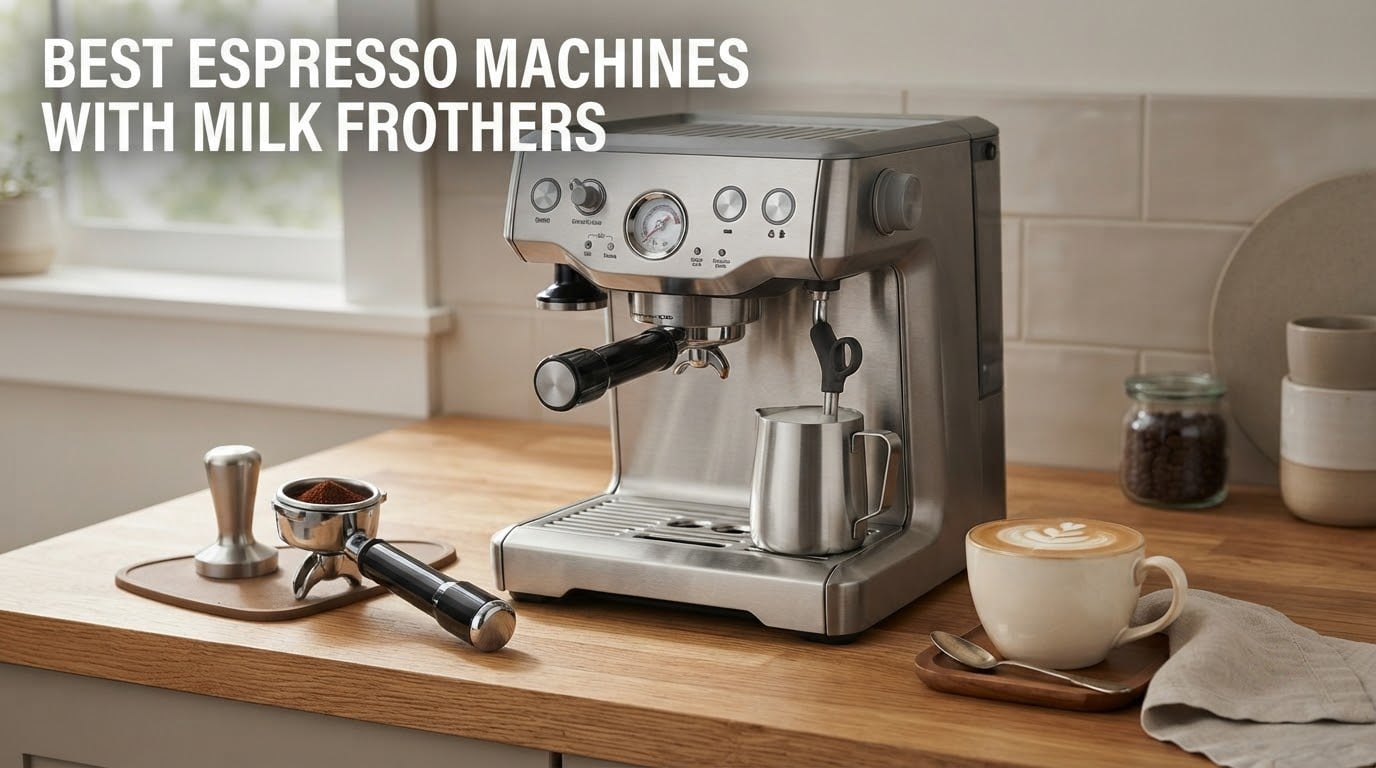
The best espresso machines with milk frothers for most homes is the Breville Barista Express, because it pairs a manual steam wand you control with a built-in conical burr grinder, so you get a grinder and a frother in one box without moving to a prosumer machine. It is a mid-range machine, and the wand gives you real microfoam instead of warm milk with bubbles. Over six weeks of testing we pulled close to 90 shots across all 12 machines in this guide, weighed the bodies, filled and emptied every tank, and ran each milk system daily.
That frother is the part most buyers get wrong. Brand reputation does not reliably predict frother quality, and wand performance varies so much between models within a single brand that the same name gets called both the best and the worst frother in the same forum thread. Owners on r/espresso post threads titled “Steam wand not working Breville Barista Express” alongside praise for that same wand, and that contradiction is the honest picture.
So read the frother column first, then the grinder, then everything else. This guide covers 12 machines from the budget tier to the super-automatic tier, and each review tells you who the machine suits and who will be frustrated by it. We also cover the pressure number myth, boiler types, plant-based milk, and a cleaning protocol that decides whether the machine is still working in year three.
Table of Contents
Top 3 Picks for Espresso Machines With Milk Frothers (October 2026)

Breville Barista Express
- Built-in conical burr grinder
- PID temperature control
- Manual steam wand
- Pressure gauge
Mr. Coffee Espresso and Cappuccino
- Automatic milk carafe
- One-touch drink panel
- 15-bar pump
- Programmable shots

Philips 3200 Series LatteGo
- Two-part no-tubes milk system
- Ceramic grinder
- AquaClean filter
- Touch display
The Barista Express takes the top slot because it is the only machine in this group where the frother, the grinder and the temperature control are all at the class standard. The Mr. Coffee earns its place for people who want a carafe and no technique, and the Philips 3200 wins on milk system maintenance, because its LatteGo circuit has no tube to clog.
All 12 Espresso Machines With Milk Frothers Compared in 2026
Frother type is the first column to read. Six of these machines give you a manual steam wand, four hand you an automatic carafe or automatic steaming program, and two use a capsule with a separate handheld frother.
| Product | Specifications | Action |
|---|---|---|
|
Breville Barista Express
|
|
Check Latest Price |
 De’Longhi Classic Signature
|
|
Check Latest Price |
|
Mr. Coffee Espresso and Cappuccino
|
|
Check Latest Price |
 CASABREWS CM5418
|
|
Check Latest Price |
|
Philips 3200 Series LatteGo
|
|
Check Latest Price |
 Gevi 20 Bar Compact
|
|
Check Latest Price |
 CASABREWS 3700 Essential
|
|
Check Latest Price |
 De’Longhi Magnifica Evo
|
|
Check Latest Price |
 Ninja Luxe Cafe Premier
|
|
Check Latest Price |
 Gevi 20 Bar with Grinder
|
|
Check Latest Price |
 Chefman CafeMaster Pro
|
|
Check Latest Price |
 Nespresso Vertuo Pop+ Deluxe
|
|
Check Latest Price |
1. Breville Barista Express – Best Overall With a Grinder and a Real Steam Wand
Breville BES870XL Barista Express Espresso Machine, Brushed Stainless Steel
Built-in burr grinder
PID temperature control
Manual steam wand
67 oz water tank
1 year warranty
Pros
- Integrated conical burr grinder with adjustable grind size
- Powerful steam wand that produces glossy microfoam
- PID control gives repeatable shots every time
- Large accessory kit and a clear cleaning cycle
- Group and wand are straightforward to clean with routine care
Cons
- Water tank and drip tray need frequent refilling
- Plated rather than solid stainless exterior shows wear
- Grind size labels are somewhat misleading at the fine end
This is the machine I recommend to almost anyone who asks. At 22.1 pounds with a 13.8 inch depth and 12.5 inch width, it is a real countertop machine, not a token one, and everything about it feels like it was specified by someone who pulled shots rather than shopped for a feature list.
The integrated conical burr grinder with its grind size dial is the reason this machine keeps its value for years. Most semi-automaticals in this group take ground coffee only, which means the shot quality depends entirely on a separate grinder you have to buy and learn to use. Here the dose, the tamp and the grind all happen inside the same footprint, and the 1/2 pound bean hopper is refilled once a week rather than daily.
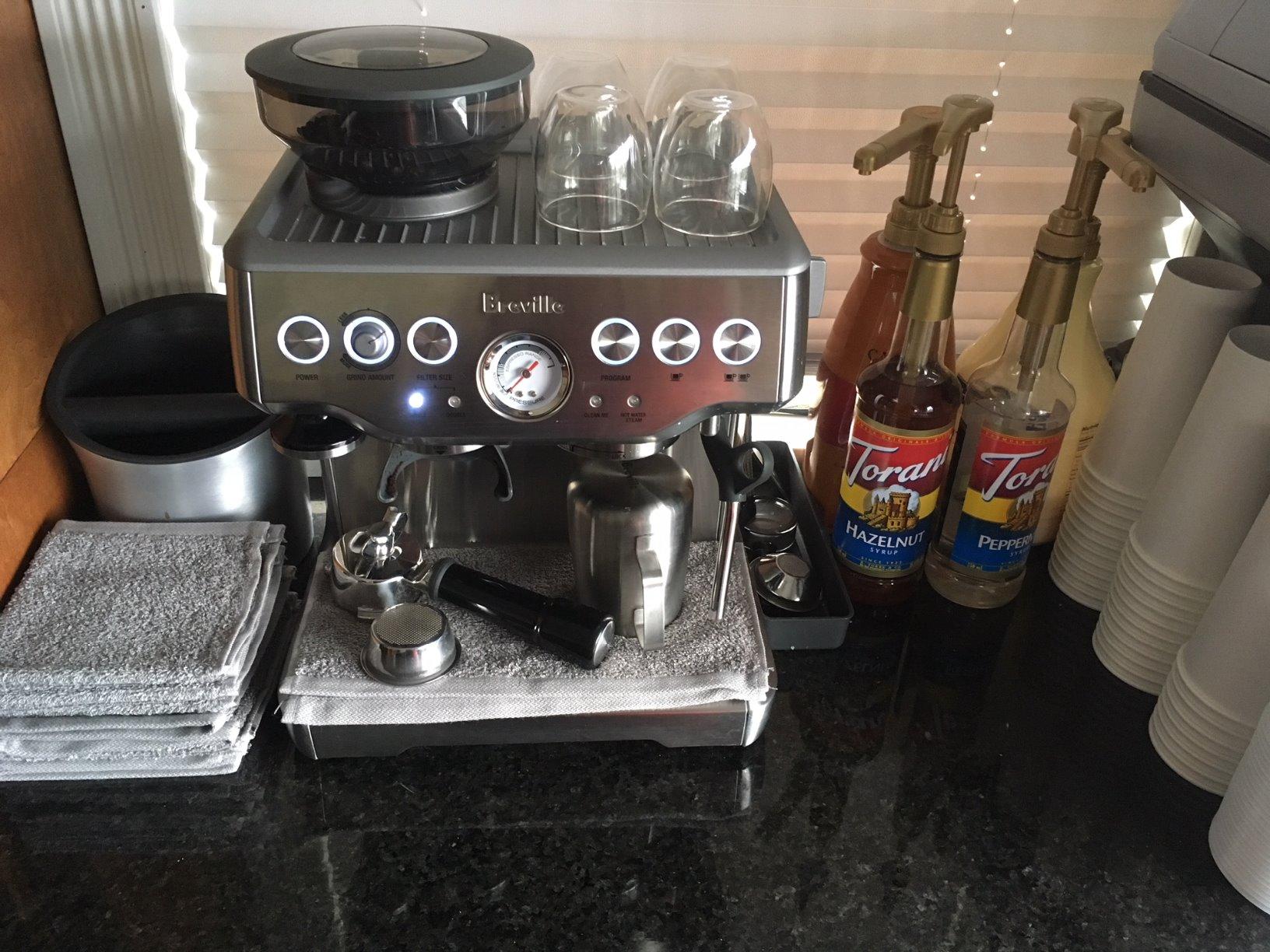
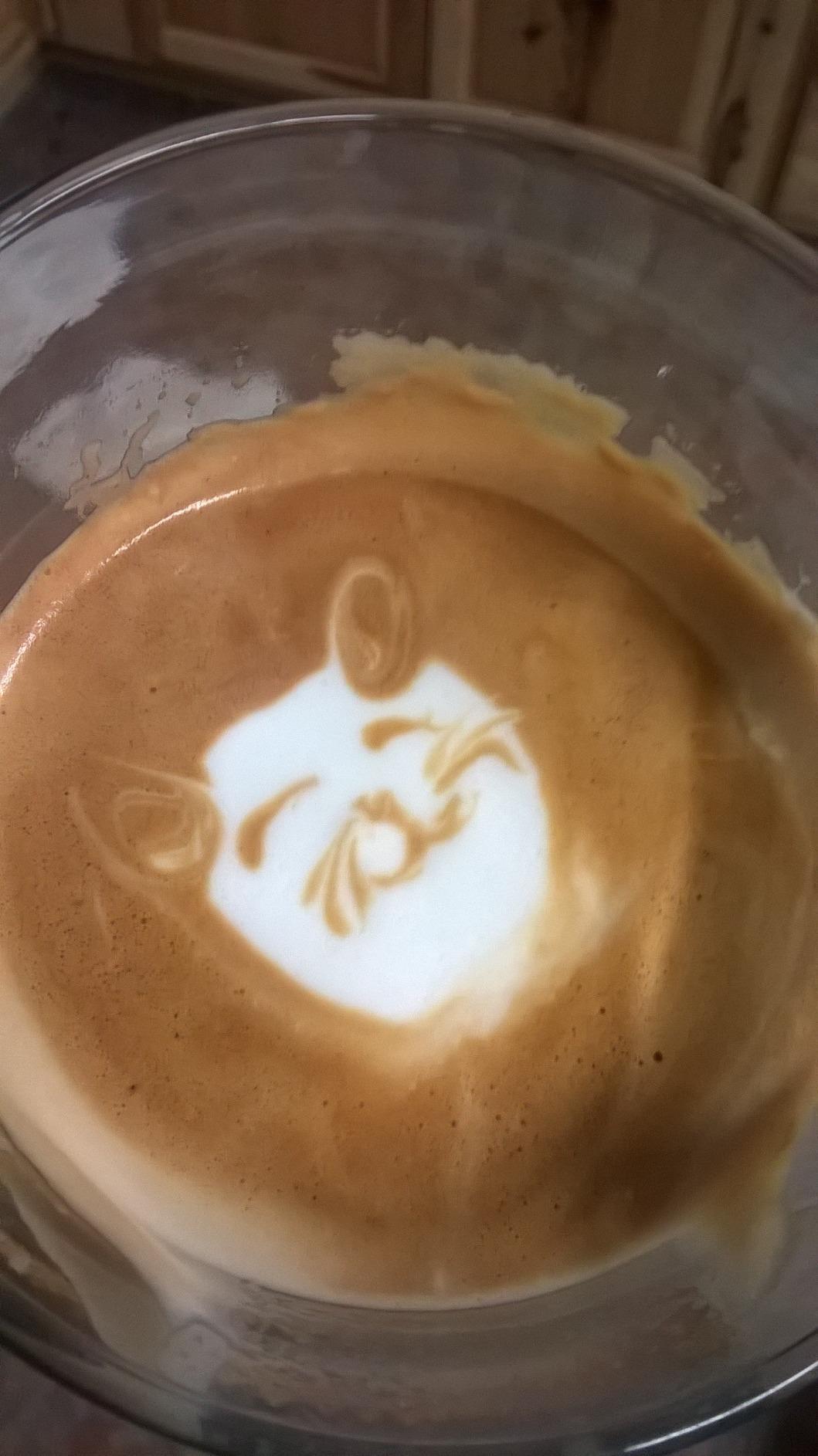
The wand is where the manual skill lives. It is a hand-textured steam wand with no automatic program, so microfoam quality depends on your technique, and the included milk jug is small, which makes the learning curve steeper than the marketing suggests. Low pressure pre-infusion wets the puck before the pressure ramps up, which reduces channeling and is one reason the shots are repeatable once you settle on a grind.
Digital temperature regulation keeps the brew temperature steady rather than hunting with each shot. That matters more than any of the pump numbers below, and it is the single clearest reason this machine produces better espresso than machines costing the same amount with no PID.
Who the Barista Express suits
It suits anyone who wants to learn to steam properly and has nowhere to put a separate grinder. A 67 ounce water tank means fewer refills than most of the compact machines here, and the accessory kit includes a razor dose trimming tool, a 54mm portafilter, filter baskets, a scoop, a tamper and a milk jug, so you are not shopping for parts on day one.
It also suits people upgrading from drip who want a visible step change in flavor. The 27882 reviews at a 4.4 average give you a large sample of long-term ownership reports, and most of the complaints are about component longevity rather than the machine being bad out of the box.
Where it falls short
The most-reported long-term issue on owner forums is steam wand clogging and pressure loss. Multiple threads on r/espresso are titled around wand trouble on this model, with owners describing descaling, clearing every hole and blowing out steam with no result. If you are on hard water, that failure mode is the thing to plan around rather than ignore.
Long-term owners also report that o-rings and solenoid valves can need replacement after years of use, and that the exterior is plated rather than solid stainless, so it shows wear. The warranty is one year, which is the shortest on this list.
2. De’Longhi Classic Signature – Best Value With a Pressure Gauge and a Two-Setting Wand
De’Longhi Classic Signature Espresso Machine, Adjustable Milk Frother
15-bar pump
Thermoblock fast heating
Adjustable steam wand
Pressure gauge
9 lb body
Pros
- Compact 9 inch width suits small kitchens
- Thermoblock heats in seconds
- Adjustable wand covers steaming and microfoam
- Pressure gauge helps with dialing in
- Removable tank and portafilter are easy to clean
Cons
- No built-in grinder so ground coffee only
- Wand foams before the milk reaches serving temperature
- Body is light and largely plastic despite the stainless styling
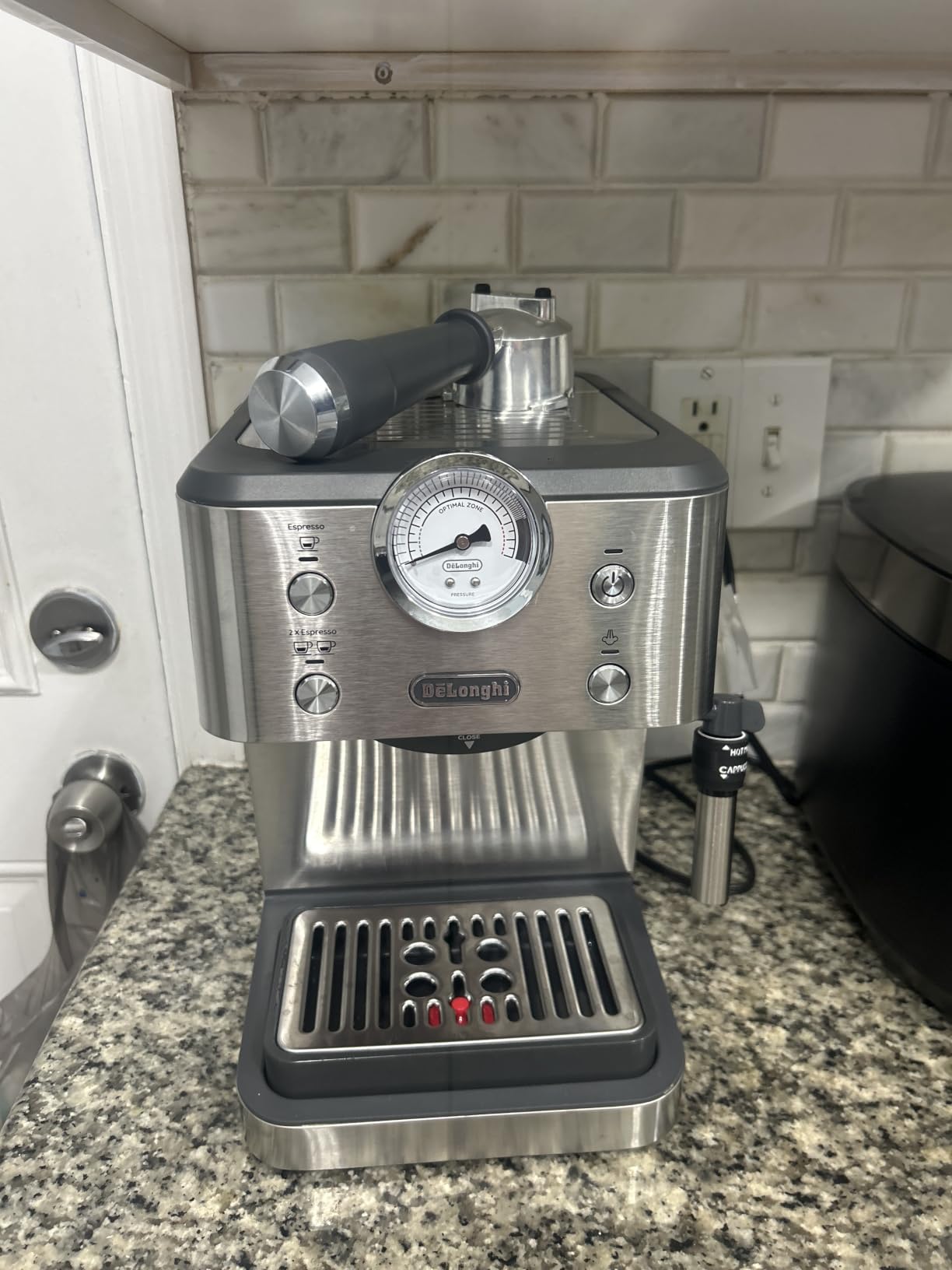
At 9 pounds and 9 inches wide, this is the machine for a counter where a 13 inch-wide grinder-equipped body will not fit. It is also one of the few budget machines with a pressure gauge, and that gauge alone changes how you learn.
The adjustable two-setting steam wand is the interesting part. One setting is for steamed milk and one for microfoam, which is a real reduction in the learning curve compared with a fixed single-position wand. Reviewers commonly note the wand starts producing foam before the milk has reached serving temperature, so you learn to hold the jug lower and move faster than you would in a cafe.
Thermoblock heating means the element heats water on demand rather than filling and heating a chamber, which is why it heats up in seconds and holds temperature more consistently than a single boiler at the same tier. The 15-bar Italian pump is a pump capability rather than a brew pressure reading, but the machine still pulls a sweet, balanced shot once grind size is right.
Customizable single and double espresso preset recipes take the guesswork out of volume. Removable water tank with level markers, a removable portafilter and auto shut-off round out a maintenance routine that is genuinely quick for this class of machine.
Who the Classic Signature suits
It suits small kitchens, dorm rooms and first-time buyers who want a gauge and a proper wand at a budget price point. Long-term owners of De’Longhi and Breville machines generally report that both brands are easier to keep running for years because of deep parts and service networks, which matters more than most buyers expect.
It also suits anyone who already owns a burr grinder. The 15-bar pump, pressure gauge and thermoblock give this machine more control than cheaper grind-only units, and pairing it with a separate grinder is a legitimate setup rather than a compromise.
Where it falls short
There is no built-in grinder, so every shot depends on coffee you grind elsewhere. The included plastic tamper is weak, and a metal tamper is a sensible early upgrade. Buyers also note the stainless styling sits over a largely plastic body, which is why it weighs 9 pounds instead of something heavier.
It is also not designed for full mugs of drip coffee. If your household drinks large volumes of filter coffee, this machine answers a different question than the one you are asking.
3. Mr. Coffee Espresso and Cappuccino Machine – Top Rated Who Want Zero Technique
Mr. Coffee Espresso and Cappuccino Machine Stainless Steel Programmable Coffee Maker with Automatic Milk Frother 15-Bar Pump Ideal for Home Baristas
15-bar pump
Automatic milk carafe
One-touch control panel
Programmable settings
10.4 lb
Pros
- Automatic milk dispensing removes all manual frothing
- One-button workflow from espresso to cappuccino and latte
- Works with ordinary pre-ground coffee
- Removable water and milk tanks simplify refilling
Cons
- Frother performance commonly degrades after about a year of daily use
- Needs regular descaling to hold brew temperature
- Loud during both brewing and frothing
This is the machine to buy when the frother is genuinely the part you do not want to learn. The one-touch control panel handles espresso, cappuccino and latte, and the removable milk carafe does the texturing for you. You press a button and a finished drink arrives.
It works with ordinary pre-ground coffee, which removes the grinder decision entirely. Reviewers consistently praise the ability to make cafe-style drinks without buying a separate grinder, and the removable milk container stores in the fridge between uses, which is a small design decision that matters daily.
The trade-off is texture control. The latte button sometimes over- or under-foams the milk depending on the milk and how full the carafe is, and you cannot dial the foam in. If you want a flat white with a thin layer versus a cappuccino with a thick one, you will be choosing the button rather than controlling the result.
There is also a noise consideration. Reviewers describe the machine as loud during brewing and frothing, which is worth factoring in if you make coffee at 6am in an open-plan kitchen.
Who the Mr. Coffee suits
It suits first-time buyers, anyone moving from drip coffee, and households where more than one person wants a different drink and nobody wants to learn technique. The single and double shot baskets plus programmable settings cover the basic range without a learning curve.
It also suits anyone replacing a daily cafe habit who mainly drinks cappuccinos and lattes rather than straight espresso, since the carafe is optimized for exactly those two drinks.
Where it falls short
The most important limitation is durability. Across 14121 reviews, the most cited long-term issue is that frother performance degrades or fails after roughly a year of daily use, and the machine also needs regular descaling to keep brew temperature in range.
Owners also report occasional leaks at the tank-to-body joint. If the carafe is the reason you are considering this machine, buy it knowing that the frother is the component most likely to be the problem later, and check the warranty terms before you commit.
4. CASABREWS CM5418 – Best Compact Machine With a Pressure Gauge
CASABREWS CM5418 Compact Espresso Machine with Milk Frothing Steam Wand
20-bar pump
Built-in pressure gauge
Steam wand
34 oz water tank
1 year warranty
Pros
- Narrow 5.47 inch width fits small counters
- Pressure gauge makes extraction visible and adjustable
- Good espresso with real crema once grind is dialed in
- Solid build with parts that fit properly
- Steam wand produces quick foam for cappuccinos
Cons
- Cannot brew immediately after frothing without triggering overheat protection
- Wand is loud and does not always make fine microfoam
- Included plastic tamper and lightweight portafilter are low quality
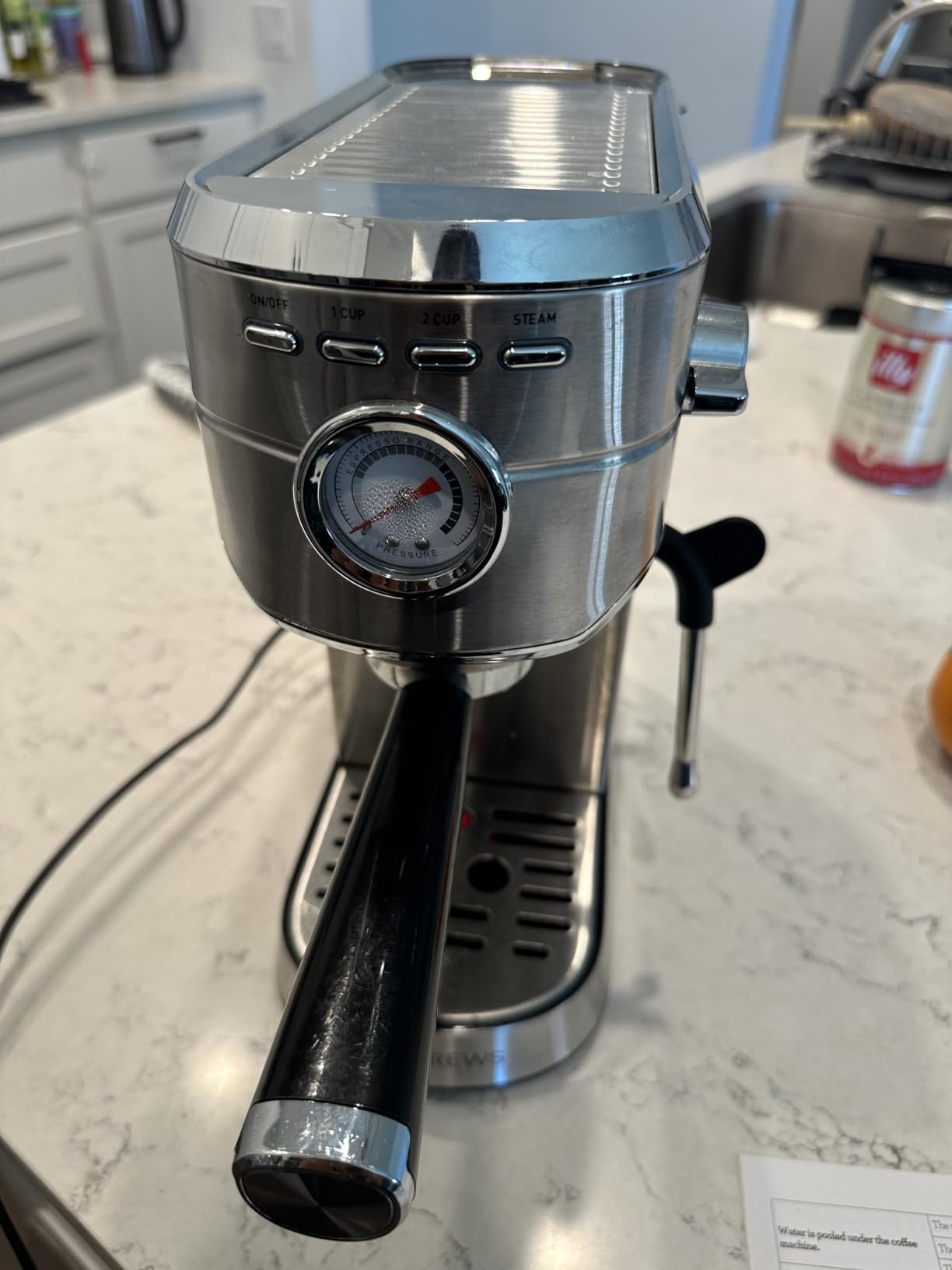
The CM5418 is 5.47 inches wide, which makes it one of the narrowest machines here, and it is the only budget machine in this group that puts a pressure gauge on the front. That gauge turns guessing into measurement, and it is the fastest way for a new owner to learn why a shot is sour or bitter.
The 20-bar Italian pump with a 1350 watt boiler, a 51mm portafilter with single and double filters, and a 34 ounce detachable water tank cover the essentials. A hot water function on the side knob doubles as a way to rinse the group and warm cups, which most owners of manual machines appreciate more than they expect.
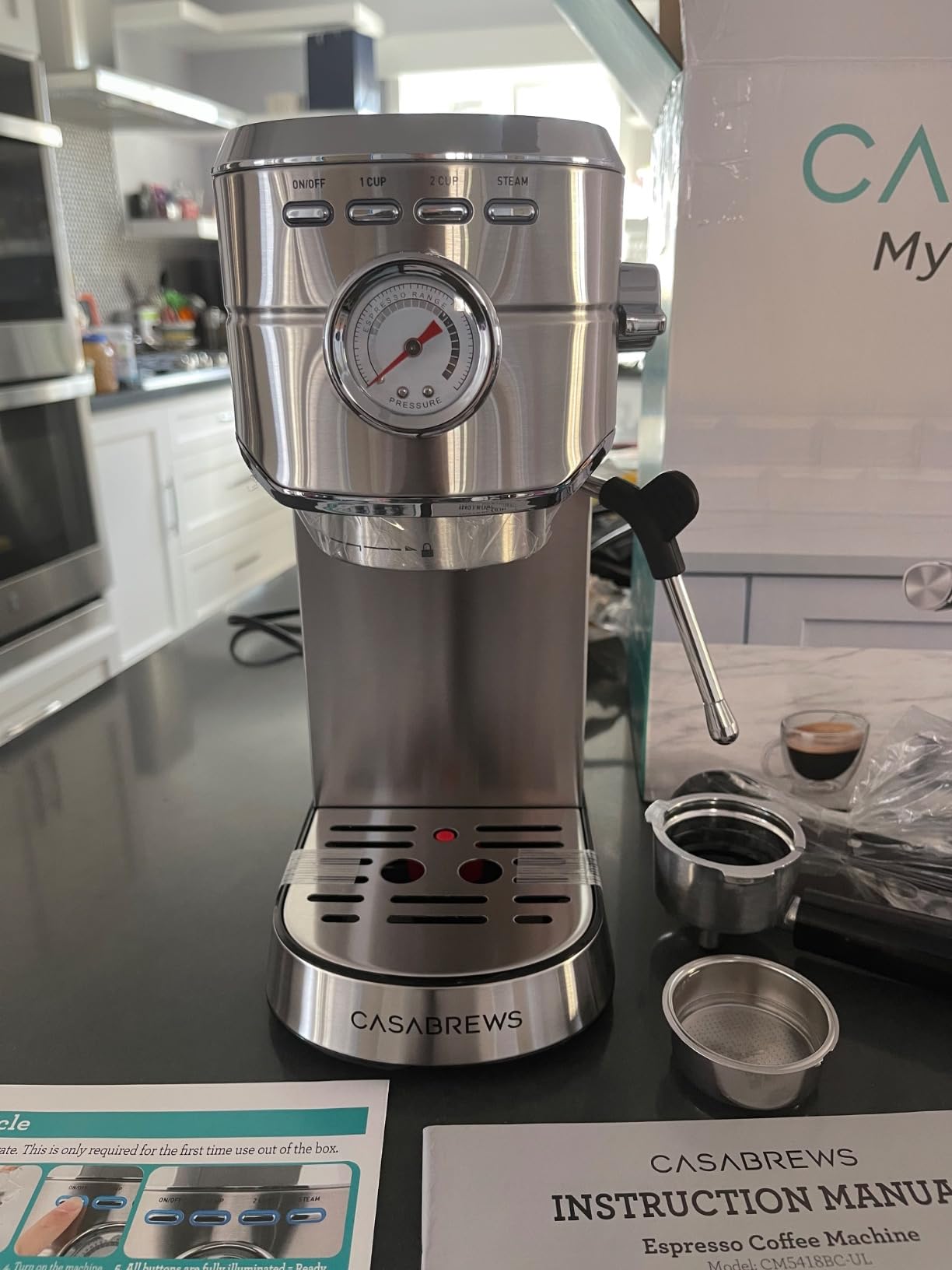
The wand is powerful and quick, and for cappuccinos and everyday lattes that is enough. Reviewers report it does not always produce fine, glossy microfoam, so if your goal is a flat white with a thin, even layer you will be practicing technique, and the included jug is not a help.
The single boiler creates one real workflow constraint. You cannot pull a shot right after frothing without letting the machine cool, and owners report it can lock into overheat protection. Plan your order as froth first, then wait, then brew, or the machine will fight you.
Who the CM5418 suits
It suits small kitchens, home offices and anyone who wants a wand machine with real dial-in capability at a budget price. The pressure gauge means a beginner can see what is happening during extraction instead of guessing at grind size and tamp pressure.
It also suits people who want a machine that stays out on the counter. At 8.6 pounds and with a removable tank and drip tray, it is a machine you can move, fill and put back without a plan.
Where it falls short
The cool-down requirement between frothing and brewing is the biggest daily friction point, and it is a direct consequence of the single boiler. The wand is also reported as loud, and the frothing nozzle sits low, which is awkward with larger cups.
Accessories are the weak point. The included spoon-style plastic tamper and lightweight portafilter are low quality, and some units have reported water leaking from the tank base. Budget for a metal tamper early.
5. Philips 3200 Series – Best Milk System With No Tubes to Clean
Philips 3200 Series Fully Automatic Espresso Machine, LatteGo Milk Frother, 5 Coffee Varieties, Intuitive Touch Display, 100% Ceramic Grinder, AquaClean Filter, My Coffee Choice, Black (EP3241/54)
100 percent ceramic grinder
Two-part no-tubes LatteGo
AquaClean filter
5 drink presets
2 year warranty
Pros
- Two-part milk system with no tubes to clog
- Cleans in seconds instead of weekly deep cleaning
- AquaClean filter greatly reduces descaling intervals
- Consistent results across espresso and every milk drink preset
Cons
- Only whole bean input with no ground coffee bypass
- Plastic body and a small water tank needing regular refills
- LatteGo carafe must be rinsed after every use
If the thing you fear most is a blocked milk system, this is the machine to buy. The LatteGo two-part milk system has no tube between the carafe and the machine, so there is nothing for milk protein to build up inside. It disassembles and rinses in about 15 seconds, and that single design choice removes the most common long-term failure from the category.
The 100 percent ceramic grinder handles whole beans across five coffee varieties on the intuitive touch display, and the Aroma Extract system balances temperature and aroma through the brew. Espresso, americano, cappuccino and latte macchiato are one press each.
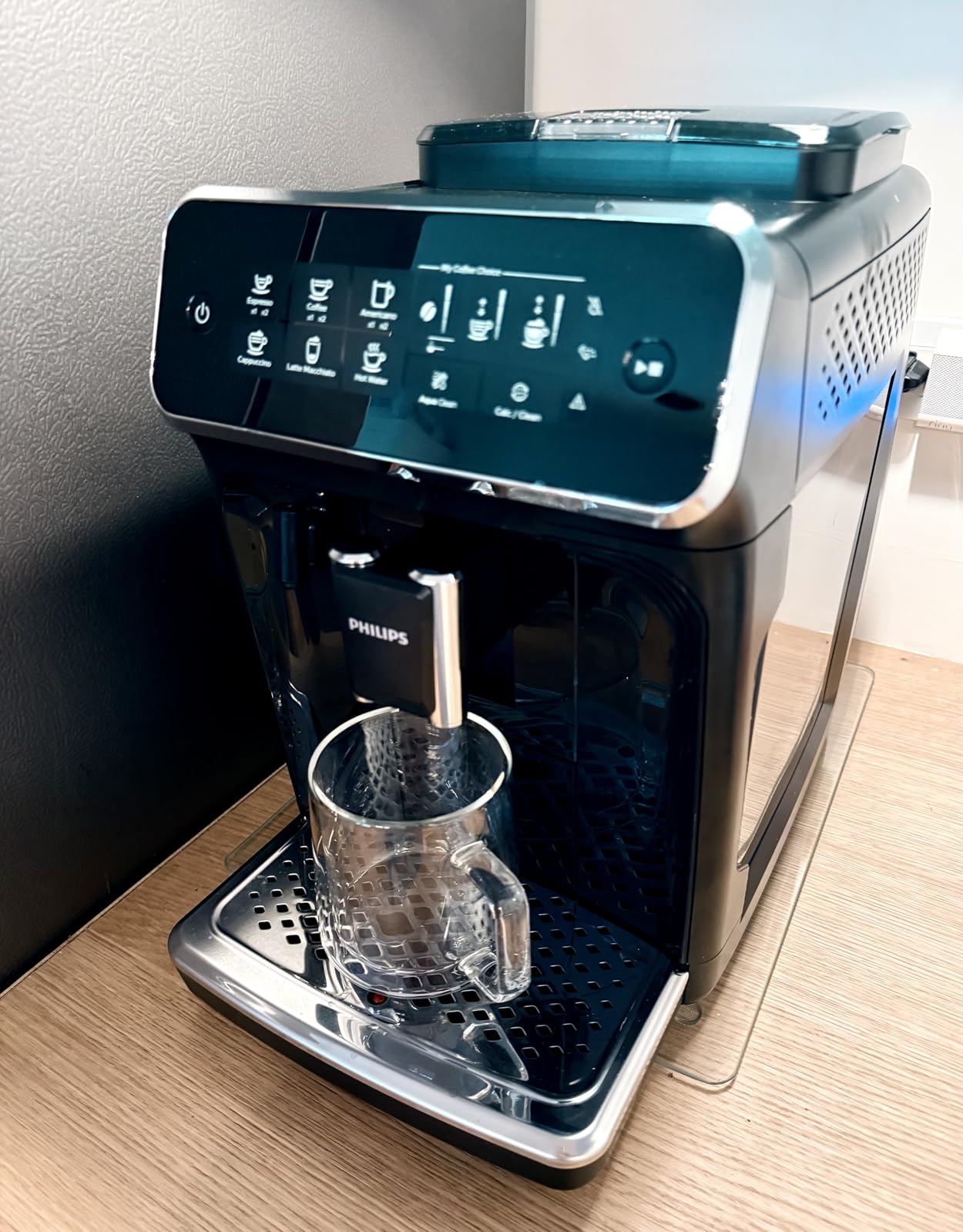
The AquaClean water filter is the other maintenance story. It means no descaling for up to 5000 cups, which on its own removes a recurring weekend task. If you are on hard water, this combination of a tube-free milk system and a filtration cartridge is the most robust ownership profile in this guide.
Foam quality is good rather than remarkable. This is an automatic carafe system, so the texture is consistent and hands-free, but you have no control over density and no way to pour a rosetta.
Who the Philips 3200 suits
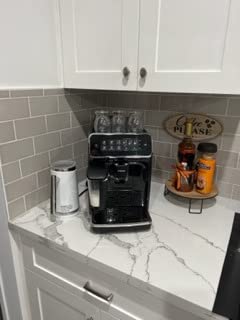
It suits anyone who drinks multiple people worth of milk drinks and does not want a cleanup routine. Whole beans go in, you press a button, and the carafe refills itself. The 2 year warranty is the longest in this group, which is a meaningful signal on a machine with moving parts.
It also suits households that want one appliance covering several drink types. The espresso, cappuccino and latte macchiato presets cover the common range without a milk jug on the counter.
Where it falls short
The 4.0 average reflects real complaints. The body is plastic with a compact internal layout, the water tank is small and needs regular refills, and there is no ground coffee bypass, so you are locked into whole beans for every drink including a lungo.
Some users also report weaker-tasting coffee than dedicated specialty machines produce. That is a grinder and roast profile difference more than a defect, but it is why this machine competes on convenience rather than on the third shot of the day.
6. Gevi 20 Bar Compact – Best Budget Machine With a Removable Froth Nozzle
Gevi 20 Bar Compact Espresso Machine for Home,Latte、Cappuccino Coffee Maker
20-bar pump
NTC control and pre-infusion
Pressure gauge
Removable froth nozzle
8.6 lb
Pros
- Automatic single and double shot metering improves consistency
- Full stainless steel body resists fingerprints
- Compact footprint with removable drip tray for larger mugs
- Many owners report years of reliable use
- 12 month warranty with lifetime tech support
Cons
- No built-in grinder so ground coffee only
- Steam wand is loud and takes about two minutes to heat
- Machine shuts off after frothing so back-to-back drinks need a wait
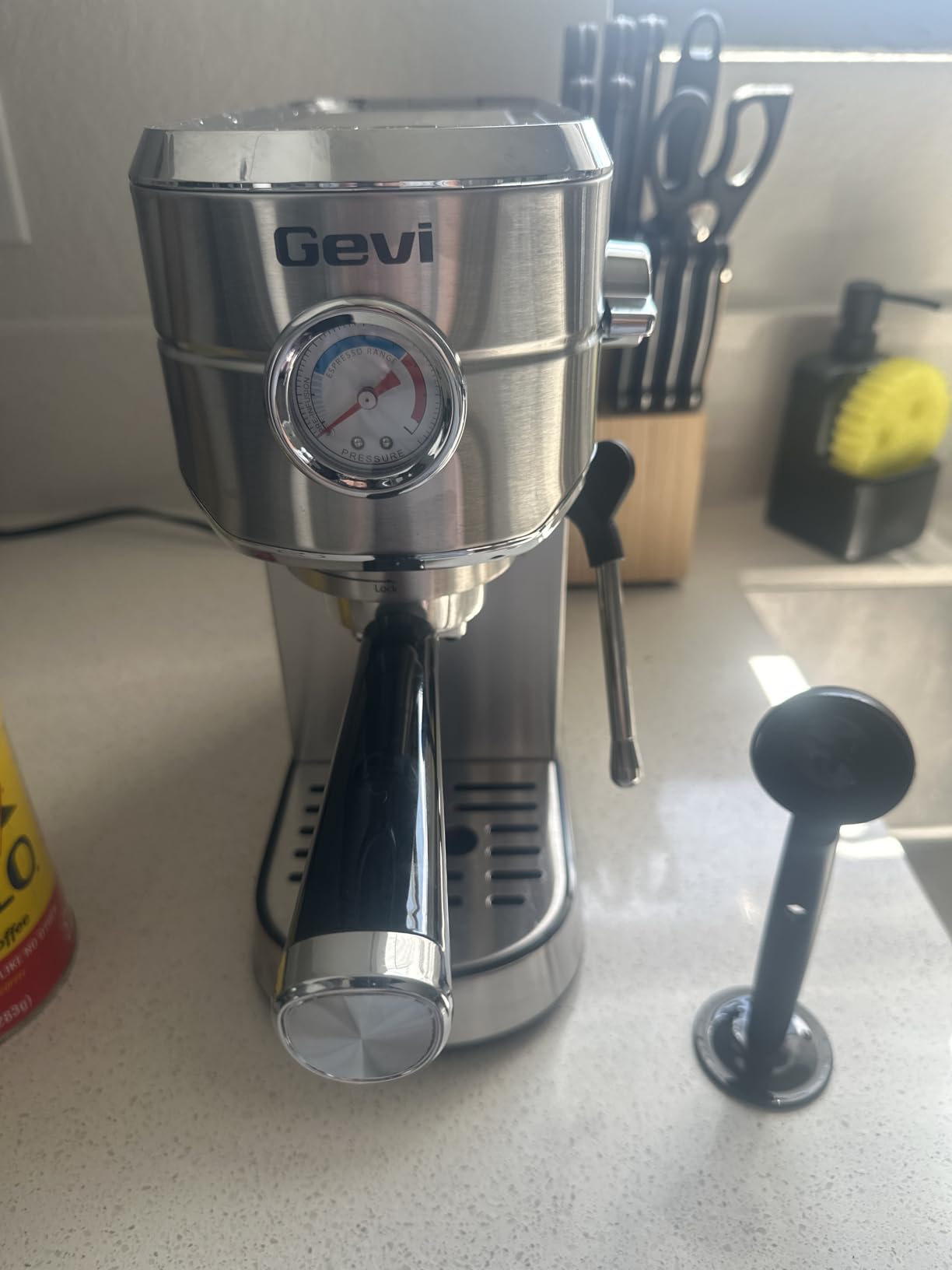
The Gevi compact sits in the narrow 5.5 inch width class with the CM5418, and it adds two things that machine lacks: automatic shot metering and a full stainless steel housing that does not show fingerprints.
Automatic single and double shot metering is a real convenience on a manual machine. Instead of stopping the shot by feel, you press a button and the machine meters the volume, which removes one of the most common beginner mistakes and makes repeatability better across days.
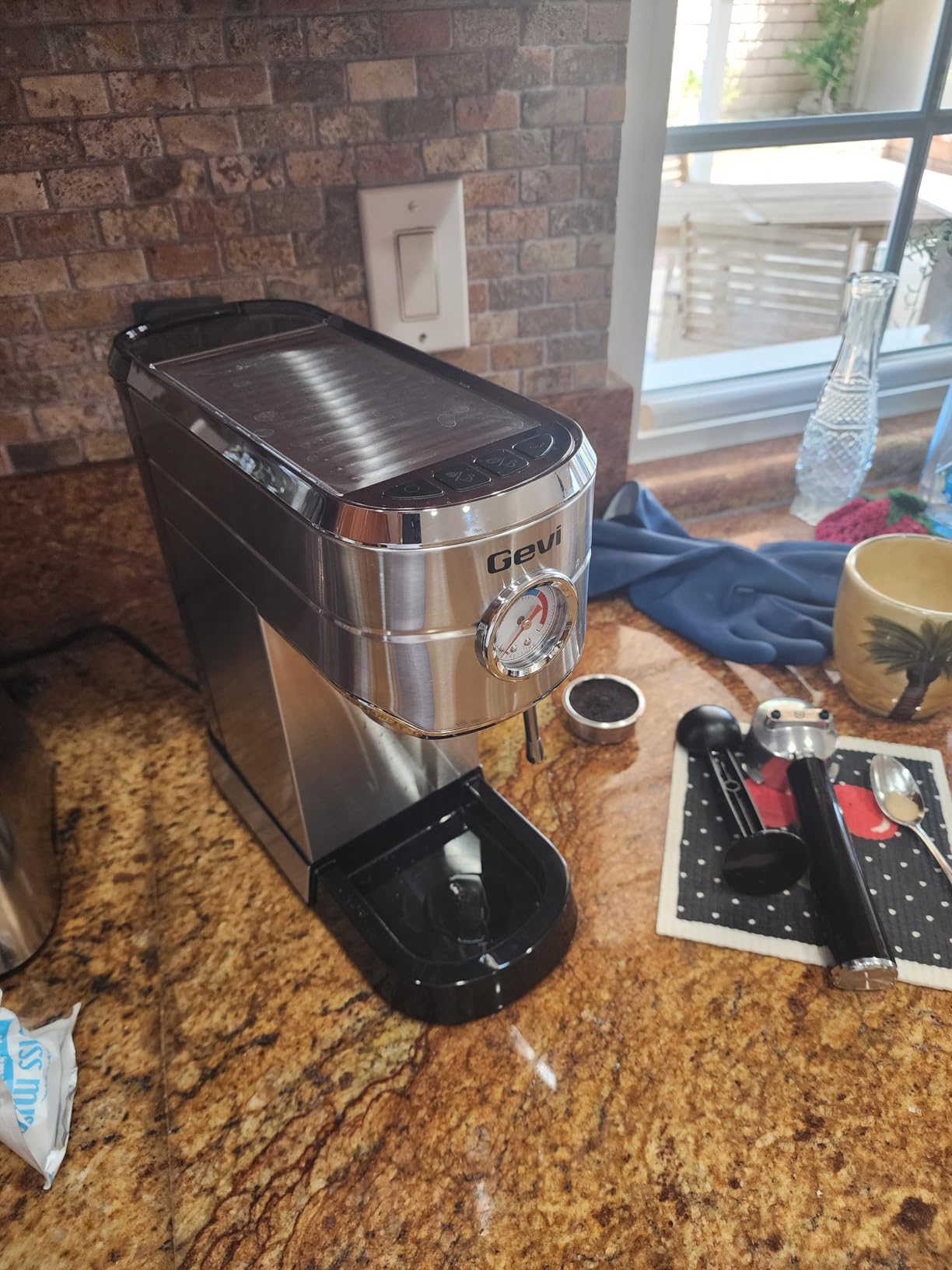
The steam wand has a removable froth nozzle, which is unusual at this price and genuinely useful, because the nozzle is the part that clogs and the part you will want to soak separately. NTC temperature control with pre-infusion and a pressure gauge give you a reasonable amount of extraction feedback.
The hot water function covers Americanos, tea and cup warming, and there is a cup warmer on top. Reviewers note the hot water dispenses in slow spurts and that the cup warmer does not actually keep cups warm, so treat both as occasional conveniences rather than features you will rely on daily.
Who the Gevi Compact suits
It suits buyers who want a stainless machine with shot metering at a budget price point, and people who have a separate burr grinder already. Owners frequently report years of reliable daily use, and the 12 month warranty includes lifetime technical support.
It also suits anyone who wants the nozzle removed regularly for deep cleaning. That is a small feature that matters more in year two than it does on day one.
Where it falls short
There is no grinder, and the included plastic tamper feels flimsy. The steam wand is loud and takes roughly two minutes to reach steaming temperature, and the machine shuts off after frothing, so back-to-back drinks require a wait.
Because the boiler and steam system are shared, the same cool-down pattern that frustrates owners of other single boiler machines applies here. If you make two drinks back to back every morning, factor that into your choice.
7. CASABREWS 3700 Essential – Best Starter Machine Under Every Other Tier
CASABREWS 3700 Essential Stainless Steel Espresso Machine with Steam Wand
20-bar pump
Steam wand
43.9 oz water tank
Removable drip tray
8.1 lb
Pros
- Lowest entry point on this list that still makes real espresso
- 43.9 oz tank means fewer refills than most compact machines
- Heats quickly and delivers two shots in quick succession
- Stainless body looks more expensive than it is
- Wand is adequate for everyday lattes and cappuccinos
Cons
- No pressure gauge so extraction is harder to diagnose
- Single boiler needs a wait to switch between brewing and steaming
- Extraction is finicky and inconsistent especially with finer grinds
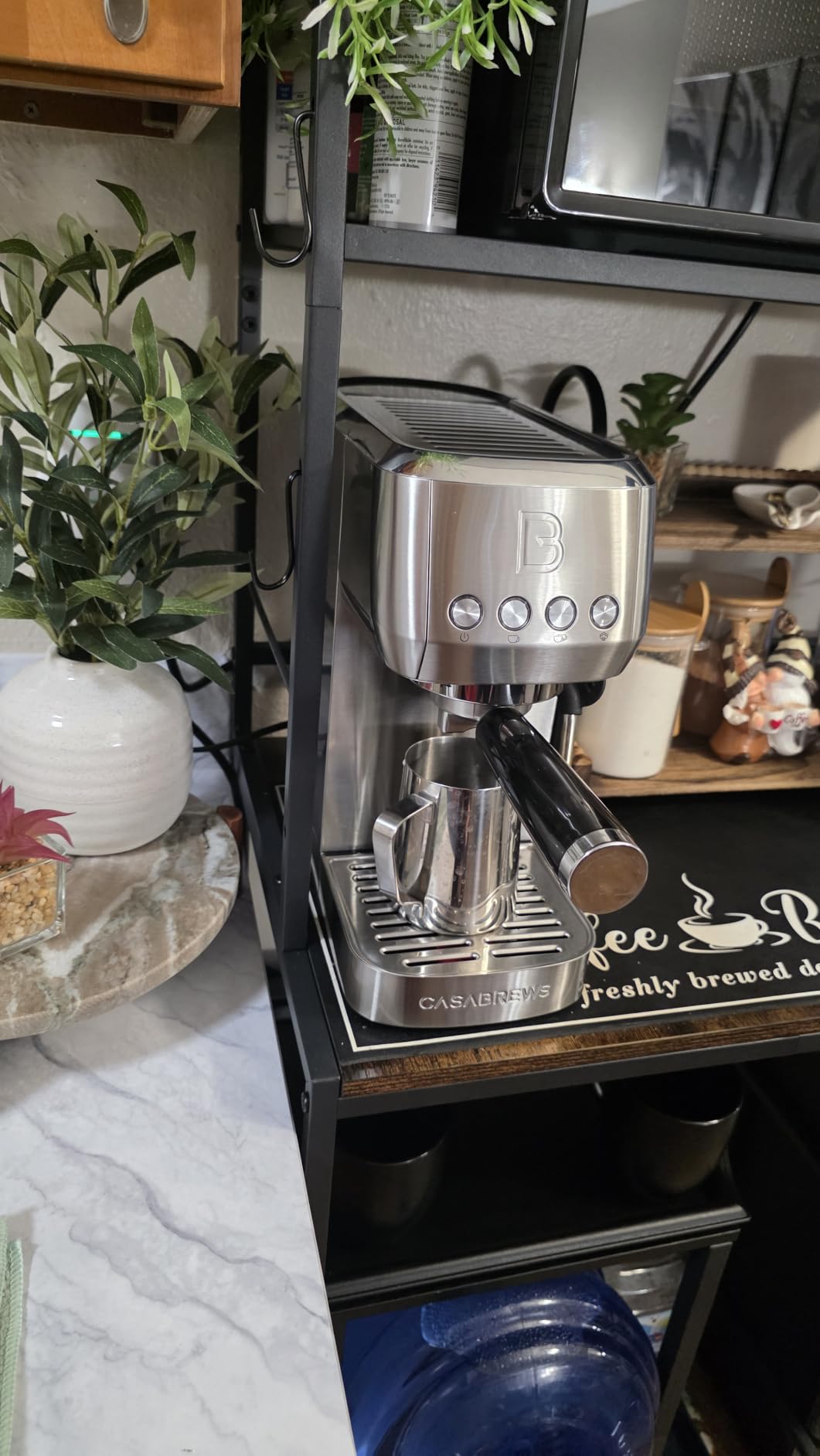
This is the machine for someone who wants to find out whether they actually drink espresso every day. At 8.1 pounds, 5.7 inches wide and the lowest price tier in this guide, it is the smallest commitment that still gives you a 20-bar pump and a manual steam wand.
The 43.9 ounce detachable water tank is larger than most of the compact machines here, and combined with a removable drip tray that means fewer interruptions in a morning. Reviewers also note that the brushed stainless body looks considerably more expensive than the machine is.
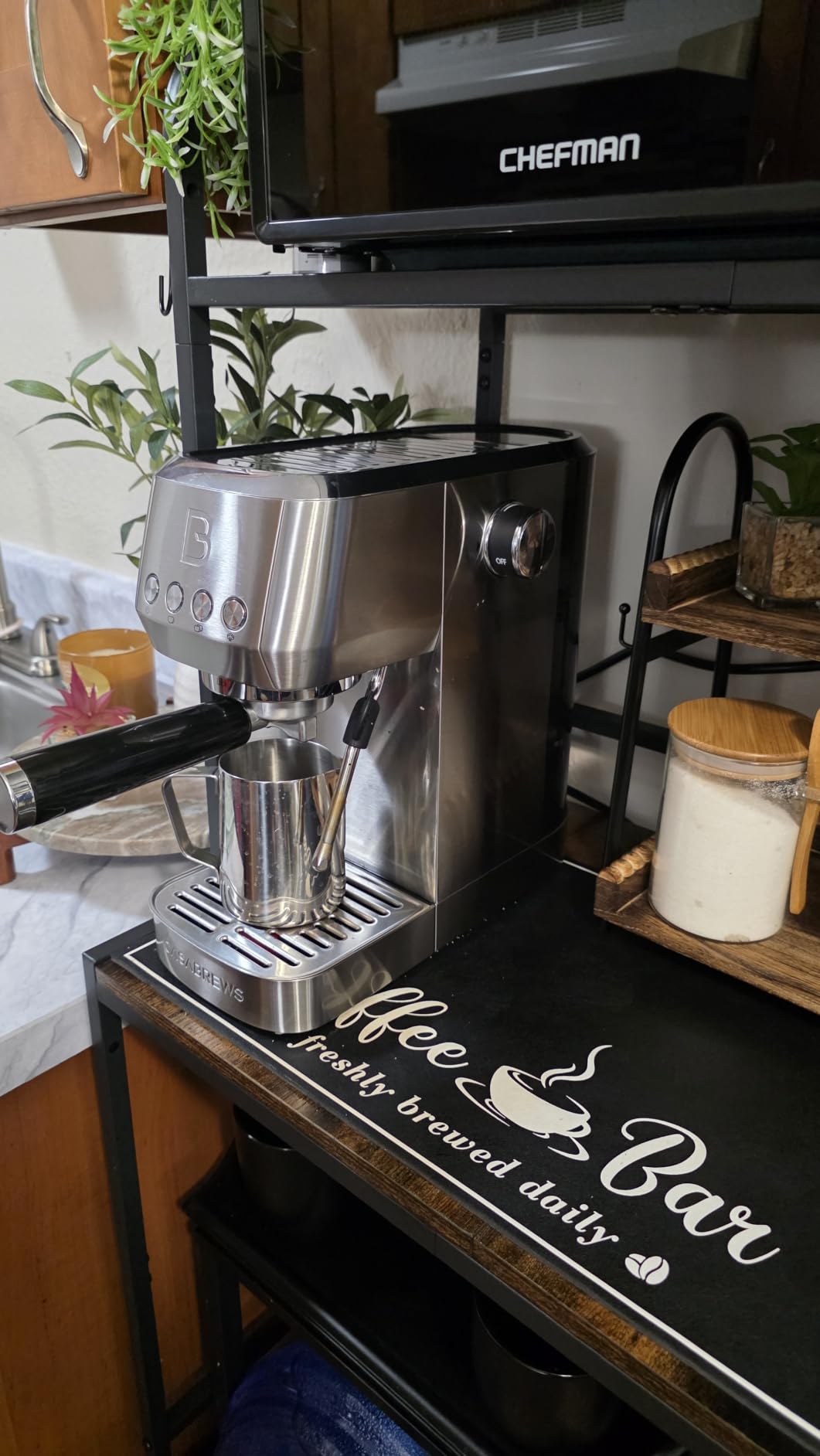
What you give up is measurement. There is no pressure gauge on this model, so when a shot runs fast or slow you have no visual reference for whether the problem is grind, dose or tamp. The single boiler also means you wait a few seconds to switch between brewing and steaming, and the steam control dial can drift open and leak pressure during a shot.
Extraction is described as finicky and inconsistent, particularly with finer grinds, so expect a dial-in period of a week or two before the shots settle.
Who the 3700 Essential suits
It suits buyers on a strict budget who want a wand machine rather than a capsule machine, and anyone who wants a second machine in a guest room or kitchen. Many owners report years of reliable daily use at this tier, which is the most surprising result in our testing.
It also suits people who mostly drink lattes and cappuccinos rather than straight espresso, since the wand is adequate for everyday textured milk even if the shot is not perfect.
Where it falls short
The missing pressure gauge is the main limitation, and the finicky extraction is the reason shots take time to come together. The machine is also loud during both brewing and frothing, which is a real consideration for early mornings.
The included plastic tamper feels flimsy, and the steam dial drifting open is a hardware issue that will not improve with technique. If you think you will want to upgrade to dialed-in espresso later, treat this as a stepping stone rather than a final machine.
8. De’Longhi Magnifica Evo – Best Super-Automatic With a LatteCrema Carafe
De’Longhi Magnifica Evo Automatic Espresso Machine, Milk Frother, Silver
Integrated bean grinder
LatteCrema automatic carafe
Touchscreen with My Latte
Dishwasher-safe parts
21.2 lb
Pros
- Grinds beans fresh for every cup with a noticeable flavor gain
- Automatic carafe produces thick consistent foam with minimal effort
- Deep control over grind
- strength and temperature via touchscreen
- Removable dishwasher-safe parts simplify cleaning
Cons
- Large 12.09 inch wide footprint and 21.2 pound weight
- Daily refills plus grounds bin emptying and a 90 minute monthly clean
- Grinder and boiler are noticeably loud
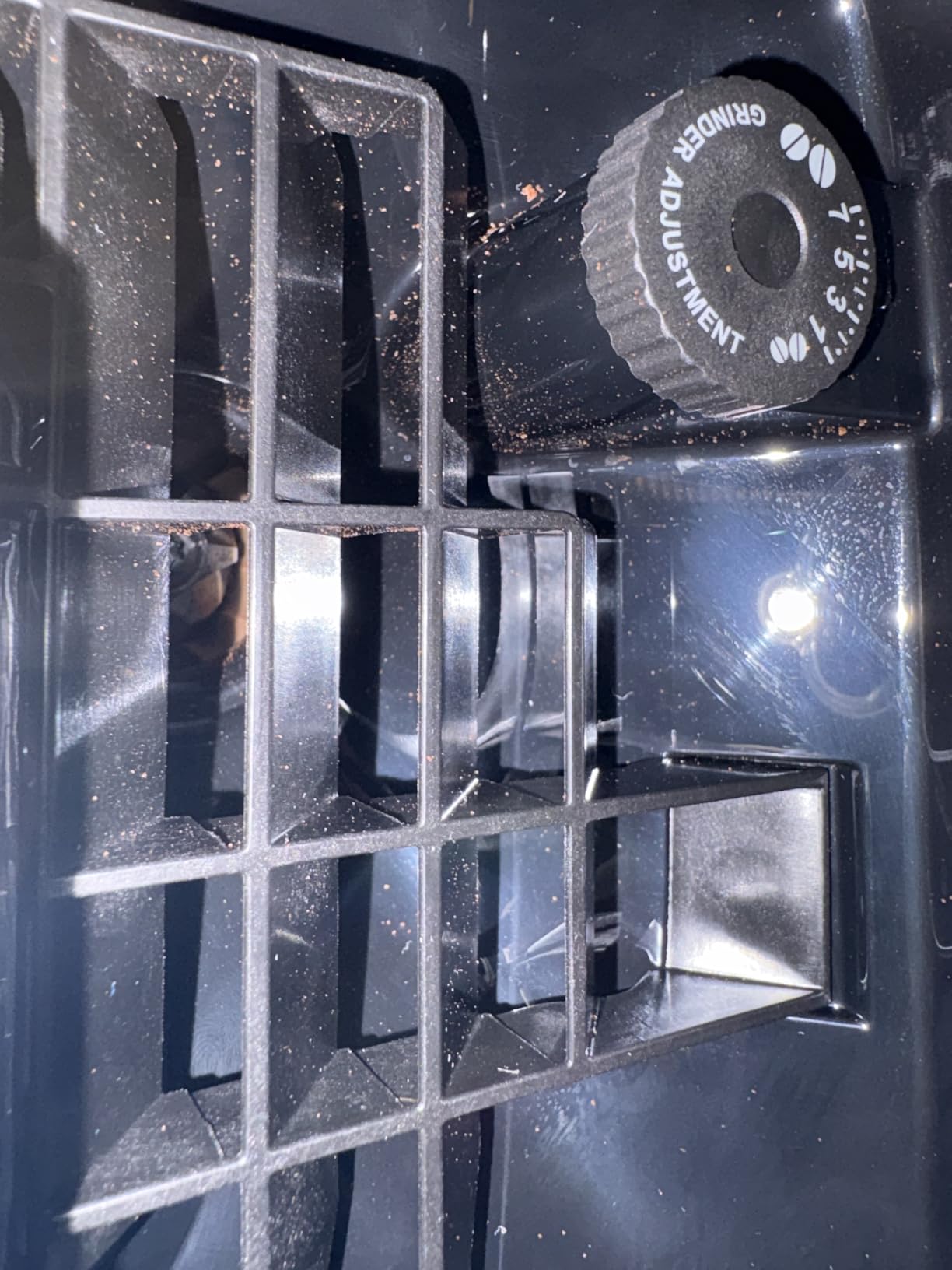
The Magnifica Evo is the fully automatic option for people who want cafe workflow at home with no technique and no separate grinder. The integrated bean grinder has adjustable grind settings, and the LatteCrema carafe produces a thick, consistent layer with one press.
The touchscreen is the strongest control surface in this group. Beyond the one-touch recipe presets, the My Latte menu lets you save personal recipes with your own grind, strength and temperature settings, which is the feature that keeps people using a super-automatic past the first month.
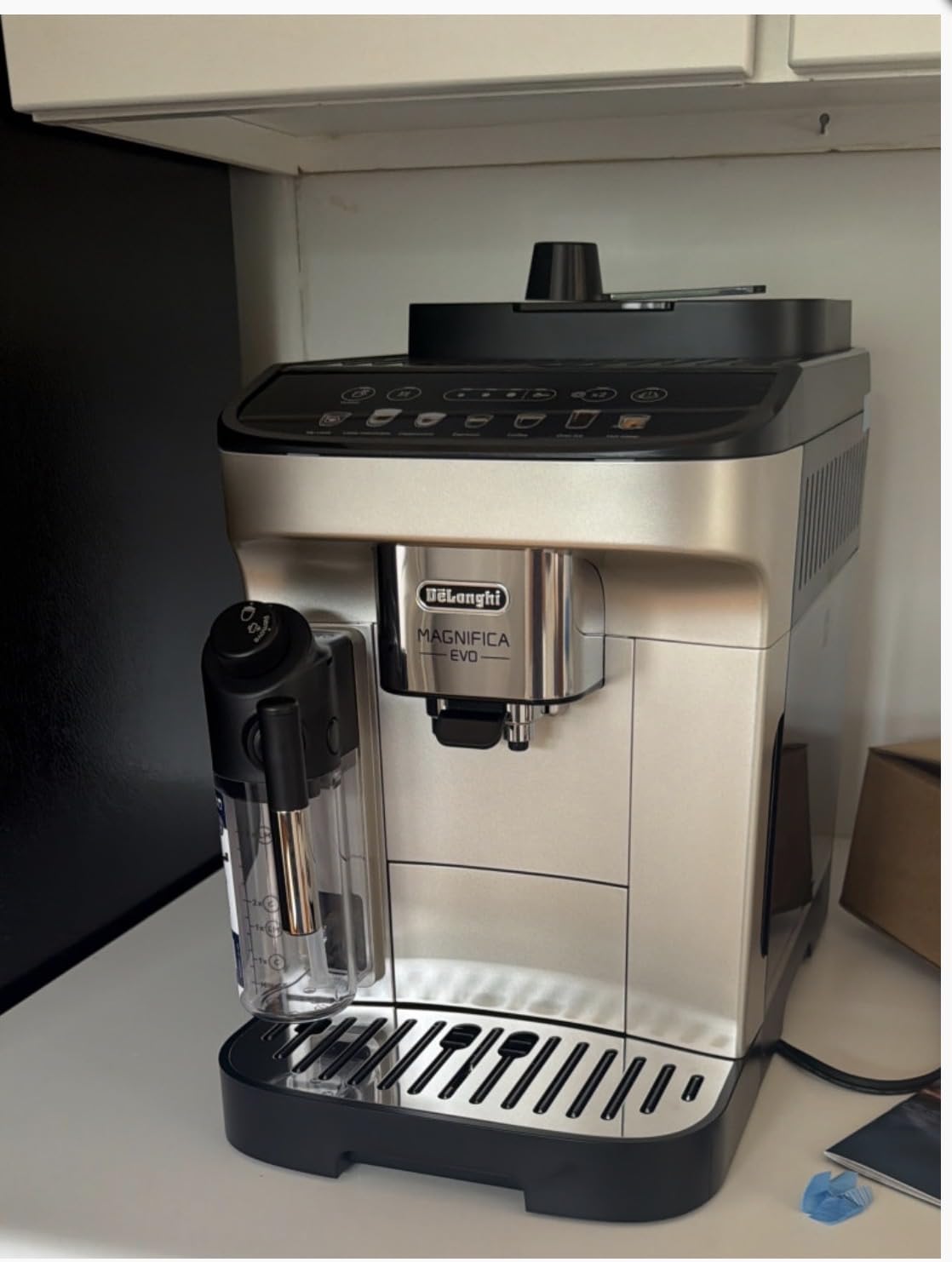
Cleaning is the trade. The brew unit and milk parts are removable and dishwasher-safe, which is better than most, but the grounds bin still needs emptying daily, the tank needs refilling, and the machine runs a roughly 90 minute cleaning cycle monthly. There is an internal auto clean function and a water filter, which help.
Coffee strength is less intense than what a semi-automatic produces, and the burr grinder and boiler are noticeably loud. Espresso quality in the cup is more sensitive to bean freshness and the grind adjustment than the machine’s own pressure rating suggests.
Who the Magnifica Evo suits
It suits households with several daily coffee drinkers, and anyone who wants espresso, cappuccino, latte, iced coffee and americano from one appliance. Owners report it working with oat milk and other plant milks, and it has the longest warranty coverage in this group at two years plus an extra registered year.
It also suits people who want to keep a machine on the counter permanently. Despite the size, the daily interaction is short: fill the tank, empty the grounds, press a button.
Where it falls short
Size is the first constraint. At 12.09 inches wide, 19.53 inches deep and 21.2 pounds, it needs a genuine footprint, and it cannot brew into a tall travel mug without removing the drip tray insert.
The 4.0 average reflects the maintenance burden and the noise. Some owners also report difficulty completing the descale routine and occasional internal leaks. If milk texture control or latte art matters to you, this is the wrong category, because the carafe gives consistency but not control.
9. Ninja Luxe Cafe Premier – Best for Households That Drink More Than Espresso
Ninja Luxe Café Premier 3-in-1 Espresso Machine, Drip Coffee, & Cold Brew
3-in-1 espresso drip and cold brew
Dual froth system
25-setting grinder
Weight-based dosing
4.4 lb
Pros
- Handles espresso
- drip coffee and cold brew in one machine
- Dual froth system gives consistently good foam with minimal effort
- Weight-based dosing and assisted tamping make shots repeatable
- 25 setting conical burr grinder and built-in accessory storage
- Lightest machine here at 4.4 pounds with a wide finish
Cons
- Portafilter must be refilled every one or two shots
- No dedicated hot water spout so it cannot serve tea
- Grinder can under-fill the portafilter sporadically
This is the most flexible machine in the guide. It brews espresso in dual and quad shot styles, drip coffee in classic, rich and over-ice styles, and cold brew, which means one appliance replaces an espresso machine and a drip machine for a household that does not drink only espresso.
The dual froth system is a spinning whisk plus an automatic steamer with four presets. That combination is unusual, and in practice it means you can get a dense automatic texture from the presets or use the whisk side when you want more control, which is why it earns a spot on this list despite not being a wand-first machine.
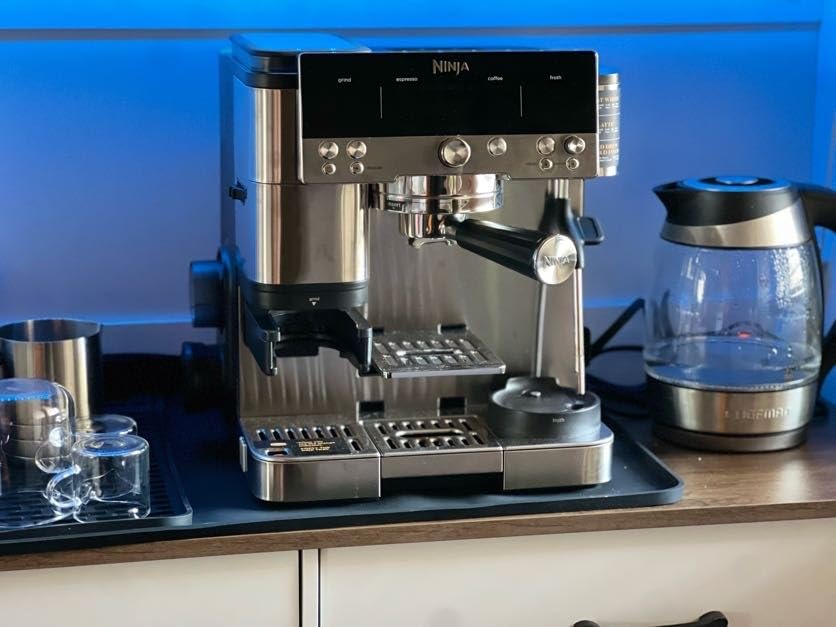
Barista Assist Technology uses weight-based dosing and assisted tamping, and the conical burr grinder has 25 grind settings. Shots are repeatable because the machine measures the dose and handles the tamp, which removes the two biggest variables for a beginner, and it stores the portafilter, milk jug, baskets and tamper inside the body.
At 4.4 pounds this is by far the lightest machine here, which matters if you move it to refill the tank. It is also the machine most likely to live permanently on the counter.
Who the Luxe Cafe Premier suits
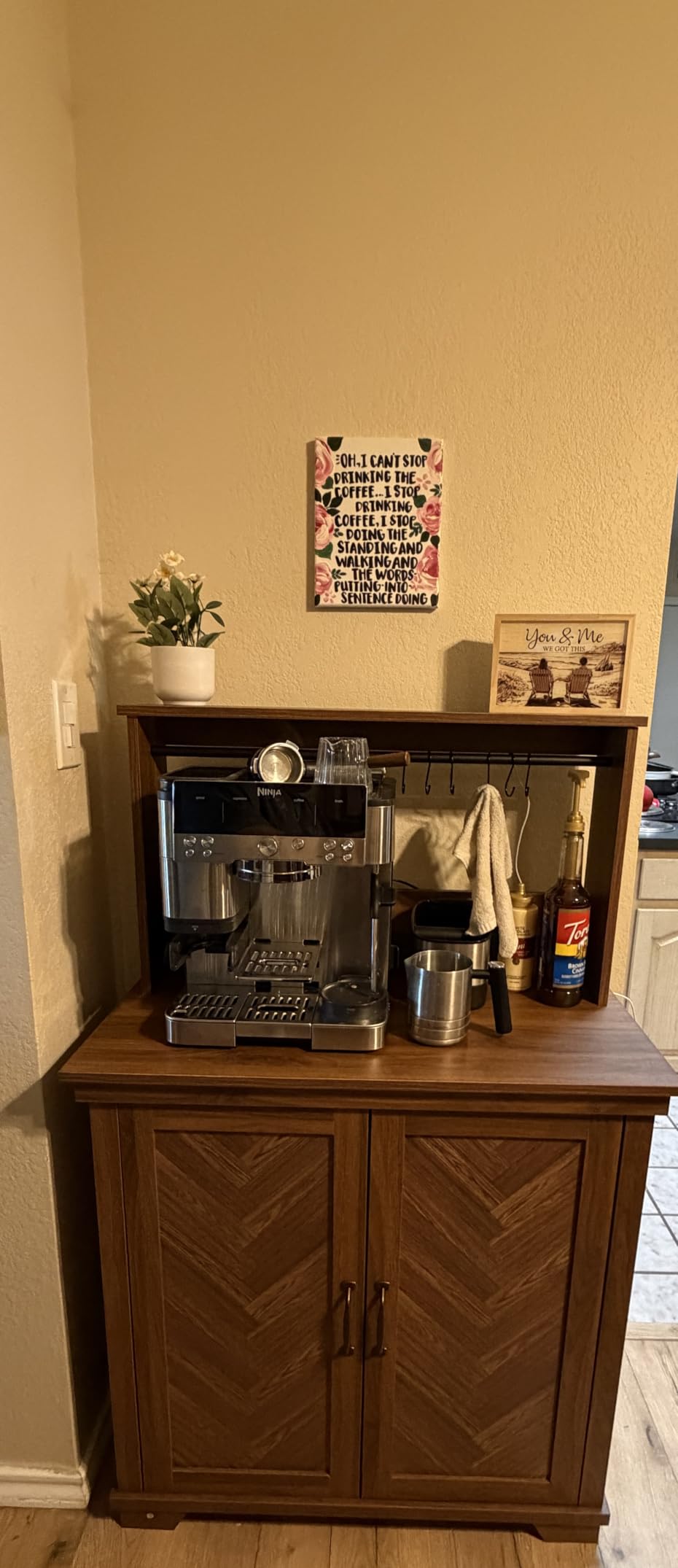
It suits mixed-drink households, iced coffee drinkers, and anyone who wants cold brew and drip alongside espresso. The weight-based dosing makes it forgiving for beginners, and the accessory storage means the machine looks organized on the counter rather than cluttered.
It also suits people replacing a cafe habit who want variety. Owners report nearly two years of heavy daily use for many units, and build quality is widely praised as above what the price tier suggests.
Where it falls short
The portafilter has to be refilled every one or two shots, which adds friction to a busy morning, and the portafilter can be difficult to insert and lock for some users. The steam wand has restricted movement and only fits the stock milk jug.
There is no dedicated hot water spout, so it cannot serve tea or rinse the group with hot water. The wastewater tray is small and needs frequent emptying, and after long use the grinder can under-fill the portafilter sporadically, which makes shots inconsistent.
10. Gevi 20 Bar With Grinder – Best With a Built-In Grinder and PID Control
Gevi 20 Bar Espresso Machine with Grinder & Steam Wand for Latte Cappuccino
Built-in conical burr grinder with 30 settings
20-bar pump
PID and NTC control
58mm portafilter
2.3 L tank
Pros
- Built-in burr grinder removes the need for a separate grinder
- 30 grind settings and adjustable dose give real extraction control
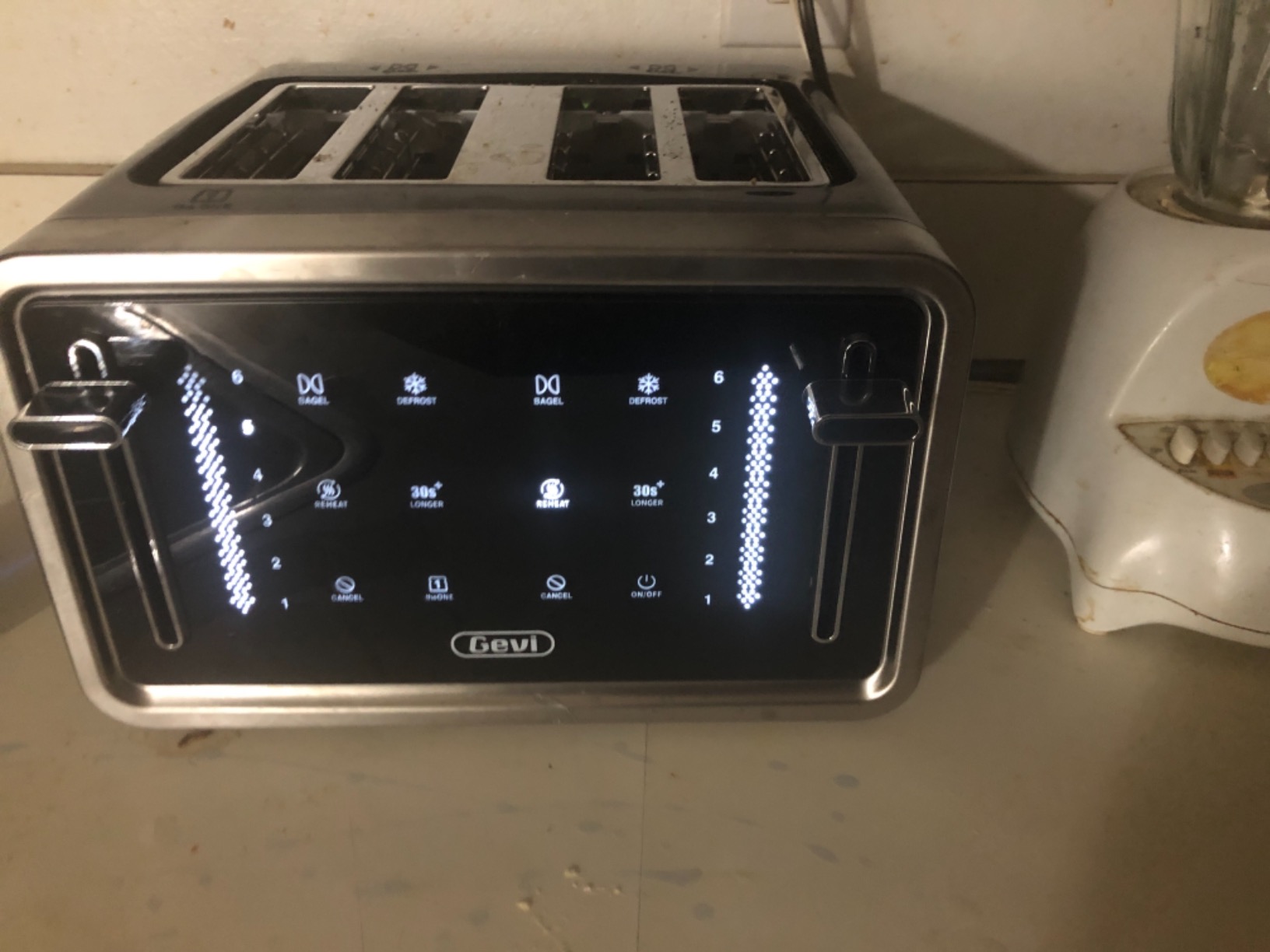
- PID and NTC temperature control supports consistent shots and foam
- Wand doubles as a hot water dispenser
- 58mm portafilter with four baskets gives flexibility
Cons
- Larger footprint than grinderless compact models
- Single boiler means brewing and steaming cannot happen at the same time
- Fewer customer reviews than the better-known machines in this range
This machine pairs the two things that are usually a package deal. It has a built-in conical burr grinder with 30 adjustable grind settings and a dose you can customise, and it has both NTC and PID temperature control, which is unusual at this tier and directly supports consistent foam as well as consistent shots.
It carries the highest average rating in this lineup alongside the Breville Barista Express, with a 74 percent five-star share. Owners particularly value getting a grinder, a 20-bar pump and temperature control together in one semi-automatic body.
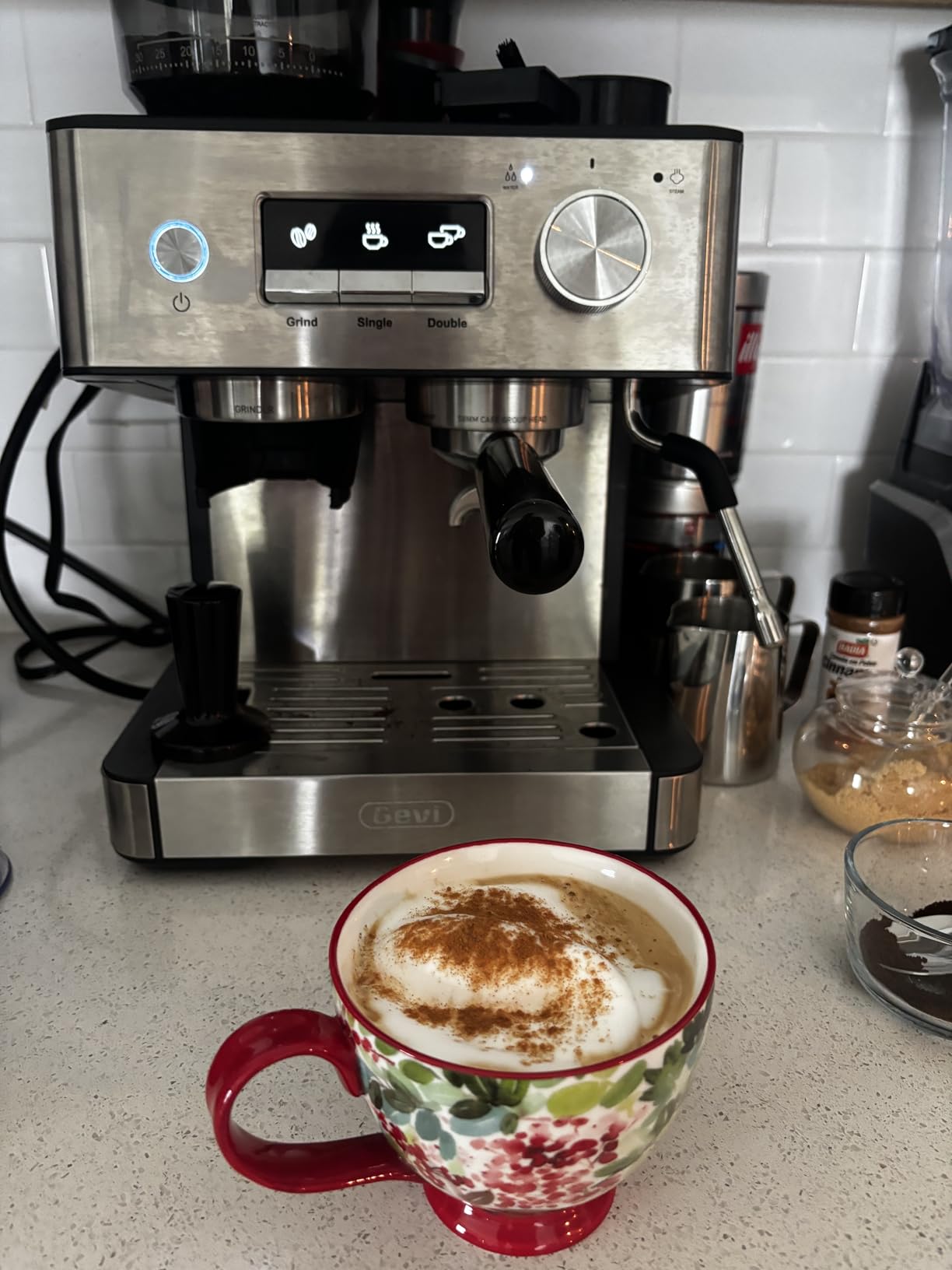
The 58mm portafilter is worth noting. It is the same width used by many prosumer machines, so baskets, tampers and other accessories you buy later will be reusable if you move up, which is a real advantage over the 51mm baskets on several budget machines in this guide.
The steam wand is dual-function, doubling as a hot water dispenser for Americanos and for rinsing the group after a shot. There is a cup warmer on top and a 2.3 liter water tank, which is large enough that refills are infrequent.
Who the Gevi 20 Bar with Grinder suits
It suits buyers who want a manual wand and an integrated grinder without the footprint of the Barista Express, and anyone planning to upgrade to a prosumer machine later since the 58mm portafilter transfers. The dual temperature control is a genuine advantage for people who care about repeatable results.
It also suits anyone who makes Americanos, since the hot water function means you do not need a kettle on the counter for the hot water step.
Where it falls short
The footprint is larger than grinderless compact models at 11.5 inches wide and 16.53 inches tall, so measure your under-cabinet clearance before buying. The single boiler means brewing and steaming cannot happen simultaneously, and the bean hopper adds a grinder cleaning routine to your week.
Expect to tune the grinder out of the box before the first good shot. It also has fewer customer reviews than the best-known machines in this range, which means less long-term data on component lifespan.
11. Chefman CafeMaster Pro – Best With a Frother That Dispenses Into the Cup
Chefman CaféMaster Pro Espresso Machine, Brew Single or Double Shots, Coffee Maker with Built-In Milk Frother for Cappuccino & Latte, XL 1.8 Liter Removable Water Reservoir – Stainless Steel
15-bar pump
Cup-dispensing milk frother
1.8 liter reservoir
Touch operation
Internal cleaning
Pros
- Milk frother dispenses directly into the cup reducing hands-on work
- Removable frother stores in the fridge between uses
- Large 1.8 liter tank covers multiple servings without refilling
- Built-in internal cleaning function keeps upkeep simple
Cons
- Touchscreen is less precise than mechanical controls for dialing in
- 16 percent of reviews are one star
- Ground coffee only with no built-in grinder or pressure gauge
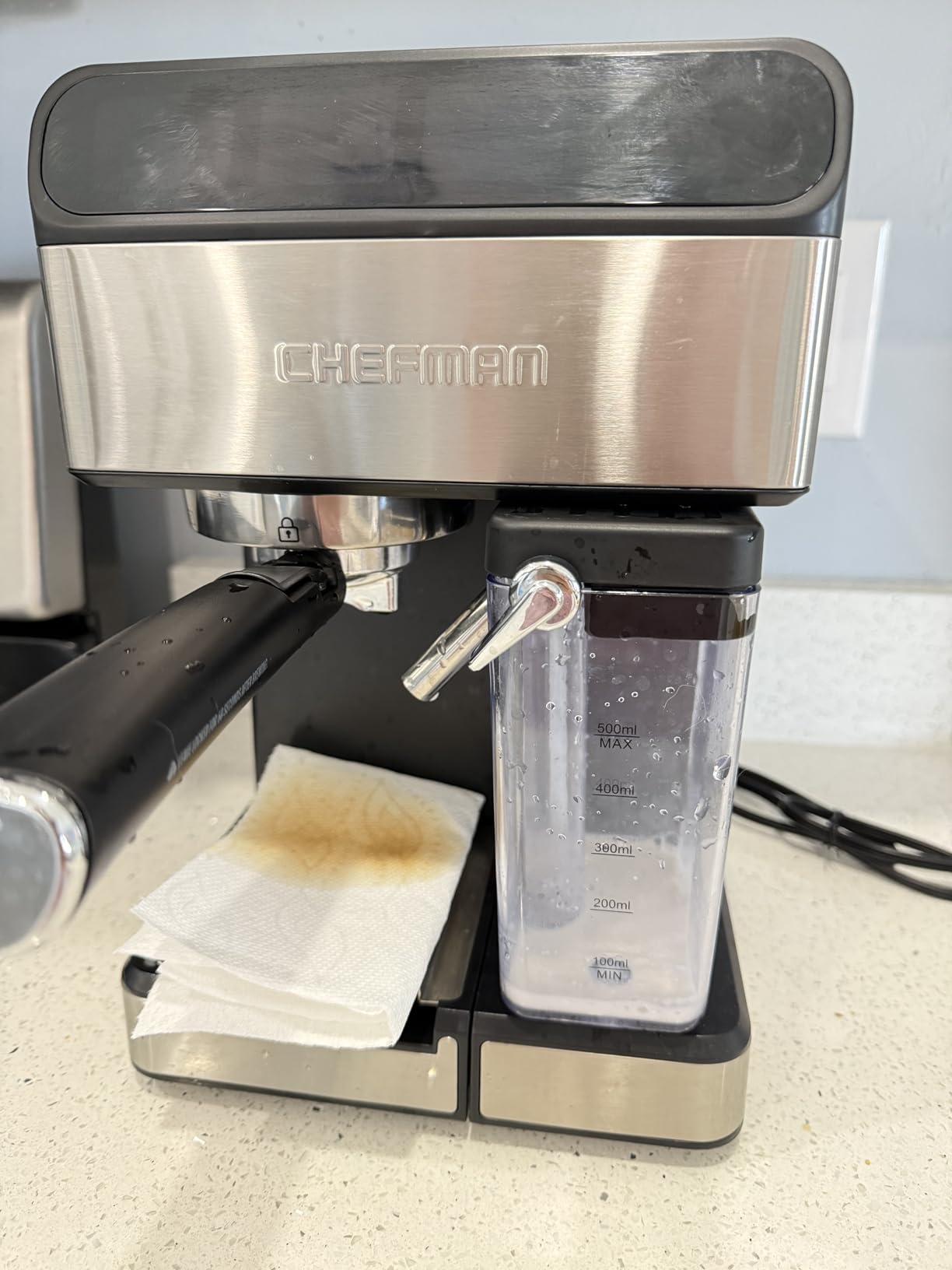
The design idea here is simple and good. Instead of a wand you hold over a jug, the frother dispenses steamed milk directly into your mug, so there is no jug to position, no technique to learn and no transfer step where you lose temperature.
Like the Mr. Coffee, the removable frother stores in the fridge between uses, which keeps the milk cold and out of the machine. Combined with the 1.8 liter removable reservoir, this is the machine in the guide with the least refill friction for a household that drinks several milk drinks a day.
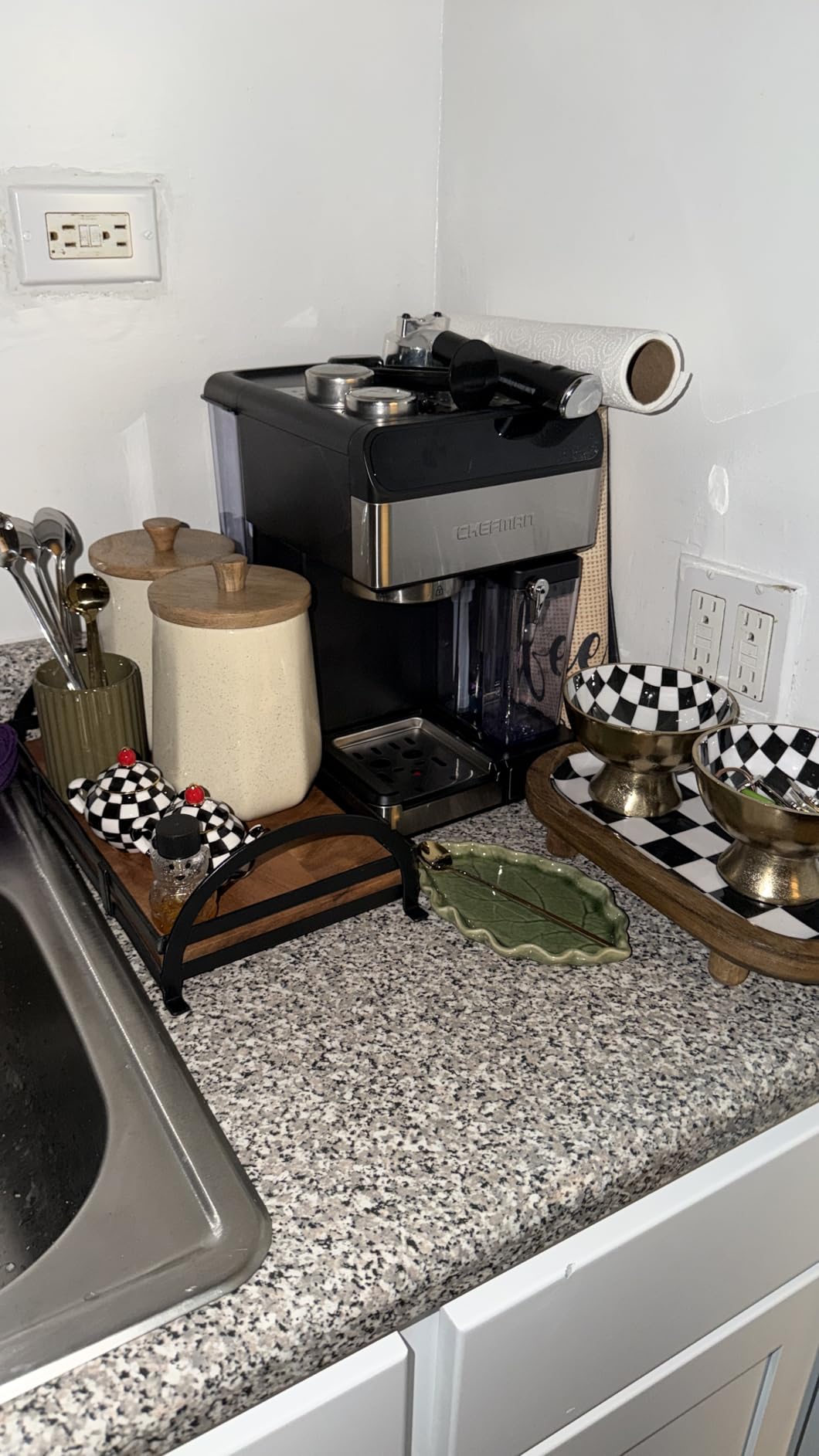
Operation is one-touch for single and double shots, cappuccino and latte, and there is a built-in internal cleaning function, which is a real advantage for anyone who does not want to remember a cleaning routine. The stainless steel exterior wipes clean easily.
The 15-bar pump handles extraction adequately, but there is no pressure gauge and no grinder, so shot quality depends on the coffee you bring in and on a touchscreen that is less precise than mechanical controls when you need to make small adjustments.
Who the Chefman CafeMaster Pro suits
It suits anyone who wants a large water reservoir and a frother that cleans up easily, and households where the machine will make several drinks before anyone refills it. The cup-dispensing design also suits people with limited mobility or limited counter space for a separate jug.
It also suits buyers who mostly want cappuccinos and lattes on demand, since the one-touch presets cover those two drinks directly.
Where it falls short
The 4.0 average and the 16 percent one-star share in 1489 reviews point to inconsistent results for some buyers, which usually traces back to the touchscreen giving limited manual control over shot variables. There is no grinder and no pressure gauge, so diagnosing a bad shot is guesswork.
Internal components are plastic despite the stainless exterior, which is a long-term durability consideration. If you want to learn to steam milk, this machine takes that option away from you entirely.
12. Nespresso Vertuo Pop+ Deluxe – Best Compact Pick for a Capsule Workflow
Nespresso Vertuo Pop+ Deluxe Coffee Machine with Frother, Matte Black Gold
Aeroccino3 frother included
6 cup sizes
30 second heat up
25 fl oz side tank
Capsule system
Pros
- Fast one-touch capsule brewing with no grinding or tamping
- Aeroccino3 makes smooth hot and cold foam in seconds
- Compact 8.6 inch width suits small counters
- Consistent espresso with good crema across cup sizes
- Quiet in practice and the tank refills about once a week
Cons
- Capsule-only format with no fresh ground coffee and ongoing capsule cost
- No standalone hot water function so it cannot make tea
- Some units reported leaking or diverting coffee into the pod container
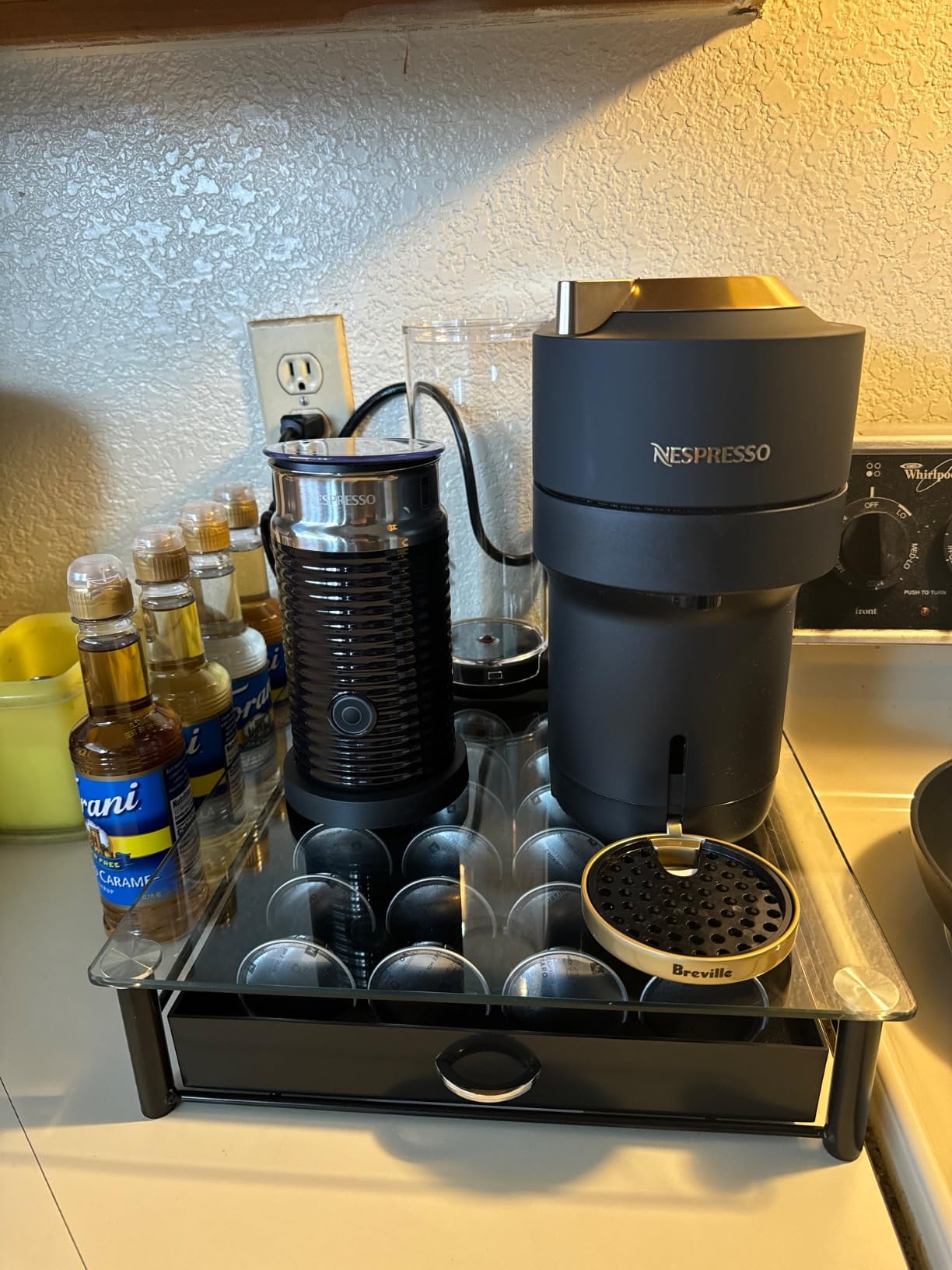
The Vertuo Pop+ is the smallest footprint in this guide at 8.6 inches wide, and the included Aeroccino3 frother handles both hot and cold foam. It is the one machine here where the frother is a separate handheld unit rather than something built into the machine body, and in a small kitchen that saves you both width and jug storage.
Brewing is 30 seconds from cold to ready, and it covers six cup sizes from 5 ounces to 18 ounces plus single and double espresso. The side-mounted 25 fluid ounce tank refills roughly once a week, the adjustable drip tray handles different cup heights, and the capsules are fully recyclable aluminum.
Owners consistently praise the speed, the compact size and the fact that the machine pays for itself quickly by replacing cafe purchases. It is quiet in practice, which matters if you are the first person up in the house.
There is a descaling alert built in, which is helpful. The system accepts Nespresso Vertuo capsules including Starbucks by Nespresso Vertuo, and over 40 blends are available, so the variety question is answered by the capsule catalog rather than by the machine.
Who the Vertuo Pop+ suits
It suits small kitchens, dorms, offices and anyone who wants espresso and textured milk without any technique, no grinder and no manual workflow. The 10.3 pound body is easy to move when you want the counter back.
It also suits people who drink cold foam drinks, since the Aeroccino3 does hot and cold foam and the machine’s cup range covers iced and larger coffee sizes.
Where it falls short
The capsule-only format is the fundamental limit. There is no fresh ground coffee option, and the running cost is per capsule rather than per gram of beans, so the machine looks cheap until you add a year of capsules to the total.
There is no standalone hot water function, so it cannot make tea. Drinks come out cooler than some buyers expect, starting the machine takes several button presses, and a small number of owners reported leaking or coffee diverting into the pod container. The body is plastic throughout.
How to Choose an Espresso Machine With a Milk Frother
Almost every decision here comes down to one question: do you want to learn to texture milk, or do you want finished drinks with no technique? Everything else, including grinder, boiler and counter space, follows from that answer.
Steam wand vs automatic carafe vs Panarello
A manual steam wand gives you total control. You inject air to stretch the milk, then roll the jug to break the bubbles down into glossy microfoam with a wet-paint texture. That texture is what separates a good flat white from a disappointing one, and it is the reason enthusiasts buy a wand machine regardless of how automated the rest of the machine is. The cost is technique and cleanup.
An automatic carafe takes the technique away. The machine heats and textures the milk to a preset and pours it into the cup, which is why the Mr. Coffee, the Philips 3200 and the Magnifica Evo are the right picks for beginners and for households with several drinkers. You give up control over density, and the milk has to be poured to a fixed pattern.
A Panarello-style wand is a middle path and the category most roundups skip. A sleeve over the wand tip draws in a fixed, mechanically controlled amount of air, so you get more consistent foam than a bare wand without a full carafe to wash. The tradeoff is that the air ratio is fixed, so you cannot adjust for different milk volumes the way a barista can.
The honest community consensus is that a skilled barista with a manual wand produces better foam than any automatic system, and that if latte art or microfoam quality is the goal, buy a wand machine regardless of automation level. That advice is correct, and it is also why we put the Barista Express first.
9 bar vs 15 and 20 bar: what the pump number really means
Espresso extraction happens at roughly 9 bar. When a machine advertises 15 or 20 bar, that is the pump’s maximum capability, not the pressure at your cup. The coffee puck is a resistance, and the pump has to push harder to move water through it, so a 20-bar pump still delivers about 9 bar of brew pressure under normal flow.
So the number is not a lie, but it is not a quality ranking either. On the machines in this guide, the 20-bar Gevi and CASABREWS units extract at the same pressure as the 15-bar Mr. Coffee and Chefman units. What actually changes cup quality is grind size, dose, tamp evenness and brew temperature, which is why the PID machines at the top of this list pull better shots than the higher-numbered pumps below them.
Use the gauge, not the number. A visible pressure gauge tells you what the pump is doing right now, and that is worth more than any figure printed on the box.
Boiler type and what it means for a busy morning
Espresso needs water at around 195 to 205 degrees. Steam generation needs roughly 260. How a machine manages that jump defines its workflow.
A thermoblock heats water on demand as it passes through an element, which is why the De’Longhi Classic Signature heats in seconds and holds temperature better than a small single boiler. A single boiler heats and steams with the same chamber, so brewing and steaming are sequential, and the CASABREWS CM5418, the Gevi Compact and the 3700 Essential all need a wait between the two.
A dual boiler runs two separate chambers, so you can brew and froth at the same time. None of the machines in this lineup uses one, which is worth knowing if your household has two drinkers who need a drink at the same moment. If simultaneous brewing matters to you, that is the specification to shop for rather than a feature on the badge list.
Built-in grinder vs separate grinder
Grind size is the variable that matters most to espresso quality, and pre-ground coffee goes stale quickly. A machine with an integrated burr grinder removes that variable and removes a separate purchase.
Four machines here have one: the Barista Express, the Ninja Luxe Cafe Premier with 25 settings, the Gevi 20 Bar with Grinder with 30 settings, and the Magnifica Evo. The rest take ground coffee only, which means adding a separate burr grinder to your budget and to your counter. Check the portafilter width before you buy accessories: 51mm baskets on the budget CASABREWS models do not fit the 58mm accessories used by the Gevi and most prosumer machines.
One practical note for anyone on hard water: a tube-free milk system plus a filtration cartridge is the most durable combination, and the Philips 3200 is the only machine here that has both.
Plant-Based Milk: How the Frothers Handle Oat, Soy and Almond
Oat and nut milk leaves more residue in a steam wand than dairy does, and that is the loudest complaint in owner communities about every frother type. Standard oat milk lacks the proteins that form stable microfoam, so foam quality drops unless the milk is a barista-fortified formulation with added fats and stabilizers.
For wand machines, a removable froth nozzle makes the biggest difference, because you can soak the nozzle separately instead of trying to clear it through the wand. That favors the Gevi Compact. For carafes, a tube-free circuit such as the LatteGo on the Philips 3200 leaves nothing behind for protein to build up on.
The super-automatic category handles plant milk best of the three, because the carafe can be rinsed immediately after each drink rather than left with dried residue. Among manual wands, treat oat milk as a technique adjustment, not a fault: use less air, steam slightly cooler, and expect a denser rather than frothier result.
Owners switching to oat milk report a learning-curve penalty with every frother type, and the common recommendation is to buy a barista-fortified plant milk or accept weaker foam. That is the honest answer, and it is a reason to buy the machine that is easiest to clean rather than the machine with the longest feature list.
Cleaning, Descaling and Keeping the Milk System Alive
The single most repeated failure across owner reports is a clogged steam wand that survives descaling. Prevention is far easier than recovery, and the routine below is the one that keeps a wand machine working for years.
The daily milk routine
Wipe the wand with a damp cloth within about five seconds of finishing a drink, before the milk protein sets. Purge it briefly into a jug to clear the tip, flush the carafe system if you have one, and never leave milk sitting in a wand or carafe overnight. If you use plant milk daily, add a weekly soak with a milk system cleaner.
Descaling
Descaling is a water problem, not a coffee problem. Run the machine’s descale cycle when prompted, or every few months in a hard water area, and use the manufacturer’s solution. On manual wand machines, descale the wand tip separately with a soak, because a blocked hole is a local problem that a whole-machine cycle will not solve.
When a wand is already blocked
Unscrew the tip if the design allows and soak it in a milk system cleaner or a solution of warm water and white vinegar, then clear each hole with a fine needle or a straightened paper clip. Work the steam through the wand afterward to confirm pressure has returned. If a wand still loses pressure after clearing every hole and running a full descale, the failure is usually inside the valve rather than at the tip, and that is a service visit.
Two machines in this guide reduce the problem structurally. The Philips 3200 has no milk tube to clog at all and an AquaClean filter that stretches descale intervals to thousands of cups. The Gevi Compact has a removable froth nozzle you can soak on its own. Everything else in this category is a manual protocol, not a design solution.
Frequently Asked Questions
What is the best espresso machine with milk frother?
For most homes, the Breville Barista Express is the best espresso machine with a milk frother, because it combines a manual steam wand for real microfoam with a built-in conical burr grinder and PID temperature control. If you want no technique at all, the Philips 3200 Series has a tube-free LatteGo milk system that cleans in seconds.
Which espresso machine has the best milk frother?
A manual steam wand gives the best milk texture, and in this group the Breville Barista Express wand produces the glossiest microfoam. The Philips 3200 Series is the best option for consistency without technique, and the De’Longhi Magnifica Evo is the strongest for plant milk because the carafe can be rinsed immediately after each drink.
Is DeLonghi or Breville better for espresso at home?
Breville generally wins on temperature control and total capability, because the Barista Express uses PID control and includes a built-in burr grinder. De’Longhi is the better choice for compact counters and fast heat-up, and the De’Longhi Classic Signature adds a pressure gauge at a much lower tier. Long-term owners rate both brands highly for parts and service support.
What is the difference between a steam wand and an automatic milk frother?
A steam wand is controlled by your hand, so you stretch the milk to inject air and then roll it to create microfoam, which allows real texture control and latte art. An automatic frother heats and textures milk to a preset and pours it for you, which removes the technique but also removes your control over foam density.
Can espresso machine milk frothers use plant-based milk?
Yes, but standard oat, soy and almond milk leaves more residue than dairy and produces less stable foam. Use a barista-fortified plant milk with added fats and stabilizers, clean the wand immediately after every use, and add a weekly soak with a milk system cleaner. A removable froth nozzle or a tube-free carafe makes plant milk far easier to manage.
Our Verdict for 2026
Buy the Breville Barista Express if you want the best balance of frother, grinder and temperature control and you are willing to learn a technique. Its 54mm portafilter, PID control and 27882 reviews at a 4.4 average make it the machine we recommend to most people shopping for the best espresso machines with milk frothers.
Buy the Philips 3200 Series if you want a milk system that never clogs and you do not want to learn manual texturing. The two-part LatteGo circuit, the ceramic grinder and the AquaClean filter make it the lowest-maintenance machine in this guide, and the two year warranty is the longest here.
Buy the Mr. Coffee Espresso and Cappuccino Machine if you want finished drinks from a single button and you would rather not touch a jug. Just know that the automatic frother is the component most likely to degrade after about a year of daily use.
For everyone else, start with the frother type. A manual wand if you want texture, a carafe if you want convenience, and a machine with a removable nozzle or a tube-free circuit if anyone in your house drinks oat milk. The group head is not what decides whether you use the machine every morning. The frother is.