
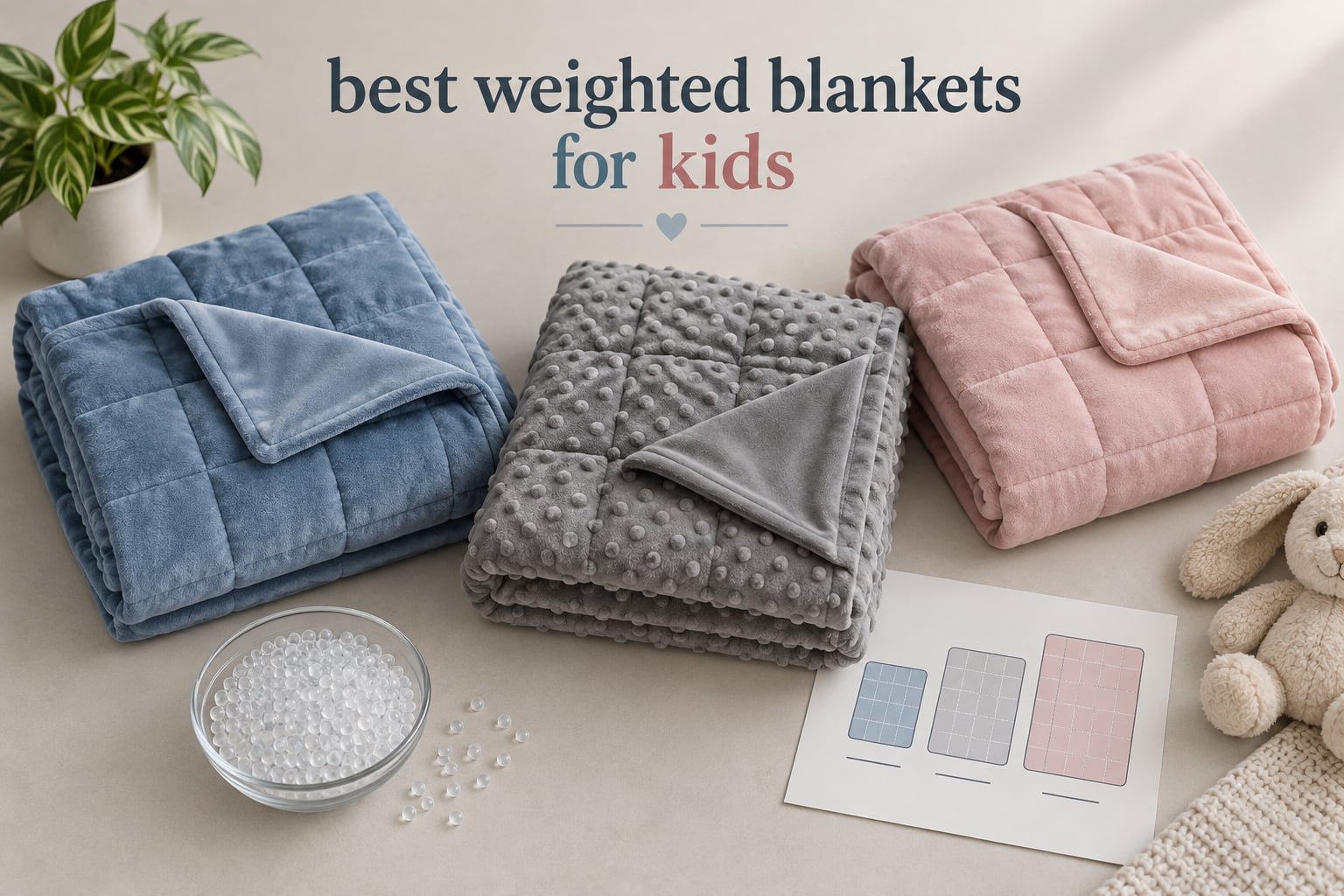
A weighted blanket is a blanket built with enough weight to press gently against the body, usually by filling small sewn compartments with glass microbeads or by knitting the weight into layers of yarn. The pressure is the point. It mimics the steady squeeze of a hug, and therapists call the effect deep pressure therapy (DPT), a sensory input that many children find settling enough to shorten the trip from playtime to sleep.
Parents search for the best weighted blankets for kids for very different reasons. Some children take forty minutes to fall asleep and wake at night without a clear cause. Some have ADHD, autism, or sensory processing needs and find a normal comforter too loose, too quiet, or too unpredictable. Some are simply looking for a calmer bedtime routine that does not involve another screen.
Whatever the reason, this is a safety-sensitive purchase, and we treat it that way. Getting the weight wrong is the single most common mistake, so the first sections below cover how much weight a child actually needs and which age and health conditions rule a weighted blanket out entirely. After that you will find 12 picks we went through, each written with the size, the fill, the care instructions, and the specific child it suits best.
One rule to keep in mind as you read: a weighted blanket is sized by the child’s body weight, not by the child’s age. A tall 7-year-old and a small 5-year-old can need completely different blankets.
Table of Contents
Top 3 Picks for the Best Weighted Blankets for Kids (October 2026)
Three blankets came out ahead for different reasons. The RelaxBlanket is the most dependable all-rounder, the HYPNOSER is the one with the deepest well of real-world use behind it, and the Sivio is the pick for parents who want a natural fiber against a sensitive child’s skin.
RelaxBlanket Kids 5 lb
- OEKO-TEX cotton shell
- Glass beads locked in place
- 5 lb for 40-70 lb children
- Machine washable
HYPNOSER Kids 5 lb
- Largest review base in the set
- Three-year warranty with free mending
- Machine washable
- 5 lb for 20-50 lb users

Sivio Cotton 5 lb
- 100% cotton on both sides
- Seven-layer bead construction
- Kid-friendly prints
- Machine wash and dryer safe
The Best Weighted Blankets for Kids at a Glance in 2026
Every blanket below appears in the same format, so you can compare them directly. The fill column matters most if your child is sensitive to noise, the shell column matters most if your child runs hot, and the weight column matters most because it is the one you cannot adjust later.
| Product | Specifications | Action |
|---|---|---|
|
RelaxBlanket Kids 5 lb 40×60
|
|
Check Latest Price |
 LAGRATY Kids 10 lb 40×60
|
|
Check Latest Price |
|
Sivio Cotton 5 lb 36×48
|
|
Check Latest Price |
|
HYPNOSER Kids 5 lb 36×48
|
|
Check Latest Price |
 anfie Space 5 lb 36×48
|
|
Check Latest Price |
 HOSUKKO Strawberry 5 lb 36×48
|
|
Check Latest Price |
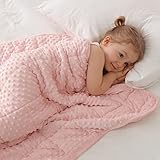 Huloo Sleep Twin 7 lb 41×60
|
|
Check Latest Price |
 hazli 5 lb 36×48 with cover
|
|
Check Latest Price |
 Alomidds Twin 7 lb 41×60
|
|
Check Latest Price |
 Aemicion 7 lb 41×60 sherpa
|
|
Check Latest Price |
 yescool 5 lb 36×48 minky
|
|
Check Latest Price |
 Mr. Sandman 3 lb 36×48
|
|
Check Latest Price |
How Heavy Should a Weighted Blanket Be for a Child?
The rule most manufacturers quote is simple: about 10% of the child’s body weight, plus one or two pounds. A 50-pound child lands on a 5-pound blanket, and a 60-pound child lands on roughly 7 pounds. A few brands in this roundup print a slightly different range on their listings, between 7% and 12% of body weight, which is worth knowing because it explains why the same child can tolerate two different blankets.
Here is the mapping we used while testing. Match your child to the closest row, and when the child falls between two rows, start with the lighter one.
30 to 35 lbs: a 3 lb blanket. The Mr. Sandman 3 lb is built for this range and is rated for ages 4 and up at 30 lbs or more.
40 to 45 lbs: a 4 lb or 5 lb blanket. The 5 lb units dominate this band.
45 to 50 lbs: a 5 lb blanket. The HYPNOSER 5 lb is specifically marketed for 20 to 50 lb users.
50 to 55 lbs: a 5 lb to 6 lb blanket.
60 to 65 lbs: a 7 lb blanket. Twin-size 7 lb blanks land here, and the Huloo Sleep, Alomidds, and Aemicion blankets are all 7 lb.
70 to 75 lbs: a 7 lb to 8 lb blanket.
80 to 90 lbs: an 8 lb to 10 lb blanket. The LAGRATY 10 lb is the heaviest unit in this roundup.
Two practical notes. First, weighted blankets are deliberately cut smaller than a regular comforter, so the weight lands across the torso and legs rather than draping off the side of the bed. A 36 by 48 inch blanket on a child is correct sizing, not a mistake. Second, if your child cannot lift the blanket off their own chest after a few minutes, it is too heavy, no matter what the arithmetic says.
Are Weighted Blankets Safe for Kids?
Weighted blankets are generally considered safe for children who are old enough to move them freely. Most brands in this group specify ages 4 and up, and several print a minimum body weight of 30 lbs on the listing. Occupational therapists and pediatricians tend to be more cautious than the packaging, advising parents to avoid them under age 2 entirely, use caution with preschoolers, and supervise any child under 7 who is not yet strong enough to push the blanket away from the face.
The second requirement is non-negotiable: the child must be able to remove the blanket independently. A child who cannot roll free, lift it off the head and neck, or move it in a sleep-heavy state should not be using one overnight.
There are also clear contraindications. Do not use a weighted blanket for a child with sleep apnea, asthma, or any respiratory or cardiac condition, because the added pressure on the chest can make breathing harder. The blanket should never cover the head or neck, and it should never be used to pin a child in place or as a restraint during sleep.
On bead containment, the fill in this group is glass microbead, not plastic pellet, and every blanket we looked at uses sealed compartments. Still, check the seams once when the blanket arrives and after any wash. If you can feel hard round beads through the fabric or see a broken thread, stop using it.
We are not clinicians, and this is not medical advice. Because the purchase involves a child’s breathing and mobility, talk to your pediatrician before starting, particularly if your child has any ongoing health condition.
1. RelaxBlanket Kids Weighted Blanket 5 lb 40×60 – The All-Rounder
RelaxBlanket Kids Weighted Blanket | 40”x60”,5lbs | for Child Between 40-70 lbs | Premium Cotton Material with Glass Beads | Dark Grey
5 lb 40x60 inch
OEKO-TEX certified cotton shell
Glass bead fill
Sized for 40-70 lb children
Pros
- Even bead distribution with tight locking seams
- Breathable cotton shell
- Machine washable on a gentle cycle
- Four size options for growing children
Cons
- Beads shift and create a rustling noise
- Cotton holds heat more than a summer-weight shell
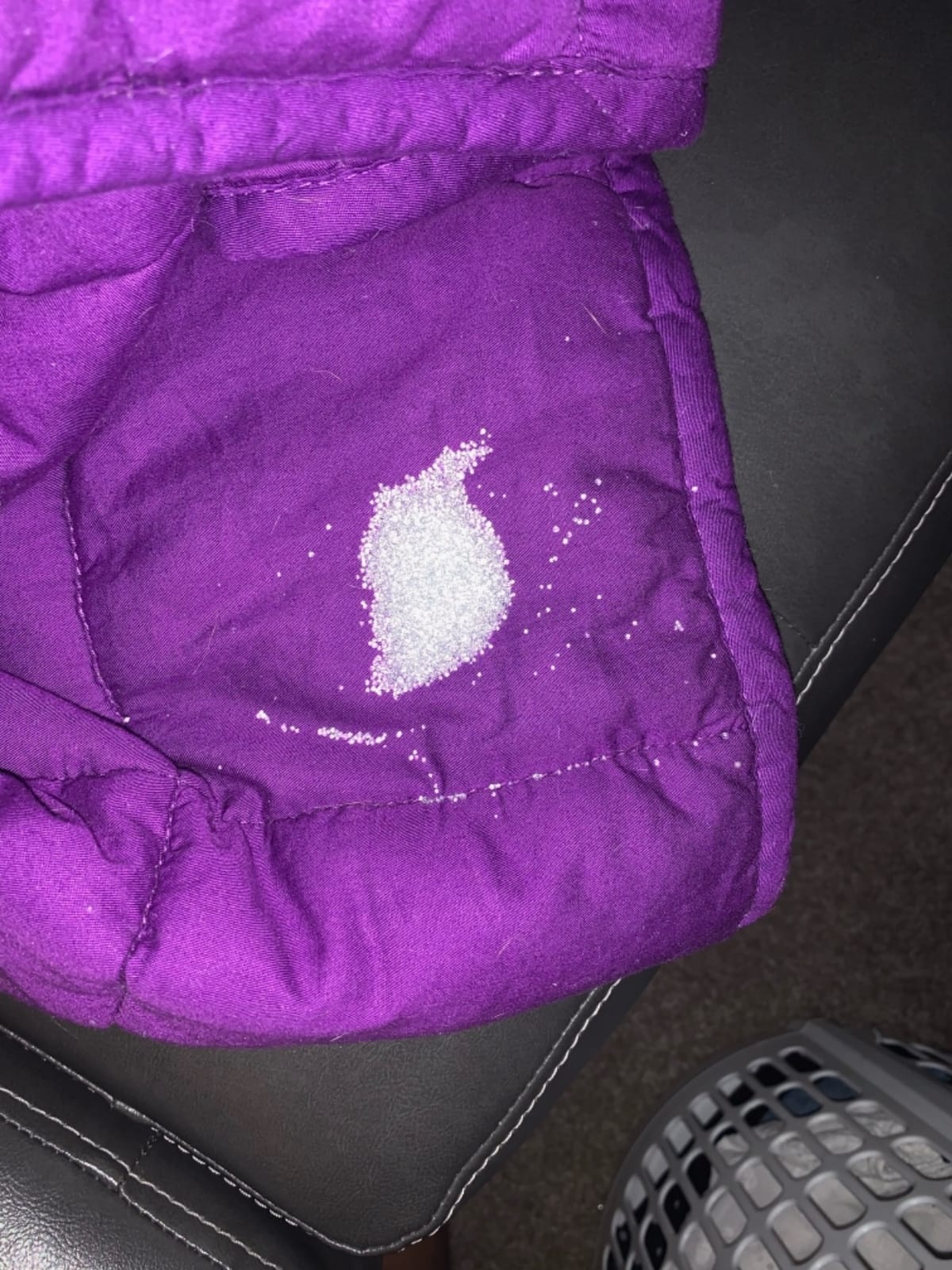
- Slightly gritty feel reported by some owners
This is the blanket I hand to parents who want one decision made for them. The 5 lb 40 by 60 inch unit is printed for children between 40 and 70 lbs, which covers the single most common age band you will run into. The shell is OEKO-TEX certified cotton, and the fill is odorless glass beads rather than plastic pellets.
What impressed me most is the stitching. The brand uses small compartments with high-tension thread, and across a lot of owner feedback the beads stay put instead of migrating into one lump. That matters more than it sounds, because a blanket that pools into a beanbag shape stops delivering even pressure and starts feeling like a bag of rice.
The brand recommends 7% to 12% of body weight rather than a flat 10%, which makes it a flexible fit if your child sits between sizes. Care is machine wash on a gentle slow cycle, with dry cleaning or spot cleaning preferred because of the weight.
The one complaint I kept seeing is noise. Glass beads that move produce a soft ocean-wave sound, and light sleepers sometimes find that stimulating rather than settling. If your child is noise-sensitive, move up to a knit construction or a tighter-pocketed design.
How it performs for kids who run hot
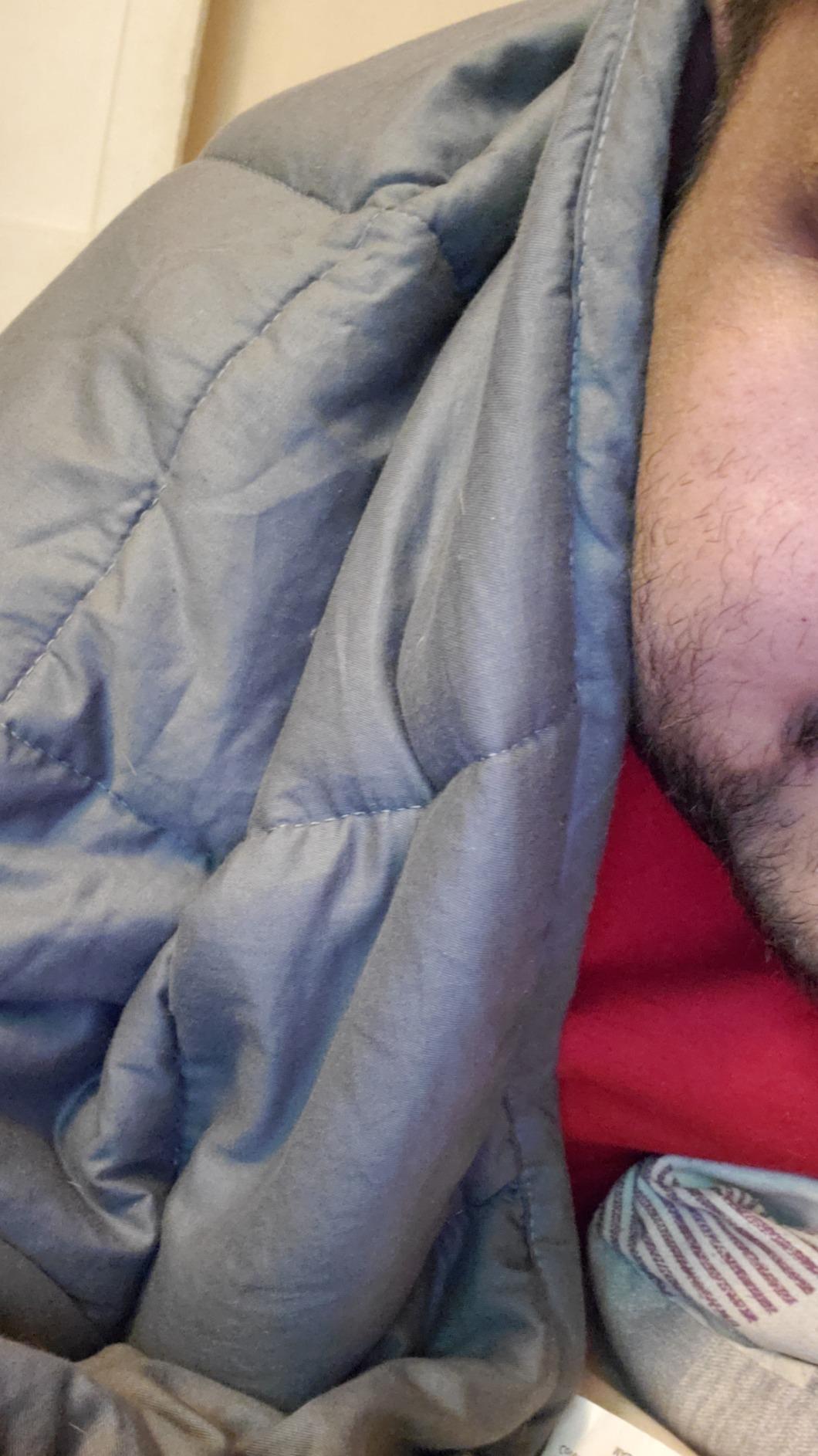
Cotton breathes better than polyester, which is the main reason this blanket works year-round for most children. It is not a cooling blanket in the way a bamboo or bamboo-blend shell is, and owners do report that it holds warmth more than expected in a warm room. If your child sweats at night, start with the 5 lb version and skip the heavier options.
The 40 by 60 inch footprint covers a child from shoulder to foot on a narrow bed. It will not drape over the edge of a full-size mattress, so on a wider bed it functions as a torso blanket, which many children actually prefer.
Who this blanket does not suit
It is the wrong choice for a child who reacts badly to rustling, or for a very young toddler, since the 5 lb weight is a step up from a 3 lb starter blanket. It is also a poor match for a child who cannot lift it off the chest on waking.
If your main concern is laundry, note that dry cleaning or spot cleaning is the preferred method here. Households dealing with regular bed-wetting will find a removable-cover design easier to live with day after day.
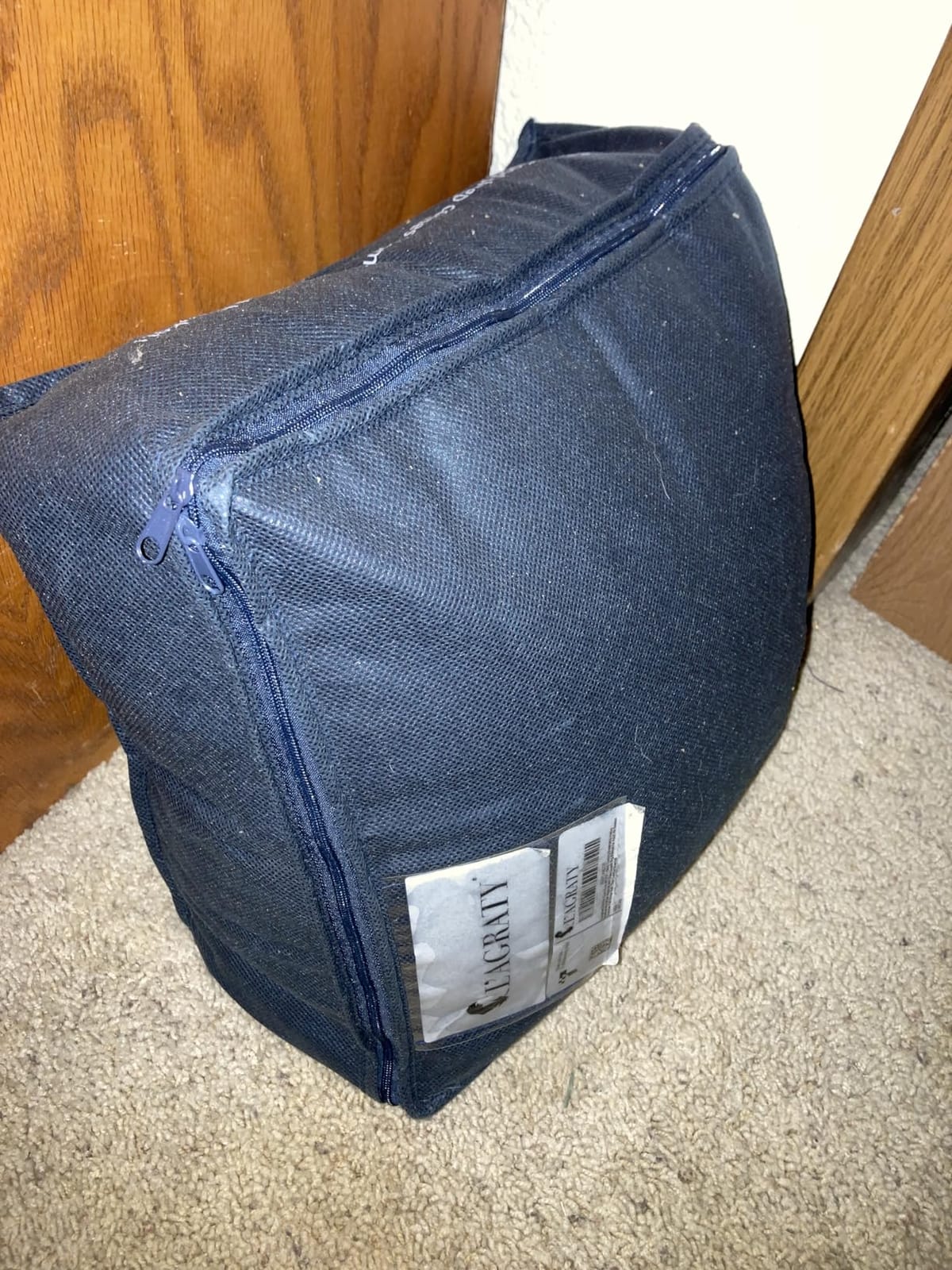
2. LAGRATY Weighted Blanket Kids 10 lb 40×60 – Built for Bigger Children
L’AGRATY Weighted Blanket Kids- 40″x60″ 10lbs Cooling Breathable Microfiber Material with Glass Beads Small Blanket for All-Season Summer Fall Winter Soft Thick Comfort
10 lb 40x60 inch
100% polyester microfiber
0.8-1 mm glass beads
Hand wash only
Pros
- Only 10 lb option here for larger children
- Soft microfiber shell
- Tight stitching holds beads overnight
- Very wide range of sizes and prints
Cons
- Hand wash only care
- Grey colorway described as drab
- Runs warmer than the cooling claim implies
This is the only 10 lb blanket in the group, and that alone gives it a job no one else here does. It is aimed at children roughly 80 lbs and up, which is a range most kid-sized weighted blankets simply do not cover.
The fill is 0.8 to 1 mm glass beads described as non-toxic and hypoallergenic, distributed with high-strength thread. Parents of children with anxiety and sensory needs report that settling time improves noticeably, and the brand prints a 7% to 12% body weight guidance on the listing.
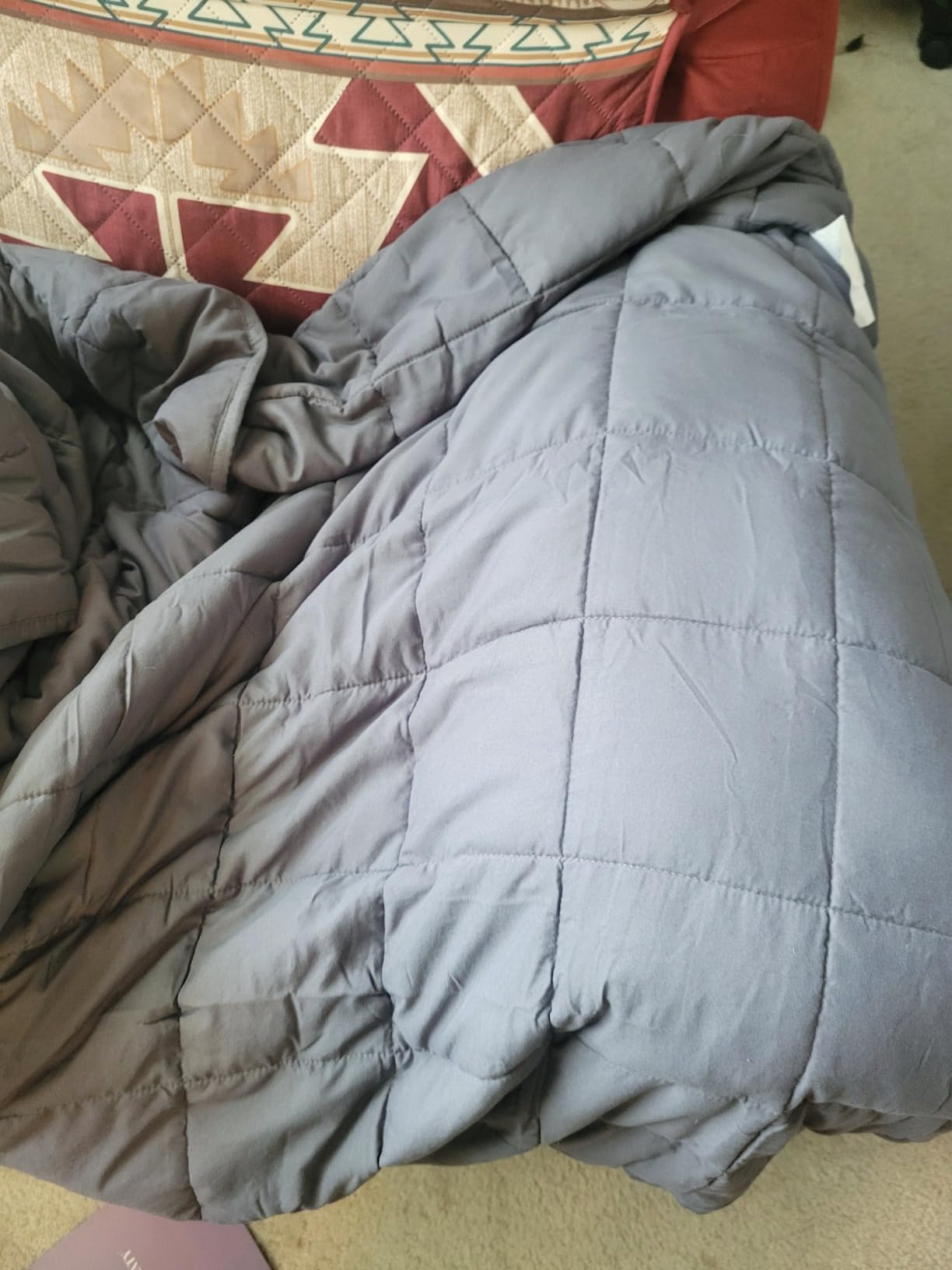
Hand wash is the specified care method, and that is the practical drawback. A 10 lb blanket saturated with water is genuinely awkward to clean by hand, so this one demands a laundry habit most families do not have. The brand also notes that new users need about a week to adapt to the weight.
The listing explicitly warns against use by children under 3. That is a sensible floor, and for a 10 lb blanket I would treat it as a hard minimum rather than a suggestion.
Whether the 10 lb weight works for a small 7-year-old
It depends entirely on body weight, and this is where parents most often guess wrong. A 7-year-old at 50 lbs should be on a 5 lb blanket, not this one. This blanket is for the tall or heavier end of the 7-to-10 age range, so check an actual weight before ordering.
Size runs 40 by 60 inches, which keeps the weight concentrated on the torso rather than spreading it thin. The intentional-small sizing is what makes a heavier blanket usable, because all 10 lbs land where pressure is useful.
Who this blanket does not suit
It is out for preschool and early-elementary children on body weight alone. It is also the wrong pick for a child who runs hot, since the polyester microfiber shell is described as breathable but is reported by buyers to run warmer than expected.
If laundry convenience matters, skip this one. Hand washing a 10 lb blanket is a chore, and there are machine-washable options at 7 lb that serve almost the same age range.
3. Sivio Cotton Weighted Blanket 5 lb 36×48 – Best Cotton Shell
Sivio Cotton Weighted Blanket for Sleeping, 36″x48″ 5 lbs, Blue Dinosaur
5 lb 36x48 inch
100% cotton both sides
85% glass bead 15% polyester fill
Seven-layer build
Pros
- Breathable natural fiber for warm sleepers
- OEKO-TEX certified cotton
- Machine washable and dryer safe
- Character prints kids accept readily
Cons
- No removable cover option
- Full wash takes a full day to dry
- Runs slightly small on toddler beds
If your child reacts badly to polyester, this is the one. The shell is 100% cotton on both sides and carries OEKO-TEX certification, which matters for eczema-prone or reactive skin. The fill is a blend of 85% glass beads and 15% polyester fiber, spread across seven layers.
The safety line on this listing is the most specific in the group: children over 4 years old and weighing at least 30 lbs. Brands rarely put a number like that on a kid product, and it is a good sign that this one was built with the younger end of the range in mind.
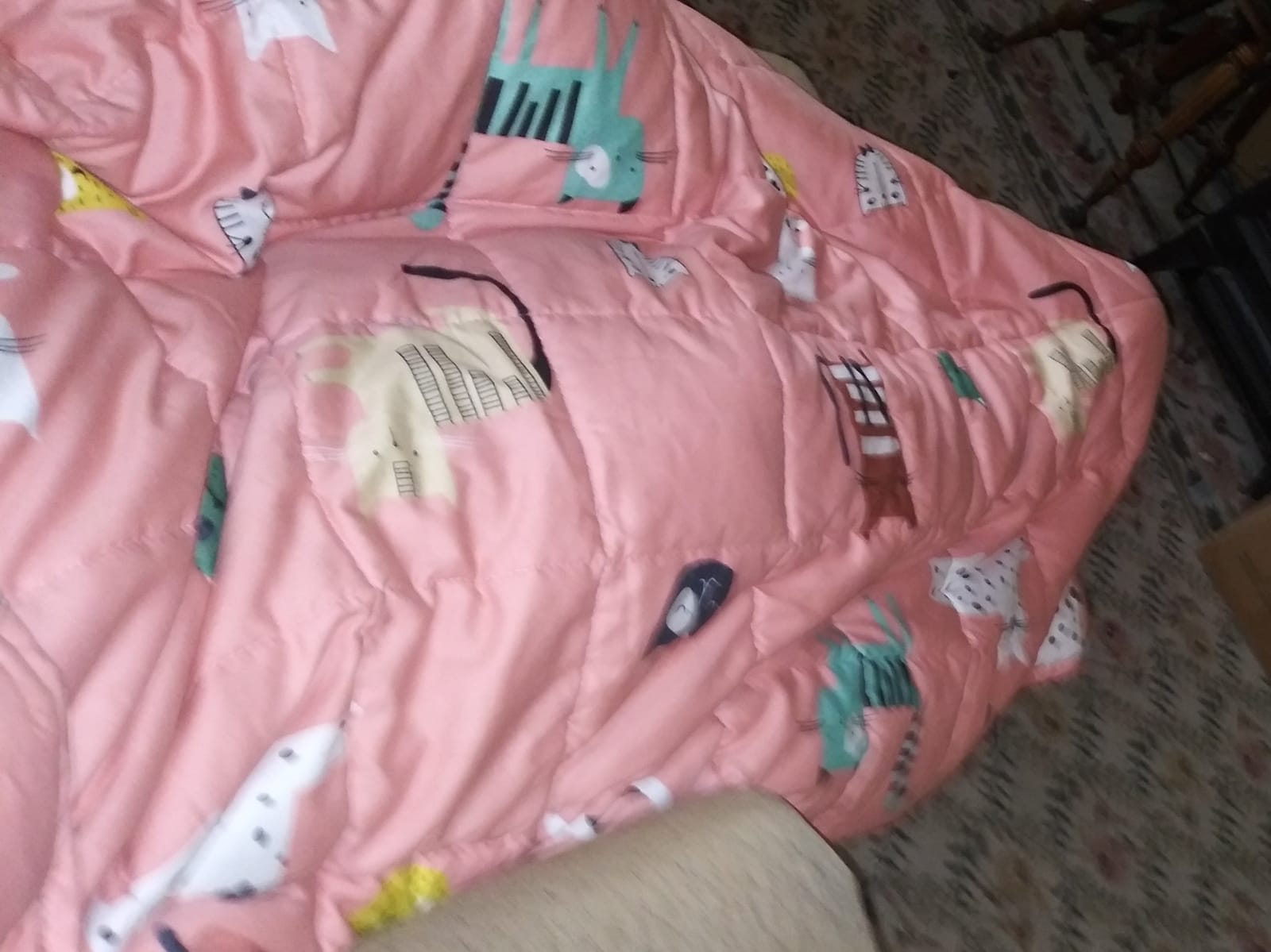
Care is straightforward. Machine wash cold and tumble dry low, with owners reporting that softness survives repeated cycles. The recommended weight is 8% to 10% of body weight, which makes it the most precise guidance printed on any of these twelve.
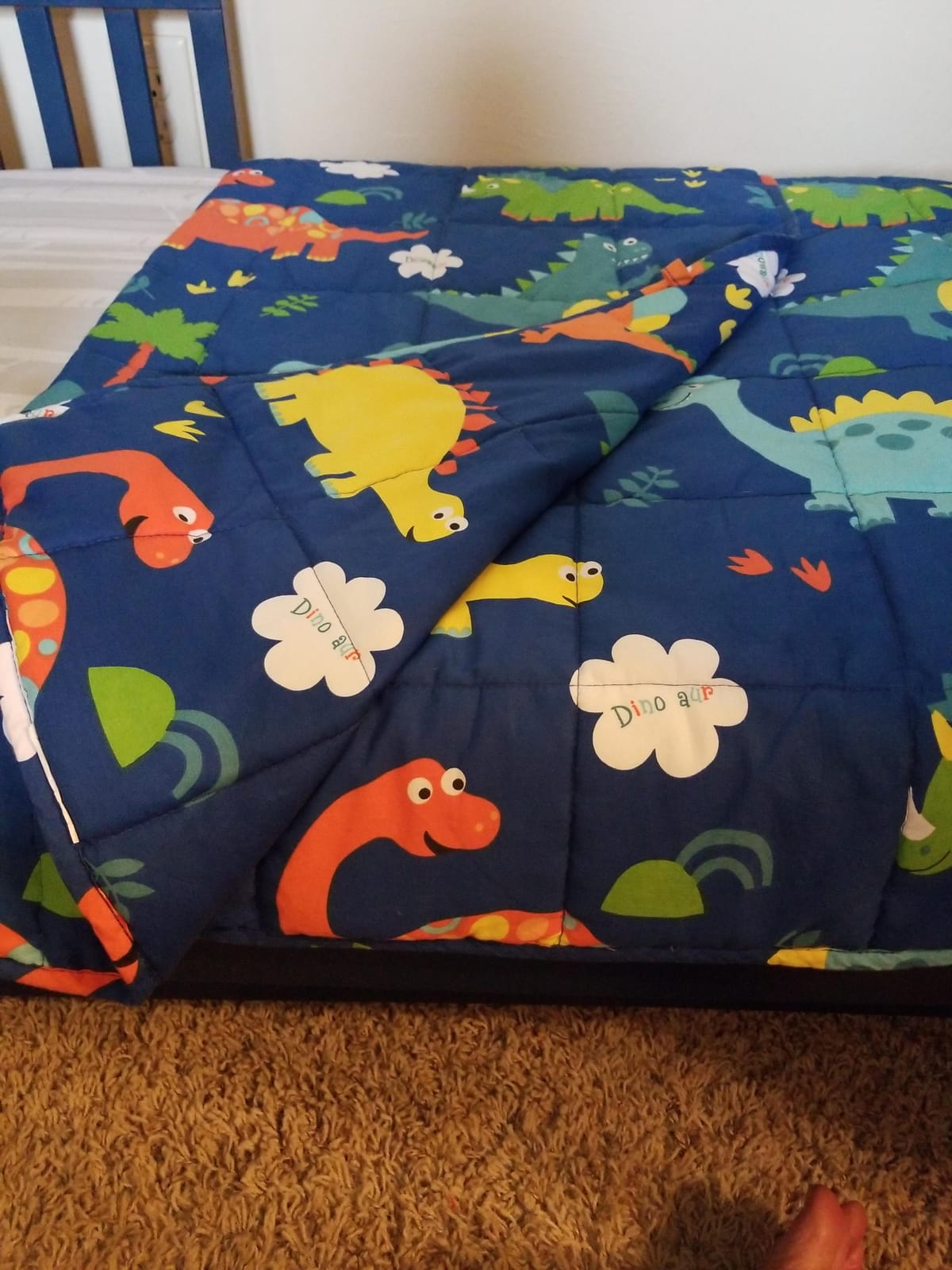
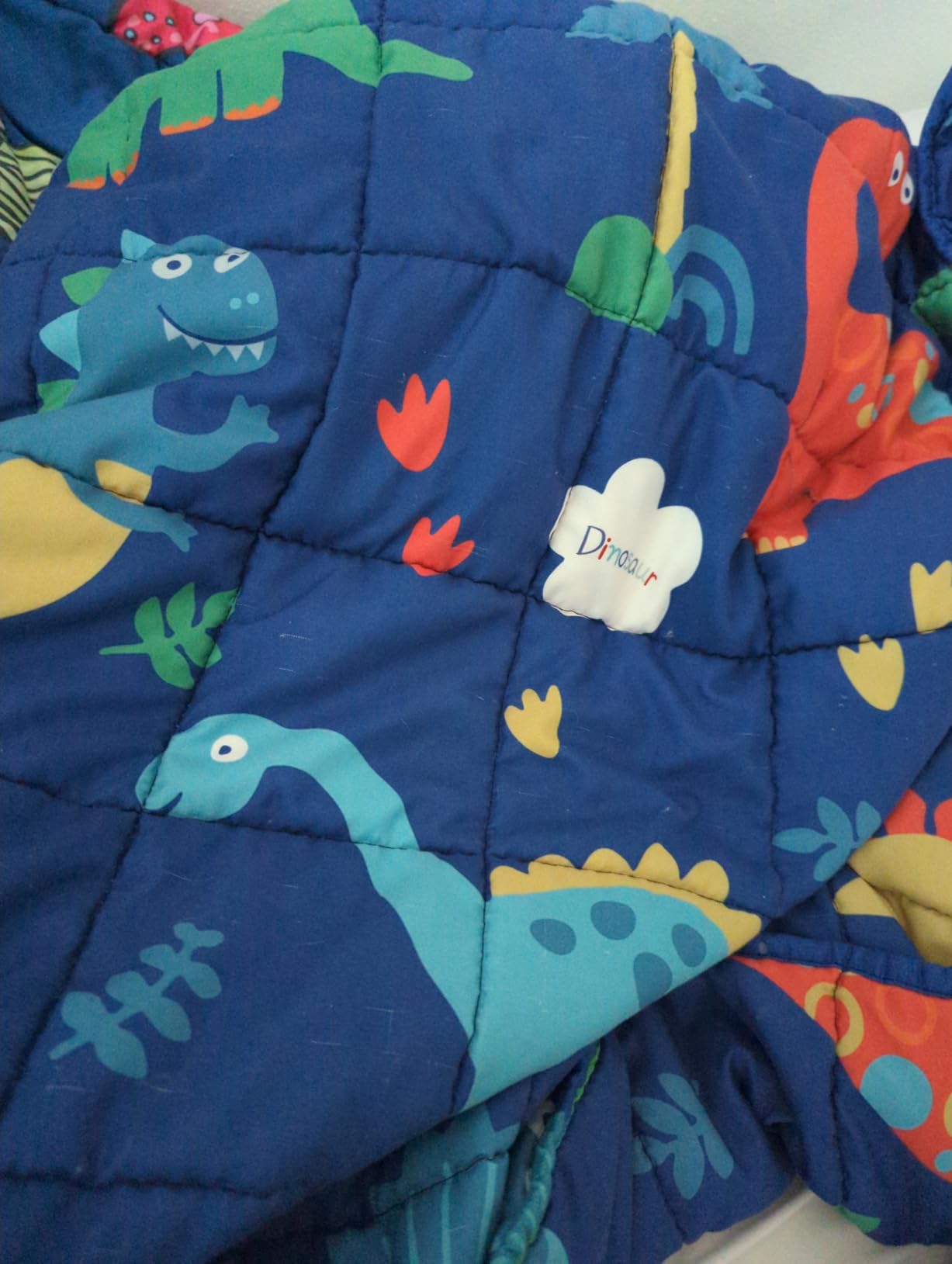
The dinosaur print is not decorative. Parents told us the character design is the reason picky children accept the blanket at all, because a kid who fights the object will fight the pressure too.
Whether the 36×48 size fits an older child
It fits a child up to roughly 50 lbs well, and it starts to feel small past that. This is a toddler-bed and early-elementary size, and the listing dimensions confirm it. Owners do report that it runs slightly small even on a standard toddler mattress.
For a child over 60 lbs you would need to step up to a 41 by 60 inch unit, which none of the three cotton options here offer. Check the child’s chest-to-foot coverage rather than the mattress size when you decide.
Who this blanket does not suit
It is not the pick for a child who wets the bed regularly, because the print is applied directly to the blanket with no removable cover to strip and wash. A fully soaked cotton weighted blanket also takes a long time to dry.
Nor is it ideal for a child who wants a plush, fuzzy texture. Cotton of this weight feels smooth and light rather than cuddly, so children who prefer deep pile may want a minky-faced option instead.
4. HYPNOSER Weighted Blanket for Kids 5 lb 36×48 – Budget Pick
HYPNOSER Weighted Blanket for Kids, Pets (5 lbs, 36″x48″,Small Blanket) | Diamond with Glass Beads
5 lb 36x48 inch
100% microfiber shell
Glass bead fill
Three-year warranty
Pros
- Deepest review base in the group
- Three-year warranty with free mending
- Machine washable on gentle cold
- 5 lb matched to 20-50 lb users
Cons
- Plain geometric pattern
- Removable duvet cover sold separately
- Not a print-driven choice for children
With more than 22,000 ratings on file, this is the most thoroughly used weighted blanket for kids in the group, and that matters for a product that is mostly invisible once it is under the covers. When something has been washed and used that many times, the failure modes are known.
The 5 lb 36 by 48 inch unit is printed for 20 to 50 lb users and the brand recommends about 10% of body weight plus or minus a pound. The shell is 100% microfiber, and the blanket is machine washable on a low gentle cold cycle, then hung to dry.
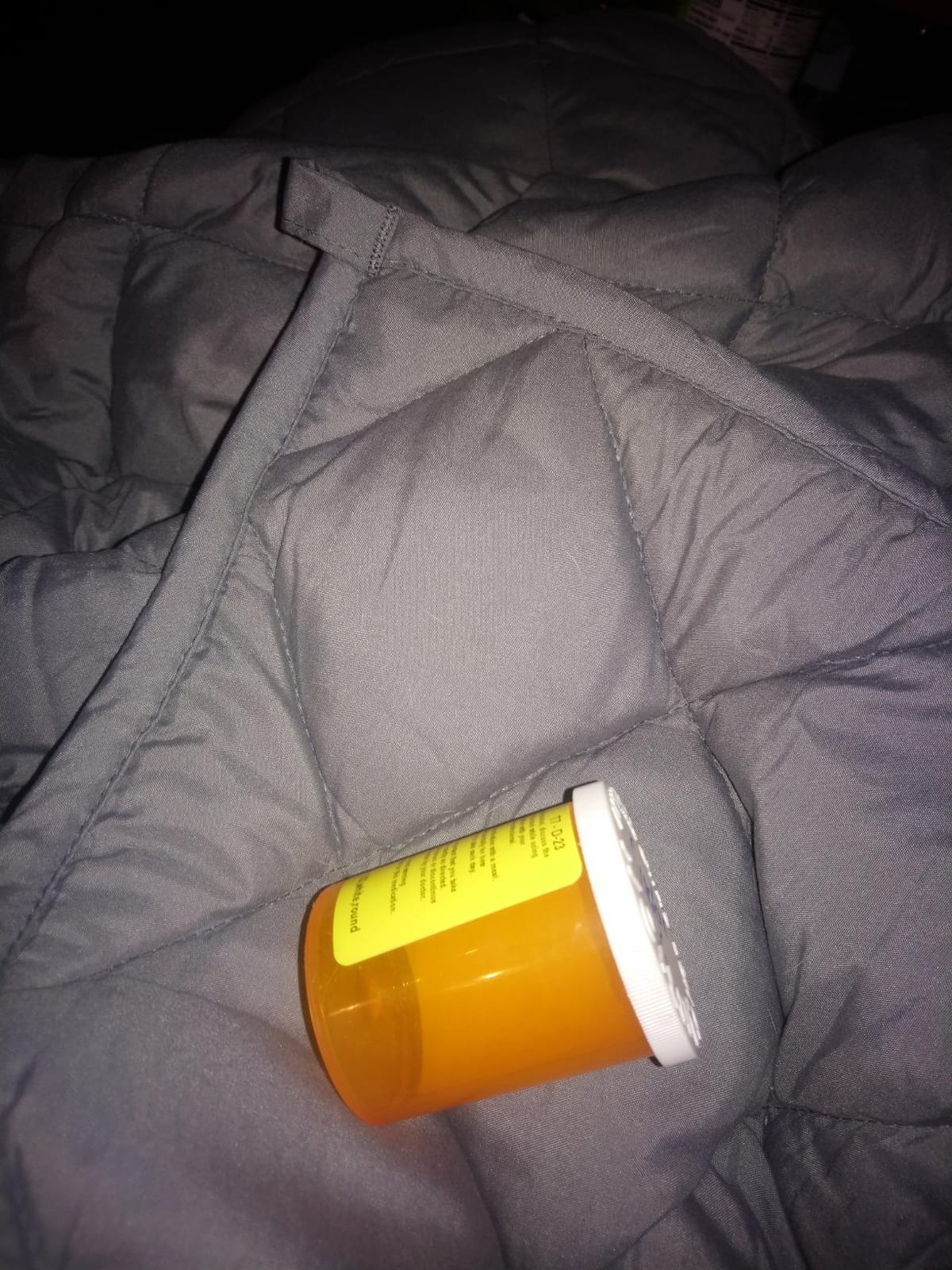
The warranty is the standout detail. A three-year warranty with free mending, excluding shipping, is a stronger commitment than most competitors offer, and it directly addresses the durability worry that comes up most often in parent forums: does the blanket stretch out or fuzz after a few months.
A removable duvet cover is available but sold separately. If you want that protection, budget for it as an add-on rather than assuming it is included.
Whether 5 lb is too heavy for a small child
The 20 lb floor on this listing is unusually low, so at the small end this blanket works for children who would be too light for most 5 lb options. It also includes pets in its sizing guidance, which is how a lot of households end up buying two of the same blanket.
Because the shell is microfiber rather than cotton, it is warmer to the touch. In a hot room I would pair it with a lighter top sheet and keep the bedroom cool rather than dropping to a 3 lb blanket mid-summer.
Who this blanket does not suit
Skip it if your child needs a character print to accept the blanket. The diamond geometric pattern is deliberately understated, and a child who is fussy about what goes on the bed may not engage with it.
It is also a partial solution for messy sleepers. The separate duvet cover means the outer layer can come off, but you are still buying the cover as an extra purchase, and the blanket itself goes to the washing machine rather than the dishwasher-sized hamper.
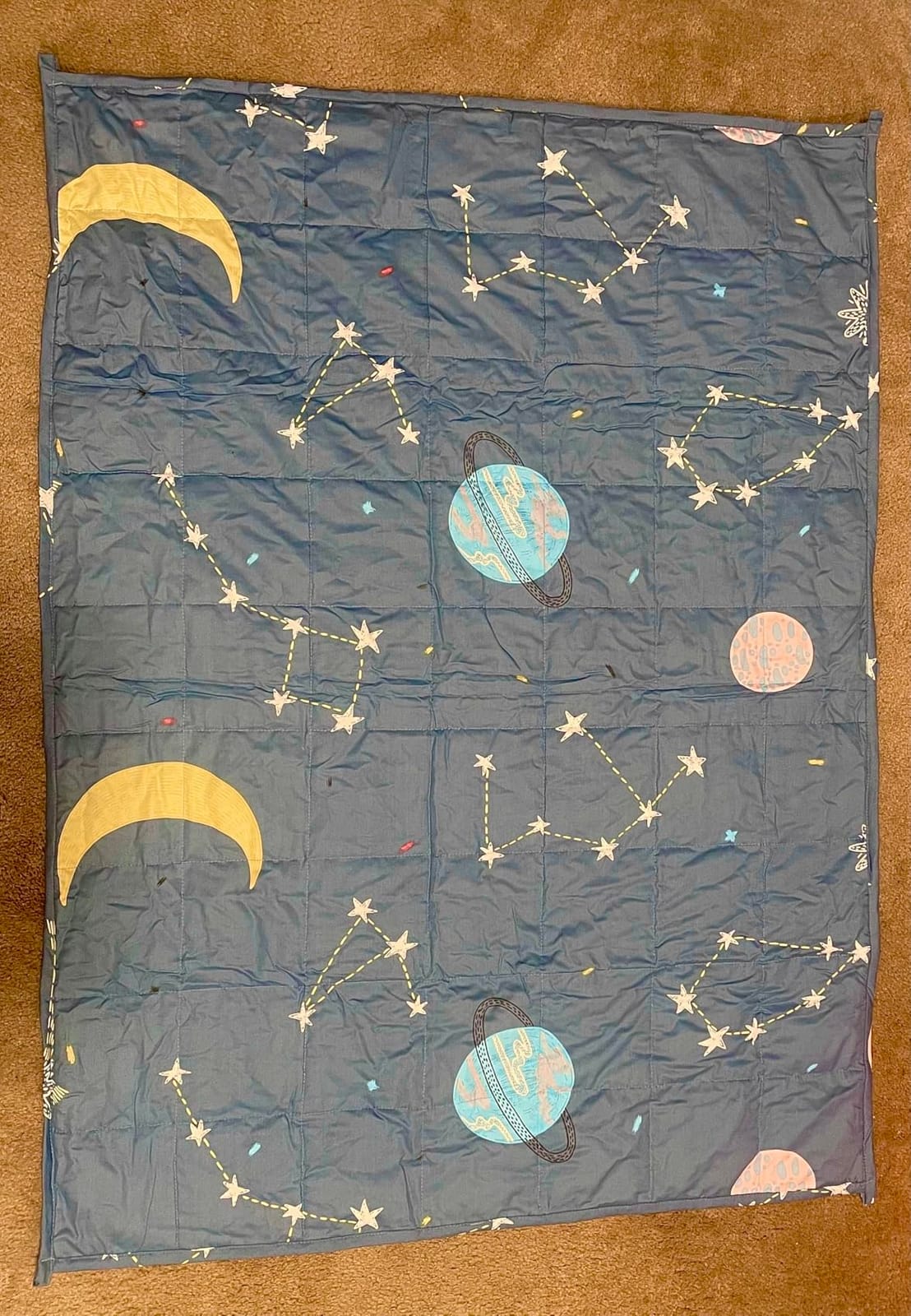
5. anfie Space Weighted Blanket 5 lb 36×48 – Best Value
Weighted Blanket Kids 5lbs, 36″x48″, Soft Space Small Cooling Heavy Blanket
5 lb 36x48 inch
OEKO-TEX STANDARD 100 fabric
Glass beads in quilted pockets
Space theme print
Pros
- Calming reports from households using it for ADHD and autism
- Machine washable and dryer safe
- Reinforced stitching and finished edges
- Prints cover dinosaur
- shark
- unicorn and space
Cons
- Fabric is not especially soft
- Some buyers feel it lighter than 5 lb
- 36x48 runs small for older children
This is the one that shows up most often in neurodivergent parent discussions, and the unit parents recommend by name is exactly this size and weight, a 36 by 48 inch 5 lb blanket. That is not an accident, because 5 lb at that footprint is the sweet spot for a child in the 40 to 55 lb band.
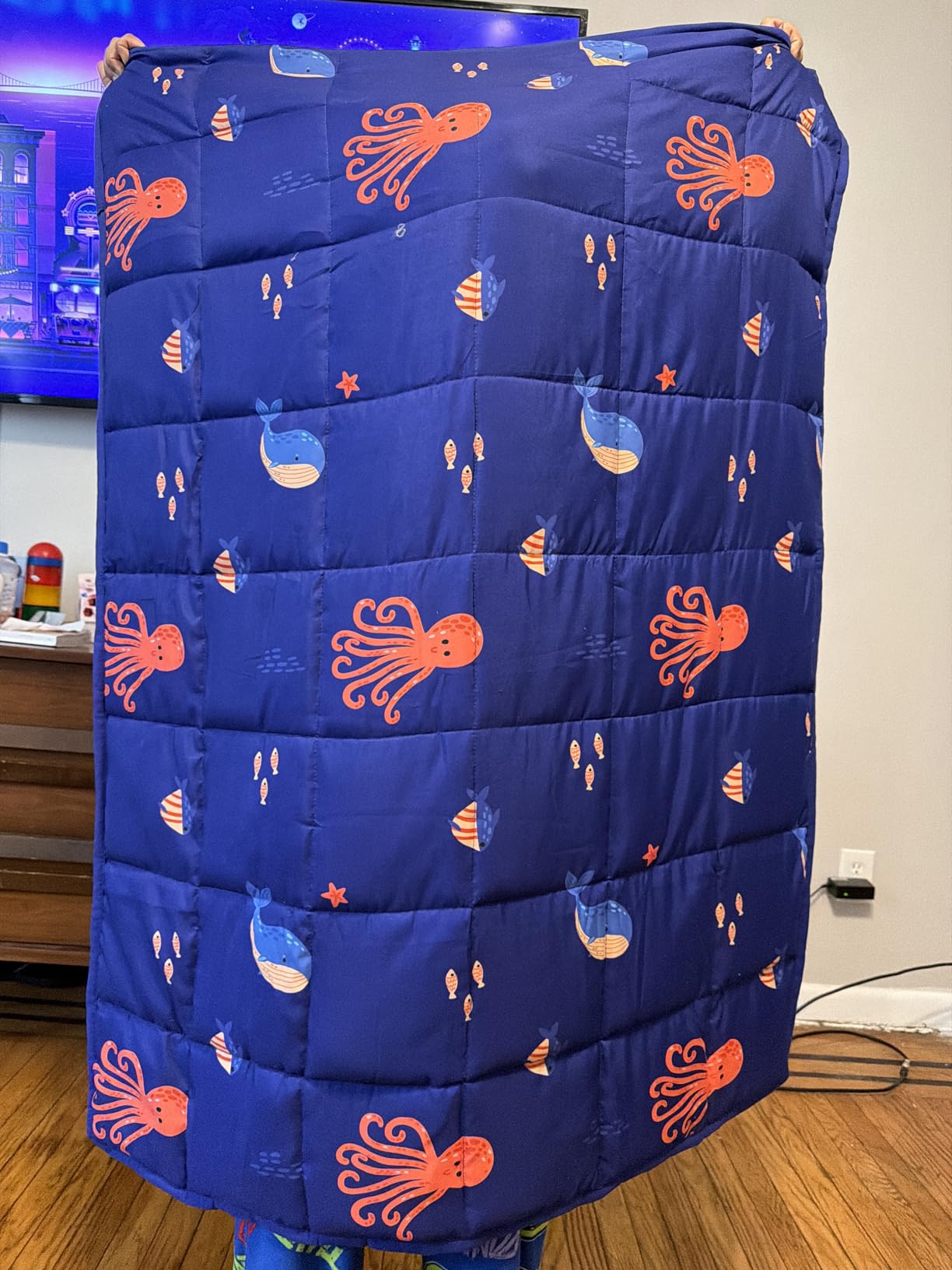
Construction is straightforward: premium glass beads quilted into small pockets, with high-strength thread and reinforced edges. The fabric carries OEKO-TEX STANDARD 100 certification, and the recommended weight is 7% to 12% of body weight.
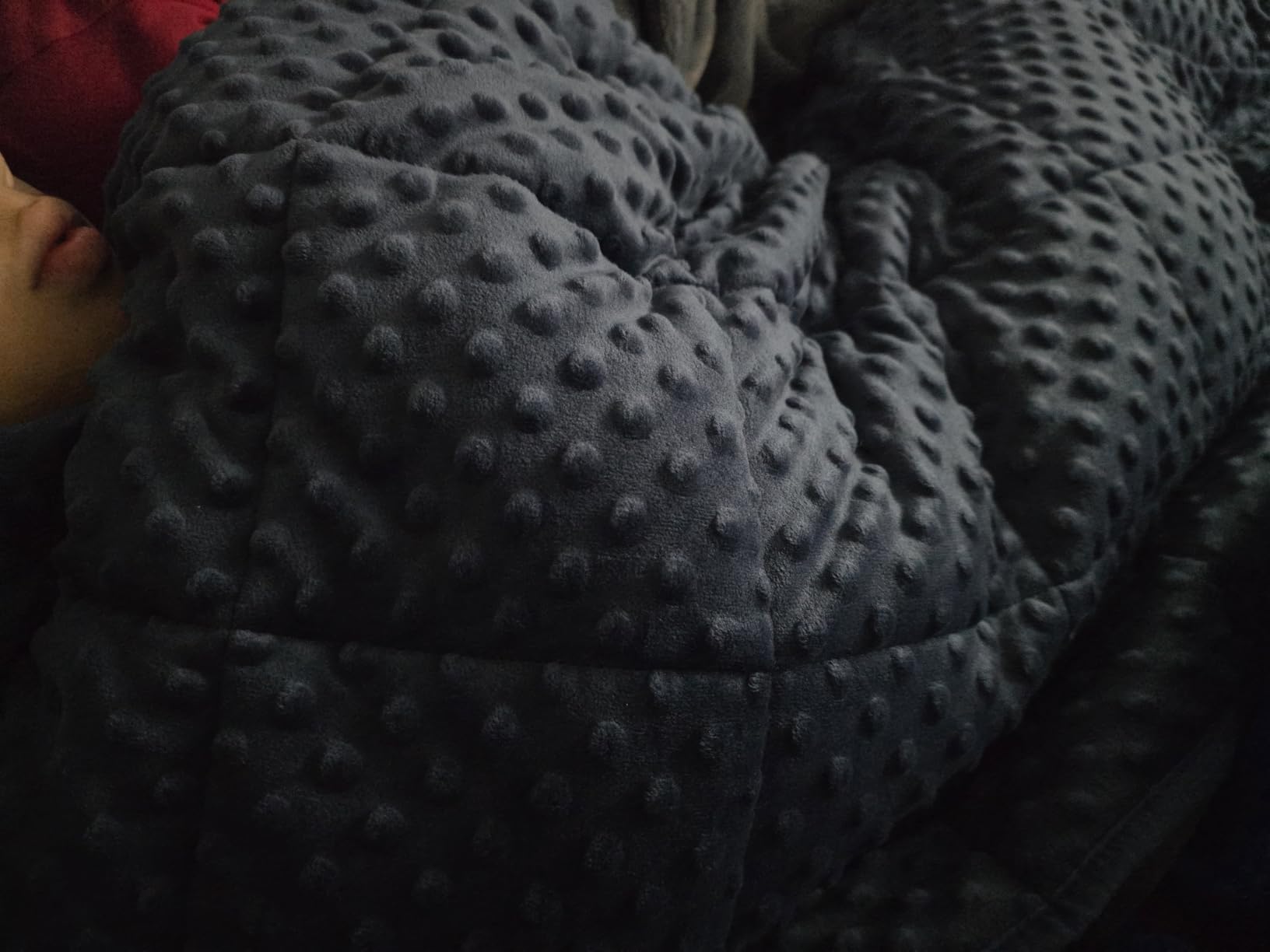
Machine washable and dryer safe with no visible wear reported after many cycles, which matters more for this use case than for most. The double-sided function is a genuine bonus, since the same blanket works as a lap pad for reading and quiet time during the day.
Texture is the honest weakness. Owners who wanted something plush layer a softer blanket underneath, and a few report the blanket feeling lighter than the 5 lb label suggests, which usually means the 36 by 48 footprint is simply not covering enough of the child.
How to introduce it to a child who resists blankets
Do not put it on the bed on night one. Let the child handle it for a few days, sit under it while reading, and get used to the texture and the sound. Several parents report that once the pressure becomes familiar, the child starts requesting it on their own, and that only happens if the first few experiences are relaxed.
When you do start overnight, keep the 5 lb and stay at it for a week before considering anything heavier. The brand guidance tops out at 12% of body weight, so there is room to move up, but there is no rush.
Who this blanket does not suit
Children over 60 lbs will find the 36 by 48 footprint too small to feel like full-body coverage. A 7 lb unit at 41 by 60 inches serves that weight band far better.
It is also the wrong texture for a child who needs a deep, fuzzy surface. The polyester shell is smooth and light, and one-star feedback clusters around feel rather than weight or durability.
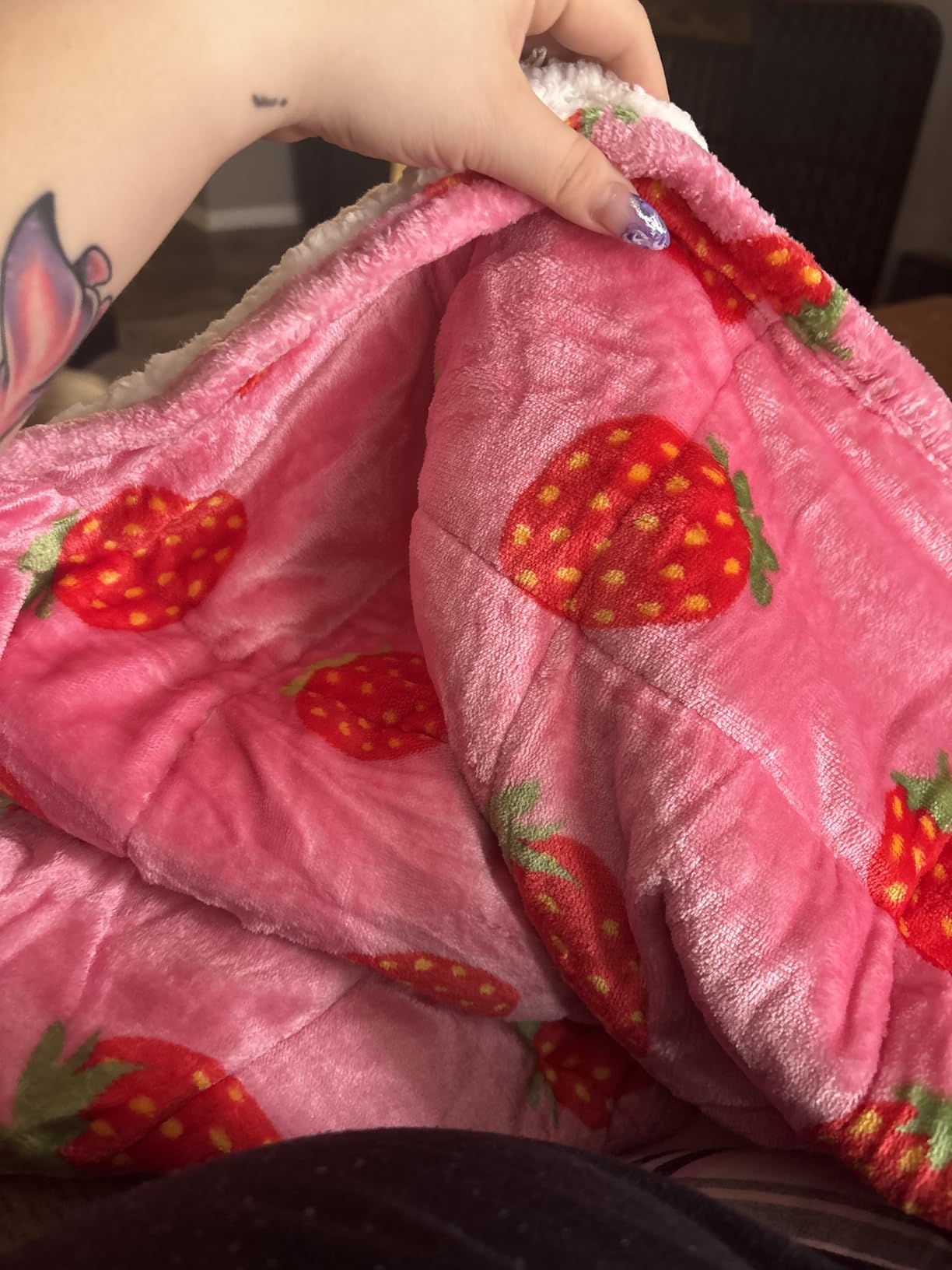
6. HOSUKKO Strawberry Weighted Blanket 5 lb 36×48 – Best for Picky Youngsters
HOSUKKO Strawberry Weighted Blanket – 5 lbs Pink Strawberry Heavy Blanket – Small Size Breathable Lap Blanket(36″x48″, 5 lbs)
5 lb 36x48 inch
Ultra-soft microfiber
Seven-layer breathable build
Corner loops for duvet cover
Pros
- Soft microfiber gentle on delicate skin
- Small stitched pockets limit bead movement
- Print kids accept without negotiation
- Breathable seven-layer construction
Cons
- Listed dimensions differ from the marketed size
- Microfiber rather than cotton for warm sleepers
- Best suited to the smaller end of the 5 lb range
Design does the selling here. The pink strawberry print is the single most common reason owners say their child accepted the blanket, and for picky preschoolers that is not a small detail, it is the whole purchase.
Underneath the print is a seven-layer breathable microfiber build with small stitched pockets designed specifically to reduce glass bead movement. The result is a more consistent feel across the night than blankets with larger compartments.
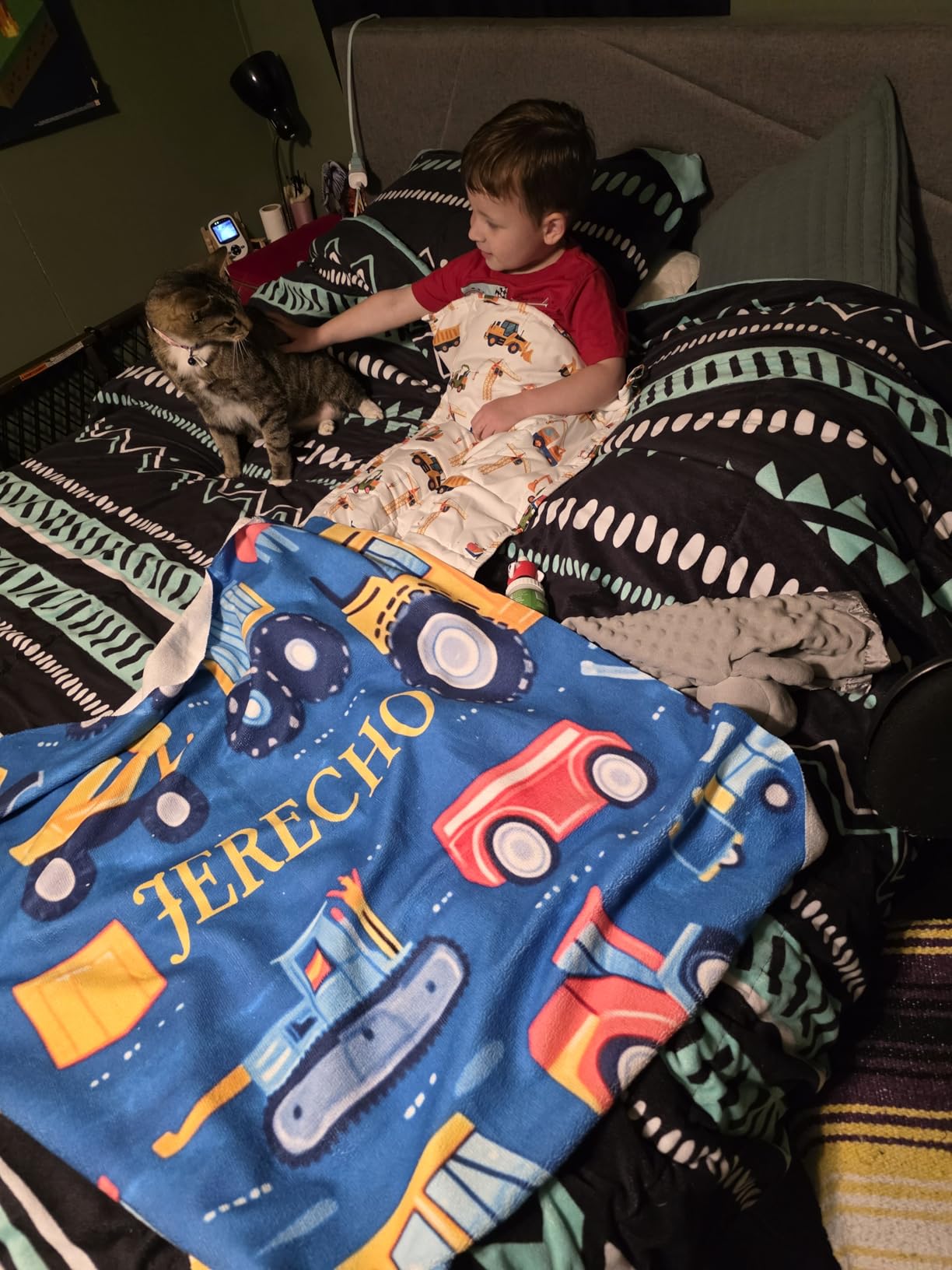
Two practical features stand out. The corner loops let the blanket be fixed inside a quilt cover, which is a cheap way to stop it migrating under a restless sleeper. And the recommended weight of roughly 8% to 10% of body weight is printed clearly, along with a 2 to 7 day adjustment window.
Machine washable, with low-temperature or air drying recommended, so it survives a regular laundry rotation without special handling.
Whether the stated weight matches the real weight
Be aware that the specification listing on this one shows an item weight that does not line up cleanly with the marketed 5 lb size. That inconsistency is common on this category of listing and does not appear to translate into a real-world problem, but it is a reminder to sanity-check the blanket against your child’s body weight rather than trusting a single number.
At 5 lb the correct child is in the 45 to 60 lb range. If your child is lighter than 45 lbs, a 3 lb blanket will be tolerated better.
Who this blanket does not suit
A very warm sleeper should look elsewhere. Microfiber is soft but it is not as breathable as the cotton option in this roundup, and owners of hot-sleeping children tend to report more heat retention with this shell.
It is also a smaller-than-average footprint. Check coverage before buying for a taller child, because 36 by 48 inches is a lap-blanket scale more than a full-bed scale.
7. Huloo Sleep Kids Weighted Blanket 7 lb 41×60 – Best for Sensory Kids
Huloo Sleep Kids Weighted Blanket Twin 7lbs (41″×60″,Pink) Breathable Soft Minky Weighted Throw Blanket for All Season,Heavy Blanket with Premium Glass Beads
7 lb 41x60 inch
Soft minky texture
0.88 mm glass beads
5x5 inch grid stitching
Pros
- Minky texture that sensory-sensitive children accept
- No bead escape after repeated washes
- Warms without overheating
- Double stitched construction
Cons
- Runs smaller than the labeled size
- Does not cover a full mattress at larger sizes
- Heavier than some buyers expect
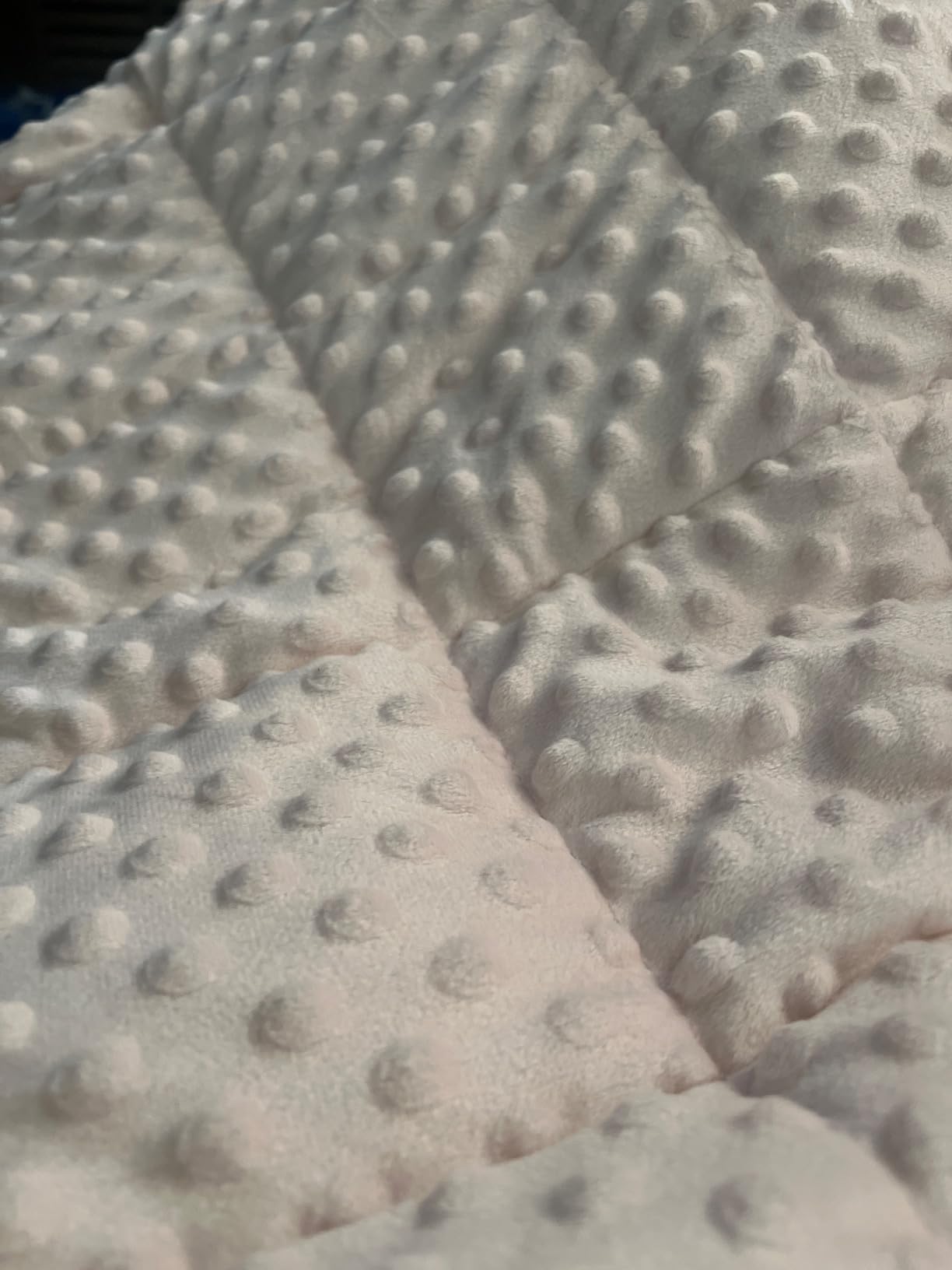
Minky is the reason this one appears in sensory households. Raised, soft, and predictable to the touch, it gives a sensory-seeking child something to press and rub while the weight does the calming work, and that combination is hard to get with a smooth cotton shell.
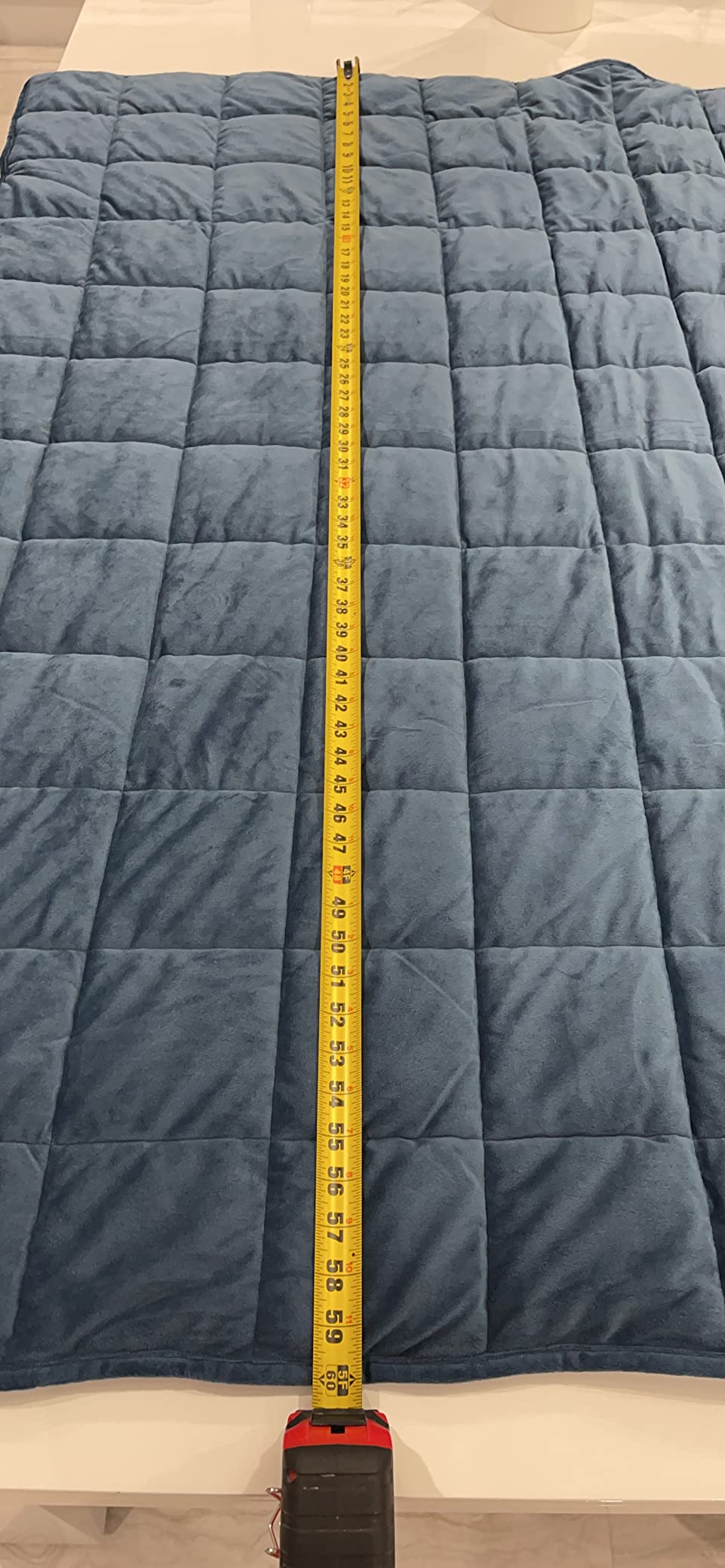
The fill is 0.88 mm premium glass beads held in 5 by 5 inch grids, which is a tighter compartment pattern than most and contributes to even distribution. The 7 lb 41 by 60 inch size is aimed at children in the 60 to 80 lb band.
Owners of autistic and sensory-seeking children describe it as a reliable part of the bedtime transition rather than an occasional treat. Durability is a repeated theme too, with reports of no beads escaping through years of machine washing and drying.
Machine wash separately in warm or cold water. Keeping it on its own cycle is worth the extra wash time because it prevents the beads from abrading other fabrics.
How to pick between the 5 lb and 7 lb version
Weight is the only real decision, so use the body weight chart earlier in this guide. At 7 lb, a child under 60 lbs will be underweighted at best and restricted at worst, and the complaints about it feeling heavier than expected come almost entirely from parents who sized up too early.
For a 60 to 70 lb child, 7 lb sits comfortably inside the 10% plus 1 to 2 pound target. For a 70 to 90 lb child you would need to go heavier, which this product line does not appear to offer in this footprint.
Who this blanket does not suit
Sizing is the recurring drawback. Even at 41 by 60 inches it runs smaller than the label suggests, and owners report that larger versions of the blanket do not fully cover standard mattress dimensions. Measure first.
A child who dislikes fuzzy textures will not enjoy it either, and minky sheds a little at first. Give it a wash before the first night if that is a concern.
8. hazli Kids Weighted Blanket 5 lb with Removable Minky Cover – Best Washable Cover
hazli Super-Soft Kids Weighted Blanket 5 Pounds – Weighted Blanket for Kids – Easy to Clean, Washable Minky Cover – 36×48 Inches 5lbs Child – Small Heavy Blanket for Girls and Boys
5 lb 36x48 inch
Removable minky dot cover
Nine layers with 10 inch pockets
6 month guarantee
Pros
- Cover unzips for spills and bed-wetting
- Soft minky dot texture kids find calming
- Even distribution with no bunching
- Covers available in four colors
Cons
- Inner blanket still needs hand washing
- Feels heavier than a 5 lb blanket to some parents
- Listed dimensions differ from the marketed size
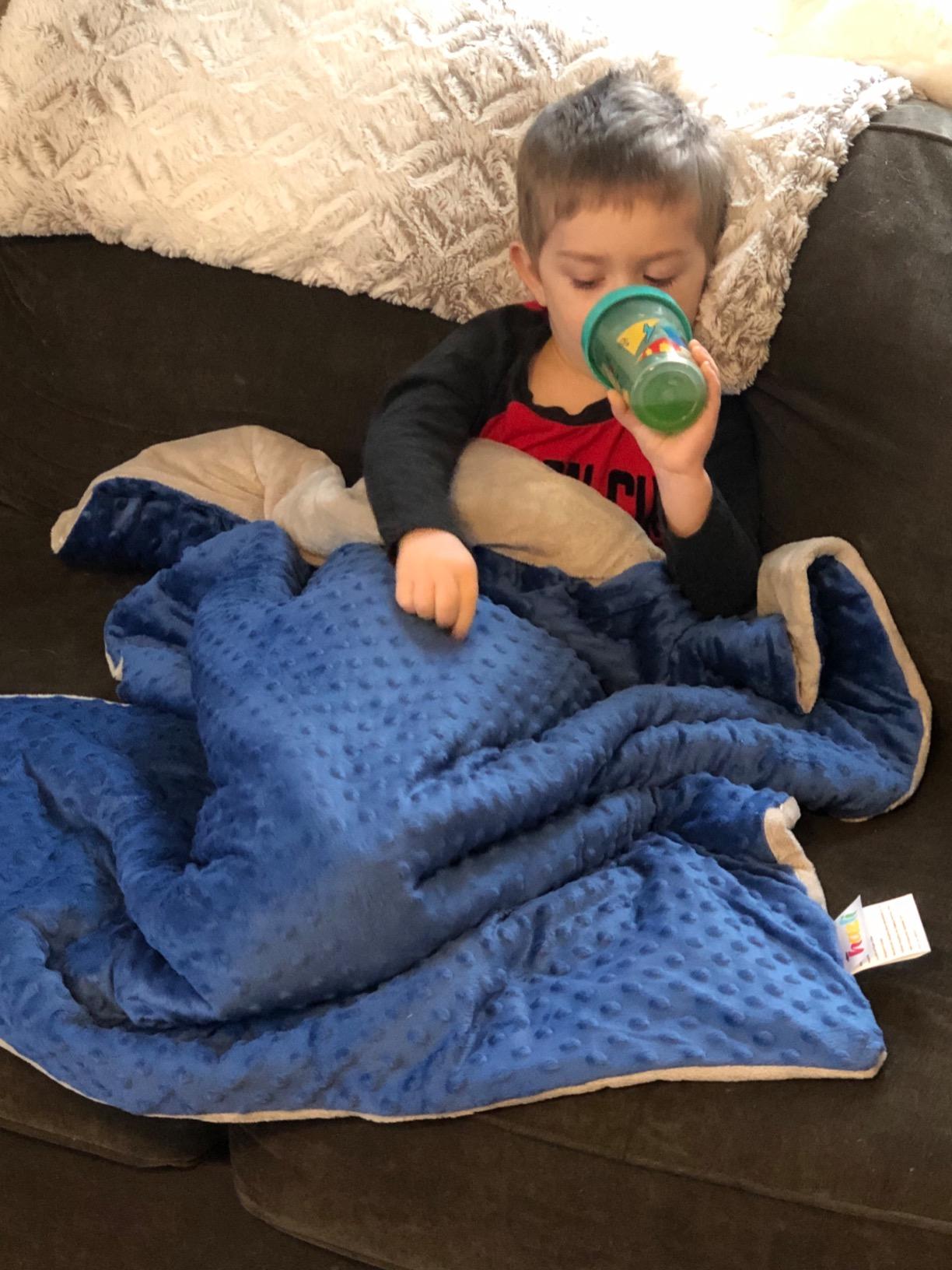
This is the blanket to buy if your child wets the bed. The outer minky dot cover unzips and goes straight into the washing machine, and it is the single feature that changes daily life for a household dealing with spills. Parents report that this is the main reason they come back for a second one in a new size or color.
Inside is a nine-layer weighted blanket with stitched 10 inch pockets for even distribution. The pressure is described as gentle and hug-like, and 5 lb at 36 by 48 inches puts it in the same weight band as most of the group.
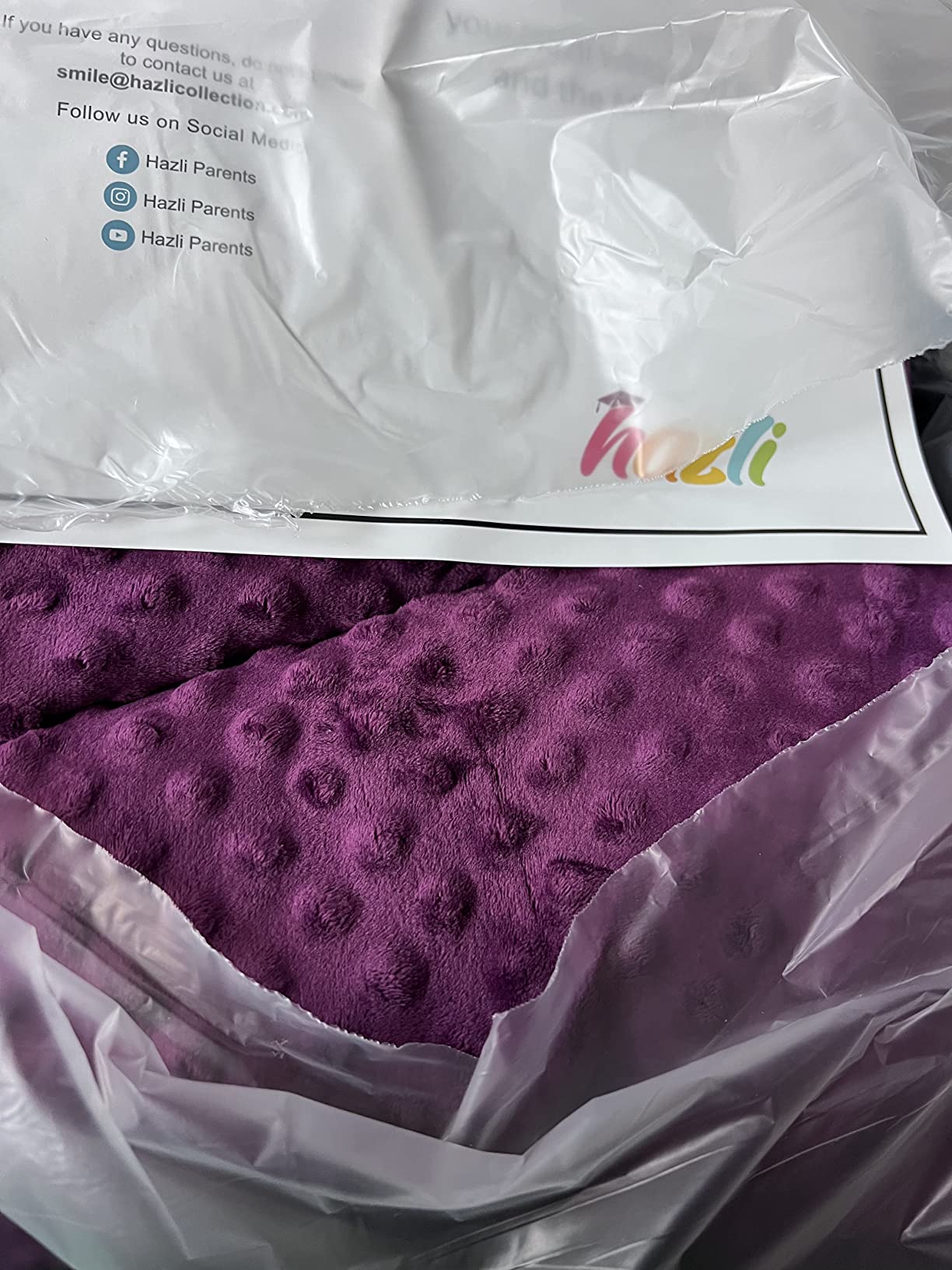
Two honest caveats. The inner weighted blanket still requires hand washing, so this solves the cover problem rather than the whole laundry problem. And the listed item dimensions do not match the marketed 36 by 48 inch size.
The six-month no-questions-asked money-back guarantee is short compared with what some competitors offer, but it does give you a season to test whether the child tolerates the weight at all.
Whether the cover makes the blanket safer or easier
Easier, mostly. The cover reduces how often the glass bead layer gets wet, which is the main reason to care. It also lets a child change the look of the bed without replacing the blanket, and the cover is where the minky texture lives, so a child who dislikes the inner shell can still get a soft surface.
Check the zipper early. A zippered cover on a 5 lb blanket is a seam that sees daily handling, and that is the part to inspect if the cover ever feels loose.
Who this blanket does not suit
It is a poor choice if you want a blanket that goes entirely in the machine. Hand washing the inner layer is still on you, and for some households that is the dealbreaker that sends them to a fully washable design.
Some parents also find 5 lb heavier than expected in this construction, because the nine-layer build adds body beyond the bead weight. Size down or start lighter if your child is near the bottom of the 50 lb mark.
9. Alomidds Weighted Blanket Kids 7 lb 41×60 – Best for School and Travel
Alomidds Weighted Blanket, Luxury Velvet Weighted Blankets,Warm and Breathable Soft and Comfort Minky, Cute Heavy Blanket with Premium Glass Beads (41″x60″ 7LBS, Purple)
7 lb 41x60 inch
Ultra-fine crystal velvet surface
Compartmented glass bead fill
Machine wash cold
Pros
- Each bead isolated in its own compartment
- Velvet surface warm without stuffiness
- Durable through repeated machine washing
- Works for nap
- reading and travel
Cons
- Feels heavy to some children
- Solid colors with no character prints
- Velvet is not the softest surface for toddlers
The construction detail here is the most thorough bead containment in the group. Each glass bead sits in its own compartment rather than sharing a pocket, which limits migration almost completely and keeps the pressure even from the first night onward.
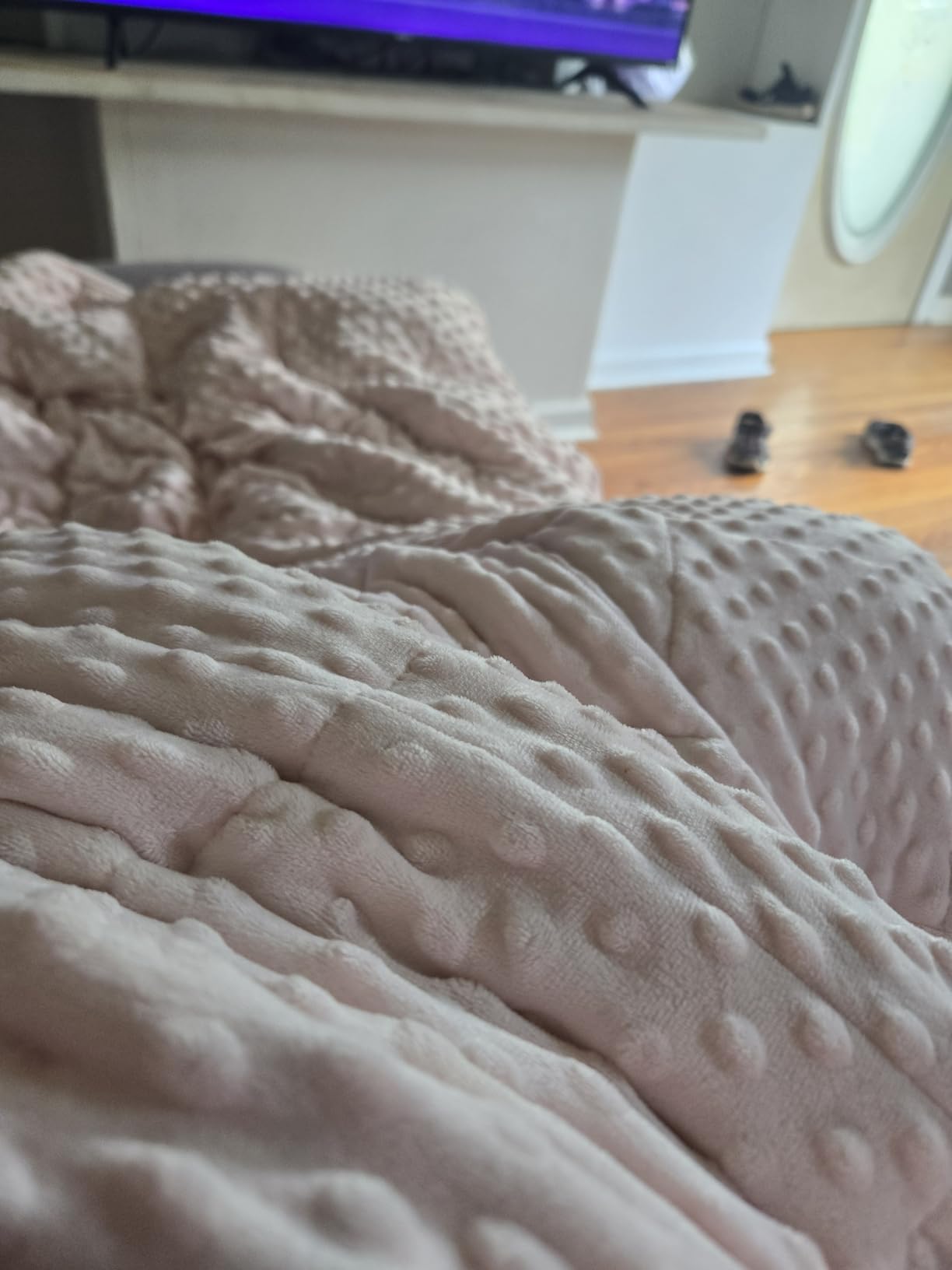
The surface is ultra-fine crystal velvet, warm and breathable across seasons, and the 7 lb 41 by 60 inch size targets the 60 to 80 lb band. Sizing guidance is about 10% of body weight, which lines up with the 7 lb figure.
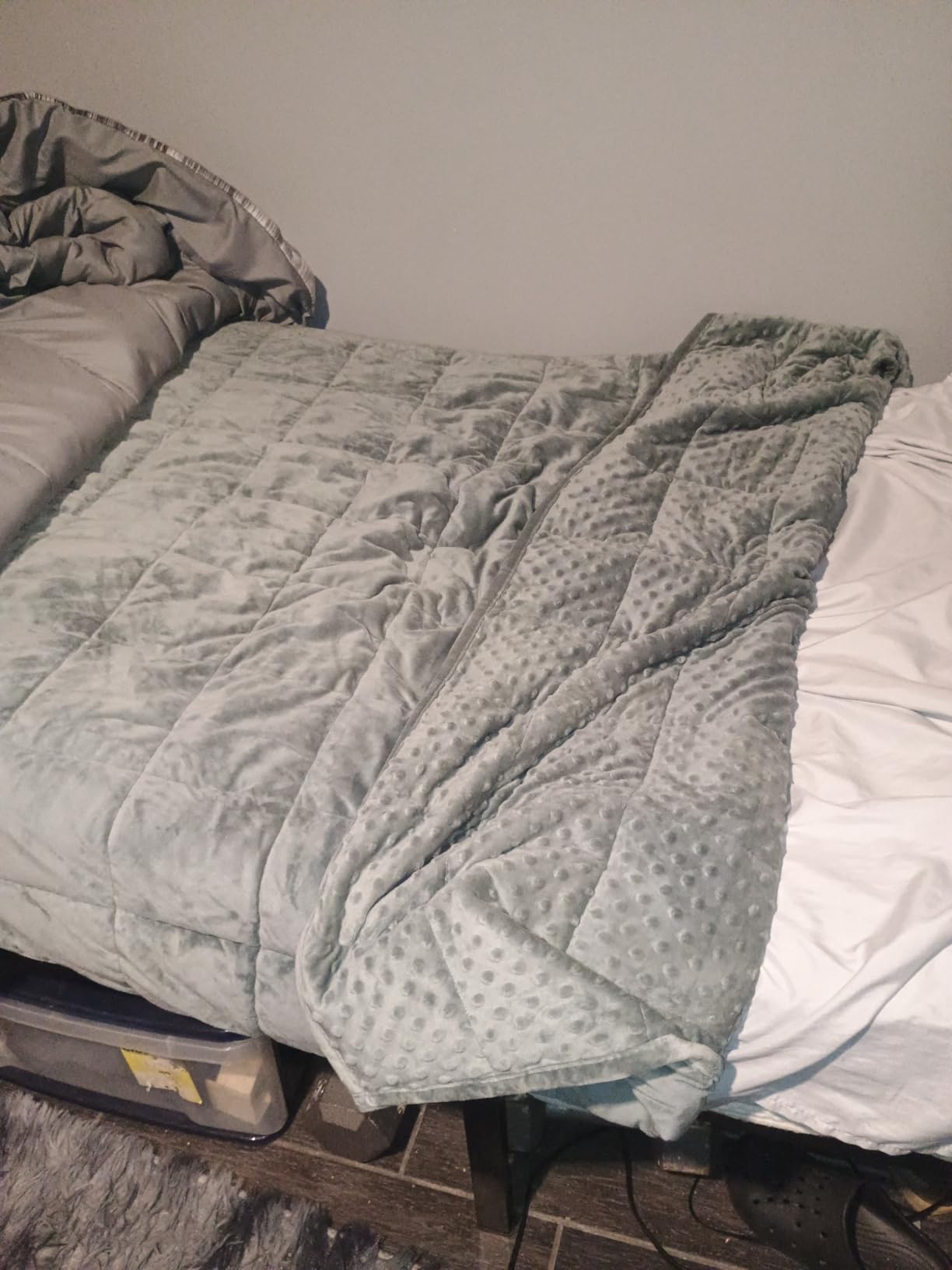
Parents using it for school, home, and travel report that children settle more easily and carry the blanket between rooms themselves. That portability is the underrated feature here, because a 41 by 60 inch blanket is still small enough for a child to move without asking for help.
Care is machine wash cold or hand wash, tumble dry low, with air drying preferred. The listing also notes lap and twin sizes are available in the range.
Whether 7 lb suits an early-elementary child
Only if the child is at the upper end of the age range. A 7-year-old sitting near 50 lbs should be on 5 lb. The felt-too-heavy complaints in reviews line up almost exactly with families who chose this weight for a smaller child.
If the sizing is right, the 41 by 60 inch footprint is genuinely useful because it covers more of a child than a 36 by 48 unit while staying narrow enough to bundle up for a car ride or a sleepover.
Who this blanket does not suit
Skip it for a child who needs a print to engage. The options are solid colors, and a picky younger child may not accept a plain velvet square the way they accept a strawberry or a dinosaur.
Very young children also tend to find velvet less comforting than fleece or minky. It is a good big-kid blanket rather than a preschool one.
10. Aemicion Kids Weighted Blanket 7 lb 41×60 Sherpa – Best Plush Warmth
Aemicion Kids Weighted Blanket 7 pounds Twin Size 41″x 60″,Soft Sherpa Fleece Heavy Blanket for Sleeping Perfect for 60-90lbs, Cute Strawberry Pink Weighted Throw Blanket as Gifts for Daughter Girls
7 lb 41x60 inch
222 GSM fleece and sherpa
Seven layers with 1 mm glass beads
Strawberry pink print
Pros
- Plush sherpa side feels like a deep hug
- Non-glue layers prevent bead clustering
- Fade and stain resistant with no pilling
- Machine washable and dryer safe
Cons
- Too warm for children who run hot
- 41x60 is the smallest large-child footprint
- Lowest review count in the group
This is the cuddliest blanket in the roundup. A 222 GSM fleece and sherpa construction gives it a deep pile that reads as a hug rather than a sheet, and for a child who refuses anything thin, that texture does more work than the weight itself.
Beads are 1 mm glass sewn into small squares across seven layers, with non-glue polyester layers sandwiched in to stop clustering. That anti-clustering detail is why the blanket conforms to the body instead of forming lumps.
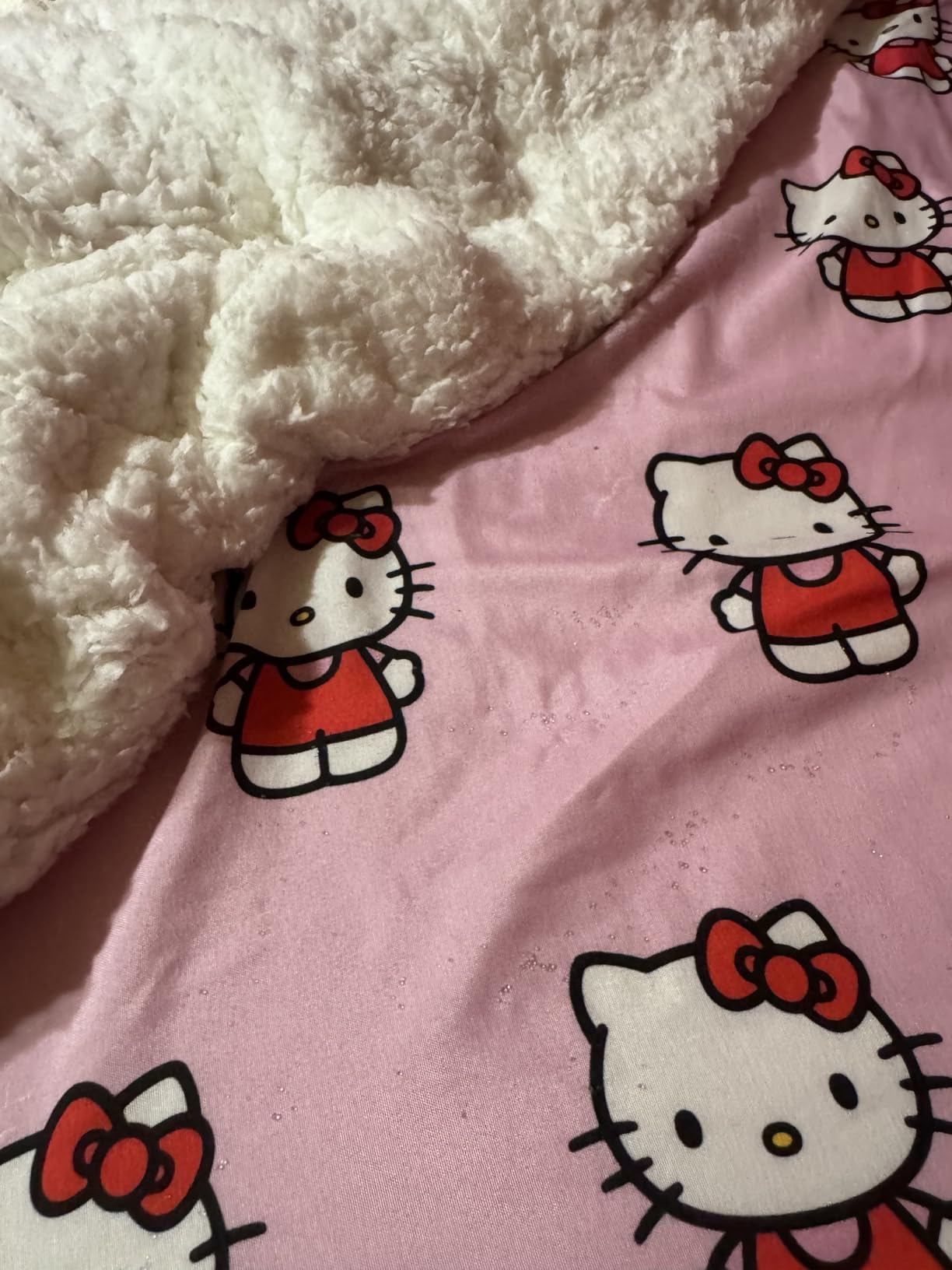
Durability claims are specific and testable: fade and stain resistant, will not pill or shed with prolonged use, machine washable and dryer safe. Sizing guidance is 8% to 12% of body weight, and the listing markets it for 60 to 90 lb children, which makes 7 lb the correct midpoint.
The strawberry print broadens the appeal for younger children in that weight range, which is unusual for a blanket this large.
Whether a 7 lb blanket is right for a 60 lb child
It is on the heavy side. At 60 lbs, 7 lb is 11.7% of body weight, which sits at the very top of the printed 8% to 12% range, and the one-star feedback on this listing clusters around children who found it too much.
For a 60 lb child, 5 lb is the safer starting point. Save this one for a child in the 70 to 90 lb band, where the 7 lb weight is genuinely in range and the sherpa warmth earns its place in a cool room.
Who this blanket does not suit
It is the wrong choice for a child who sleeps hot. A 222 GSM fleece and sherpa build is insulating by design, and owners of warm-sleeping children report needing to push the blanket down rather than pull it up.
It also has the smallest review base among the larger blankets we covered, so the long-term durability picture is less well documented than for the picks above. Treat the wash-and-dry claims as promising rather than proven.
11. yescool Kids Weighted Blanket 5 lb 36×48 Minky – Best Dual-Sided Design
yescool Weighted Blanket Kids 5 Pounds, Minky Kids Blanket Gifts for Boys Girls, Small Weighted Throw Blankets Washable Heavy Blankets, Winter Weighted Comforter for 5 6 7 8 9 Year Old, 36 * 48in
5 lb 36x48 inch
Minky dot one side
Smooth fleece the other
Seven-layer bead build
Pros
- Minky dots act as a sensory focus object
- Even weight with stitching that holds after washing
- Two textures in one blanket for seasonal use
- Loops and storage bag included
Cons
- Hand wash only care
- Some children prefer a lighter weight
- 36x48 leaves parts of a larger body uncovered
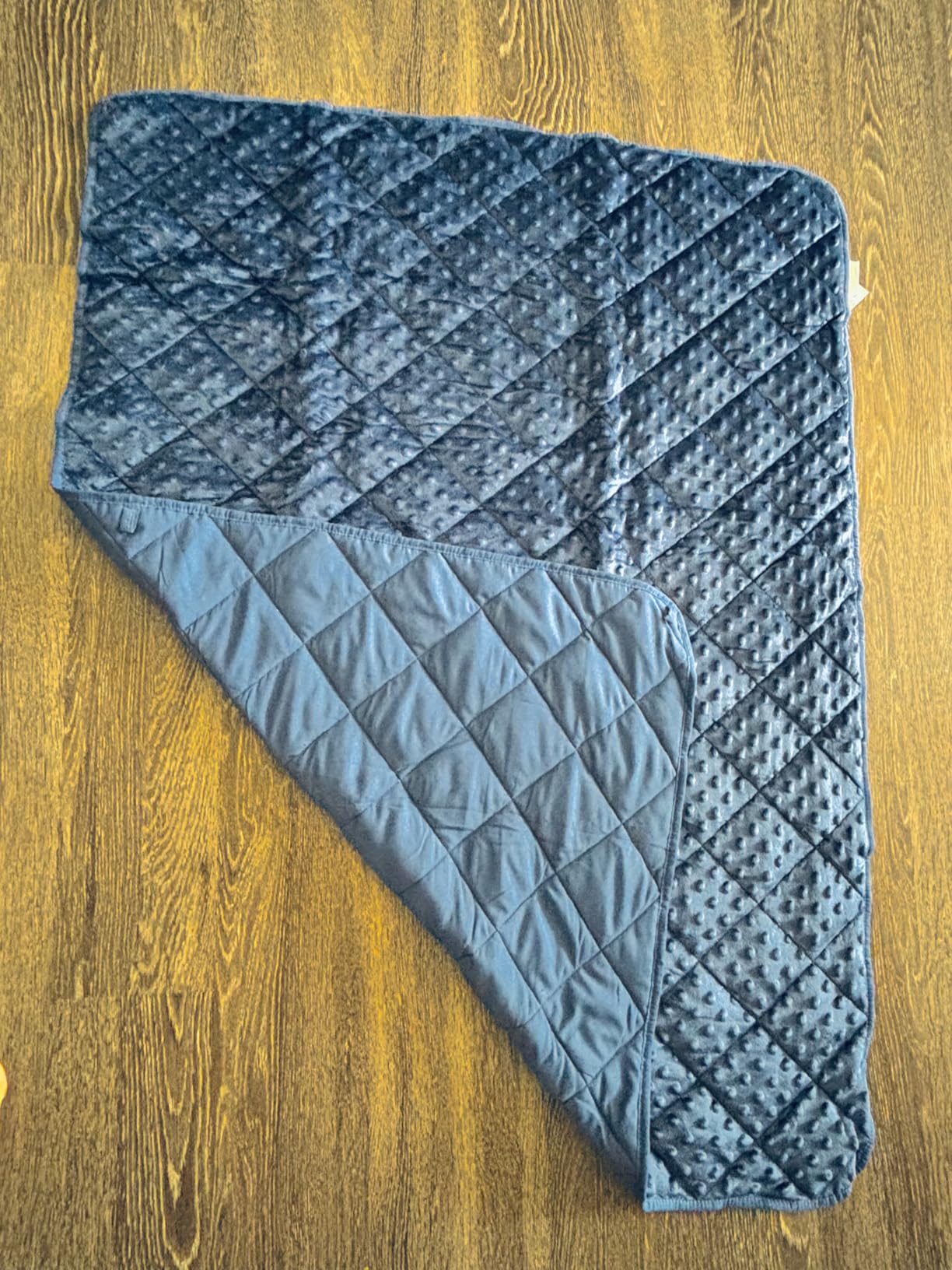
The dual-sided design is what makes this one work year-round. Minky dot texture on one side for sensory input, smooth fleece on the other for warmer months, and the same 5 lb weight in either orientation.
Parents of children with sensory processing needs and children who fidget at night report a visible calming effect within the first night of use. The dots give hands something to focus on, which for many children is the difference between using the blanket and shoving it aside.
Construction is seven layers with extra fine glass beads locked into small pockets, and the size guidance is 7% to 12% of body weight. The listing markets the 5 lb 36 by 48 inch unit for children roughly 5 to 9 years old, and it ships with loops for securing inside a duvet cover plus a storage bag.
Care is the compromise here. Hand wash or simple wiping is the recommended method, which suits a blanket that travels to grandparent houses but is less convenient in a weekly laundry rotation.
How the two sides change bedtime behavior
Most families settle on one side and stop switching, which is fine. If your child is sensory-seeking, keep the minky dot side up, because the tactile input is doing part of the calming work. If the room is warm or your child is a light sleeper, flip to the smooth fleece side to cut the visual and tactile stimulation.
The minky dots are also the part children tend to rub, so over a year of use it is worth checking the loops and seams for wear, particularly if the blanket is in and out of a duvet cover nightly.
Who this blanket does not suit
Hand wash only is a real limitation for a bed-wetting household, since the cover loops do not make the blanket itself machine washable. If spills are a regular part of your week, choose a design with a removable washable cover instead.
It is also too small for a child over roughly 60 lbs. The 36 by 48 inch footprint leaves shoulders and lower legs uncovered on a bigger child, and some parents report the blanket ends up bunched at the chest.
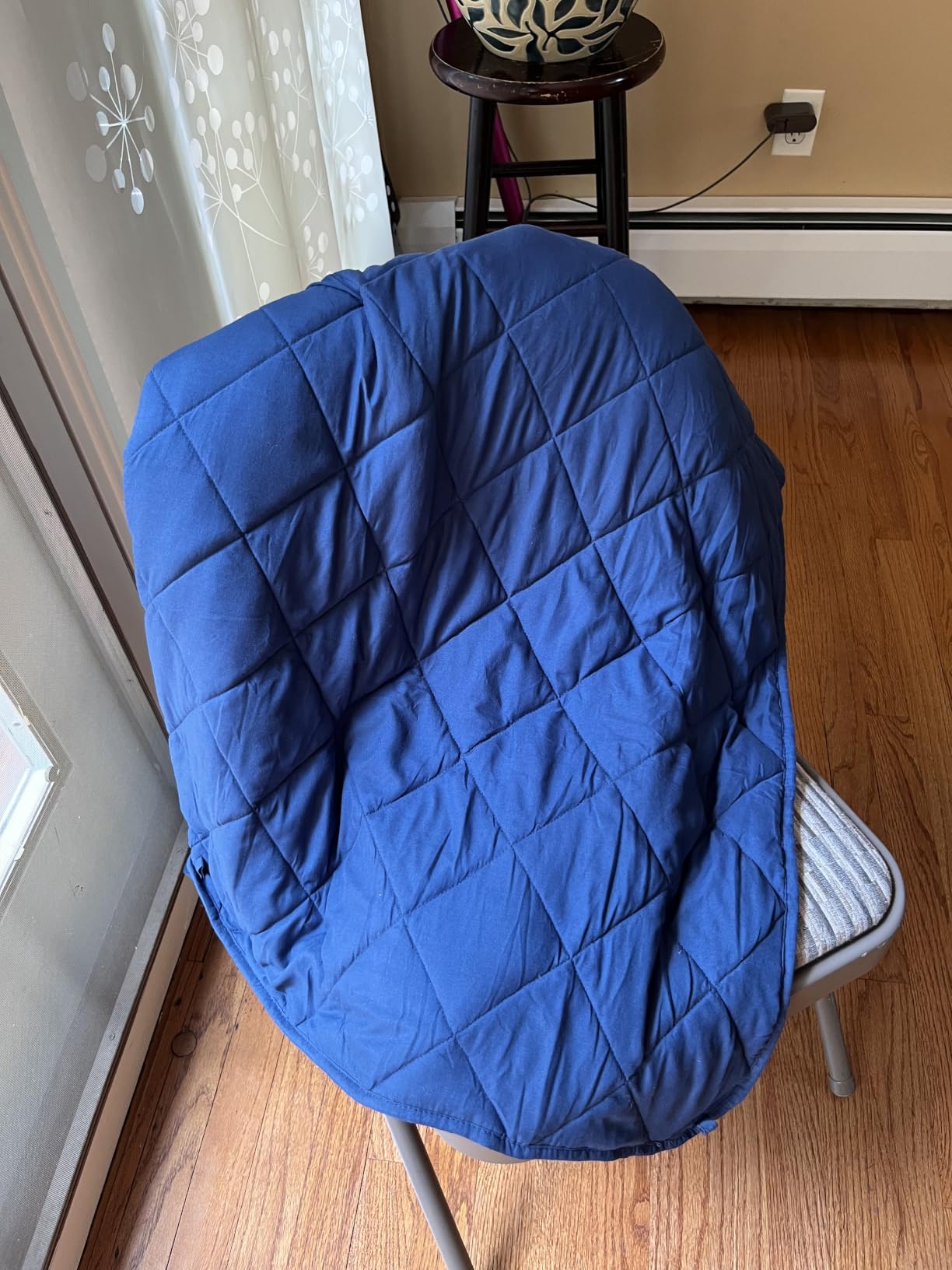
12. Mr. Sandman Weighted Blanket 3 lb 36×48 – Best for Toddlers and Preschoolers
Mr. Sandman Weighted Blanket 3 lbs, Cooling Breathable Heavy Blanket for Sleep, Washable Glass Bead Weighted Throw, Soft Microfiber Fabric, Dinosaur Green, 36″ x 48″
3 lb 36x48 inch
Soft microfiber fabric
Ultra-fine glass beads
Quiet, no rustling
Pros
- Best rating in the group
- Lightest weight suited to younger children
- Machine washable and dryer safe
- Dinosaur
- cat and unicorn prints
Cons
- 3 lb is the only weight offered
- 36x48 leaves a larger bed mostly uncovered
This is the one to start with. A 3 lb blanket is the natural entry point for a child between 30 and 40 lbs, and it is the only genuinely toddler-scale weight we found. The listing recommends ages 4 and up and a minimum body weight of 30 lbs.
The 4.8 rating is the highest in the group, and the near-absent one-star share is explained by the review data: families who buy a 3 lb blanket for a 35 lb child are getting the sizing right, and getting the sizing right is most of what determines whether a weighted blanket works.
Owners report improvements in children with autism, PTSD-related nightmares, and sleep regression, including longer stretches of uninterrupted sleep. The fabric is soft and does not rustle when moved, which is unusual for a glass bead blanket and matters for light sleepers.
Sizing guidance is 8% to 12% of body weight, and care is machine wash with tumble dry low. Stitching has held up over a year of weekly washing in owner reports, with reinforced seams throughout.
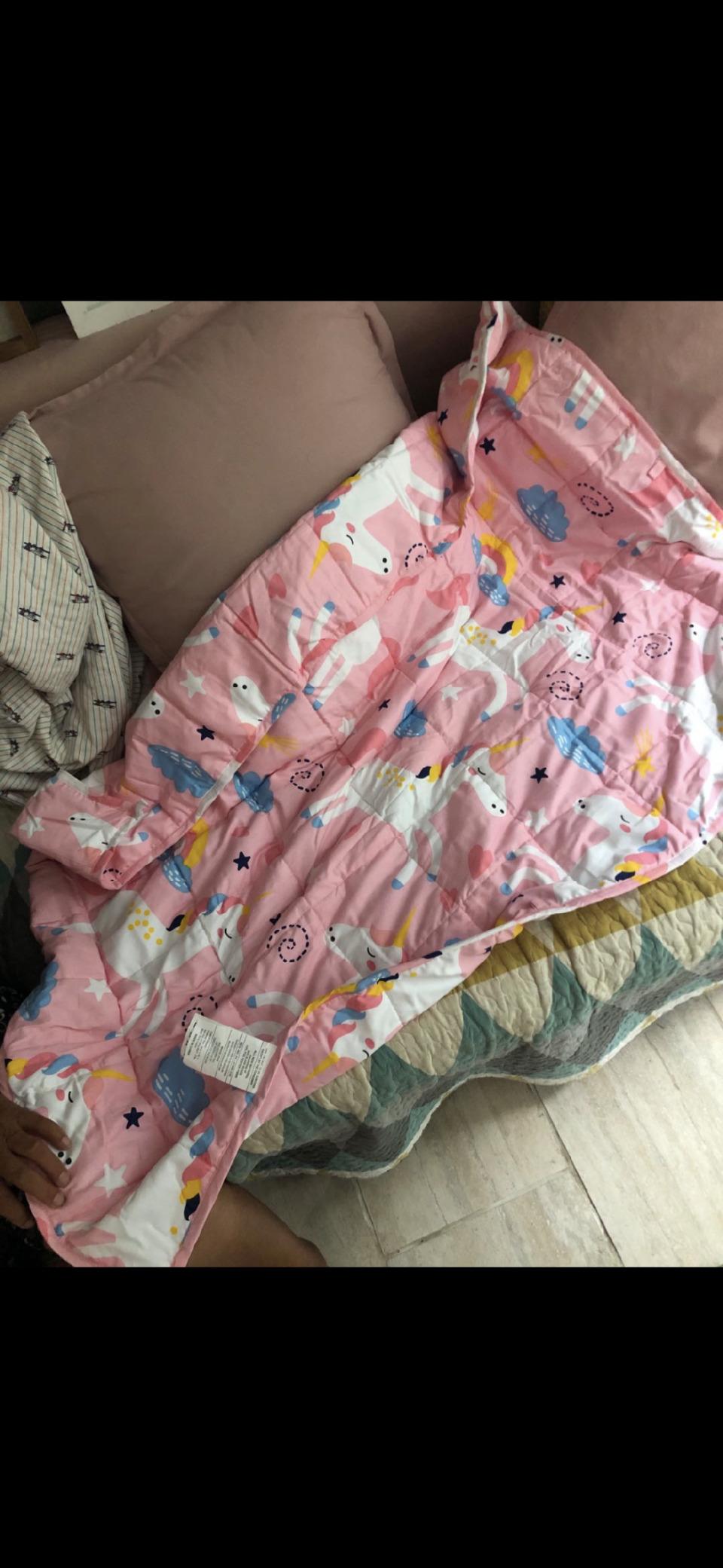
When to move up from 3 lb
Move up when the child is consistently around 45 to 50 lbs, because 3 lb then falls to about 6% of body weight and stops registering as meaningful pressure. The jump should be to a 5 lb blanket at 36 by 48 inches, which is a small step rather than a leap.
Do not move up because your child is older in age. Age and weight drift apart, and a heavy 10-year-old can be a legitimate 5 lb user while a small 6-year-old is ready for 7 lb.
Who this blanket does not suit
A child over 55 lbs will not get enough pressure from 3 lb, and a single weight option means this becomes a stopgap purchase rather than a long-term one. Plan on replacing or supplementing it within a year or two.
It also covers very little of a bed. On anything larger than a toddler mattress, this functions as a chest-and-lap blanket, and the footprint is the smallest trade-off in the group.
What to Look for in a Weighted Blanket for Kids
Weight first, everything else second. Once you have used the body-weight chart above, narrow the field by these seven criteria.
1. Weight relative to body weight. Aim for 10% plus 1 to 2 lbs. Never start above the target. If your child cannot lift the blanket off the chest, go lighter immediately.
2. Fill construction. Glass microbeads are the standard and are what you will see on nearly every listing here. Bead size matters more than most parents expect: smaller beads around 0.88 to 1 mm pack into many more micro-compartments, which means less shifting, less pooling, and a more even feel. Plastic pellets are heavier for the same weight and feel noticeably more like a beanbag.
3. Compartment count and size. A blanket quilted into more, smaller pockets holds its shape better over months of use. Designs with fewer large pockets are the main reason parents report weight pooling.
4. Shell material. Cotton is the most breathable and the best choice for a child who runs hot or has reactive skin. Microfiber and minky are softer and better for sensory-seeking children. Fleece and sherpa are the warmest and the least tolerant of hot sleepers.
5. Washability. Machine washable beats hand wash every time in a child’s bedroom. If the blanket is spot-clean only, it will not survive a year of real use. For bed-wetting households, a removable machine-washable cover is the feature that actually matters.
6. Size relative to the bed. Weighted blankets are intentionally smaller than comforters. A 36 by 48 inch blanket suits a child up to about 50 lbs, a 40 by 60 inch unit covers the 40 to 70 lb band, and 41 by 60 inches is the choice for children in the 60 to 80 lb range.
7. Return policy and warranty. A child may need a week or more to accept the weight, so a trial window matters. Look for a satisfaction guarantee, and note that the longest warranty in this roundup is three years with free mending.
Print appeal deserves its own note. Owners repeatedly report that a child’s acceptance of the blanket depends on the design, and the character-print options in this roundup are not a gimmick. For a picky preschooler, a strawberry or a dinosaur can be the deciding factor.
The Best Weighted Blankets for Kids With ADHD and Sensory Needs
For children with ADHD, autism, or sensory processing differences, three attributes matter more than price or brand: even weight distribution, a quiet fill, and a tactile shell the child actively wants to touch. Those three criteria narrow the list to a handful of options here.
For even distribution, look for the smallest compartments and the smallest bead diameter. The Alomidds 7 lb, which places each bead in its own compartment, and the HOSUKKO 5 lb, with small stitched pockets, both rate highly. For quiet operation, the Mr. Sandman 3 lb is specifically praised for not rustling when moved, which matters for a child who is already noise-sensitive.
For tactile appeal, minky and sherpa surfaces win. The Huloo Sleep 7 lb and the yescool 5 lb both use minky, and the yescool adds raised dots that give a child something to rub with their hands, which parents of fidgeting children say makes the difference in whether the blanket gets used at all.
Introduce it slowly. Most therapists we would point a parent toward suggest starting at about 5% of body weight, usually on a lap blanket during quiet time rather than in bed, then increasing to the full target after a week if the child tolerates it. The brands here print adaptation windows of two to seven days, which matches.
Keep the routine consistent. A weighted blanket works best as a fixed part of a wind-down sequence rather than as an occasional surprise, because the calming effect comes from predictability as much as from pressure itself.
Frequently Asked Questions
Is it okay for kids to sleep with a weighted blanket?
Yes, for children old enough to move it freely. Most brands specify ages 4 and up and a minimum body weight of 30 lbs. Therapists generally advise avoiding weighted blankets under age 2 and supervising children under 7. Your child must be able to lift it off the head and neck and push it away on waking. It should never cover the head, and it is not appropriate for a child with sleep apnea, asthma, or any respiratory or cardiac condition. Talk to your pediatrician before starting.
How heavy should a weighted blanket be for a child?
About 10% of your child’s body weight, plus one to two pounds. A 50-pound child needs roughly a 5-pound blanket and a 60-pound child needs roughly a 7-pound blanket. Several brands print a 7% to 12% range instead. Start lighter if your child is between sizes, and go down a size immediately if they cannot lift the blanket off their chest.
What is the best weighted blanket for a 7-year-old?
It depends on body weight, not age. Most 7-year-olds fall between 45 and 70 lbs, which points to a 5 to 7 pound blanket. The RelaxBlanket 5 lb 40×60 unit is printed for 40 to 70 lb children, the HYPNOSER 5 lb covers 20 to 50 lb users, and the Huloo Sleep, Alomidds, and Aemicion blankets are 7 lb units for the 60 to 80 lb band. Measure or weigh before ordering.
What are the best weighted blankets for kids with ADHD?
Look for even weight distribution, a quiet fill that does not rustle, and a soft tactile surface. The yescool 5 lb uses minky dots that give a child something to focus on, the Huloo Sleep 7 lb has a minky face that sensory-seeking children accept, and the Alomidds 7 lb places each bead in its own compartment to prevent pooling. Use the 10% body weight rule as the sizing anchor and start lighter than you think you need.
What is the best brand for weighted blankets?
For an all-round kid blanket the RelaxBlanket is the most dependable choice, with OEKO-TEX certified cotton, locked glass bead compartments, and a 5 lb 40×60 inch size printed for 40 to 70 lb children. The HYPNOSER is the best value, offering the deepest review base and a three-year warranty with free mending. The Sivio is the pick for natural fiber and specific safety labeling, and the hazli is the one to buy for a removable washable cover.
How do I introduce a weighted blanket to my child?
Give it to the child to handle for a few days before using it in bed. Try it during quiet time as a lap blanket, starting at about 5% of body weight or one size lighter than the target. If the child stays relaxed, increase to the full 10% plus 1 to 2 pound target after about a week. Brands typically print an adaptation window of two to seven days, and going slower than that is always safe.
Do weighted blankets really help kids sleep?
Parents report shorter times to fall asleep and fewer night wakings, and the effect is strongest in children with anxiety, ADHD, autism, or sensory processing needs. The mechanism is deep pressure therapy, a steady hugging pressure that supports calming sensory input. Evidence in children is limited and mostly observational rather than clinical, so treat a weighted blanket as one tool in a consistent bedtime routine rather than a treatment on its own.
The Best Weighted Blankets for Kids, Wrapped Up
For most families, the RelaxBlanket Kids 5 lb 40 by 60 inch is the one to start with. It has an OEKO-TEX cotton shell, tight bead compartments that do not pool, machine washable care, and a size band that covers most of the elementary-school range. It is our editor’s choice in 2026 because it is the rare blanket in this category that is boringly reliable rather than exciting in one specific way.
Match the weight to your child, not the other way around. A 30 to 40 lb child wants a 3 lb blanket such as the Mr. Sandman. A 45 to 60 lb child wants 5 lb, which is the largest and most flexible group here. A 60 to 80 lb child wants 7 lb, where the Huloo Sleep leads for sensory seekers and the Alomidds leads for bead containment. Above 80 lbs, the LAGRATY 10 lb is the only real option in this set.
Then choose the surface. Cotton for a warm sleeper, minky for a child who needs tactile input, sherpa for a cold room and a child who wants a hug. And if spills are part of your week, buy the removable cover rather than planning around them.
Check the seams when the blanket arrives, keep the weight at 10% of body weight or below, and talk to your pediatrician if your child has any respiratory or cardiac condition. Get the weight right and most of the rest takes care of itself.