
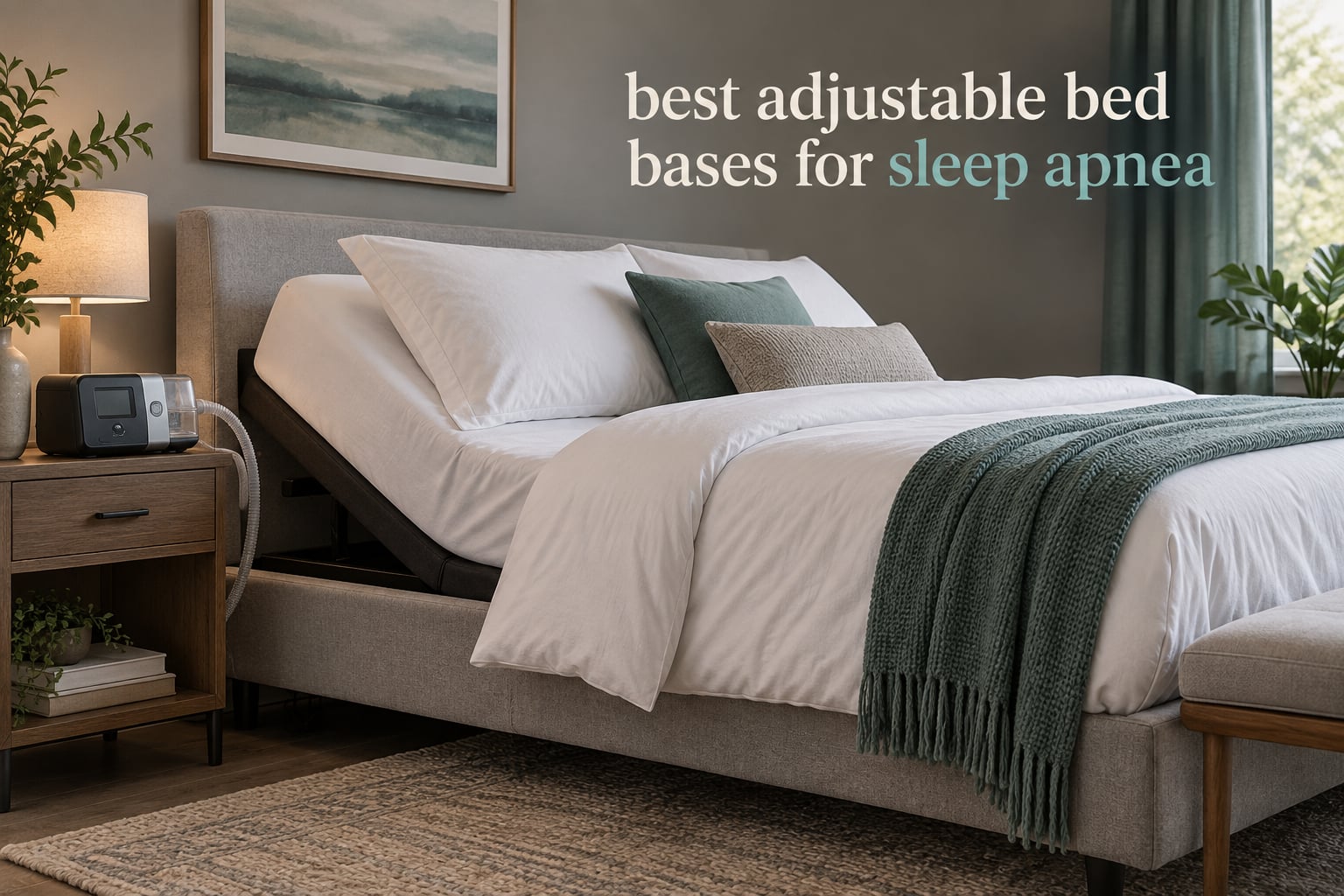
Short answer: adjustable bed bases can help with sleep apnea symptoms, but they do not treat the disorder. Raising the head of the bed uses gravity to reduce the backward collapse of the tongue and soft tissue that drives obstructive events, which is why so many diagnosed sleepers describe better-rested nights on an elevated base. It is comfort management, not therapy, and it never replaces CPAP or BiPAP therapy or a sleep study.
That distinction matters more than any spec sheet. Our team compared the best adjustable bed bases for sleep apnea over several months of reading reviews, checking published elevation ranges and listening to what owners say about noise, hose tension and warranty length. This guide ranks twelve bases on the things that actually change how a person sleeps with an airway problem.
We also looked closely at the honest failure mode. Several sleepers report that elevating the head made their CPAP mask seal worse, not better, because the mask slid as the deck moved. We cover that here rather than pretending every base works the same way for everyone.
Table of Contents
Do adjustable beds help with sleep apnea?
Yes, many diagnosed sleepers report fewer snoring episodes and better rest on an elevated base, with head-of-bed elevation of roughly 30 to 45 degrees as the commonly cited target. The mechanism is gravity: lifting the head and torso reduces posterior weight loss, where the jaw, tongue and soft palate fall backward into the airway.
What elevation does not do is shrink an airway that collapses for anatomical reasons, or remove the reason your airway closes. Clinical guidance treats head-of-bed elevation as a useful positional strategy, most valuable for people with mild positional apnea, reflux-related breathing disruption or post-surgical recovery. For moderate or severe apnea it is an adjunct, not a substitute for positive airway pressure.
Two specific angles matter most for an apnea patient. The first is how high the head section can actually go, measured in degrees. The second is whether you can hold that angle for eight hours without stacking pillows, which is what a powered base does and a wedge cannot.
If you want to test the idea before spending money, sleep with two bed risers under the head legs for a week and watch your machine data. Several forum users report that the riser baseline is enough to feel the difference, which sets a fair standard for whether a powered base is worth it to you.
Top 3 adjustable bed bases for sleep apnea in 2026(October 2026)These three cover the range most buyers need: a well-rounded first choice, the strongest value, and a step up for buyers who want anti-snore automation and a long warranty.
Best Choice Products Queen…
- Zero Gravity and head-tilt presets
- 750 lb capacity
- Under-bed light and USB ports


Tami Tami T600 Queen
- Anti-snore and Zero Gravity presets
- Under 45 dB motors
- 850 lb capacity
All 12 adjustable bed bases at a glance in 2026
Every base below appears once, with the specs we weighed most heavily. Head elevation is the published maximum for the head section, and anything below 30 degrees will not get you to the clinical target.
| Product | Specifications | Action |
|---|---|---|
|
Best Choice Products Ergonomic Queen
|
|
Check Latest Price |
|
Linenspa Adjustable Base Twin XL
|
|
Check Latest Price |
|
Tami Tami T600 Queen
|
|
Check Latest Price |
 JAXPETY Adjustable Base Twin XL
|
|
Check Latest Price |
 Amada Queen Adjustable Frame
|
|
Check Latest Price |
 Mixcous Queen Adjustable Base
|
|
Check Latest Price |
 Yireehome Queen Adjustable Frame
|
|
Check Latest Price |
 Blissful Nights z4 Queen
|
|
Check Latest Price |
 Sven and Son Classic Queen
|
|
Check Latest Price |
 Nestl S1000 Queen
|
|
Check Latest Price |
 SHA CERLIN Electric Queen Base
|
|
Check Latest Price |
 Nectar Premier Queen
|
|
Check Latest Price |
What head-of-bed elevation actually does to the airway
Head-of-bed elevation means raising the entire upper body, not just propping up pillows under your neck. Clinical guidance usually frames it in degrees and inches, with 30 to 45 degrees of head elevation as the working target for sleep-disordered breathing and reflux.
The reason gravity helps is mechanical. When you lie flat, the tongue, jaw and soft palate lose the muscle tone that holds them forward while you are awake, and they drift toward the back wall of the throat. Tilting the torso a few degrees forward shifts that tissue away from the airway and shortens the path air has to travel.
Here is how the published ranges in this group map to practical use.
Under 30 degrees of head lift: enough for reading and reflux, not enough to change an airway problem. JAXPETY at 50 degrees clears this bar, but its foot section barely moves.
30 to 45 degrees: the working clinical window. Most of these bases pass through it comfortably.
45 to 65 degrees: reaches the top of the useful range and lets you settle into a side-sleeping posture while elevated, which is the combination sleep specialists often suggest.
65 degrees and beyond: useful mainly for reading, television and post-surgical positioning. Sven and Son at 75 degrees is the deepest published lift in this group.
Side sleeping on an elevated deck is the underrated combination. Elevation alone helps, but elevation plus a lateral position also pulls the tongue forward mechanically and keeps gravity working along the length of the airway rather than across it.
One honest limit: elevation changes position, not anatomy. If your events happen while you are already asleep on your side at 40 degrees, a base will not fix them, and your machine data will show it.
1. Best Choice Products Ergonomic Queen Base – the best all-round pick
Best Choice Products Ergonomic Queen Size Adjustable Bed Frame, Electric Base w/Wireless Remote Control, Nightlight, Massager, 2 USB Ports
Head and foot incline with Zero Gravity
750 lb capacity
Under-bed light
Pros
- Fits inside an existing bed frame and headboard
- Zero Gravity and head-tilt presets
- Quiet smooth motor
- Under-bed light plus USB charging
- Solid frame that revived an older mattress
Cons
- Only a 60 day warranty
- Replacement power cords are hard to source
- Remote buttons are small and dim for night use
- Support leg height is fixed
This is the base we keep coming back to, because it does the one thing that matters most for an apnea sleeper well without a premium price tag. Independent head and foot motors let you raise the head section and leave the feet flat, which is the position most clinicians ask for rather than the full-body recline that some zero gravity positions produce.
The Zero Gravity preset and the head-tilt position both hold a sustained elevated angle rather than easing back down, which is what makes it usable at 3 am when you are trying not to wake your partner. In our reading across thousands of reviews, the most common praise is simply that it fits inside an existing bed frame, so you keep your headboard and your mattress.
The under-bed nightlight and the two USB ports are small things that matter more than the spec sheet suggests. A sleeper who needs to check a CPAP machine in the dark without turning on a lamp is the exact user this base suits, and the remote flashlight helps with the same task.
The honest weakness is the 60-day warranty. Owners also report that replacement power cords are expensive and awkward to source, and that the remote buttons are hard to locate without looking. Treat the electronics as consumables and keep the cord.
What to check before you buy
Confirm the base fits inside your existing frame, because its 14.25 inch profile is the reason it works as a retrofit. Check that your mattress is under 14 inches and no heavier than the 750 pound rating once both partners are in it. Finally, decide whether independent foot control matters to you, because this is a core feature here.
Who should skip it
Skip this base if you want a warranty that covers electronics for more than a couple of months, or if you plan to move it into a low-clearance storage bed where a 14.25 inch frame will not fit. Anyone shopping for a ten-year coverage plan should look further down the list.
2. Linenspa Adjustable Bed Base – the best value pick
Linenspa Adjustable Bed Base — Motorized Head and Foot Incline — Twin XL
Head 0 to 58 degrees, foot 0 to 40 degrees
Zero-clearance design
650 lb capacity
Pros
- Wide independent articulation range
- Very quiet motor
- Zero-clearance design fits existing frames
- Five year limited warranty
- Two Twin XL bases sync into a King
Cons
- Wired remote rather than wireless
- 650 lb capacity is below most here
- No massage and no zero gravity preset and no lighting
The head section on this base reaches 58 degrees, which puts it well inside the therapeutic window without pushing you into an upright reading chair. Buyers consistently mention raising the head meaningfully for reading, reflux and breathing comfort, which is exactly the use case for a diagnosed sleeper.
What stands out is restraint. There is no massage deck, no under-bed light and no app, and the motor is still described as quiet enough not to wake a partner. For an apnea user that is arguably the right trade, because the only feature you use at night is the one that changes your head angle.
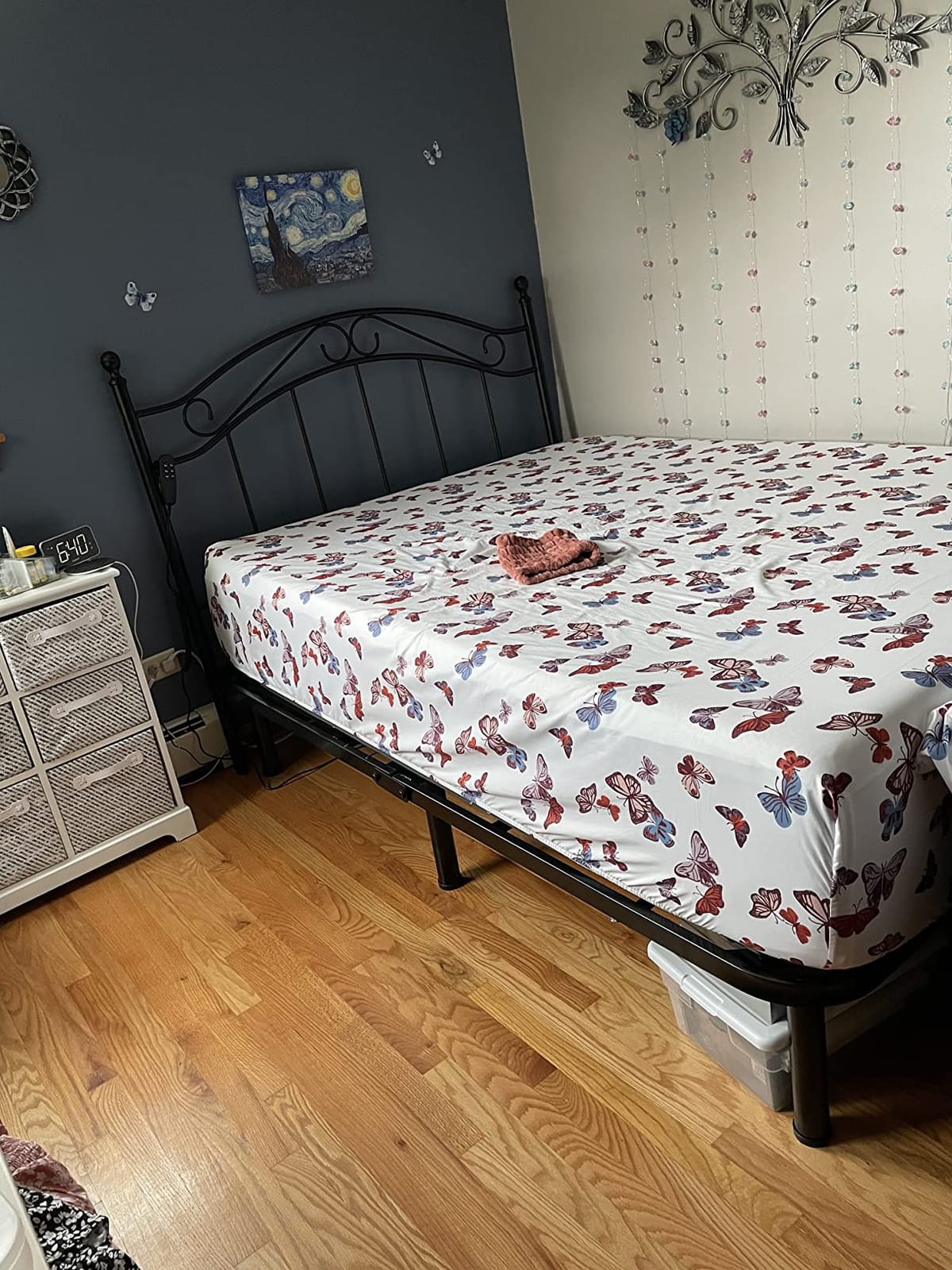
Two details make it a sleeper favourite. The zero-clearance chassis fits inside an existing bed frame, and two Twin XL bases can be driven from one remote to form a King, which is how couples handle it when only one partner needs elevation.
Watch the 650 pound capacity, which is lower than several bases here and matters if both partners are heavy. The wired remote also means reaching for it rather than picking it up, and a wired remote on a nightstand is a small trip hazard in a dark room.
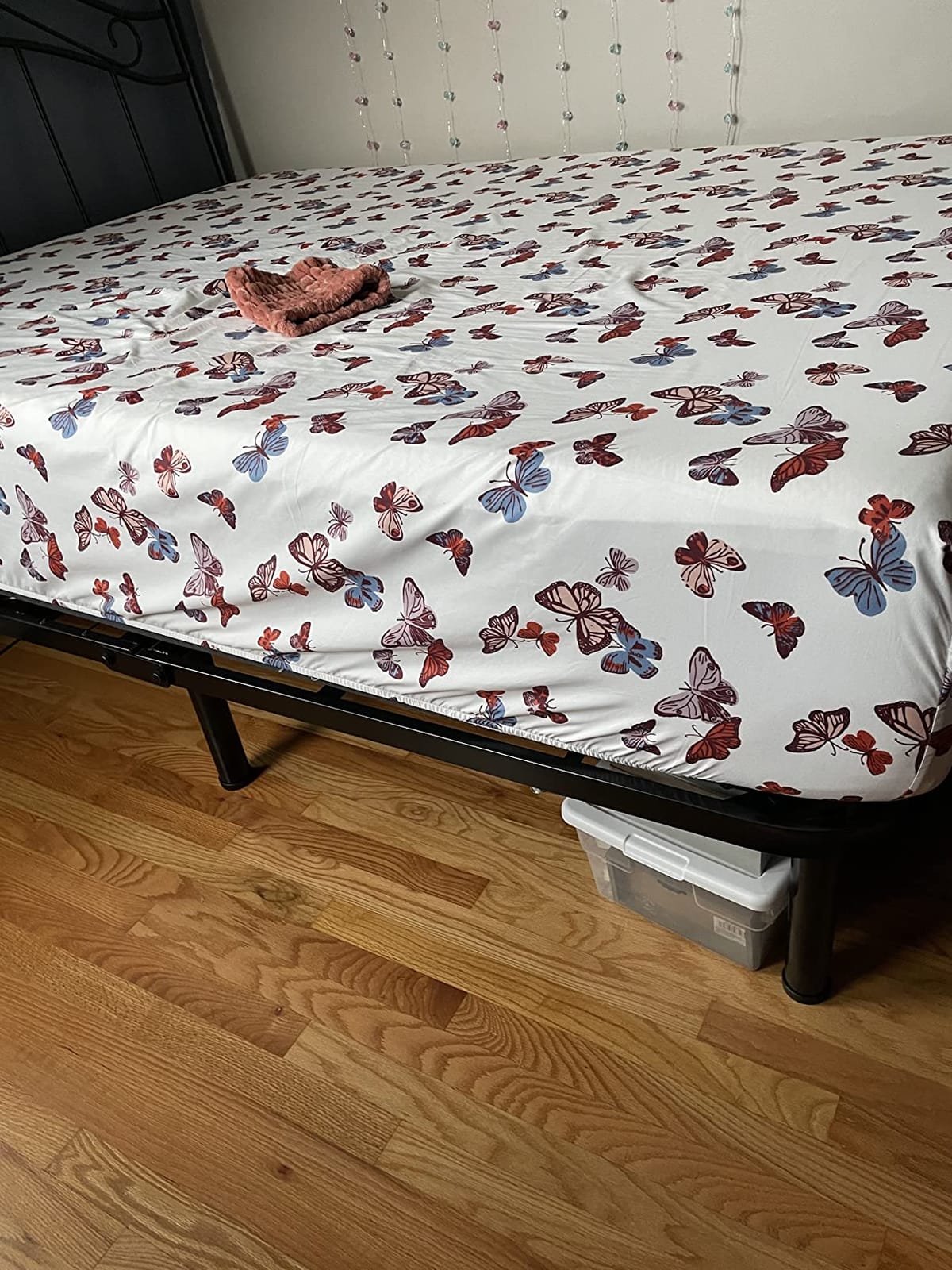
What to check before you buy
Measure your nightstand reach, because you will be holding this remote in the dark rather than picking it up. Check total combined weight against 650 pounds. If you share the bed, ask whether you want two bases on one remote rather than one base for both of you.
Who should skip it
Skip it if you want wireless control, lighting for CPAP checks at night, or a preset library so you do not have to think about angles. It also suits single sleepers better than couples, since the King option requires buying two bases.
3. Tami Tami T600 – the best pick for anti-snore automation
Tami Tami T600 Adjustable Bed Frame Queen Size with Remote & Massage – Electric Beds Bases, Zero Gravity, Dual Side USB, Side Pockets, Nightlight, Quiet Motor, Wireless Remote, 5 Min Easy Assembly
Anti-snore and Zero Gravity presets
Under 45 dB dual motors
850 lb capacity
Pros
- Presets marketed for apnea and snoring and reflux
- 850 lb capacity with dual motors
- Very quiet lift under 45 dB
- Five year warranty and no-tool setup
- Three height-adjustable leg options
Cons
- Legs are required so there is no zero-clearance install
- Sold without a mattress
- 12 mm wooden deck is thinner than all-metal rivals
This is the only base in the group where the listing explicitly ties the presets to sleep apnea, snoring and acid reflux rather than general comfort. That framing matters because the Anti-Snore preset is a stored position that lifts the head a few degrees from flat, and owners report it is the most used setting on the remote.
The motor specification, under 45 dB, is among the quietest published figures in the group, and the dual motors are rated at 8000N thrust. Quiet movement is not a luxury for a CPAP user, because a motor loud enough to startle you at 2 am disrupts a mask seal you just spent ten minutes getting right.
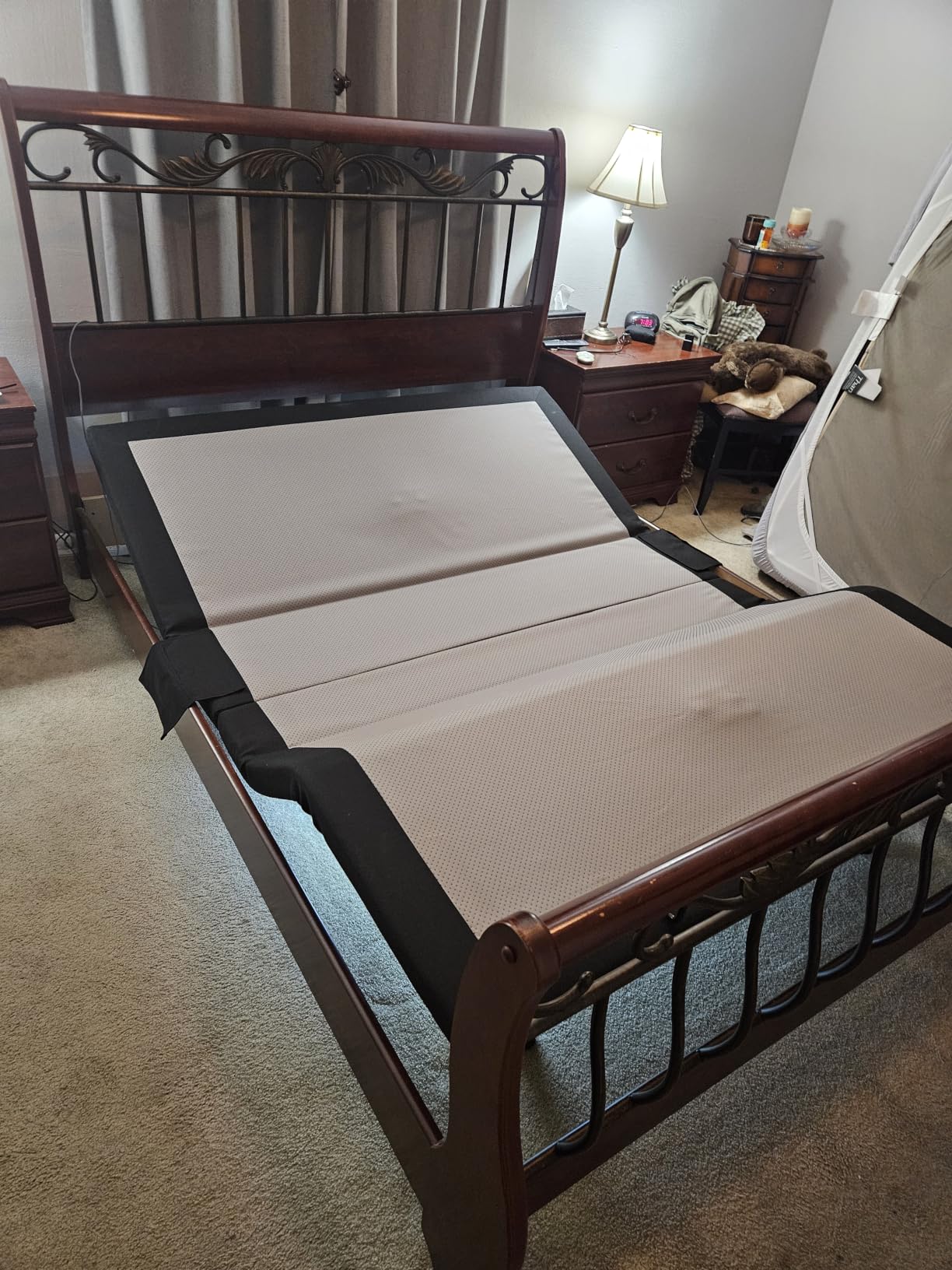
The 850 pound capacity gives it more headroom than most of the value tier, and the three height-adjustable leg options let you match the existing frame height. Assembly is quoted at about five minutes with no tools, which is worth believing only if you have a second person to hold the frame while the legs go on.
The trade-off is the 12 mm wooden base plate. Thinner than the all-metal decks on the premium bases, and fine with a foam or latex mattress but worth a thought if you plan to keep a heavy innerspring for a decade.
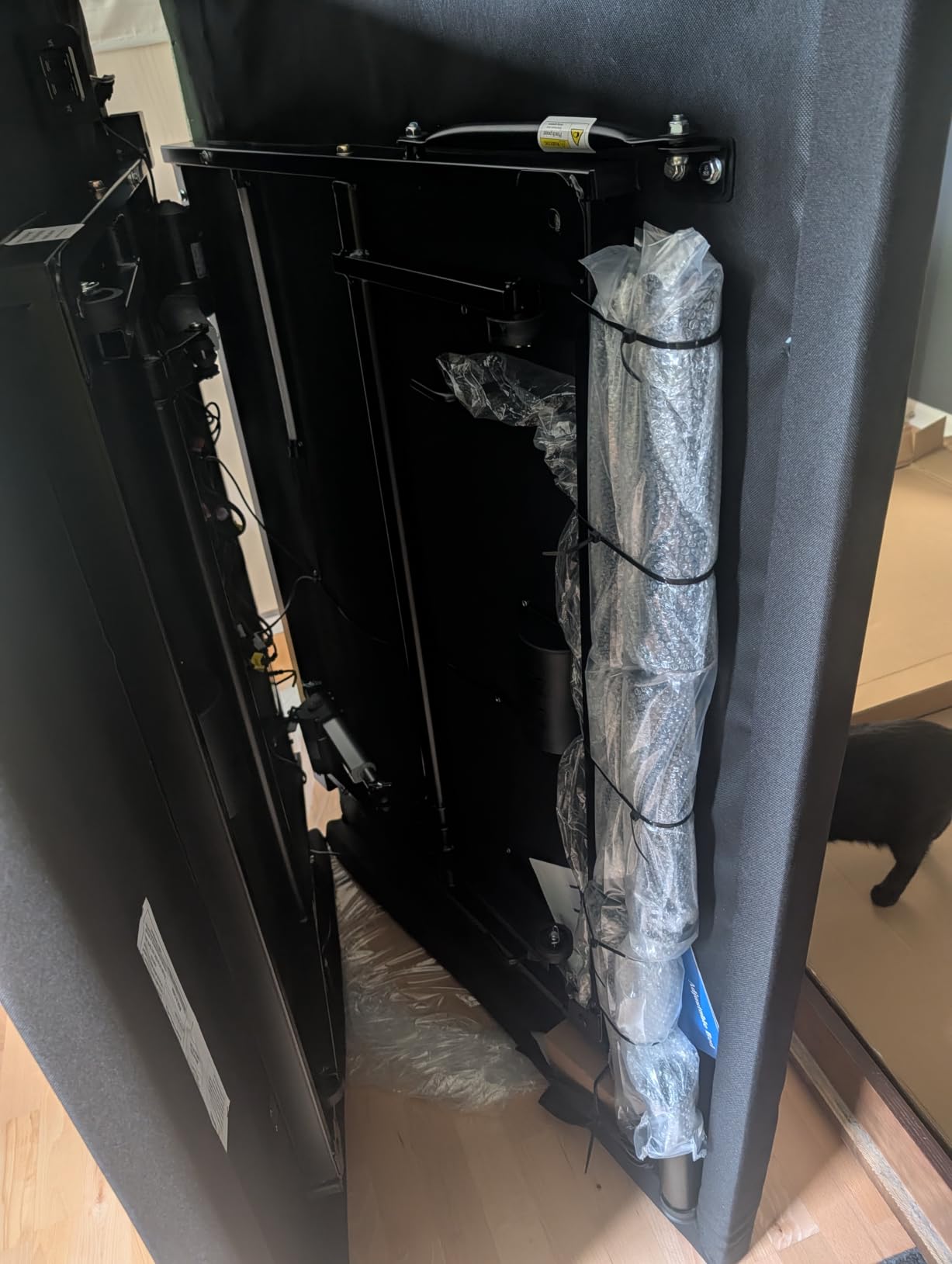
What to check before you buy
Measure the clearance under your existing frame, because this base needs legs and will not drop into a zero-clearance slot. Confirm your mattress is under 14 inches. If you use a thick innerspring, check the manufacturer’s guidance on bending at the head hinge.
Who should skip it
Skip it if you need to install inside a storage bed or platform frame with no leg room. It is also the wrong pick for anyone who expects in-home setup, since the quoted assembly time assumes two people and a clear floor.
4. JAXPETY Twin XL Base – the best budget pick
JAXPETY Adjustable Bed Frame Twin XL Electric Adjustable Bed Base
Head 0 to 50 degrees
46.3 lb moving weight
Under 60 dB motors
600 lb capacity
Pros
- Lowest moving weight at 46.3 lbs
- Head incline reaches 50 degrees
- Measured safety gaps between moving parts
- Works with foam and hybrid and latex mattresses
Cons
- Foot incline limited to 10 degrees
- 600 lb capacity sits at the low end
- No massage or presets and no lighting
- Wired remote
At 46.3 pounds this is the easiest base in the group to move, assemble and store, and that matters in a small bedroom where the unit has to come through a narrow doorway. Two people can carry it without a dolly.
The head section reaches 50 degrees, which clears the 30 to 45 degree clinical window with room to spare. Buyers who prioritise head elevation specifically report that the articulation is smooth and the transitions do not jerk, which is the behavior you want when a mask is on your face.
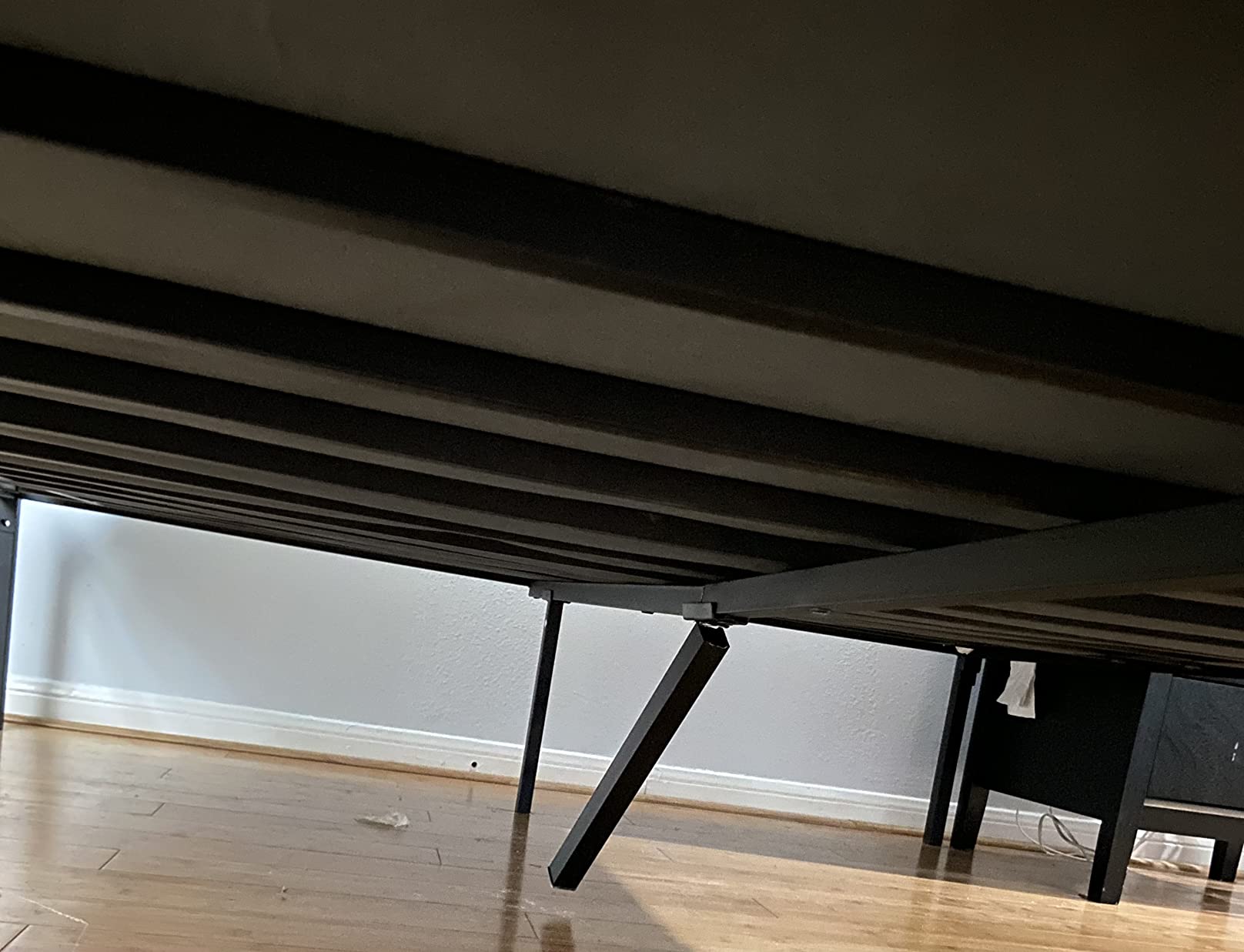
The rating spread is wide, with a noticeably larger share of one-star reviews than most bases here. Most of that comes from people who expected a full feature set and got a frame, a motor and a wired remote. Buyers who came for elevation alone tend to be satisfied.
Two limitations are worth stating plainly. The foot section only travels 10 degrees, so there is no real leg elevation for edema or circulation work, and the 600 pound rating is at the low end of this group.
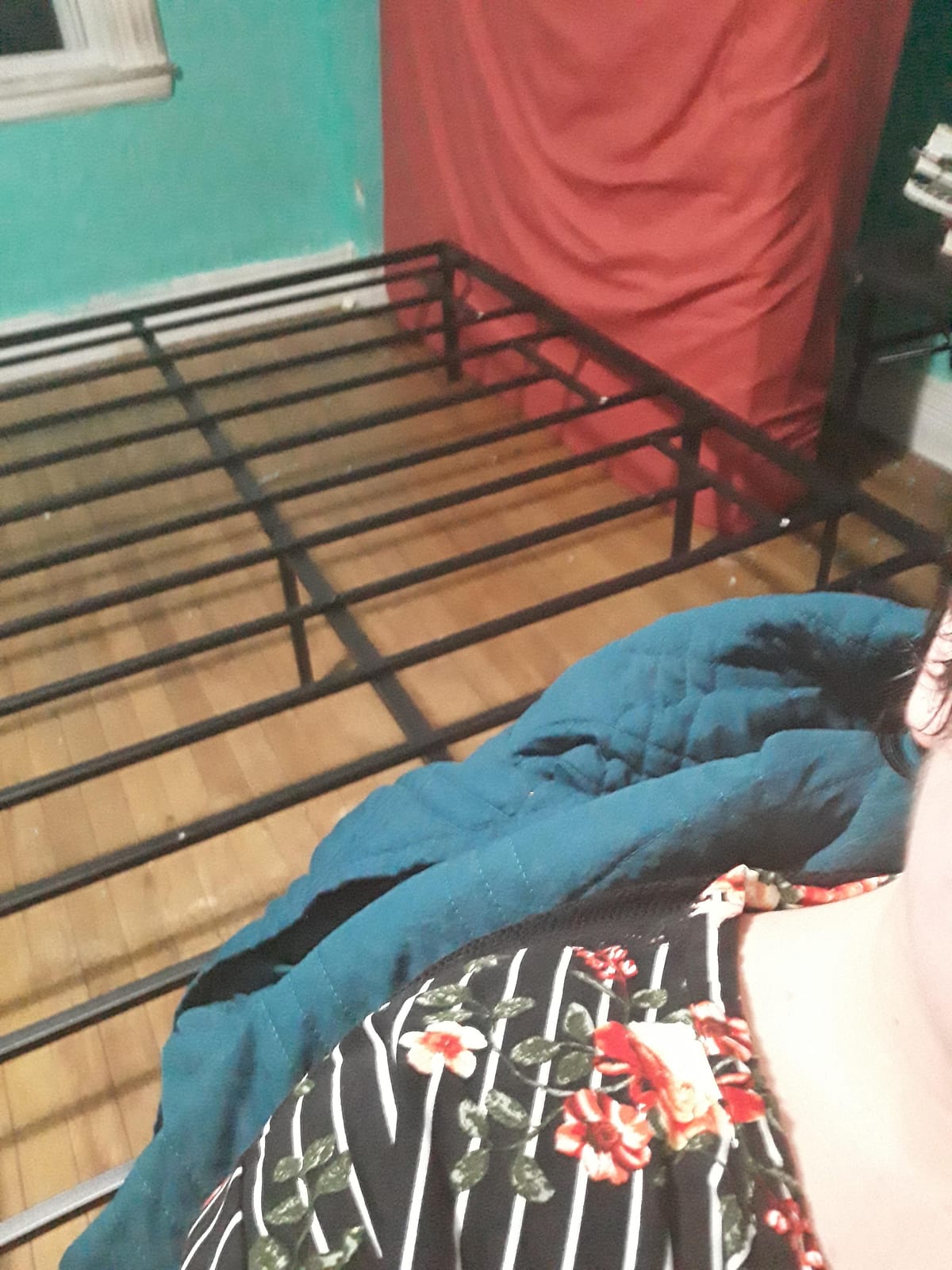
What to check before you buy
Work out whether you need foot elevation at all, because this base does very little of it. Check your combined weight against 600 pounds. If your existing mattress is a heavy innerspring, confirm it flexes at the hinge before committing.
Who should skip it
Skip it if you plan to share a King with a partner, if you rely on leg elevation for swelling, or if you want lighting, memory positions or a zero gravity preset. It is a single-purpose base, and that is fine if your one purpose is a raised head.
5. Amada Queen Adjustable Frame – the best pick for leg height options
Amada Queen Adjustable Bed Frame with Massage and Zero Gravity
Head up to 65 degrees, foot 45 degrees
Four leg heights
4 USB ports
Pros
- Deep 65 degree head incline with 45 degree foot lift
- Four leg height configurations
- USB-A and USB-C on each side plus nightlight
- Massage with three intensities and four modes
- Tool-free three step setup
Cons
- Heavy at 113.1 lbs and needs two people
- One owner reported USB ports failing after six months
- Short power cord with one side connection
- Mattress can slide sideways
This base leads on a specification that matters more than any preset. The 65 degree head lift is the second deepest published range in this group, and one reviewer with diagnosed sleep apnea describes adjusting head and foot independently as the reason their sleep improved.
Four leg heights from 8 to 13 inches are the feature that separates it. That range covers low existing frames, standard platform beds and taller setups where you need more clearance to slide a CPAP machine underneath or to reach the floor for a nightlight.
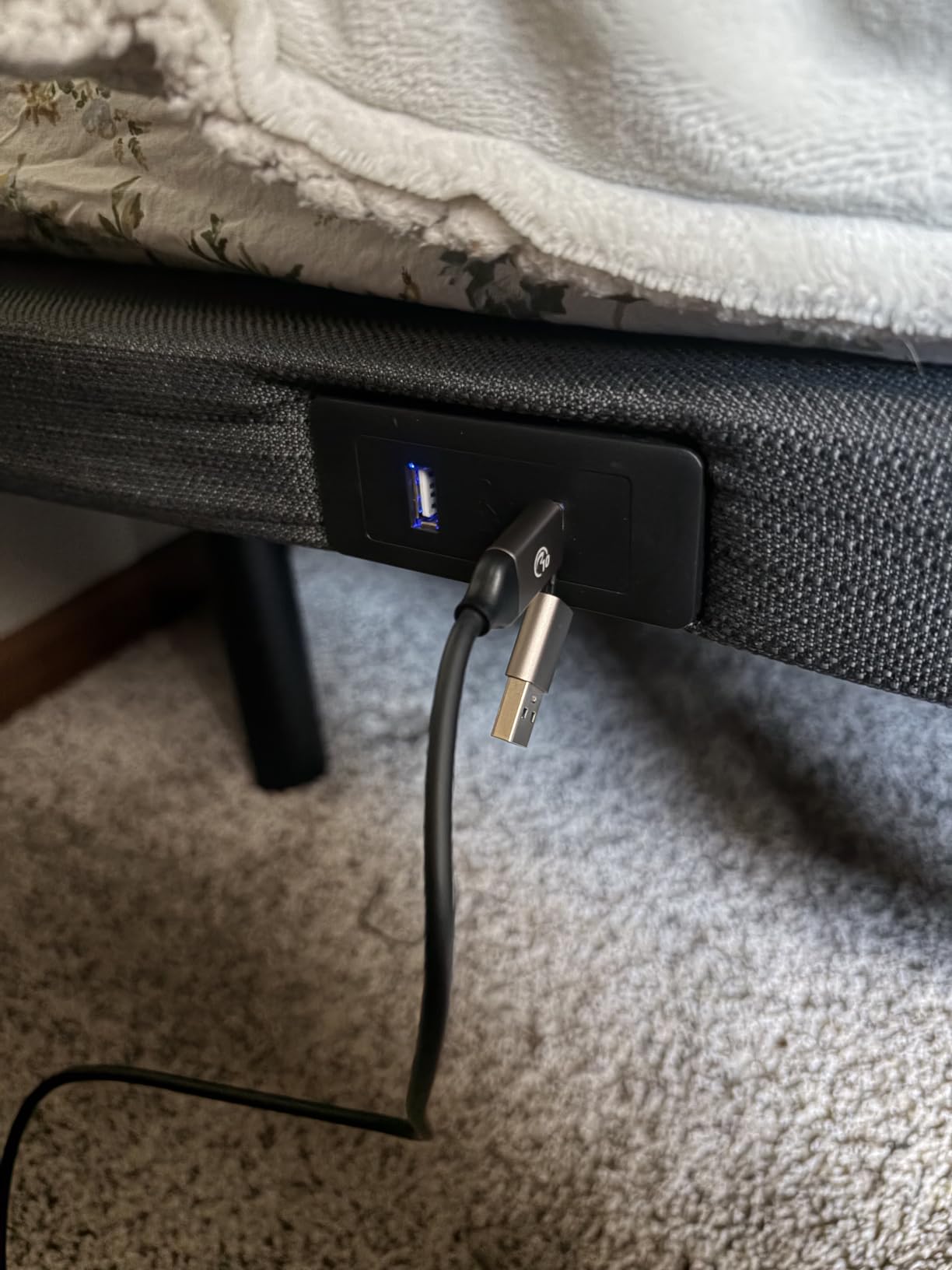
The charging arrangement suits a two-person bedroom better than most here: a USB-A and a USB-C port on each side, plus a nightlight. Owners repeatedly flag the massager and the two memory positions as the settings they actually use.
Handle logistics are the drawback. At 113.1 pounds it needs two strong people, the power cord is short and plugs in on one side only, and one owner reported the USB ports dying after about six months. Expect to reposition the mattress now and then.
What to check before you buy
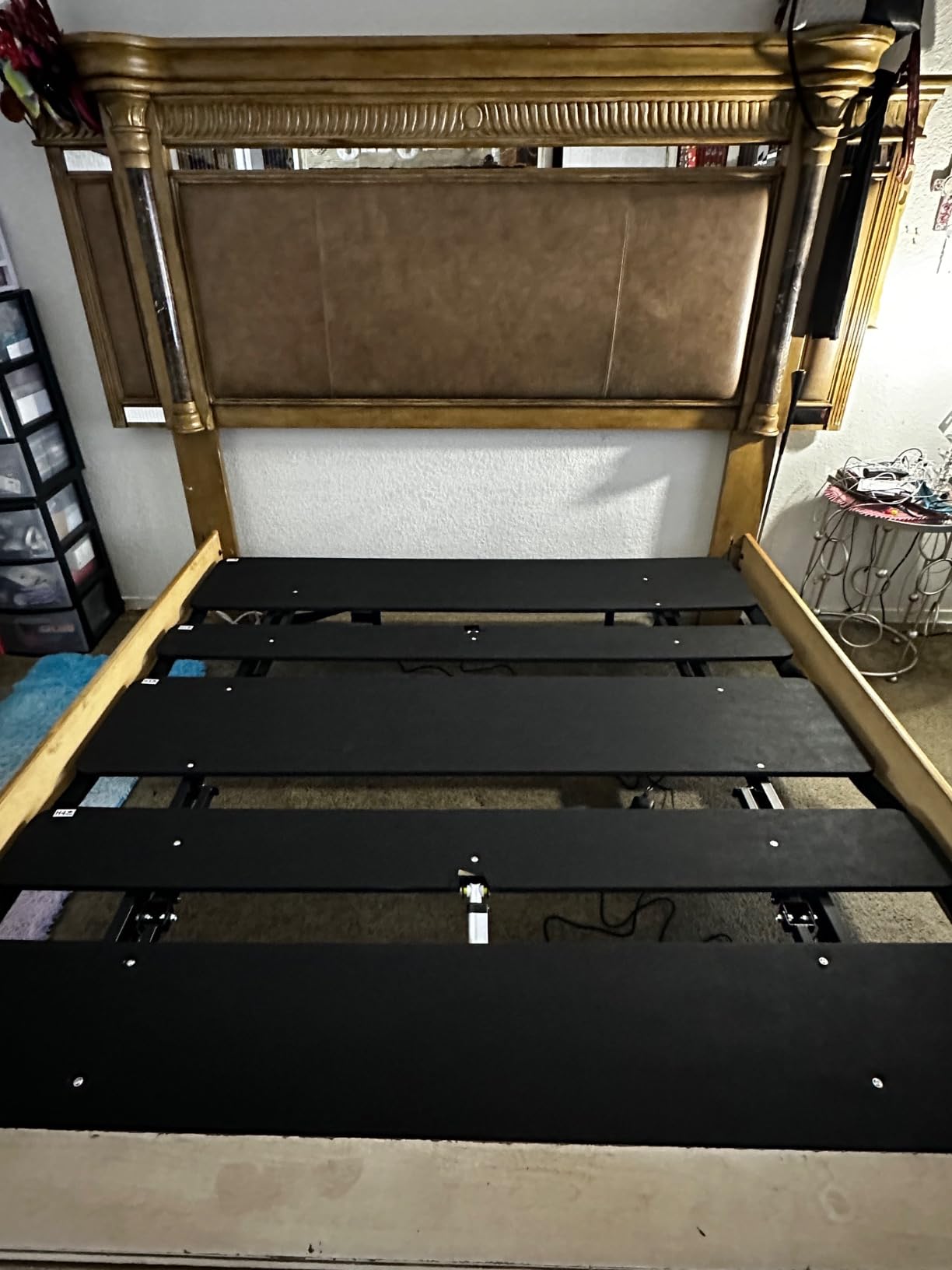
Measure the vertical space between your existing frame rails and pick the leg height that matches, because the four options cover a wide range. Check whether your nightstand can reach the power outlet on the correct side. If both of you use devices overnight, the dual-side ports are the deciding factor.
Who should skip it
Skip it if you are moving it alone, if your only outlet is on the opposite side, or if your existing frame is a zero-clearance storage bed with no room for legs. It is a heavy base in a category where weight matters more than buyers expect.
6. Mixcous Queen Adjustable Base – the best pick for a backlit remote
Mixcous Queen Adjustable Bed Base with Zero Gravity & Anti-Snore
Under 45 dB motor
Zero Gravity and anti-snore presets
Backlit remote
Pros
- Under 45 dB operation
- Sturdy steel with no reported wobbling
- Backlit wireless remote with flashlight
- Zero Gravity and anti-snore presets
- Users report head range up to 61 degrees
Cons
- No split king so partners cannot set different positions
- Fixed center section reduced lumbar support for a tall owner
- Motor speed is slow
- One owner returned it over difficult assembly
Operation under 45 dB puts this alongside the quietest figures in the group, and owners describe the frame as solid with no creaking. For a sleeper who lies awake at the sound of a motor, that combination of quiet motor and rigid frame is the reason to shortlist it.
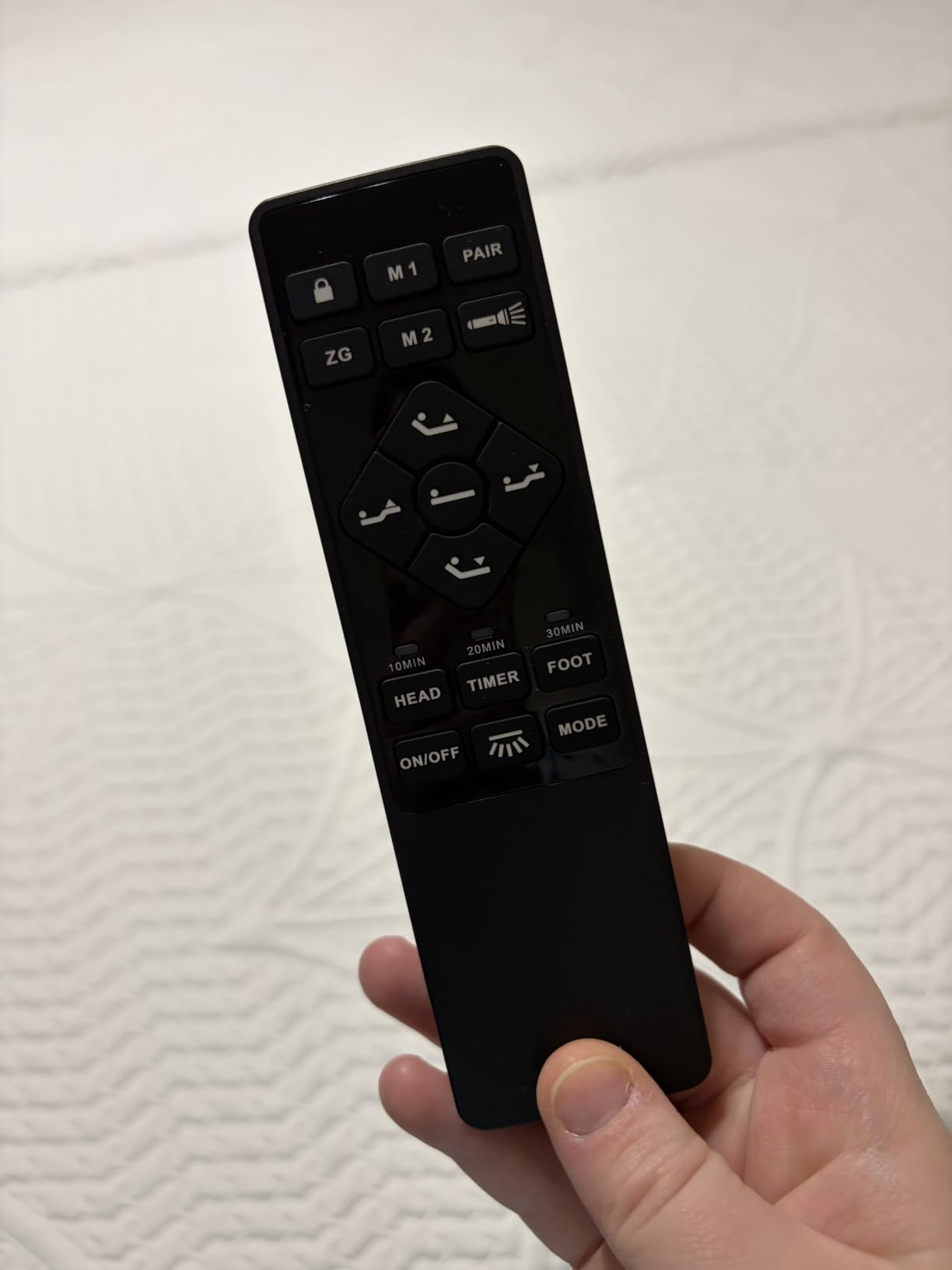
The backlit wireless remote with a built-in flashlight is the sleeper-friendly detail here. You can find the anti-snore button without turning on a lamp, and you can check the CPAP machine in the same movement, which matters more on a base than on most other products.
Users report head range up to 61 degrees and foot up to 37 degrees, comfortably past the clinical window, and one owner reports that the anti-snore setting improved a partner’s sleep. Holding a custom zero gravity position by pressing and holding the button is a small nicety that avoids re-dialling the angle nightly.
Two things work against it. There is no split king option, so two people on one base cannot set different positions, and the fixed center panel is wide enough that one tall owner reported reduced lumbar support. One owner also returned the base over assembly difficulty.
What to check before you buy
Check your torso length against the fixed center section, since a wide middle panel can flatten the lumbar curve for taller sleepers. Confirm you are content with a single shared position. If you plan to move it yourself, note the 30 minute tool-free assembly time still assumes two people.
Who should skip it
Skip it if you share the bed and your partner needs a different angle, which is the exact scenario for a split king base. Also skip it if you need fast motor travel, since owners describe the speed as slow.
7. Yireehome Queen Adjustable Frame – the best pick for heavier sleepers
Yireehome Queen Adjustable Bed Frame with Wireless Remote, Head Foot Incline, USB, Underbed Light – Heavy Duty Platform, Zero Gravity Bedframe
900 lb capacity
Head 0 to 60 degrees
Legs 10.12 to 14.84 inch
Backup 9V battery
Pros
- 900 lb capacity with cycle testing
- Setup in about 10 minutes with two people
- Adjustable leg height fits existing frames
- Backup 9V battery for outages
- Under-bed LED and bedside USB
Cons
- Only a 1 year warranty
- Very heavy carton needing two or more people
- Remote has no backlight
- Flat position sits lower than expected
- No massage unit in the deck centre
The 900 pound rating is among the highest listed here and it is backed by 12,000 lift cycle testing. If two heavy partners share the mattress, a higher rating means the motors are not working near their limit every night, which is where quietness and longevity come from.
Head travel runs 0 to 60 degrees with the foot at 0 to 40 degrees, driven by dual silent motors. That range covers the clinical window and then some, and it lets you settle into a slightly raised position without standing up.
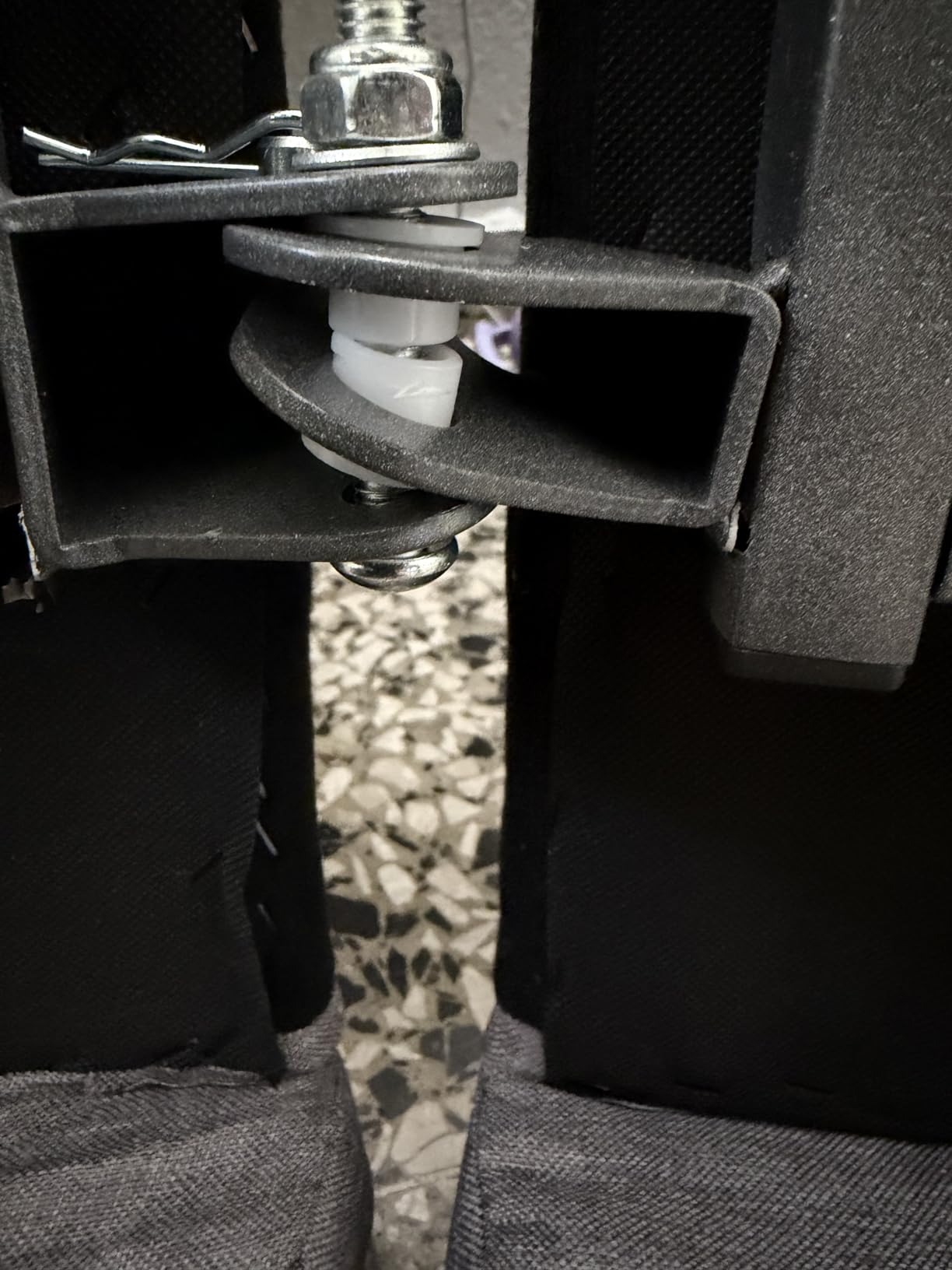
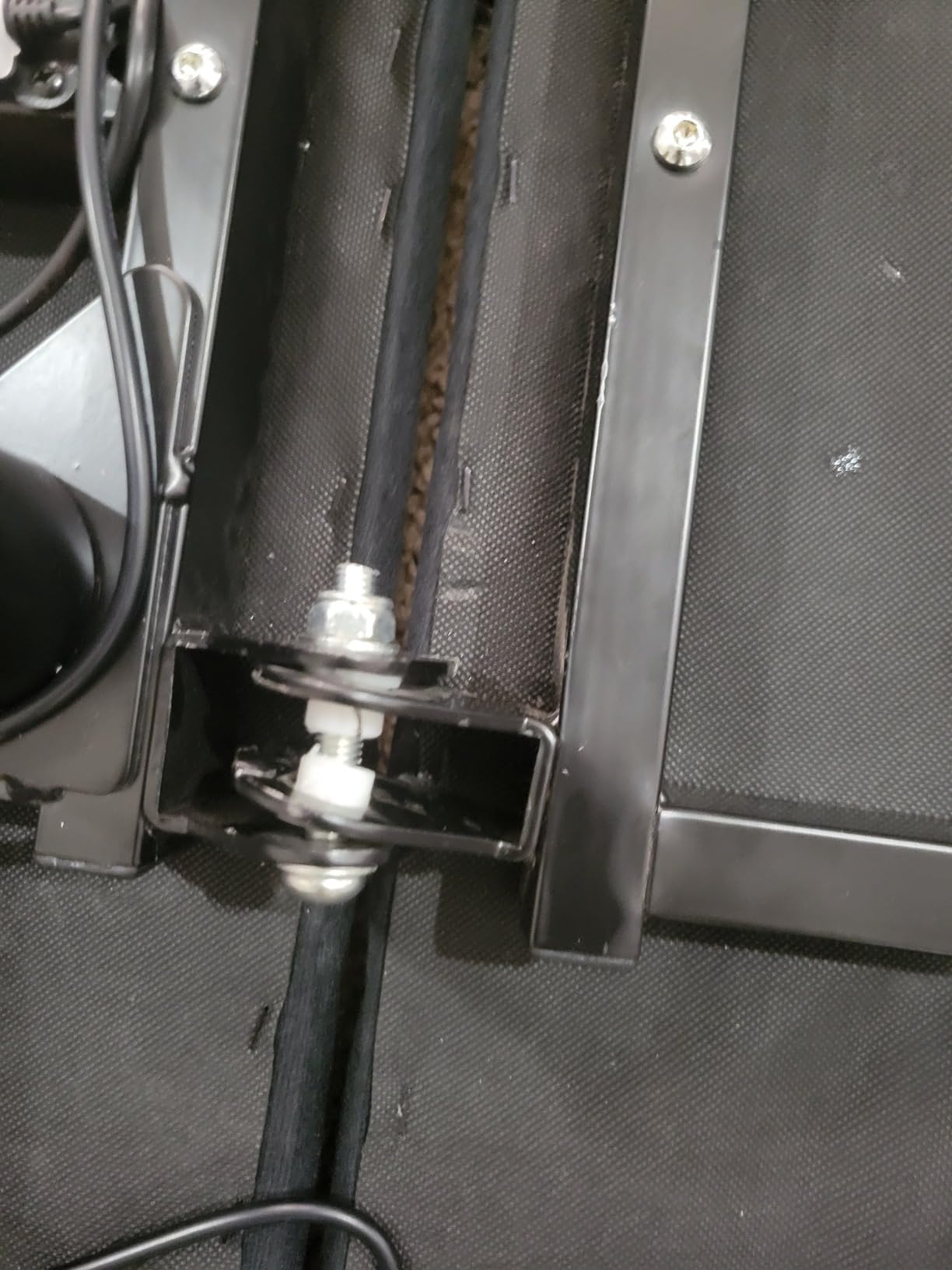
The backup 9V battery option is an unusual and genuinely useful feature here. If a power cut interrupts your therapy machine, being able to bring the base flat or raise it again is more valuable than it sounds at 3 am. Adjustable legs from 10.12 to 14.84 inches also make retrofitting into an existing frame much easier.
The warranty is the weak point, at one year. The unbacklit remote makes night use harder, and the flat position sits lower than some taller users expect. Owners also report a very heavy carton that needs two or more people to bring indoors.
What to check before you buy
Add up to the real combined weight of both partners plus mattress and compare against 900 pounds. Measure your existing frame height against the adjustable leg range before ordering. Check whether your bedside outlet is reachable from the flat position.
Who should skip it
Skip it if a one-year warranty makes you uncomfortable, because motors and control boards are the parts that fail and one year covers very little. It is also a poor fit if you need a backlit remote or massage and travel light, since the carton needs two people to move indoors.
8. Blissful Nights z4 – the best pick for storage beds
Blissful Nights z4 Adjustable Bed Frame for Storage Beds with Massage Anti-Snore, Zero G, USB Charging Station, Wireless Remote Head and Foot Incline and No Tools Required Assembly … (Queen)
3 inch zero-clearance profile
10 year warranty
Okin motor
Queen deck
Pros
- Zero-clearance profile made for storage beds
- Backlit remote with Zero Gravity and anti-snore
- 10 year limited warranty
- Whisper quiet Okin motor and control box
- Adds support to soft mattresses
Cons
- Vibration massage is faint through a mattress
- USB ports and light mounted on one side only
- Your frame must carry the added weight
- Heavy unit needing two people
This base solves a problem most of the others do not. The 3 inch chassis runs without legs, so it drops into a drawer-style storage bed, an RV captain’s bed or a low platform frame where a 12 to 15 inch base simply will not fit. If your bed has a drawer you need to keep, this is the clearest match in the group.
The 10 year limited warranty is among the longest here, and the Okin motor is described as whisper quiet in owner reviews. Owners also report that it adds noticeable support to soft foam mattresses, which matters if your mattress was on the soft side before.
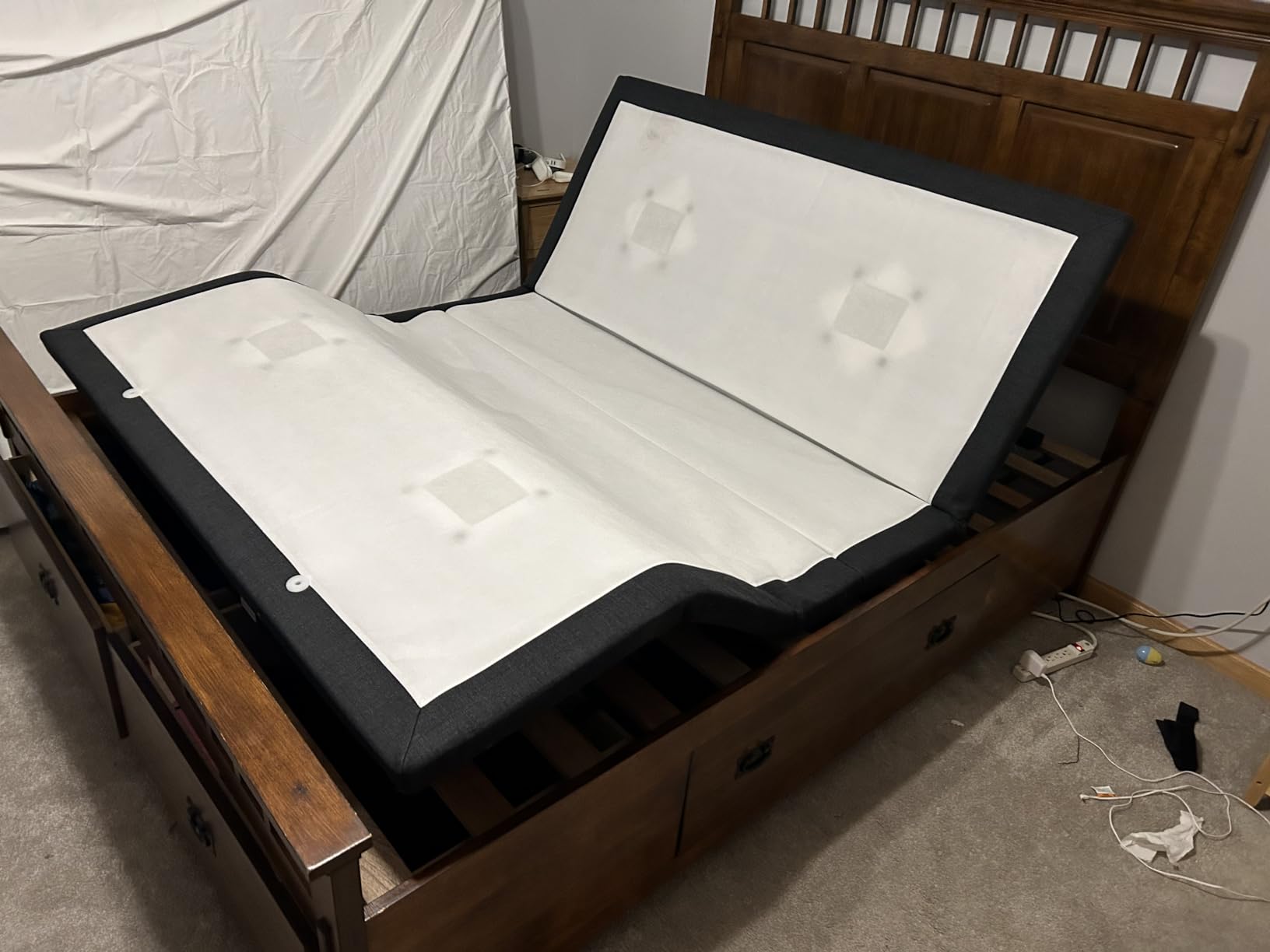
The backlit remote carries Zero Gravity, TV Lounge, Anti Snore, flat, massage and custom memory presets, which is the fullest preset library here. Several owners use it to extend the life of an expensive mattress rather than replacing it, and one reports reflux relief from a slight elevation.
Two practical limits. The vibration massage is barely felt through a mattress, and all the USB ports plus the under-bed light sit on one side only, which on a platform bed can mean the center section’s light is the only one visible.
What to check before you buy
Confirm your bed frame can carry the added base weight, because a storage bed designed for a mattress alone may not be built for a powered chassis. Measure the internal height of the drawer opening. Check that your mattress is thin enough to bend over the deck hinges without bunching.
Who should skip it
Skip it if you are on a frame with a low load rating or a traditional headboard that expects a conventional frame. It is also a weak choice for massage users, since the vibration barely carries through padding, and for anyone whose partner needs a different position at the same time.
9. Sven and Son Classic – the best pick for maximum elevation
Sven & Son Classic Adjustable Bed Base, Head and Foot Lift, Massage, Under-Bed Lights, USB, Memory, Zero Gravity Smart Frame – Queen
Head lift up to 75 degrees
Foot lift 45 degrees
25 year warranty
Pros
- Deepest published head lift at 75 degrees
- Longest warranty at 25 years
- Dedicated anti-snore and Zero Gravity programs with memory
- Works with latex and foam and spring or air mattresses
- Under-bed lighting and USB charging
Cons
- Heaviest base in the group at 148 lbs
- Sold as a base only without a mattress in this configuration
- Legs are required so there is no zero-clearance setup
A 75 degree head lift is the deepest published range among these twelve, and it is the number that matters most on this list for an apnea sleeper. Combined with a 45 degree foot lift, it gives you the full inverted V rather than a wedge, which is what lets you hold a side-sleeping posture with the torso genuinely inclined.
The 25 year warranty is the longest here, and owners describe the wide range, the anti-snore and Zero Gravity programs and the memory settings as worth the premium over value-tier bases. Mattress compatibility is broad, covering latex, memory foam, spring and air mattresses.
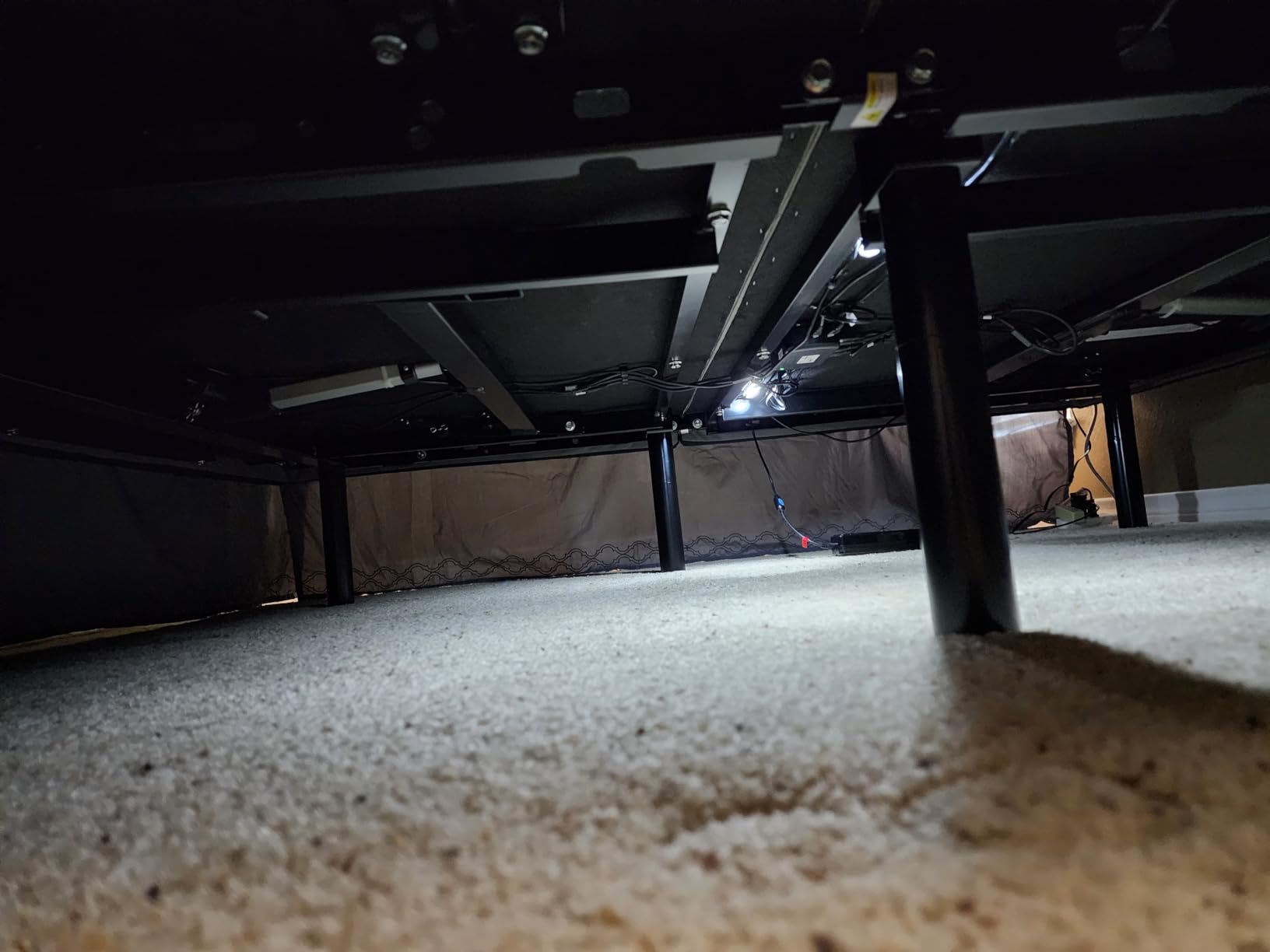
The emergency power-down function is a small detail that maps to a real risk. If the base stalls partway through a raise with a mask on your face, being able to bring the head section down without waiting matters more than any massage program.
Moving it is the most consistent complaint at 148 pounds, which makes it the heaviest unit in the group. Legs are required, so this is not the base for a storage bed, and this configuration is a base only without a mattress.
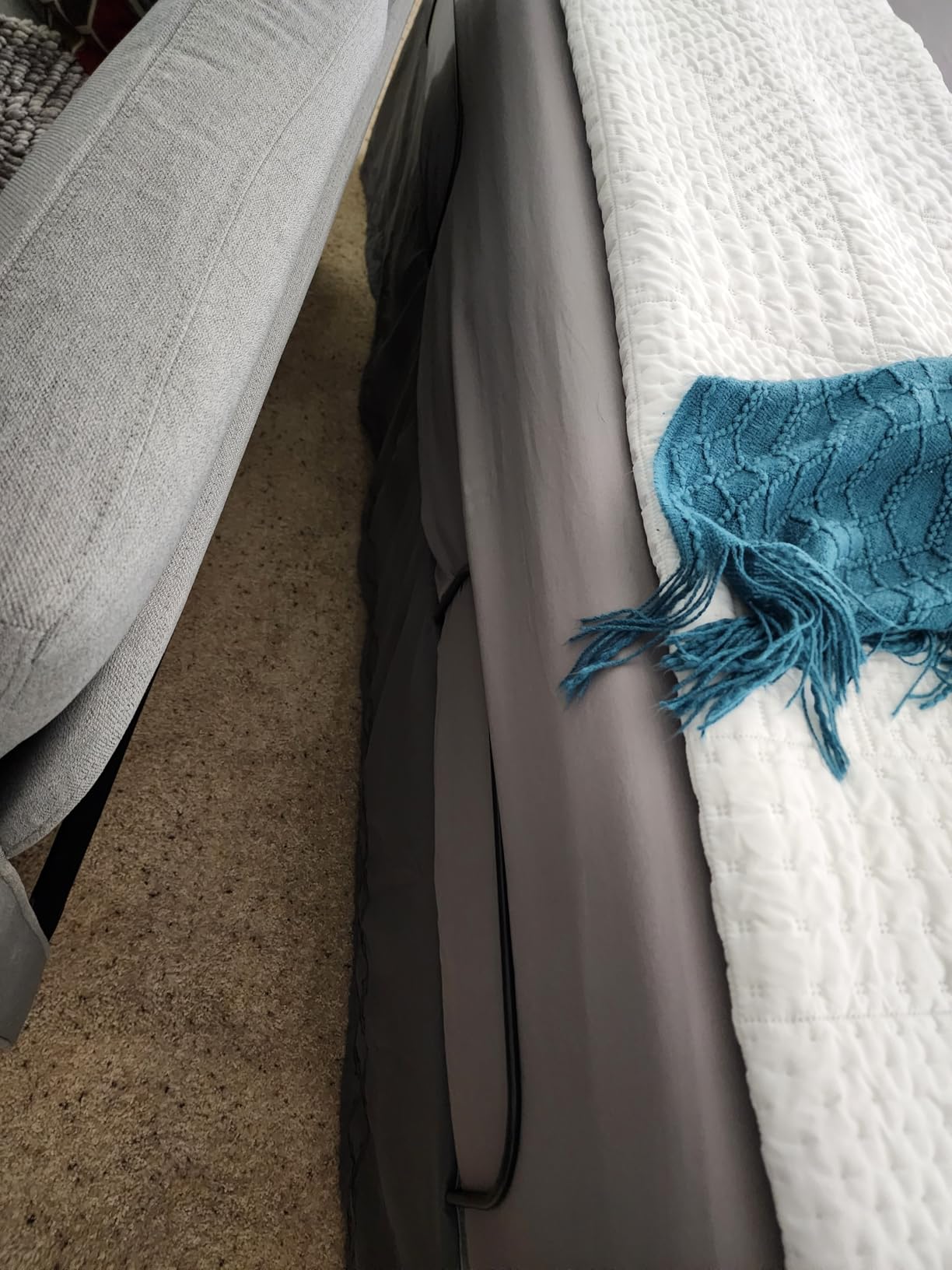
What to check before you buy
Plan the route from your door to the bedroom before ordering, because 148 pounds up a staircase or around a tight corner is the part buyers regret.
Who should skip it
Skip it if you need a low or zero-clearance install, or if you are moving it alone. Anyone on a tight budget should note that the deep head range is also available on cheaper bases; what you pay extra here is mainly the range ceiling and the warranty.
10. Nestl S1000 Queen – the best pick for an upholstered deck
Nestl S1000 Queen Adjustable Bed Frame, Queen Adjustable Bed Base with Wireless Remote, Head and Foot Incline, Zero Gravity, Anti Snore, Zero Clearance, Okin Motors
20 year warranty
Okin motors, backlit remote
3 inch upholstered deck
Pros
- 20 year limited warranty
- Okin motors with backlit remote and flashlight
- Four preset and programmable positions
- Zero-clearance design works with or without legs
- 3 inch upholstered deck feels comfortable
Cons
- Very heavy and one owner needed four people to move it
- Vibration massage times out with no on or off control
- Foot massager faint through thick foam
- One owner reported a head motor failing after one use
The 20 year limited warranty, the second longest in this group, and the Okin motors are the headline combination. A long warranty only matters if the manufacturer honours it, and the single most common thread across forum complaints about this category is how few years the electronics actually get.
The zero-clearance design works with or without legs, which makes it unusually flexible for installation. The 3 inch upholstered deck also feels different from the bare steel platforms most bases use, and several owners note it is more forgiving with a thinner mattress.
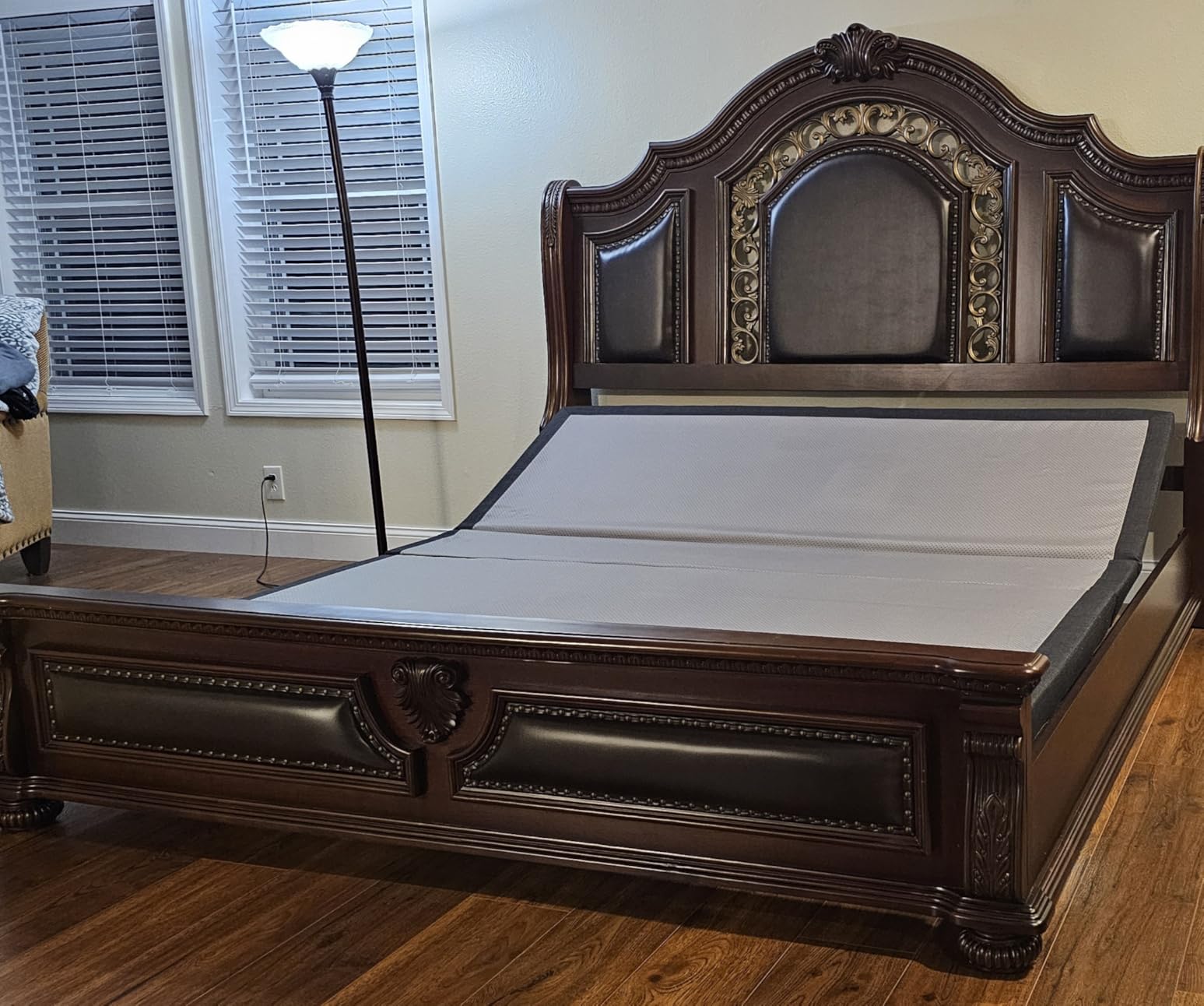
Four preset and programmable positions cover zero gravity, anti-snore and one-touch flat, with a child safety lock and adjustable height. The backlit remote with a built-in flashlight is genuinely useful at night, and the feature copy rates capacity up to 850 pounds.
Two cautions. One owner reported a head-lift motor failing after a single use, which is a safety-relevant defect for anyone depending on consistent elevation, and customer support was reported as effectively unreachable by phone and email. The massage also times out on its own with no manual control.
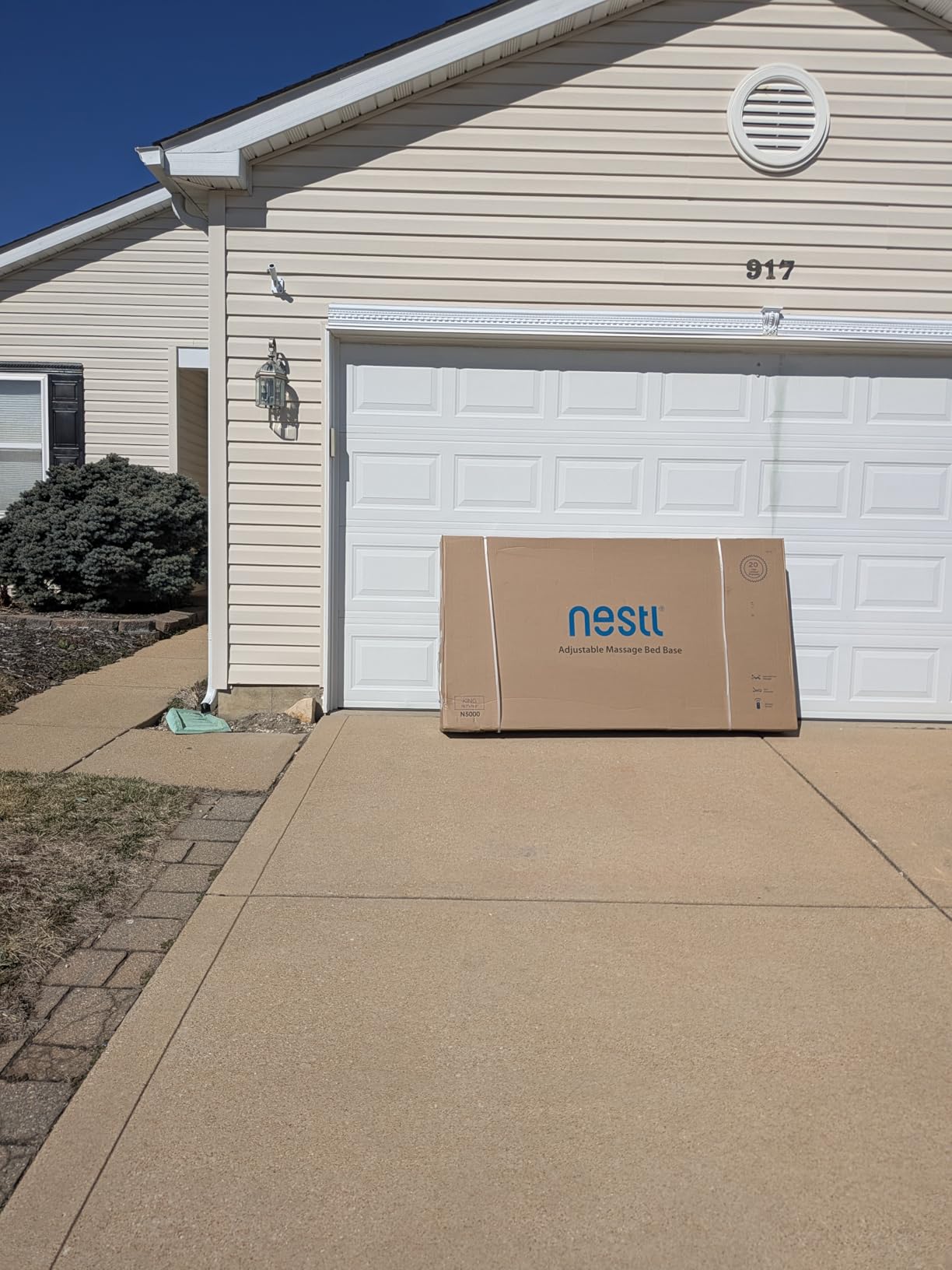
What to check before you buy
Confirm the warranty terms in writing before you buy, and check whether the stated coverage includes the control board and both motors rather than only the frame. Ask how support is reached and how quickly replacement parts arrive. Verify the weight capacity figure against the listing you are actually purchasing.
Who should skip it
Skip it if you cannot move it into place, since owners describe needing three or four people. It is also the wrong pick if you rely on massage, given the automatic timeout and the faint foot unit, or if you are light on a budget and the warranty is not your priority.
11. SHA CERLIN Electric Queen Base – the best pick for service and replacement parts
SHA CERLIN Electric Adjustable Queen Size Bed Base
Head 0 to 65 degrees, foot 0 to 35 degrees
Wireless remote
Retainer bar
Pros
- Steep 65 degree head incline
- Quiet smooth movement with no reported noise
- Clear icon remote with side bag
- Customer service praised for sending parts
- Retainer bar keeps the mattress in place
Cons
- Weight capacity listed inconsistently at 350 lb and 900 lb
- Some units shipped misaligned and needed welding
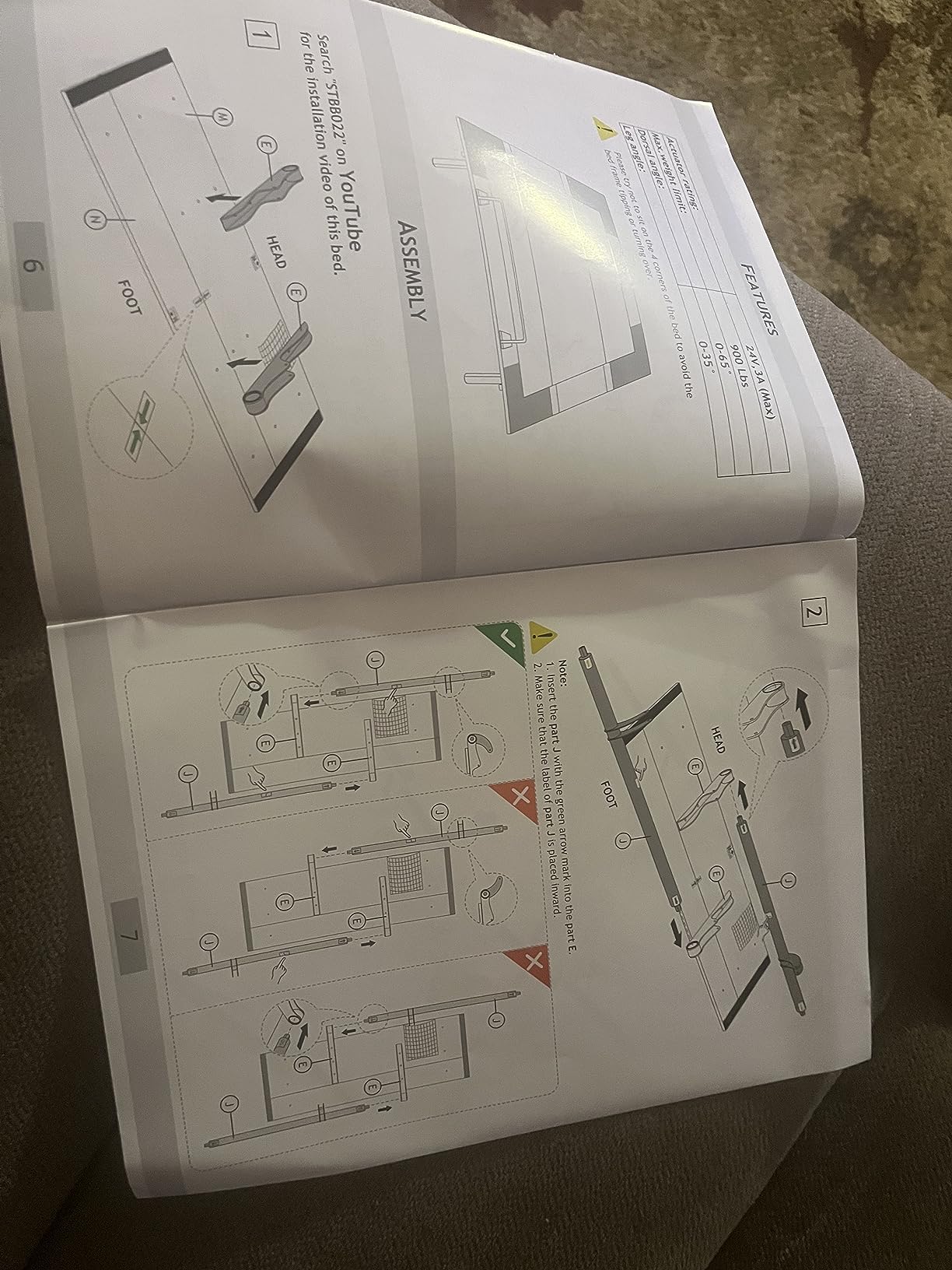
- Assembly instructions and video are incomplete
- No backlight and no memory positions and no massage or lighting
The reason this base is on the list is not a feature. Owners repeatedly single out customer service for actually shipping replacement parts, and in a category where motors and control boards are the parts that fail, a responsive seller is worth more than a massage deck.
Mechanically it delivers where it counts: a 0 to 65 degree head incline and 0 to 35 degree foot range, with quiet smooth movement and no reported motor noise. The retainer bar holds the mattress in place, which stops the drift that pulls a mask sideways during the night.
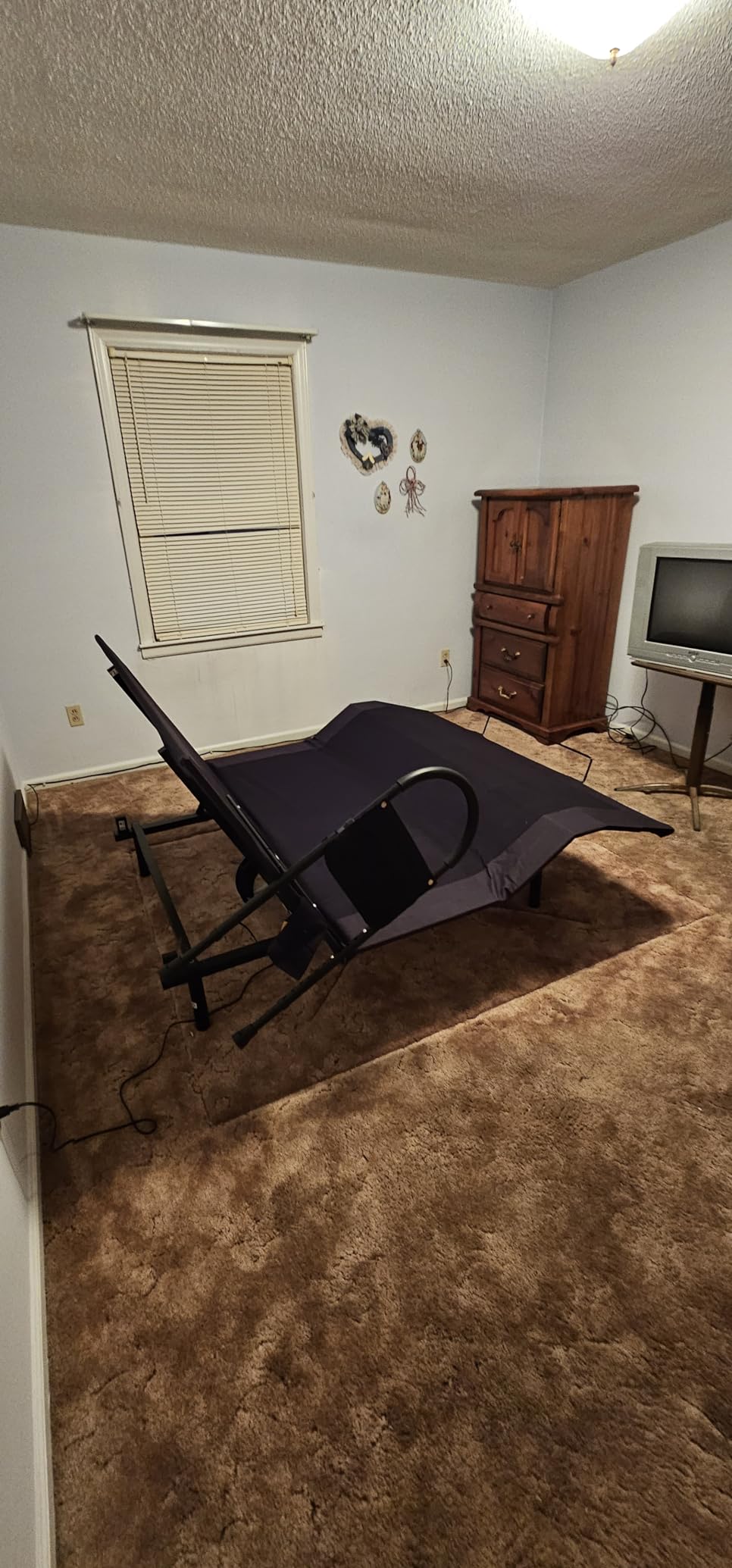
Before you buy, ask the seller to confirm the weight capacity in writing. The listing states 350 pounds in the spec table and 900 pounds in the feature copy, with motor ratings of 550 pounds at the head and 350 pounds at the foot. Until that is settled, assume the lower figure.
Other drawbacks are ordinary. The remote has no backlight and there are no memory positions, so you set your angle every night. The platform wood deck feels soft at the edges, the instructions are poor, and some units shipped misaligned enough to need welding inside six months.
What to check before you buy
Get the weight capacity confirmed by the seller before payment, and ask directly whether motor and control board replacements are available on their own. Check that your mattress type is approved, since the deck suits foam and latex more than a heavy spring. Budget extra time for assembly with poor documentation.
Who should skip it
Skip it if you need a stated warranty, a backlit remote or preset positions you can reach half asleep. Anyone over 350 pounds combined should also look elsewhere until the capacity is confirmed, and buyers who cannot do a tedious build should pick a base with clearer instructions.
12. Nectar Premier Adjustable Base – the best pick for app control
Nectar Premier Adjustable Base, Queen, Head & Foot, Massage
Bluetooth app and wireless remote
Anti-snore and Zero Gravity
Zero-clearance frame
Pros
- App and remote control with saved custom positions
- Dedicated anti-snore setting alongside Zero Gravity
- Zero-clearance chassis fits a platform frame
- Four built-in USB charging ports
- Customizable vibration massage with three levels
Cons
- Premium price band versus the value bases
- Heavy at 132 pounds so two people are needed
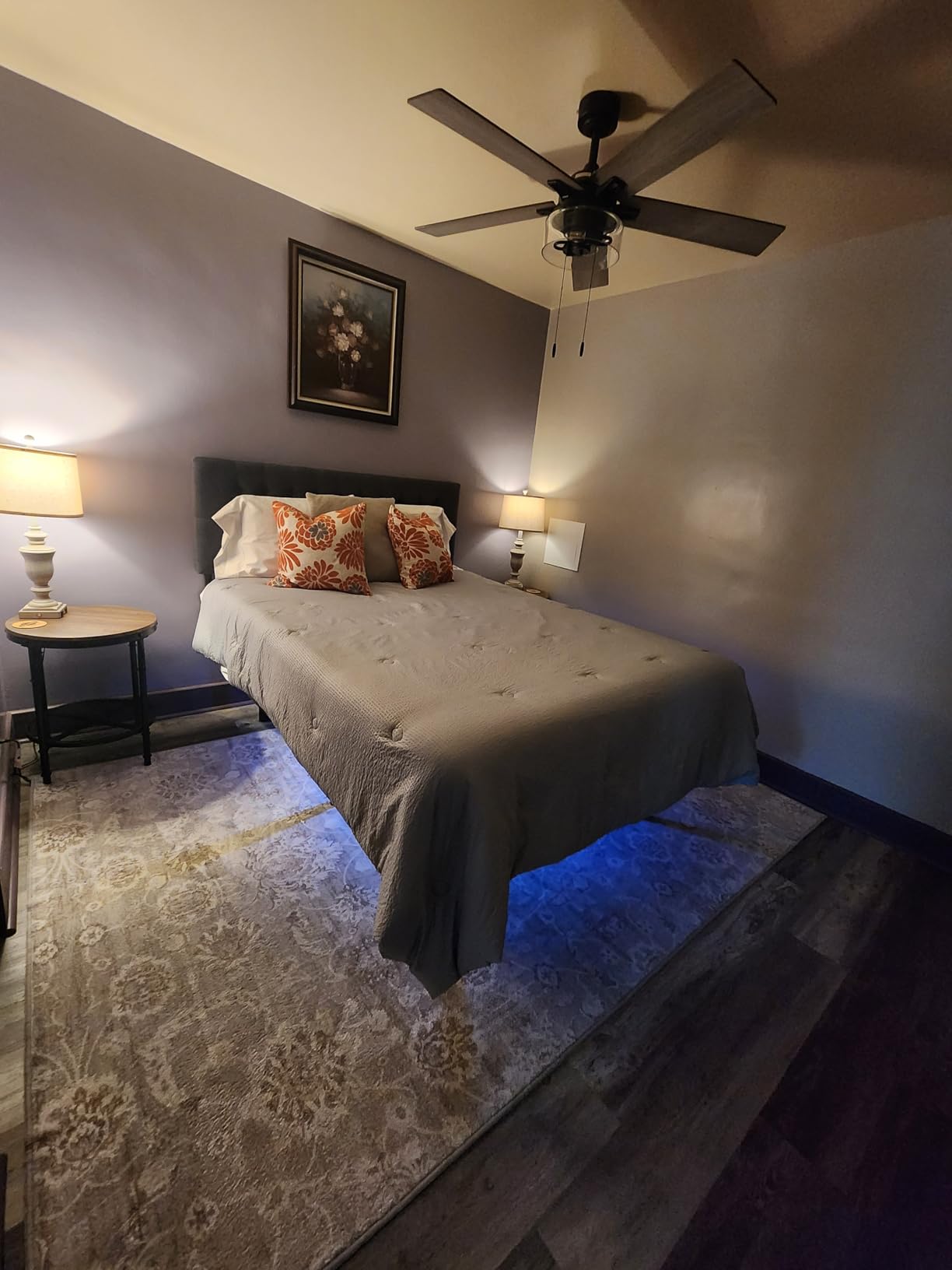
- 16.3 inch under-bed height suits only taller frames
- Support reported as email-only
This is the only base here you can drive from a phone, and saved custom positions are more than a gimmick when you are adjusting an elevated angle several times a night. You dial the position once on the remote and it is in the app for next time.
The dedicated anti-snore setting sits alongside Zero Gravity, which means you have a stored breathing-focused position rather than having to remember a number. Four built-in USB ports and three massage intensity levels round out a feature set that is otherwise the most complete in this group.
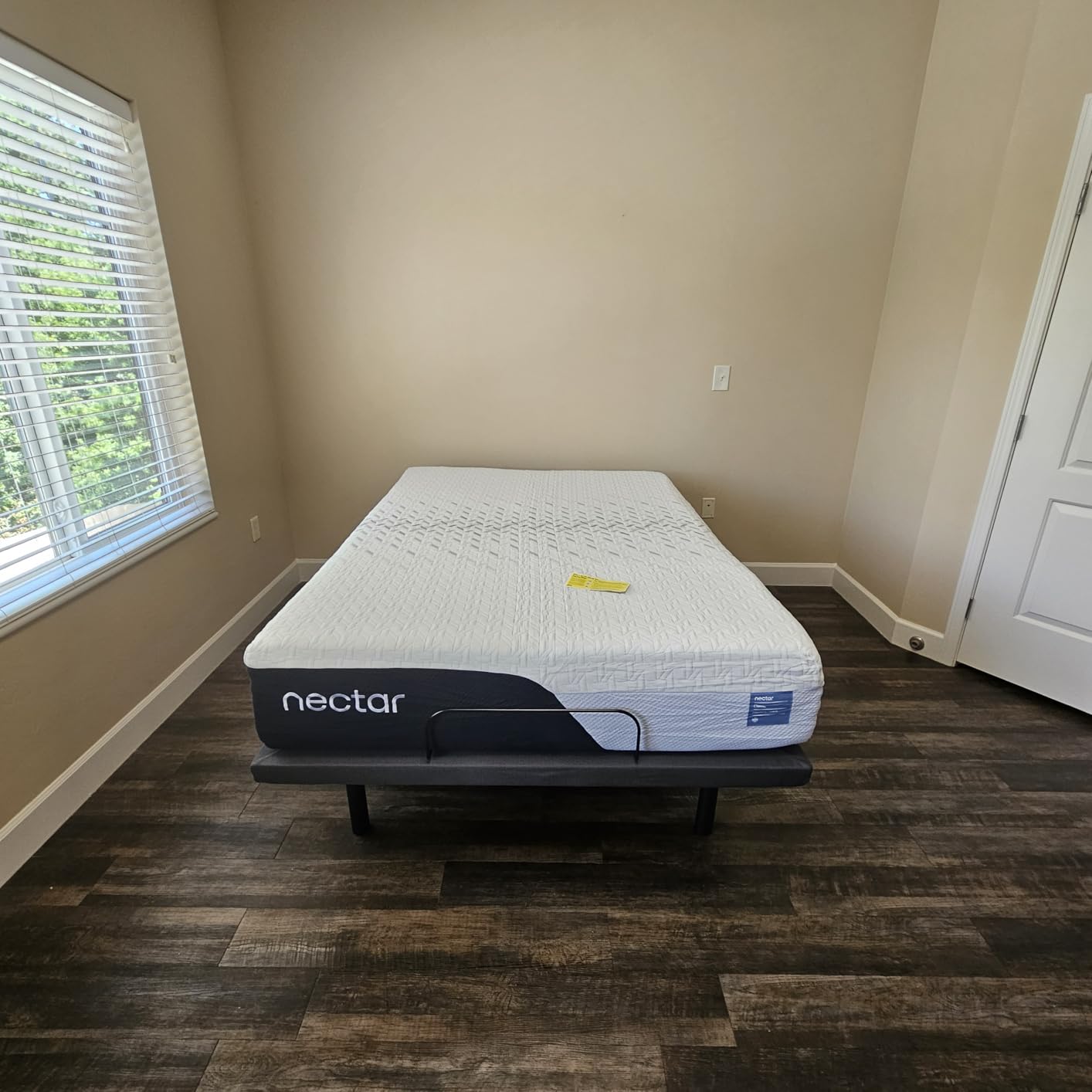
The zero-clearance chassis drops into an existing platform frame or sits directly on the floor, and the steel frame is rated to 750 pounds. Assembly needs no tools and the batteries are included, so nothing has to be ordered separately before you can use it.
Two practical issues. The 16.3 inch under-bed height is tall, and it will not fit a low existing frame. Support is reported as email-only with each reply handled by a different person, which is a poor arrangement if a control board fails and you need a head motor working.
What to check before you buy
Measure the height of your existing frame, since 16.3 inches will not drop into anything low. If you rely on support for repairs, ask about phone availability before you buy. Split King adjusts each side separately, so confirm which size you need rather than assuming.
Who should skip it
Skip it on value if a base with the same 65 degree head range costs considerably less, since app control is the main premium here. It also suits only owners with a reasonably tall existing frame or floor space, and it is a poor match if you need fast phone-based support.
CPAP compatibility: hose routing, mask seal and machine access
Every CPAP user asks the same question in forums and reviews, and almost no spec sheet answers it: what happens to the mask when the bed moves? The honest answer is that articulation can break a seal, and the design choices that reduce that risk are predictable.
Hose routing is the first decision. A corrugated hose running from a machine on a nightstand to a mask on an elevated head section puts tension on the connection at exactly the point where the head moves most. Leaving slack in the hose, or routing it up and over rather than straight across, absorbs the movement.
Mask type changes the outcome. Nasal pillows and nasal masks tolerate movement far better than a full face mask, because there is no large seal across the cheeks to be displaced. Several users report that a full face mask and an elevating bed are simply a difficult combination.
Machine access is the feature buyers overlook. A low-profile base with under-bed clearance means your CPAP machine can sit on the floor, away from the moving platform entirely. Bases with adjustable legs, like the Amada, exist partly for this reason, and a nightlight matters more than usual when the machine is at floor level.
One user in the CPAP community reported owning an adjustable base and sleeping flat on it because elevation made the mask seal worse. That is the failure mode nobody advertises, and the honest response is to test it. Set the head section to your therapeutic angle before your mask goes on, and make any adjustment while you are still awake.
Wall-hugger designs exist for a related reason. They keep you close to the nightstand instead of pushing you away from it as the head rises, which keeps the hose short and the machine within reach. Several bases here use a conventional push-back mechanism, so check the geometry before buying.
Mattress compatibility: what flexes and what does not
A base cannot elevate a mattress that refuses to bend. Foam, latex and most hybrid mattresses flex cleanly at the hinge, and every base on this list is rated for them. Thick innerspring mattresses with a rigid edge or a heavy coil perimeter can crease, buckle or crack at the fold, and that failure shows up months later.
Two other limits matter. Foam mattresses under about 14 inches bend well, which is why so many listings cap thickness at that figure. Very thin mattresses, under roughly 8 inches, can crease at the hinge instead, so check the lower bound too.
One owner on the Blissful Nights z4 reports that the deck added noticeable support to a soft mattress, which is the flip side: a firm base can partially substitute for a mattress that has gone soft. If you are buying a base and a new mattress at the same time, check that the two are approved together.
The cheapest mistake in this category is buying a base first and discovering your existing mattress will not flex. Ask the mattress manufacturer for their articulation approval before ordering.
The honest downsides of adjustable bed bases
Start with the mask seal. Elevation can pull a mask sideways, and if your seal is fragile the experience is worse than sleeping flat on a regular frame.
Most bases in this category are final sale once they reach you. Buyers describe this as the most common complaint about high-ticket bases, and it is a real risk on any purchase this size.
Warranties split in a way that catches people out. Frame coverage can run for years or decades while motors and control boards are covered for far less, and those electronics are what actually fail. Read the split, not the headline number.
Moving and assembly are two-person jobs here. Units in this group range from 46.3 pounds to 148 pounds, and the heaviest ones need three or four people through a doorway.
Feature bloat is the last one. Massage functions, apps and colour lighting are upsells, while the two things that decide whether a base works for you are elevation range and quiet movement.
White-label duplicates are worth knowing about. Buyers in this community regularly discover that two differently branded bases are the same physical product under different names, which is why we list model-level detail rather than brand names alone.
How to choose an adjustable bed base for sleep apnea
Start with the head elevation range and ignore everything else until you know it clears 30 degrees. If the published maximum is below that, the base is a comfort product, not a positional one.
Then check three things. Look for independent head and foot control, so you can raise your torso while keeping your legs flat rather than sliding into a full recline that can worsen reflux. Check the weight rating against both partners plus the mattress. And check the head section against your mattress type before anything else.
For noise, the published figures in this group run from under 45 dB to under 60 dB. A quieter motor reduces the chance of waking and disturbing a mask seal, so treat it as a health feature rather than a comfort feature.
For warranty, read the electronics coverage specifically. Ten, twenty and twenty-five year frame warranties look impressive, but the number that matters is how many years the motor and control board get.
Skip the features that do not change your night. Under-bed lighting, USB ports and voice assistants are nice, and for a CPAP user the lighting is genuinely useful, but they are not what makes an apnea sleeper feel better.
Finally, plan a measurement before you order: frame clearance, mattress thickness, nightstand reach and the route from your door to the bedroom. More returns in this category come from a base that did not physically fit than from a base that disappointed.
What insurance and HSA accounts will and will not cover
Retail adjustable bed bases are not covered by Medicare Part B or by standard health insurance, even with a documented sleep apnea diagnosis. Durable medical equipment coverage applies to hospital-style beds and related equipment prescribed for a qualifying condition, not to a retail base you choose yourself.
What most people do instead is use pre-tax health spending accounts. HSA and FSA funds are commonly used for CPAP supplies, and many plans treat an adjustable base as a medical expense, though the treatment varies by plan and by administrator. Check with your plan administrator in writing before purchase.
Medicare Advantage plans sometimes offer supplemental allowances for over-the-counter items, and those can occasionally be applied here. It is worth one phone call, because the difference between the allowance and a full purchase price is the whole decision for many buyers.
Treat any vendor claiming a doctor’s diagnosis makes a base reimbursable with suspicion. Forum users describe expecting coverage as one of the most common disappointments in this category.
Frequently Asked Questions
Do adjustable base beds help with sleep apnea?
Many diagnosed sleepers report less snoring and better rest on an elevated base, mainly because raising the head and torso uses gravity to reduce backward collapse of the tongue and soft palate. Clinical guidance points to roughly 30 to 45 degrees of head elevation. It manages symptoms and position, and it does not treat the disorder or replace CPAP or BiPAP therapy or a sleep study.
Can sleeping on an incline help sleep apnea?
Yes, and it is worth testing before you spend anything. Two bed risers under the head legs cost very little and reproduce the effect of a powered base, letting you check whether your machine data changes over a week. Elevation helps most with mild positional apnea and reflux-related breathing disruption, and less with events that occur while you are already asleep in any position.
What are the downsides of using adjustable beds?
The main risks are broken CPAP mask seals when the frame articulates, final-sale return policies once the unit arrives, and warranty splits where the frame is covered for years but motors and control boards for far less. Getting it into the bedroom is also a two-person job, with units here weighing from 46.3 to 148 pounds. Add mattress flex limits and you can see where returns come from.
Will insurance pay for an adjustable bed for sleep apnea?
Generally no. Medicare Part B and standard health plans cover hospital-style durable medical equipment, not a retail adjustable base you select yourself, even with a documented diagnosis. Many buyers instead use an HSA or FSA, which commonly cover CPAP supplies and often treat a base as a medical expense. Confirm treatment with your plan administrator in writing before you buy.
What is the best mattress for people who use a CPAP device?
Choose a foam, latex or hybrid mattress under about 14 inches that bends cleanly at the hinge. Thick innerspring mattresses with rigid edges can crease or crack when articulated, and very thin mattresses can buckle at the fold. Beyond the mattress itself, the factor most CPAP users notice is the hose route, so leave slack and avoid a position that pulls the mask sideways.
The final word on adjustable bases for sleep apnea
If you take one thing from this guide, make it the head elevation range. Everything else on a spec sheet is secondary to whether the base can hold your torso at 30 to 45 degrees for eight hours without a stack of pillows.
The Best Choice Products Ergonomic Queen base is our pick, because independent head and foot control, a 750 pound rating and a zero-clearance retrofit footprint cover what an apnea sleeper needs without overbuilding it. The Linenspa Twin XL is the value option, and the Tami Tami T600 is the step up if you want anti-snore presets, quieter motors and a longer warranty.
Whatever you choose, test your CPAP seal with the head section raised before your mask goes on, and re-check your data after a couple of weeks. That is the honest way to find out whether a base helps you, which no review, including this one, can tell you in advance.