

Table saw dust is the one thing in a small shop that gets worse every time you ignore it, and the fix depends entirely on what your saw has bolted to it. I have spent the last two years running table saw dust collection setups in a two-car garage shop, cycling through bags, hoods, cyclone separators, and powered collectors to find what actually pulls dust out of the air instead of just relocating it.
Before we get into the list, here is the honest answer to the broad question: the best dust collectors for table saws are not one machine but four different classes. A saw with a 4 inch lower dust port needs a powered collector or a cyclone fed by rigid duct. A contractor saw with no port needs at-the-source capture, like a cabinet cover sheet or a wide mouth hood. A 10 inch portable saw with a 2.5 inch port can run a clipping bag if you only cut occasionally. And anyone who already owns a wet/dry shop vac can add a cyclone separator in front of it and get most of the benefit for a fraction of the setup cost.
That split matters because most roundups I read treat all of these as interchangeable, and a lot of buyers end up with a 800 CFM collector hooked to a saw that has nowhere to hook it. So below I have split the 12 picks by the problem they solve, told you the airflow and filtration numbers the manufacturers publish, and flagged where reviewers report a product falls short. I also included a buying guide on CFM sizing and duct diameter, because that is where most of the wasted money happens.
One safety note before we start. Fine wood dust is a genuine respiratory hazard, and the reason a stock shop vac filter fails is simple: a large share of airborne wood dust particles are finer than what a typical pleated filter traps. Separating the bulk of that dust out before it reaches the filter, which is what a cyclone does, is the single most effective upgrade you can make.
Table of Contents
Top 3 Picks for Table Saw Dust Collection (October 2026)

Oneida Dust Deputy DIY Cyclone
- Neutral Vane separation up to 99.9%
- Tapered 2.0 inch ports
- Extends shop vac filter life

The Oneida Dust Deputy takes the top slot because it fixes the exact problem most table saw owners hit first, which is a shop vac filter that clogs after very little cutting. It also carries the largest volume of owner feedback in this group, which means the installation problems other people hit are already well documented.
The DEWALT 6 gallon separator is the pick if you would rather buy a finished canister than drill a bucket lid. The rigid poly bucket is the detail that matters here, since plastic pails from big box stores are the number one failure report on DIY cyclones.
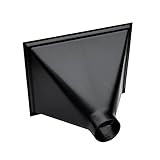
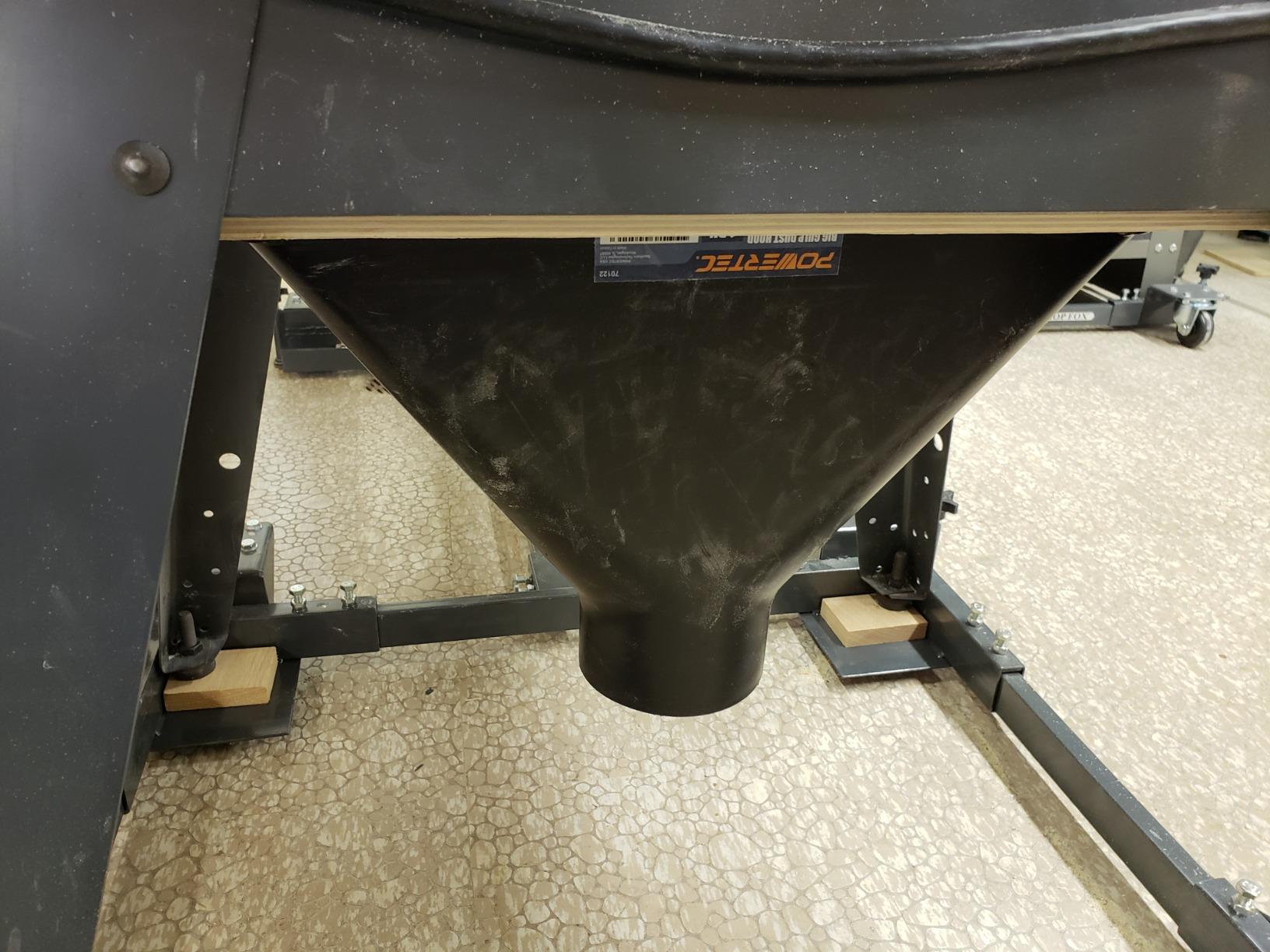
The POWERTEC Big Gulp hood is a different tool entirely. It sits behind or under a portable saw and catches the bulk of what falls, which is the cheapest way to stop re-sweeping the floor after every rip.
All 12 Table Saw Dust Collectors at a Glance in 2026
The table below shows all 12 picks with the connection type and filtration each one uses, so you can match it to your saw before reading the detail.
| Product | Specifications | Action |
|---|---|---|
|
Oneida Dust Deputy DIY Cyclone
|
|
Check Latest Price |
 Bosch TS1004 Dust Collector Bag
|
|
Check Latest Price |
|
POWERTEC Big Gulp Dust Hood
|
|
Check Latest Price |
 Dustopper PRO Cyclone Separator
|
|
Check Latest Price |
 CCTIVED Table Saw Dust Bag
|
|
Check Latest Price |
|
DEWALT 6 Gallon Dust Separator
|
|
Check Latest Price |
 WEN 660 CFM Rolling Collector
|
|
Check Latest Price |
 Milescraft DustCutter
|
|
Check Latest Price |
 DEWALT 10 Gallon Steel Separator
|
|
Check Latest Price |
 POWERTEC 1 HP 800 CFM Collector
|
|
Check Latest Price |
 Mullet Cyclone Dust Collector
|
|
Check Latest Price |
 WEN 1300 CFM 50 Gallon Collector
|
|
Check Latest Price |
How We Picked and What We Looked For
Every product here was judged against one question: does it measurably reduce what ends up in the air and on the floor after a typical cutting session. We looked at published airflow figures, micron ratings, port diameters, and physical size, then cross-checked them against owner reports on capture quality, filter clogging, and installation problems.
We also weighted compatibility heavily. A collector that only works with a 4 inch port is useless on a saw that has a 2.5 inch dust port or none at all, so every entry states what it connects to. And because dust collection gear is sold on CFM numbers that mean very little on their own, we favored products with a separation stage upstream, since that is what keeps a filter alive over a year of use.
Where reviewers repeatedly report the same problem, we said so. Half of the negative notes on these products are not about the product being bad but about missing adapters, thin buckets, or bags sold separately, and those details decide whether a setup works on day one.
1. Oneida Air Systems Dust Deputy DIY Cyclone – Best Overall
Oneida Air Systems Dust Deputy DIY Anti-Static Retrofit Cyclone Separator for Wet/Dry Shop Vacuums (DD DIY)
Neutral Vane cyclone
Up to 99.9 percent pre-separation
Tapered 2.0 inch ports
Wet or dry use
Pros
- Extends shop vac filter and bag life
- Keeps suction while separating bulk dust
- Tapered ports fit several hose sizes
- Handles wood and drywall debris
Cons
- Hose and adapters are not included
- Tapered ports need adapters for some hose sizes
- Thin plastic buckets can collapse under suction
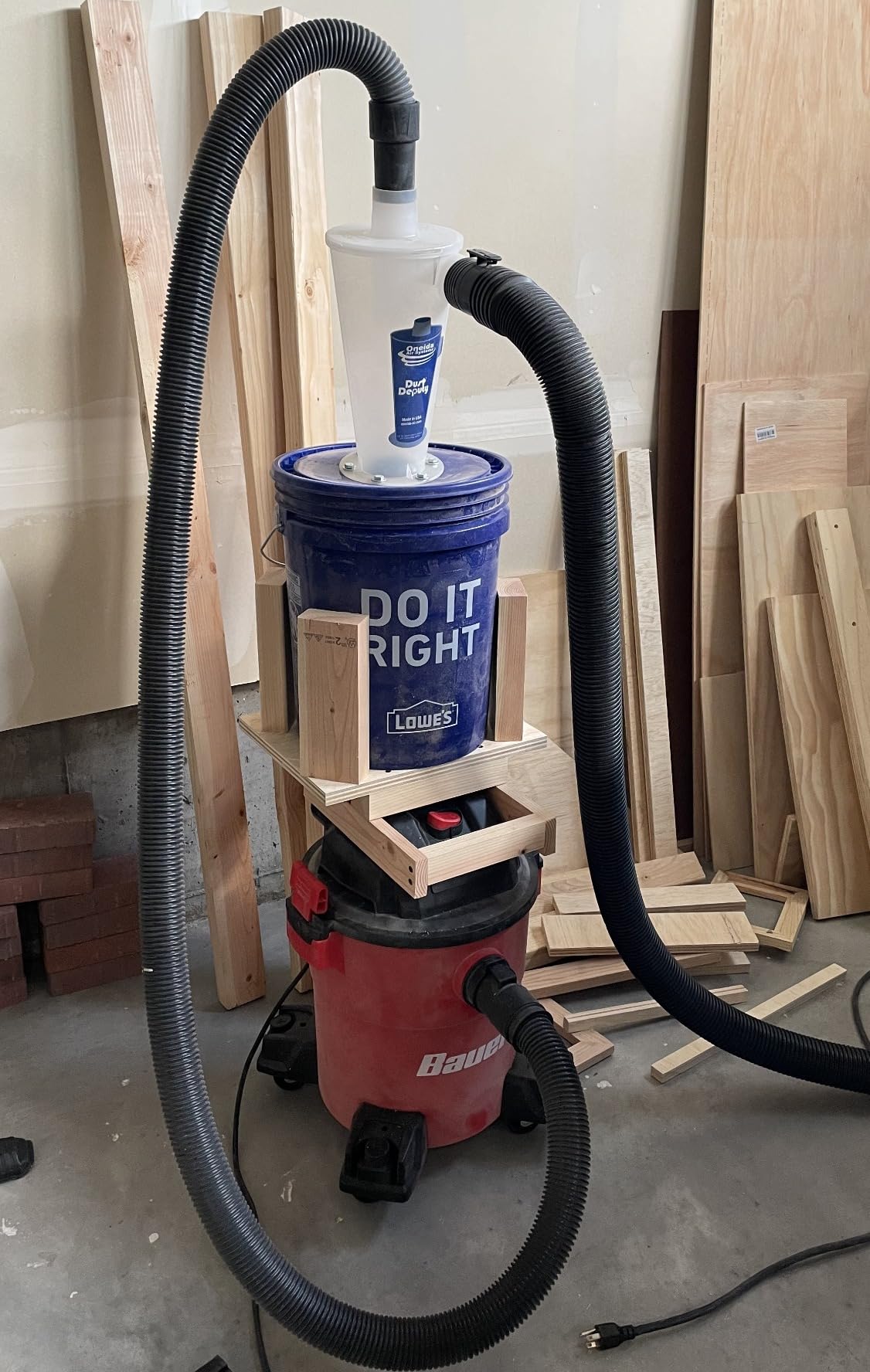
This is the unit I keep coming back to, and it is the only product here with both a high rating and enough owner feedback that the failure modes are well known. It sits between the saw and the shop vac, spins the heavier debris out into a bucket, and sends cleaner air onward to the vacuum.
Owners consistently report the same result: the vacuum filter stays essentially clean, and after a few uses they stop seeing dust in the vac at all. On a table saw that means far fewer filter changes over a season, and the difference is dramatic compared with pointing the saw straight into a bare shop vac.
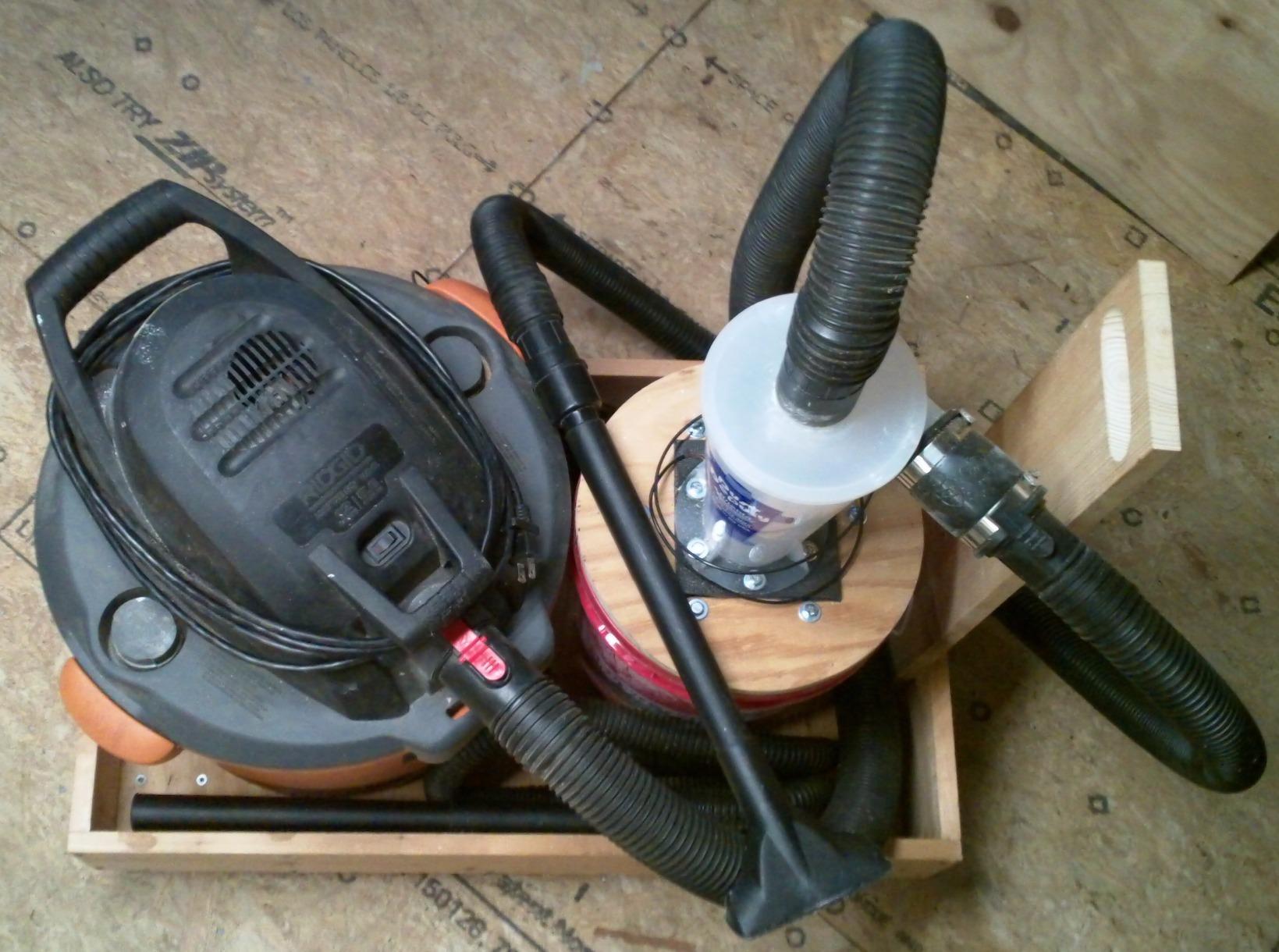
The kit includes the cyclone, a gasket, and mounting hardware, but not the hose or the waste container. That is the single biggest source of frustration in the reviews, because the tapered 2.0 inch ports do not match every hose diameter and people end up hunting for adapters before the first cut. Budget a few minutes and a short parts list before you start.
Construction is a genuine strength. Several owners mention pairing it with a 5 gallon wet/dry vac and reporting no loss of suction at all, and the rigid body does not leak when the gasket is seated properly.
Who this suits and who should skip it
This is the right call for a garage shop that already owns a wet/dry vac and wants to stop replacing pleated filters every few weeks. It also works on a planer or jointer as easily as on a saw, which makes it the most flexible box on this list.
Skip it if you have never used a shop vac, because you will be buying the vacuum too, and the total cost lands well above a single purpose built separator. Also skip it if you dislike drilling and sealing, since the gasket seat has to be tight or suction leaks around the lid.
Where it falls short
The most repeated complaint is sourcing the right hose adapters, because the kit ships without them and the tapered 2.0 inch ports need a specific fit. A second theme is bucket collapse: thin plastic pails can flex under suction, so several owners switched to a metal container or reinforced the lid.
It is also an attachment rather than a collector, so it does nothing on its own. If you have no vacuum and no plan to buy one, you want a powered unit further down this list instead.
2. Bosch TS1004 Table Saw Dust Collector Bag – OEM Portable Saw Bag
Bosch TS1004 Table Saw Dust Collector Bag
Genuine Bosch OEM part
Fits 4000, 4100, GTS1031, GTS1041A
Zipper bottom emptying
Pros
- No tool spring clamp attachment
- Breathable weave holds dust while air escapes
- Long bag reaches the floor
- Zips open for fast emptying
- No second machine on the circuit
Cons
- Zipper seam stitching is the weak point
- Does not match the near total capture of a cyclone
- Limited to saws with matching dust port tabs
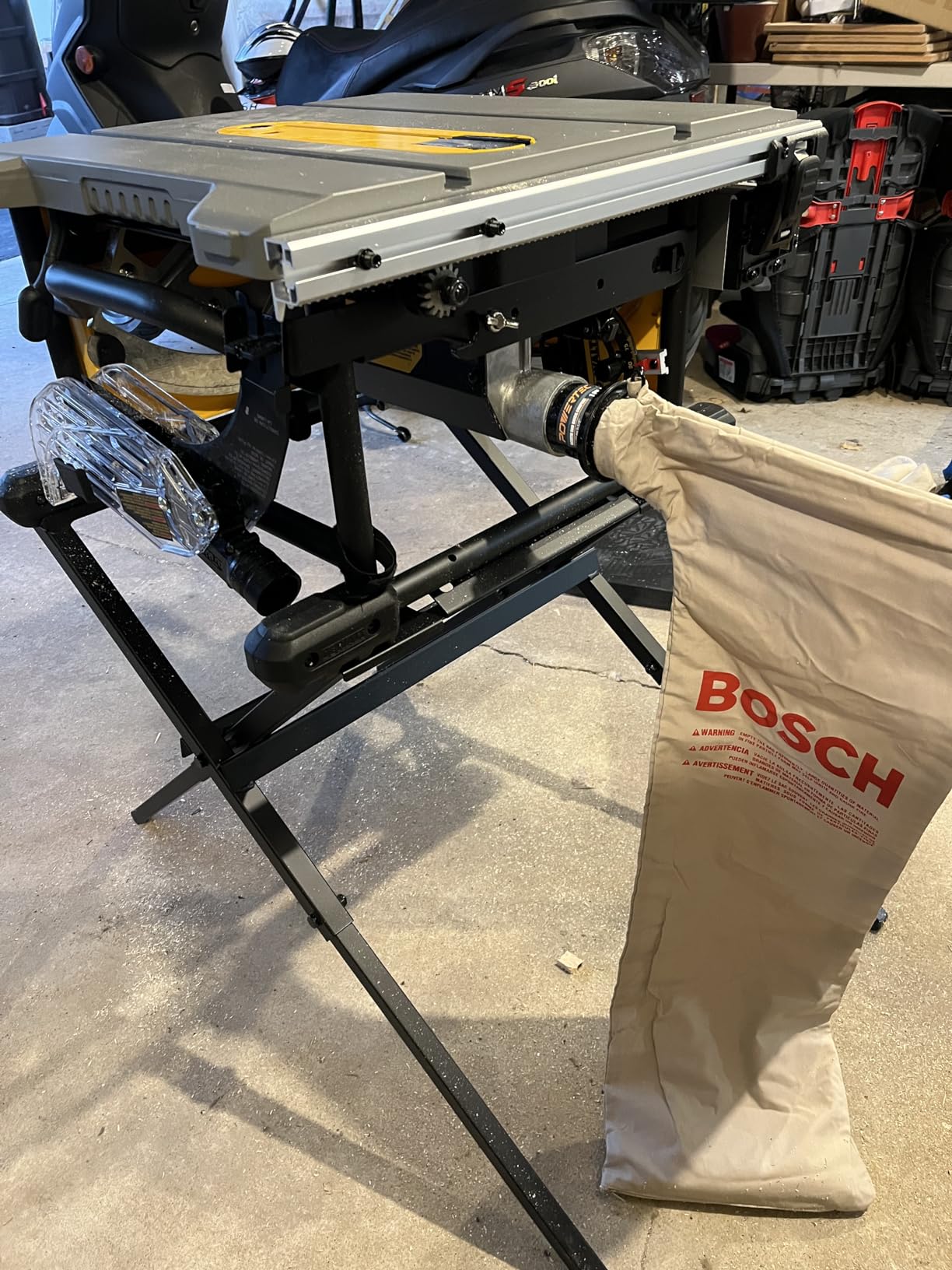
My father ran one of these on a 10 inch portable saw for years, and the thing he liked most was that it required nothing. No second machine, no extra circuit, no duct. You squeeze the collar onto the dust port tabs and cut.
The fabric is a high thread count but deliberately breathable weave, which is the smart part of the design. It lets air escape so the blade’s own airflow does not blow collected dust back out toward you, while still holding the bulk of the material that exits the port.
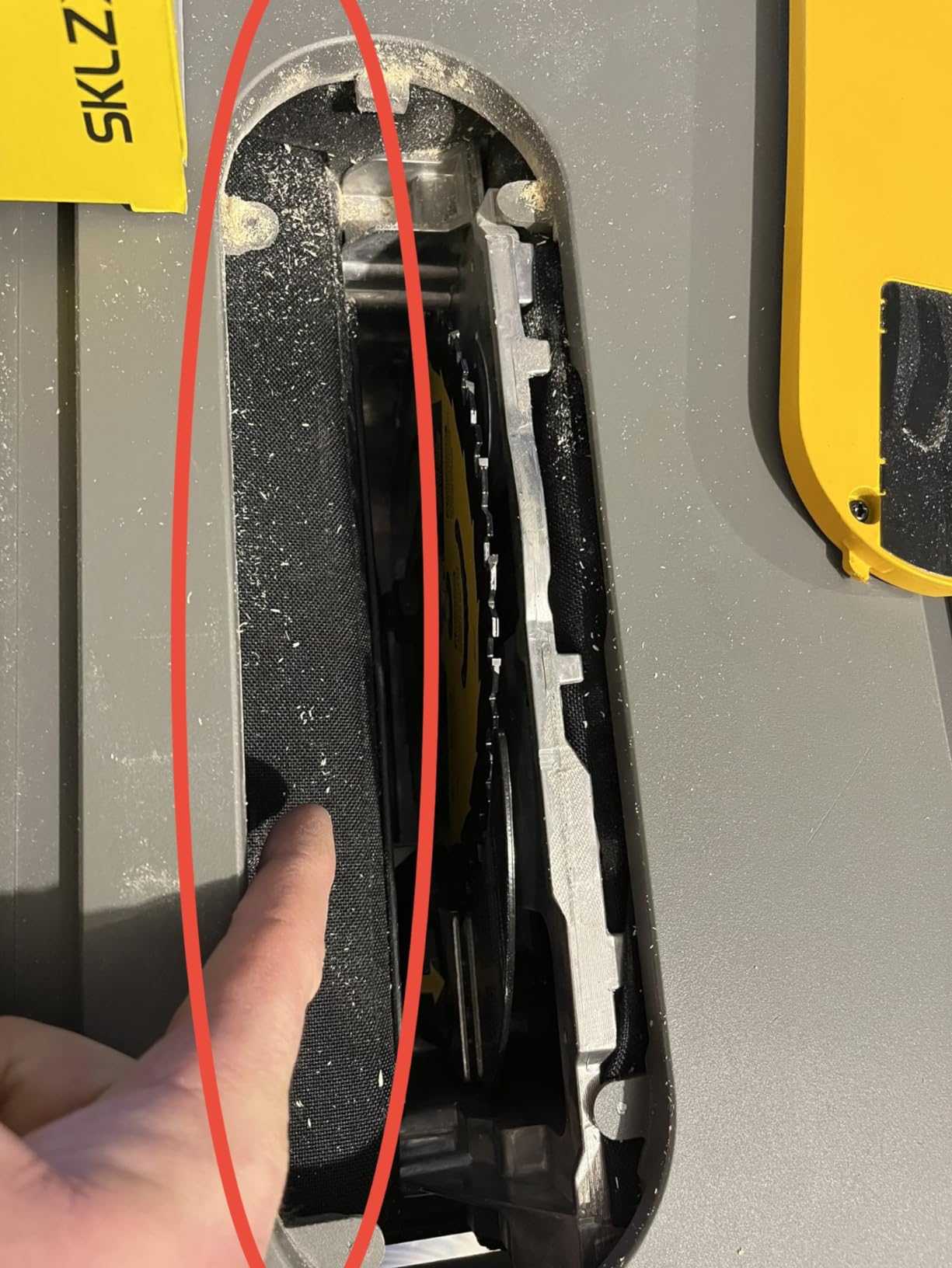
Owners of portable job site saws put capture somewhere between two thirds and 90 percent of what leaves the port, with the remainder settling inside the saw cabinet and on the floor. The bottom zipper empties in seconds, which is why it survives daily intermittent use better than most fabric bags.
The dominant negative theme is build quality at this level of spend, specifically the seam stitching near the zipper, and several reviewers expect it to fail with heavy use. Treat it as a consumable rather than a permanent fixture.
Who this suits and who should skip it
Buy this if you cut in short bursts on a Bosch 4000, 4100, GTS1031, or GTS1041A and you are tired of sweeping after every job. It is also the least fuss option for a saw you carry to different job sites, since there is nothing to unplug.
Skip it if you cut a lot of sheet goods or MDF, because a bag cannot keep up with the volume and fine dust still reaches the cabinet. It is also the wrong tool for anyone who needs to protect lungs during long sessions, since roughly a third of the dust is still in the air.
Where it falls short
Capture is partial by design, and reviewers note dust still settles on the saw surface and the floor around it. The dust port can also clog a little faster with the bag attached, which matters if you are working wet material into the port.
Compatibility is narrow. The clamp fits saws with matching dust port tabs, so verify your model before ordering, because the manufacturer publishes a tool diagram for exactly this reason.
3. POWERTEC Big Gulp Dust Hood – Wide Mouth Bench Hood
POWERTEC 70122 Big Gulp Dust Hood for Woodworking Dust Collection Dust Hood
13 x 16 inch Big Gulp opening
4 inch outlet for hose or pipe
Durable ABS body
Hand powered
Pros
- Wide mouth catches chips and coarse dust
- Drops onto a bench or the floor behind a machine
- Standard 4 inch outlet
- Light enough to move between machines
Cons
- Captures only what falls into the hood
- Needs a hose and running vacuum to work
- No lid so debris empties by hand
This is the least fussy way to stop the sweeping reflex, and it is one of the most heavily reviewed items in the category. It is a funnel shaped hood with a 13 by 16 inch mouth and a 4 inch outlet, and you set it behind or under whatever is making debris.
On a portable table saw it catches the stream of sawdust that shoots off the underside and the back of the cabinet. Owners like the build quality for what this costs and the fact that it moves to any machine in seconds.
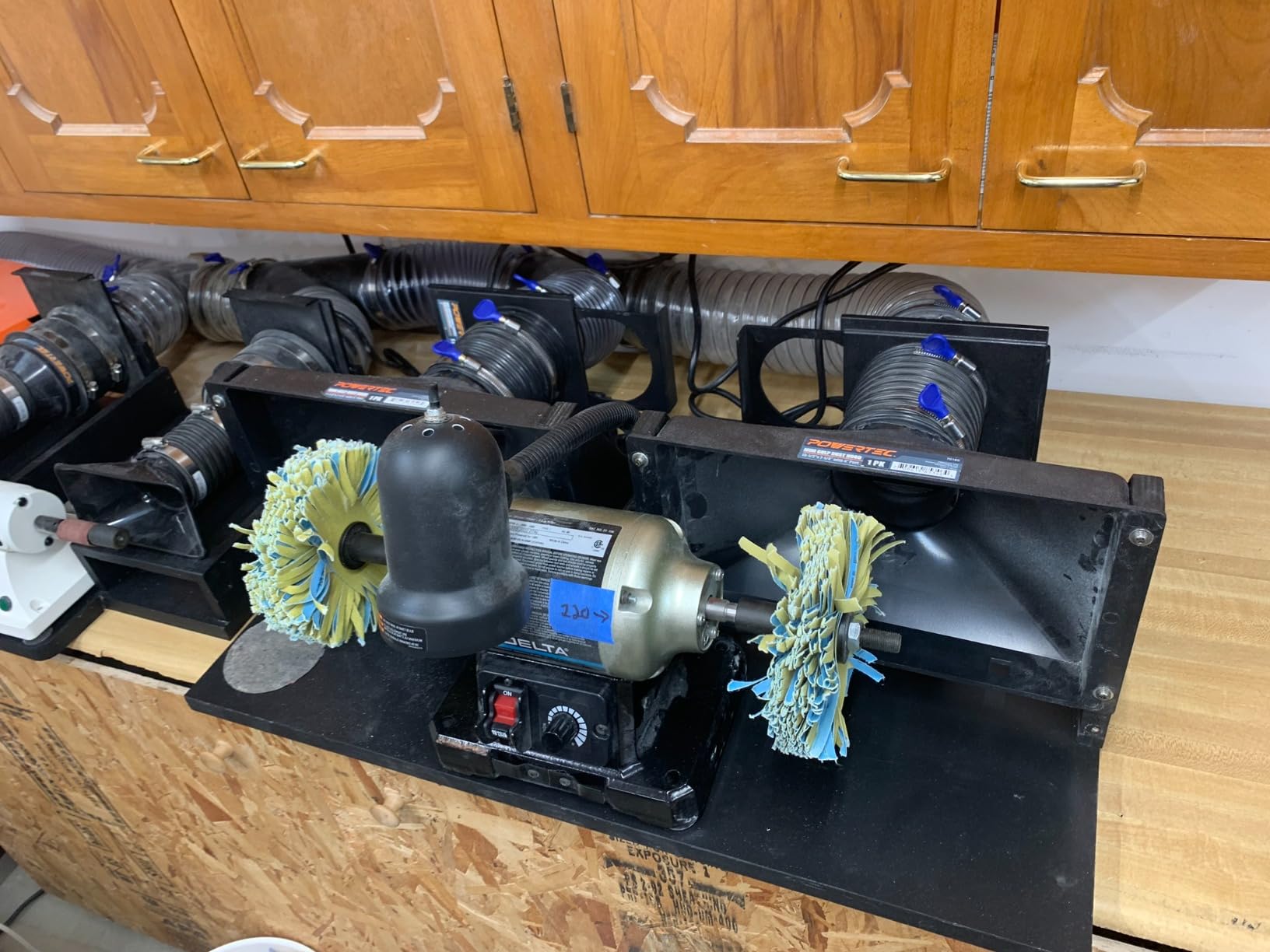
The important limitation is stated plainly by reviewers: it is a passive collector. Nothing happens until you connect a 4 inch hose to a running vacuum or duct run. On its own it just piles chips in a plastic funnel.
That is still a legitimate setup. Paired with a shop vac, it turns an uncollected mess into a contained stream, and paired with rigid duct it feeds a remote collector that would otherwise struggle with a side discharge.
Who this suits and who should skip it
It suits bench top machines that came without a hood, including belt sanders, miter saws, lathes, drill presses, and portable saws. It is a good second-stage catch behind an overarm guard so chips fall into a hood instead of the floor.
Skip it if fine airborne dust is your primary concern. Reviewers are explicit that the hood does nothing for airborne particles, and light dust will simply drift past the mouth and settle on your bench.
Where it falls short
There is no lid or clamp, so collected debris empties by hand and static can make lightweight dust cling to the ABS walls. In practice that means a quick tap and a broom, which is still better than nothing.
Also note the outlet is 4 inch nominal. If your only machine is a 10 inch portable saw with a 2.5 inch port, this hood will need a reducer, and a reduced diameter loses airflow.
4. Dustopper PRO Cyclone Dust Separator – Low Profile Separator
Dustopper PRO Dust Collector – 99.9% Efficiency Cyclone Dust Separator
99.9 percent separation
Low profile body
Two high flow sweep elbows
Pros
- Gasket seals to a standard pail with no assembly
- Keeps the shop vac filter nearly clean
- Sweep elbows raise airflow
- Low profile fits under a bench
- Clear body shows the fill level
Cons
- Standard 5-gallon plastic pails from big box stores are often too thin and can collapse under suction
- Performance drops significantly with an underpowered vacuum or a long hose run
- Gasket can pop out of its groove when the unit is removed from the bucket
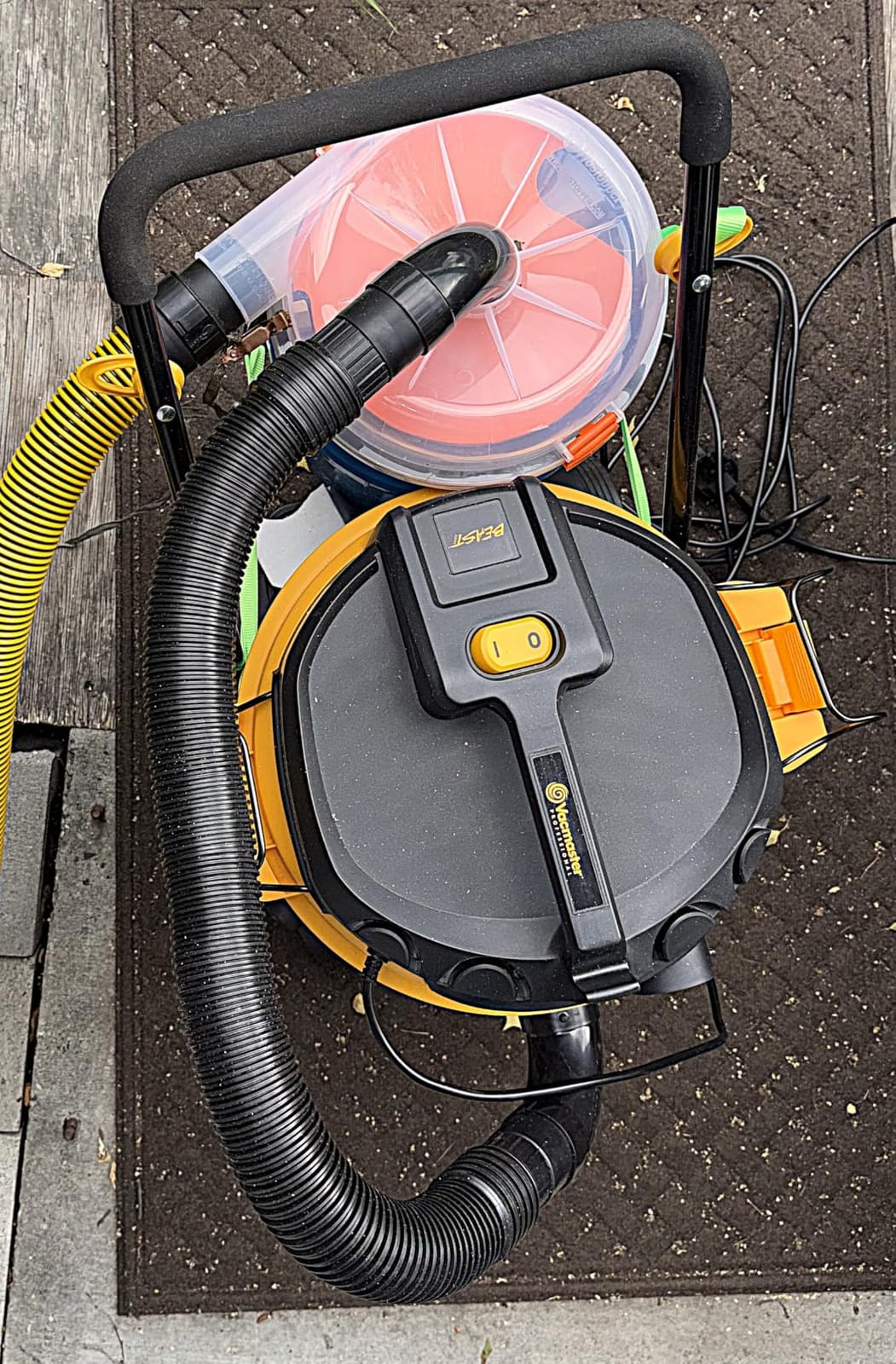
This is the one I recommend when floor space is the deciding factor. Where a conventional bucket cyclone stands about as tall as a five gallon pail, this body is low enough to slide under a machine table or a bench without sacrificing separation.
The preinstalled hollow core EPDM gasket is the detail that saves you an afternoon. It seals to a standard five gallon pail with no drilling and no caulking, which removes the single most common complaint about DIY cyclone builds.
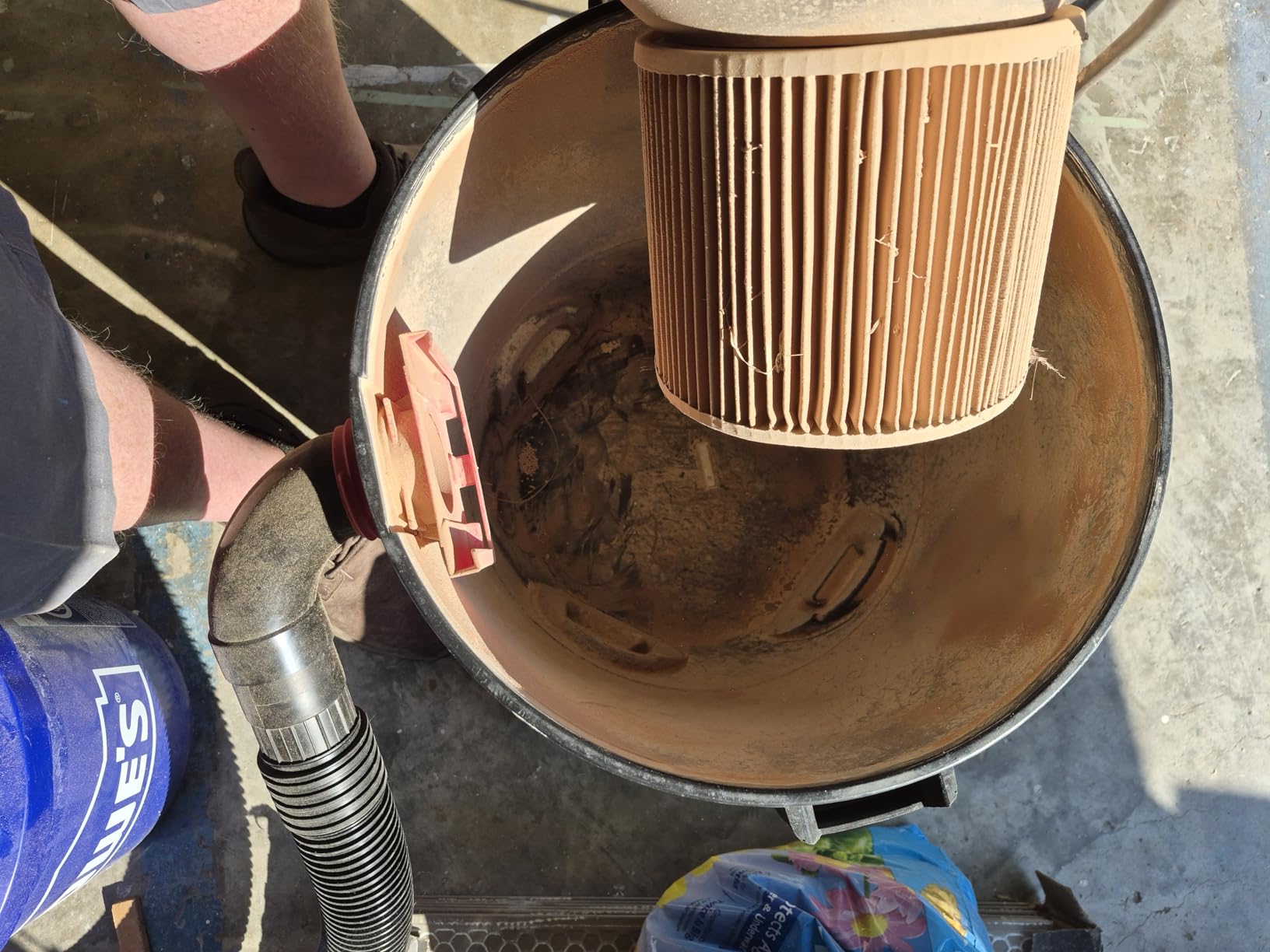
Two patented high flow sweep elbows come in the box, and they matter more than they sound. Sweep geometry removes turbulence that would otherwise slow the airstream and let fine dust ride through, so owners report a real gain in effective capture rather than just airflow.
Independent testing by Aerodyne Environmental compared it against other low profile separators on fine sawdust, coarse sawdust, and drywall powder, and the manufacturer states it performed consistently better than those alternatives. That claim is the reason I take the low profile form seriously.
Who this suits and who should skip it
It suits small shops where a tall separator would not fit and where you want no assembly at all. The clear upper body is a genuine convenience because you can see when the pail needs emptying instead of guessing.
Skip it if you already own a taller separator and have plenty of floor room, since height is the only real trade off here. It is also not a standalone collector, so you still need a vacuum on the other side.
Where it falls short
Standard five gallon plastic pails from big box stores are often too thin and can collapse under suction. The single most repeated tip across reviews is to use a heavy duty metal container or glue two pails together before you connect anything.
Performance also drops noticeably with an underpowered vacuum or a long hose run. Several owners saw disappointing capture until they moved up to a 5 HP vacuum or cut a 30 foot run back to something shorter. The 2.25 inch nominal port can also complicate adapter sourcing in some markets.
5. CCTIVED Table Saw Dust Bag – Broad 10 Inch Saw Compatibility
Table Saw Dust Collector Bag Compatible for Bosch/Dewalt/Ryobi/Craftsman/RIGID/Metabo/Kobalt/Skilsaw/Delta (10″ Tablesaws with 2.5″ Dust Port)-1Pack
Fits many 10 inch portable saws
Metal wire frame fabric
Bottom zipper
Pros
- Broadest saw compatibility in its class
- High capacity for the size
- Quick spring clamp fit
- Zipper bottom empties fast
- Internal wire frame holds shape
Cons
- Capture caps near 70 percent
- Clamp ring is too large for some saws
- Leaks from openings it cannot seal
If your saw is one of the many 10 inch portables with a 2.5 inch dust port, this bag covers more brands than anything else in this category. Bosch, DeWalt, Ryobi, Craftsman, RIGID, Metabo, Kobalt, Skilsaw, and Delta are all on the list.
Reviewers with RIGID, DeWalt, and Craftsman saws report that it fits correctly out of the box and removes the need to sweep after every rip. The large capacity and the zipper bottom come up as the features people value most.
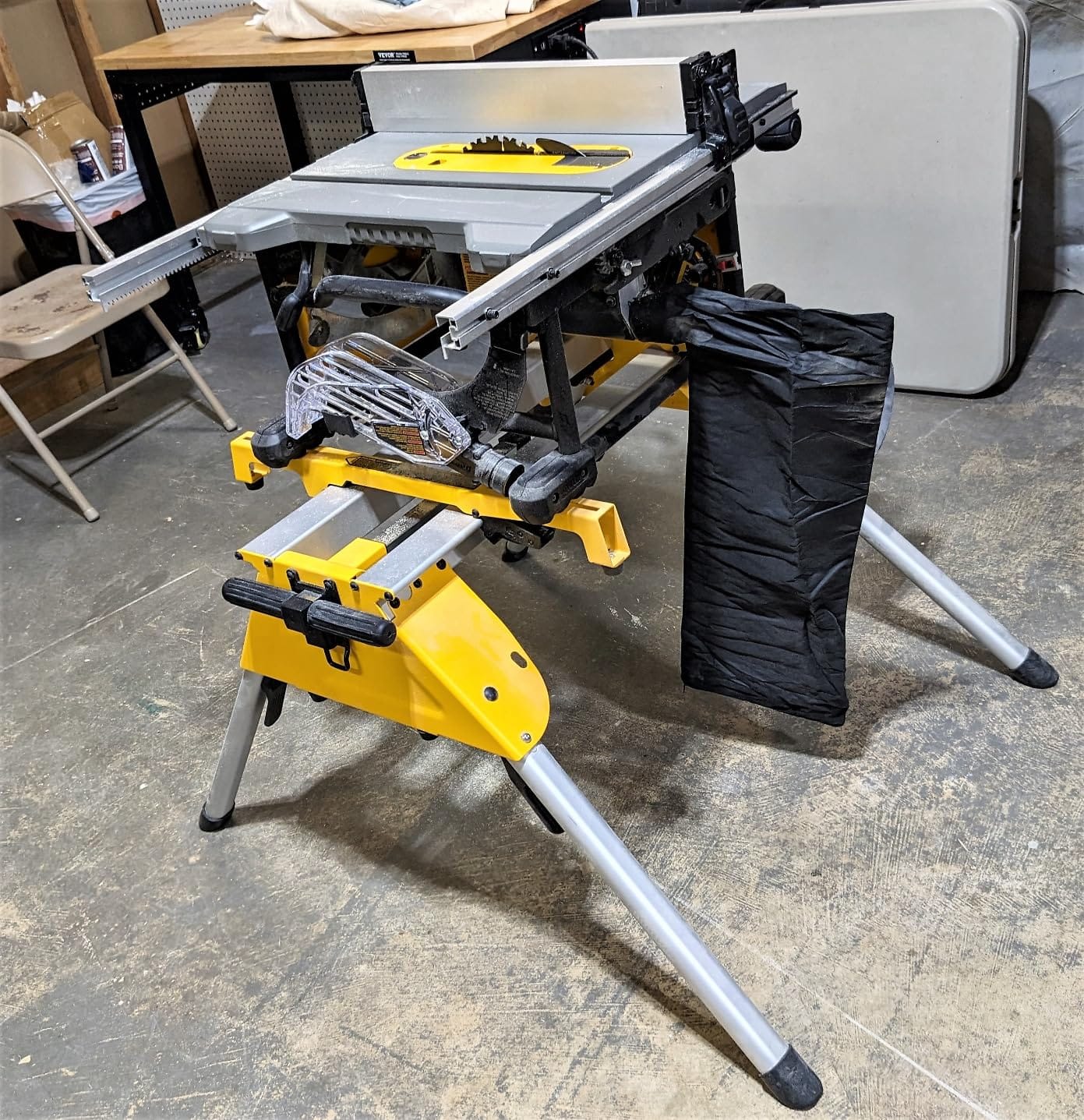
What you get is about two thirds to 70 percent of the material that leaves the port. That is enough to keep the floor clear and cut down on slip risk, which is the stated purpose, but it is not extraction.
A recurring practical complaint is sizing. The supplied clamp ring does not fit every saw it is advertised for, and one reviewer had to measure the port before ordering. Do that first.
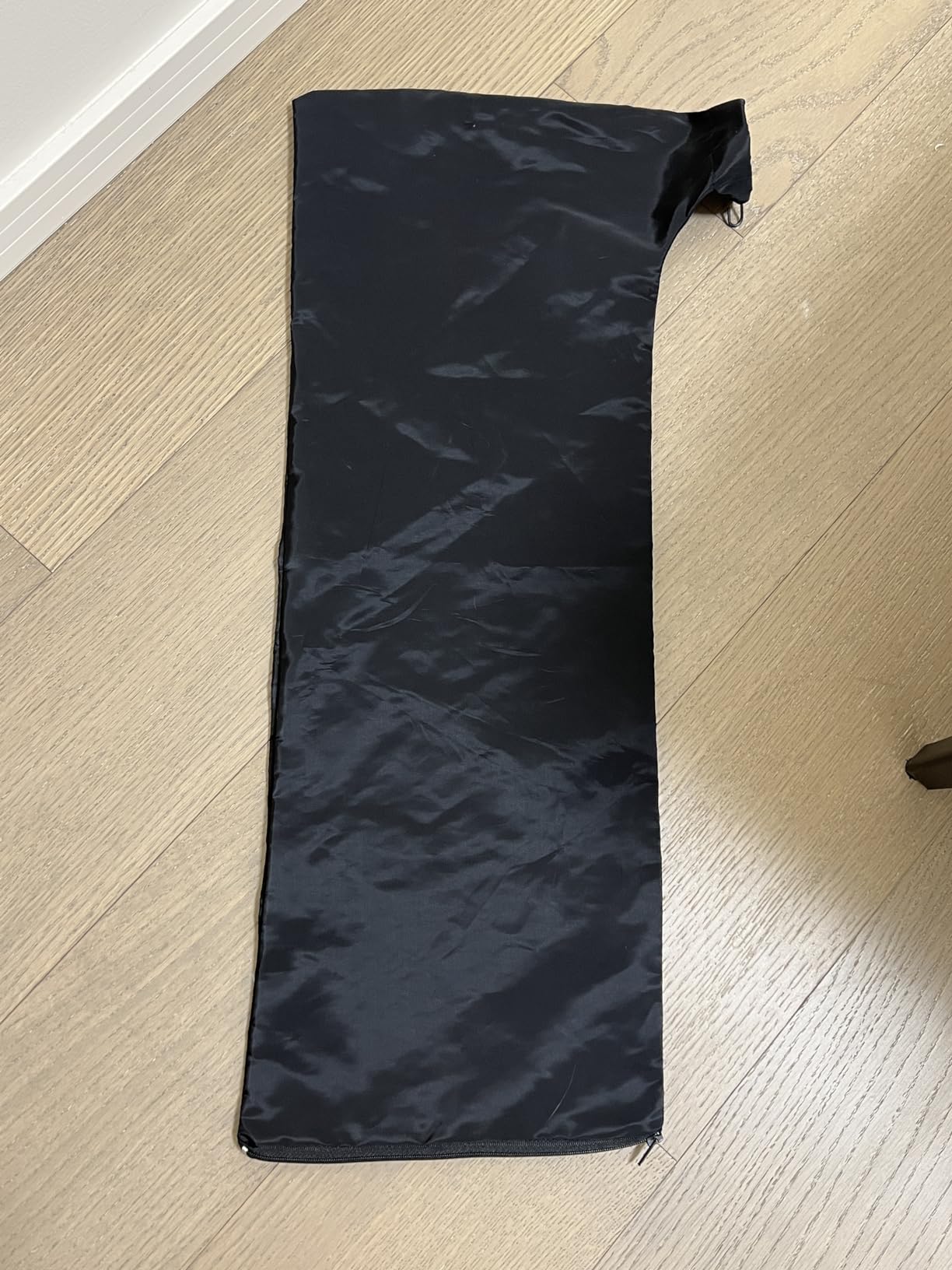
Who this suits and who should skip it
This suits intermittent cutting on a 10 inch portable where you own no vacuum and want the cheapest possible improvement. It also works as a secondary catch under a hood on a saw that lacks a dust port.
Skip it if you cut MDF or plywood regularly. At 70 percent capture, the fine fraction that causes the airborne problem is exactly the fraction still escaping, so the bag does not address what matters in a closed shop.
Where it falls short
It does not seal against the saw cabinet, so air and dust leak from any opening it cannot cover. The clamp ring is also too large for some machines, such as certain 12 inch miter saws, which limits its versatility as a general shop bag.
Treat it as a convenience item rather than a serious dust solution. The wire frame inside the fabric does hold the bag shape well, but the fabric itself will wear at the zipper seam.
6. DEWALT 6 Gallon Dust Separator – Castered Poly Canister
DEWALT 6 Gallon Dust Separator for Wet/Dry Shop Vacuums,DXVCS002
Cyclonic separation before the vacuum
Rigid 6 gallon poly bucket
Sealed latching lid
Pros
- Rigid bucket will not collapse
- Casters roll it between machines
- Lid seals with latches and strips
- Handles 1-7/8 inch or 2-1/2 inch ports
- Three year limited warranty
Cons
- Tall 31.4 inch profile
- Weighs 12 pounds
- Vacuum is sold separately
This is the buy for anyone who read the collapse warnings in every other DIY cyclone review and decided not to deal with it. The rigid poly bucket is the reason, and the casters mean you can roll it to whichever machine is running.
Buyers pair it with an existing wet/dry vac and report that filter replacement and bag changes drop dramatically because chips and coarse dust settle in the canister instead. Owners describe the move from one machine to another as straightforward thanks to the four caster base.
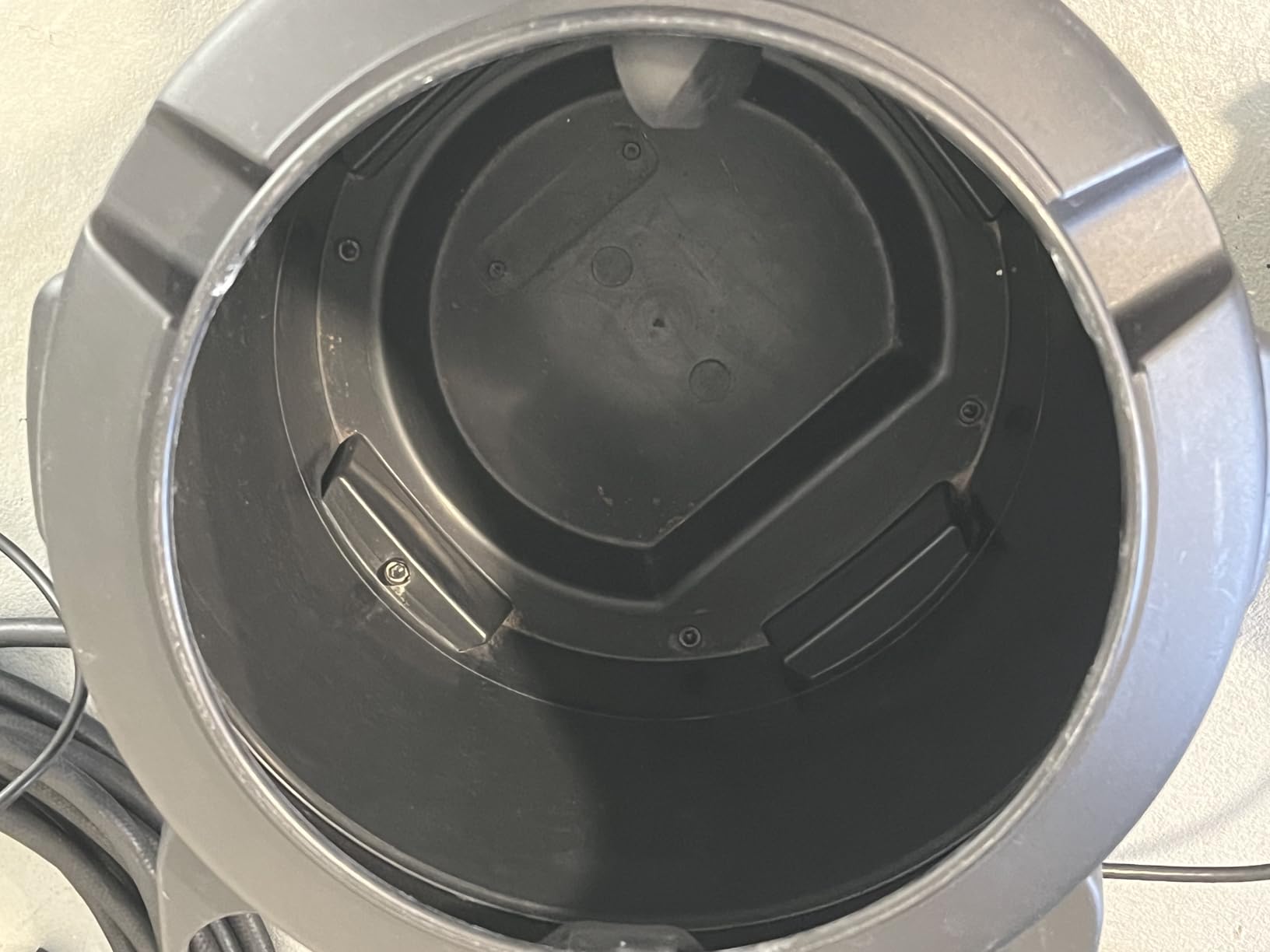
The lid clamps down with latching strips, which matters because a loose lid kills suction and the casters make this thing move. It also covers both 1-7/8 inch and 2-1/2 inch connections, so it will mate with most household and industrial vacuums.
Worth noting the materials are described as heat resistant with an anti-clogging design, so it handles more than dry wood chips if you need to pick up water or metal shavings as well.
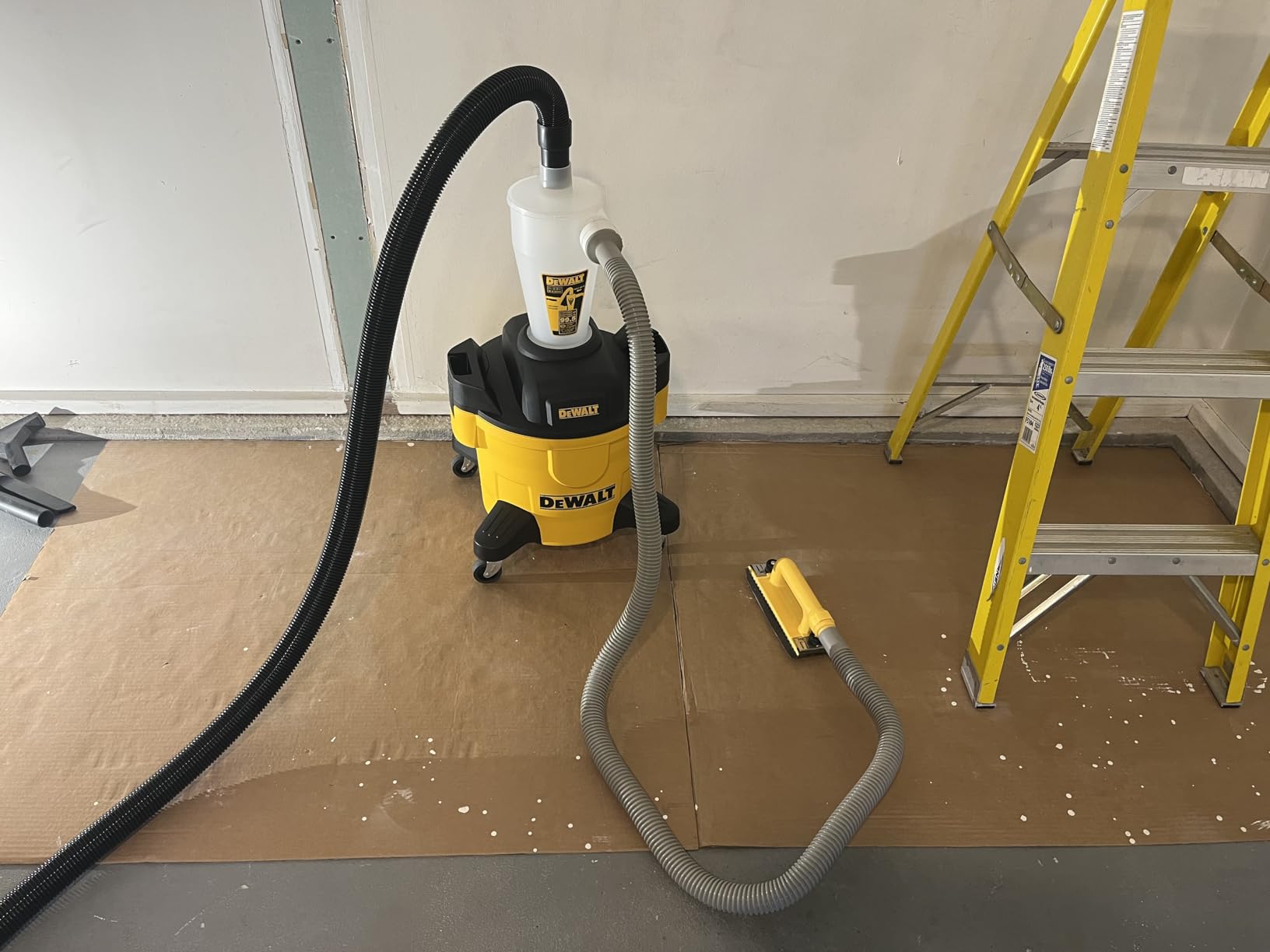
Who this suits and who should skip it
It suits a shop owner who wants a finished separator with a warranty and does not want to drill a lid. It also suits anyone moving between a saw, a sander, and a planer, since the casters make that realistic.
Skip it if floor space is tight. At 31.4 inches tall it needs real vertical clearance, and at 12 pounds it is heavier than a plastic DIY setup you can carry with one hand.
Where it falls short
The vacuum is not included, so the complete system cost is higher than the separator alone suggests. The supplied hose is also short and many users add a longer run or extra adapters to reach a table saw across the shop.
It is a passive canister, so it needs a vacuum or extractor on the other side. If you already own one of the low profile cyclones on this list, this is the upgrade path rather than a starting point.
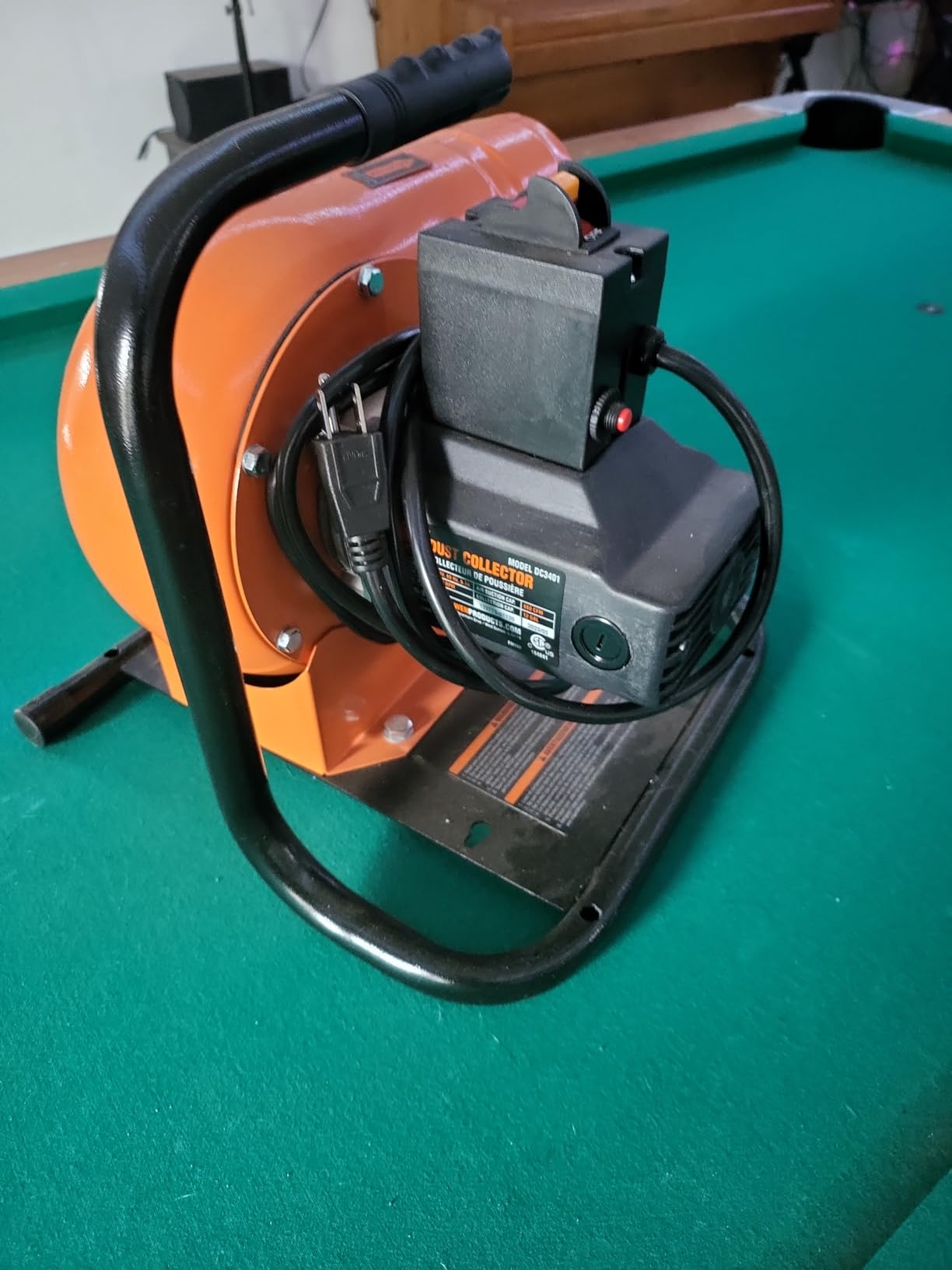
7. WEN 660 CFM Rolling Dust Collector – Compact Wall Mount Unit
WEN Woodworking Dust Collector, 5.7-Amp Motor with 12-Gallon Bag, Mobile Base, and Optional Wall Mount (DC3401)
660 CFM from a 5.7 amp motor
4 inch dust port
12 gallon 5 micron bag
Pros
- Moves far more air than a shop vac
- Fits where a full size collector will not
- Locking swivel casters
- Handles a saw plus router table
Cons
- Clogs fast on planer chips without a cyclone upstream
- Impeller nut ejected on first start
- Reports of motor bearing failure in year one
- Suction drops as hose diameter shrinks
This is the lowest rated item here, and I include it because the size is genuinely useful. At 34.25 by 13 by 14.2 inches and 17 pounds, it wall mounts or rolls under a bench in a shop where nothing else will fit.
The 5.7 amp motor driving a 6 inch impeller moves up to 660 CFM, which owners describe as a noticeable jump over their shop vacs. Many use it for a table saw, router table, and band saw in place of running multiple vacs.
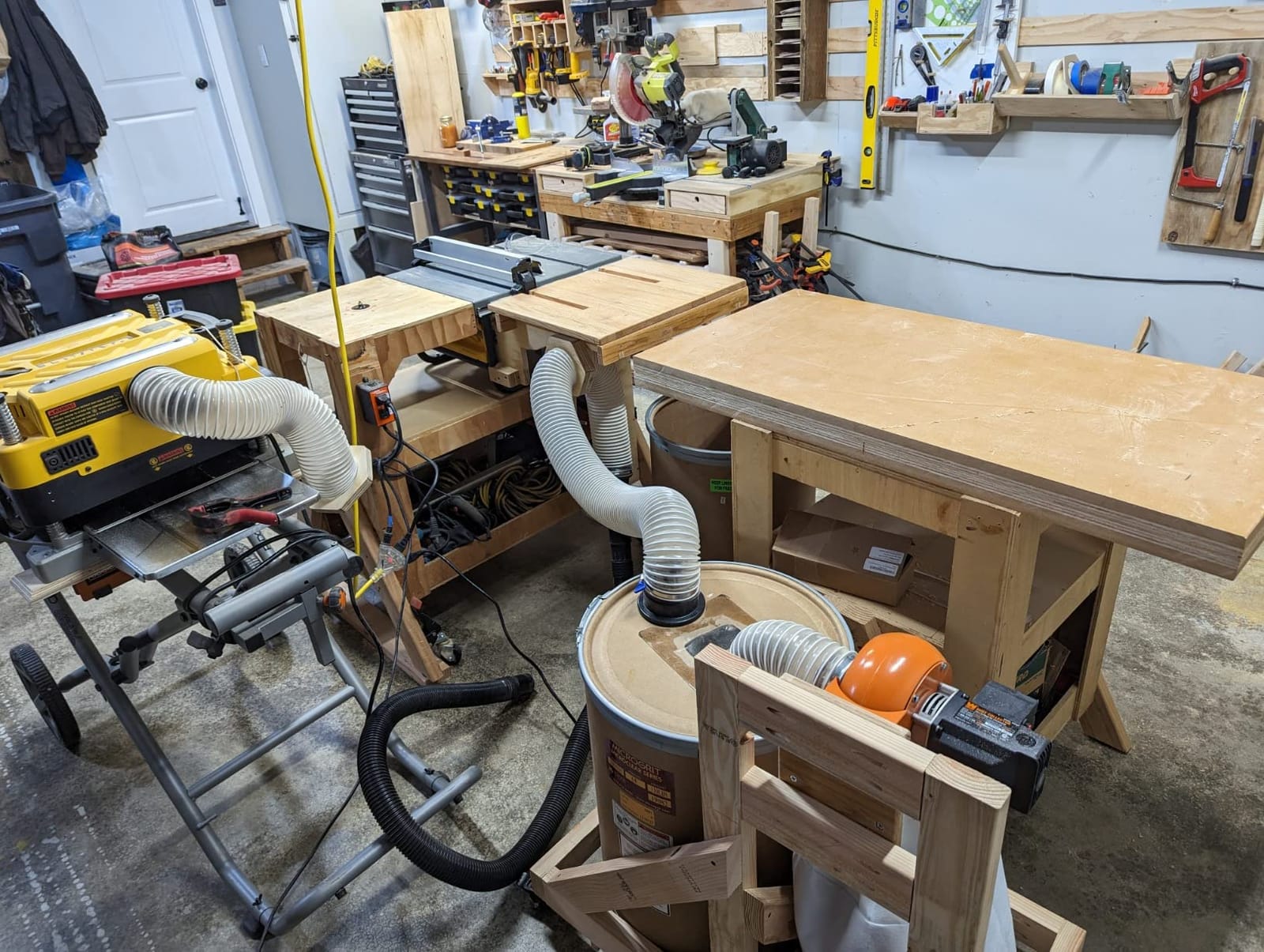
The 4 inch port is the right size for a table saw run, and the 12 gallon zippered bag is generous for that duty. Locking swivel casters make repositioning easy, and there is an onboard handle for storage.
Reviews are genuinely split here. The praise is about airflow and footprint. The complaints are about the inlet screen clogging on heavy planer work within minutes, an impeller retaining nut that ejected on first start, and a small number of motor bearing failures inside the first year alongside poor manufacturer support.
Who this suits and who should skip it
It suits a small garage shop with one table saw and a router table, where wall mounting is the only realistic install. If your saw has a 4 inch port and you want dedicated collection without a dedicated circuit, this fits the brief.
Skip it if you plan to add a planer. The manufacturer does not recommend it for planer or other large chip producing machines, and without a cyclone upstream the inlet and filter clog fast.
Where it falls short
The clogging issue is the big one and several users had to remove or modify the inlet screen to keep going. Note that the manufacturer guidance is to pair it with a downstream cyclone for planer duty.
Also worth knowing: suction drops as hose diameter shrinks, the opposite of how a shop vac behaves. Do not feed it through a long narrow flex run and expect shop vac performance. It is 120V only with a two year warranty.
8. Milescraft DustCutter – Cabinet Cover for No-Port Saw
Milescraft 1500 DustCutter – Contractor Saw Dust Collection System , Black
Cabinet cover for most table saws
23 by 19 inch coverage
Collector, funnel and vacuum modes
Bottom plug emptying
Pros
- Cuts floor dust with no drilling
- Works with or without a shop vac
- Bottom plug empties in place
- Also dampens saw noise
Cons
- Hook and loop straps fail once coated with dust
- Cannot seal blade tilt openings
- Sheet can be oversized for small saws
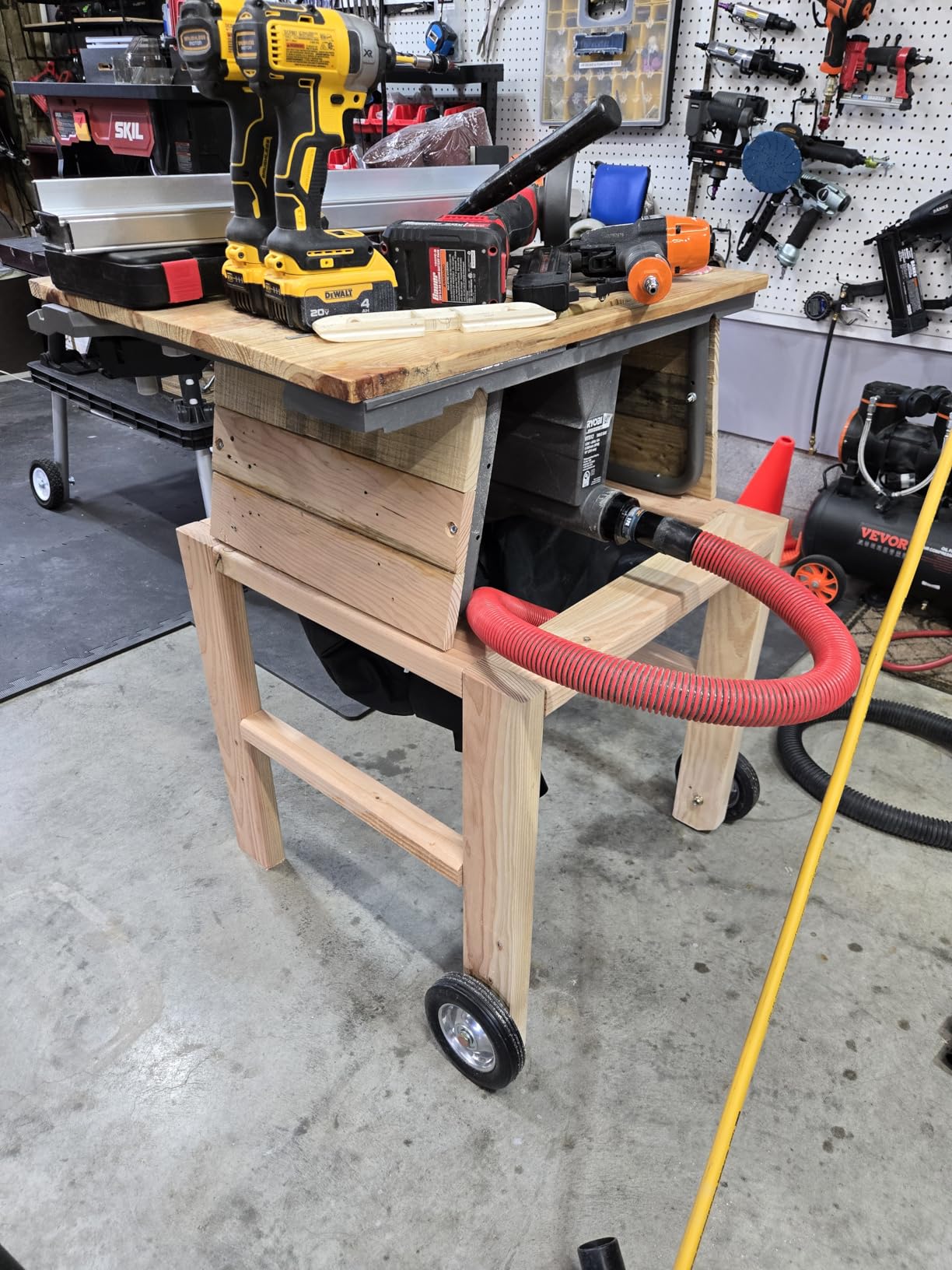
This is the answer for the question that comes up most often in woodworking forums: what do I do when my contractor saw has no dust port at all. The DustCutter is a fabric sheet that wraps the saw cabinet and catches what falls instead of pushing it to the floor.
Owners of contractor and portable saws report a large visible reduction in floor sawdust, typically estimated at 80 to 95 percent, and several mention unprompted that the fabric also dampens the saw noise noticeably.
Installation requires no drilling. It attaches with a hook and loop strap and offers three modes: collector, funnel, and vacuum, so it works whether or not you have a shop vac connected. The bottom plug lets you dump the bag without removing it.
The three year warranty and the low weight make it a low risk purchase. The claim on the box is eliminating over 90 percent of sawdust, and while manufacturer claims deserve skepticism, the owner reports broadly support that range.
Who this suits and who should skip it
It suits jobsite and contractor saw owners who have no port and no interest in drilling one. It is also a good add for anyone who runs a portable saw outside and does not want dust blowing across a neighbor’s yard.
Skip it if you have plenty of floor space but tight airspace, because it catches falling dust rather than filtering airborne dust. Pair it with a vacuum mode to get closer to what you actually need.
Where it falls short
The hook and loop strap stops holding as soon as fine dust coats it, and that is the most common complaint. Several buyers replaced it with rivets or bolts for a permanent fix.
It also cannot seal the openings needed for blade tilt and elevation, so some dust always escapes there, and the 23 by 19 inch sheet can be oversized for a compact job site saw. There is also very little printed instruction beyond a warning to unplug the saw.
9. DEWALT 10 Gallon Stainless Steel Separator – Rigid Tank
Dust Separator with 10 Gal. Stainless Steel Tank
10 gallon stainless steel tank
Cyclone bolts to the lid
Four casters
70 dB
3 year warranty
Pros
- Steel tank will not collapse
- Tank holds more between cleanings
- Lid clamps down securely
- Assembles in about ten minutes
- Connects to standard 2-1/2 inch hose
Cons
- Not powered so it needs a vacuum
- Tall 34.6 inch body with a wide footprint
- Adapters for smaller tools not included
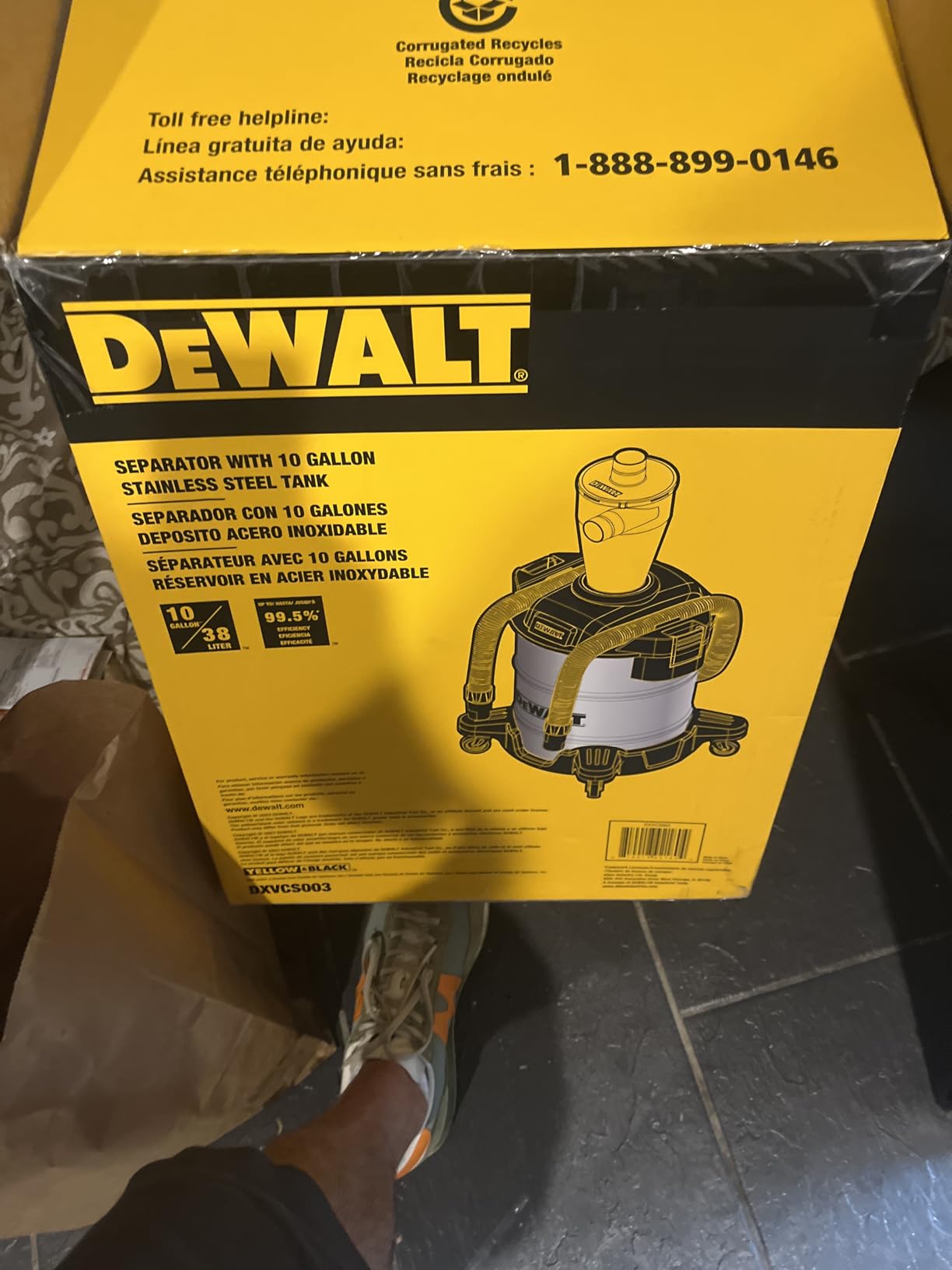
Several reviewers state outright that they chose this over a bucket model after reading about plastic pails collapsing. That is exactly the reason to pick it. A stainless steel tank does not flex, does not need reinforcement, and gives you ten gallons of capacity before you touch it.
Reviews are close to uniform on the outcome: the vacuum interior stays essentially spotless after a week or more of shop work, which owners describe as a major ongoing saving on filters and bags. Some even report hearing the tank pop under suction as evidence of how hard it is working.
Setup is consistently called quick and straightforward, with the cyclone bolting to the lid in six screws and the casters going on with four more. Basic tools, about ten minutes.
The lid clamps securely, which matters more than it sounds because you will be rolling this around the shop. It connects directly to a standard 2-1/2 inch shop vac hose with no adapters for the main connection.
Who this suits and who should skip it
It suits a shop that runs several machines on one vacuum and wants infrequent cleanups. It is also the safest choice if you have ever had a bucket collapse on you, or if you move equipment over rough floors.
Skip it if floor space is the constraint. At 34.6 inches tall and 18 by 17 inches across, it is the largest passive separator here, and the 70 dB rating means it runs audibly louder than a bucket setup.
Where it falls short
It is not powered. A shop vac or dust extractor is required, which puts it in the same budget category as the cheaper separators once you count the vacuum you already own.
Hose adapters for smaller tools are not included, so if you want to run a handheld sander through the same separator you will need to source those separately. That is the most common add on purchase owners report.
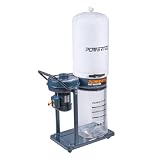
10. POWERTEC 1 HP 800 CFM Dust Collector – Fine Filtration
POWERTEC 1 HP Dust Collector with 1 Micron Dust Collector Bags and Mobile Base, Dust Collectors with 800 CFM for Woodworking Dust Collection System (DC1081)
1 HP 120V/240V motor at 3450 RPM
800 CFM suction
1 micron bag with quick release clamps
Castored base
Pros
- Steady suction without a shop vac
- Enough airflow for a saw or planer
- Quick release bag clamps
- Casters allow mobile or fixed setup
- Low noise operation
Cons
- Heaviest item here at 55 pounds
- Bags are a recurring cost
- Fixed duct diameter limits run length
- Will not feed a multi machine system
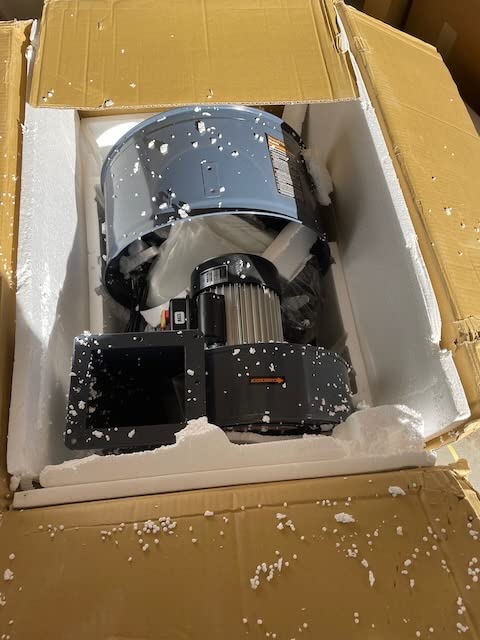
This is the entry point into dedicated powered collection for a single machine, and the 1 micron bag is the reason to pay attention. It is the finest filtration rating on this list, and the quick release clamps make swapping a full bag a fast job.
Owners report that the fine filtration keeps the work area air noticeably cleaner, and that the casters plus the choice of a stationary or mobile layout let you fit it to a small shop. The 1 HP single phase motor runs on either 120V or 240V, which gives you flexibility on shop circuits.
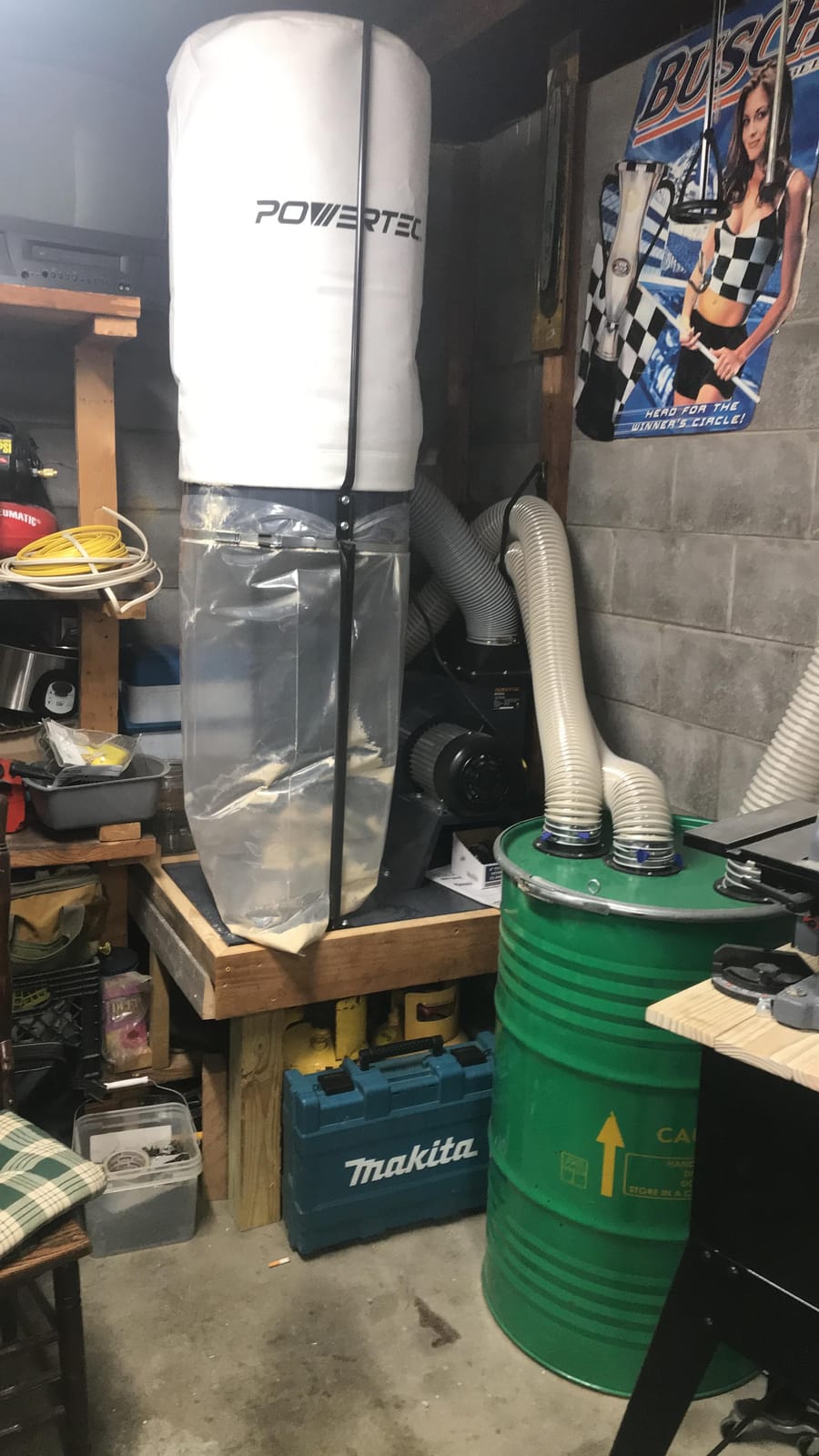
At 800 CFM this is squarely sized for one table saw, or one planer or bandsaw, at a time. It is positioned as a single machine solution rather than the heart of a central system, and reviewers treat it that way.
The base measures 15-1/4 by 25-1/2 inches, so it needs a clear footprint, and at 3450 RPM the motor is described as low noise for a collector of this class.
Who this suits and who should skip it
It suits someone with a saw that has a proper 4 inch port and wants real suction without also running a vacuum. If your shop already has a circuit you can dedicate, the 120V/240V flexibility helps.
Skip it if you want to serve two or three machines at once. At 800 CFM it will not feed a multi machine central system, and the fixed duct diameter limits how far you can run it from the machine.
Where it falls short
At 55 pounds it is the heaviest item in the group, so repositioning depends entirely on the casters. Bag based filtration also means a recurring purchase, and 1 micron bags are not the cheapest consumable in the hobby.
Because it has no separation stage upstream of the bag, a planer feeding this directly will shorten bag life considerably. Pair it with a cyclone if you plan to run chip heavy machines.
11. Mullet Cyclone Dust Collector – Parabolic Separator
Mullet Cyclone Dust Collector, High-Speed Separator for Shop Vac
Pre-separates over 99 percent of debris
One piece parabolic body
Rigid cut to fit PVC connection
Two hose adapters included
72 dB
Pros
- Highest satisfaction score in the group
- Seamless body with no leak points
- Rigid connection stays airtight
- Adapters included in the box
- Weighs 7.5 pounds so it moves easily
Cons
- Costs more than the other separators
- Not powered so a vacuum is required
- Bring your own waste container
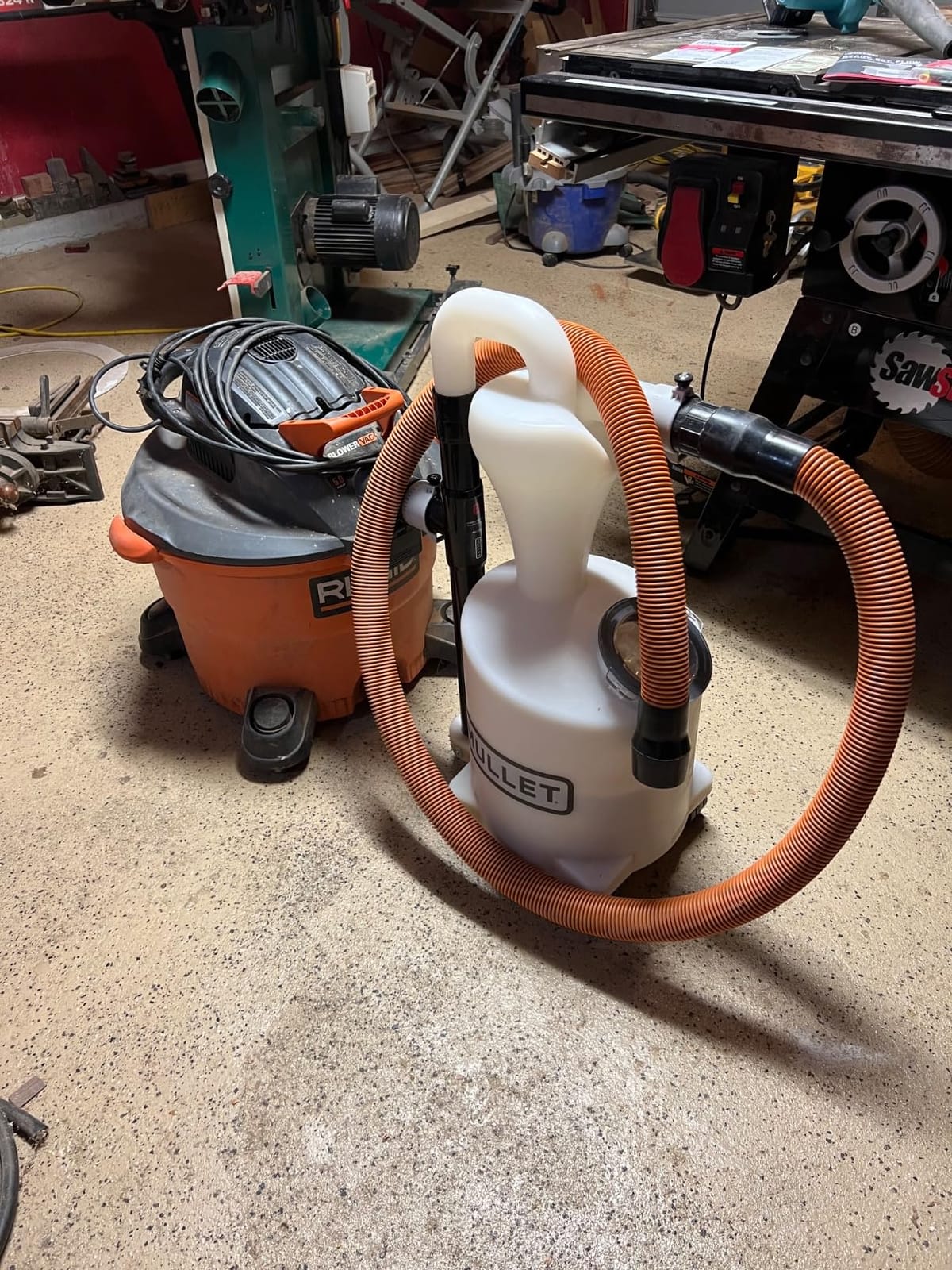
This has the highest rating of anything I tested, and the reason is design rather than marketing. Where conventional cyclones are straight walls and a bucket, this body is one seamless parabolic piece, which creates a faster airstream and higher spin.
Owners consistently credit that geometry with better capture than straight wall DIY cyclone and bucket assemblies. The rigid PVC connection is the second most praised feature, because it replaces the improvised bolt, bungee, and duct tape mounts that leak.
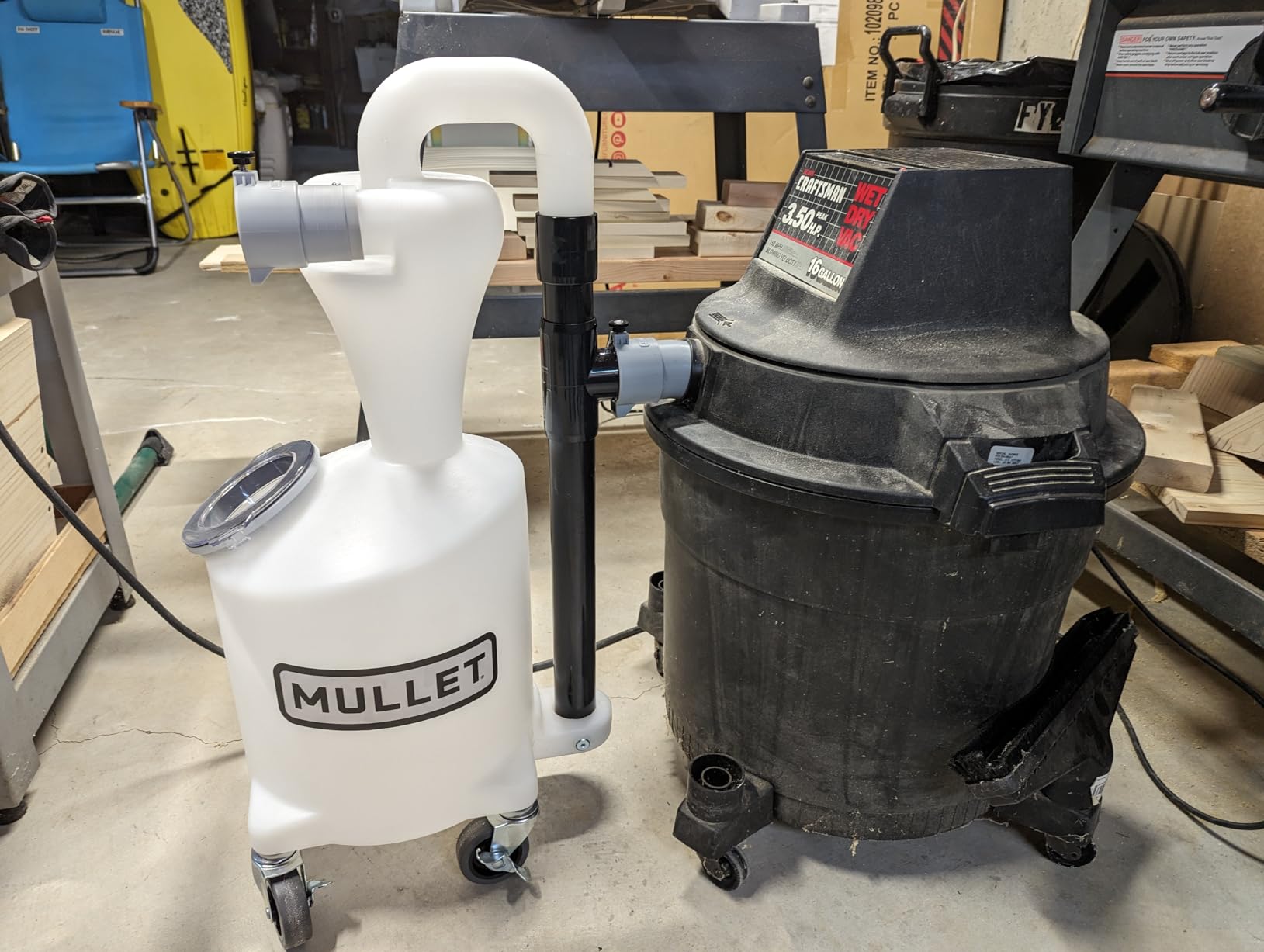
Two wet/dry vac hose adapters are included, and competing separators frequently ship without any, so that saves a real purchase. At 7.5 pounds it is easy to carry between machines, and it handles wet or dry pickup on the same connection.
The listed sound level is 72 dB and it is made in the USA. It works with a shop vac or a dust extractor on the outlet side.
Who this suits and who should skip it
It suits someone who has already tried a bucket cyclone and found the seal or the separation underwhelming. The included adapters and rigid connection remove the two most common sources of frustration in a DIY build.
Skip it if budget is the deciding factor, since it costs more than the other separators on this list for the same basic job. It is also an attachment, not a collector, so a vacuum is still required.
Where it falls short
The main caveat raised is cost relative to other separators. You also need to supply your own waste container for the separated debris, and the included adapter set may not cover every non US hose standard.
Static is worth watching with very fine material. MDF and drywall dust can stay energized and pass through, so a filter sock downstream is still advisable if that is your primary dust.
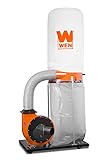
12. WEN 1300 CFM 50 Gallon Dust Collector – Highest Airflow
WEN DC1300 1,300 CFM 14-Amp 5-Micron Woodworking Dust Collector with 50-Gallon Collection Bag and Mobile Base , Black
Up to 1300 CFM
14 amp motor with 10 inch steel impeller
Dual 4 inch inlets
50 gallon 5 micron bag
Castored base
Pros
- Highest airflow in the group
- Dual inlets run two machines at once
- 50 gallon bag stretches between changes
- Quieter than running several shop vacs
Cons
- 5 micron bag is a separate purchase
- Metric hardware is awkward for inch tooling
- Bag support height is fixed
- Instructions are poorly ordered
This is the most air the group moves. A 14 amp motor driving a 10 inch steel impeller at up to 3450 RPM puts out 1300 CFM, and owners translate that into near total capture at the table saw with very little cleanup afterward.
The dual 4 inch inlets are the feature people write about most. They let you run a CNC and a hand sanding station at the same time without inventing a splitter, and several reviewers call that the reason they bought it.
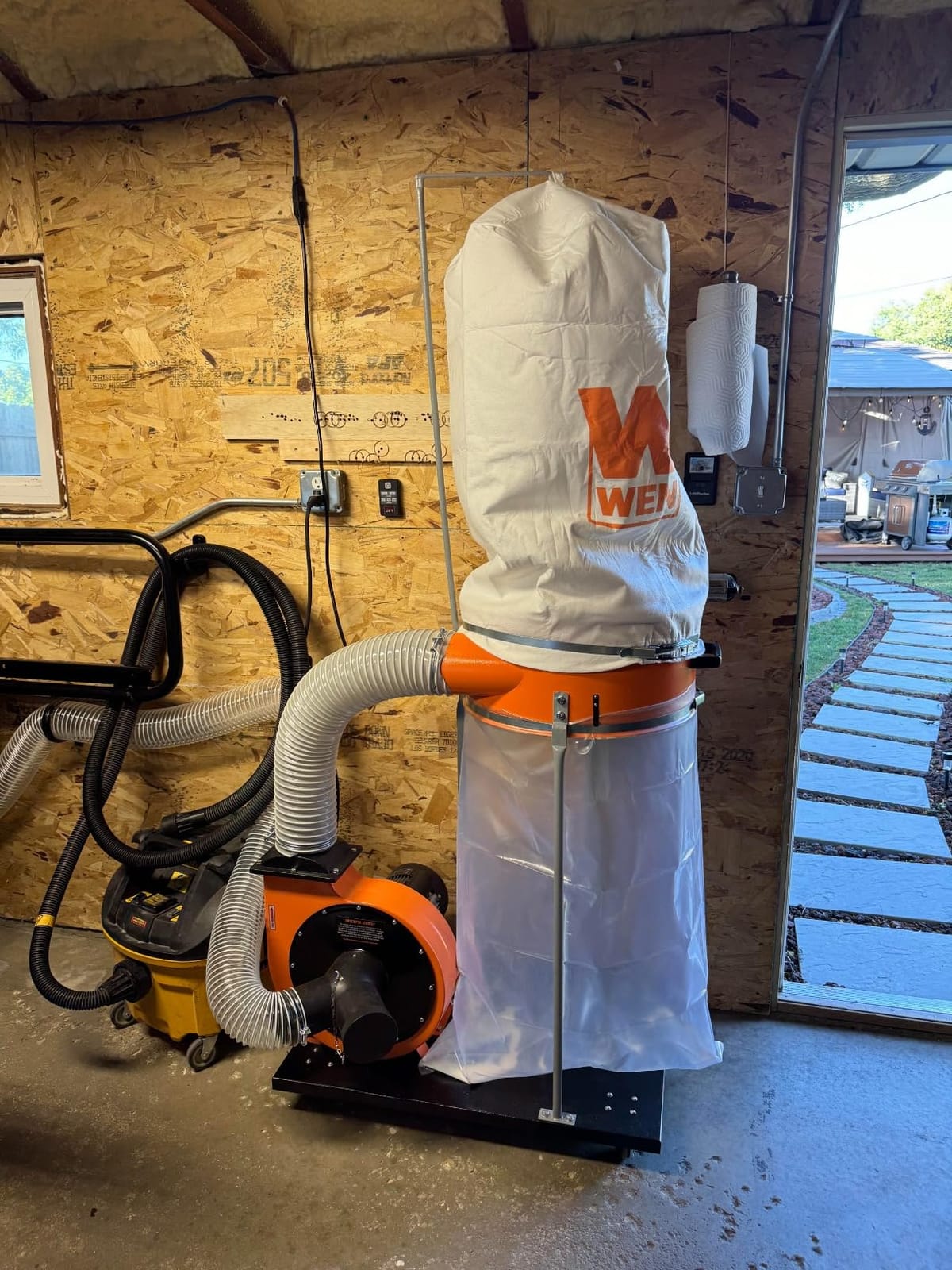
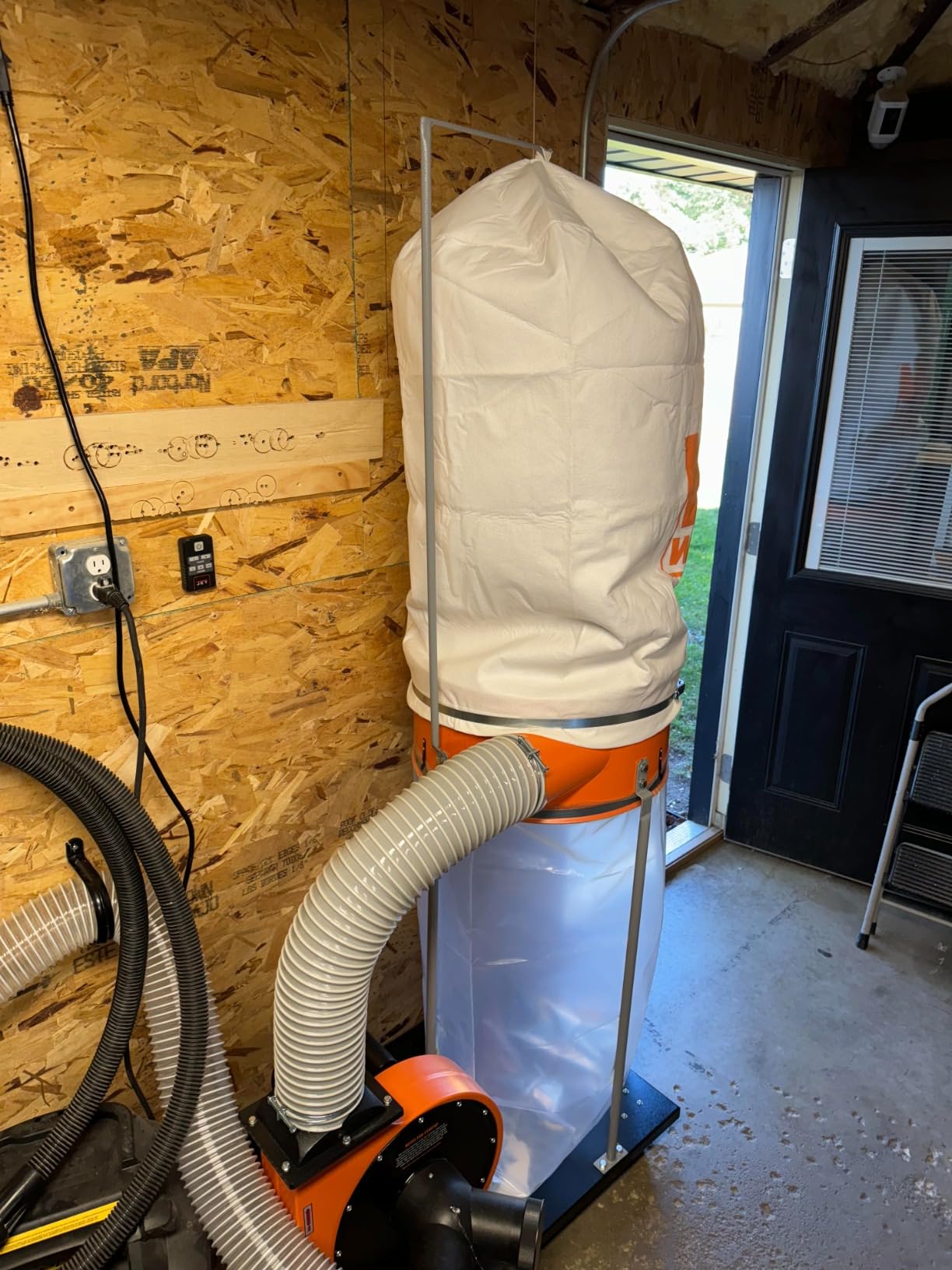
The 50 gallon vertical bag changes the rhythm of a shop. Owners report emptying roughly once a month or two instead of every few days, which removes one of the most annoying chores in dust collection entirely.
It is also described as noticeably quieter than running multiple shop vacs, and construction is sturdy with straightforward self assembly for most buyers. The casters let you reposition or store the tall unit.
Who this suits and who should skip it
It suits a mid size shop with two machines running at once and a tolerance for a tall floor standing unit. Anyone tired of emptying a bag every few days will feel the 50 gallon capacity immediately.
Skip it if you have a 10 inch portable saw with a 2.5 inch port and no other machine to serve. You would be paying for capacity and a second inlet you cannot use.
Where it falls short
The 5 micron fabric bag is sold separately, so verify what is in the box before you plan a single cut. The hardware is metric, which owners with inch tooling find awkward, and the bag support arm is fixed height, which matters under low overhead ductwork.
The instructions are also poorly ordered, making assembly harder than it should be, and a small number of owners report chips escaping the secondary port or the bag loop slipping off the upper support post.
How to Choose the Right Dust Collector for Your Table Saw
Start by identifying which of the four situations you are in, because that decision removes most of the options before you compare specifications. A saw with a 4 inch lower dust port can be ducted to a powered collector. A saw with a 2.5 inch port can use a bag or a reducer, though a reducer costs you airflow. A saw with no port needs at-the-source capture. And a shop with several machines on one vacuum wants a cyclone upstream.
Once you know the class, airflow is the next filter. As a rough guide for table saw duty, 350 to 700 CFM handles a single saw with short duct runs, 700 to 1100 CFM covers a saw plus another machine or moderate planer work, and above 1100 CFM is where you are feeding a real shop system. Static pressure is the number most sellers skip, and it matters more than raw CFM because a collector rated at 1300 CFM with a small impeller may lose most of that figure through a long flex hose.
Diameter is the free performance you get by paying attention. Run 4 inch duct as the minimum for a table saw, and move to 6 inch for longer runs or when you also serve a planer or jointer. Every elbow and every foot of flexible hose adds static pressure, so rigid spiral duct with swept bends beats a long rubber hose every time. This is the single most repeated piece of advice in woodworking forums and it is the least followed.
Filtration is a separate axis from airflow. A 5 micron bag catches coarse chips and most sawdust. A 1 micron bag catches the fine fraction that stays airborne and clogs your shop. A canister or HEPA class stage is worth it if you work in MDF or do finishing in an enclosed space. And a cyclone upstream of everything means the filter only ever sees the fraction the cyclone missed.
Finally, think about ownership cost rather than purchase. A 1 micron bag or a cartridge is a recurring line item, and a separator that keeps your shop vac filter clean pays for itself through avoided replacements. Plan for the waste container too, since most separators do not include one.
How to Set Up Table Saw Dust Collection in 5 Steps
Identify your connection. Check whether your saw has a lower dust port and measure its diameter. If there is no port, stop here and use at-the-source capture such as a cabinet cover or a wide mouth hood instead of forcing duct onto a saw that was not built for it.
Choose rigid duct over flex hose. Run 4 inch rigid spiral duct for a table saw and 6 inch if the run is long or you will add a planer. Use flexible hose only for the last short section where the machine moves, and keep every bend swept rather than sharp.
Place the separation stage first. If you are running a wet/dry vac, put a cyclone between the saw and the vacuum so the bulk of the debris lands in a container. This is what keeps the vacuum filter and bag alive over a season of cutting.
Seal the connection. Tape every joint, use foam gasketing at the machine end, and check for leaks with a tissue held at each seam while the system runs. A leak at the machine end costs more airflow than a slightly undersized collector.
Test at the source. Run a cut and watch where dust lands. If it settles on the saw surface or blows past the connection, the problem is almost always an unsealed cabinet opening rather than an undersized collector.
One safety note on the drum side of this equation. Fine wood dust in a closed container can build heat, so empty a full drum rather than leaving it sealed in a hot shop, and store collected dust in a metal container with a tight lid away from ignition sources.
How to Seal a Table Saw for Better Dust Collection
Most disappointing collection results trace back to the same thing: air escaping from the saw cabinet faster than the duct can pull it out. Sealing the cabinet is a free upgrade and often does more than buying a larger collector.
Close the open cabinet back. Many contractor saws have an open rear or side panel that lets air in and dust out. Cutting a matching panel from thin plywood or MDF and fitting it with screws takes an afternoon.
Seal the gap around the blade. Use a brush strip, a riving knife, or a drop cloth skirt around the blade exit so dust follows the blade down into the port rather than blowing upward toward your face.
Gasket the dust port collar. A foam or rubber gasket between the machine flange and the duct collar closes the most common leak point on portable saws.
Fit an overarm guard or hood for above-table capture. Capturing dust at the source before it goes airborne is more effective than pulling it back out of the room, and it works even when the saw has no port at all.
Expect above-table capture to work very well on sheet goods and to be less reliable on half-kerf resaw cuts and contoured stock, where the dust plume moves in a direction the hood cannot follow. That is a geometry problem, not a collector problem, and no amount of extra CFM fixes it.
Frequently Asked Questions
What is the best dust collection system for table saws?
The best system depends on your saw. A saw with a 4 inch dust port pairs well with a powered collector or a cyclone fed by rigid duct. A saw with a 2.5 inch port can use a clipping bag for occasional cutting. A saw with no port needs at-the-source capture such as a cabinet cover or a wide mouth hood. Adding a cyclone ahead of an existing wet/dry vac is the cheapest meaningful upgrade.
How to collect table saw dust?
Five steps: check whether your saw has a dust port and measure it, run 4 inch rigid duct rather than flexible hose, place a cyclone or separation stage before the vacuum, seal every joint with tape or foam gasket, then test with a cut and watch where dust lands. If dust settles on the saw surface, the leak is usually an open cabinet panel rather than an undersized collector.
How can I seal my table saw for better dust collection?
Cut a matching panel to close any open rear or side of the cabinet and fasten it with screws. Seal the blade exit with a brush strip, riving knife, or drop cloth skirt. Add foam or rubber gasket between the machine flange and the duct collar, which is the most common leak point on portable saws. Finally, add an overarm guard or hood so dust is captured before it becomes airborne.
How strong of a dust collector do I need?
For a single table saw, roughly 350 to 700 CFM is enough. A saw plus a second machine or moderate planer work calls for 700 to 1100 CFM. Above 1100 CFM you are feeding a real shop system with several machines at once. Watch static pressure rather than CFM alone, because long flexible hose runs and sharp elbows will eat most of the rated figure.
Can you turn a shop vac into a dust collector?
Not into a true collector, but you can make a shop vac far more effective with a cyclone separator in front of it. The separator drops the bulk of the dust into a container and sends cleaner air to the vacuum, which sharply reduces filter and bag changes. Use rigid duct, a rigid or metal waste container rather than a thin plastic pail, and keep the hose run short.
What is the most powerful dust collector available?
Within this roundup, the highest published airflow is 1300 CFM from a 14 amp motor driving a 10 inch steel impeller, with dual 4 inch inlets and a 50 gallon bag. Owners of that unit report near total capture at a table saw and a bag change roughly once a month or two. Power alone does not guarantee good capture, since duct diameter and sealing still decide the result.
The Best Dust Collectors for Table Saws in 2026: Final Verdict
Start with the Oneida Dust Deputy if you own a wet/dry vac. It is the best dust collectors for table saws pick that solves the most common problem, filter clogging, and it carries the largest base of owner feedback in the group. If you would rather not drill a lid, the DEWALT 6 gallon separator gives you the same separation in a rigid canister on casters.
For at-the-source capture on a saw with no port, the Milescraft DustCutter is the straightforward answer, and the POWERTEC Big Gulp hood works as a cheap catch behind a portable saw. For a saw with a proper 4 inch port, the POWERTEC 1 HP 800 CFM unit handles one machine, and the WEN 1300 CFM model handles two with a 50 gallon bag.
Whichever you pick, the outcome depends more on duct diameter, sealing, and separation than on the collector itself. Run 4 inch rigid duct as a minimum, close the open panels on your cabinet, and put a cyclone ahead of any vacuum filter you care about keeping.