
The most effective way to keep deer away from a garden is a two-part routine: a scent-and-taste repellent spray applied to foliage and the perimeter before browsing starts, re-coated every one to two weeks and after heavy rain, paired with a physical barrier such as netting or a motion-activated sprinkler. Spraying protectively works far better than reacting after damage.
Does deer repellent spray really work? Yes, when the formula reaches the plant. Repellents act on two channels at once: an olfactory deterrent that triggers a deer’s flight response before it reaches the plant, and a taste or contact aversion that discourages feeding if it does browse. A single white-tailed deer eats 5 to 10 lbs of vegetation daily, so untreated beds can be stripped in a night.
We spent six weeks working through the best deer repellent sprayers for gardens, comparing ten products on scent tolerance, coverage, reapplication interval, wash-off resistance, and whether the bottle or jug actually cooperates with the sprayer you own. The results surprised us: the sprayer hardware caused more complaints than the chemistry did.
Table of Contents
Our 6-Step Deer Protection Protocol
Use this sequence and the timing matters more than the brand you buy.
Spray before damage starts. Treat beds in early spring before bud break, then again in early fall as new growth pushes out.
Coat the perimeter, not just the plants. Entry points along fence lines and hedgerows are where deer decide whether to come in.
Target new growth every time. Untreated shoots and buds are what deer strip overnight, and they are the reason so many people think a spray stopped working.
Reapply on a one to two week cycle, and again after heavy rain or every time an irrigation system soaks the beds.
Rotate formulas across the season so deer do not habituate to a single scent.
Layer a physical deterrent. Netting over the most valuable plants plus a motion-activated sprinkler cuts pressure that spray alone cannot hold.
Top 3 Picks for Deer Repellent Spraying (October 2026)

Liquid Fence 1 Gallon RTU
- Ready-to-use
- no dilution
- Rain resistant
- Deer and rabbit coverage

Bobbex 64 oz Concentrate
- Concentrate for large acreage
- Works in E-Z pump sprayers
- Resists washing off

The three products above cover the three real use cases. The ready-to-use gallon wins on simplicity, the concentrate wins on coverage per bottle, and the mint refill wins when odor inside the house matters more than raw potency.
Quick Overview: 10 Deer Repellent Sprayers Side by Side in 2026
| Product | Specifications | Action |
|---|---|---|
|
Liquid Fence Deer and Rabbit Repellent Ready-to-Use Spray, 1 Gallon
|
|
Check Latest Price |
 Liquid Fence Deer and Rabbit Repellent Concentrate, 1 Gallon
|
|
Check Latest Price |
 Deer Out 40oz Ready-to-Use Deer Repellent
|
|
Check Latest Price |
 I Must Garden Deer Repellent 32oz Mint
|
|
Check Latest Price |
 Bobbex Deer Repellent 32 oz Ready to Use Spray 2-Pack
|
|
Check Latest Price |
|
Bobbex Concentrated Deer Repellent 64 oz
|
|
Check Latest Price |
|
Deer Out 1 Gallon Ready-to-Use Refill
|
|
Check Latest Price |
 Deer Out 1 Gallon Concentrate
|
|
Check Latest Price |
 Bobbex Deer Repellent Ready-to-Use Refill 1 gal
|
|
Check Latest Price |
 Plantskydd Animal Repellent 32oz Ready-to-Use Spray
|
|
Check Latest Price |
Two patterns stand out. Every gallon-size option is a refill or a concentrate that needs your own hardware, and every concentrate carries a restriction on edible leaves, herbs, and rough-skinned berries. Both are normal and both are covered in the reviews below.
1. Liquid Fence Deer and Rabbit Repellent Ready-to-Use, 1 Gallon
Liquid Fence Deer and Rabbit Repellent Ready-to-Use Spray, 1 Gallon
Ready-to-use liquid
Rain resistant
1 gallon jug
8.97 pounds
Pros
- Works on deer and rabbits without contact
- No dilution or extra equipment
- Rain resistant
- Enormous review history with long-term repeat buyers
Cons
- Integrated trigger sprayer often fails before the jug is empty
- Strong rotting odor
- Needs frequent reapplication
This is the one I keep coming back to for suburban beds. It is a 1 gallon ready-to-use jug, so there is no measuring, no mixing, and no risk of a bad dilution ratio. The formula works by scent aversion, which means deer and rabbits do not even have to touch the plant to be turned off.
The review history here is the deepest in the category, and the pattern across it is consistency rather than excitement. Gardeners report peppers, squash, flowers, hostas, and morning glories untouched, and several describe watching deer walk up to a treated bed on a ring camera and turn away.
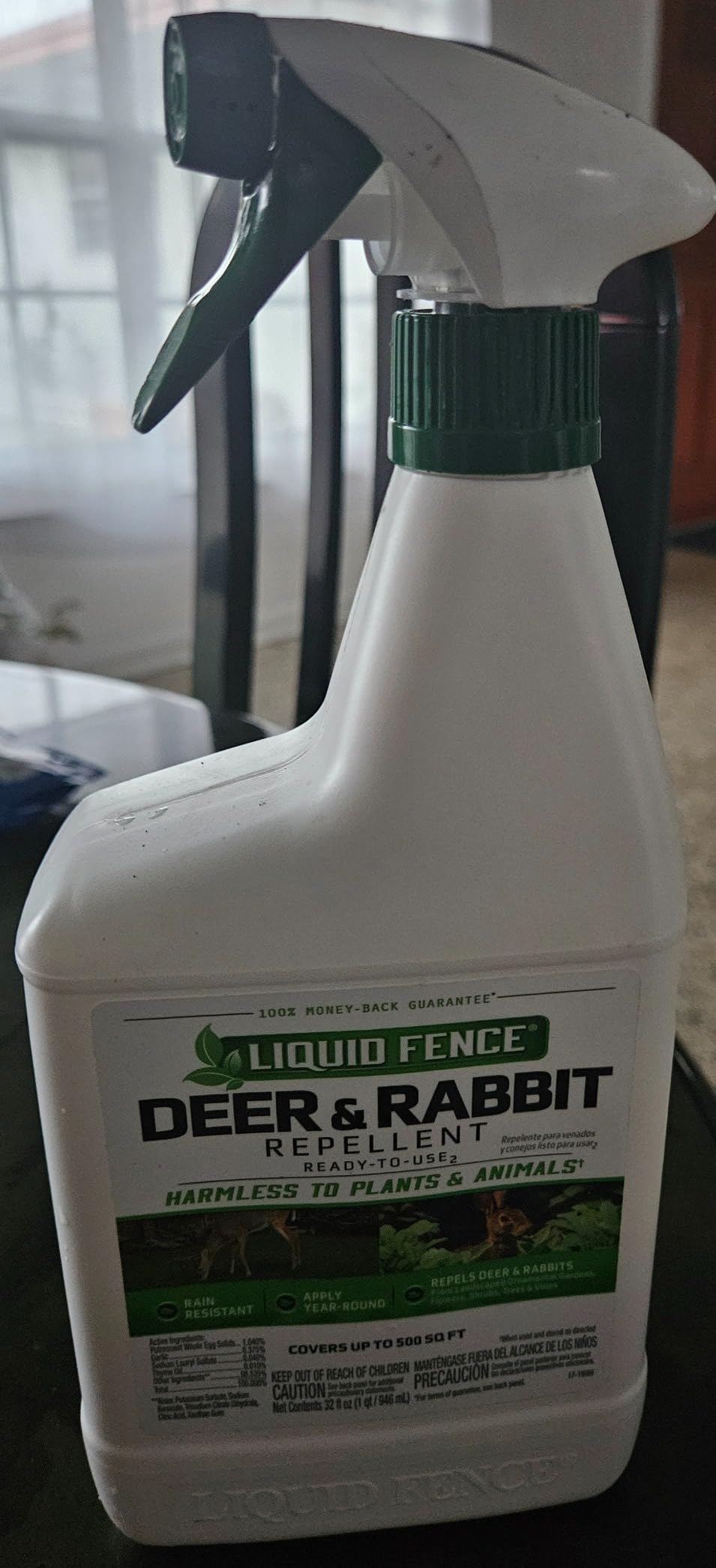
What caught my attention most is that the complaints are almost never about whether it works. The recurring theme is hardware: the trigger is integral to the cap, it cannot be unscrewed off, and users report it failing or streaming instead of spraying before the jug is empty. Plenty of owners decant the liquid into a separate pump sprayer as a workaround, and that is exactly what I would do.
Two more real drawbacks. The odor is genuinely unpleasant during application and for a while after, so plan to spray downwind and away from open windows. And it needs frequent reapplication, particularly after rain or a daily watering schedule, which is the single biggest complaint in the reviews.
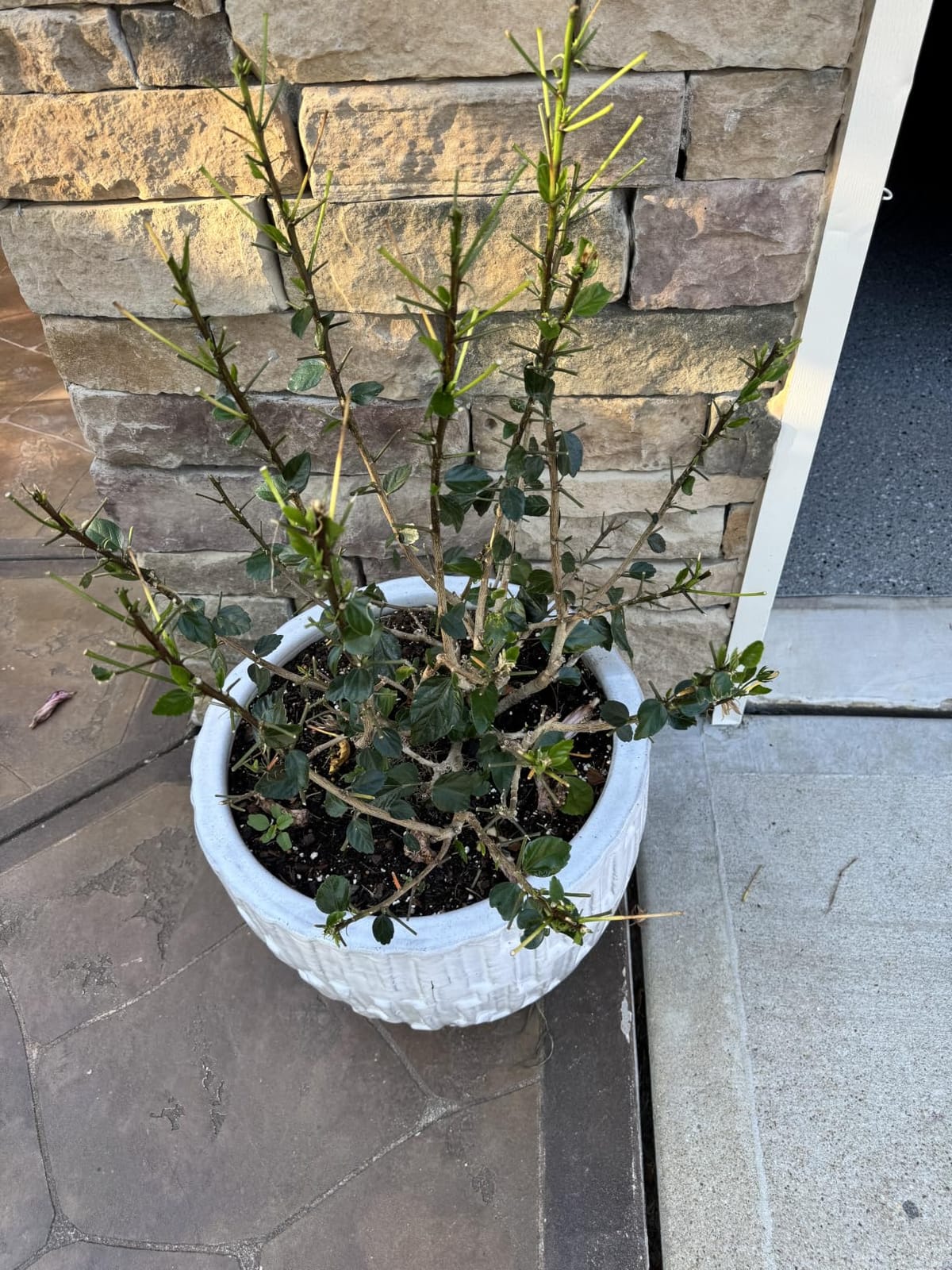
Where the ready-to-use gallon works best
It suits ornamental beds of flowers, shrubs, trees, and vines where you want zero setup. If you are protecting peppers or squash in a home garden and you would rather not own mixing equipment, this removes an entire step from the routine.
Because it starts working immediately, it also works as a shock treatment when you first notice browsing. Shake the jug well before each use, since reviewers report a white residue on leaves when the formula is not agitated properly.
Where the built-in trigger gets in the way
It is not a good fit for anyone treating more than a few beds, because you will be holding one heavy jug and pumping a trigger that may quit mid-session. A trigger failure mid-garden leaves you with a part-treated yard and an unprotected section.
Some users also report deer showing no deterrence at all in heavily pressured gardens. Perimeter spraying and a second deterrent matter more here than with a stronger concentrate.
2. Liquid Fence Deer and Rabbit Repellent Concentrate, 1 Gallon
Liquid Fence Deer and Rabbit Repellent Concentrate, 1 Gallon
Concentrate to dilute
Covers up to 20000 sq ft
Rain resistant
Unscented, 128 fluid oz
Pros
- Most economical per treated plant on a large property
- Covers up to 20000 sq ft when diluted
- Works on squirrels
- rabbits and rodents too
- Manufacturer says no brand rotation needed
Cons
- Very strong odor that lingers for a day or two
- New growth must be coated immediately
- A 40 oz bottle makes only a little over three gallons
This is the same formula family as the ready-to-use jug, diluted. The manufacturer states it covers up to 20,000 sq. ft. once mixed, and reviewers with a decade of use describe it as a repeatable part of the garden routine rather than a rescue measure.
That repeat-use pattern is what convinced me. Multiple reviewers note one application holding for weeks apart from new growth, and that it works on a range of mammals including squirrels, rabbits, and rodents rather than deer alone. For a property with a vegetable plot, a hedgerow, and ornamental beds, one jug replaces a lot of ready-to-use bottles.
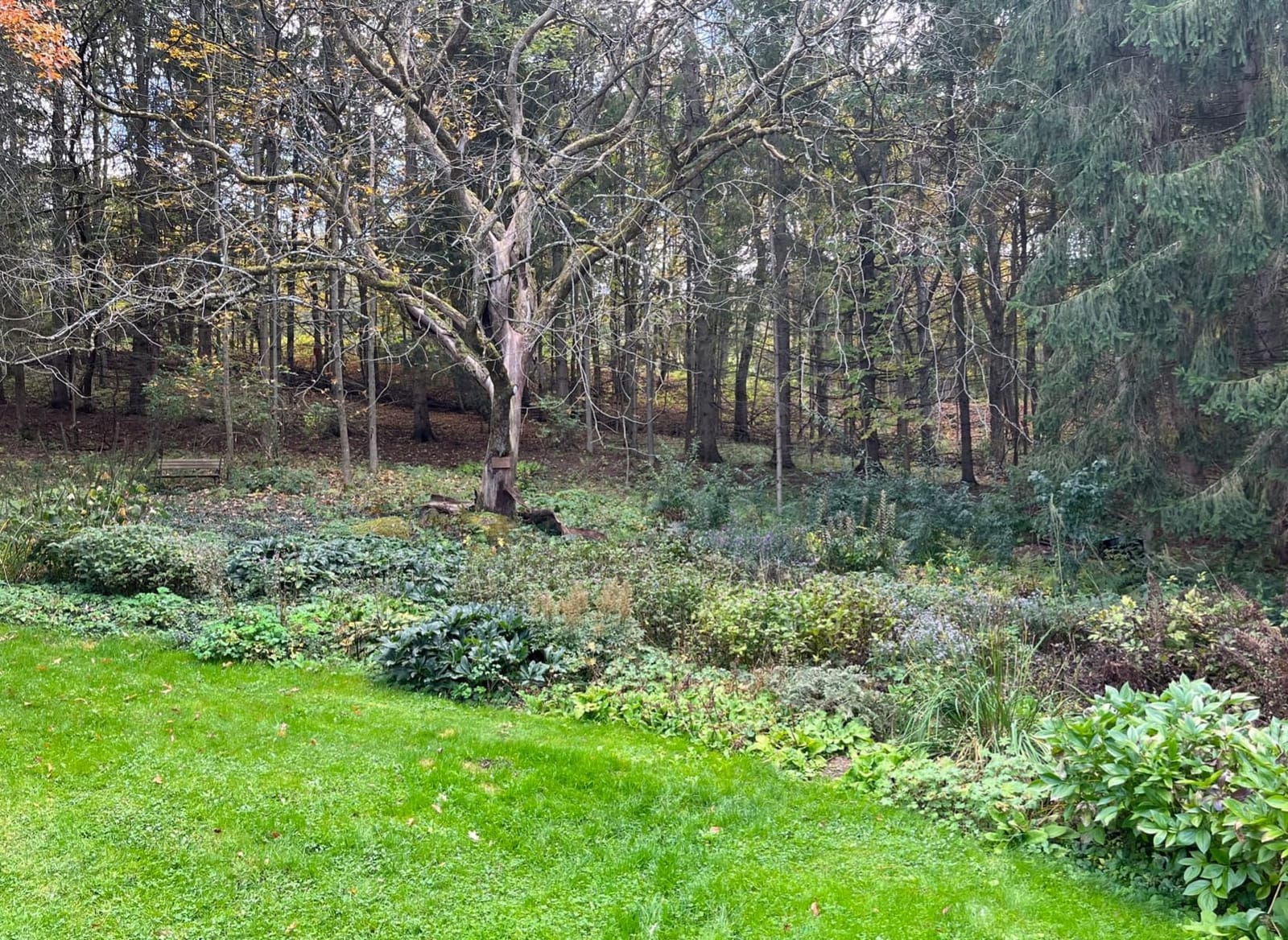
The cost logic is straightforward. A 40 oz bottle of this concentrate makes a little over three gallons of solution, and reviewers repeatedly describe the concentrate as the most cost-effective option once you are treating a large number of plants. The one thing you must own is a pump sprayer.
The odor is the honest drawback and it is severe. Reviewers describe a very strong unpleasant smell lingering a day or two after application, with blowback from the sprayer being unpleasant enough that people wear masks outdoors. It also cannot be applied in wet weather, which limits your application windows.
Why a concentrate pays off on big properties
Ready-to-use costs you for water you could have added yourself for a fraction of the volume. On a property where you are re-spraying every two weeks through the season, the concentrate jug is the format that makes sense.
It is also the format that scales. If you are protecting young fruit trees or a long fence line, you can mix a batch, walk the perimeter, and coat new growth as it appears rather than carrying pre-mixed bottles out to the far end of the property.
Where the odor becomes the deciding factor
If you spray near a patio, a neighbor’s window, or an attached garage, the lingering smell is a real practical problem that reviewers raise directly. Several also report needing to respray new growth immediately or deer strip fresh buds overnight.
A few users see little difference in deer pressure after applying it. Treat that as a signal that your garden needs a layered approach rather than a stronger jar.
3. Deer Out 40oz Ready-to-Use Deer Repellent
Deer Out 40oz Ready-to-Use Deer Repellent
Ready-to-use 40 oz bottle
Minty scent
Two natural sticking agents
2.83 pounds
Pros
- Pleasant peppermint scent versus foul-smelling rivals
- No dilution or extra equipment
- Holds up better after rain than most competitors
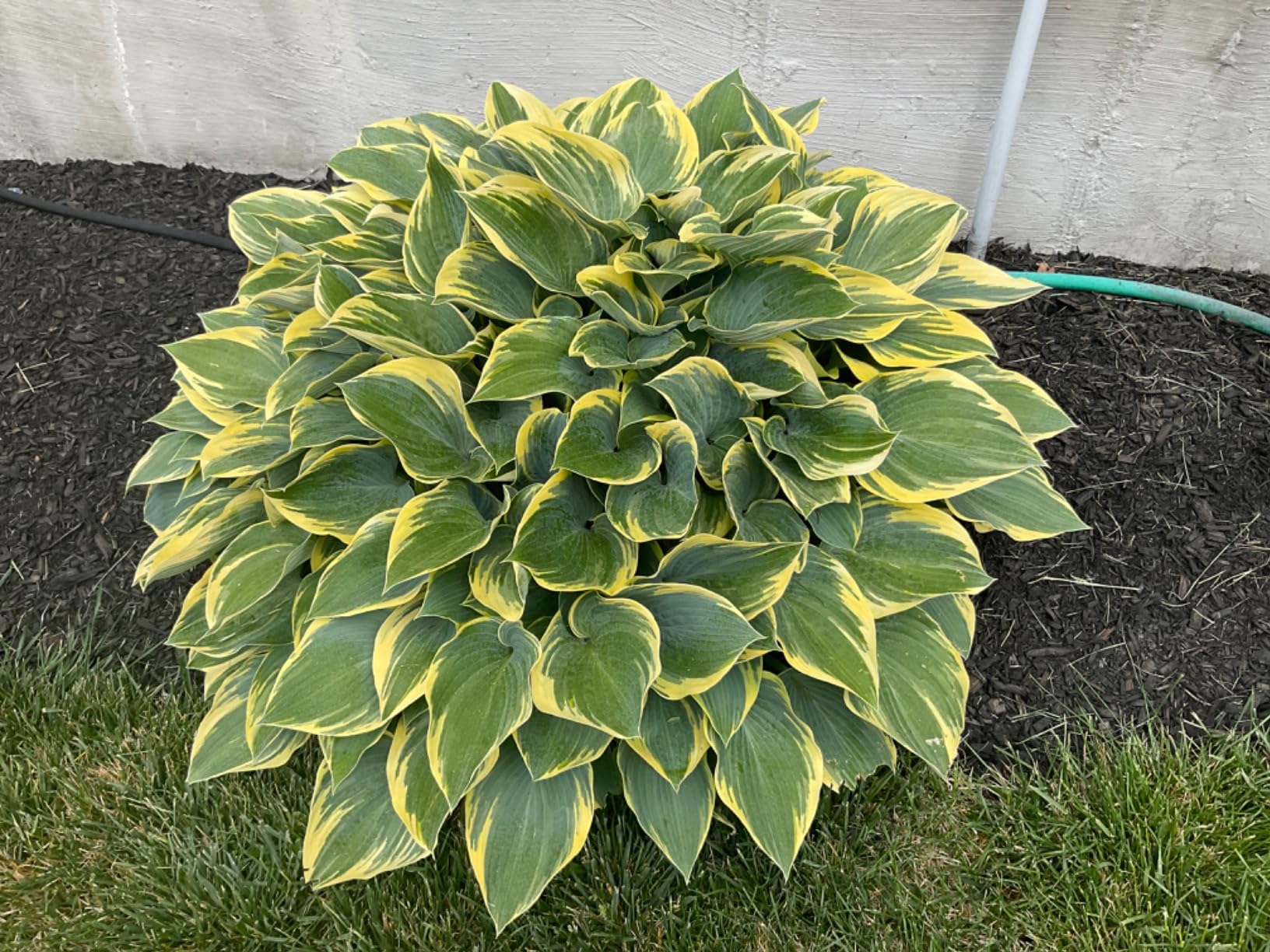
- Recovers stripped shrubs and hostas
Cons
- Trigger cap pops off and spills on some bottles
- Tedious to carry over large areas
- Ready-to-use costs more per ounce for big jobs
This is the one I recommend to people who quit repellent products over the smell. The scent is minty and pleasant to humans while remaining repellent to deer, elk, and moose, and reviewers consistently name that as the deciding factor against rotten-egg-style formulas.
Underneath the scent is a real sticking-agent system. Two natural stickers keep the formula on the plant and make it rain resistant, which several reviewers say holds up better than competing products after a shower. There is no dilution and no extra equipment, so it works on a patio or a small balcony garden.
The hardware is where it slips. Several users report the trigger cap popping off and spilling contents because the internal straw is too long for the cap to secure properly. If you buy this, keep the cap on tight and store it upright away from the spray area.
It is also a 40 oz bottle, which is tedious over large areas of plants, and the ready-to-use format costs more per ounce than the concentrate version when you have real acreage. Protection also wears off during heavy or prolonged rain, and a few leaves show small light-green discolored spots where the spray landed.
Who will like the mint scent most
Anyone who sprays near a house, a deck, or a neighbor’s property line. Households with small children or pets tend to gravitate here because the formula is all-natural and described as safe around both.
It is also a good fit for a person testing whether a spray program works at all before committing to a season of reapplication. The bottle is simple to use and the results show up quickly.
Where the 40 ounce bottle falls short
A single 40 oz bottle is not a large-area solution. If you are protecting a whole suburban lot, you will be refilling repeatedly and carrying a loose cap the whole time.
Buyers moving to bigger properties should read the concentrate reviews before they buy, because the per-ounce economics change fast once you are past a few beds.
4. I Must Garden Deer Repellent 32oz Mint
I Must Garden Deer Repellent: Powerful All-Natural Protection, 32oz Mint
Ready-to-use bottle
Mint with lemongrass
Kelp enhanced
Safe on vegetables
Pros
- Safe for pets people pollinators and edible plants
- Works on muntjac as well as white-tailed deer
- Strong natural sticking agents reduce respraying after rain
- Reported to recover badly stripped roses and perennials
Cons
- Odor is unpleasant and can linger indoors
- One reviewer reported damage to pansies
- Not a complete barrier
- unsprayed new growth stays vulnerable
This is the formula I would put on a vegetable garden. The manufacturer states it is safe for pets, people, pollinators, and edible plants, and it can be sprayed directly on perennials, annuals, shrubs, and vegetables. That direct-application clearance is rarer than it should be in this category.
The mechanism is dual: it combines taste deterrents that make plants inedible with botanical oils that irritate a deer’s sense of smell, and the brand claims triple the number of active ingredients of other repellents. The mint version uses peppermint and lemongrass and is enhanced with kelp for micronutrient uptake. A Spice scent is also offered.
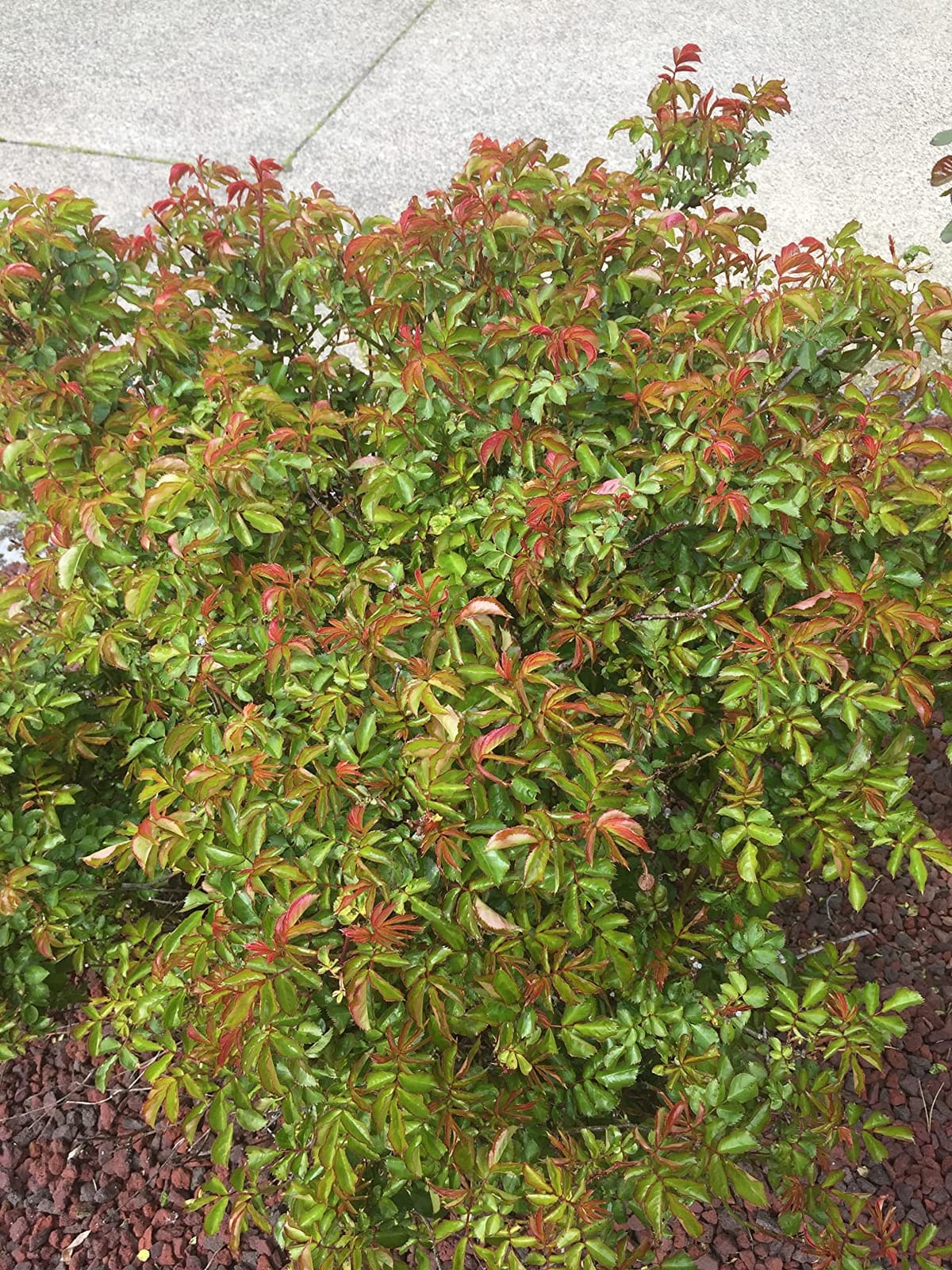
Reviewers with real programs describe a pattern: spray weekly for the first few weeks to break the feeding habit, then step back to roughly monthly. The strongest before-and-after accounts involve roses, hostas, and tulips, including one long-term user with 75 rose bushes who went from stripped stems to lush growth.
It also works on muntjac deer, not just white-tailed, which matters if you are outside the core range. A natural sticking agent means it does not need reapplying after average rainfall, saving a step in a busy season.
Who gets the most out of the mint formula
Vegetable growers and pollinator-minded gardeners. Gardening threads on this topic consistently show natural and organic options with pet safety as the top concern, and this is one of the few products here that states pollinator safety on the label itself.
It is also the sensible pick for anyone treating roses, hibiscus, tulips, or container plants where deer pressure is steady but the area is manageable in size.
Where the strong smell and plant risk show up
Reviews are sharply divided on odor. Many describe it as merely minty and quick to dissipate, while a smaller group finds it genuinely nauseating, including one reviewer who felt it lingered indoors despite a capped bottle. Test it on one bed before treating the whole property.
There is also one report of pansy damage that took time to recover from, a dog that was attracted to the treated material and ate it, and the plain fact that unsprayed new growth is still fully exposed.
5. Bobbex Deer Repellent 32 oz Ready to Use Spray, 2-Pack
Bobbex Deer Repellent 32 oz. Ready to Use Spray-2 Pack
Two 32 oz bottles
Ready-to-use not a concentrate
4.8 pounds
No model number listed
Pros
- Users report hydrangeas
- arborvitae and raised beds avoided within a night or two
- Camera-confirmed results in several reviews
- Less pungent than Liquid Fence for some users
- Holds roughly 4 to 5 days per application
Cons
- Very fine mist blows back on the user
- Odor permeates a garage and lingers
- One bottle arrived with a loose lid
- Small review pool limits long-term data
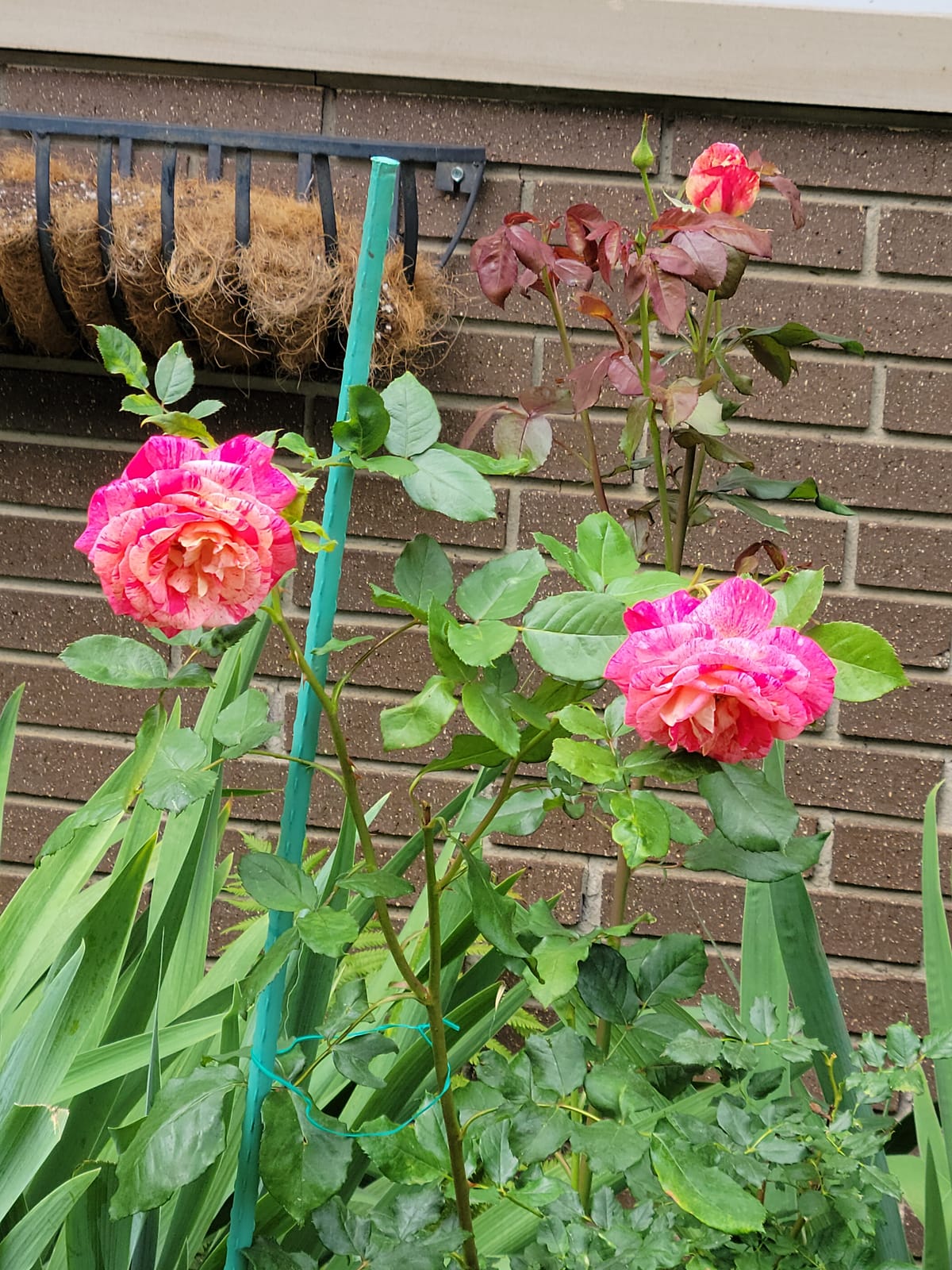
This is a newer, thinner listing than the rest of the lineup, and the review pool is small at 207. Within that pool sentiment is strongly positive, with several people describing verification through security cameras of deer approaching a treated bed and backing away.
The two-bottle pack is the sensible shape for a specific job. Reviewers use it on new trees and young shrubs, and report that two 32 oz bottles cover several new trees for a full season. If you just planted arborvitae or a row of hydrangeas, this is a targeted purchase rather than a whole-garden solution.
Do read the nozzle behavior before you buy. Multiple users describe an atomized spray that blows back toward the applicator, and reviewers advise spraying only in dead-calm conditions with a mask and safety glasses. That is a real limitation if your beds are exposed to any breeze.
The odor is strong enough that reviewers report it permeating a garage and lingering after the bottle is opened, and one noted it attracted flies in a perennial garden. A loose lid inside the box is also reported, so inspect the packaging on arrival.
Where the two-pack makes sense
Newly planted trees and shrubs in the first season of establishment, where the goal is to get through the vulnerable period rather than protect a mature garden. Arborvitae, hydrangeas, and raised beds come up repeatedly in the positive reviews.
It is also a lower-commitment way to test whether a scent aversion approach works in your neighborhood before you commit to a season of a stronger program.
Where the fine mist becomes a problem
Any application in a breezy location, and any application near anyone with respiratory sensitivity. Reviewers specifically warn against spraying in wind, which rules out most daytime spring and summer applications on an exposed property.
With only 207 reviews, you have less long-term evidence than the other products here, so expect to judge results over your own first season rather than from a settled reputation.
6. Bobbex Concentrated Deer Repellent, 64 oz
Concentrated Deer Repellent – Bobbex | Deer, Elk, and Moose Deterrent Concentrate (64 oz.) UB-U9NT-KE8U
64 oz concentrate
Fish-oil based, wash-off resistant
Use in E-Z pump or home sprayers
Covers 640 oz sizes too
Pros
- One 64 oz jug covers a large garden
- Repels rabbits and other browsing animals as well as deer
- Holds up through rain and high-rain regions
- Harmless to humans and pets as well as wildlife and aquatic life
Cons
- Extremely pungent odor
- some users gag or need a respirator
- Fine spray can require a mask
- gloves and goggles
- Effectiveness reportedly wanes after years of continuous use
This is the format professional applicators reach for. Landscaping professionals describe applying this concentrate with backpack sprayers as a paid service, and they note the same thing we did: buying the concentrate and diluting it yourself costs far less than applying ready-made product. For acreage, that is the whole argument.
The formula is fish-oil based and specifically resists washing off, which is the property that matters most in a wet climate. Reviewers in high-rain regions report it holding up between downpours, and several verified results on ring cameras.
Two constraints to read carefully before you buy. The label states it is not intended for edible leaves and herbs or for rough-skinned berries such as strawberries and raspberries, so spray the perimeter around those rather than the plants themselves. The 64 oz, 320 oz, and 640 oz sizes let you scale to the property.
Then there is the odor, which is the dominant theme in the reviews by a wide margin. Users report gagging, the smell permeating a garage even from sealed packaging, and needing a mask, gloves, and goggles because the spray is fine enough to breathe. One long-term user reports the formula losing effectiveness after several years as deer acclimate.
Who should buy the concentrate jug
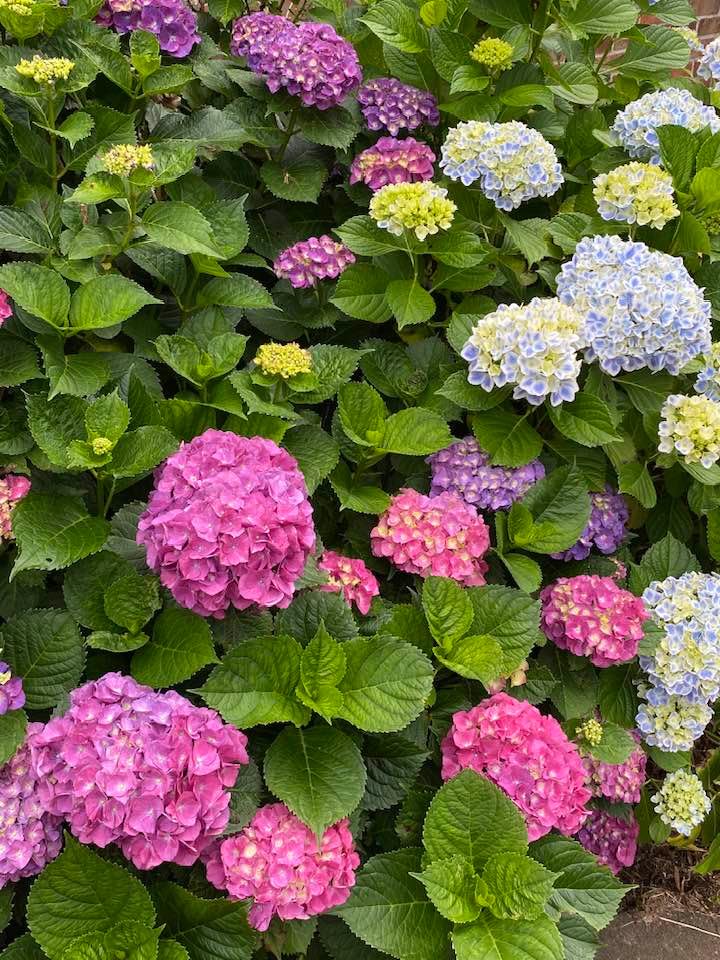
Anyone treating meaningful ground, a farm plot, or a large multi-garden property where reapplication frequency means ready-to-use bottles would be the dominant cost. Reviewers describe vegetables, fruit trees, hostas, and shrubs left untouched after spraying.
It needs an E-Z pump device or a home pump sprayer to mix and apply. If you do not own one, budget for that hardware as part of the purchase rather than as an afterthought.
Where the fish-oil odor takes over
Do not spray it in a closed garage, near an open window, or in a light breeze. Reviewers give concrete advice about wind direction and protective gear, and it is advice worth following rather than ignoring.
Heavy-pressure sites also need near-daily application, according to several users, which is a labor commitment as much as a product one. Plan your time before the jug arrives.
7. Deer Out 1 Gallon Ready-to-Use Refill
DEER OUT® 1 Gallon Ready-to-Use Refill – Deer Repellent.
1 gallon refill jug
Mint scent, no dilution
Two natural sticking agents
8.8 pounds
Pros
- Highest average rating in the set at 4.5
- Mint scent is the deciding factor for most buyers
- Users watch deer sniff treated plants and move on
- Helps recover stripped daylilies and hostas
Cons
- Protection often lasts about a week
- not 30 days
- Refill jug needs your own pump sprayer
- Deer can acclimate to the scent over a season
This gallon refill has the highest average rating of the ten products we compared, and the reason is unusually consistent across reviews. People like the mint scent, they like that it works, and they like that it holds on foliage for weeks. One user stretches a single application across two weeks.
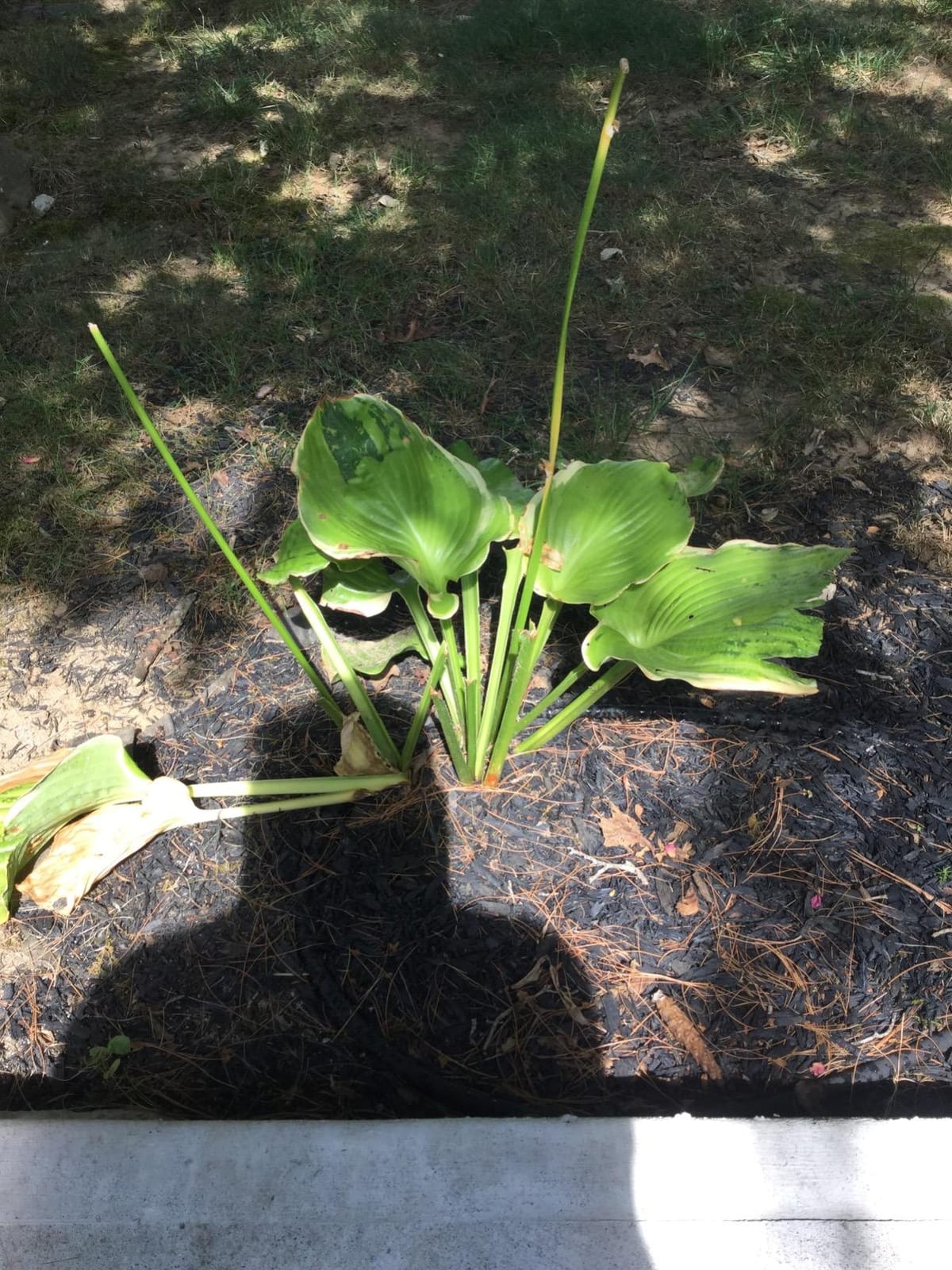
Users watching on cameras report deer sniffing treated plants and moving on, and the formula is described as helping recover daylilies and hostas that had been stripped for years. It is also effective against rabbits, not just deer.
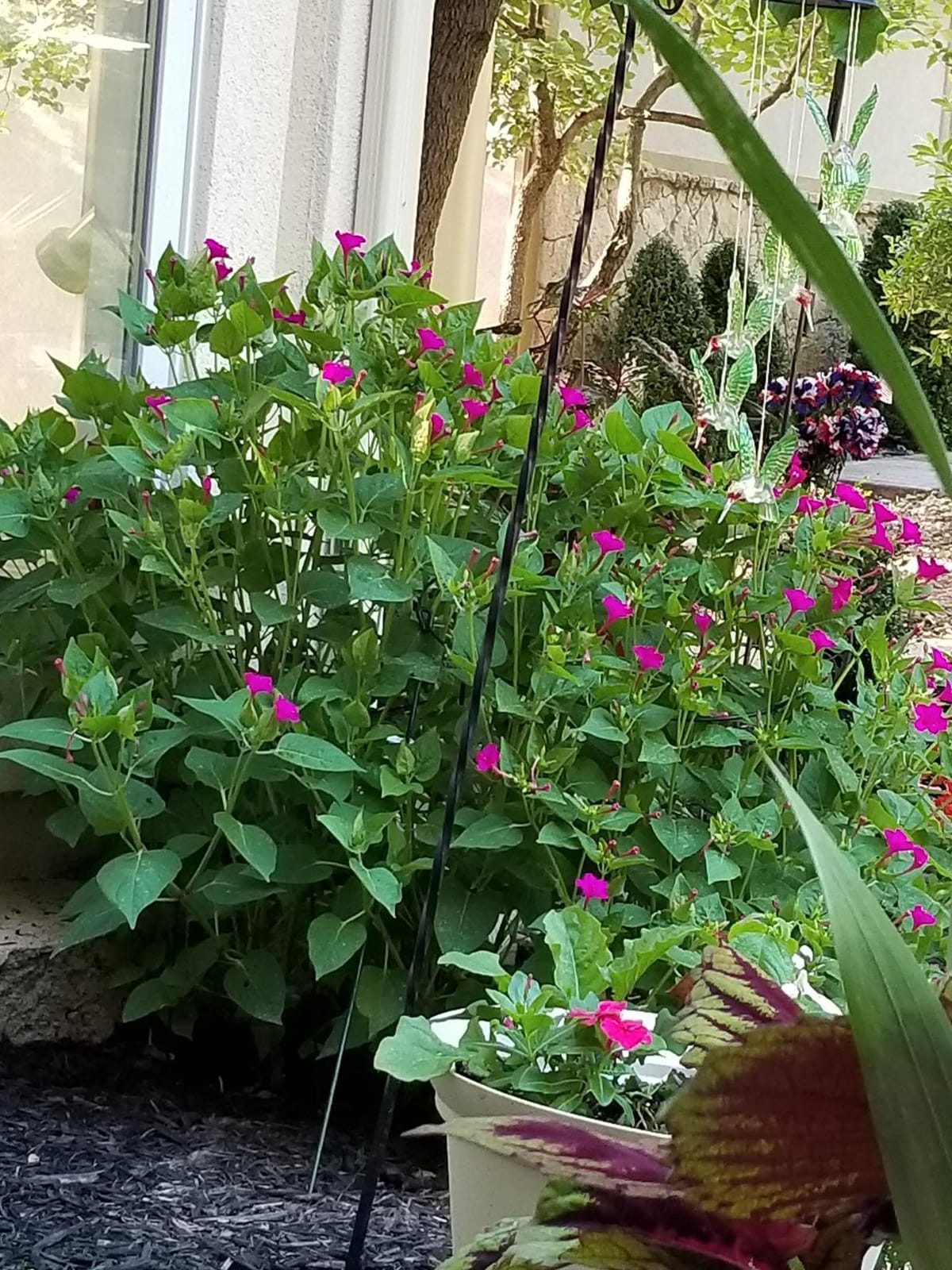
The single biggest thing to understand is that the protection interval is shorter than the label suggests. Reviews repeatedly describe about a week, or a couple of weeks at best, against a 30-day claim. Plan your calendar on a weekly rhythm rather than monthly.
This is a refill jug, so the sprayer is not included. Several buyers note they need to source their own pump sprayer, and users who applied it describe the sprayer as flimsy and prone to leak. Own a decent pump sprayer before you open this.
Where the gallon refill earns its place
Large suburban gardens where the ready-to-use 32 oz or 40 oz bottles would run out mid-season, and where you already own a pump sprayer. The mint scent also makes it the most livable option for spraying near a house.
It is all-natural and described as safe around children and pets, and the formula is usable in all seasons, so the same jug covers early spring bud break and early fall new growth.
Where the refill format frustrates buyers
Anyone who expected a 30-day protection window. The gap between the label and the reported reality is the most common theme in the reviews, and it is where people conclude the product stopped working when it simply wore off.
Deer can also acclimate to the scent over a single season, which reduces effectiveness in exactly the gardens that have used it longest. Rotate formulas by the end of the season.
8. Deer Out 1 Gallon Concentrate
Deer Repellent :Deer Out 1 Gallon Concentrate
1 gallon concentrate
Mix about 13 oz per gallon of water
Pet and edible-plant safe
9.06 pounds
Pros
- Highest average rating at 4.5 with 77 percent five-star reviews
- Users on 8 acres report a 2-3 week spray cycle
- Works on hostas
- hydrangeas
- tulips
- roses and lilies
- Many users with 10 or more years of experience
Cons
- A larger upfront commitment than a single ready-to-use bottle
- Does not stop all damage in heavy pressure
- Must be reapplied after rain and where sprinklers run
- Requires sourcing your own pump sprayer
This is the concentrate version of the highest-rated product in the set, and it is the format I would pick for a full property. The dilution is simple and copyable: about 13 oz of concentrate per gallon of water, mixed in a pump sprayer.
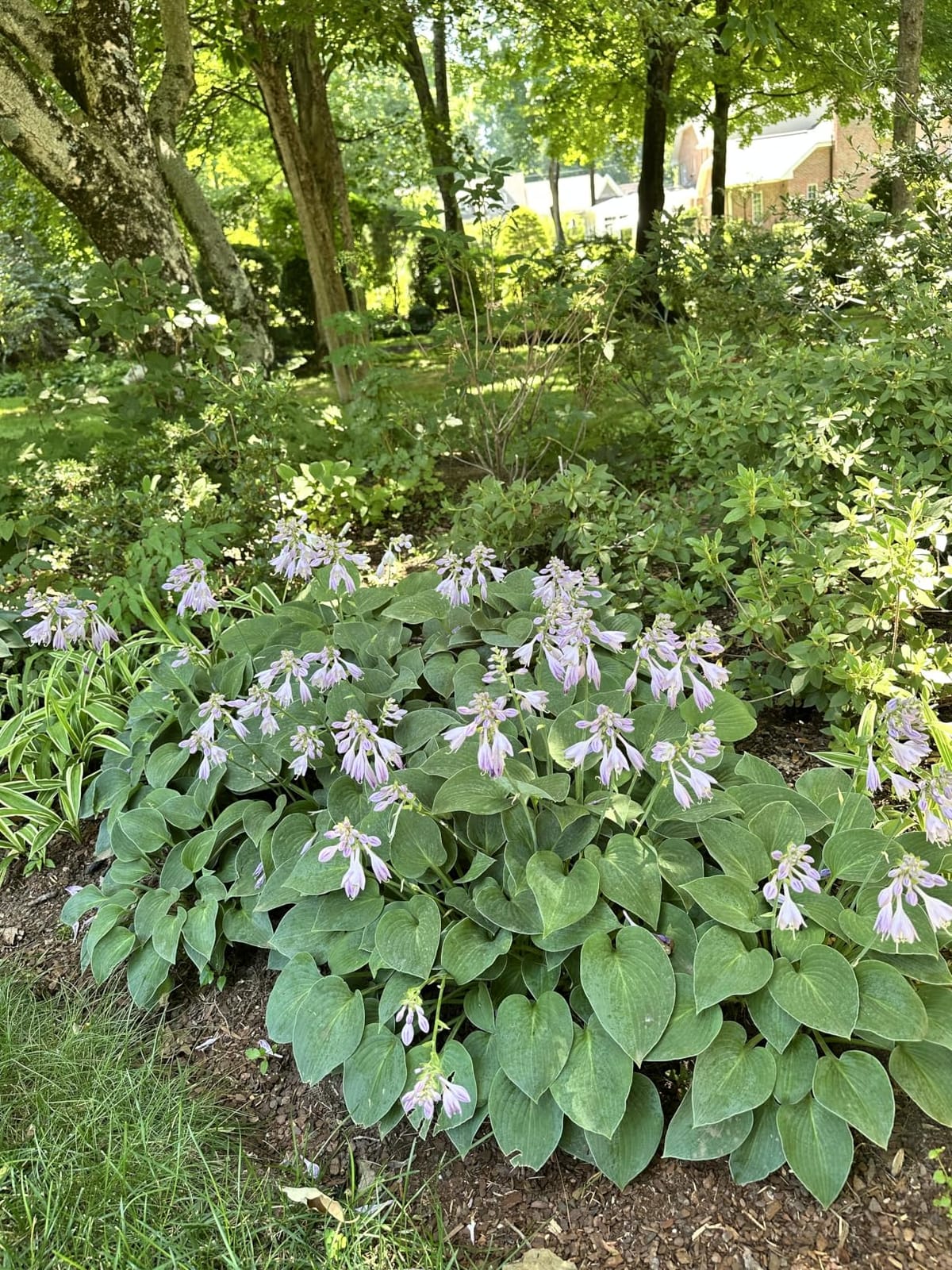
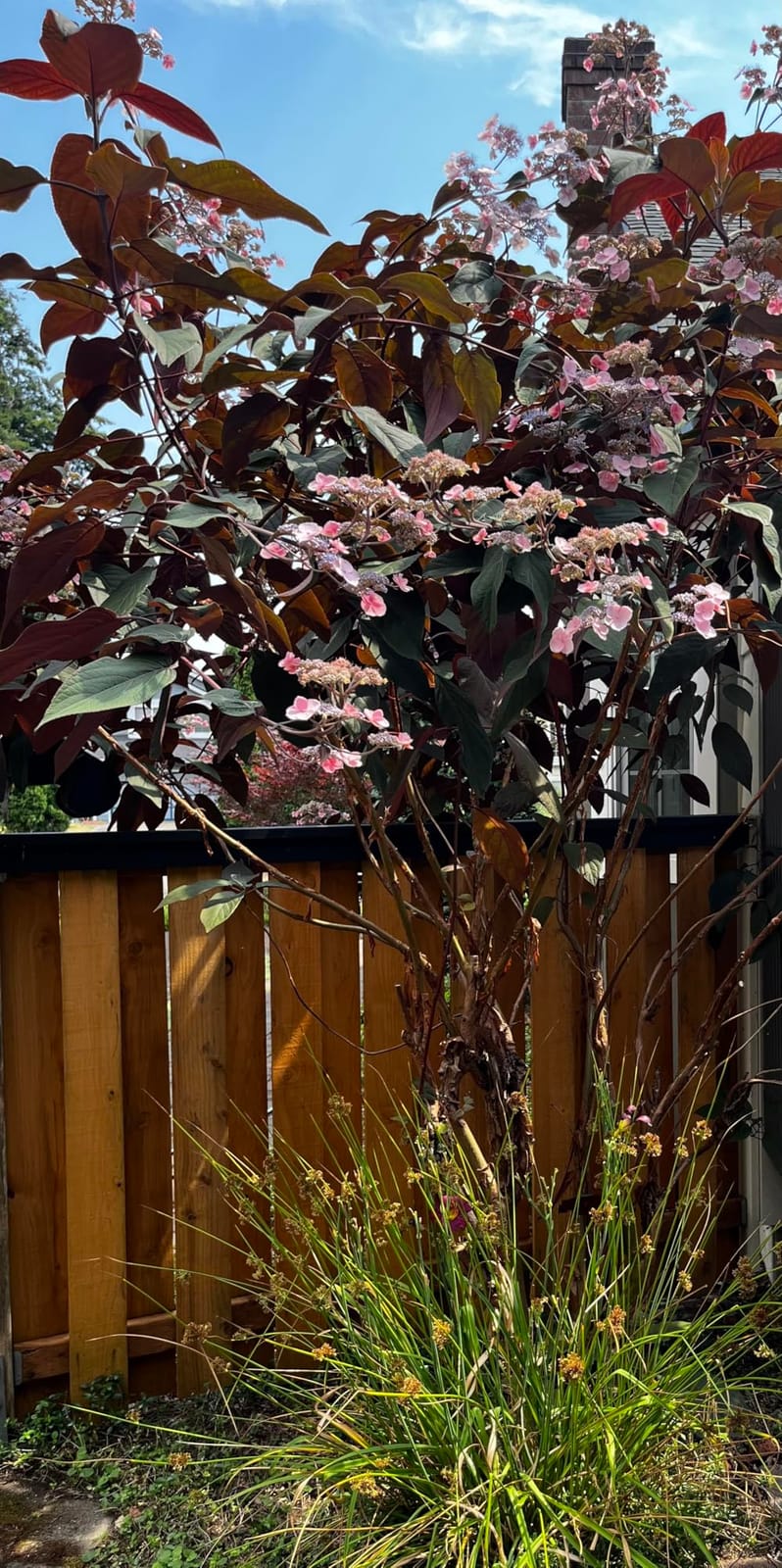
The experience reports are unusually detailed. Users on 8 acres describe protecting a large planted area on a two to three week cycle, working hostas, hydrangeas, tulips, roses, and lilies, and coating new spring growth as it appears. Many have used it for a decade or more, which tells you something about repeat satisfaction.
It is described as pet safe and suitable for edible plants, and it carries the same two natural sticking agents as the ready-to-use version, so it is rain resistant. That combination of safety clearance and sticking agent is rare among concentrates, most of which restrict application around herbs and berries.
Be realistic about the claims. Reviewers describe substantial damage reduction rather than elimination, with heavy-pressure yards still losing at least one favorite plant a month. Some users report no effect even at three to four day intervals, which points to a pressure problem a spray cannot solve alone.
Where the concentrate earns its rating
Acreage, multiple gardens, or any property where you are spraying every two weeks through the season. The per-ounce math works in your favor once you stop counting single applications, and experienced users make that switch and do not go back.
It also suits anyone who wants a mint scent without a foul-smelling garage, since the reviewers consistently single out the scent as a deliberate upgrade over competing concentrates.
Where it will not stop all damage
Where deer pressure is extreme and plants are irreplaceable. The realistic outcome is reduced browsing, not zero browsing, and a physical barrier over the highest-value specimens is still the correct call.
Time the application around the weather. It must be reapplied after rain and more often anywhere sprinklers run, so treat those zones as a separate job rather than assuming the whole property aged out at once.
9. Bobbex Deer Repellent Ready-to-Use Refill, 1 Gallon
Bobbex Deer Repellent Ready-to-Use Deer Deterrent Refill (1 gal.) 66-J2BP-ZJ0U
1 gallon refill, already diluted
Fish-oil based, wash-off resistant
7 pounds
Use in trigger or pump sprayers
Pros
- Highest-volume Bobbex listing with over 3400 reviews
- Users report deer abandoning hostas
- lilies and raised beds in one or two applications
- Light showers do not require reapplication
- Worked for users where other deterrents failed
Cons
- Odor described as like a decaying carcass
- spray plume can blow back at the applicator
- Scent carries indoors
- does not deter ground squirrels
This is the refill I would trust in a garden where other deterrents have already failed. Reviewers describe it working where cayenne pepper and other repellents had not, which is a meaningful signal in a heavy-pressure site.
It is already diluted, so it pours straight into a trigger sprayer or a pump hand sprayer, and the longer review history of any Bobbex listing here gives it a settled reputation. The fish-oil based formula is long-lasting, and light showers do not force a reapplication.
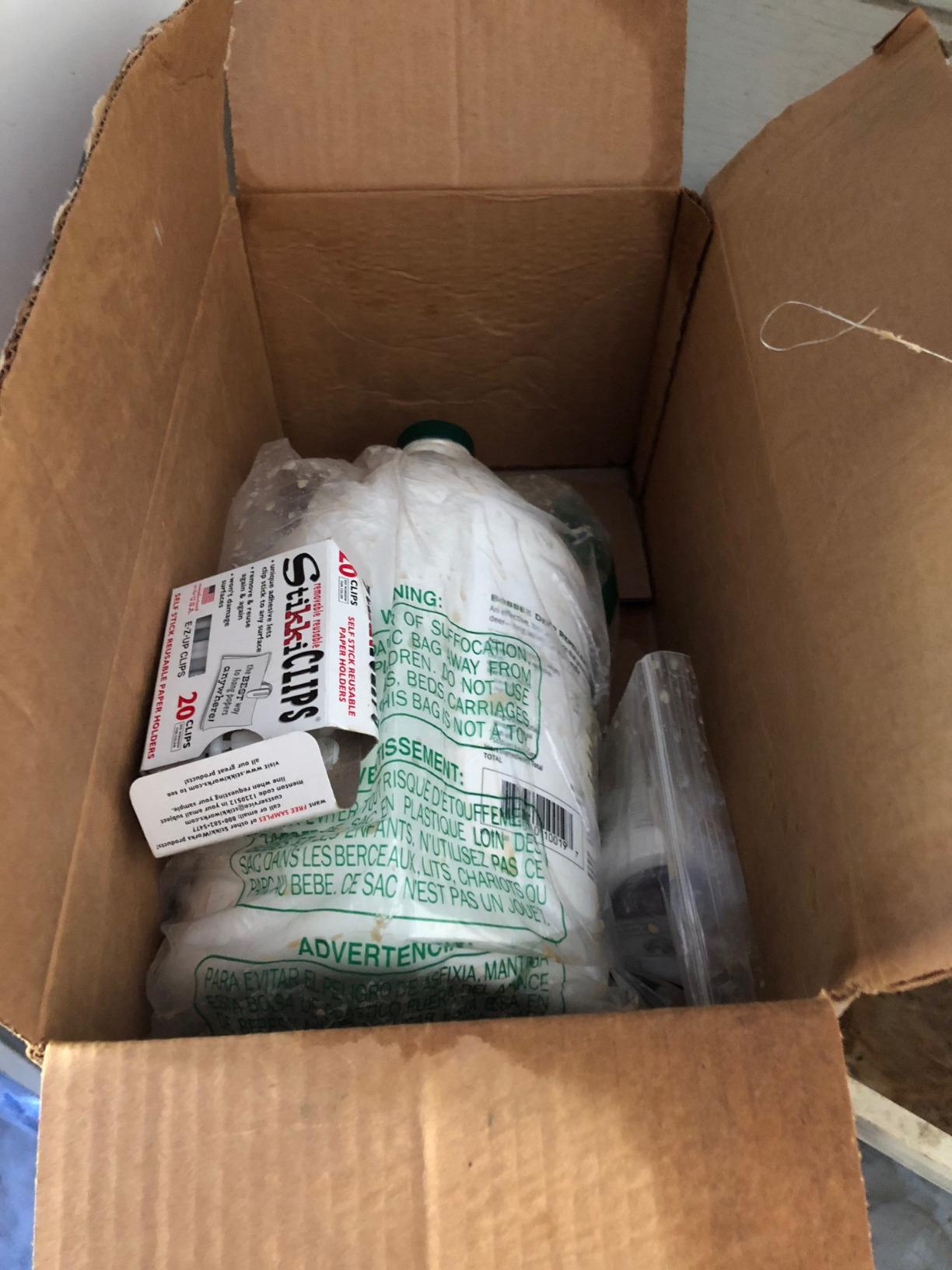
The refill format again means you supply the hardware, and the gallon works well in a pump hand sprayer for larger areas. Coverage is broad in the ways that matter: hostas, lilies, shrubs, and raised beds, and it deters rabbits as well as deer.
Odor is the overwhelming caveat and dominates the negative reviews. Users describe it as like a decaying carcass, some gag while applying, and the plume is unpredictable enough that reviewers wear goggles, masks, and coveralls. Scent carries indoors, so spray away from open windows and downwind.

Where the Bobbex refill holds up
Gardens with repeated failures behind them. When a bed has already been stripped and previous products produced no change, this is a formula with enough scent load to produce a visible response, and several buyers report deer abandoning treated beds within one or two applications.
It is also the pick for a mixed planting where you want one product across ornamentals and most edible vegetables, as long as you respect the label restriction on edible leaves, herbs, and rough-skinned berries.
Where the odor and the squirrel gap show
Close quarters. If your beds sit within a few feet of a window, a door, or a neighbor’s fence, the scent carrying indoors is a genuine problem and reviewers say so plainly. The protective gear people mention is not optional for a fine plume like this.
It does not deter ground squirrels, which reviewers confirm still destroyed tulip and crocus bulbs. If squirrels are part of your problem, this is the wrong product and the broad-spectrum option is the better read.
10. Plantskydd Animal Repellent 32oz Ready-to-Use Spray
Plantskydd Animal Repellent, Deer, Rabbit, Ready-to-Use Liquid Spray, 32oz
32 oz ready-to-use bottle
Active ingredient dried blood
Biodegradable
Rainfast within 24 hours
Pros
- Broadest coverage in the set
- including voles and hares
- Only option here with bulb spray or dip before planting
- Rainfast within 24 hours for wetter climates
- Explicit growing and dormant season schedule
Cons
- Lowest average rating in the set at 3.9
- Active ingredient is dried blood
- Ready-to-use format is less economical for large gardens
- Application schedule of every 2-4 weeks is demanding
This is the broadest product in the category, and the breadth is the argument. It repels deer, rabbits, elk, moose, hares, voles, squirrels, and chipmunks rather than just the two headline animals, and it is biodegradable.
It is also the only option here that treats bulbs. You can spray or dip them before planting, which is a real advantage for tulips, crocus, and anything you plant in bulk and lose to deer every autumn. The label states protection for roughly 500 to 600 plants that are one foot tall per bottle, and it becomes rainfast within 24 hours, so it suits wetter climates.
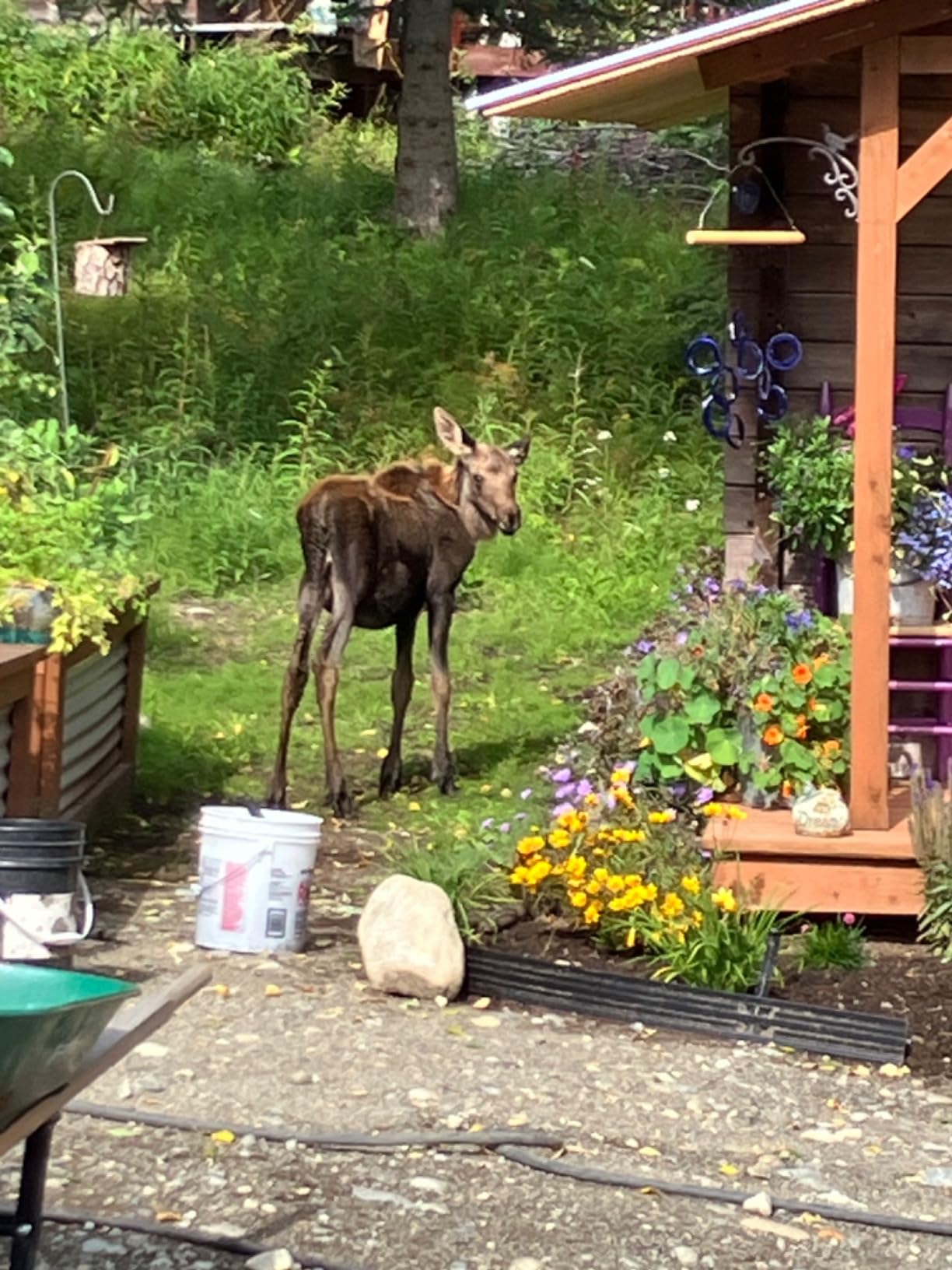
The schedule is explicit: every two to four weeks during the growing season plus all new growth, every three to six months in the dormant season, and bulbs sprayed or dipped before planting. That level of instruction is helpful, and it is also demanding.
Be aware of two things. The active ingredient is dried blood, which some buyers find unappealing, and the ready-to-use format is less economical than a concentrate for a large garden. On performance, it carries the lowest average rating in this group at 3.9 with 13 percent one-star reviews, and the evidence base here is thinner than the others.
Where broad pest coverage matters
Any property dealing with more than deer. If voles are tunneling through the beds, if hares are clipping the tops of everything, or if squirrels are digging up bulbs, a deer-only formula leaves those problems running alongside the one you solved.
Home gardeners who use Plantskydd report solid results and a distinctive downside in the same sentence: it smells strongly on first application, but the effect lasts a couple of weeks. That trade is worth knowing before you commit to the weekly rhythm the label asks for.
Where the rating and the smell get in the way
A property where odor tolerance is low. This is not a mint formula, and the strength that broadens its pest list is also what people notice most in the air and on their gloves and tools.
If your main goal is deer on a small set of ornamental beds, a higher-rated deer-focused formula will likely be less frustrating to live with. Pick this one when the extra animals are the problem.
Sprayer Hardware: Trigger, Pump, Backpack, or Hose-End
The sprayer matters as much as the formula, and few competitor roundups cover it. Every gallon refill and every concentrate we reviewed needs hardware you either own or buy separately, and the type you buy changes how you apply for the next five years.
A trigger sprayer suits spot work under about 500 square feet
It is the fastest option with no setup, and it is what the ready-to-use bottles come with. The problem is the mechanics: reviewers of the Liquid Fence gallon and the Deer Out 40 oz both report triggers that fail, stream instead of spray, or pop off and spill. Buy a decent replacement trigger bottle rather than trusting the one on the jug.
A pump sprayer is the general-purpose answer for most gardens
One to two gallons of capacity, a pump handle, and a wand that reaches under foliage. This is the format every concentrate on this list is designed for, and reviews of the Deer Out 1 gal concentrate note that the gallon yields several gallons of mixed solution, so you refill from a mixing vessel and spray on a schedule. Expect to rinse it immediately after use, because botanical and egg-based concentrates clog nozzles fast.
A backpack sprayer is worth it above roughly a quarter acre
Three to four gallon capacity with straps and a wand means you cover a large property without refilling, which is exactly the workflow professional applicators describe for commercial Bobbex applications. Common problems are strap fit on long sessions, pump fatigue, and a spray plume that drifts back toward you if you work in any wind. For deer work specifically, that last point is a safety issue because several products here produce a very fine mist.
A hose-end sprayer dilutes automatically and is best for large, even areas
It is the fastest way to treat a big, uniform planting, and it avoids mixing math entirely. It is a poor fit for deer repellent on beds with individually protected plants, because you cannot control where the diluted spray lands, and any product restriction around edible leaves, herbs, or berries becomes impossible to honor. Most people here end up using it for the perimeter and a pump sprayer for everything else.
How to Choose a Deer Repellent Sprayer: 6 Factors That Matter
1. Ready-to-use or concentrate, and where the break-even sits
Ready-to-use costs you for water you could add yourself. A 40 oz concentrate bottle makes a little over three gallons of solution, so the concentrate wins on any property past a few beds. Stay with ready-to-use if you want zero equipment, a small patio garden, or a trial run before buying hardware.
2. How much odor you can live with
This is the factor reviewers mention most and marketers mention least. The Bobbex formulas are described as pungent enough to need a mask or respirator, and the Liquid Fence gallon is repeatedly called a rotting or garbage smell. The Deer Out products and the I Must Garden mint formula are the ones people keep using because of the scent. If odor is disqualifying, that narrows the list before any other consideration.
3. Coverage per bottle and per mixed gallon
Compare coverage on the same basis. The Liquid Fence concentrate states coverage of up to 20,000 sq. ft. when diluted, and Plantskydd states roughly 500 to 600 one-foot plants per 32 oz bottle. Coverage claims are not standardized across brands, so convert everything to treated square feet or plant count before you compare.
4. Reapplication interval and rain resistance
Real-world intervals here run far shorter than label claims. Reviewers describe roughly a week for the Deer Out gallon refill, four to five days for the Bobbex two-pack, and two to four weeks plus new growth for Plantskydd. Formulas with natural sticking agents hold up better after rain, and none of them are rainproof. Build a weekly rhythm into your calendar and assume one touch-up after every heavy rain.
5. Which plants you can spray directly
Most products are cleared for ornamentals. The Bobbex concentrate and refill explicitly exclude edible leaves, herbs, and rough-skinned berries such as strawberries and raspberries, so spray around those plants rather than on them. The I Must Garden and Deer Out lines are the ones that state clearance for edible crops, which matters if the vegetable garden is your main concern.
6. Cleaning and nozzle clogging
Botanical oils, fish-oil formulas, and egg-based concentrates gum up nozzles if they dry in the tank. Rinse the sprayer with plain water immediately after each session, flush the wand, and store concentrate bottles away from heat. This is the single most avoidable reason a sprayer stops working properly, and it also protects the seal on your pump.
Frequently Asked Questions
What is the most effective way to keep deer away from my garden?
Spray a scent-and-taste repellent on foliage and the perimeter before browsing starts, reapply every one to two weeks and after heavy rain, coat all new growth, rotate formulas across the season so deer do not habituate, and layer a physical barrier such as netting or a motion-activated sprinkler over your most valuable plants. Preventive spraying works far better than treating damage after it happens.
Does deer repellent spray really work?
Yes, when the formula actually reaches the plant. Repellents work on two channels at once: an olfactory deterrent that triggers a deer’s flight response before it reaches the plant, and a taste or contact aversion that discourages feeding if it does browse. Formulas with natural sticking agents bond to foliage so the effect survives rain.
What is the most effective deer repellent device?
A pump or backpack sprayer is the most effective device for most gardens, because it gives you control over dilution and placement. A trigger sprayer is fine for spot work under about 500 square feet, a hose-end sprayer is fastest for large uniform areas, and a motion-activated sprinkler is the strongest complement to spray because it adds a startle response. No single device replaces the others.
Are backpack sprayers worth it?
Yes, above roughly a quarter acre. Three to four gallon capacity means you cover a large property without refilling, which is the workflow professional applicators describe. The common problems are strap fit on long sessions, pump fatigue, and a spray plume that drifts back toward you in any wind, so work on a still day and wear eye protection.
What are common problems with backpack sprayers?
Straps that do not fit comfortably over long sessions, pump fatigue, a spray plume that blows back toward the applicator in wind, and nozzles that clog when botanical or egg-based concentrates dry in the tank. Rinsing the tank and wand with plain water immediately after every application prevents most of the clogging.
What is the best hose-end sprayer for lawns and large areas?
A hose-end sprayer is the fastest tool for large, uniform plantings because it dilutes automatically and avoids mixing math. It is a poor choice for beds with individually protected plants, since you cannot control where the diluted spray lands and product restrictions around edible leaves, herbs, and berries become impossible to honor. Most gardeners use it for the perimeter and a pump sprayer elsewhere.
How long does deer repellent spray last and how often should I reapply?
In practice, expect about a week of solid protection, two to four weeks at the optimistic end, and a touch-up after every heavy rain. New growth is unprotected regardless of age, so coat it as it appears. Formulas with natural sticking agents hold up better after rain, and rotation across the season prevents deer habituating to a single scent.
Can I use deer repellent on vegetables and is it safe for pets and pollinators?
It depends entirely on the label. The Bobbex concentrate and refill exclude edible leaves, herbs, and rough-skinned berries such as strawberries and raspberries, so spray around those plants. The I Must Garden and Deer Out lines state they are safe for edible plants, pets, people, and pollinators. Always check the specific product, and never assume one brand carries another brand’s clearance.
Conclusion: The Deer Repellent Sprayer Setup We Recommend for 2026
For most suburban gardens, the Liquid Fence ready-to-use gallon is the easiest place to start, and it pairs naturally with a decent replacement trigger sprayer. If you are past a few beds, move to a concentrate such as the Bobbex 64 oz or the Deer Out 1 gal concentrate and buy a pump or backpack sprayer, because that is where the economics and the odor control both improve. Spray preventively, coat new growth, respect the label restrictions around herbs and berries, and layer netting or a motion sprinkler over anything you cannot replace. That is the complete method for finding the best deer repellent sprayers for gardens without rebuilding your beds every spring.