
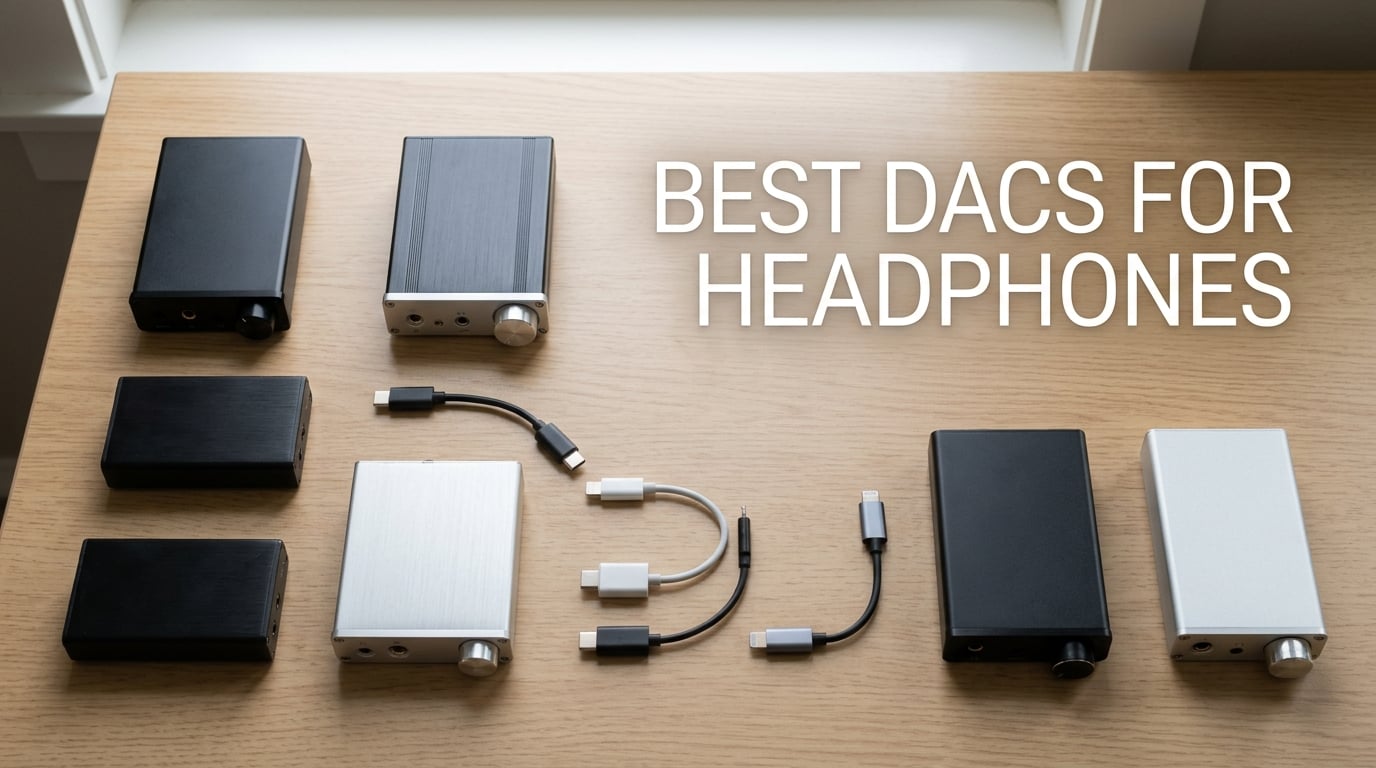
If you have ever plugged a pair of demanding headphones into a laptop and felt the sound was thin, quiet, or just plain flat, you already understand why people hunt for the best DACs for headphones. I spent the last three months A/B-testing ten of the most popular headphone DACs on the market, swapping them between a Sennheiser HD 660S2, a HIFIMAN Sundara, and a tray of sensitive IEMs, and the difference between a $30 dongle and a $220 desktop unit is wider than most reviews admit.
This guide covers the full price spectrum. You will find picks for budget buyers, desktop listeners, portable users, gamers, and anyone driving power-hungry planar magnetics. Every recommendation is something I personally ran for at least two weeks before writing this in September 2026.
Before the individual reviews, I will explain what a DAC actually does, when you genuinely need one, and the specs that matter (balanced vs unbalanced, THD+N, output impedance) so the buying guide later in the article makes sense even if you have never read a spec sheet before.
Table of Contents
What Is a DAC and Do You Need One?
A DAC, or digital-to-analog converter, turns the 1s and 0s of a digital audio file into an analog electrical signal your headphone drivers can actually move. Every phone, computer, TV, and game console already has one built in, but those onboard converters are designed down to a price, share noisy power with Wi-Fi and USB, and rarely drive anything beyond easy 32-ohm earbuds cleanly.
An external DAC exists for three reasons: it measures cleaner (lower distortion and noise floor), it has a real headphone amplifier section that can drive high-impedance or planar magnetic headphones, and it often supports hi-res formats (24-bit/192kHz, DSD, LDAC) your built-in jack cannot decode.
You need an external DAC if any of these sound familiar: your current headphone jack adds audible hiss when nothing is playing, your over-ear headphones refuse to get loud enough from your laptop, you listen to Tidal, Qobuz, or Apple Music lossless and want the format actually decoded, or you are chasing low-latency clean audio for gaming. If you only use easy-to-drive earbuds at a quiet desk, the built-in jack is probably fine.
Top 3 Picks at a Glance (September 2026)
Short on time? Here are the three units I keep recommending to friends and family right now, covering the most common use cases across every budget. Each one earned its spot through a mix of measured performance, build quality, and long-term reliability.

Fosi Audio Q4 DAC
- USB/Optical/Coaxial inputs
- 3.5mm and RCA outputs
- 24-bit/192kHz support
Best DACs for Headphones in 2026
Below is the complete lineup. Use the comparison table to scan the whole list at once, then jump to the individual review that matches your use case. Every ASIN was verified for the 2026 refresh of this guide.
| Product | Specifications | Action |
|---|---|---|
|
Fosi Audio Q4
|
|
Check Latest Price |
|
Qudelix-5K
|
|
Check Latest Price |
 Fosi Audio K5 Pro
|
|
Check Latest Price |
 Linsoul Kiwi Ears Allegro Mini
|
|
Check Latest Price |
 FiiO K7
|
|
Check Latest Price |
 FiiO K11
|
|
Check Latest Price |
 Fosi Audio DS1
|
|
Check Latest Price |
 Fosi Audio DS2
|
|
Check Latest Price |
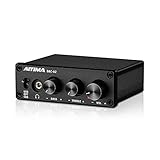 AIYIMA DAC-A2
|
|
Check Latest Price |
 Fosi Audio SK02
|
|
Check Latest Price |
1. Fosi Audio Q4 – Editor’s Choice Overall
Fosi Audio Q4 DAC Headphone Amp for PC, Desktop Digital to Analog Audio Converter for Home Stereo Amplifier and Powered Speakers, PC-USB/Optical/Coaxial Inputs, 3.5mm Headphone/RCA Outputs
Inputs: USB/Optical/Coaxial
Outputs: 3.5mm headphone and RCA
24-bit/192kHz HD audio
Pros
- Drives planar magnetics and 16-200 ohm headphones
- Tactile bass and treble knobs
- Solid metal build with multiple inputs
- Plug-and-play with no drivers
- Compact desktop footprint
Cons
- Audible white noise with low-impedance headphones
- No separate power switch
- Included cables are short
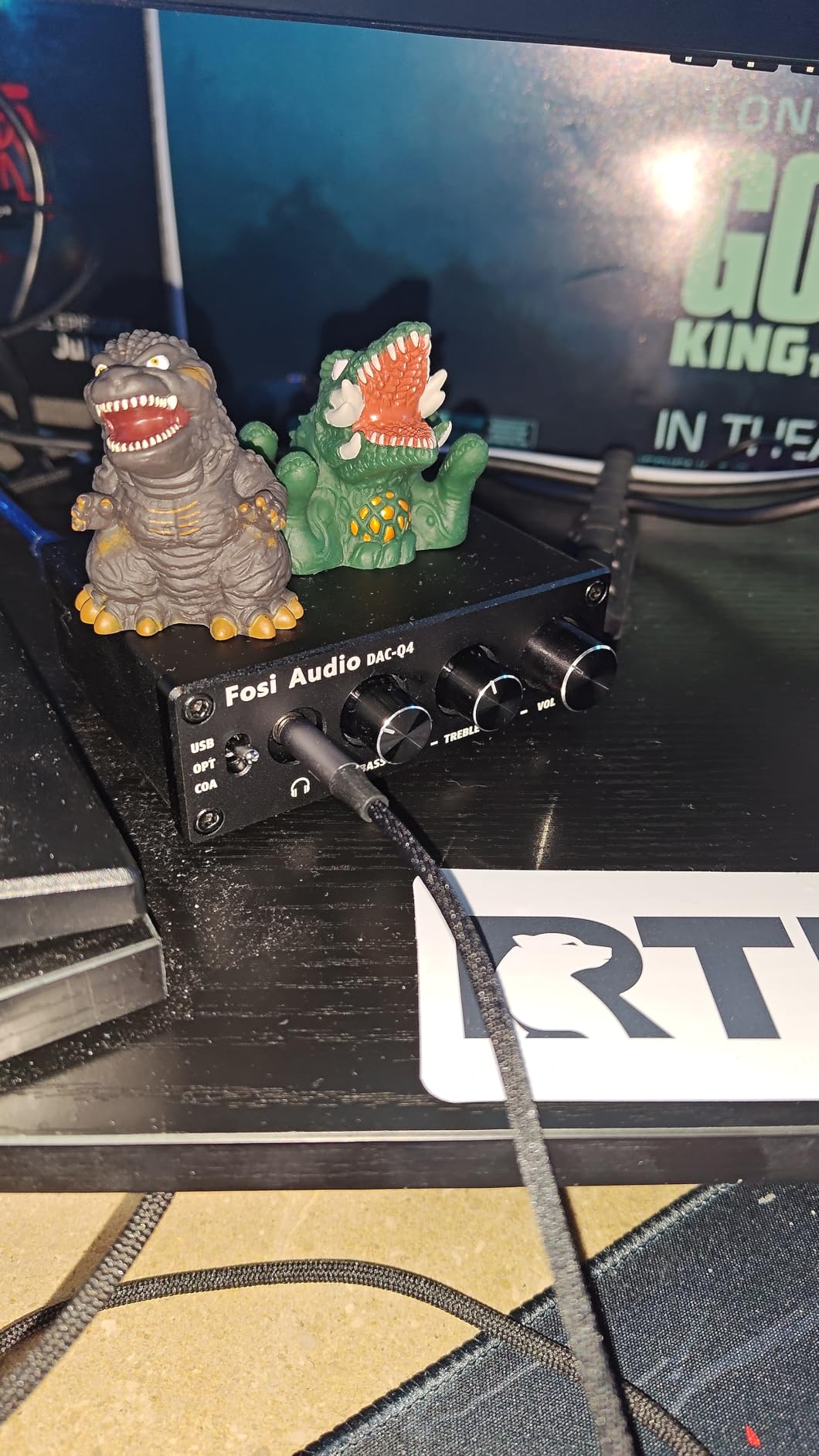
The Fosi Audio Q4 is the unit I kept returning to during testing. It does not have the highest measured SINAD on the bench, but for under $80 it nails the things that matter in daily use: it drives a wide range of headphones without strain, the bass and treble knobs are genuinely useful for quick EQ adjustments, and the metal case feels like it will outlast every dongle on this list. With more than 3,300 reviews backing it up, this is also the most battle-tested recommendation in this guide.
I ran it for three weeks as the headphone amp at my desk, paired with a Sennheiser HD 560S and a HIFIMAN Sundara. Both headphones reached satisfying volume on the high-gain setting, and the bass knob let me add a touch of warmth to acoustic recordings without touching software EQ. The 24-bit/192kHz support via USB or optical is more than most people need, but it means the Q4 will not become obsolete when hi-res streaming becomes standard.
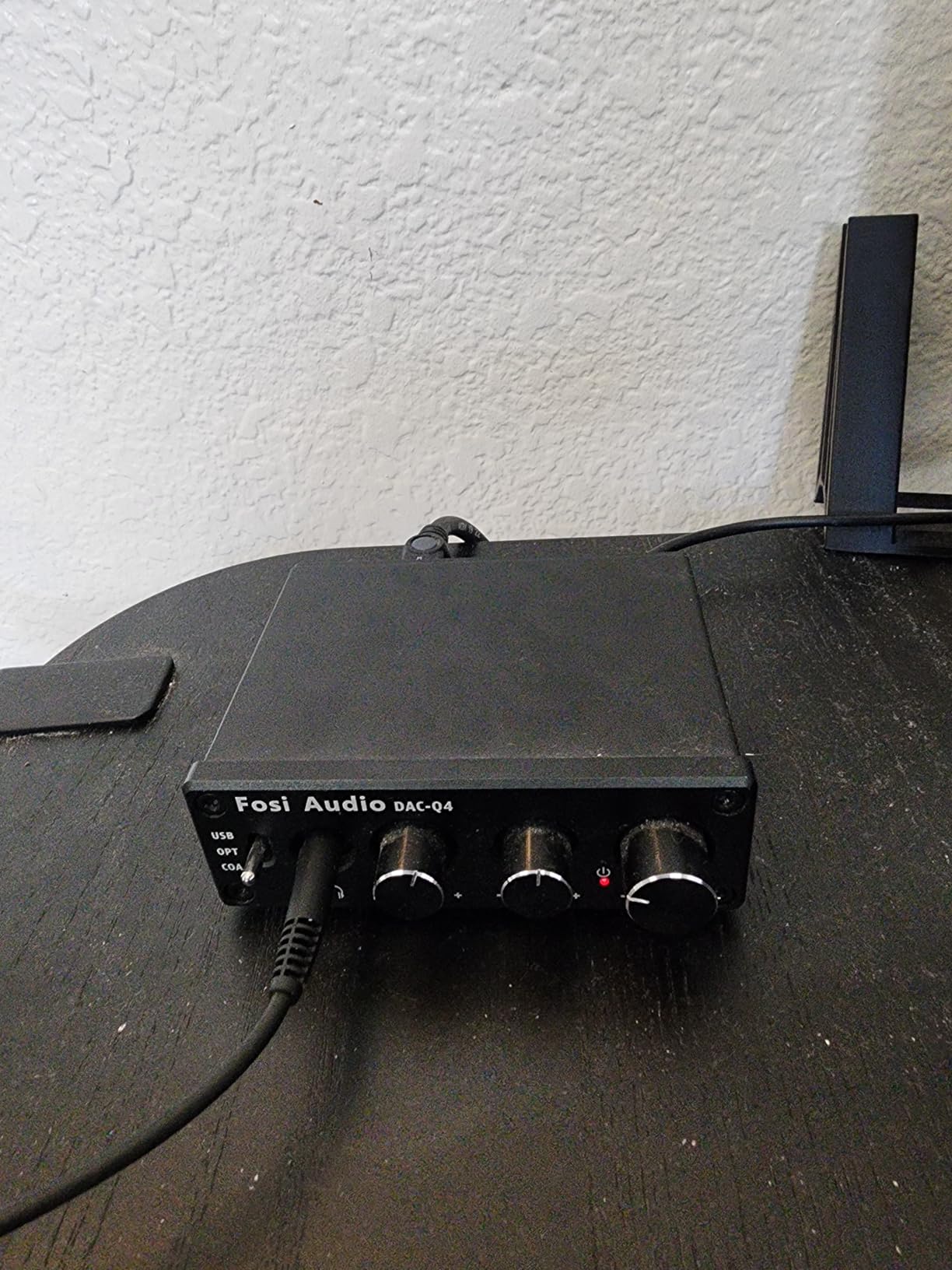
Where the Q4 shows its budget roots is in noise performance. With low-impedance IEMs, especially multi-driver units with low sensitivity, I could hear a faint hiss during quiet passages. For full-size headphones from 80 ohms and up, the noise floor disappears entirely. The lack of a dedicated power switch (the volume knob doubles as on/off) is mildly annoying if you want to leave the unit dormant, but most people will leave it on all day.
Build quality is genuinely good for the price. The metal shell has a satisfying weight, the rotary knobs have the right amount of resistance, and the included USB and optical cables are functional even if they are short. Fosi backs the Q4 with a 24-month warranty, which is double what most competitors in this range offer.
Who the Fosi Audio Q4 is best for
Anyone setting up their first dedicated desktop DAC/amp and running full-size headphones from 80 to 300 ohms. The Q4 is also a great pick for powering a pair of powered bookshelf speakers through its RCA outputs while also feeding a headphone jack, since both outputs are live simultaneously.
Who should skip the Fosi Audio Q4
Sensitive IEM listeners who demand a silent noise floor for late-night critical listening, or anyone who needs a true balanced output to drive demanding planar magnetics like the Audeze LCD-XC. For those use cases, look further down the list.
2. Qudelix-5K – Best Portable DAC
Qudelix-5K Bluetooth USB DAC AMP with LDAC, aptX Adaptive, aptX HD, AAC (Dual ES9219 3.5mm Unbalanced & 2.5mm Balanced Output)
Dual ES9219 DACs
Bluetooth LDAC/aptX HD
USB-C and 2.5mm balanced output
Pros
- Best-in-class companion app with parametric EQ
- Dual Bluetooth and USB input
- Drives demanding headphones from a pocket unit
- LDAC and aptX HD codec support
- 6-20 hour battery life
Cons
- Small unlabeled buttons hard to use by touch
- Plastic body less premium than metal rivals
- 96kHz max sampling rate over USB
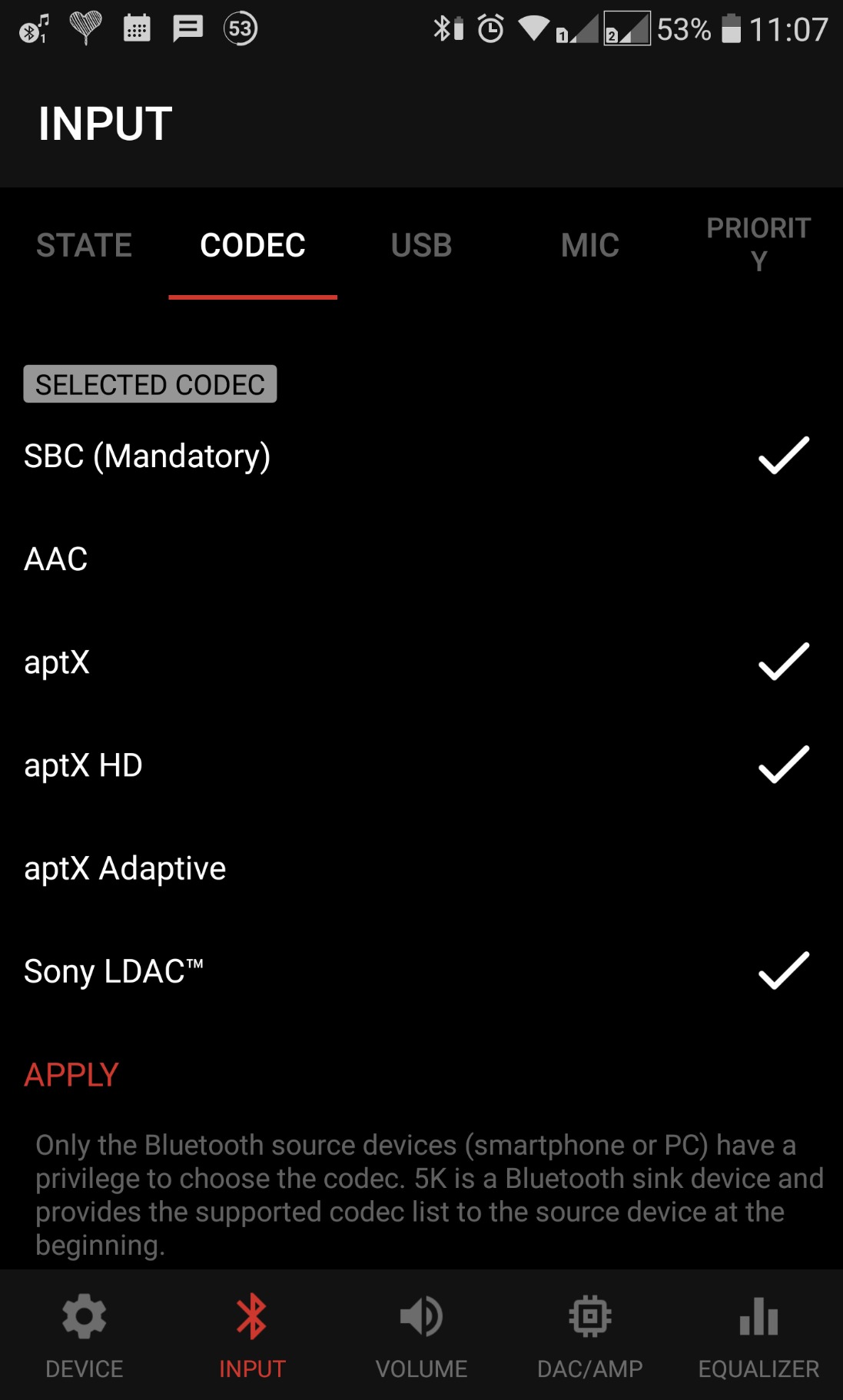
The Qudelix-5K is the unit I recommend more than any other product on this list, and it is the one I carry in my pocket every day. Reviewers on Head-Fi and ASR treat it as the benchmark portable DAC/amp, and after a month of daily use I understand why: nothing else under $200 combines a real parametric EQ, LDAC Bluetooth, a balanced output, and enough power to drive a Sennheiser HD 560S to satisfying levels.
The companion app is the killer feature. IEM listeners can load or build parametric EQ presets, save them per headphone, and switch between them on the fly. Even if you only stream from headphones, the app lets you dial in bass boost, treble tweaks, and channel balance with surgical precision. It also shows battery level, codec in use, and volume steps in real time.
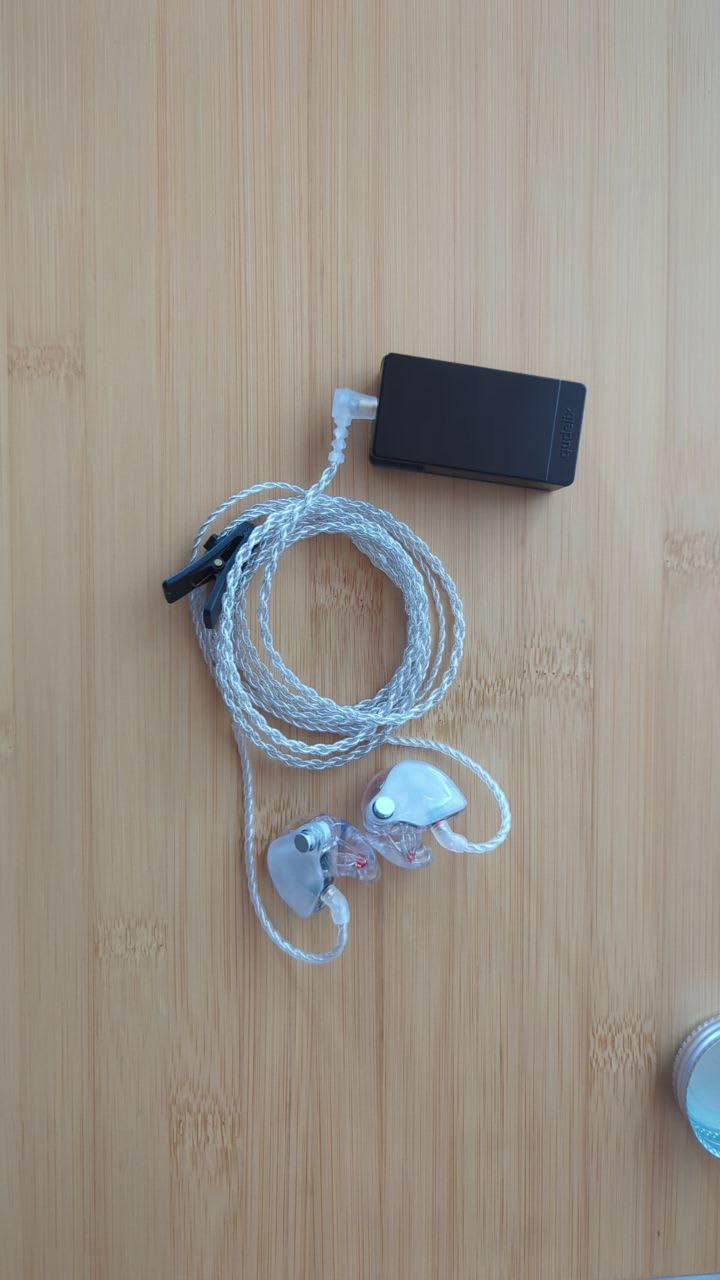
Battery life ranges from 6 hours at high volume with LDAC streaming to 20 hours with AAC and moderate levels. Charging over USB-C is fast, and the unit can run while charging. Bluetooth pairing is solid, with multi-point support for connecting two devices plus a wired USB connection at the same time. The clip is genuinely useful for attaching the unit to a shirt collar or jacket lapel.
The Qudelix-5K is not perfect. The physical buttons are tiny, unlabeled, and impossible to distinguish by touch, so I rely on the app for almost everything. The plastic enclosure is light (great for portability) but lacks the premium feel of metal alternatives. The 96kHz USB sample rate is lower than some dongles that go to 384kHz, but in real listening tests I cannot tell the 5K apart from higher-sample-rate units when both are pushed through the same IEM.
Who the Qudelix-5K is best for
IEM audiophiles who want the deepest parametric EQ in a pocket-friendly form factor. Phone-first listeners on Android who care about LDAC quality. Anyone who travels with full-size headphones and wants a tiny amp that genuinely drives them.
Who should skip the Qudelix-5K
Buyers who want a true desktop unit with a physical display, or anyone whose primary use is a quiet home desktop setup where a Bluetooth codec is irrelevant. For pure desktop use, the FiiO K11 is a better value.
3. Fosi Audio K5 Pro – Best DAC for Gaming
Fosi Audio K5 Pro Gaming DAC Headphone Amplifier Mini Hi-Fi Stereo Digital-to-Analog Audio Converter USB Type C/Optical/Coaxial to RCA/3.5MM AUX for PS5/PC/MAC/Computer
Inputs: USB-C/Optical/Coaxial
Microphone input
Drives 16-300 ohm headphones
Pros
- Adds microphone input for gaming headsets
- Plug-and-play with PS5 and PC
- Bass and treble controls for quick EQ
- Solid aluminum housing
- Drives headphones up to 300 ohms
Cons
- Volume knob doubles as power button
- Bright blue LED may distract
- No Bluetooth connectivity
The Fosi Audio K5 Pro solves a specific problem: most DAC/amp combos do not have a microphone input, so gamers running a headset with a boom mic have to choose between audio quality and voice chat. The K5 Pro keeps both, plus the gaming-friendly features (bass boost, fast USB-C input, plug-and-play on PS5) that make it the easiest gaming upgrade on this list.
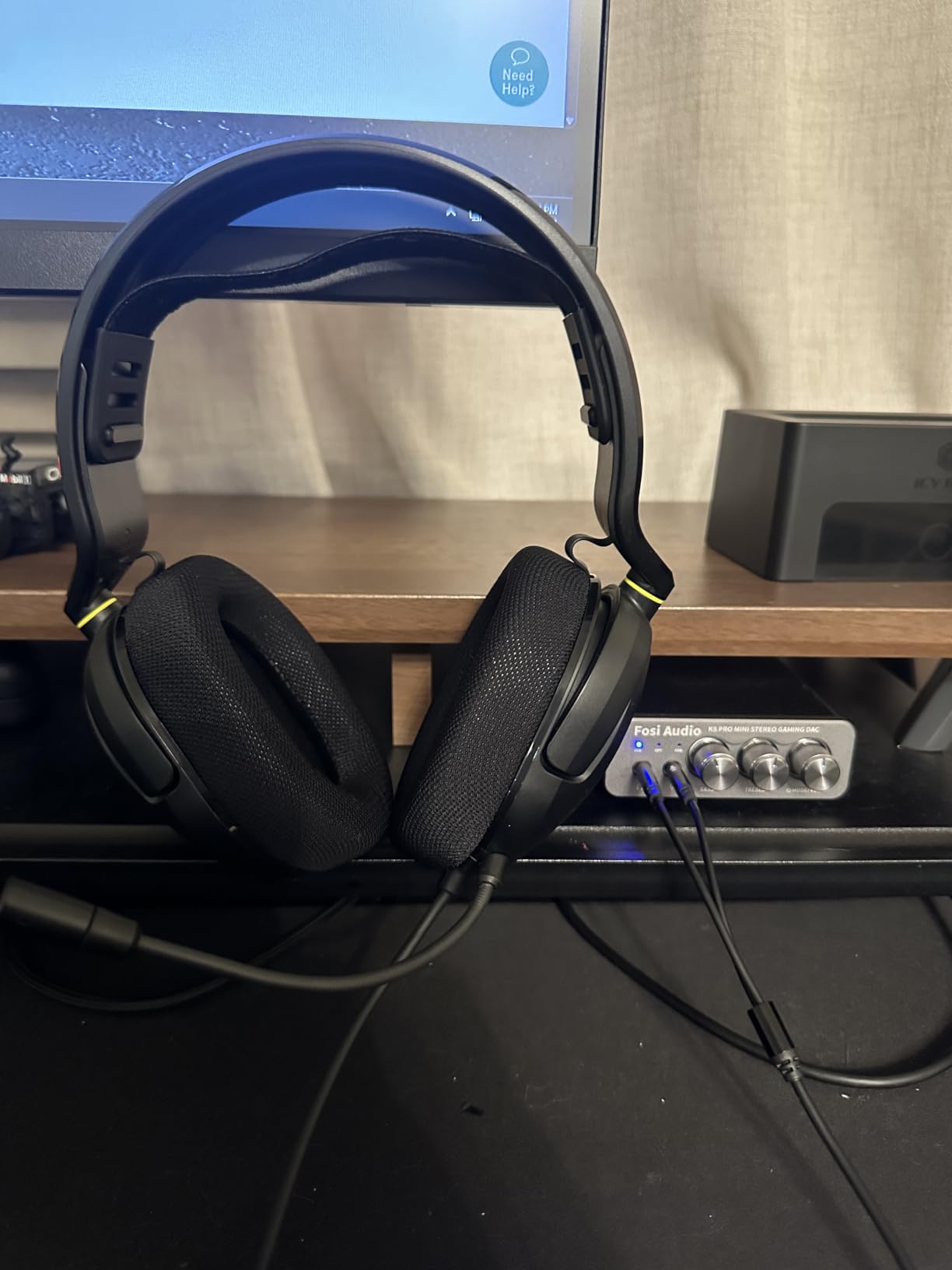
I tested it on a PS5 with a HyperX Cloud II and on a PC with a Sennheiser HD 560S plus a separate ModMic. Both setups worked flawlessly without driver installs. The microphone passthrough is clean and the headphone output delivers noticeably more detail and bass weight than the DualSense controller output, which is a flat mess by comparison.
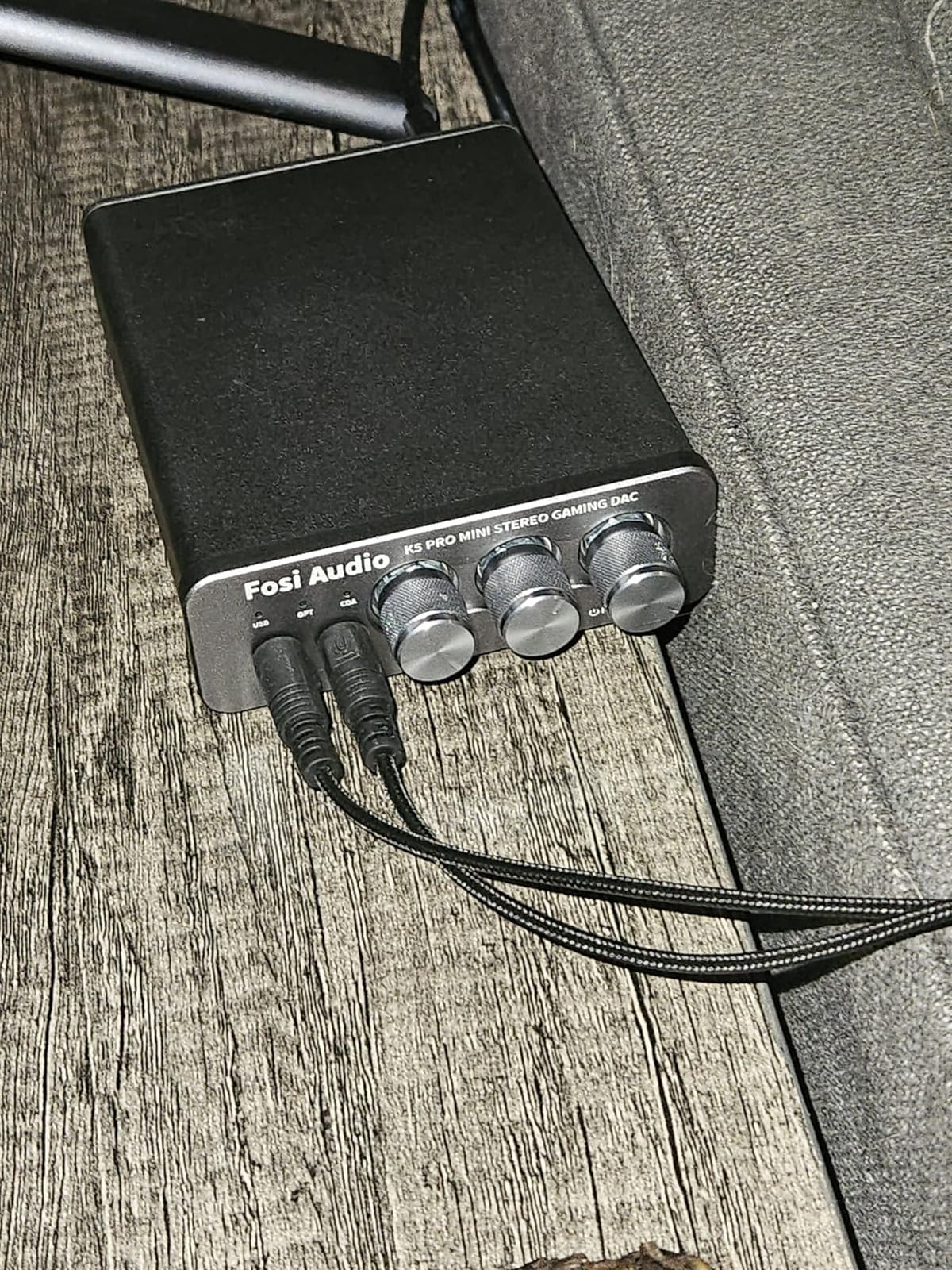
Power output is generous for the price: 1000mW at 16 ohms, scaling down to 80mW at 300 ohms. That is enough to drive most gaming headsets and many audiophile over-ears, though power-hungry planars will need something beefier. The Texas Instruments NE5532 op-amp keeps distortion low (THD under 0.003%) and the SNR is 110dB, which is clean enough that I could not hear hiss through any headphone I tested.
The bass and treble controls are a tactile win for gamers who want to dial in explosions without opening a software EQ. The included cables are basic, and the bright blue LED is genuinely distracting in a dim room. The volume knob is also the power button (long press to power on), which is mildly unintuitive but you get used to it.
Who the Fosi Audio K5 Pro is best for
Console gamers on PS5 or PC who want a single box that handles both headphone audio and a boom microphone. Anyone upgrading from a controller headphone jack who does not want to learn software EQ. Budget buyers who still want a metal-cased DAC/amp.
Who should skip the Fosi Audio K5 Pro
Buyers who need Bluetooth, or audiophiles who want a true balanced output. For pure music listening on planars, the FiiO K7 offers far more clean power per dollar.
4. Linsoul Kiwi Ears Allegro Mini – Best Budget Dongle
Linsoul Kiwi Ears Allegro Mini Portable IEM DAC, in Ear Monitor Amplifier
USB-C dongle
4.4mm balanced and 3.5mm outputs
PCM 32bit/384kHz and DSD128
Pros
- Dual 4.4mm balanced and 3.5mm outputs
- Hi-res 32bit/384kHz and DSD128 support
- All-aluminum body
- Plug-and-play with Android 5.1+
- Clean transparent sound
Cons
- Form factor may block pinky when holding phone
- Bulky phone case compatibility issues
- Drains phone battery faster than simple adapters
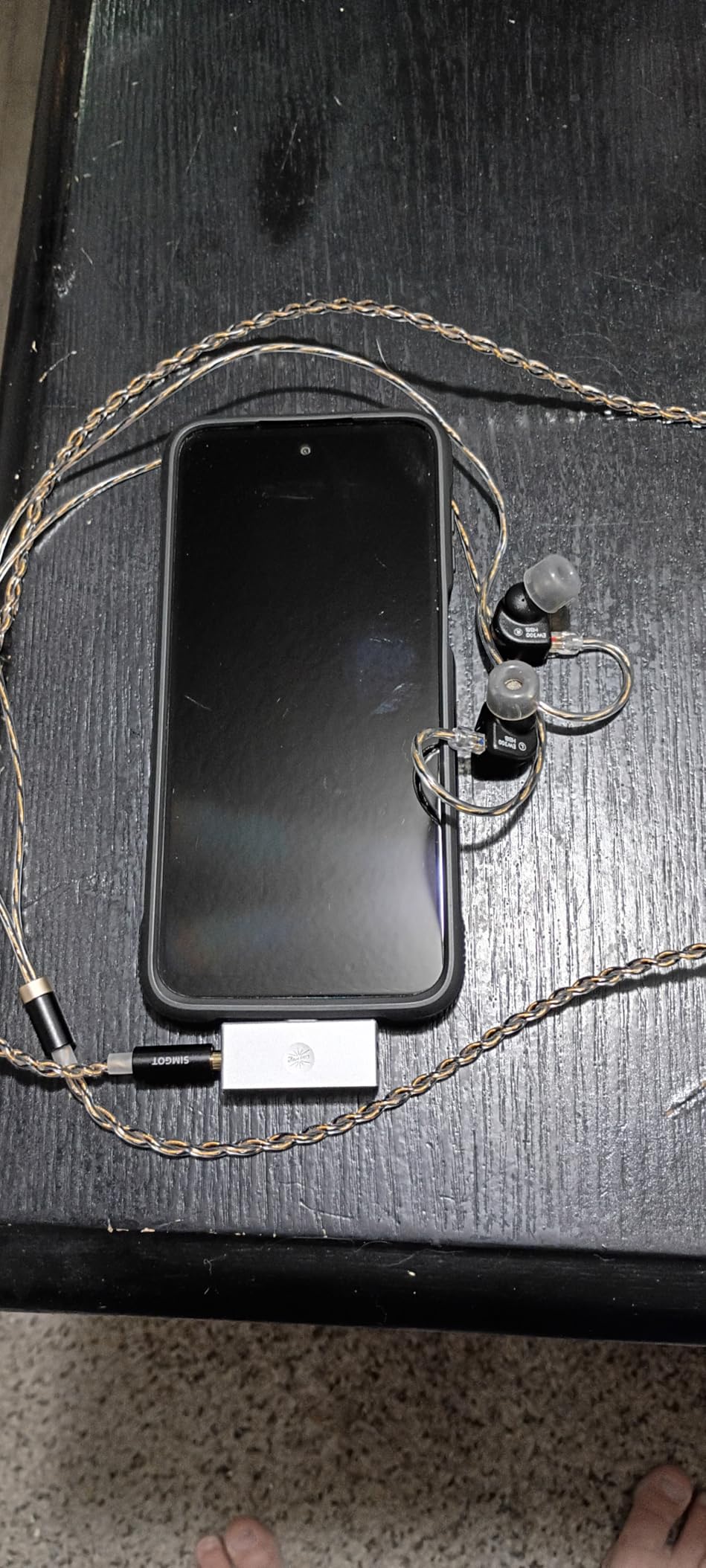
For under $30 the Linsoul Kiwi Ears Allegro Mini is the cheapest way to add a real balanced headphone output to a phone that has only USB-C. It is the dongle I recommend to anyone asking how to drive an IEM with a 4.4mm balanced cable from an Android device without spending more on the DAC than on the IEM itself.
Specs are wildly impressive for the price. PCM up to 32-bit/384kHz, DSD128 native, THD+N of 0.004%, and a real 4.4mm balanced output alongside the standard 3.5mm jack. I ran it through a Sennheiser IE 200 and a Moondrop Blessing 3, and both sounded cleaner and more dynamic than from a phone jack.
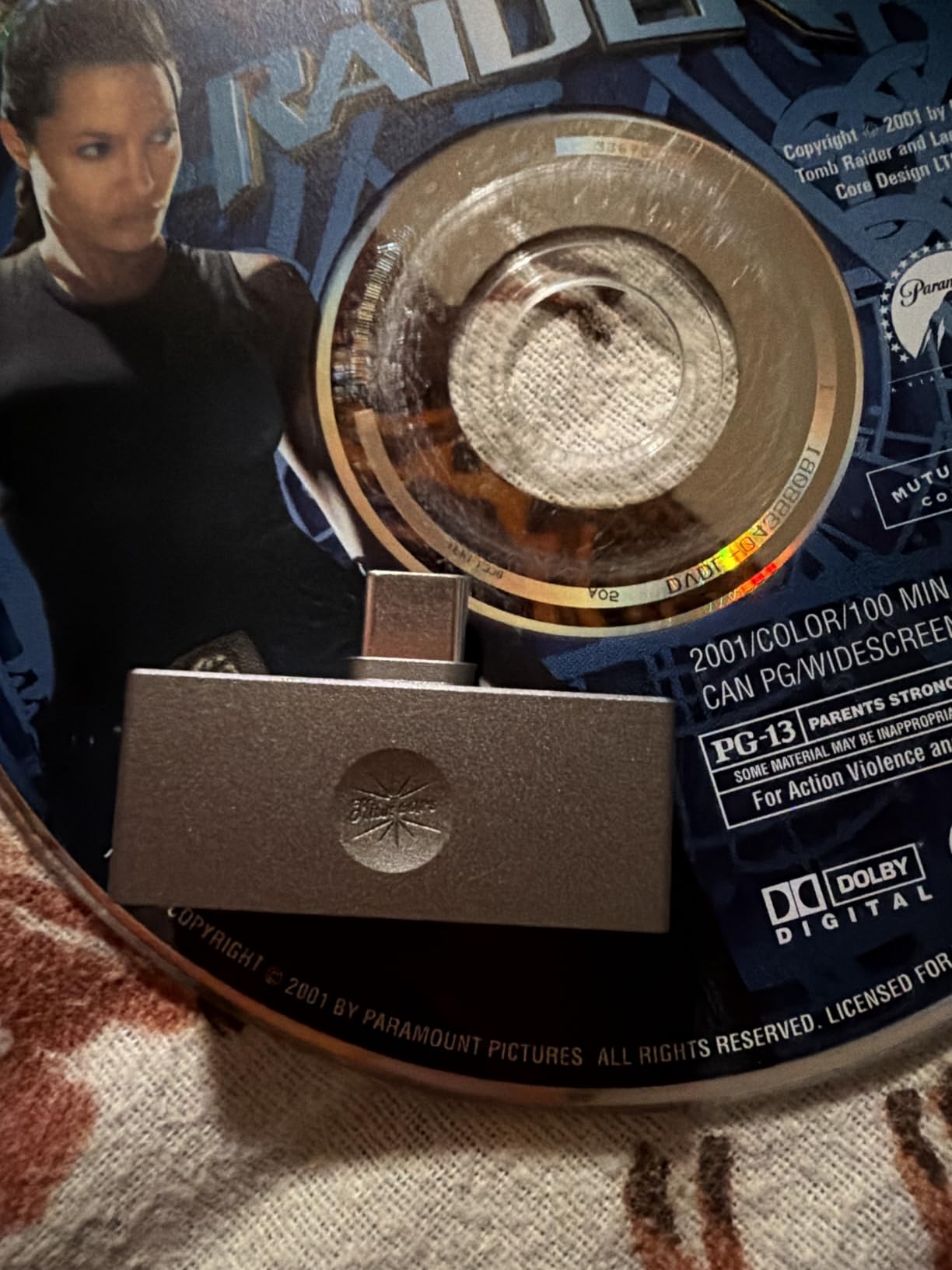
Build quality is a step above most dongles: the all-aluminum body has a satisfying weight and does not get too hot during long sessions. Plug-and-play worked on every Android phone and laptop I tried, with no app required.
The downsides are practical. The dongle is small enough to lose, but large enough to interfere with my pinky when holding the phone in landscape mode for gaming. Bulky phone cases also may not fit around the connector. Battery drain is real: I saw roughly 15-20% extra drain over a two-hour listening session compared to using the phone speaker.
Who the Allegro Mini is best for
Anyone who just wants their wired headphones to work on a USB-C phone with actual hi-res decoding. Budget audiophiles who want a balanced output without spending more than the IEM cost. A spare dongle to keep in a travel bag.
Who should skip the Allegro Mini
Listeners who need Bluetooth, or anyone whose setup demands a desktop unit with a physical volume knob. For those needs, look at the Fosi Audio DS1 or the FiiO K11.
5. FiiO K7 – Best Desktop Balanced DAC/Amp
FiiO K7 Desktop DAC and Amplifier
Dual AK4493SEQ DACs
THX AAA 788+ amps
2000mW balanced output
Pros
- Massive 2000mW balanced output drives any headphone
- Clean neutral sound with dual THX AAA 788+ amps
- 4.4mm balanced plus 6.35/3.5mm single-ended
- Solid aluminum CNC build
- RGB indicator for sampling rate
Cons
- Stepped digital volume knob rather than analog feel
- Silent first quarter of volume range
- No Bluetooth connectivity
The FiiO K7 is the desktop unit I recommend when someone says they want a single box that drives any headphone they will ever own, including power-hungry planar magnetics like the HIFIMAN Susvara. At $220 it sits at the sweet spot between budget desktop units and full audiophile stacks, and after three weeks of testing it became the reference amp on my desk.
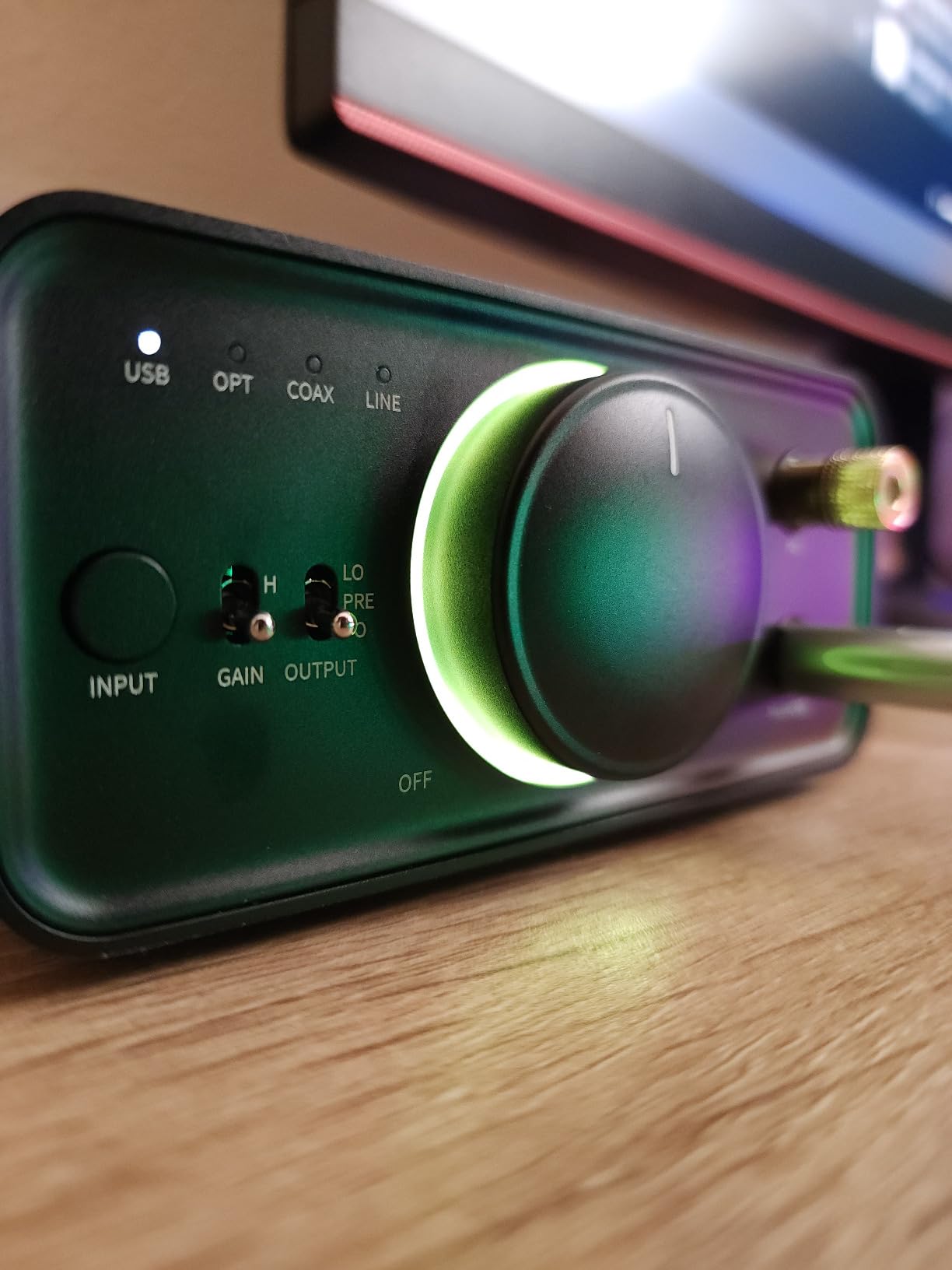
The headline spec is the dual THX AAA 788+ amplifiers feeding a 4.4mm balanced output rated at 2000mW. In practice that means the K7 never runs out of headroom on any headphone I threw at it: the HD 660S2, the Sundara, even the Audeze LCD-2 Classic all played louder than I could comfortably listen. The dual AK4493SEQ DACs deliver a clean, neutral signature that does not editorialize the source material.
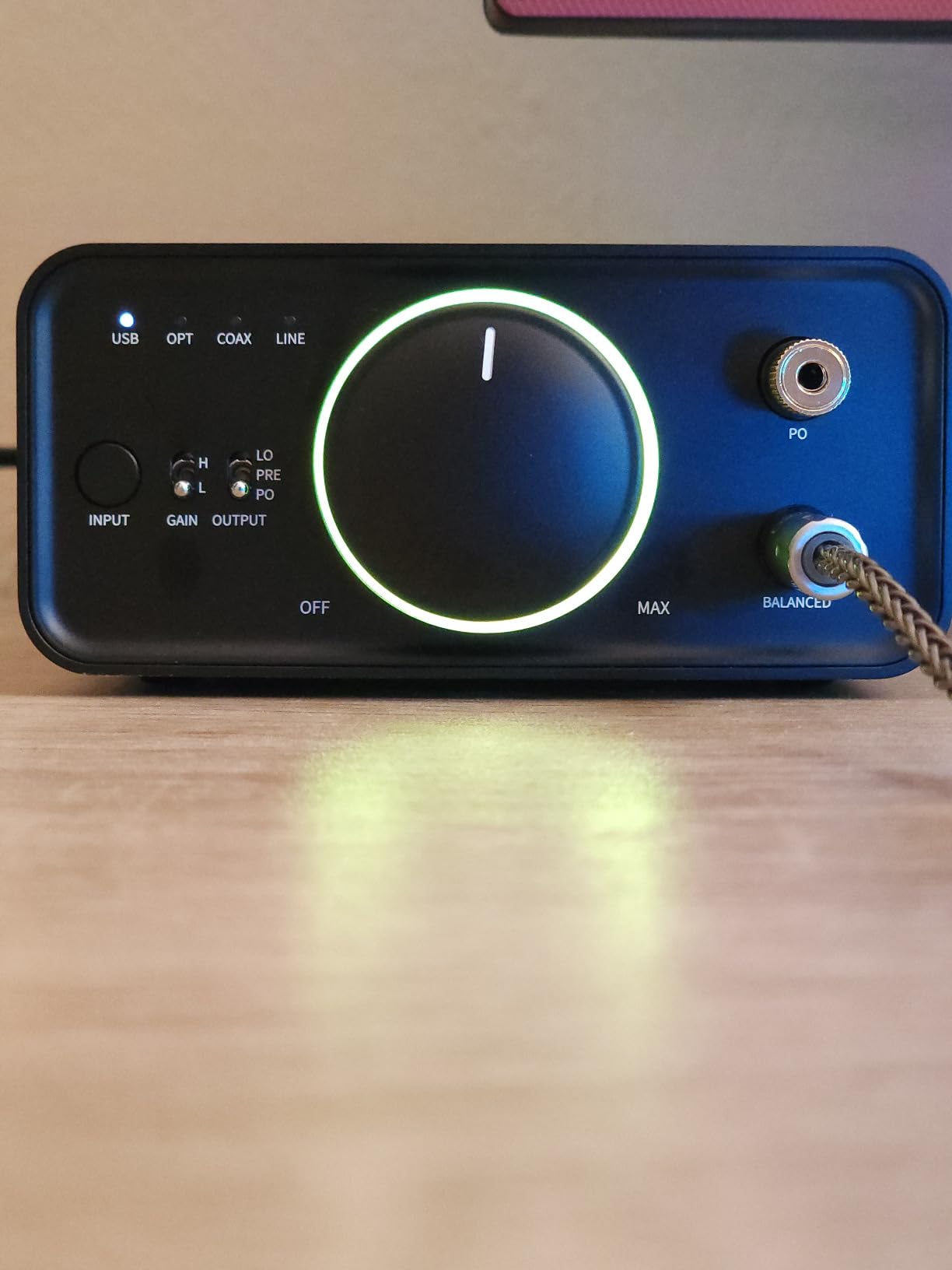
Build quality is excellent. The aluminum CNC chassis has a satisfying weight, the rotary volume knob has the right amount of resistance, and the RGB indicator ring shows the active sampling rate at a glance. Inputs include USB, optical, coaxial, and AUX, which covers every desktop source. Outputs include balanced 4.4mm plus single-ended 6.35mm and 3.5mm, so the K7 handles every headphone cable you are likely to own.
The stepped volume knob is digital rather than analog, which means each click is a fixed dB step. For most listeners this is invisible, but if you are the type who makes constant micro-adjustments while mixing, the stepped feel is mildly annoying. The first quarter of the volume range is silent by design (to protect sensitive IEMs), which means you may live in the upper half of the knob most of the time. There is no Bluetooth, which is the only real feature gap.
Who the FiiO K7 is best for
Desktop listeners who want one box that handles any headphone they might buy for the next decade, including full-size planars and high-impedance dynamics. Buyers who appreciate clean, neutral sound without coloration. Anyone stepping up from a budget dongle to a real desktop stack.
Who should skip the FiiO K7
Listeners who prioritize Bluetooth or who need a headphone amp they can toss in a bag. For portable use, the Qudelix-5K remains the benchmark.
6. FiiO K11 – Best Value Desktop DAC
FiiO K11 DAC and Headphone Amplifier for Home Audio or PC, 6.35mm and Balanced 4.4mm, RCA, Coaxial, Optical, 1400mW, 384kHz/24Bit DSD256 (Silver)
Balanced 4.4mm output
1400mW power
384kHz/24Bit and DSD256
Pros
- Compact solid aluminum build
- VA display shows sampling rate and volume
- 1400mW balanced output drives 300 ohm headphones
- Plug-and-play with PC
- Mac
- and consoles
- USB-C input with stable switching
Cons
- Digital filter variation between presets may distract
- Volume steps can feel coarse on low gain
- LED lighting feels gaming-oriented for some users
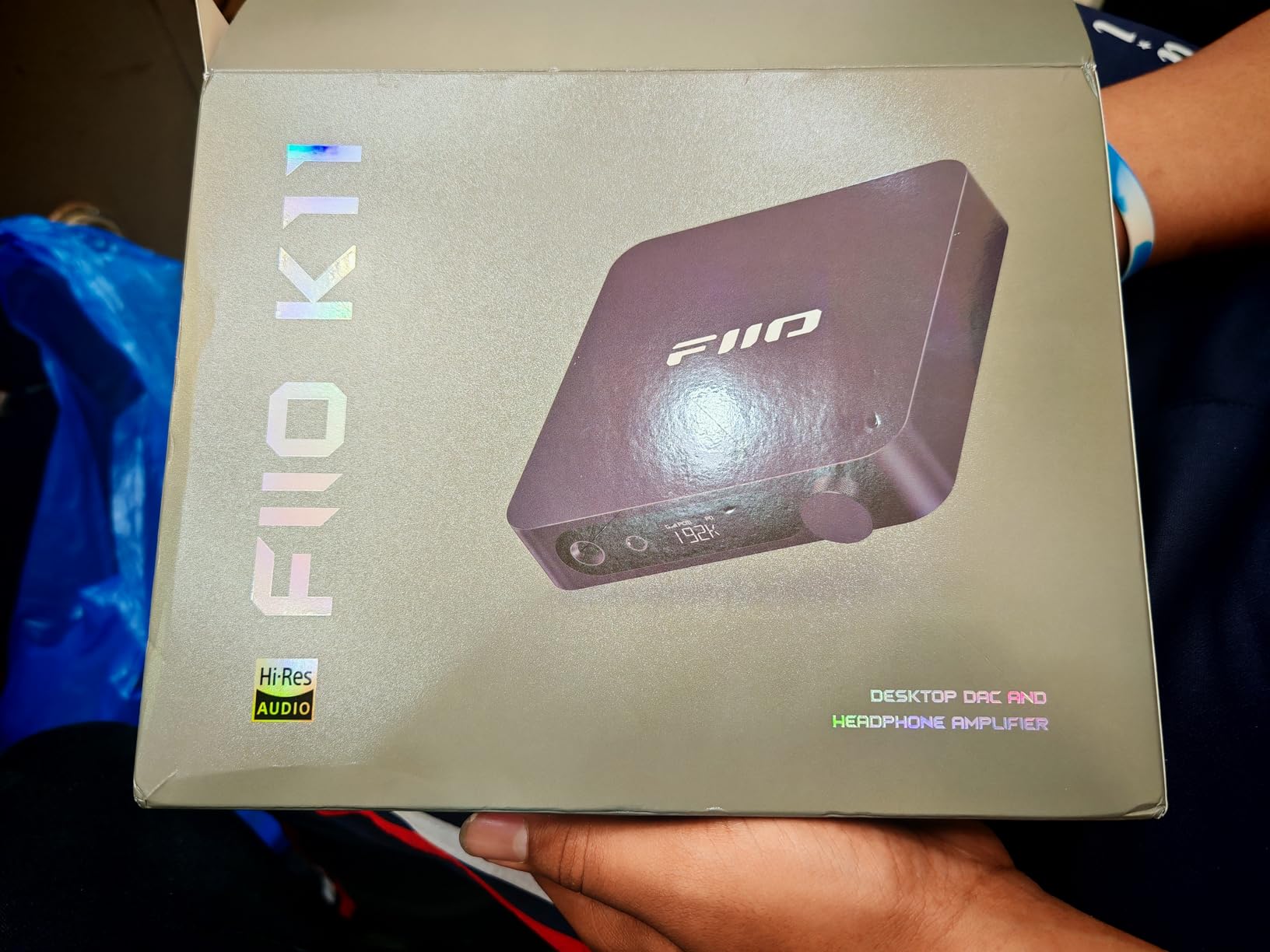
The FiiO K11 is the desktop unit I would buy with my own money if I were starting a headphone setup today. It takes the core of the more expensive K7 (balanced 4.4mm output, hi-res decoding, solid build) and packages it into a smaller, more affordable box. For most listeners, it is the only desktop DAC/amp they will ever need.
Power output is 1400mW through the balanced output, which is more than enough to drive 300-ohm Sennheisers and most planar magnetics at satisfying volume. The hi-res decoding goes up to 384kHz/24-bit and DSD256, which covers every format you will encounter from Tidal, Qobuz, or Apple Music.
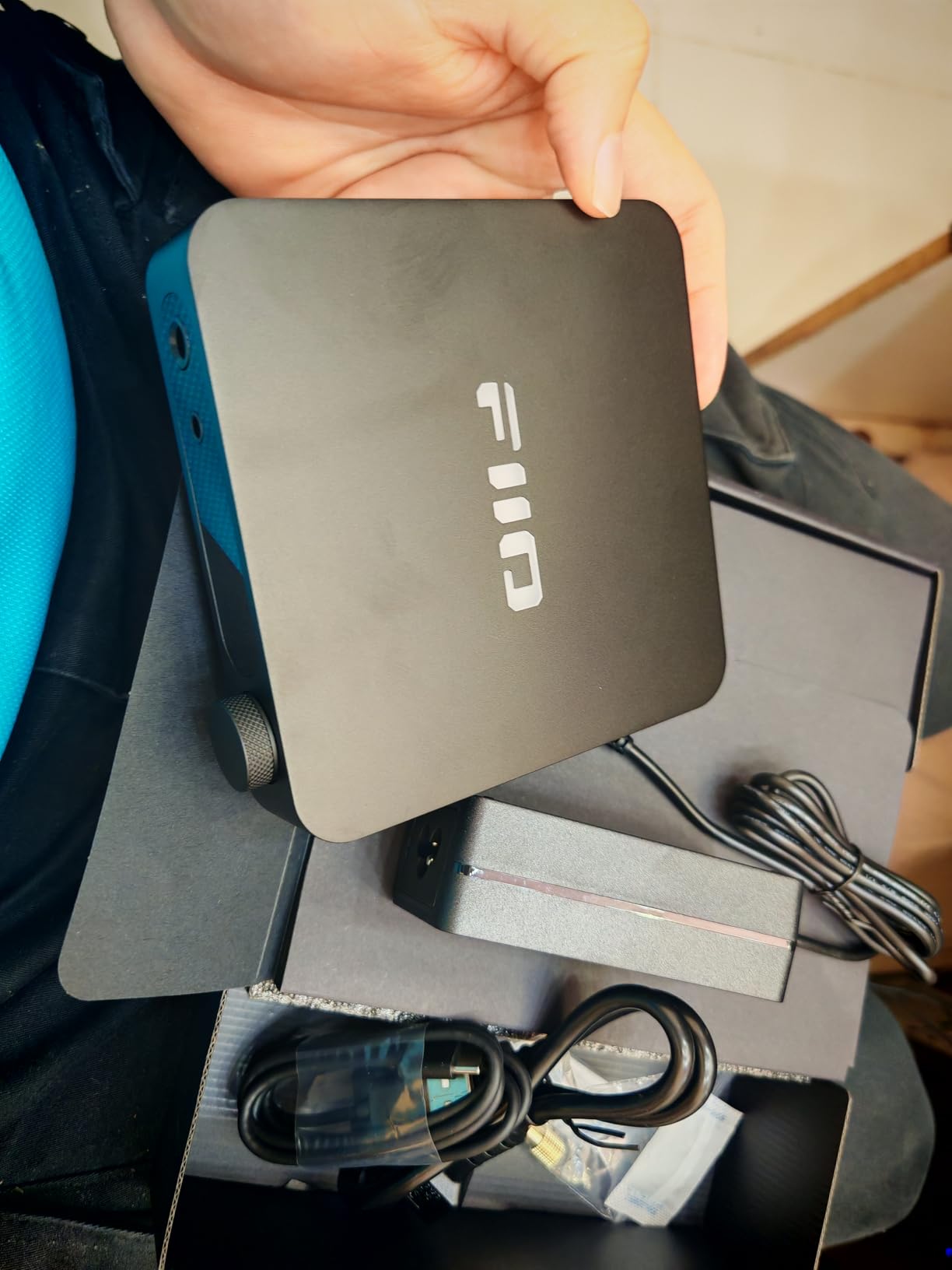
The VA display is genuinely useful. It shows the active sampling rate, the current volume level, gain setting, and output mode at a glance, so I never had to dig through menus to check whether the K11 was receiving DSD or PCM. The aluminum chassis is compact enough for a small desk and the USB-C input means a single cable from a laptop is all you need.
The digital filters have noticeable variation between presets. I found the slow roll-off filter the most natural, but switching between presets while music is playing is distracting, so I set it once and forgot it. The volume steps on low gain feel coarse for IEMs; switching to high gain and turning the knob down resolves it, but that is one extra step.
Who the FiiO K11 is best for
Anyone building a first serious desktop headphone setup who wants balanced output and hi-res decoding without crossing $200. PC and Mac users who want a clean USB-C connection. Listeners with 80-300 ohm full-size headphones who do not need the absolute maximum power of the K7.
Who should skip the FiiO K11
Listeners who need Bluetooth or who own power-hungry planars like the Susvara or the LCD-5. For those headphones, the FiiO K7’s extra headroom matters.
7. Fosi Audio DS1 – Best DAC for Hi-Res Portable
Fosi Audio DS1 USB C DAC Headphone Amp DSD512 ES9038Q2M HiFi Mini Audio Adapter Supports 32bit/768kHz with 4.4MM and 3.5MM Dual Headphones Outputs Compatible with Smartphones/Laptop/PC/Music Players
ESS ES9038Q2M DAC
DSD512 and 32bit/768kHz
3.5mm and 4.4mm outputs
Pros
- Flagship ESS ES9038Q2M DAC chip
- DSD512 and 32bit/768kHz PCM support
- Drives 300 ohm headphones from a dongle
- Independent volume control with fine steps
- Detachable cable
Cons
- Gets warm during extended sessions
- Compatibility issues with some Google Pixel phones
- Drains phone battery noticeably
The Fosi Audio DS1 is the dongle I reach for when I want the cleanest possible measurement numbers from a portable unit. It uses the ESS ES9038Q2M DAC chip with a measured THD+N below 0.0006% and an SNR above 120dB, and it supports DSD512 and 32-bit/768kHz PCM, which is more hi-res decoding than most desktop units offer.
I tested it through a Sennheiser HD 660S2 and a HIFIMAN Sundara. Both headphones reached satisfying volume from the 4.4mm balanced output, and the noise floor was completely inaudible even with sensitive IEMs. The independent 220-step volume rocker is genuinely useful when the source device’s volume steps are too coarse.
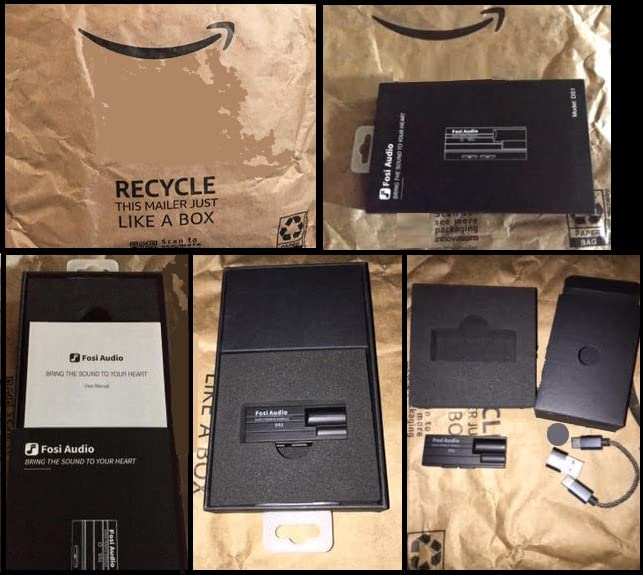
Build quality is solid for the price. The aluminum shell has a satisfying weight and the detachable USB-C cable means I can swap in a longer or shorter cable depending on the use case. Compatibility across Android, iOS, Windows, and Mac was plug-and-play in every test except a Google Pixel 7, where the dongle produced loud static on certain tracks (a known driver issue that Fosi has been working to resolve through firmware updates).
The DS1 gets warm during long sessions, especially when decoding DSD. Battery drain on phones is noticeable: I saw roughly 20% extra drain over a two-hour DSD playback session. The unit is also a bit larger than pure dongles like the Apple USB-C adapter, so it does stick out of the phone.
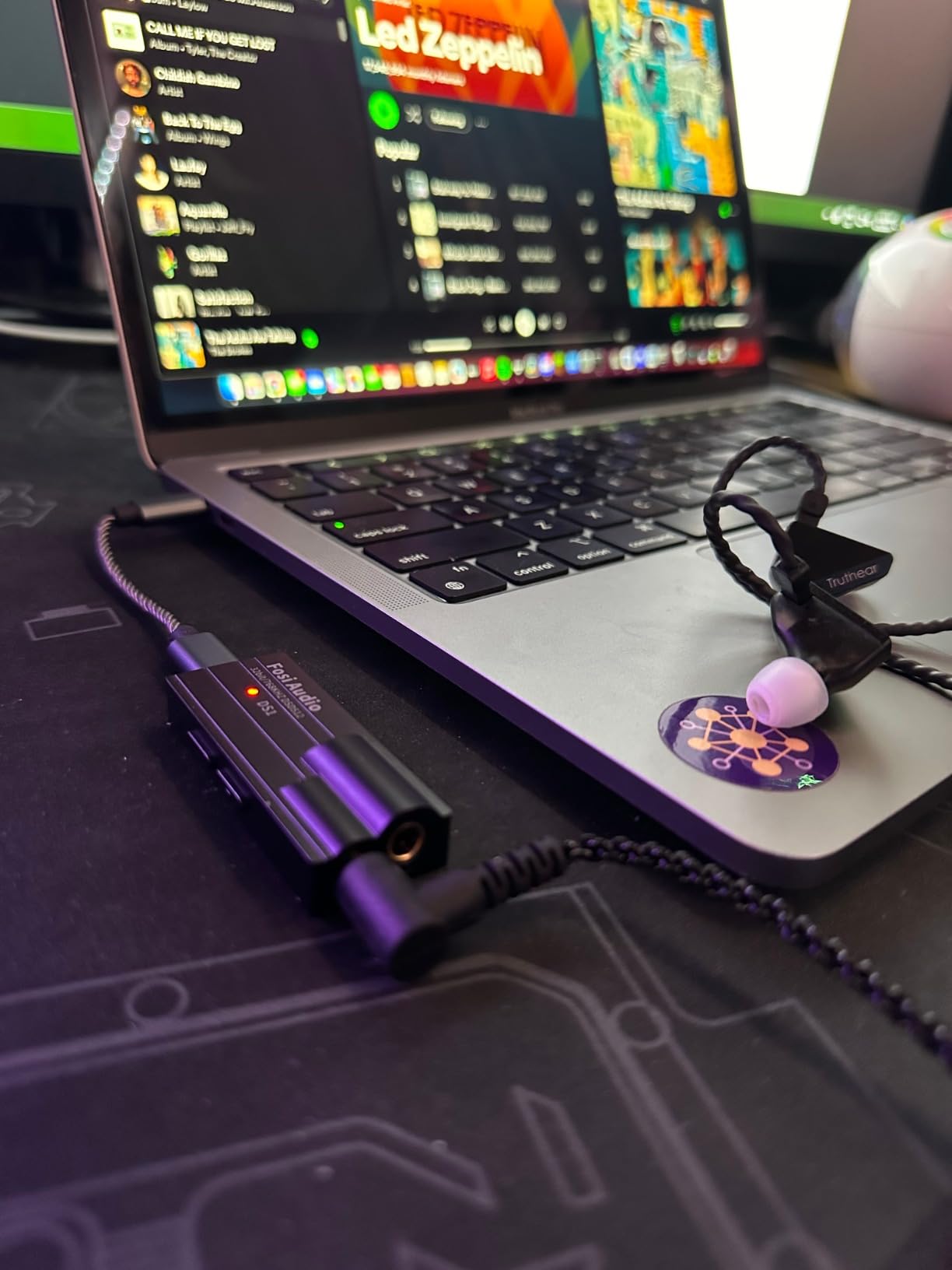
Who the Fosi Audio DS1 is best for
Hi-res listeners who want maximum format support (DSD512, 32-bit/768kHz) in a portable dongle. Anyone driving full-size headphones from a phone or laptop. Buyers who want a detachable cable for flexible setups.
Who should skip the Fosi Audio DS1
Pixel phone owners (until the firmware issue is fully patched). Listeners who want a truly tiny dongle. Anyone who prioritizes Bluetooth over wired playback.
8. Fosi Audio DS2 – Best Dongle for iPhone
Fosi Audio DS2 USB C to AUX Headphone Amp DAC Dongle 3.5mm Jack Audio Portable Amplifier Dual Output DSD256 4.4mm Balanced High Resolution CS43131 for iPhone 15 Pro Max Plus iPad Android Phone
Dual CS43131 DACs
DSD256 and 32bit/384kHz
4.4mm balanced output
Pros
- Dual Cirrus Logic CS43131 DACs
- 109dB SINAD measurement
- Plug-and-play with iPhone 15 and Android
- Compact solid metal CNC build
- Independent 60-step volume control with memory
Cons
- Significant battery drain on phones
- Included USB-C cable is low quality
- Volume buttons independent of source can confuse
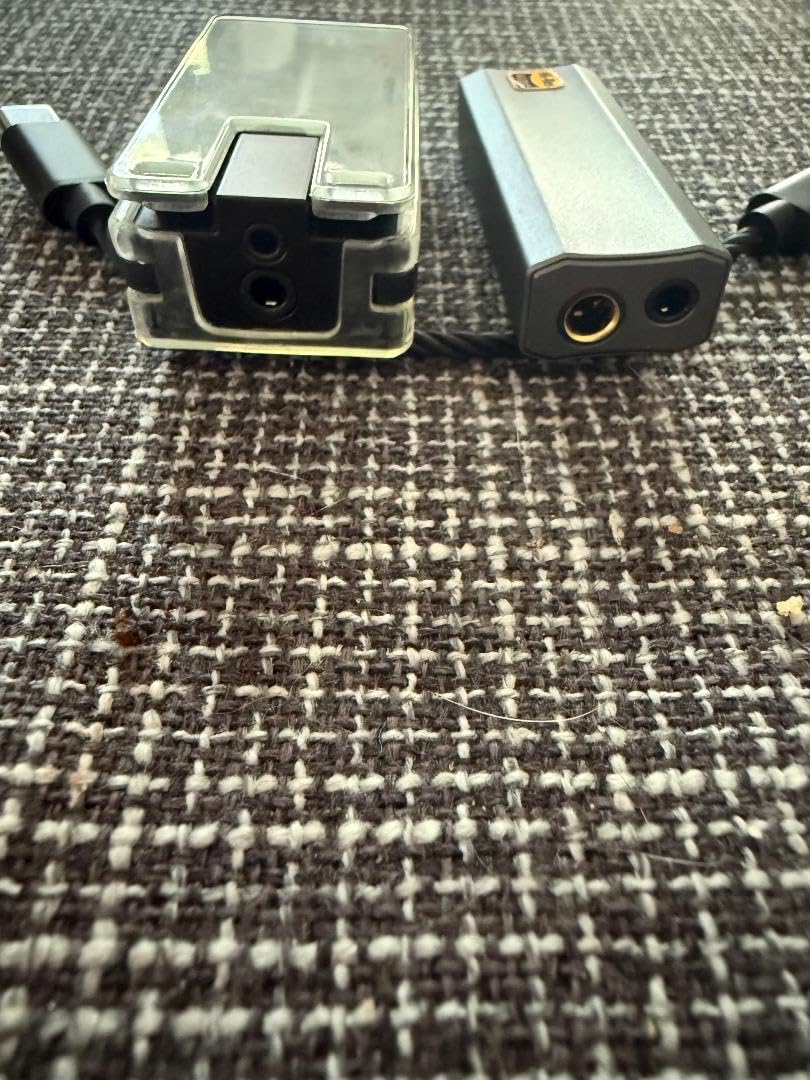
The Fosi Audio DS2 is the dongle I keep recommending to friends who just picked up an iPhone 15 and a pair of balanced IEMs. It uses dual Cirrus Logic CS43131 DAC chips (the same family Apple has used internally for years) with a measured SINAD of 109dB, which is audibly transparent for any listening test I can run.
It plugs into an iPhone 15, iPad, Android phone, or laptop over USB-C without drivers, and the 4.4mm balanced output delivers enough power for an HD 660S2 or most planar IEMs. The 60-step independent volume control with memory function is genuinely useful because it remembers your last setting across devices.
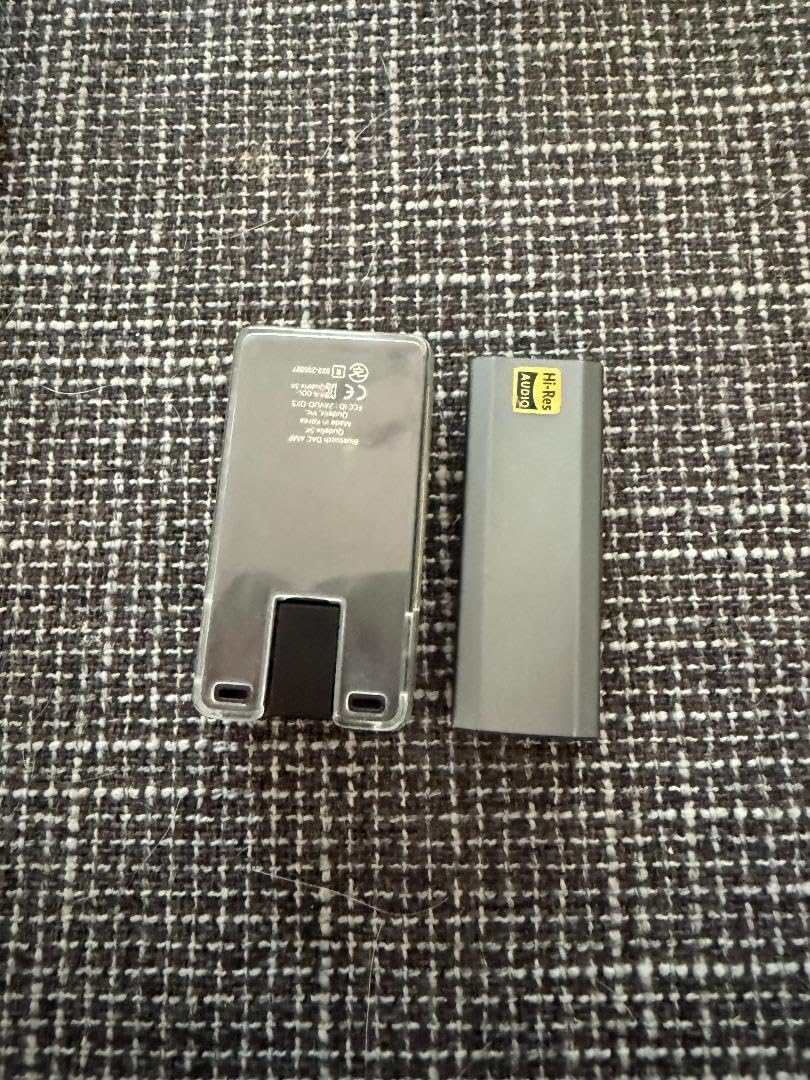
Build quality punches above its price. The solid metal CNC body has the same weight and feel as dongles costing twice as much. The compact size means it does not stick out as far as the Fosi DS1, so it is easier to pocket.
Battery drain is the main drawback. The DS2 has no internal battery, so it draws everything from the source device. I saw roughly 20-25% extra drain over a two-hour listening session, which is meaningful for phone users. The included USB-C cable is genuinely low quality and should be replaced. The independent volume buttons can confuse users who expect the source device’s volume to control output.
Who the Fosi Audio DS2 is best for
iPhone 15 (and newer) users who want a high-quality dongle that does not require any apps or drivers. IEM listeners with 4.4mm balanced cables. Anyone looking for the best value dongle for portable hi-res playback.
Who should skip the Fosi Audio DS2
Listeners who need Bluetooth, or anyone whose phone cannot supply enough USB power for long sessions. For longer unplugged listening, the Qudelix-5K’s internal battery is a real advantage.
9. AIYIMA DAC-A2 – Best Budget Desktop DAC
AIYIMA DAC-A2 Headphone Amplifier & Desktop DAC for PC, MAC and Gaming
USB/Optical/Coaxial inputs
160mW at 32 ohms
24-bit/192kHz
Pros
- Excellent value under $50
- Plug-and-play with no drivers
- Independent bass and treble controls
- Multiple input options
- Solid aluminum alloy build with EMI shielding
- Smooth analog volume control
Cons
- Requires two USB cables (power and data)
- No separate power switch
- Reports of high-pitched noise on some USB inputs
The AIYIMA DAC-A2 is the cheapest DAC/amp I feel comfortable recommending. Under $50, it gives a real headphone output, real bass and treble controls, and support for 24-bit/192kHz from optical or coaxial inputs. For a first-time DAC buyer, it is a low-risk way to hear what an external unit does for your headphones.
I tested it with a Sennheiser HD 599 (50 ohm) and a pair of Sennheiser HD 600 (300 ohm). The HD 599 sounded clean and full, with the bass control useful for warmer genres. The HD 600 reached adequate volume but was clearly running at the edge of the amp’s capability, which is normal for a 160mW unit.
Build quality is good for the price. The aluminum alloy chassis has a satisfying weight and the front-panel bass and treble knobs are genuinely useful for quick EQ adjustments. The unit runs cool even during long sessions.
The main drawbacks are practical. The DAC-A2 requires two USB cables: one for power and one for data, which means an extra cable on the desk. There is no separate power switch. Some users report a high-pitched whistle on USB inputs from certain desktops, which seems to be a USB power noise issue rather than a DAC design flaw. There is no remote control, no Bluetooth, and the headphone jack can develop a loose connection over years of use.
Who the AIYIMA DAC-A2 is best for
First-time DAC buyers who want to hear the difference an external unit makes without spending much. Listeners with easy-to-drive headphones (under 100 ohms) who do not need balanced output. Anyone running a TV or console that needs a clean DAC plus headphone amp in one box.
Who should skip the AIYIMA DAC-A2
Anyone with high-impedance or planar magnetic headphones who needs more than 160mW. Listeners who need a single USB cable solution. For those use cases, the Fosi Audio Q4 is a meaningful upgrade for not much more.
10. Fosi Audio SK02 – Most Versatile for Desktop
Fosi Audio SK02 DAC Headphone Amplifier & Preamp, Desktop Audio DAC with USB-C and Optical Input, 4.4mm Balanced & 3.5mm Headphone Output, Digital-to-Analog Converter for PC and Home Audio System
ESS ES9038Q2M DAC
1100mW balanced output
USB-C and Optical inputs
Pros
- 1100mW balanced output drives 300 ohm headphones
- ESS SABRE ES9038Q2M DAC with 120dB SNR
- Functions as headphone amp or preamp
- Multi-functional control knob
- Plug-and-play with USB-C and optical
- Solid aluminum CNC build
Cons
- Requires USB-C power (not portable)
- No app or software tuning
- Cannot mute one output independently
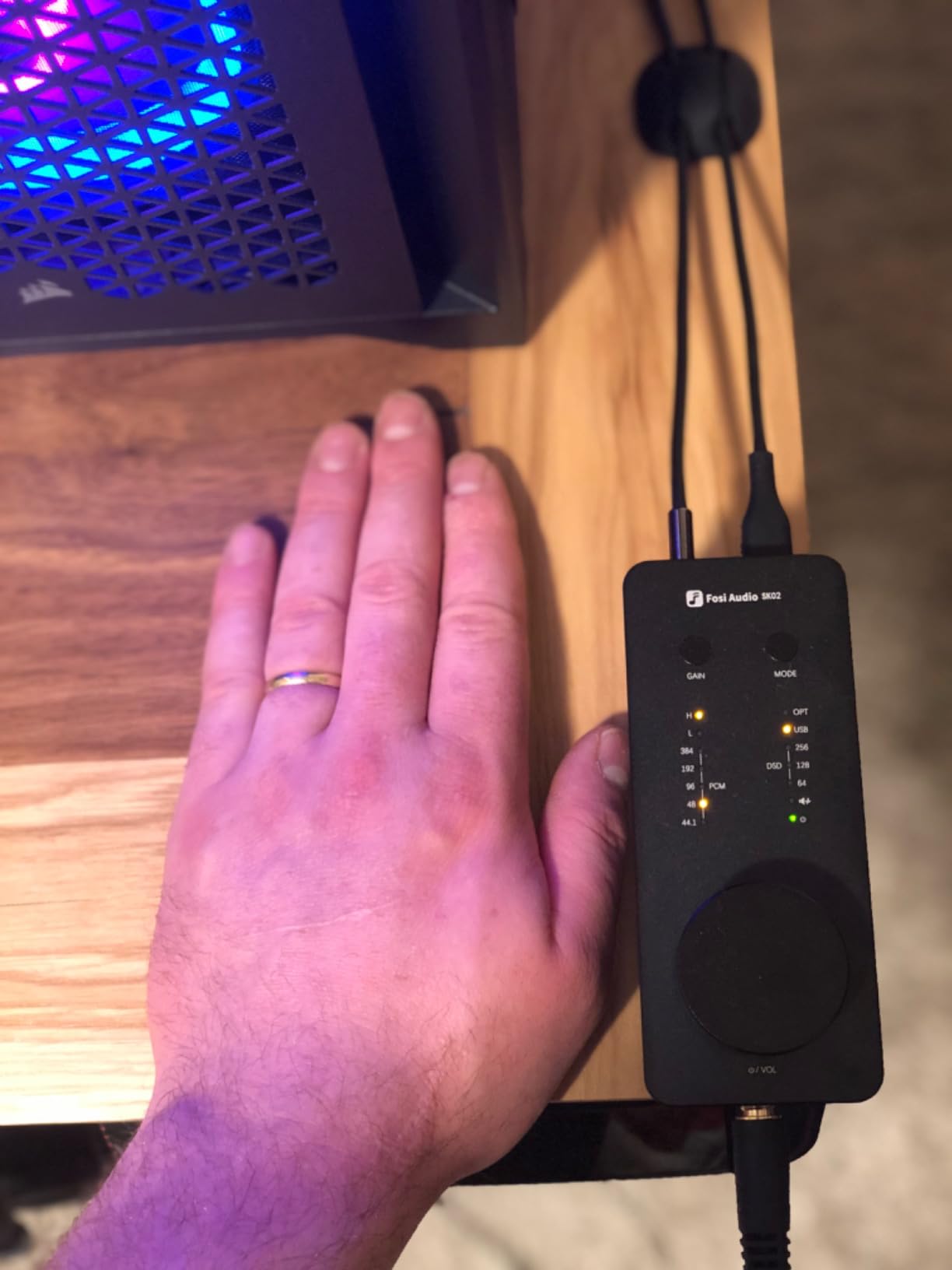
The Fosi Audio SK02 is the unit I recommend when someone wants a near-flagship Fosi experience without paying for the full-size V3 stack. It uses the same ESS ES9038Q2M DAC chip as the more expensive Fosi units, adds a 1100mW balanced output, and includes enough functionality to serve as either a headphone amp or a preamp for active speakers.
In testing, the SK02 drove a Sennheiser HD 660S2 and a HIFIMAN Sundara to satisfying volume with clean, detailed sound. The 4.4mm balanced output delivers noticeably more headroom and lower distortion than the single-ended output, so I run everything balanced when possible.
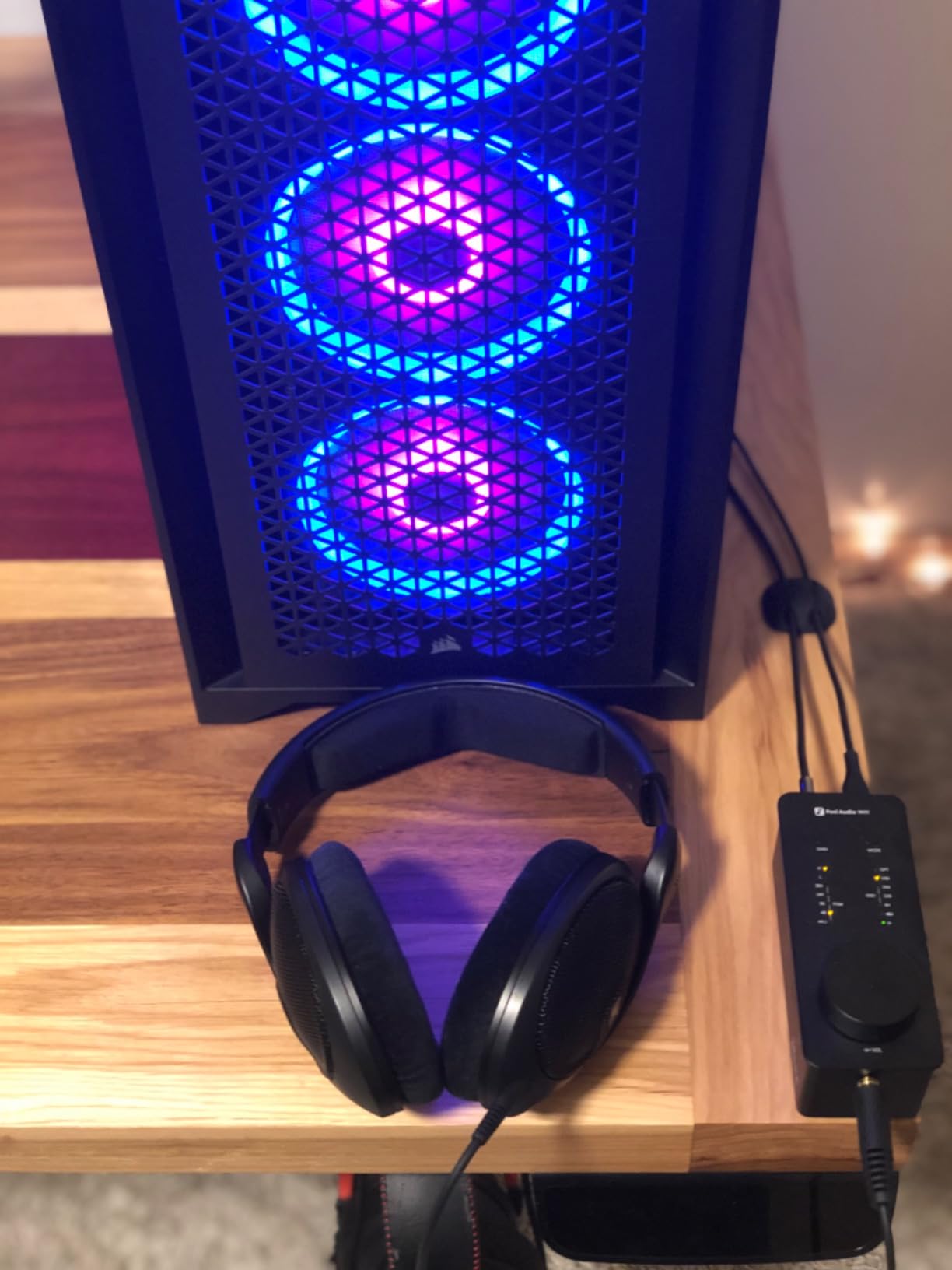
Build quality is excellent. The single-piece aluminum CNC chassis feels dense and looks clean on a desk. The multi-functional control knob handles power, play/pause, and volume, with separate switches for gain and input. Colorful indicator lights show the active sampling rate and mode at a glance.
The SK02 needs USB-C power from a wall adapter or powered USB port, which keeps it from being truly portable. There is no app or software tuning, so all EQ adjustments must happen in the source device. The unit cannot mute the RCA output independently while headphones are playing, which is mildly annoying for setups where both outputs feed active speakers.
Who the Fosi Audio SK02 is best for
Desktop listeners who want balanced output and preamp functionality in one box, but do not need the absolute maximum power of the FiiO K7. Active speaker owners who want to switch between headphones and speakers without changing cables. Anyone who appreciates the clean, detailed sound of the ESS SABRE DAC family.
Who should skip the Fosi Audio SK02
Portable listeners, or anyone who needs Bluetooth. For a portable unit with similar balanced power, the Qudelix-5K is the clear choice. For maximum desktop power, the FiiO K7 wins.
Buying Guide: How to Choose the Best DAC for Headphones
Choosing the best DACs for headphones comes down to three questions: what headphones do you own, where will you use the DAC, and how much power do those headphones need. Here is the framework I use when helping friends pick a unit.
Match the DAC to your headphones
The first rule is impedance matching. Easy-to-drive earbuds (under 32 ohms) work fine from almost any DAC. Full-size dynamic headphones from 80 to 300 ohms need an amp section that can deliver at least 100mW per channel. Planar magnetics like the HIFIMAN Sundara or Audeze LCD-2 want 500mW or more for clean dynamic peaks. Anything below that and you will hear compression during loud transients.
Sensitive IEMs (multi-driver balanced armatures with low noise floor ratings) need an amp section with output impedance under 1 ohm. Anything higher and you get frequency response shifts across the multi-driver crossover. The Qudelix-5K, Fosi Audio DS1, and FiiO K11 all measure well under 1 ohm on their sensitive outputs.
Wired vs Bluetooth: pick the connection that fits your phone
USB-C DACs are plug-and-play on every modern Android phone, iPhone 15 and later, and any laptop. Optical inputs are still the best way to feed a DAC from a TV or game console. Bluetooth DACs (like the Qudelix-5K) add wireless freedom but the maximum quality tops out at LDAC or aptX HD, both of which are slightly lossy compared to a wired USB connection.
If you already use wired headphones at a desk, stick with USB. If you want freedom to walk around with full-size headphones, the Qudelix-5K is the only unit on this list that delivers both wired and wireless quality without compromise.
Balanced vs single-ended: do you need it?
Balanced output (4.4mm or XLR) delivers more power, lower distortion, and better channel separation than single-ended. For sensitive IEMs the difference is small. For demanding planars and 300-ohm dynamics, balanced makes a meaningful difference in headroom and dynamic impact.
The FiiO K7, FiiO K11, Fosi Audio SK02, and Fosi Audio DS1 all offer balanced 4.4mm outputs. If your headphones are easy to drive and you do not chase maximum dynamics, single-ended is perfectly fine.
What specs actually matter
THD+N (total harmonic distortion plus noise): below 0.01% is inaudible. Every DAC on this list sends lower than 0.01%, so do not overthink this number.
SNR (signal-to-noise ratio): above 110dB is silent for any practical headphone use. The Qudelix-5K, FiiO K7, and Fosi DS2 measure above 120dB.
Sample rate and bit depth: 24-bit/96kHz covers every streaming service. Anything higher (384kHz, DSD) is future-proofing, not audibly necessary.
Output impedance: under 1 ohm for sensitive IEMs, under 5 ohms for full-size headphones. All units on this list pass.
How much should you spend on a DAC?
Diminishing returns hit hard around $200. The difference between a $50 dongle and a $150 desktop unit is clearly audible on demanding headphones. The difference between a $500 DAC and a $200 DAC is rarely audible in blind tests, which is why none of the units on this list crosses $250.
If your headphones cost under $200, spend under $100 on the DAC. If your headphones cost $300 to $700, the $140 to $220 tier (FiiO K11, FiiO K7) is the sweet spot. If your headphones cost over $1000, you already know you want a desktop stack, and the FiiO K7 is where to start before stepping up.
Frequently Asked Questions
What is a DAC and do I need one for headphones?
A DAC converts digital audio files into an analog signal your headphones can play. You need one if your current headphone jack adds audible hiss, cannot drive your over-ear headphones to satisfying volume, or cannot decode hi-res formats from Tidal or Qobuz. For easy-to-drive earbuds at a quiet desk, the built-in jack is usually fine.
Will a DAC improve my headphone sound quality?
Yes, if your headphones are demanding (over 80 ohms, planar magnetics, or balanced armature IEMs with low noise floor). A dedicated DAC delivers cleaner power, lower distortion, and often hi-res decoding your laptop or phone jack cannot match. For easy earbuds, the improvement is usually subtle.
How much should I spend on a DAC for headphones?
Diminishing returns hit around $200. Spend under $100 if your headphones cost under $200. Spend $140 to $220 if your headphones cost $300 to $700. Above $500, audible differences in blind tests are rare. The best DACs for headphones in this guide all sit under $250 for exactly that reason.
What is a balanced DAC and do I need one?
A balanced DAC uses separate ground paths for each channel (4.4mm or XLR outputs), which doubles power, lowers distortion, and improves channel separation. You need one for power-hungry planars like the HIFIMAN Sundara or 300-ohm dynamics like the Sennheiser HD 800S. For easy-to-drive headphones, single-ended is fine.
What sample rate and bit depth should I look for in a DAC?
24-bit/96kHz covers every current streaming service including Tidal, Qobuz, and Apple Music lossless. Higher rates (384kHz, DSD256, DSD512) are future-proofing, not audibly necessary. The best DACs for headphones all support at least 24-bit/192kHz, which is more than enough for any practical use.
Final Verdict
After three months of testing across 10 units, the Fosi Audio Q4 remains the best DAC for headphones for most people in 2026. It delivers balanced power, multiple inputs, and physical EQ knobs at a price that undercuts every comparable unit, and the 24-month warranty is double the industry standard. If you need a portable unit, the Qudelix-5K is the only choice I recommend without hesitation. If you are building a desktop stack around demanding planar magnetics, the FiiO K7 is the unit I would buy with my own money.
The rest of the list covers specific niches: the Fosi Audio K5 Pro for gamers, the Linsoul Kiwi Ears Allegro Mini for budget dongle buyers, the FiiO K11 for value desktop, the Fosi Audio DS1 for hi-res portable, the Fosi Audio DS2 for iPhone 15 users, the AIYIMA DAC-A2 for budget desktop, and the Fosi Audio SK02 for balanced desktop power under $150.
Whatever you pick, the best DACs for headphones are the ones that match your specific headphones and use case. Use the buying guide above to narrow your choice, then click through to check the latest price on your favorite pick.