
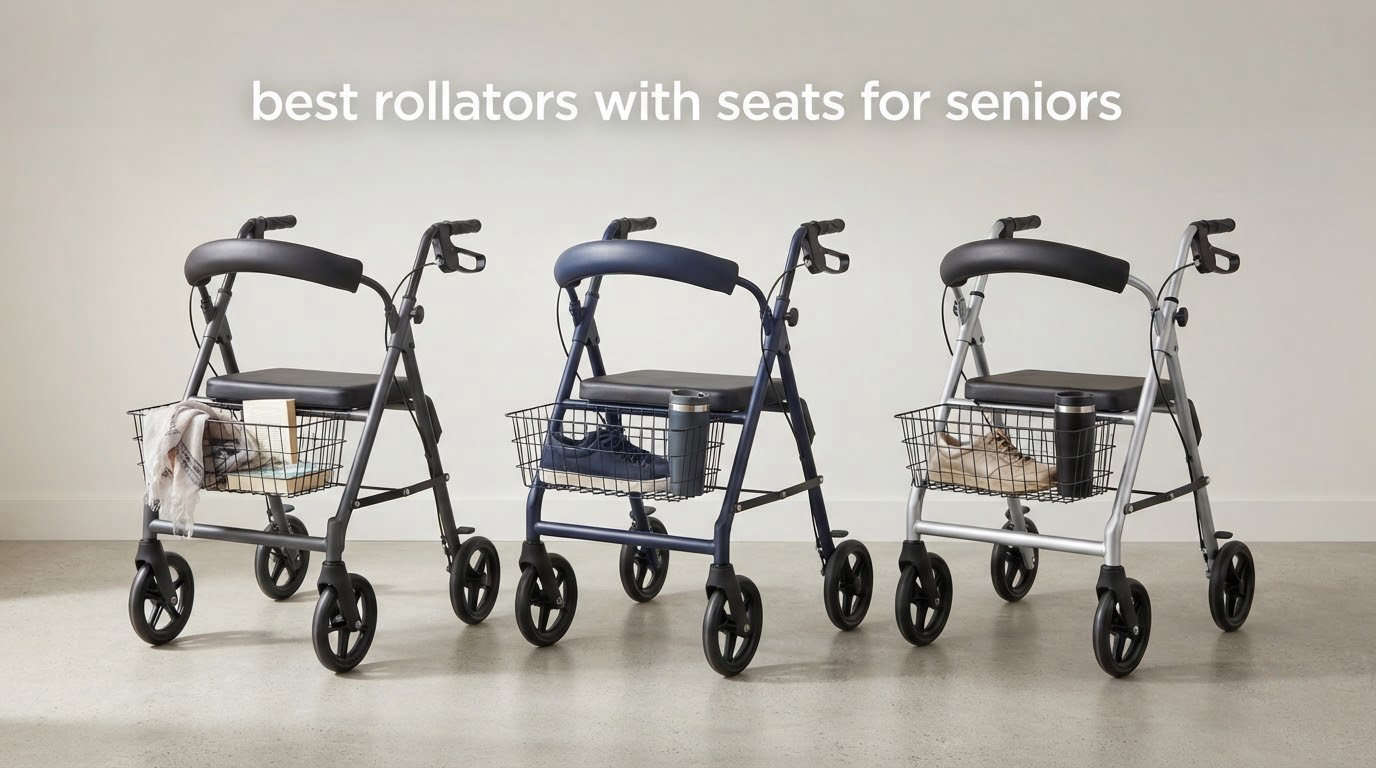
A rollator with a seat gives a senior four wheels of stability, two hand brakes and a padded chair to rest on, all without the lifting a standard two-wheeled walker demands. That combination is why the best rollators with seats for seniors come up in almost every conversation we have with caregivers, and why the wrong one gets abandoned in a closet within a month.
Choosing well comes down to four numbers: the rollator’s own weight, the user’s weight capacity, the wheel size and the handle height range. Get those right and a senior will use it daily for years. Get them wrong and you will have bought a heavy, badly sized frame that sits folded against the wall.
We compared twelve of the highest-reviewed rollators with seats on the market in 2026, reading the specifications, folding measurements and long-form owner reviews side by side. Every pick below lists a real drawback, because a mobility aid is something a person may depend on for the rest of their life and the cons matter as much as the pros. Where a forum discussion names a specific model, we say so, and everywhere else we stay with what the review record actually shows.
Table of Contents
Top 3 Best Rollators With Seats for Seniors (October 2026)
The three models below cover a wide range of real needs, from a durable everyday steel frame to a light aluminum one and a heavily cushioned long-rest seat.

Drive Medical Steel Rollato…
- Steel frame with padded seat
- 7.5 inch smooth-rolling casters
- Locking hand brake
- Under-seat pouch

Drive Medical Aluminum…
- Aluminum frame rated to 300 lb
- One-handed side-to-side fold
- 6 inch wheels
- 15.6 lb frame

VOCIC Z21 All-Terrain Rollator
- 1.6 inch waterproof cushion seat
- Widened breathable backrest
- 8 inch puncture-proof tires
All 12 Rollators at a Glance
Every rollator in the list folds for transport and carries a seat, but they differ sharply on weight, capacity and wheel size. This table puts the deciding specs in one place so you can narrow the field before reading the full reviews.
| Product | Specifications | Action |
|---|---|---|
|
Drive Medical Steel Rollator with 7.5 Inch Wheels
|
|
Check Latest Price |
 Medline Steel Rollator 350 lb 6 Inch Wheels
|
|
Check Latest Price |
|
VOCIC Z21 All Terrain Rollator
|
|
Check Latest Price |
|
Drive Medical Aluminum Rollator 6 Inch Wheels
|
|
Check Latest Price |
 Medline Aluminum Rollator 250 lb 6 Inch Wheels
|
|
Check Latest Price |
 HOMLAND Foldable Rollator 16 Inch Extra-Wide Seat
|
|
Check Latest Price |
 PLANET WALK Super Lightweight Rollator
|
|
Check Latest Price |
 MAXWALK All-Terrain Rollator 12 Inch Wheels
|
|
Check Latest Price |
 Stander Space Saver Rollator 10 x 11 Inch Fold
|
|
Check Latest Price |
 Medline Aluminum Rollator 8 Inch Wheels
|
|
Check Latest Price |
 soundfuse Rollator with Memory Foam Seat
|
|
Check Latest Price |
 HOMLAND Bariatric Rollator 500 lb Capacity
|
|
Check Latest Price |
1. Drive Medical Steel Rollator with Seat: Best Overall
Drive Medical Rollator Walker with Seat, 7.5 Inch Wheels, Blue
Steel frame
20 lb
7.5 inch casters
Fold-down backrest
Under-seat pouch
Pros
- Sturdy steel frame that owners report lasts years
- Smooth and quiet on carpet wood and grass
- Folds quickly for car transport
- Nearly fully assembled on arrival
Cons
- Backrest is a basic foam-covered tube
- No catch to hold the frame while folding
- Brake and handle assembly is plastic
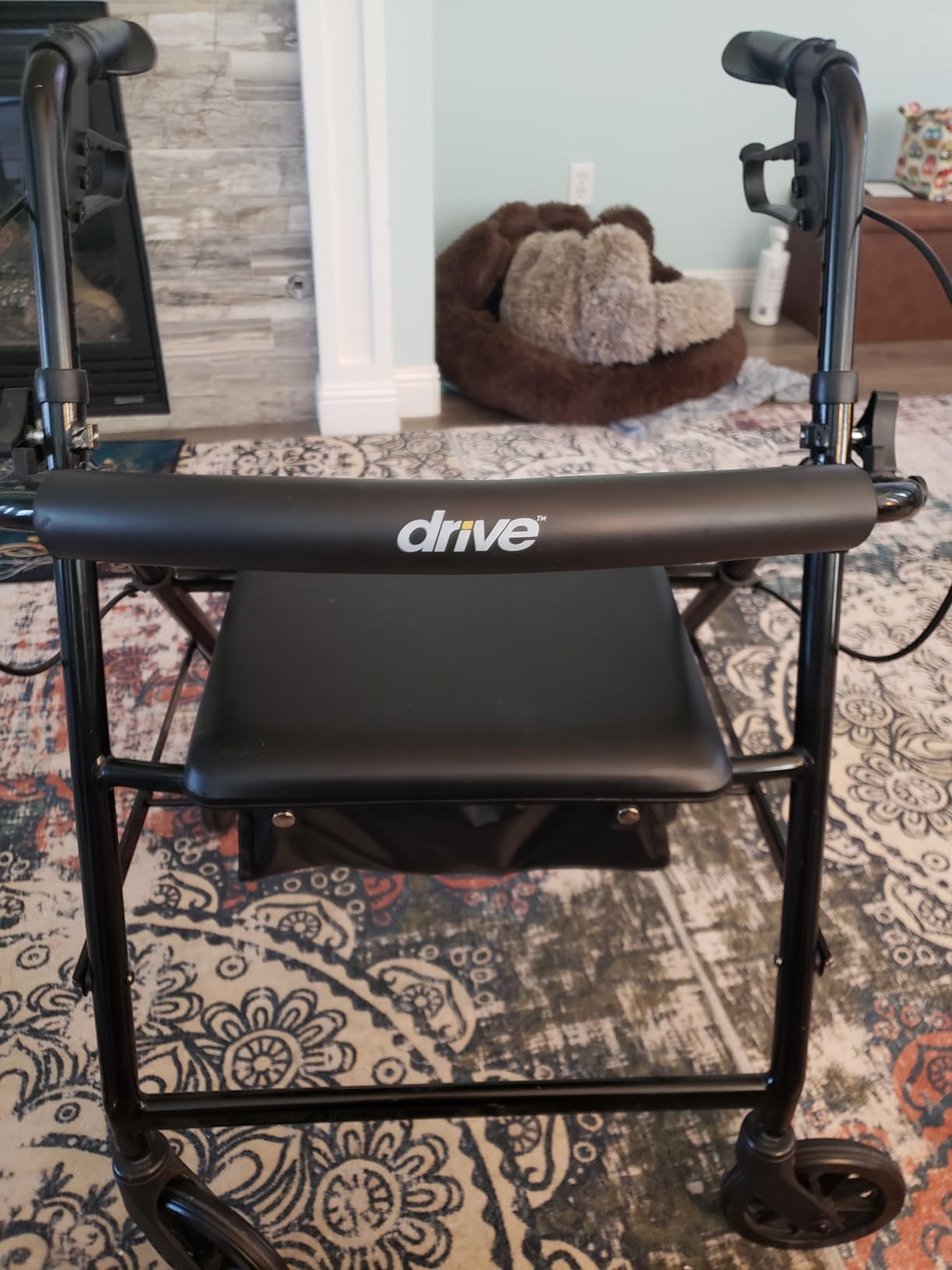
This is the model we recommend to most people, and the reason is durability rather than feature count. It has been on the market since 2011 and carries more owner reviews than any other rollator in this guide, with a great many households describing the purchase as a second or third one.
The 7.5 inch casters are the quiet compromise in wheel sizing. They roll smoothly across carpet, wood and grass without the stubbing sensation of 6 inch wheels, and they still clear a standard doorway and turn in a tight hallway.
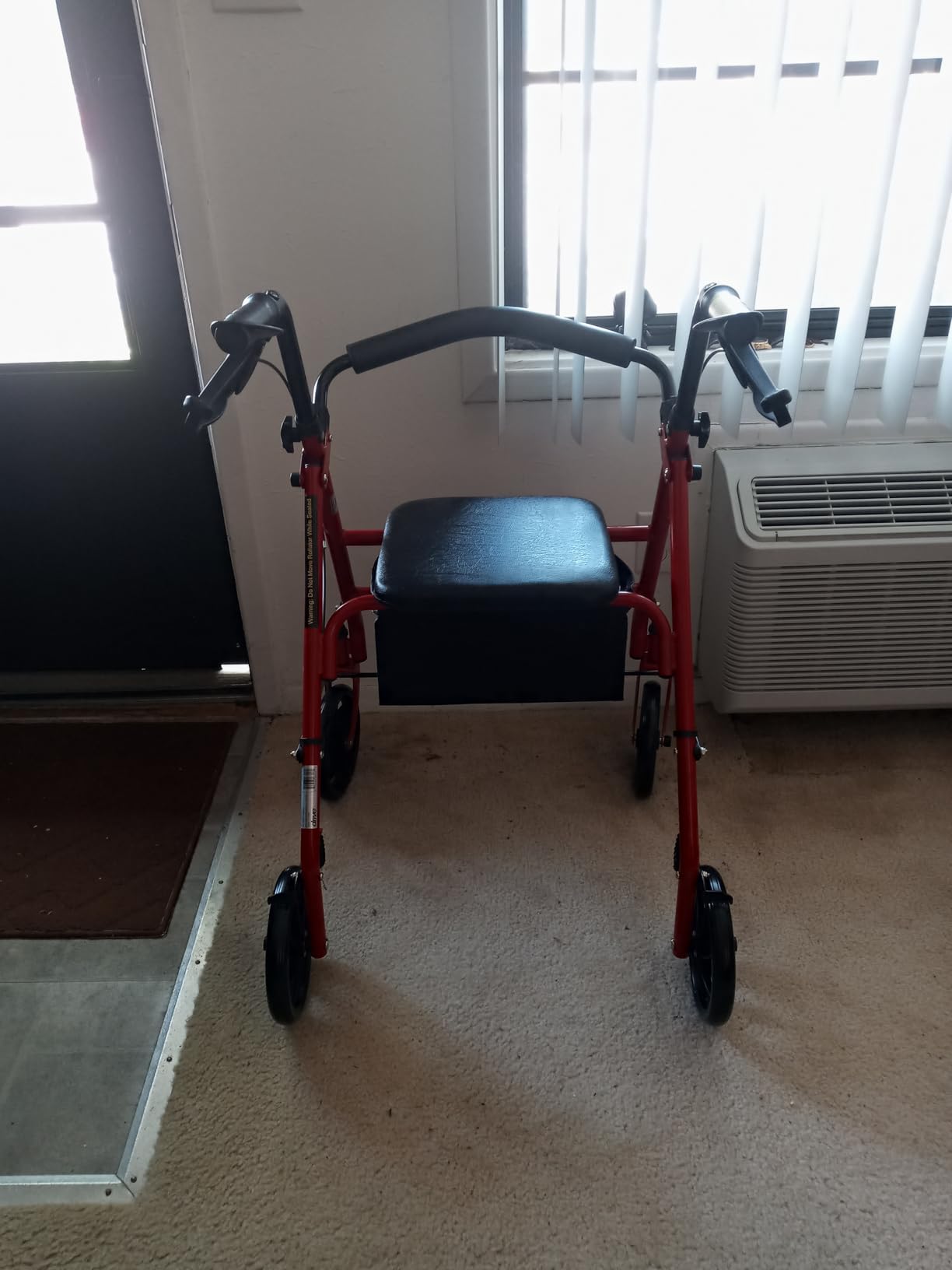
At 20 lb, a caregiver can lift it into a trunk without strain, and the side-to-side fold takes one motion. The steel frame is the reason it is heavier than the aluminum options, and it is also why the frame stops rattling after a year of daily use.
The honest weakness is the backrest. It is a foam-covered tube rather than a sling or a padded panel, so anyone who uses the seat for a real rest rather than a quick pause will find it uncomfortable against their lower back.

Check the handle height before anything else
Handle height is the first thing to set, and this model adjusts with a simple lever from roughly hip to wrist level for most adults. If the handles sit too low the user bends forward, which is exactly the posture that causes the shoulder and back pain that pushed them to a rollator in the first place.
When a different frame is the better buy
Look elsewhere if the user plans to load the rollator into a car alone and has limited arm strength, because the steel frame is among the heavier ones here. It is also a poor match for anyone who needs a wide seat, since the seat on this model is a standard width rather than an extra-wide one.
2. Medline Steel Rollator with 350 lb Capacity: Best for Heavier Users
Medline Steel Rollator Walker with Seat, Burgundy, 350 lb. Weight Capacity, 6” Wheels, Foldable, Adjustable Handles, Rolling Walker for Seniors, Walker for Mobility Impaired
Steel frame
350 lb capacity
16.5 lb
12 x 12 inch seat
6 inch wheels
Pros
- 350 lb capacity from a steel frame
- Ergonomic handles that frail hands can grip
- 12 x 12 inch padded seat and backrest
- Under-seat storage compartment
Cons
- Heavier than the aluminum models
- 6 inch wheels struggle on rough ground
This steel rollator with 6 inch wheels is the model most often recommended by name in the r/ehlersdanlos and r/Hypermobility communities, where users value a predictable brake and a capacity rating well above their own body weight. That is exactly what this frame delivers at 350 lb.
The padded 12 by 12 inch seat and matching backrest are the standout features. Compared with sling-style perch seats that owners describe as rock hard, a fully padded panel makes a meaningful difference when fatigue, not distance, is the limiting factor.
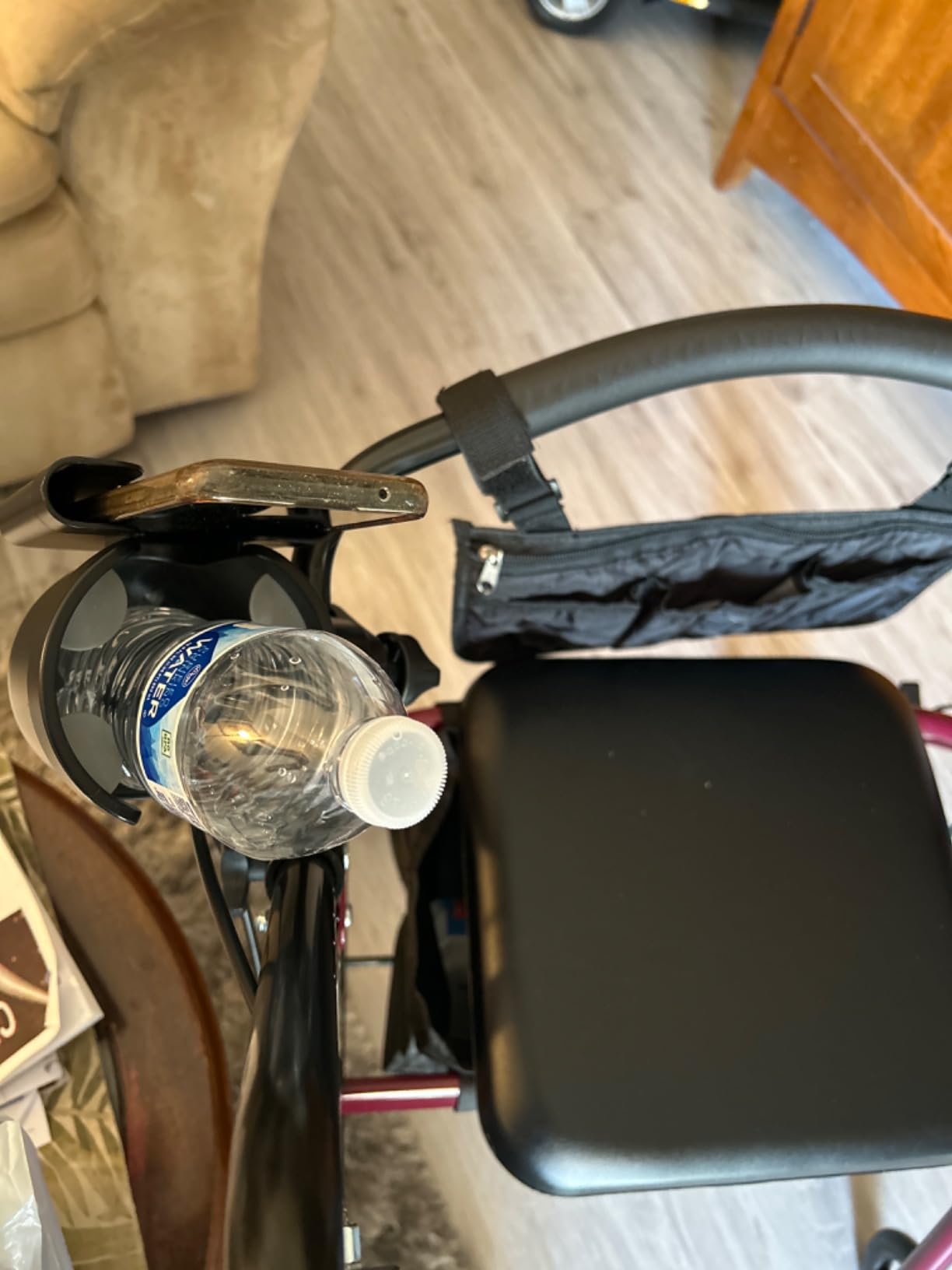
Handles adjust from 31 to 35 inches on a non-slip ergonomic grip, which suits a mid-height user well. The under-seat compartment holds a purse or a small shopping list without the short straps that cause lighter bags to spill on other models.
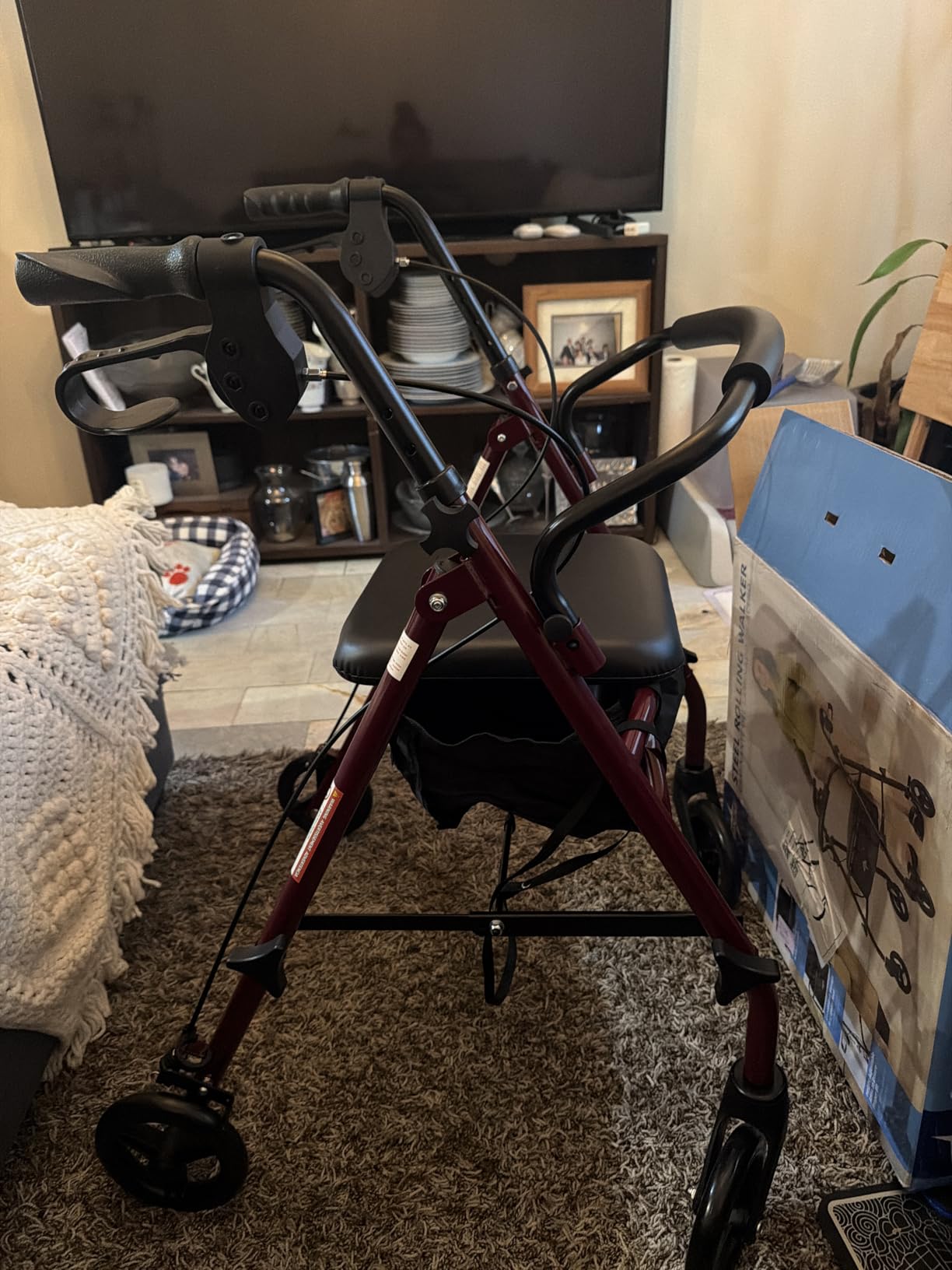
Two limitations are worth stating plainly. At 16.5 lb it is heavier than the aluminum frames in this list, and the 6 inch wheels are the small end of the range, so gravel and broken pavement will feel rougher than they would on an 8 inch model.
Why capacity matters more than weight class
A 350 lb rating is not just a comfort feature. Buyers who sit down on the frame every day put real load through the joints, and headroom well above the user’s weight is cheap insurance on a device meant to last years.
Where a lighter frame wins
Look elsewhere if the rollator has to be lifted frequently by a frail caregiver, since 16.5 lb of steel is a two-hand job in a tight trunk. Anyone who regularly walks gravel paths or uneven park trails should look at an 8 inch wheel model instead.
3. VOCIC Z21 All-Terrain Rollator: Best for Long Rests
VOCIC Z21 Rollator Walker for Seniors with Seat, 8″ All Terrain, 350 LBS
Aluminum frame
8 inch tires
1.6 inch seat cushion
Handle 31.5-36.6 in
Fits 4 ft 11 in to 6 ft 3 in
Pros
- 1.6 inch waterproof cushion relieves hip pressure
- Widened breathable backrest
- 8 inch puncture-proof tires
- Three-second quick fold
Cons
- About 22.85 lb makes one-handed lifting hard
- Wide frame reduces indoor clearance
If the seat matters more than the weight, this is the rollator. The 1.6 inch waterproof cushioning is among the thickest padding in the group, and users who sit down on a walk, rather than only at the destination, tend to mention it first in reviews.
The backrest is a widened breathable panel rather than the thin tubular rest used on most steel frames. That single design change removes the complaint we hear most often about budget rollators, which is that leaning back feels like leaning against a pipe.
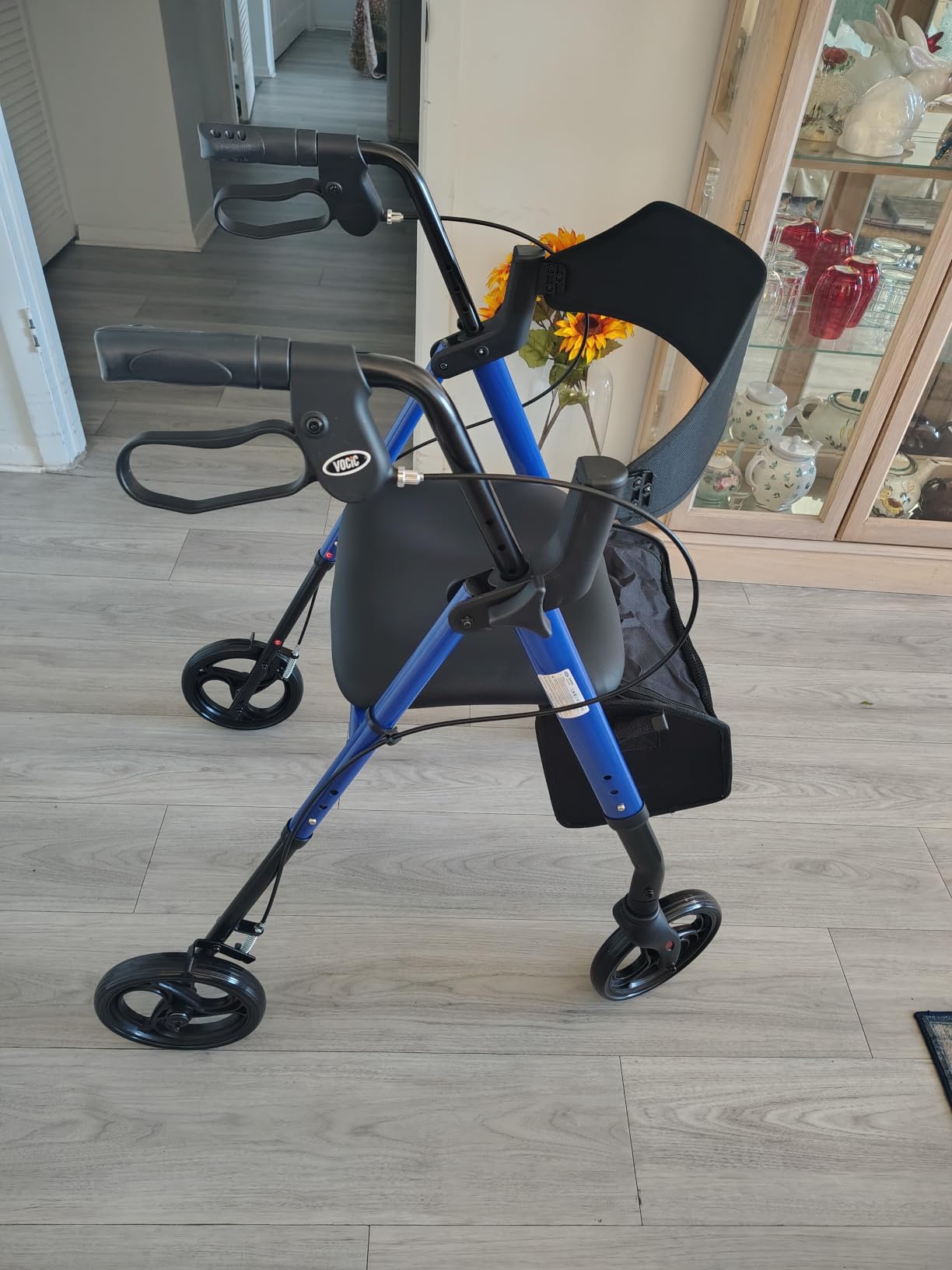
Outside, the 8 inch puncture-proof tires with textured tread handle gravel, grass and uneven pavement without the abrupt catching that smaller wheels show. A three-mode braking system gives free rolling, deceleration and a locked park, with reflective strips on the front wheels and the bag for low light.
Dual adjustment covers 4 ft 11 in to 6 ft 3 in users across five handle levels and three seat levels, and the frame folds in about three seconds to a 13.8 inch depth. The trade-off is weight at roughly 22.85 lb, the second heaviest frame here.
Who benefits most from the thick seat
Users with arthritis, hip replacement recovery or any condition where standing from a hard perch is the hardest part of the walk. Cushioning does more for those people than any change in wheel size, and it is the main reason to accept a heavier frame here.
When indoor clearance rules it out
Look elsewhere in a small apartment. The wide frame and 8 inch wheels cut down on the turning radius, and anyone navigating narrow doorways or tight furniture gaps will feel the difference every single day.
4. Drive Medical Aluminum Rollator: Top Rated for Light Weight
Drive Medical Aluminum Rollator Walker, Padded Seat, 6-Inch Wheels, Blue
Aluminum frame
Rated to 300 lb
About 15.6 lb
6 inch wheels
Folds one-handed
Pros
- One of the lightest frames in this group
- One-handed fold that stands upright on its own
- Low profile body clears standard doorways
- Arrives almost fully assembled
Cons
- Brakes stay locked only while handles are squeezed
- Fixed rear wheel width
- Brake cables can catch at the lowest handle setting
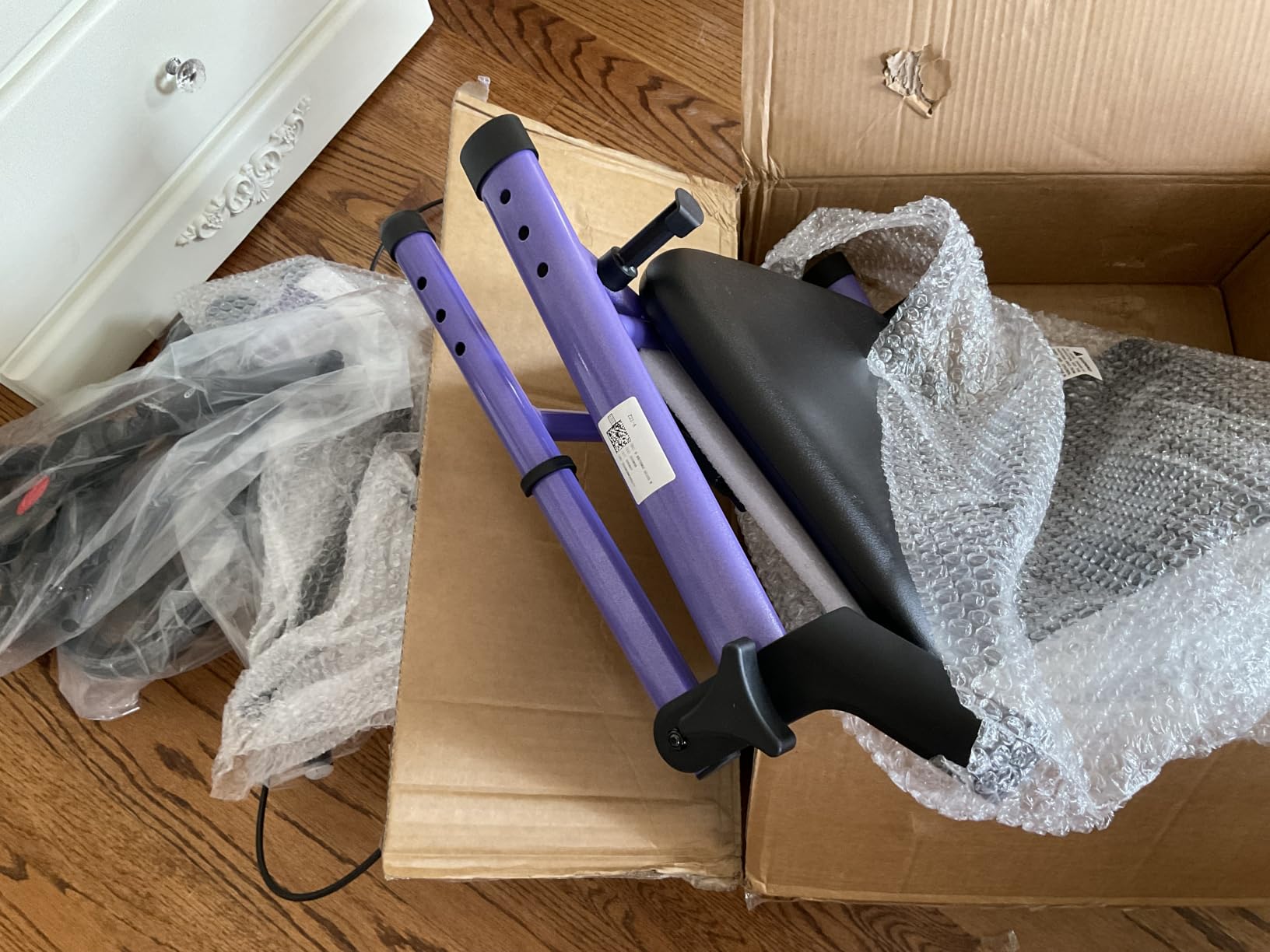
This carries a 4.7 average rating across more than 7,600 reviews, tied for the highest in the guide, and the reason is not a feature, it is the weight. At roughly 15.6 lb the aluminum frame sits in the light half of this group, and a caregiver can lift it into a trunk with one hand.
The one-handed side-to-side fold is unusually good. The frame collapses and stands upright on its own, so it does not fall over in a trunk or lean against a wall taking up floor space. Low profile proportions also mean fewer doorway conflicts than the wider steel frames.
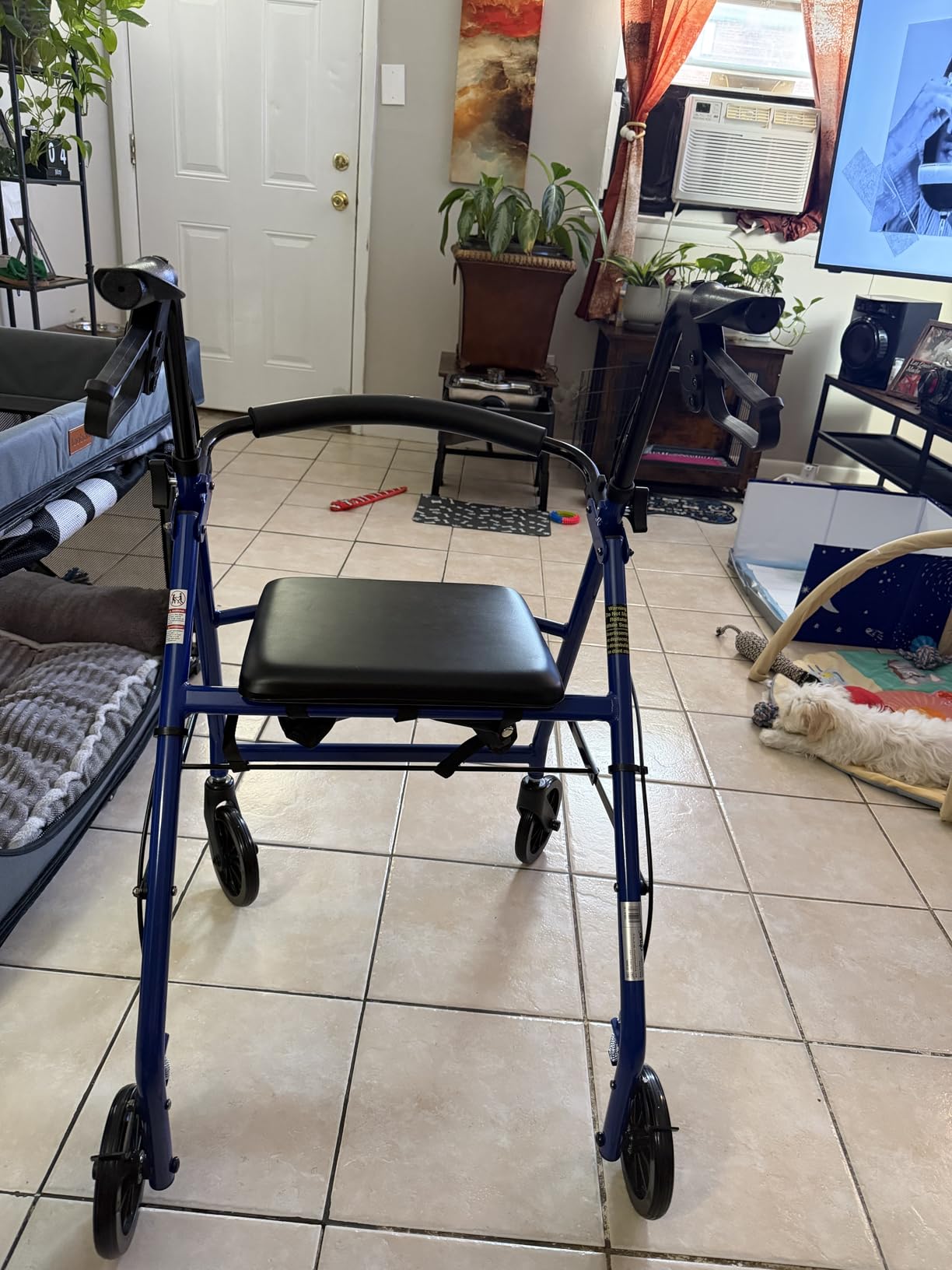
The padded seat comes with a storage pouch large enough for a purse, and the hinged backrest folds up or down depending on whether the user is walking or resting. A 300 lb capacity is more than enough for most adults.
The catch is the brake design. The wheels lock by squeezing the loop levers and stay locked only while the squeeze is held, so there is no separate parking brake for sitting down. Two smaller issues: the rear wheel width is fixed, and the brake cables can snag at the lowest handle setting.
When the weight difference is decisive
Travel, taxis, cruise cabins and any household where one person loads and unloads the rollator several times a day. Cutting several pounds off a frame is the single change that most often turns a stored mobility aid into a daily one.
Where a lighter frame wins
Look elsewhere if the user needs to sit down without a second hand free to hold the brake, or if they plan to walk cobblestone and rough ground where 6 inch wheels transmit every stone straight up through the frame.
5. Medline Lightweight Aluminum Rollator: Best for Shorter Users
Medline Aluminum Rollator Walker with Seat, Purple, 250 lb. Weight Capacity, Lightweight, 6” Wheels, Foldable, Adjustable Handles, Rolling Walker for Seniors
Aluminum frame
250 lb capacity
14 lb
6 inch wheels
12 x 12 inch seat
Pros
- Low weight with a 14 lb aluminum frame
- Seat height suits shorter users
- Brakes hold reliably when seated
- Many color options
Cons
- Paddle handles can catch on jacket pockets
- Under-seat bag straps let heavier items fall out
- Lowest capacity in this group at 250 lb
The reason this model shows up so often in the transition from a heavier steel rollator is the two-pound drop in weight combined with a lower seat height. Buyers switching up often cite exactly those two numbers as the deciding factor.
Brakes lock reliably and hold the frame steady when the user sits, which is the safety property that matters most on a rollator. It rolls smoothly over tile, carpet and hardwood and turns easily in a hallway.

The handle shape deserves a warning. The paddle-style grips can catch a jacket or hoodie pocket when the user pushes up from the seat, and a snag at that exact moment is a real fall risk in a way that almost no other complaint on this list is.
The under-seat bag is also a disappointment. Its short hook-and-loop straps let heavier contents detach and drop out, so it is fine for a light shopping bag and not much more.
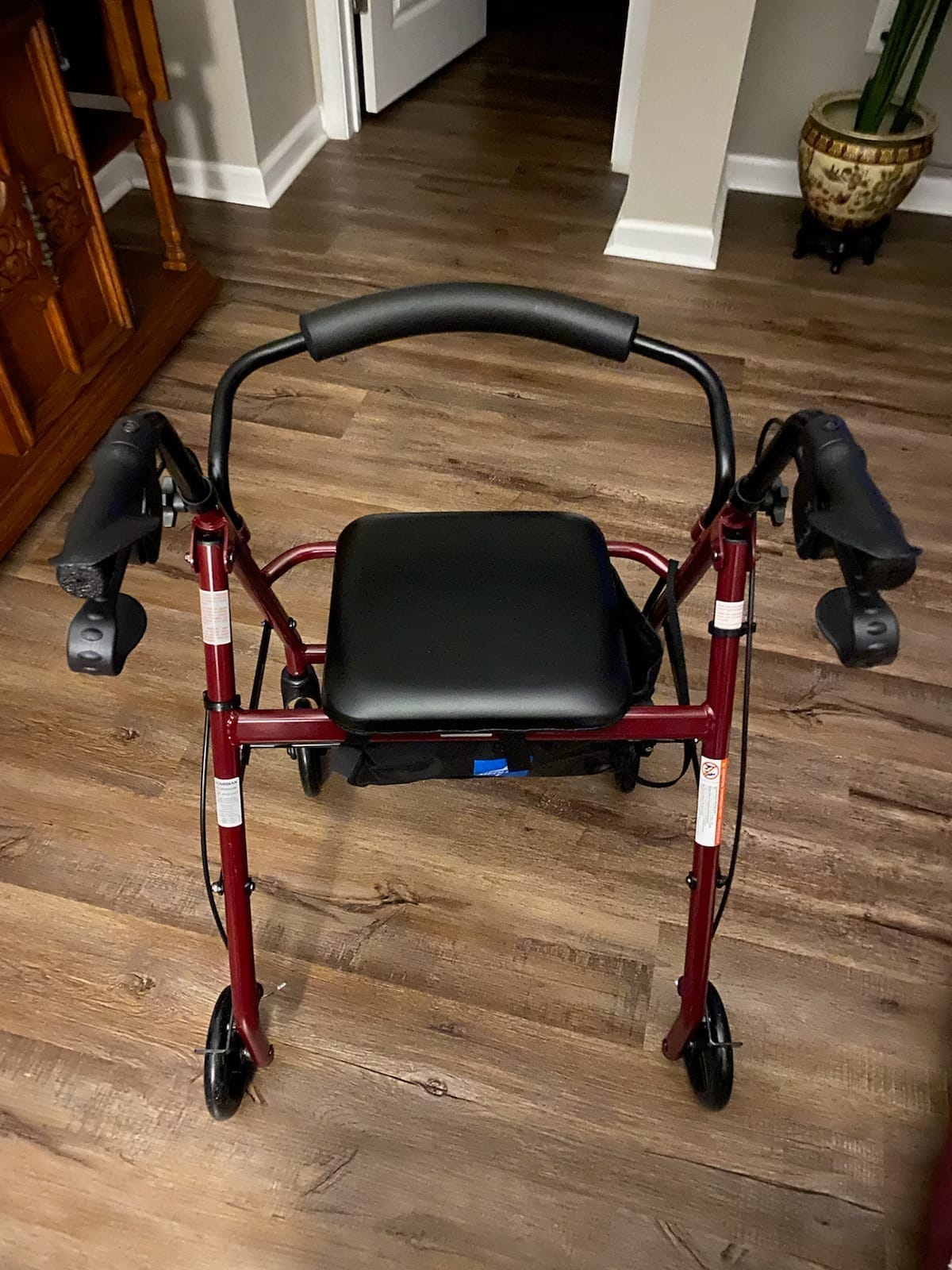
Check seat height first with shorter users
A seat set too high forces the user to dangle or to slide down, which is uncomfortable and unstable. This frame suits a shorter adult better than most, so measure the distance from the seat to the floor with shoes on before ordering anything else.
When capacity rules it out
Look elsewhere above 250 lb, since that is the lowest capacity in the group and there is no headroom. Anyone wearing coats with deep pockets on a regular basis should also look at a loop-brake model with closed handle ends.
6. HOMLAND Extra-Wide Seat Rollator: Best for Wider Bodies
HOMLAND Foldable Rollator Walker with Seat for Seniors, 16″ Enlarged Seat
16 x 12 inch seat
8 inch wheels
20.4 lb
Handle 33-40 in
Fits 4 ft 7 in to 6 ft 6 in
Pros
- 16 x 12 inch seat on a 1.6 inch cushion
- Height range fits users from 4 ft 7 in to 6 ft 6 in
- 8 inch wheels clear thresholds and uneven ground
- Pinch-proof folding and lifetime frame coverage
Cons
- Heavier at 20.4 lb
- Large folded footprint
- 22 inch wide frame is bulky indoors
This rollator exists to solve a specific and common problem: a standard 12 inch rollator seat is too small to sit on comfortably, so the user ends up perching on the front edge with their feet hanging. The 16 by 12 inch seat here is wide enough to actually sit back on.
The height range is the other standout. Seat height adjusts from 20 to 23 inches and handles from 33 to 40 inches, which covers users from 4 ft 7 in to 6 ft 6 in.
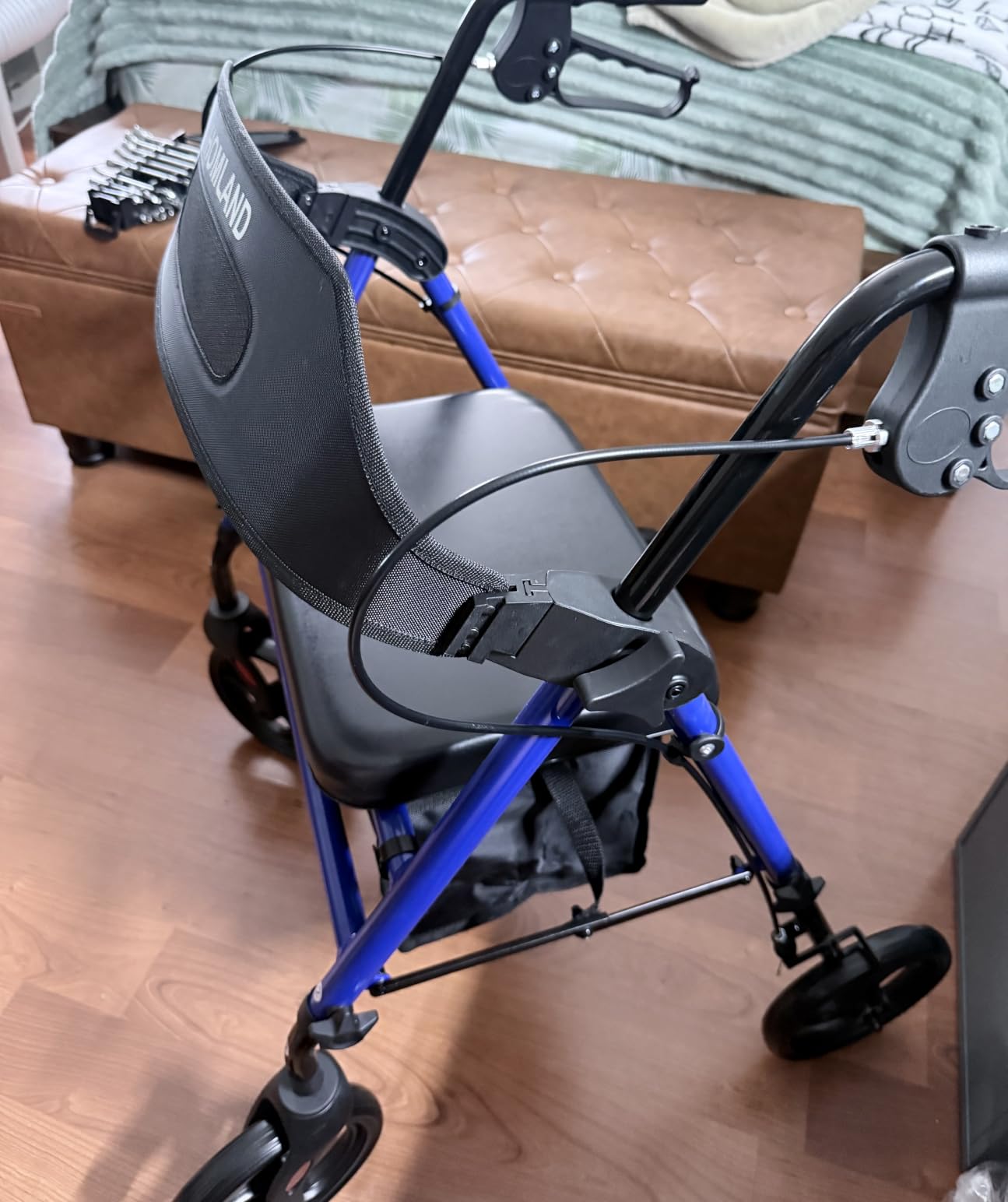
Tri-angle load-bearing geometry with dual-reinforced front supports gives a frame that does not flex when the user pushes up from the seat. The pinch-proof folding mechanism encloses the joints, which matters when the person folding it has limited hand control.
Assembly is tool-free, and the metal frame carries lifetime coverage with a year on non-metal parts. Reflective strips on the front casters help with evening walks, and the 8 inch wheels handle thresholds better than 6 inch models.
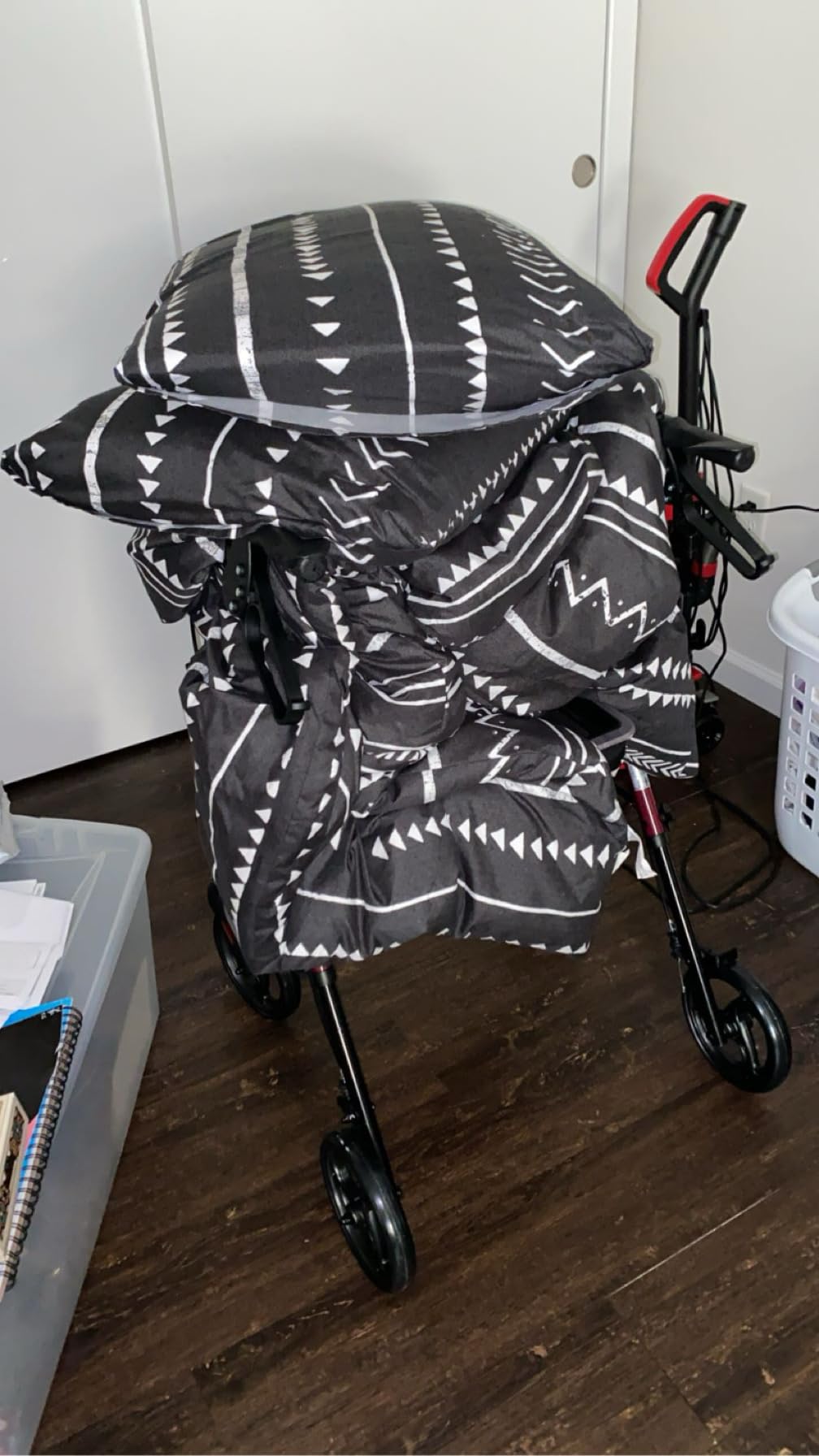
Measure the doorway before ordering a wide frame
A 22 inch wide frame clears most standard interior doors but not every one, and the folded package is 33 by 25 by 11.5 inches. Walk the route from the bedroom to the car and note the tightest gap before committing to a model this size.
When weight rules it out
Look elsewhere if a caregiver must load and unload it alone, because 20.4 lb is at the wrong end of this list for one-handed lifting. It is also unnecessary if the user is under about 250 lb, where a lighter aluminum frame will serve them better.
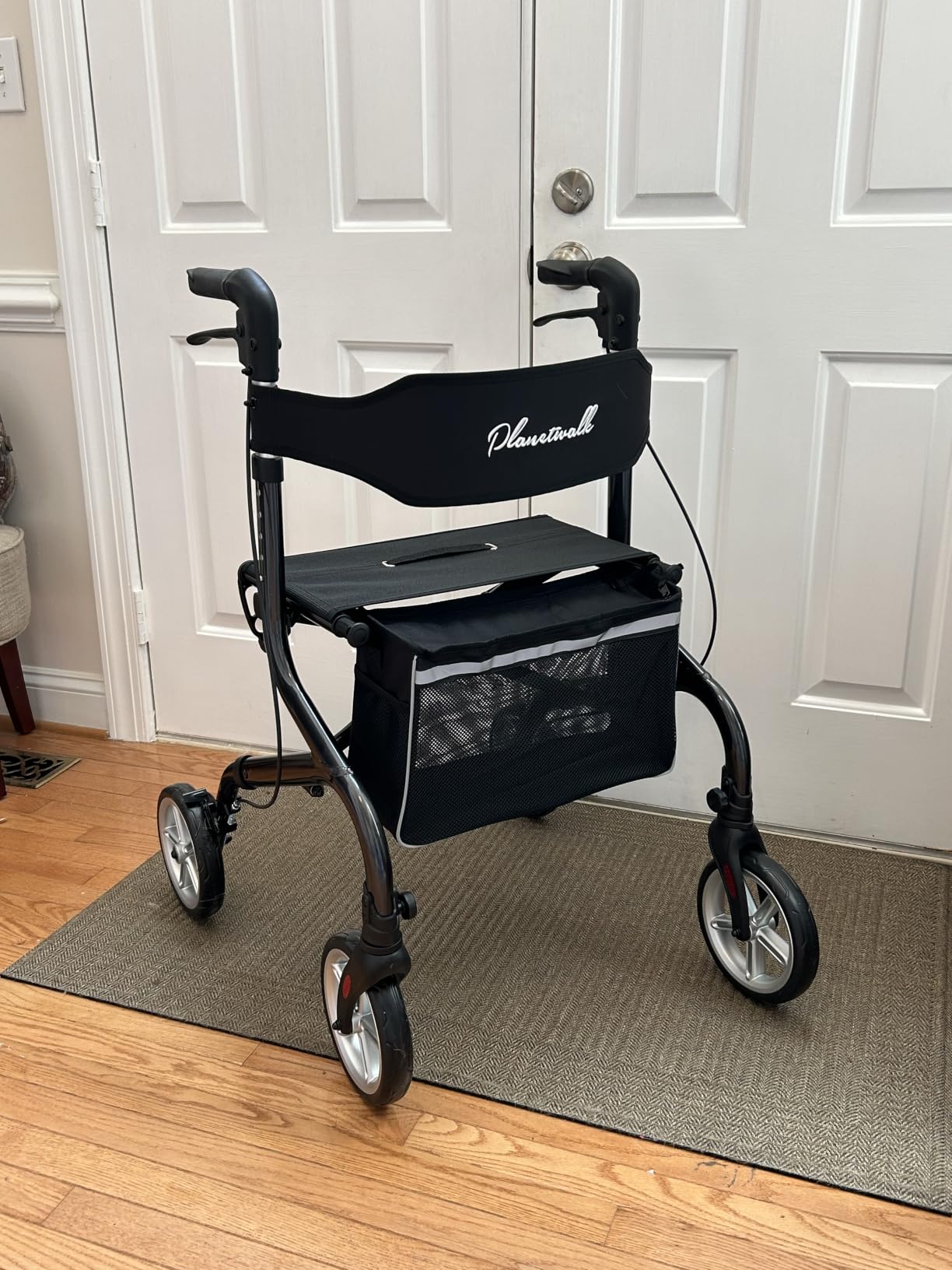
7. PLANET WALK Super Lightweight Rollator: Best for Travel
PLANET WALK Super Lightweight Rollator Walker for Seniors, Foldable Rolling Walker with Seat and 8″ Rubber Wheels for All Terrain, Unique Design Aluminium Frame Sturdy Walkers for Traveling – Blue
13 lb aluminum frame
Rated to 300 lb
8 inch rubber wheels
Folds to 26.5 x 10.9 x 35 in
Pros
- A 13 lb frame
- lighter than most steel models
- Handles detach for smaller trunks
- Stylish design users are not embarrassed to carry
- Two-way parking brake with dual brakes
Cons
- Seat sits high for users under about 5 ft 3 in
- Large folded footprint
- Minimal tread on smooth floors
At 13 lb this is the frame built around travel, roughly half the weight of many of the steel models on this list. Owners credit the detachable handle design, which lets the rollator split into smaller pieces for a compact trunk or a cabin bag.
The design also matters more than buyers expect. People who use a mobility aid in public often report the same anxiety about visibility, and a modern-looking frame with color options goes a long way toward a rollator that gets used rather than hidden.
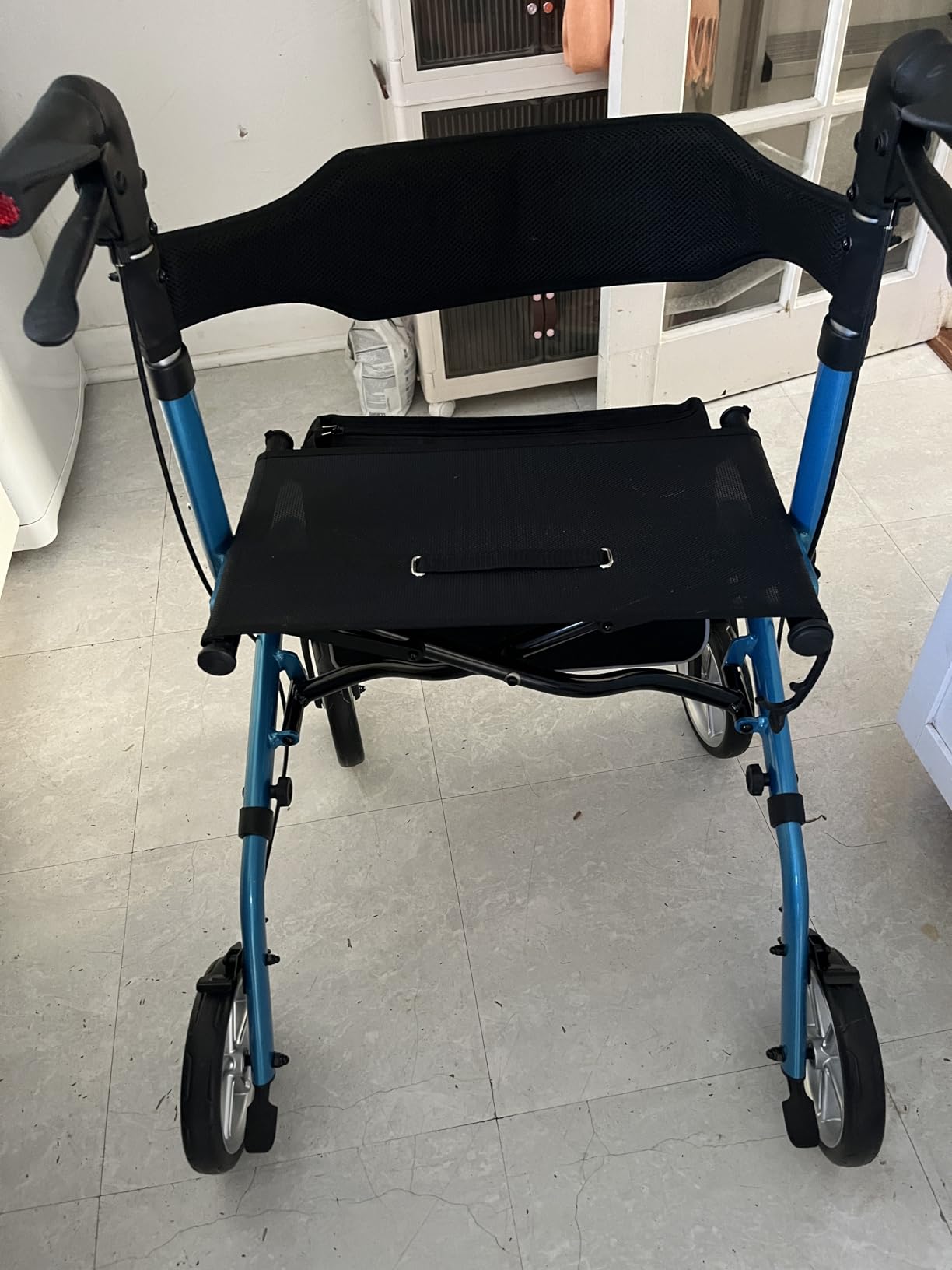
The four 8 inch anti-skid rubber wheels handle rough ground, and the two-way parking brake holds the frame steady when the user sits. The seat is an 18.5 inch wide breathable panel, wide enough to leave real foot room without catching on the frame.
Fit is the issue. Handles adjust from 35 to 39 inches, which suits users between roughly 4.8 and 5.8 feet, and shorter users report that the seat sits too high for their feet to reach the floor. That is the single most common complaint in the reviews.
Check the seat-to-floor measurement, not the handle height
Before buying, have the user sit on a chair of similar height and measure the drop to the floor. If it is more than a few inches, this frame will not work no matter how well the handles adjust, because the seat height is fixed relative to the frame.
When a taller-user model is needed
Look elsewhere for users under about 5 ft 3 in or over 5 ft 10 in, since the 35 to 39 inch handle range will not fit them. The rating here is also the lowest in this group, so read the fit complaints carefully before ordering.
8. MAXWALK 12 Inch All-Terrain Rollator: Best for Rough Ground
MAXWALK Rollator Walker for Seniors with Seat, 12″ All Terrain Wheels, Gold
12 inch front and 10 inch rear wheels
300 lb capacity
20.3 lb
Seat height 22.2 in
Pros
- Largest wheels in the group clear gravel and grass
- Built-in cable routing stops brake lines catching
- Removable cup holder and storage pouch included
- Five-level handle adjustment
Cons
- Heavy at 20.3 lb
- Handles top out at 37.4 inches for tall users
- Fold and adjustment need some strength
Nothing else in this guide clears ground the way 12 inch front wheels do. Gravel driveways, grass, uneven paving and rough park paths are where smaller wheels stutter, and this is the model to pick if the walk includes more than a sidewalk.
The built-in brake cable routing is a small detail with a real safety payoff. Cables that run loose along the frame are the ones that snag on door frames and get caught underfoot, and this model routes them inside the frame.
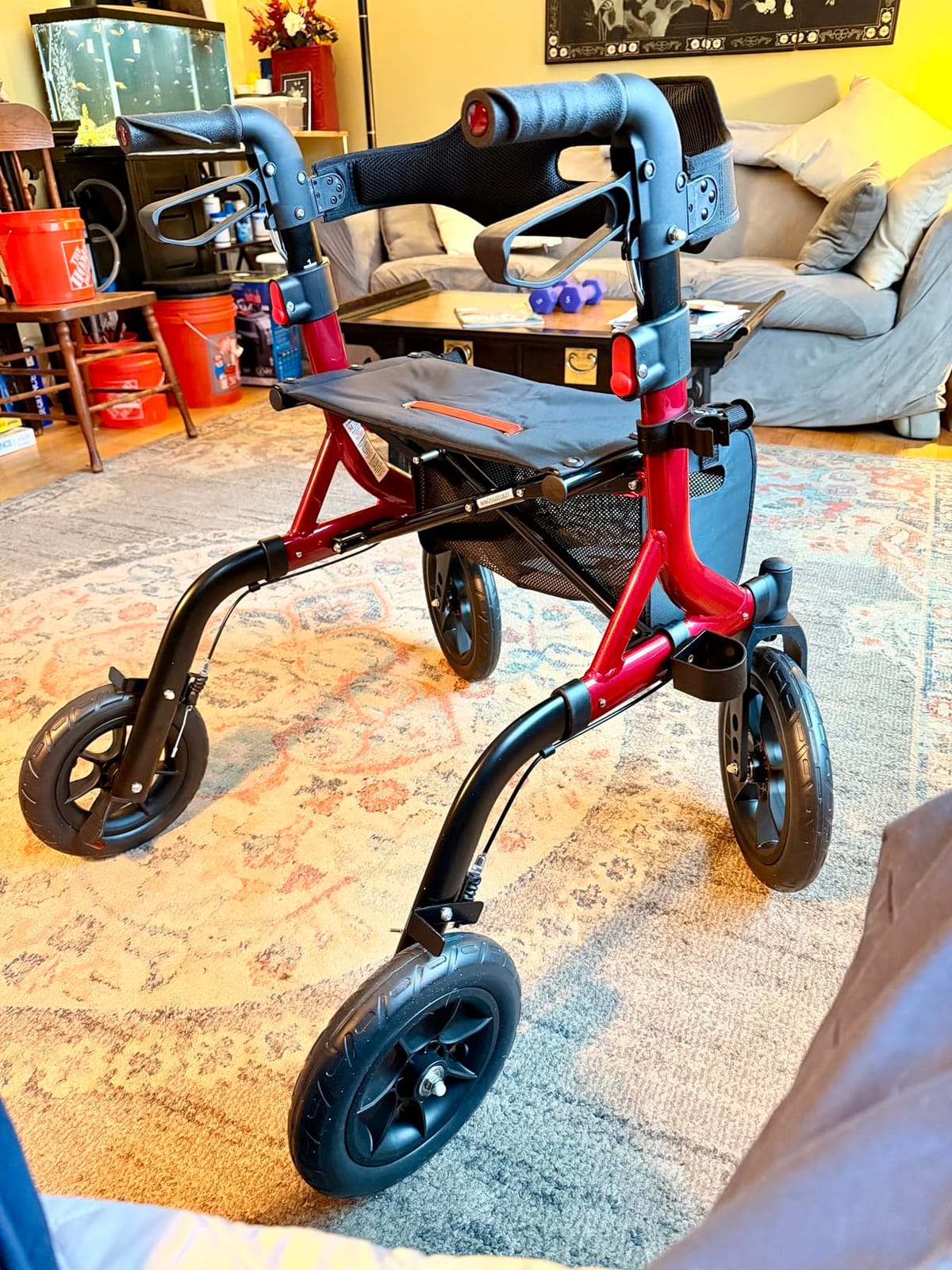
The padded seat sits at 22.2 inches, and the triangular aluminum frame is rated to 300 lb. A removable cup holder and a storage pouch come in the box, which is uncommon at this level and saves buying accessories separately.
At 20.3 lb it is not a one-hand load, and the handle range stops at 37.4 inches, so very tall users will not get the posture they need. The fold and adjustment levers also ask for a bit of arm strength.
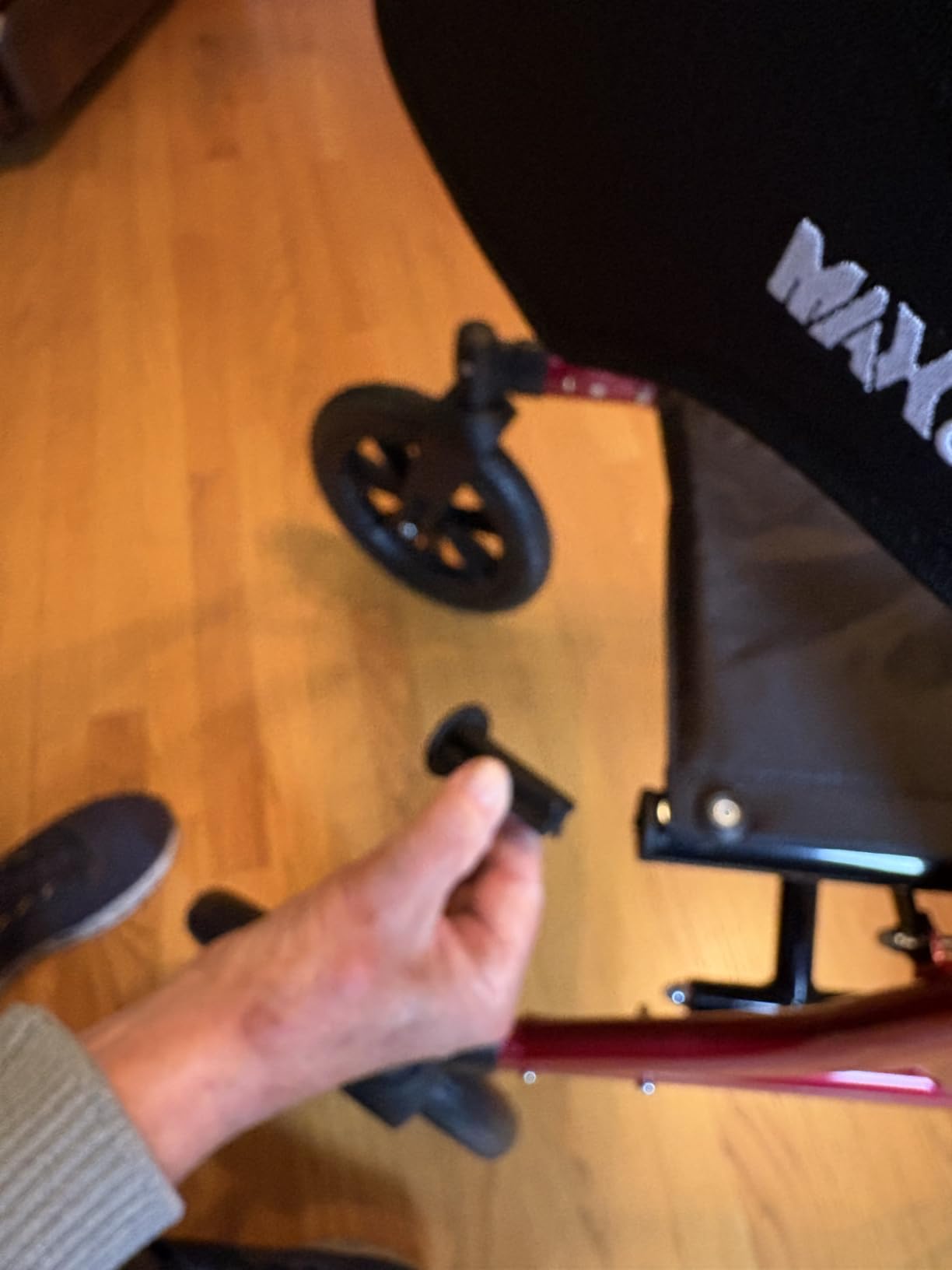
Wheel size is the deciding factor outdoors
If the route includes loose gravel, grass or uneven stone, wheel diameter matters more than any other specification on this page. Moving up from 6 to 8 to 12 inches reduces the jolting that reaches the user, though it also widens the frame and adds weight.
When small wheels rule it out
Look elsewhere for apartment living, where large wheels make a wide turning radius a problem in tight hallways. Very tall users should also avoid it, since the handle range ends below where they need it.
9. Stander Space Saver Rollator: Best for the Smallest Fold
Stander Space Saver Rollator, Lightweight Folding Rolling Walker with Seat for Seniors & Adults, 4-Wheel Mobility Aid with 6-inch Wheels, Locking Brakes & Padded Seat with Backrest, Black Walnut
Folds to 10 x 11 in
14.5 lb
Sling seat rated to 250 lb
Handles 33-36 in
Pros
- Folds to a 10 x 11 inch footprint
- Light at 14.5 lb
- Arrives fully assembled
- Suit for travel and cruise cabins
Cons
- 6 inch wheels struggle on cobblestone
- Narrow sling seat with a minimal back strap
- Handles top out at 36 inches
- Protruding rear wheels catch on furniture
Folding to a 10 by 11 inch footprint is the feature that separates this from everything else here. It fits behind a car seat, in a taxi trunk and in a cruise cabin, which is why it keeps appearing in travel answers even though it is one of the older designs.
It arrives pre-assembled, so there is nothing to put together, and at 14.5 lb most users can carry it themselves rather than needing a caregiver to load it.
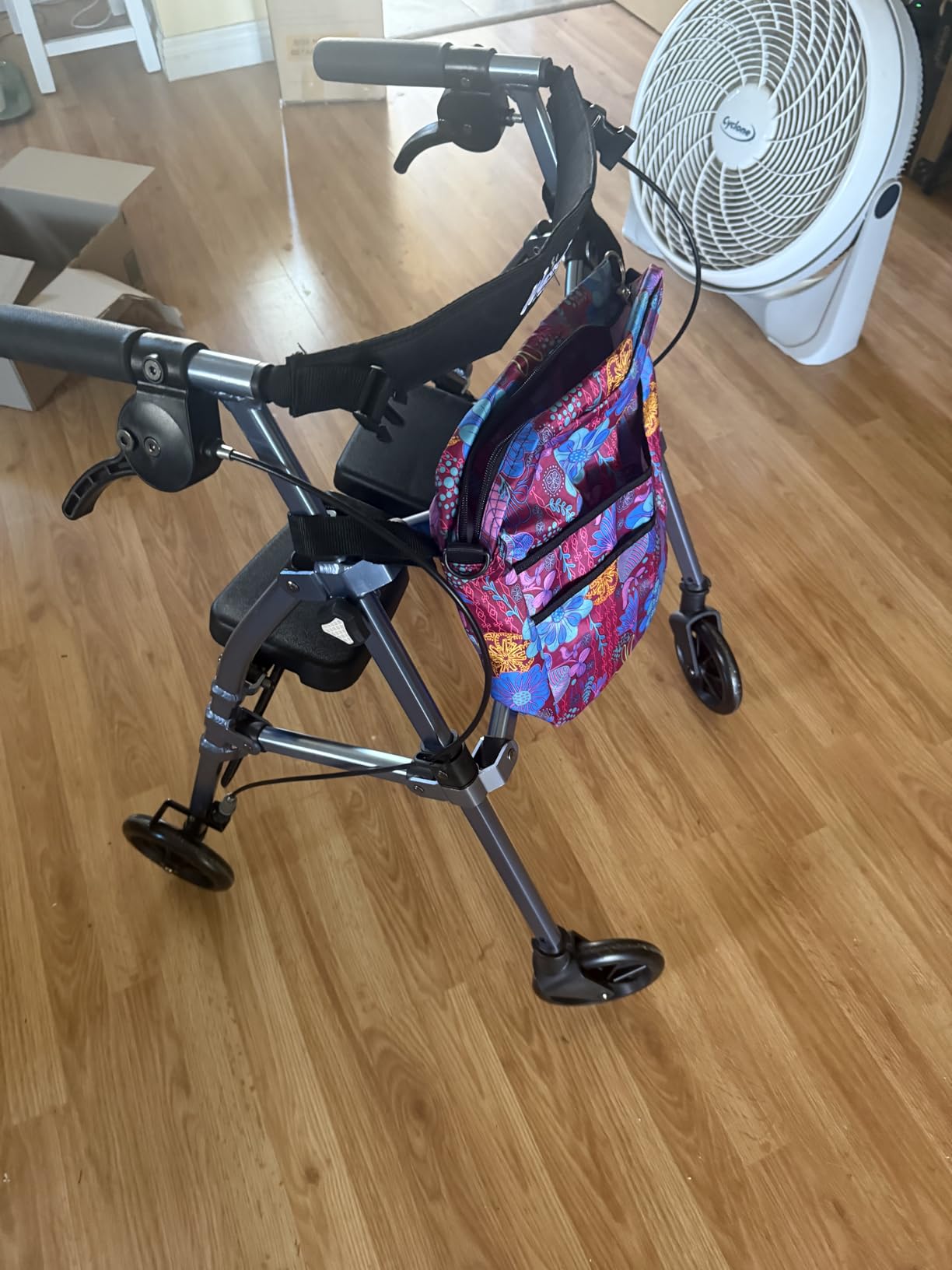
Rear locking brakes hold the frame steady when the user sits, which is exactly what a sling seat needs. The non-slip perch seat with a back strap gives a real place to rest in a store or a museum without carrying a separate chair.
Be clear about what it is. The seat is a narrow 18.5 by 6 inch sling, good for a short pause but not for a long rest, and the 6 inch wheels have a reputation for catching between cobblestones. The rear wheels also protrude and catch on chair legs.
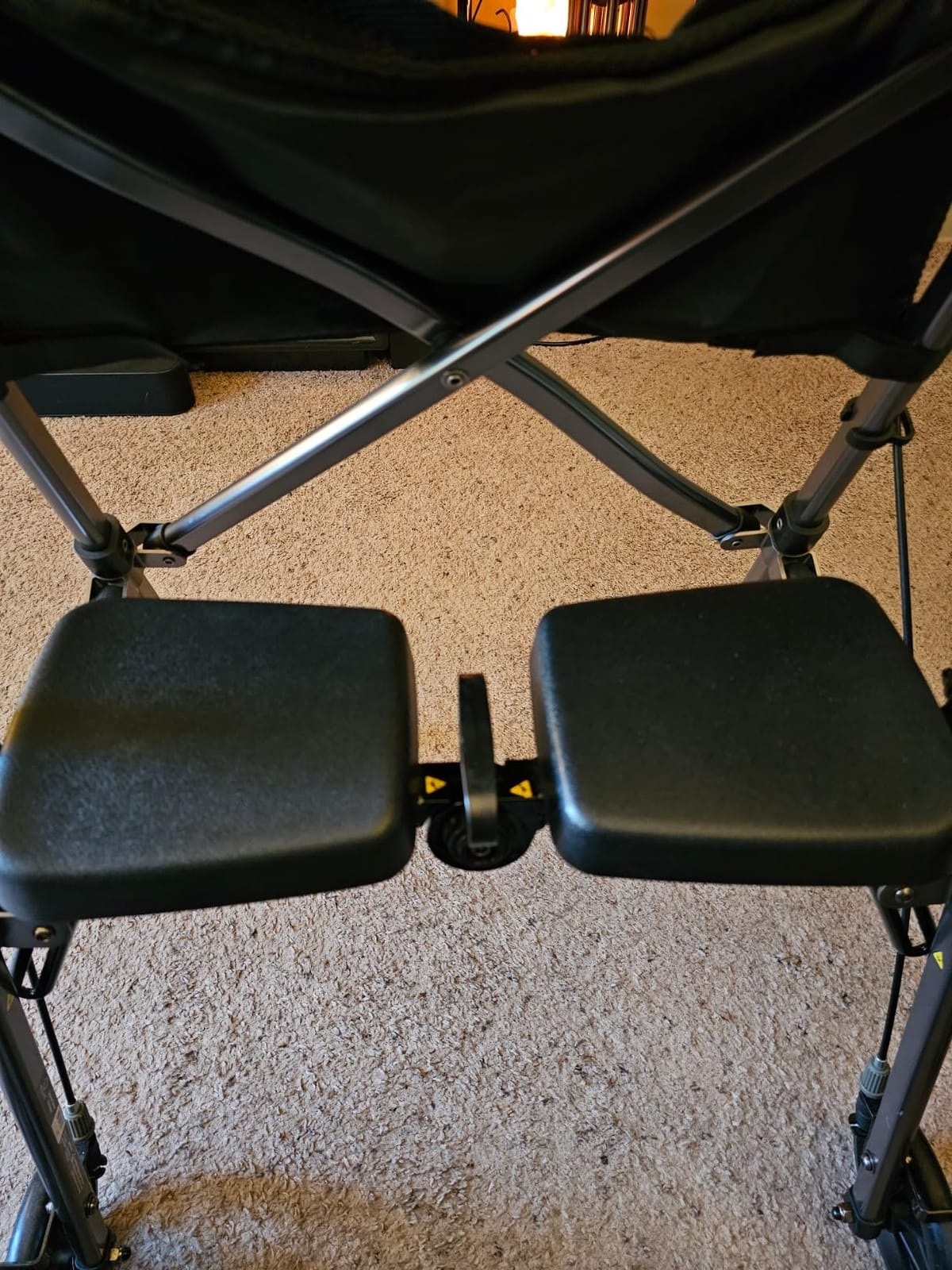
Folded size decides whether it actually gets used
A rollator that lives in the trunk gets used. One that has to be wrestled into a back seat or carried down a flight of stairs stays in the closet, and for frequent travelers that compactness matters more than seat comfort.
When a longer-range frame is needed
Look elsewhere for anyone who needs a supportive backrest, sits for long periods, or walks on stone and cobblestone surfaces. It is also a poor choice for users either side of the 33 to 36 inch handle range.
10. Medline 8 Inch Wheel Aluminum Rollator: Best for Flat Folding
Medline Aluminum Rollator Walker, Burgundy, 300 lb. Weight Capacity, 8” Wheels, Adjustable Height Handle, Padded Seat & Backrest, Rolling Walker for Seniors and Mobility Impaired
Aluminum frame
Rated to 300 lb
8 inch wheels
14 lb
Seat height 20.5 in
Pros
- Folds completely flat against a wall or into a trunk
- Light 14 lb aluminum frame
- Push-down brake handles lock with an easy grip
- Padded seat with cushioned backrest
Cons
- Handle range of 31-35 inches suits mid-height users
- Standard 12 x 12 inch seat
- Backrest is a simple cushion
- No cup holder included
The distinguishing feature is that the frame folds completely flat rather than into a standing bundle. Owners who live in small apartments value being able to slide it against a wall or lay it in a trunk instead of parking it upright in a walkway.
At 14 lb with a 300 lb rating, it is a rare combination of light weight and headroom above the user’s body weight. The 8 inch wheels handle a mix of indoor flooring and pavement without the extreme bulk of a 12 inch wheel.
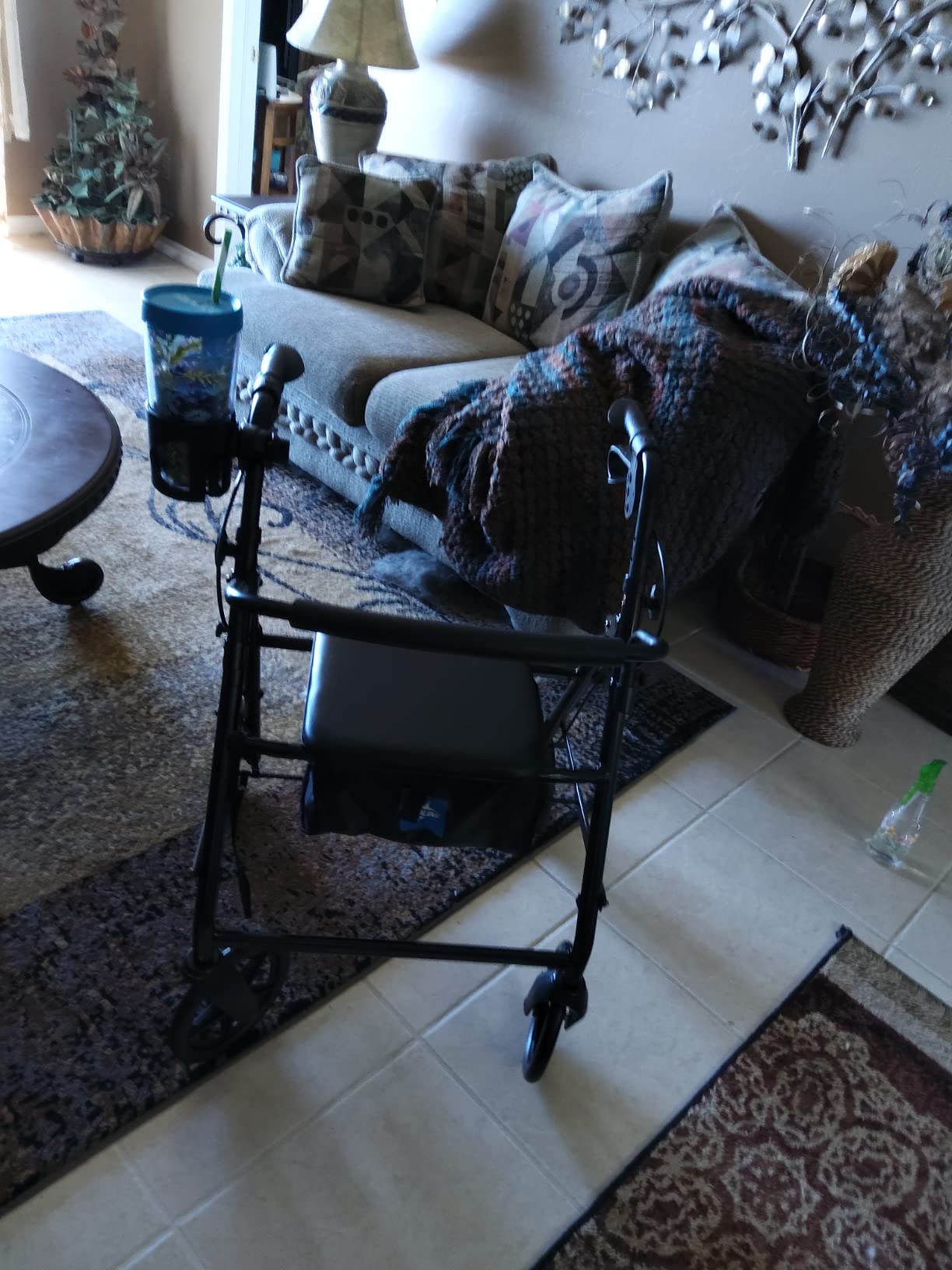
The push-down brake handles lock the frame immediately and release just as simply, which is easier for weaker hands than squeezing a loop and holding it. The padded 12 by 12 inch seat sits at 20.5 inches with a cushioned backrest and an under-seat bag.
The handle range of 31 to 35 inches is the main fit limitation, since it does not suit very tall or very short users. The seat is standard width and the backrest is a cushion rather than a supportive sling, and no cup holder or tray is included.
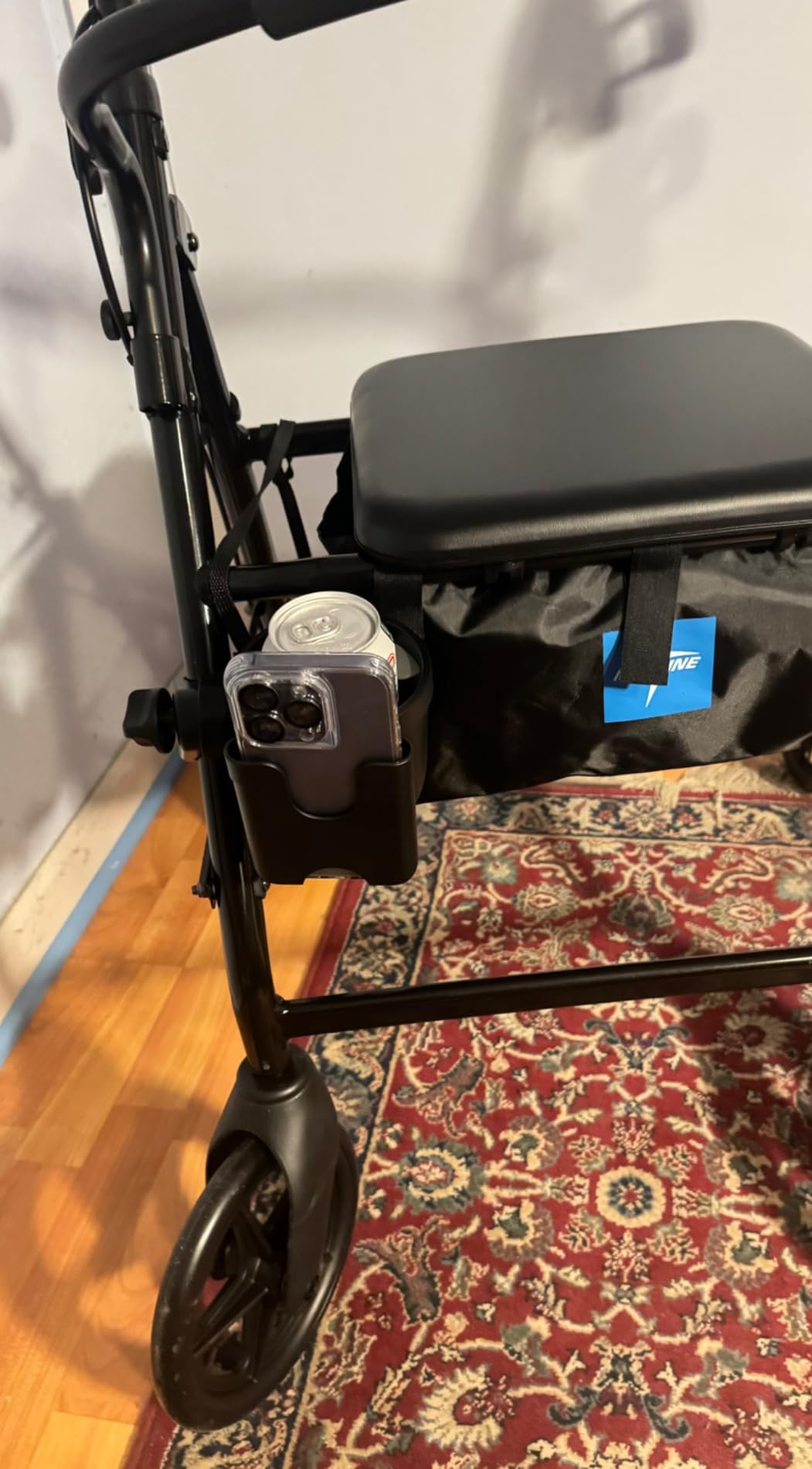
Push-down brakes are easier on arthritic hands
Locking a loop brake means maintaining a squeeze, which tires hands that already have grip weakness. A push-down lever locks and releases in one motion, and for users with painful hand joints that difference decides whether the brakes get used properly.
When a wider seat or taller range is needed
Look elsewhere if the user is at the tall or short end of the height range, or if they plan to use the backrest for long rests. Anyone who wants a cup holder should plan to add one, since it is not in the box.
11. soundfuse Rollator with Memory Foam Seat: Best for Dual-Mode Brakes
soundfuse Foldable Rollator Walkers for Seniors with Seat, 8” PU Wheels
Memory foam seat
300 lb recommended 350 lb max
8 inch PU wheels
17.6 lb
Seat 20-23 in
Pros
- Extra-wide memory foam seat for long rests
- Seat 20-23 in and handle 33-40 in
- Quiet 8 inch PU wheels with low vibration
- Assembles in 10 to 15 minutes without tools
Cons
- Heavier at 17.6 lb for one-handed loading
- Handle adjustment takes some effort
- Newer listing with a smaller review history
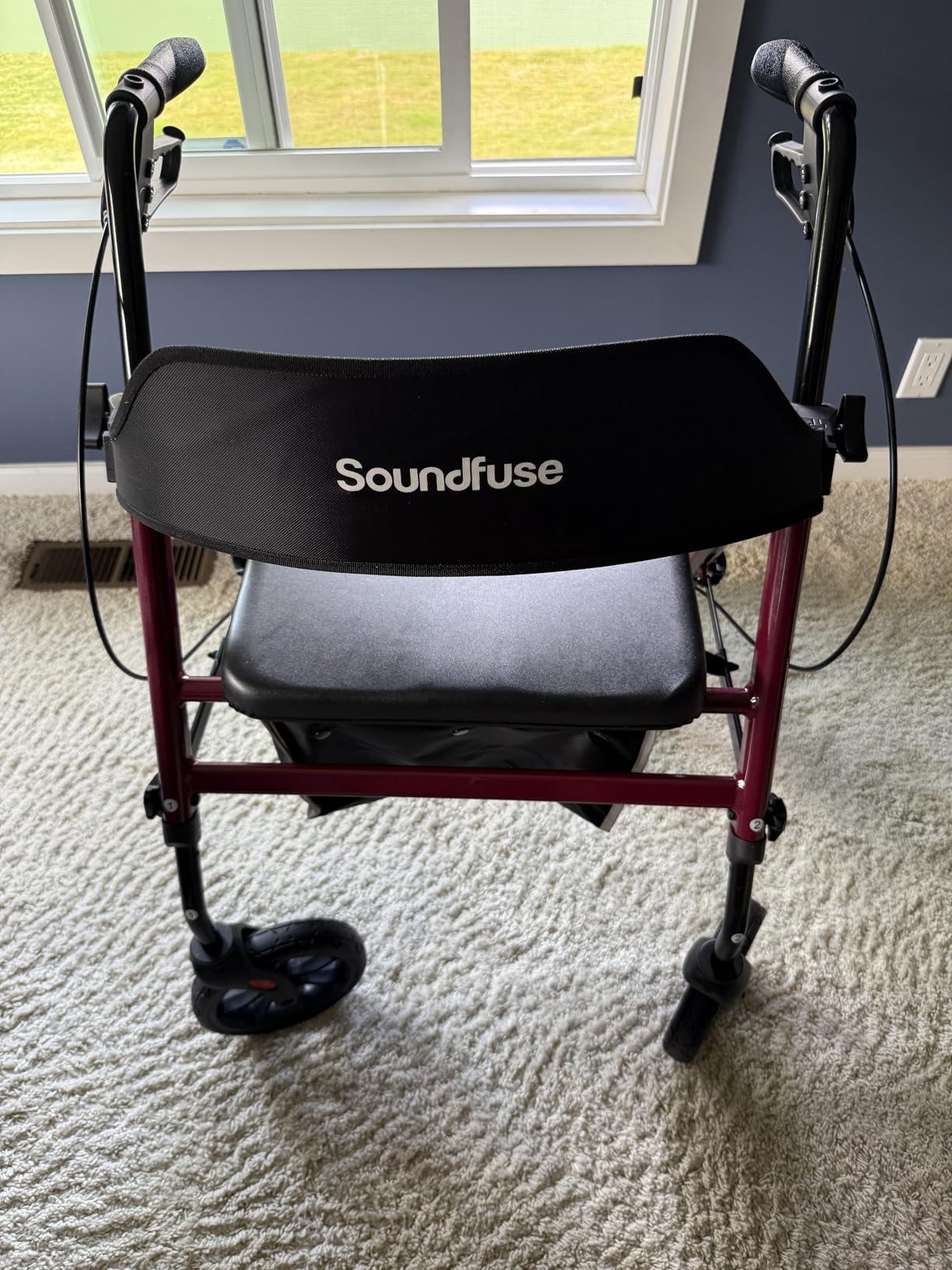
This is the dual-mode brake pick with a comfort advantage. Squeeze the levers to slow down and push them down to lock, in one brake system, and the extra-wide memory foam seat is aimed squarely at users who sit down during a walk rather than only at the end of one.
Seat height adjusts from 20 to 23 inches and handles from 33 to 40 inches, both independently, covering users from 4 ft 7 in to 6 ft 6 in. The frame is rated to a recommended 300 lb with a 350 lb maximum.
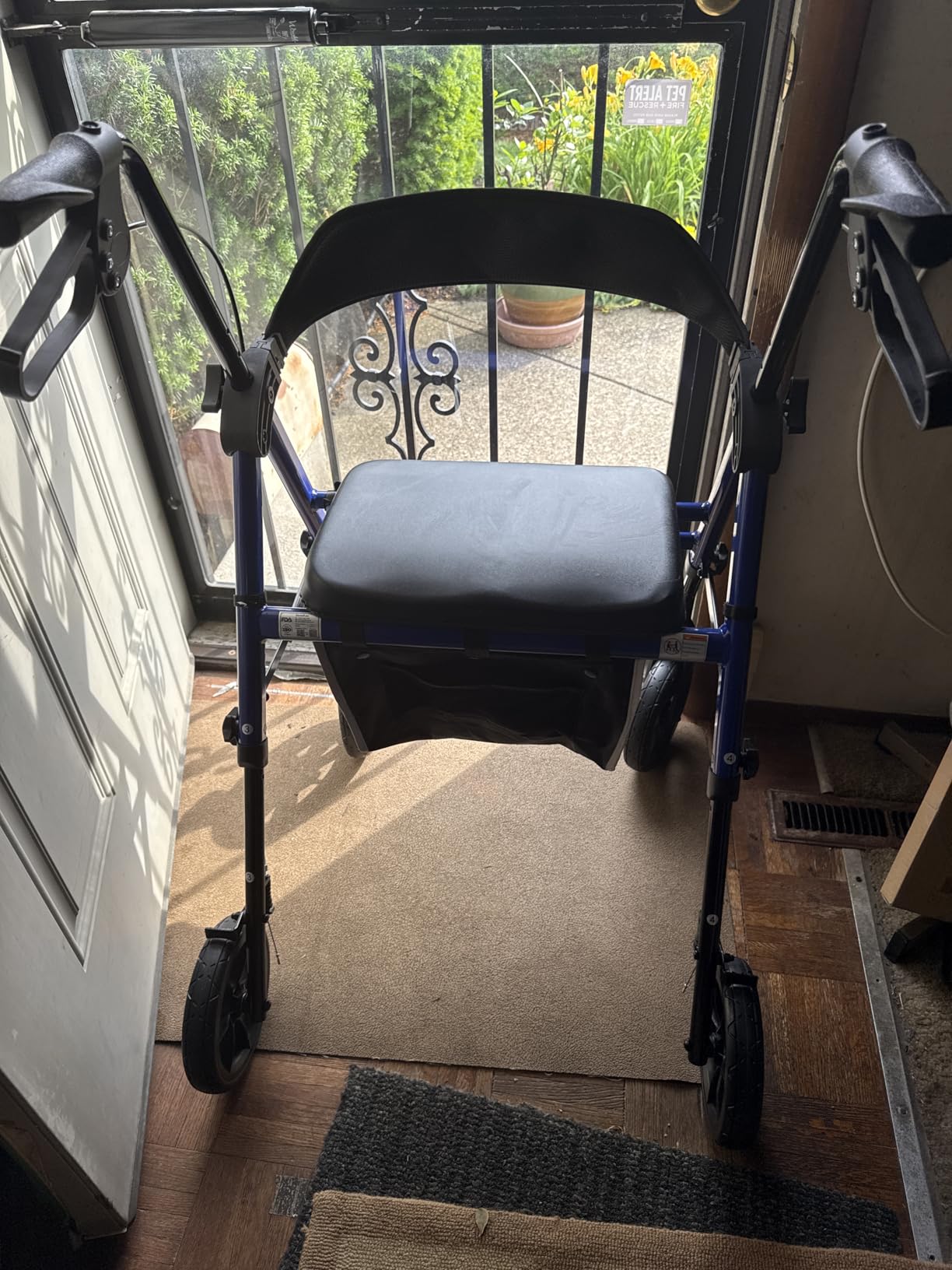
The 8 inch polyurethane wheels roll quietly with low vibration, which suits hard surfaces and neighbors. Dual-mode braking means squeeze to slow and push down to lock, and the enclosed folding points remove the finger pinch risk that causes real injuries during folds.
Reflective strips add visibility after dark, and the under-seat storage is large enough for a large purse. At 17.6 lb it is a two-hand load into a sedan, and the review base is younger than the established models on this list.
Who feels the memory foam seat the most
Users recovering from hip or knee surgery, and anyone whose doctor has flagged standing back up as the hardest part of the walk. Cushioning under the hips and thighs reduces the pressure that turns a rest break into the end of the outing.
When a lighter frame wins instead
Look elsewhere if the rollator must be lifted into a car by one person, and treat the 350 lb maximum as a ceiling rather than a daily target. Buyers who want a long-established service history may prefer a longer-running listing.
12. HOMLAND Bariatric Rollator 500 lb: Best for 500 lb Capacity
HOMLAND Bariatric Walkers for Seniors with Seat, 500lb Heavy-Duty Rollator
500 lb capacity
20 inch padded seat
24 lb
8 inch wheels
Handle 33-40 in
Pros
- A 500 lb rating
- above the 300 lb standard on most models
- 20 inch padded seat with a 5.5 inch backrest
- Reinforced carbon steel frame with double support bars
- Tool-free assembly
Cons
- Heaviest frame here at 24 lb
- 28.5 x 27 inch footprint is bulky indoors
- Bulk limits which car trunks it fits
Most rollators are rated to 250 or 300 lb, which leaves a real gap for larger adults. This frame closes it at 500 lb, paired with a 20 inch padded seat that a standard 12 inch perch cannot offer.
The reinforced carbon steel frame uses double support bars along the front legs, which is what makes the rating credible rather than a sticker. Hand brakes are sensitive and include a parking lock, and the 8 inch anti-slip wheels handle grass, gravel, carpet and pavement.
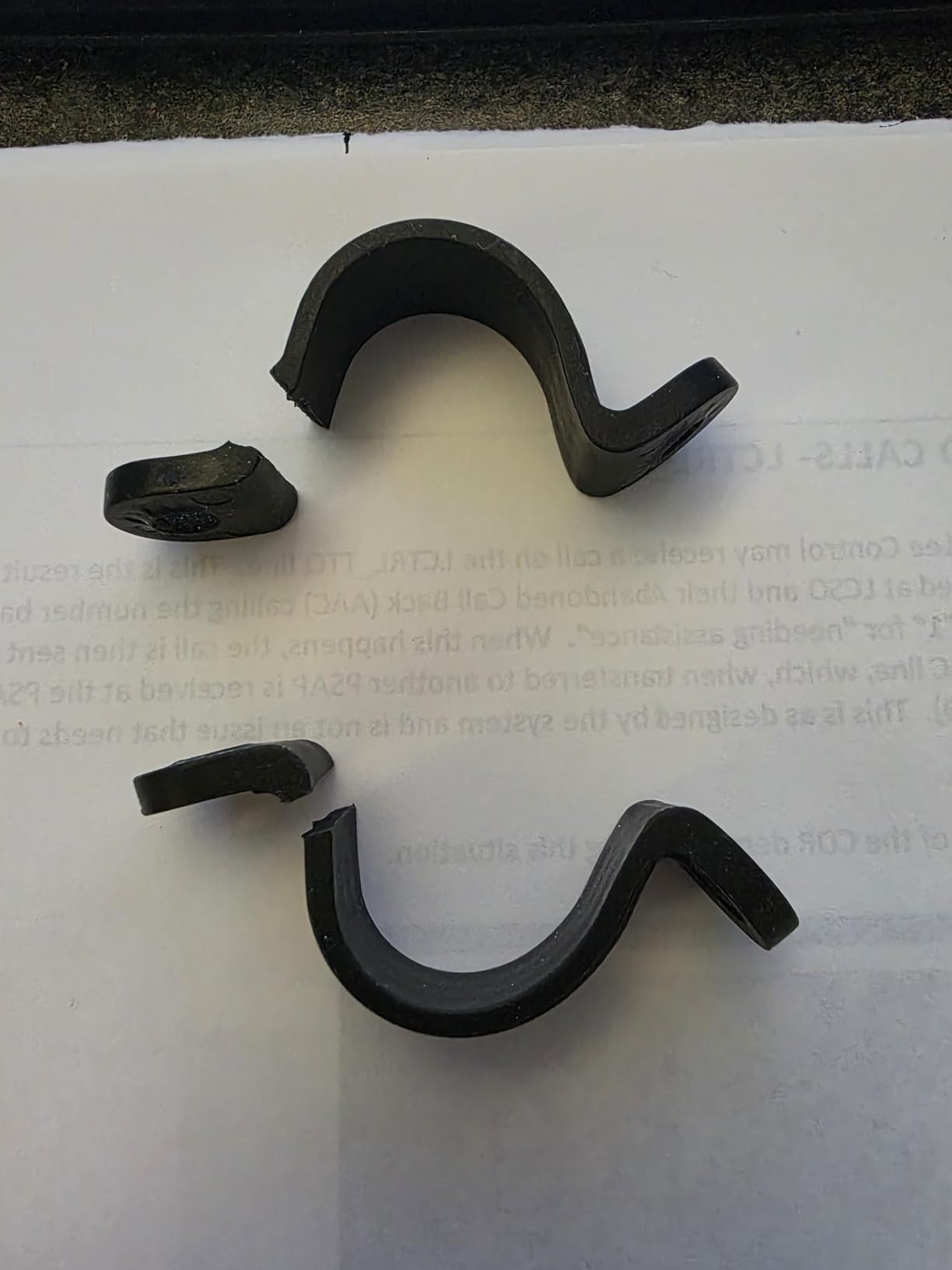
Handle height runs from 33 to 40 inches and seat height from 20 to 23 inches, covering users from 4 ft 7 in to 6 ft 5 in. Reflective strips, enclosed folding joints and ergonomic non-slip handles that reduce hand fatigue round out the safety details.
At 24 lb it is the heaviest model here, and the 28.5 by 27 inch footprint is bulkier to steer through a doorway than a standard rollator, so measure the narrowest point in the home first.
Why a bariatric frame needs its own purchase decision
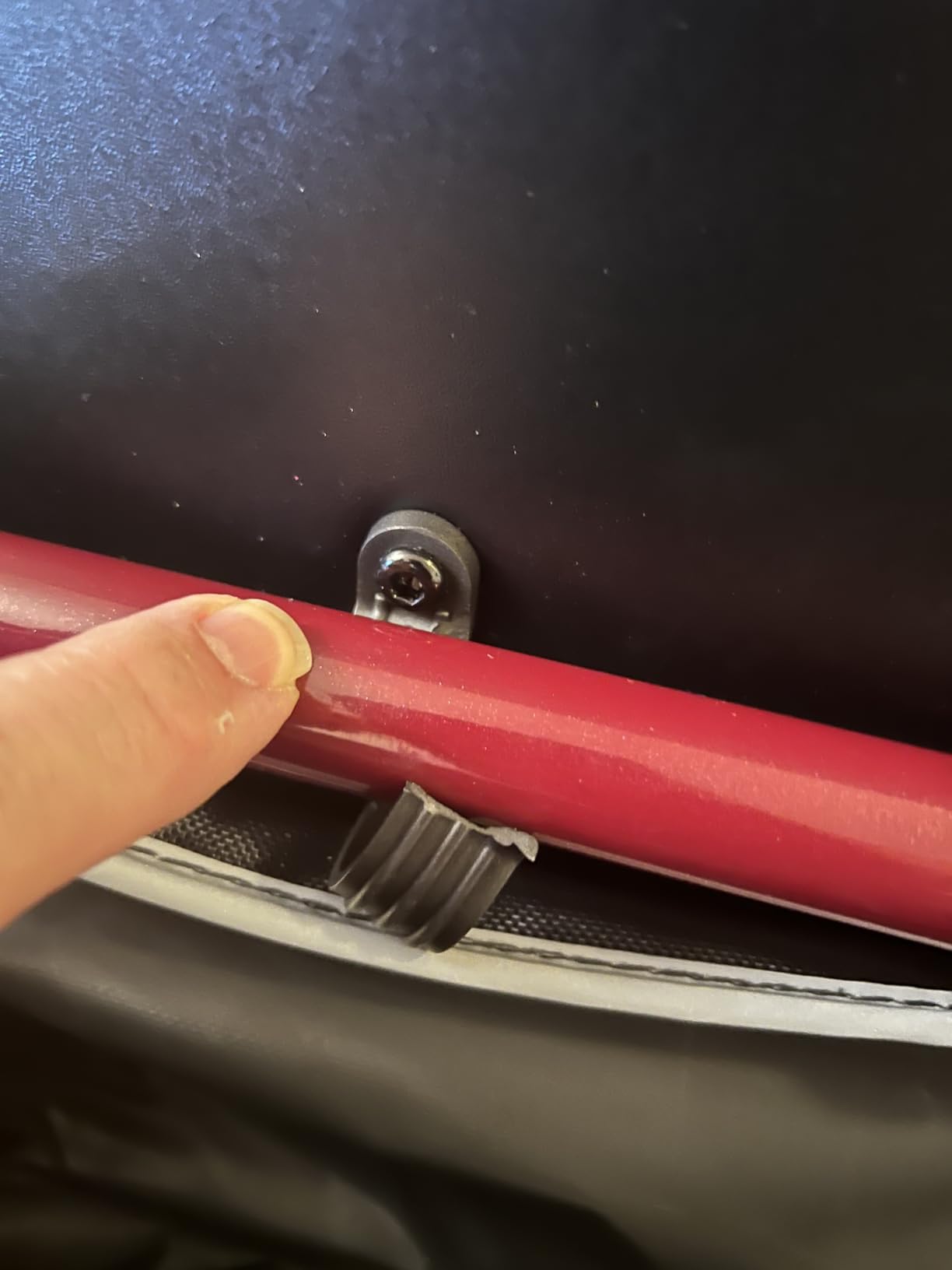
Buying under the weight limit is the single most common reason a larger user ends up with a broken rollator within months. A 500 lb rating with a 20 inch seat gives room to sit properly, which changes how long someone can comfortably walk at all.
When a lighter frame wins instead
Look elsewhere if the rollator has to be loaded into a small car or lifted by a frail caregiver, because 24 lb is beyond what most people can manage one-handed. For users under 350 lb, a lighter 300 lb-rated frame will be easier to live with daily.
How to Choose a Rollator: 7 Criteria That Matter
Weight capacity and the rollator’s own weight decide more outcomes than any other two numbers. Start there, then work through the rest in this order.
1. User weight capacity. Leave real headroom above the user’s body weight rather than buying the closest rating, because frames near their limit develop play at the joints under load. Standard aluminum models run 250 to 300 lb, steel frames reach 350 lb, and a bariatric frame is needed above that.
2. The rollator’s own weight. Anything under 15 lb can be lifted by many users into a trunk. Above 20 lb, plan on a caregiver or a ramp. This single spec decides how often the rollator actually goes outside.
3. Wheel size. Six inch wheels suit smooth indoor floors and level sidewalks. Eight inch wheels clear thresholds and rough pavement. Twelve inch front wheels handle gravel and grass, at the cost of weight and a wider frame.
4. Seat and handle height range. The handle should sit at wrist level so the user stands upright rather than hunched. A good rule is to stand in the rollator, shoulders relaxed, arms hanging naturally, then adjust. Anyone under 5 feet or over 6 feet 3 inches should check the published range before ordering.
5. Brake type. Loop levers give fine speed control but need a parking lock to sit down. Push-down levers lock and release in one motion and are easier for arthritic hands. Three-mode systems add a free-rolling setting for long pushes.
6. Folded size and vehicle fit. Compact models fold to around 10 by 11 inches, standard side-fold frames to roughly 33 by 25 by 11.5 inches, and wide bariatric frames need close to 28 by 27 inches of space. Measure the trunk and the tightest doorway in the home before choosing.
7. Frame material, seat padding and warranty. Aluminum keeps weight down and resists rust. Steel carries more weight but lasts longer under abuse. A seat cushion of at least an inch thick, a backrest that is a panel rather than a tube, and metal frame coverage are worth paying for.
On brakes specifically, expect to adjust them. The most common complaint in owner reviews across this whole category is that brakes arrive too stiff or too loose, and nearly every frame has a tension screw at the cable housing that takes ten minutes with the correct hex key.
When Not to Use a Rollator
A rollator is the wrong tool for several common situations, and saying so plainly saves money and prevents falls.
On stairs or steep ramps. A rollator is designed for level ground. Four wheels on a stair is a fall, not a shortcut.
With cognitive decline. Caregivers in dementia communities repeatedly recommend a plain two-wheeled walker instead, because a rollator with a seat invites sitting and because an unfamiliar device is more likely to be abandoned or lost.
For someone who cannot safely operate brakes. If a user cannot squeeze or push down a brake deliberately, the frame is not safe to sit on.
While pushing it over distance. Cruise forum members warn that prolonged pushing loads the wrists and can contribute to nerve problems in the hands and elbows. Anyone already dealing with wrist or carpal symptoms should be fitted by a professional.
As a transport chair. A rollator lets the user walk and rest. It is not designed to push an adult across a shopping centre.
For a fitting that accounts for posture, balance and home layout, an occupational therapist visit is the single most useful step, and it is often covered alongside a doctor’s order.
Does Medicare Pay for a Rollator Walker With Seat?
Yes, with conditions. Original Medicare covers a rollator walker as durable medical equipment when a doctor or other treating practitioner documents a mobility limitation and prescribes it, and standard Part B coverage applies rather than a separate category.
Requirements typically include that the item be medically necessary, prescribed in writing, supplied by an approved DME supplier, and not already available to the beneficiary from another source. A pharmacy counter sale is usually not reimbursable, so the order has to run through the supplier.
Plan for a 20 percent coinsurance on the Medicare-covered amount after the deductible is met, and confirm the specific model’s coverage with the supplier before purchase, since categories and codes vary. Families buying sight-unseen should ask the supplier about the return and exchange policy in writing before ordering.
Frequently Asked Questions
What are the best rollators according to Consumer Reports?
Consumer Reports coverage of mobility aids is behind a subscription wall and does not produce a public model-by-model ranking we can point to. Our picks come from manufacturer specifications, published weight and folded measurements, and the volume of real owner reviews behind each listing.
Does Medicare pay for a rollator walker with seat?
Yes, with conditions. Original Medicare covers a rollator as durable medical equipment when a doctor or other treating practitioner documents a need and prescribes it, and the item is supplied by an approved DME supplier under Part B. A 20 percent coinsurance usually applies after the deductible.
What is the highest rated rollator?
The Drive Medical Aluminum Rollator with 6 Inch Wheels holds a top average rating in our comparison at 4.7 across more than 7,600 reviews. Its lightweight aluminum frame is the main reason so many owners recommend it.
What is the best rollator walker for older people?
For most seniors we recommend the Drive Medical Steel Rollator with Seat, because its steel frame survives years of daily use and it carries the largest review base in the category. Lighter users who load a car themselves should choose the aluminum model instead.
What are the disadvantages of a rollator walker?
Common disadvantages are weight, a seat that is too small or too hard for long rests, brakes that need adjusting out of the box, a wide turning radius indoors, and the tendency for a user to skip the parking brake and sit down on unlocked wheels. Narrow sling-style seats draw repeated complaints.
Who would a rollator walker not be appropriate for?
A rollator is a poor choice for anyone on stairs or steep ramps, for someone who cannot reliably operate the brakes, and for a user with cognitive decline who may abandon the device. It is also not meant to push an adult across distance like a transport chair.
Our Recommendation
The Drive Medical Steel Rollator with Seat is the pick we return to most often, because a durable steel frame and the deepest review history in the category add up to a device that stays in daily service. Choose the Drive Medical Aluminum model when a caregiver cannot lift heavy frames, the VOCIC Z21 when sitting down mid-walk is the hard part, and the HOMLAND 500 lb model when the user is above what a 300 lb frame will carry.
Whichever one you pick in 2026, measure the user’s height, weigh the handling you can manage, and check the return policy before ordering on someone’s behalf. Those three checks prevent almost every regret we hear about.