
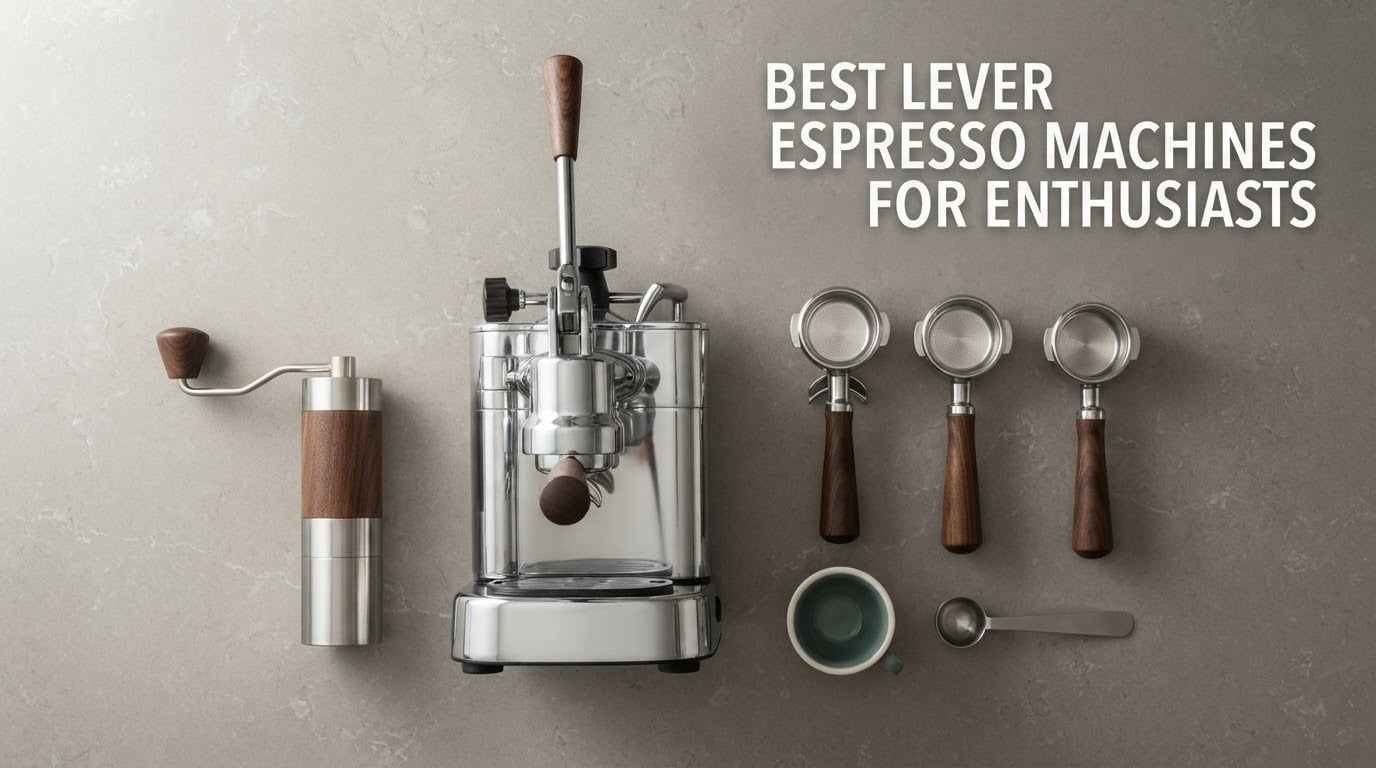
A pump-driven espresso machine fixes your pressure before you touch the portafilter. A lever machine hands the whole pressure curve to you, shot by shot, and that single difference changes everything from the way the puck is prepared to the way the last few millilitres taste.
That is why the best lever espresso machines attract a particular kind of buyer. Enthusiasts who already own a burr grinder, who know what a 1:2 ratio looks like in the cupping spoon, and who want to be able to stop a shot at eight bars, hold it at six, and feel exactly where the puck resists. This guide is written for that buyer. It skips the explanation of what espresso is and gets straight into mechanism, workflow and the awkward parts of living with a machine that has no electronics.
I spent weeks comparing the seven machines below and reading the long-term owner threads on r/espresso and home-barista.com. One thing deserves saying first, because a roundup like this usually avoids it. Seven machines is a short list, and it is short for a structural reason: the specialist spring-piston levers that dominate enthusiast forums are barely represented in mainstream retail. Two of the seven are also hand presses rather than levers, and I label which is which in every section.
If you want the one-line version: the Flair 49 PRO is the best lever espresso machine for enthusiasts in 2026 because it is the only machine here that combines a true lever piston, a working pressure gauge, a fully metal brew path and a review base large enough to trust. Everything else either asks you to learn pressure blind, or asks you to supply boiling water yourself.
Table of Contents
Top 3 Picks for the Best Lever Espresso Machines (October 2026)
These three cover the three ways people actually buy into this category: a modern direct lever with instrumentation, a large boiler for households that entertain, and the classic Italian machine the genre is named after.

Flair 49 PRO
- Direct lever with integrated pressure gauge
- 49mm portafilter system
- Stainless steel brew path with no plastics
- Pressurized and bottomless baskets included

La Pavoni PC-16 Professional
- 38 oz solid brass boiler
- Dual frothing systems
- Mounted pressure gauge
- Piston lever operation

La Pavoni Europiccola EPC-8
- 0.8 L boiler for one or two cups
- Manual lever with full pressure control
- Stainless steel and brass construction
- Steam wand with frother attachment
All Seven Machines Side by Side in 2026
Seven machines, four brands, two fundamentally different workflows. Three of these boil their own water and steam milk. Four expect you to heat water separately, which is the single biggest thing to understand before you buy.
| Product | Specifications | Action |
|---|---|---|
|
Flair 49 PRO
|
|
Check Latest Price |
|
La Pavoni PC-16 Professional
|
|
Check Latest Price |
|
La Pavoni Europiccola EPC-8
|
|
Check Latest Price |
 Flair 2GO
|
|
Check Latest Price |
 La Pavoni PSW-16 Stradivari
|
|
Check Latest Price |
 Viesimple M5
|
|
Check Latest Price |
 STARESSO Classic
|
|
Check Latest Price |
1. Flair 49 PRO – the Lever With a Gauge and a Steel Brew Path
Flair UPDATED 49 PRO (Black) – All manual 49mm lever espresso maker with handled portafilter, pressure gauge and no plastics in brew path
9 bar integrated gauge,49mm portafilter,All-metal brew path,Pressurized and bottomless baskets
Pros
- Full manual lever control over pressure and flow
- Stainless steel cylinder valve and stem with no plastic in the brew path
- Compact footprint that fits most counters and packs for travel
- Works for beginners with the pressurized basket and experts with the bottomless one
Cons
- Handling the boiling-hot cylinder and basket after every shot is tedious
- Small water capacity suits doubles rather than triples
- Included tamper is undersized for large hands
Best for the enthusiast who wants real lever control and still wants to know what the needle is doing. Skip it if you want a machine that heats its own water and steams milk in the same session.
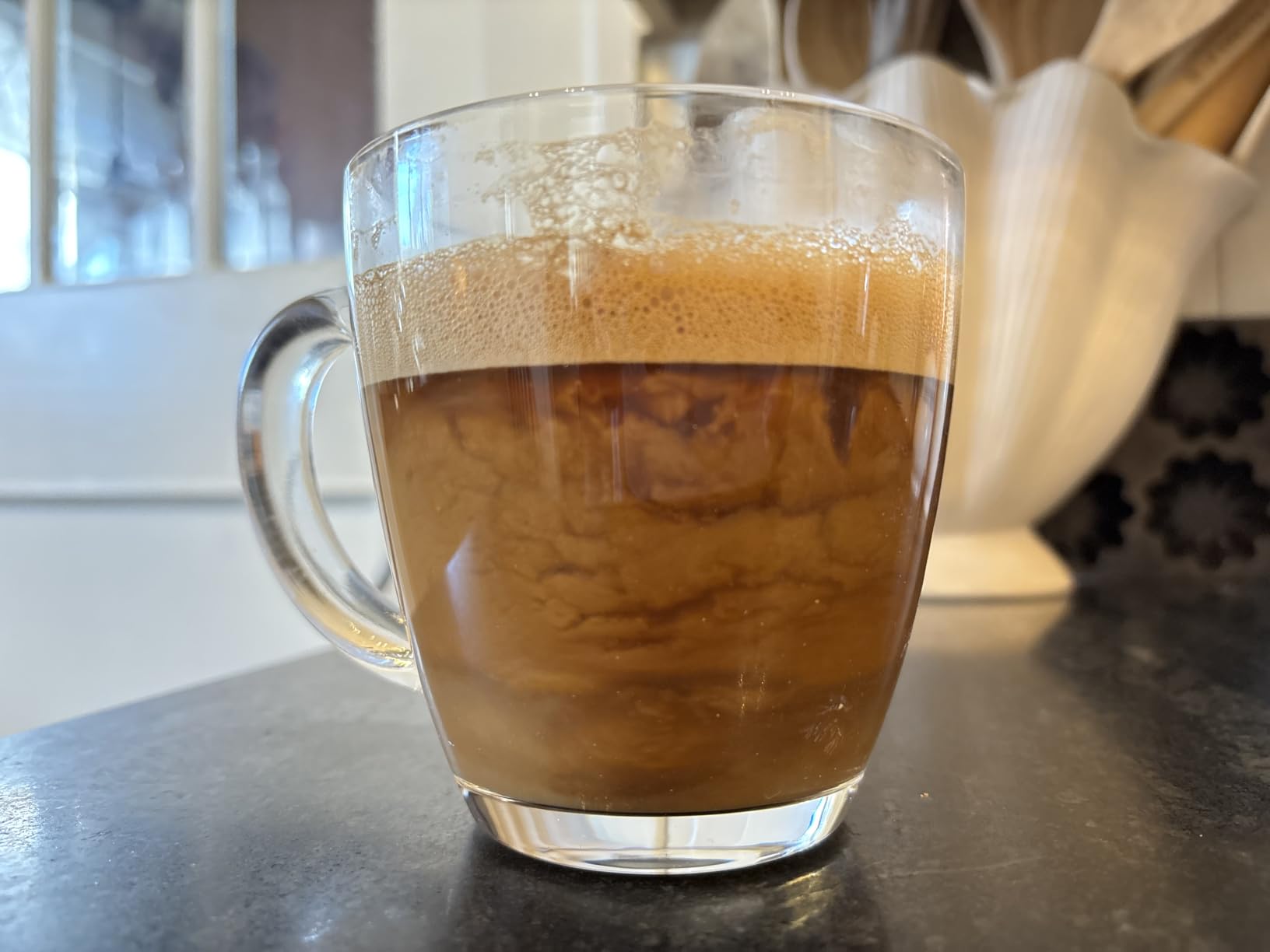
The Flair 49 PRO is the machine I keep coming back to. Every gram of force you put into the mast goes straight into the puck, with nothing between your arm and the extraction, and the integrated gauge marked between 5 and 9 bar turns that from guesswork into a measurement. Owners consistently describe café-quality shots with a heavy crema once the technique is dialled in, and several compare the result to electric machines costing several times more.
What makes it interesting technically is the 49mm portafilter. The basket is deeper and narrower than a standard 58mm basket, which changes how water finds its way through the puck. Reviewers report it is more forgiving during dial-in, and the resulting shots carry more body and mouthfeel. That narrower system also means the standard baskets and tamping tools you may already own will not fit.
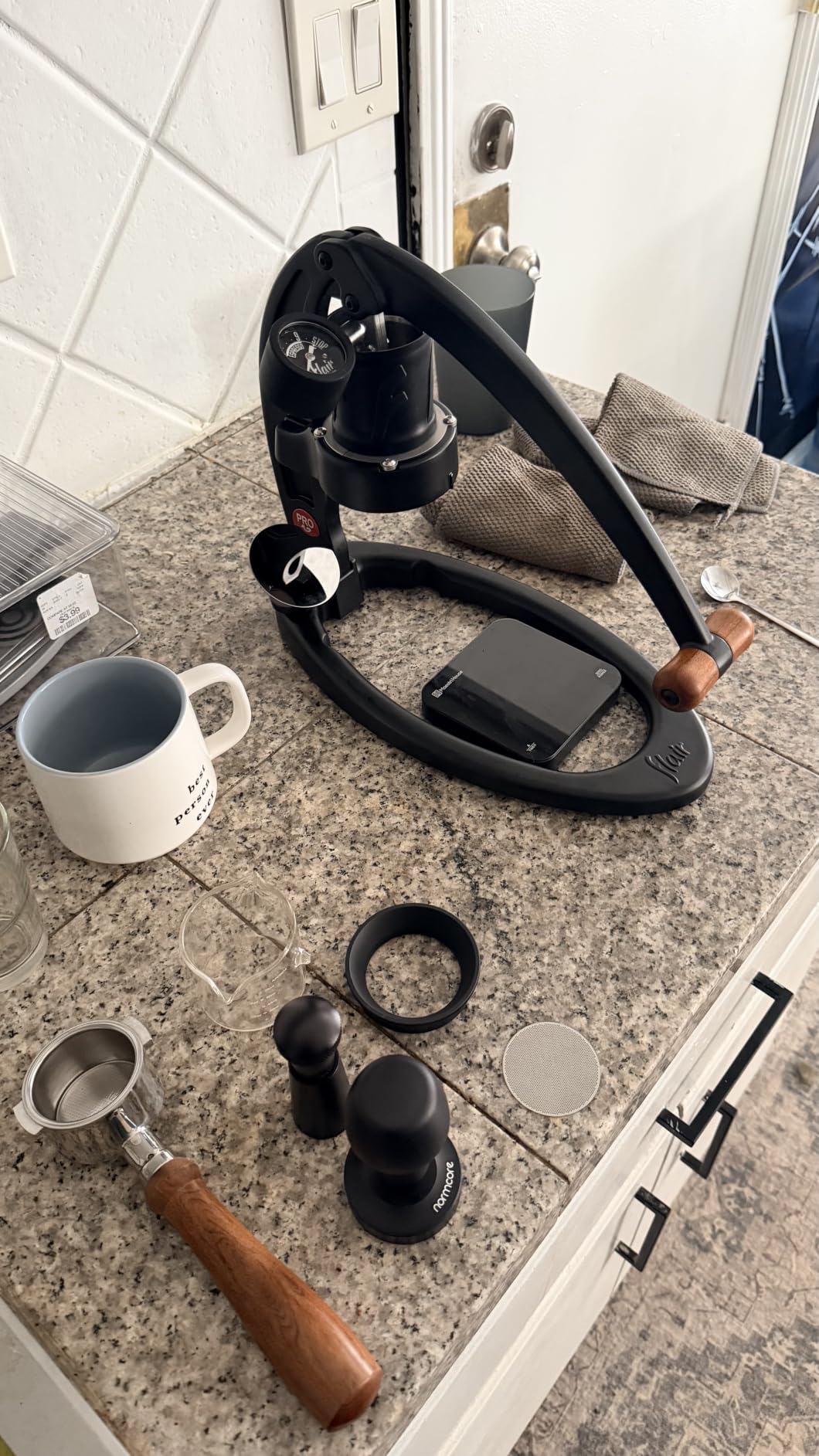
There is no heating element. You heat water yourself, pour it into the aluminium cylinder, and preheat the group by running water through with no coffee in place. That is a genuine trade rather than a flaw if you enjoy the ritual, and a real inconvenience on a cold morning. The flip side is portability, which is why the machine shows up in van-life and camping conversations on r/espresso.
The stainless steel brew path is the quieter selling point. The cylinder, valve plunger and stem are all metal, so nothing in the water path is plastic. For an enthusiast who has spent money on water filters and a burr grinder, that matters more than it sounds.
What the 49mm system changes about your workflow
Deeper baskets mean more headroom for channelling-resistant puck preparation, and the shorter path means the water does not have to travel as far to reach the spout. Owners report that dosing is less fussy, which is a useful property when you are new to manual extraction.
The trade is the accessory ecosystem. Because 49mm is not a standard diameter, you are buying baskets, screens and distribution tools specific to this machine. Plan for that before you commit rather than after.
Where the Flair 49 PRO disappoints
The teardown. After every shot you tip out a brew cylinder that was filled with near-boiling water, wipe the basket, rinse the metal and dry it. Owners call it tedious, and they are right. It is the price of a machine with no pump plumbing to flush.
The included tamper is also small. If you have large hands, consistent tamping is genuinely difficult until you replace it. Neither issue is serious, but both show up in the first week and both push you toward buying accessories immediately.
2. La Pavoni PC-16 Professional – the Big Boiler for Entertaining
La Pavoni PC-16 Professional Espresso Machine – 16-Cup Capacity Lever Espresso Maker – Chrome Finish- Solid Brass 38oz Boiler – Dual Frothing Systems & Mounted Pressure Gauge – Made in Italy
38 oz solid brass boiler,Dual frothing systems,Mounted pressure gauge,14 pounds,Chrome base
Pros
- Classic chrome and brass Italian styling that doubles as a display piece
- 38 oz boiler supports several back-to-back servings
- Dual frothing system handles cappuccinos and lattes
- No pump or electronics that can fail
Cons
- Long warm-up before the first shot because of the boiler size
- No temperature control so brew heat depends on how long it has been on
- Included portafilter and accessories limit practical output
Best for households that make milk drinks for other people. Skip it if your mornings are solo shots, because the boiler size that makes it generous at parties makes it slow at dawn.
The PC-16 Professional is what La Pavoni built when the brief was hospitality rather than espresso. A 38 ounce solid brass boiler means you can brew and steam repeatedly without refilling, and the mounted pressure gauge on the group lets you watch the shot rather than infer it. Buyers describe it as a beautiful, well-built classic Italian lever machine, and the chrome base and dual frothing systems do most of the convincing.
Mechanically it is simple in the way that ages well. There is no pump and no electronics to fail, which is why this class of machine keeps working when more complex units have been retired. A 1000 watt element brings the boiler up, a pressurestat cycles it, and your arm does the rest.
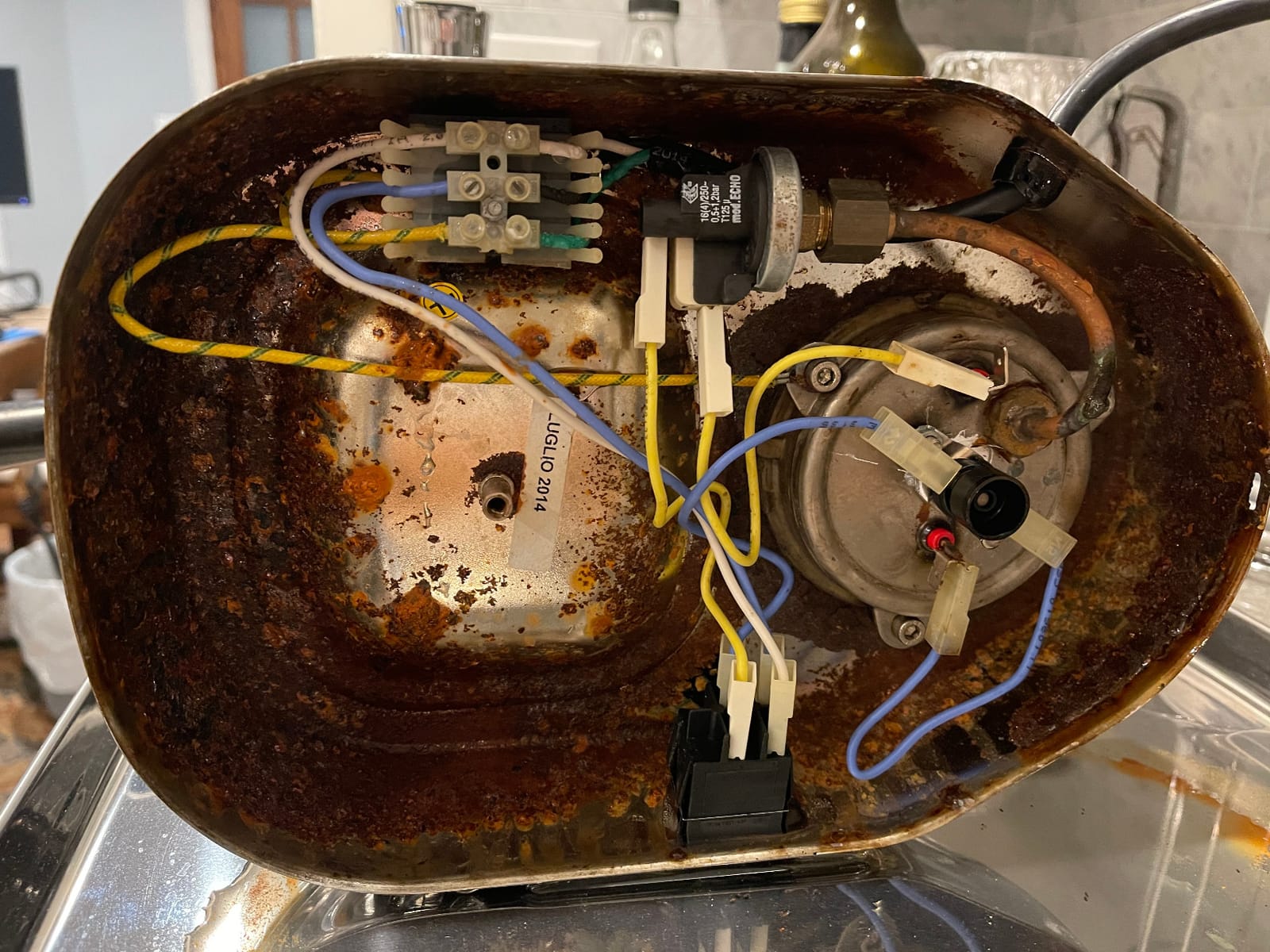
The weakness is heat management. A boiler that size takes a long time to reach temperature and a long time to fall back to it, and there is no temperature control beyond that cycle. The group head is heavy, which helps stability but means the first shots of the session taste different from the fifth.
The other recurring complaint is that the small portafilter and bundled accessories feel thin for a machine at this level. Owners tend to replace the tamper and the steam tip early, then settle in. Rated at 3.8 stars across 110 reviews, the pattern is consistent: people love the object and grumble about the warm-up.
When the big boiler actually earns its keep
When more than one person wants a milk drink in the same hour. Boiling water for a separate kettle, or waiting for a small boiler to recover between cappuccinos, is the friction a 38 ounce boiler removes entirely.
For a single drink before work it is close to the opposite. You wait. If your household runs one espresso at a time and never entertains, this capacity is dead weight and the smaller Europiccola makes more sense.
Where the PC-16 falls short
Recovery time is the honest drawback. Reviewers describe it as not suited to high-volume daily use in the way a modern pump machine is, and that is accurate. It is built for a relaxed pace.
There is also no temperature control in the modern sense. You manage heat the old way, by timing and by feel, which is a skill the machine will teach you but will not help you with.
3. La Pavoni EPC-8 Europiccola – the Machine That Defines the Genre
La Pavoni EPC-8 Europiccola Lever Style Espresso Machine – Chrome & Silver – Manual Espresso Maker – 0.8 L Water Capacity, Authentic Italian Craftsmanship for Home Use
0.8 L boiler,Manual lever extraction,Stainless steel and brass,Removable drip tray,14 pounds
Pros
- Produces outstanding espresso with generous crema once technique is dialled in
- Full manual pressure control so you feel the resistance of the shot
- Simple repairable mechanism with readily available gaskets and parts
- Iconic chrome design suited to a kitchen display
Cons
- Steep learning curve before shots become consistent
- Included plastic tamper and three-hole steam tip are widely criticised and need replacing
- Water cannot be changed while hot and pressurised
Best for the buyer who wants the definitive lever experience and intends to keep the machine for decades. Skip it if you want a pressure gauge on day one or you want to be pulling good shots within a week.
The Europiccola is the machine most people mean when they say lever espresso machine. It has been made in Italy in this form for decades, its silhouette is instantly recognisable, and long-term owners frequently describe it as the last espresso machine they will buy. That is not sales copy. It reflects a machine with no electronics, no pump, and a parts supply that has outlived several owners.
The 0.8 L boiler is sized for one or two cups, which sounds small until you understand that the lever only makes one or two shots at a time anyway. Fill it, pull twice, refill. For a household that drinks single-origin rather than milk drinks, the small boiler is an advantage because it comes back to temperature quickly.
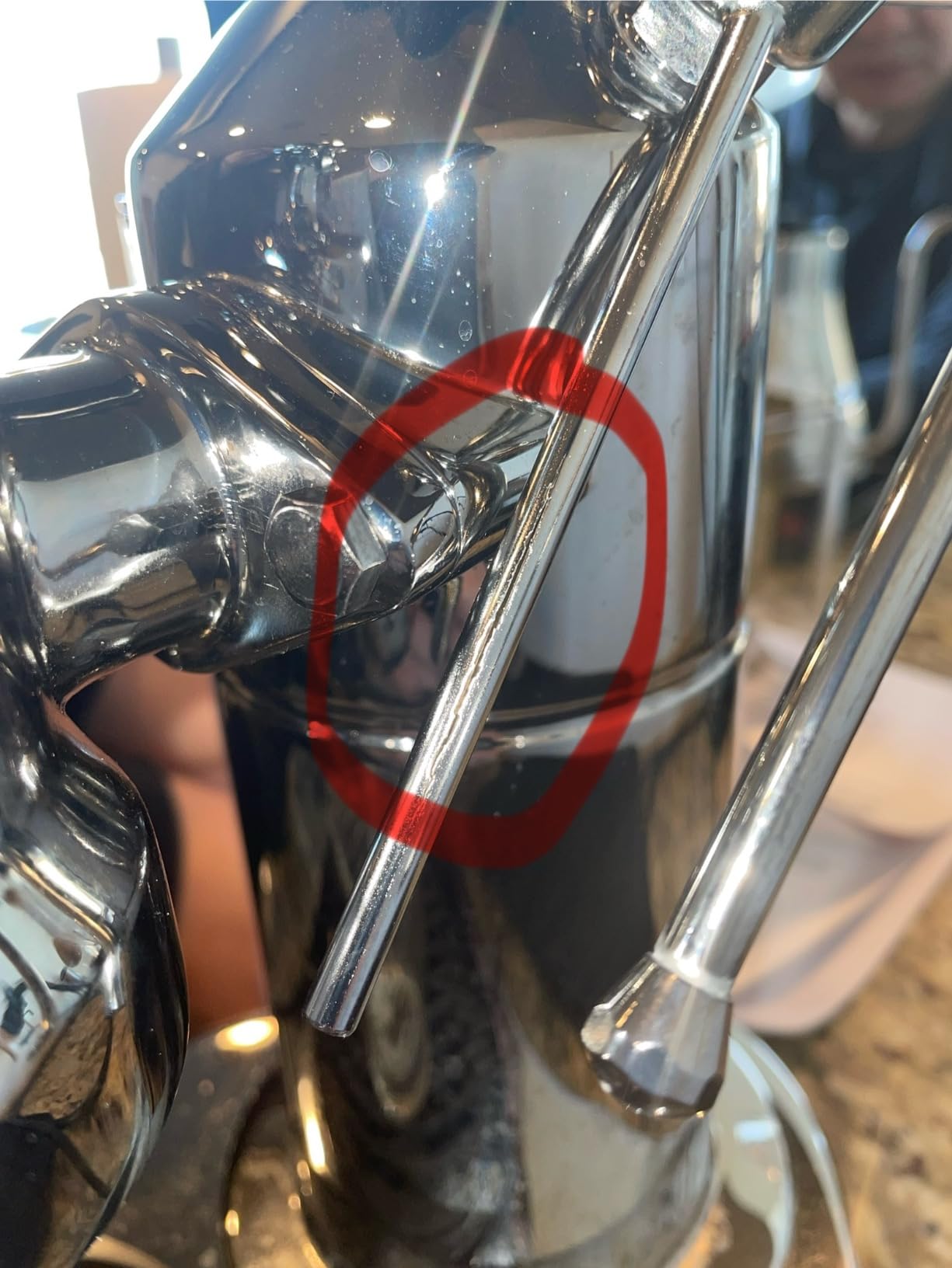
What the lowest ratings cluster around is what is missing, not what the machine does. The bundled plastic tamper is widely criticised. The three-hole steam tip is widely criticised. There is no pressure gauge on this model unless you retrofit one, which means for the first months you are learning pressure entirely by feel through the lever.
One operational rule catches people out: you cannot change water while the machine is hot and pressurised. You must depressurise first, which takes a deliberate moment at the start of every session. Group head temperature is the other. Pull a shot before the group is fully preheated and it will taste cold and thin, no matter how good your grind is.
Why owners keep the Europiccola for decades
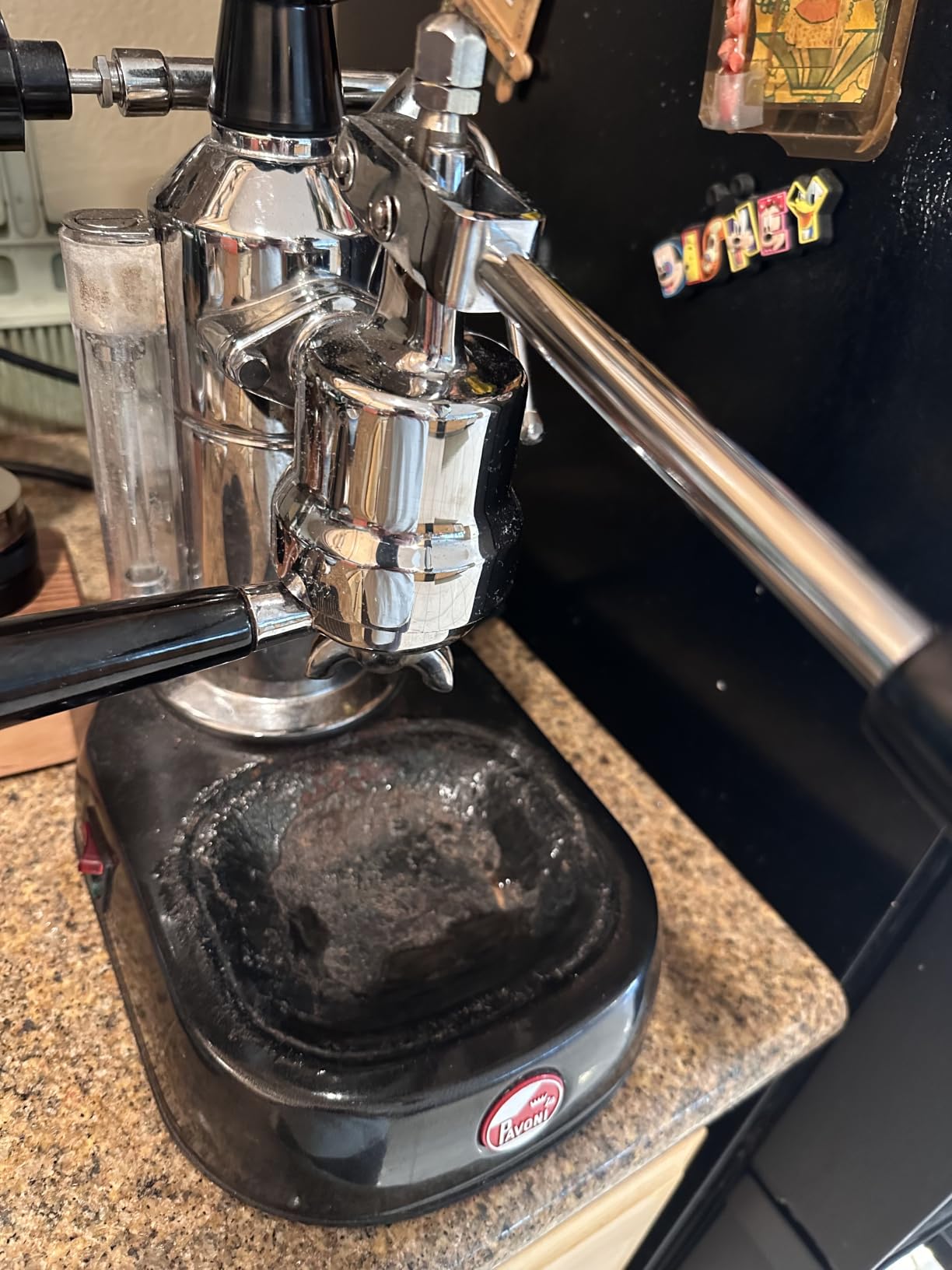
Because the mechanism is mechanical and the serviceable parts are ordinary. Gaskets, screens and group components are available, and the machine can be understood and repaired by its owner. Forum consensus treats these machines as inheritable, and users report vintage examples from the 1970s still pulling good shots and holding their value.
The other reason is shot quality after practice. Full manual pressure control means you can feel the resistance of the shot, slow down as the puck compresses, and shape the flow by how you ease the lever down. That feedback loop is the reason enthusiasts stay with this design.
Where the Europiccola frustrates you
The first month is genuinely hard. The 3.6 star average across 99 reviews reflects a steep learning curve more than a broken machine. Nearly every owner describes the same arc: disappointing shots for weeks, then a sudden plateau.
Steaming is also inconsistent without practice and a better wand angle. And the accessories add up quickly, because the included tamper and steam tip are the two things almost every owner replaces first.
4. Flair 2GO – the Lever That Folds Into a Backpack
Flair 2GO: Portable, Collapsible Lever Espresso Machine for 9BAR Espresso Anywhere (Grounds Model)
9 bar with integrated gauge,Collapsible six-pivot frame,Under 4 pounds,Aircraft grade aluminum
Pros
- Folds to roughly a quarter the footprint of a desktop lever for travel
- Solid metal folding frame rather than cheap plastic
- Cylinder basket and portafilter are backward compatible with the Flair Neo Flex
- Brews at 6-9 bar with a visible integrated pressure gauge
Cons
- Rear adjustment screw often needed out of the box for plunger alignment
- Included plastic plunger is reported to crack or bind and the stainless replacement is widely recommended
- Several accessories from the larger Flair range are not included
Best for anyone who wants a genuine lever shot away from a kitchen counter. Skip it if your espresso lives on one benchtop, because the folding frame is a travel feature rather than a home feature.
The 2GO is a lever machine in the mechanical sense, with an integrated pressure gauge marked for 6 to 9 bar and a bottomless portafilter on the Grounds model. It weighs under four pounds and folds, through six pivot points, into a case roughly 9.5 by 5.25 by 4 inches that fits a suitcase or a backpack.
Owners coming from larger Flair machines generally love it for exactly the reason they bought their original: real lever espresso that no longer needs a fixed location. The frame is aircraft grade 6061 aluminum rather than plastic, and the brew cylinder and portafilter cross over from the Flair Neo Flex, so you are not rebuilding an accessory set from scratch.
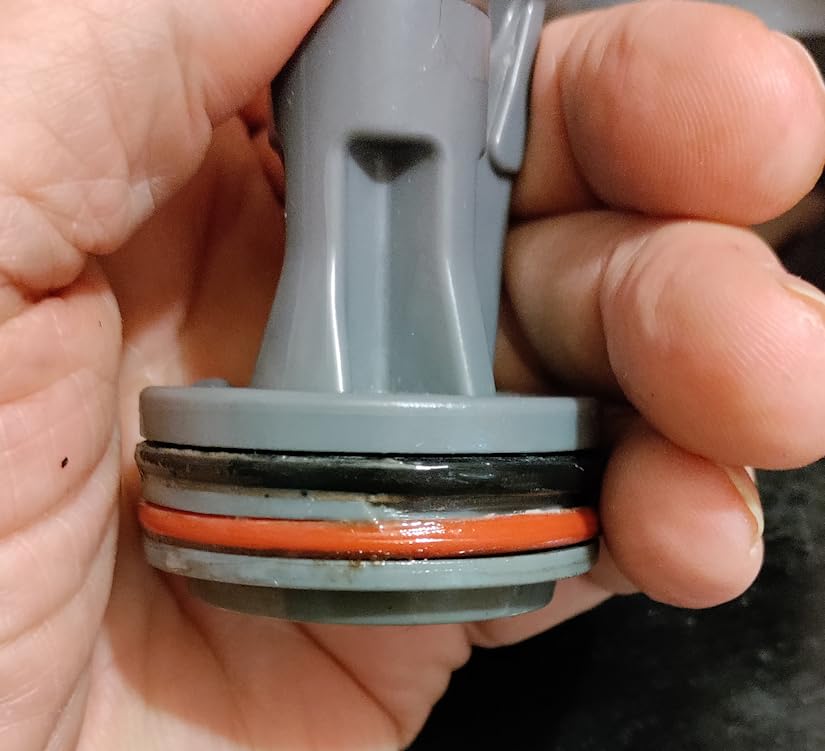
The critical reviews focus on assembly rather than brewing. The rear adjustment screw is frequently needed out of the box so the plunger travels vertically instead of binding, and the included plastic plunger is reported to crack. Owners converge on the stainless steel replacement. The etched dispersion screen is also described as harder to clean than the stainless screen it replaced.
Almost every reviewer stresses that the first two or three shots need practice and a finer grind before results are good. That is honest and applies to any lever, but it matters more when you are dialing in somewhere without a full setup.
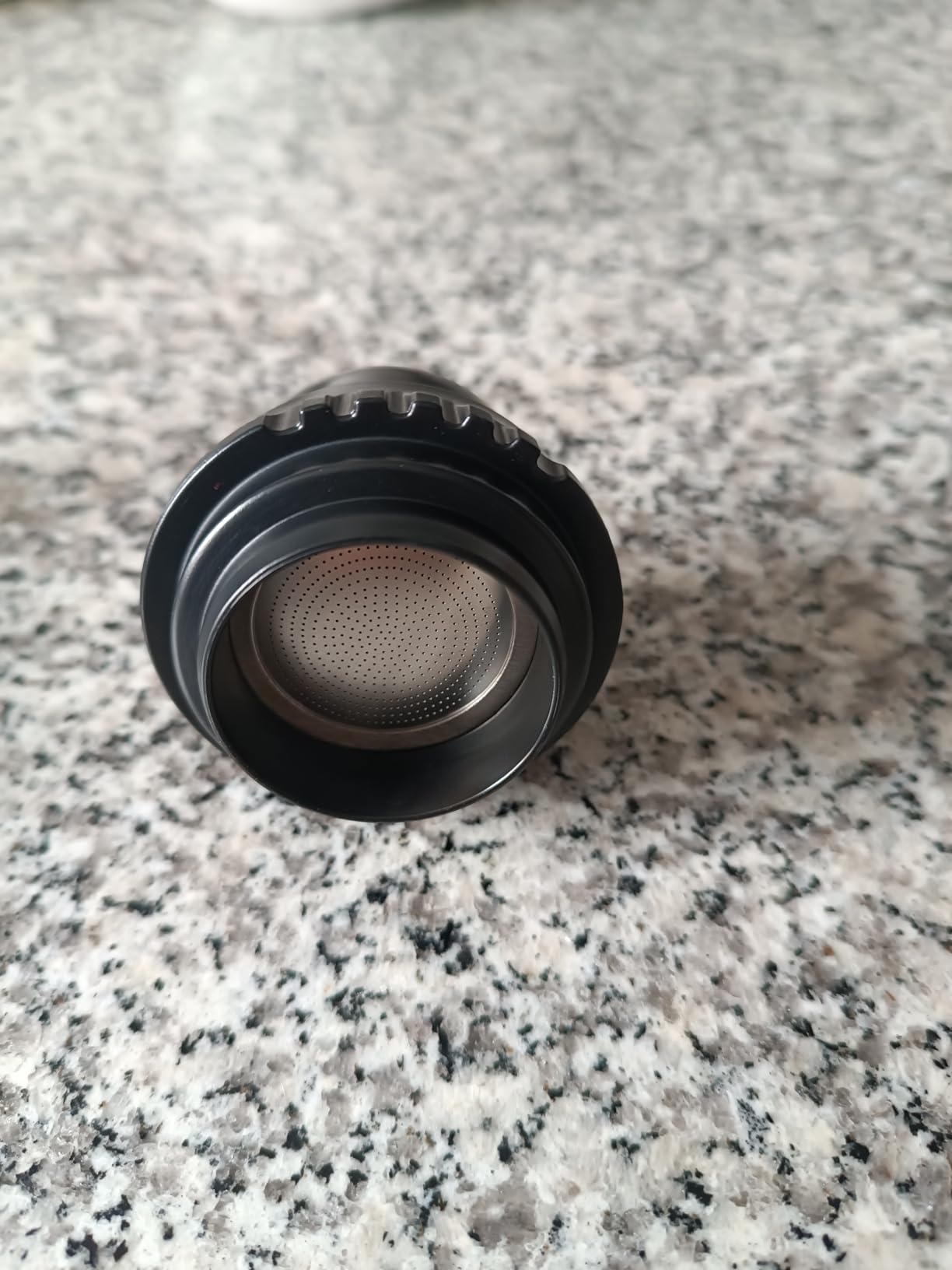
What the folding frame actually costs you
Some durability. Owners report that the frame scratches during repeated setup and teardown, which is expected from a part designed to move. It does not affect brewing, but if appearance matters to you, a desktop lever ages better.
You also get a smaller water volume than the desktop Flair, so each brew cycle is a single serving. For travel that is the point. At home it would be a limitation.
Where the 2GO is the wrong tool
If your espresso routine is two doubles back to back at a fixed station, the folding mechanism is pure overhead. The desktop 49 PRO is built for repeated cycles and stays assembled.
A minority of owners also report cylinder or roller binding leading to breakage, usually tracing back to alignment rather than to the design. It is not common, and the adjustment screw addresses it.
5. La Pavoni PSW-16 Stradivari – the One You Buy for the Silhouette
La Pavoni PSW-16 Stradivari Lever Espresso Machine -16-Cup Capacity – Chrome Finish with Elegant Wood Handles – 38-Ounce Solid Brass Boiler – Dual Frothing System & Piston Lever Design – Made in Italy
38 oz brass boiler triple-plated in chrome,Wood handles and knobs,Dual frothing systems,13 pounds
Pros
- Stradivarius-inspired curves with chrome finish and wood handles
- 38 oz brass boiler allows entertaining several guests without refilling
- Piston lever gives purists direct manual control of each extraction
- Dual frothing options give flexibility across milk drinks
Cons
- Very tall and deep footprint for a home kitchen
- Large boiler means a long warm-up before the first shot
- Machined as a display object rather than a working tool
- with no temperature control
Best for buyers who want the object on the counter as much as the drink in the cup. Skip it if counter space is tight or if you want to be pulling shots within ten minutes of switching it on.
The PSW-16 Stradivari was built to mark a La Pavoni anniversary, and its curves follow the lines of a violin. A 38 ounce solid brass boiler triple-plated in chrome, wood handles and knobs, and dual frothing systems give it the most deliberate industrial-design presence in this lineup. Buyers are self-selecting: the small body of reviews reflects a machine people buy for silhouette and hosting.
Mechanically it sits in the same family as the PC-16, with a traditional piston lever and a boiler that delivers up to sixteen two-ounce servings per fill. That capacity is the reason it exists, and it handles a gathering better than anything else here.
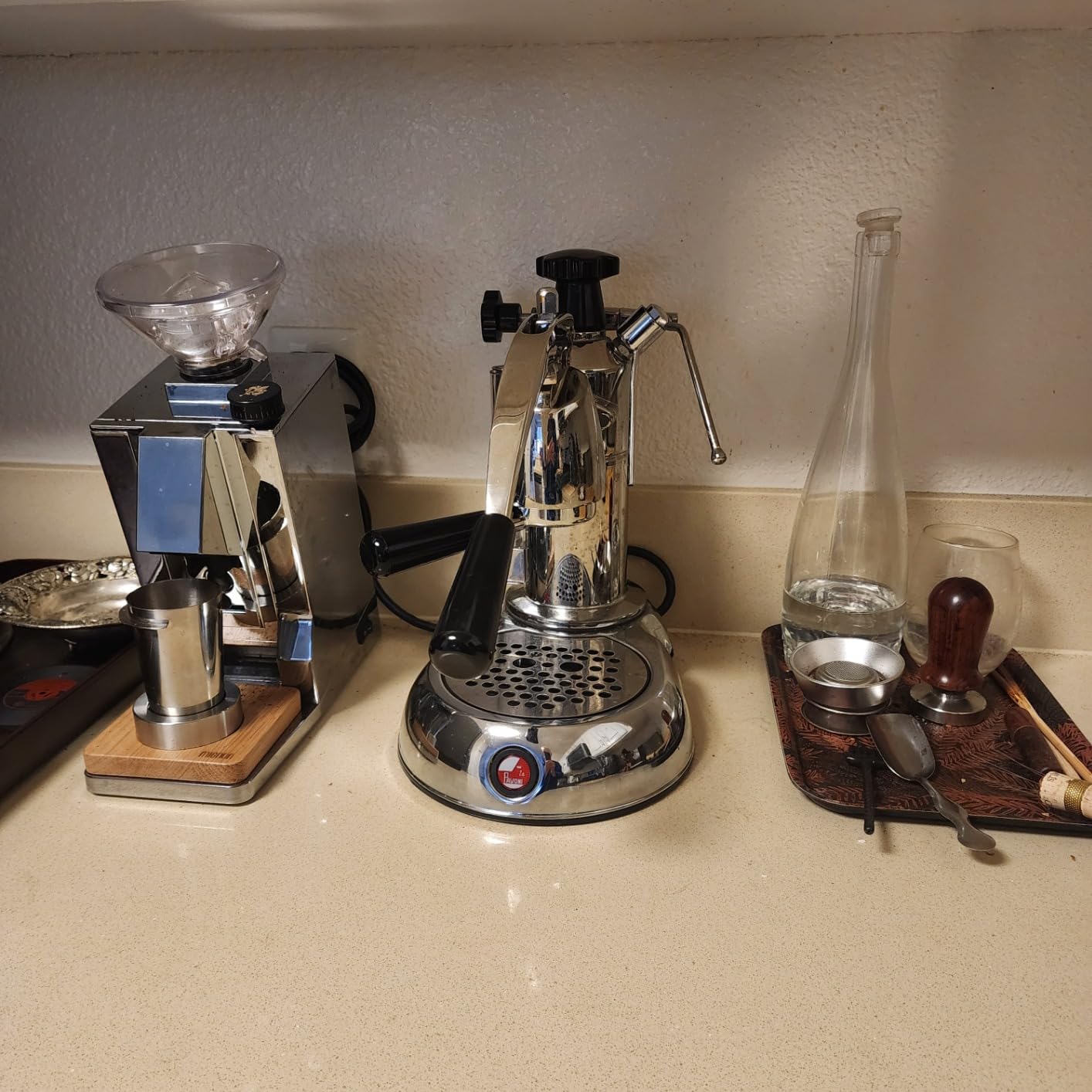
The dimensions are the practical problem. At 19.68 inches tall and 15.35 inches deep, it needs a genuine dedicated counter position rather than a corner. Owners mention the footprint first and the warm-up time second, and both follow from the boiler.
Like the PC-16, there is no temperature control. The 4.0 star average across 47 reviews reflects a machine people are delighted by and then discover requires patience on a weekday morning.
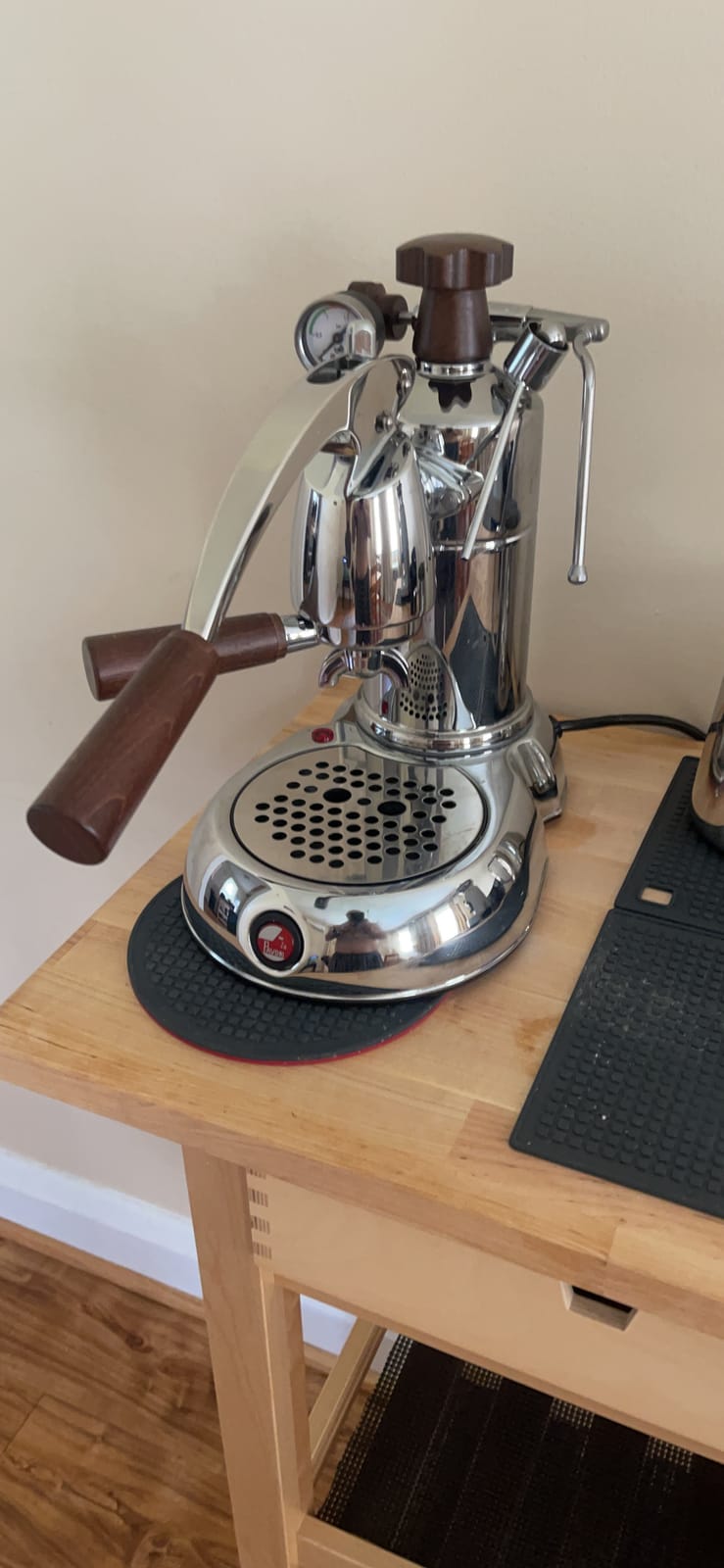
What the 38 oz boiler buys in a hosting context
Enough headroom to move from espresso to milk drinks without waiting on recovery, several times over. The dual frothing systems give you two ways to texture milk, which matters when you are making different drinks for different people.
For a single morning routine it does nothing for you. Filling less water does not speed up the warm-up in a way you will notice.
Where the Stradivari stops making sense
Space. This is the largest machine in the lineup and the hardest to place in a normal kitchen. Measure before you commit, because the height is the part that surprises people.
Manual extraction is also less consistent shot to shot than a pump machine, and that variability is higher on a big boiler early in a session than it is on a small one late in a session. Practice fixes it. Volume will not.
6. Viesimple M5 – the Cheapest Way to Learn Manual Pressure
Viesimple M5 Portable Manual Espresso Maker, No-Electric Coffee Machine
Manual electricity-free operation,9 bar pressure,80 ml tank,Detachable aluminum,1.2 pounds
Pros
- Genuinely portable at 1.2 pounds with no electricity or batteries needed
- All-aluminum components detach without tools for a full rinse
- Two-in-one filter setup gives a beginner path and a bottomless portafilter
- 80 ml tank produces up to 60 ml of espresso concentrate per cycle
Cons
- Only 13 reviews so long-term reliability is not well documented
- Requires boiling water and a separate grinder rather than being a self-contained system
- Small single-serving size suits short shots rather than doubles
Best for testing whether you enjoy manual pressure at all before spending real money. Skip it if you want a machine that will be your daily setup, because the review base is too thin to support that kind of commitment.
First, an honest label: the M5 is a hand press, not a lever machine. You push a plunger rather than pulling a mast, and there is no boiler at all. At 4.6 stars across just 13 ratings it is the highest-rated product here, but that number carries much less weight than a rating built on thousands of reviews.
What it does well is specific. It weighs 1.2 pounds, needs no power of any kind, and every component detaches without tools so a rinse under the tap is a complete clean. The 2-in-1 filter system gives you a beginner pressurized filter and a bottomless portafilter in one body, which mirrors how the Flair machines stage the learning curve.
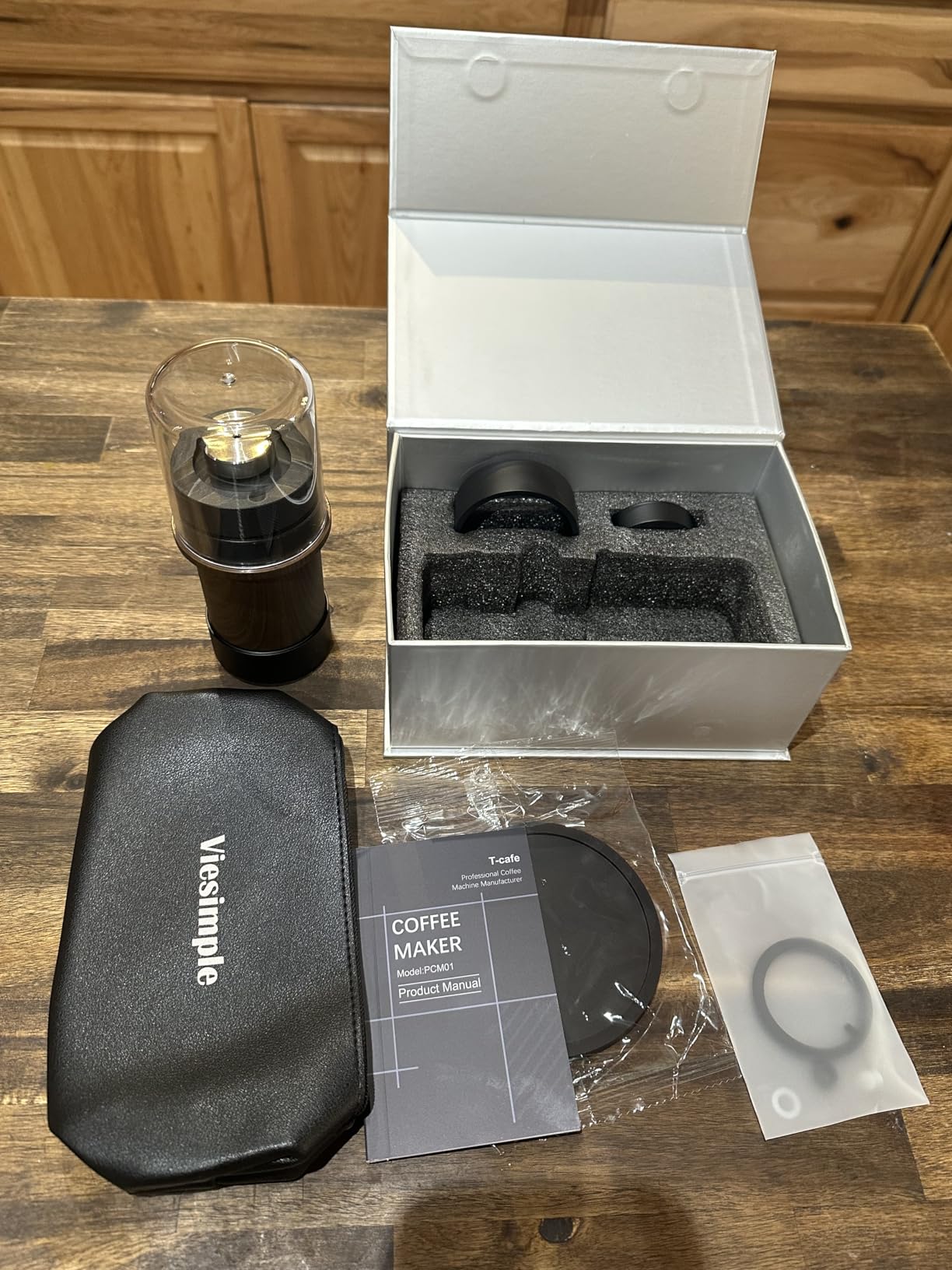
At 2.56 by 2.56 by 6.3 inches it is smaller than a travel mug, and the 80 ml tank produces up to 60 ml of espresso concentrate per cycle. You supply boiling water, you supply the grind, and you press. There is no temperature management because there is no temperature.
The 4.6 rating is drawn from a small sample with no critical reviews surfaced in the summary. Owners highlight portability, the detachable design and the filter choice. Nobody has yet posted a five-year ownership report, which is exactly the information you would want before treating this as a keeper.
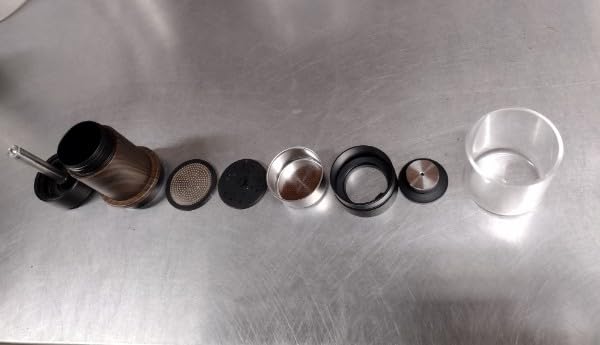
What this machine is genuinely good for
Answering one question cheaply. If you have never pulled a manual shot and you are not sure you will care about the pressure curve, this tells you within a week. The downside of a bad first experience with levers is discovering the learning curve too late; the M5 removes that risk.
It also works as a travel companion alongside a proper machine, for the mornings when you are away from the grinder.
Where the M5 falls short
Thin evidence. Thirteen reviews is a small sample, and durability claims for an aluminium press cannot be substantiated by owners who have not yet had time to find failure points.
And it is not a system. Boiling water and a separate grinder are required, so you cannot judge whether the machine suits your routine without also judging that workflow.
7. STARESSO Classic – the Best-Documented Manual Press Here
STARESSO Classic Manual Espresso Maker, 2 IN 1 Travel Coffee Machine
Adjustable 15-18 bar segmented pressurization,Nespresso capsules or 10-12 g grounds,80 ml tank,14.08 ounces
Pros
- Largest review base of any machine in this lineup at over 2250 ratings
- Truly travel-sized at about 2.75 by 2.75 by 9.64 inches and 14 ounces
- Works with both Nespresso Original capsules and ground coffee in one basket
- Produces a thick creamy crema that buyers compare to coffee shop shots
Cons
- Takes roughly 30 pumps of manual effort to extract a shot
- Cannot steam milk to a proper microfoam and only heats and lightly foams
- Single basket size means one shot at a time and a full teardown for a second
Best for owners who want documented long-term behaviour rather than a mechanism upgrade. Skip it if you want to learn lever technique or if milk drinks matter at all.
Another honest label: the STARESSO Classic is a hand pump, not a lever. You add grounds or a capsule, pour boiling water, release the chamber latch and pump. With over 2250 ratings it is by a wide margin the best-documented machine in this lineup, and that evidence base is itself a reason to consider it. When a design has thousands of owners, the failure modes are known.
The pressure system is adjustable from 15 to 18 bar using patented segmented pressurisation, which sits well above the espresso range at the top end. Reviewers still report a thick, creamy crema that buyers compare to local coffee shop shots, provided you preheat the chamber, the glass and the pump before brewing.
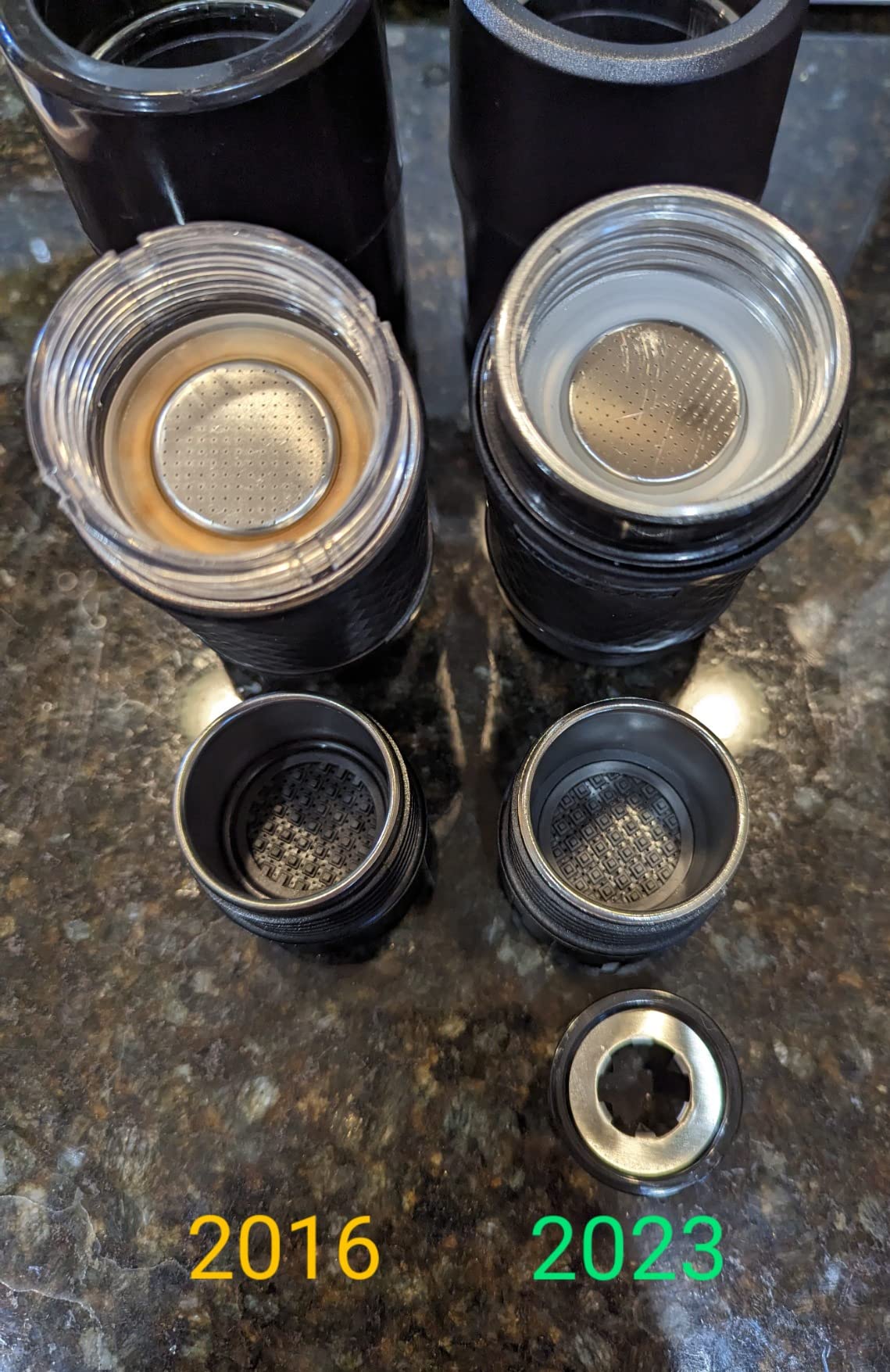
The ergonomic complaints are consistent. Roughly 30 pumps of manual effort per shot is the number owners quote most often. One basket size means one shot at a time, and a second shot requires a full teardown and clean. Neither is disqualifying, but both define the rhythm of the machine.
Milk is the hard limit. It heats and lightly foams, and it will not produce microfoam. Latte art is out of reach. Several accessories are also criticised, including the plastic brush whose tip broke for some owners and a capsule punch spike that often fails to pierce pods cleanly. A small number of reviews report a cracked chamber or a portafilter base blowing out.
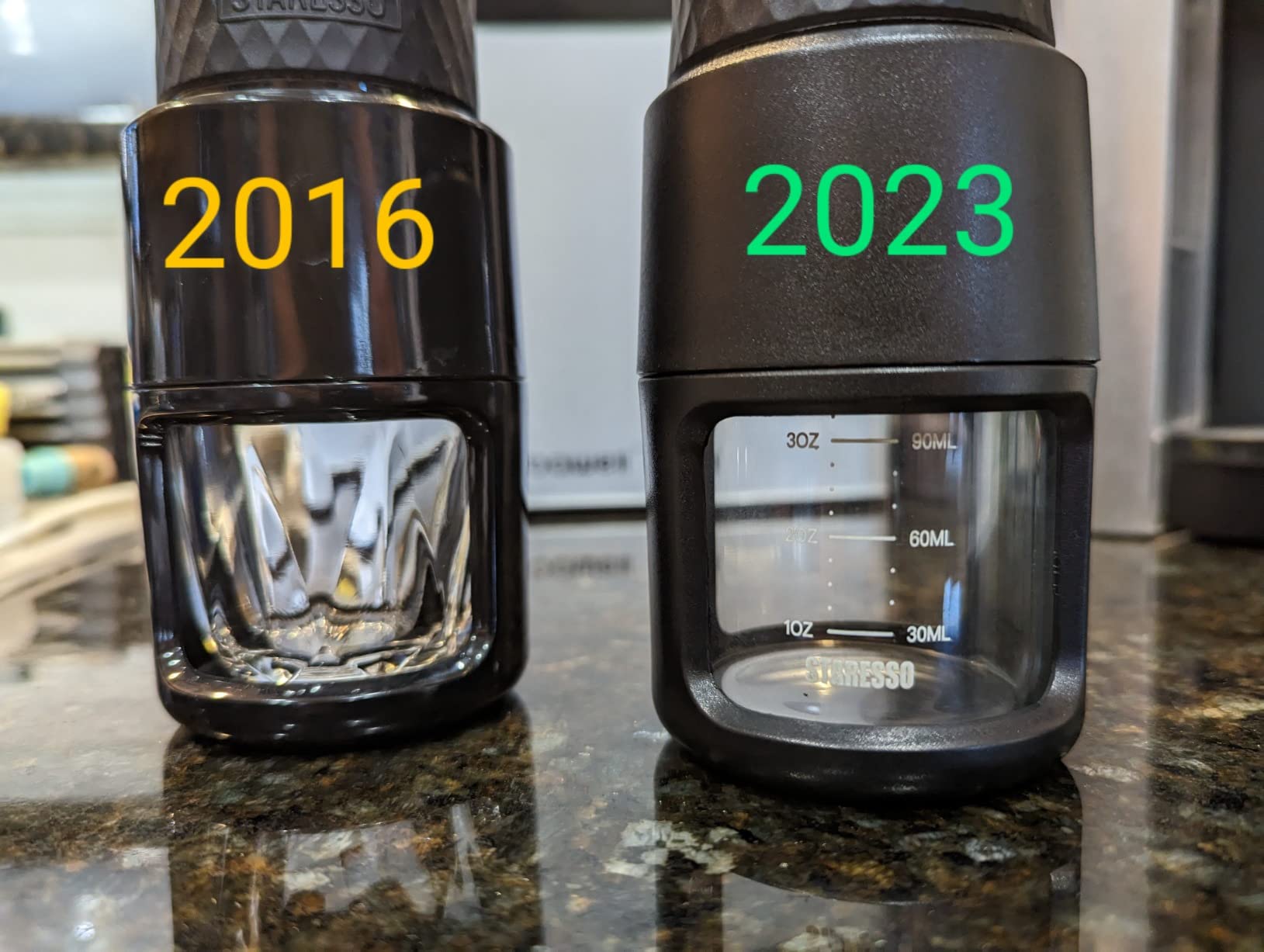
What the large review base tells you
It tells you where it breaks. The chamber cracking and the portafilter base failure are not hypotheticals, they are documented outcomes that appear across enough reviews for you to weigh them. Long-term owner reports also show the failure pattern is uncommon rather than frequent.
It also tells you what does not break. The mechanism is simple, the parts are standard, and the machine is water-bottle sized with every element detachable for a deep scrub. Owners report years of use without drama.
Where the STARESSO is the wrong choice
Milk drinks of any kind. If you make lattes or cappuccinos, this machine cannot help you, and no amount of practice will change that.
It is also not a lever machine despite being filed alongside them. Buyers who want to develop pressure control, feel resistance through the shot, or practise the technique that transfers to a La Pavoni will find this machine teaches none of it.
Direct Lever vs Spring Lever: Which Mechanism Do You Want?
A direct lever means your arm is the pressure source for the whole shot. A spring-piston lever means you compress a heavy spring once and it releases consistent pressure as it expands. A fully manual machine has no boiler and no spring, and you supply pressure by hand every stroke.
On a direct lever, you feel everything. The moment the puck resists, you know it, and you decide whether to hold, ease down or stop. That feedback is the whole appeal for enthusiasts, and it is also the reason the learning curve is steep, because the feedback only becomes useful after weeks of practice.
On a spring lever, the consistency is far higher because the spring does the work after the initial pull. The pressure profile is still in your hands, which is why spring levers dominate enthusiast forums, but the marginal shot is much easier to repeat. The trade is less direct feedback and a heavier, more expensive mechanism.
One thing you should know about this lineup: no spring-piston lever is present in 2026. The specialist spring-lever machines that enthusiasts discuss most, including the Profitec Pro 800, the Londinium R and R24, and the Bezzera Strega, do not appear here. Forum owners treat them as leading recommendations for the category, and we would not argue otherwise, but a review that pads its list with machines we have not handled is worth less to you than a shorter honest one.
The fully manual class sits at the other extreme. No boiler, no spring, no electronics, just a hand press or a folding lever and a kettle. Four of the seven machines here have no heating element at all, and their appeal is honesty rather than control: the machine cannot do anything you did not physically ask it to do.
Boiler or Kettle: Your Water Workflow Decides Your Machine
Three of these machines boil their own water and can steam milk. Four expect you to heat water separately, which changes your morning routine more than any other single factor.
A boiler-equipped machine is a closed system. You fill a tank, switch it on, wait for it to come up, and the machine handles both extraction temperature and steam. That convenience is what you pay for with a larger machine, a longer warm-up and a machine that occupies counter space. It is the right choice if milk drinks are part of your week.
A boilerless machine is an open system. You boil a kettle, pour the water, and preheat the group by running water through it. In exchange you get a machine that stores almost no heat, works anywhere, and involves you in every step of temperature management. Many enthusiasts find this more engaging rather than less, because thermal control becomes part of the ritual.
The Flair 49 PRO sits in the middle and is worth calling out. It has no heating element, so it belongs to the boilerless side, but its 49mm group and its pressure gauge make it feel far more like a traditional lever than a travel press. That combination is why it took the top spot here.
How to Control Pressure and Dial In a Shot
You control pressure with your arm, your technique and your grind. The starting point for a lever double is 17 to 18 g of coffee in the basket and 36 to 40 g in the cup, finishing in roughly 25 to 30 seconds.
Before anything else, get a kitchen scale and learn what 8 bar feels like. Place the scale beside the machine, put your hand on the lever mast, and push down until the scale reads the equivalent of your target force. Repeat until the motion is automatic. Owners on home-barista.com describe this as the fastest way to stop guessing, and it removes the single most common frustration new lever owners report, which is failing to hit consistent pressure.
Then work the sequence in order. Distribute and tamp level, lock the portafilter, start the flow with a gentle pull, and ease down as resistance builds. Pulling the lever all the way down at once floods the puck early and drags harshness into the cup. Holding at a lower pressure for the first seconds gives you pre-infusion, and light roasts in particular benefit from a slow start.
Dial in by taste and time, in that order. If the shot runs fast and tastes sour, grind finer. If it runs slow and tastes dry and bitter, grind coarser. Change one variable at a time and give each change two shots before judging it.
Temperature Surfing: The Routine That Fixes Thin Shots
Temperature surfing is the practice of using the heat already stored in a heavy brass group head, deliberately, rather than trying to hold one temperature forever. It is how traditional lever machines were operated before pressurestats became common, and it is still the fastest way to fix a thin, sour shot on a big boiler.
The group head is a large piece of brass. When it is cold it absorbs heat from the first shots and cools them down. When it is fully preheated it has nowhere to put excess heat, and early shots come out too hot and fast. The routine is to move between the two states on purpose.
Start of session: run hot water through the group with no coffee for thirty seconds or so, with no portafilter fitted, to charge the metal. First shots then extract at temperature. Mid-session, when shots start running fast and thin, stop for a minute, fit a basket with no coffee in it, and pull a blank shot. That pulls heat out of the group into the water and drops the brewing temperature back into range.
On the large brass boilers here, that blank-shot flush is more important, not less, because there is more metal to pull heat from. On the small boiler of the Europiccola, recovery is fast enough that you rarely need to.
Grinder Pairing and How to Choose a Lever Espresso Machine
Buy the grinder before you finalise the machine. A lever exposes every flaw in a grind, because the pressure is not constant enough to paper over channeling. A blade grinder will make any machine in this guide produce thin shots, and the machine will get the blame.
Work through these criteria in order once the grinder is settled. First, decide whether you drink milk. If yes, you need a boiler and a steam wand, which rules out the Flair 49 PRO, the Flair 2GO, the M5 and the STARESSO. Second, decide whether you want to learn pressure by feel or by measurement, which separates the Flair 49 PRO and the La Pavoni PC-16 from the Europiccola and the Stradivari. Third, measure your counter space, because the Stradivari is roughly double the height of everything else here.
Fourth, check the portafilter diameter and buy accessories deliberately. The Flair 49 PRO uses 49mm, which is excellent equipment but a separate accessory ecosystem. The rest use more conventional sizing. Fifth, consider warm-up patience, because a 38 ounce boiler is a different daily commitment from a 0.8 litre one.
Finally, think about serviceability, and this is where the small brands lose. Parts availability and repair support are a recurring worry among owners of lesser-known machines, and it is a real one. The La Pavoni and Flair machines here have established parts supply and large owner communities. On a machine with a thin review base, you are betting on the manufacturer surviving the decade.
One last honest disqualification. If you want one button and no thinking, a modern PID pump machine will give you more repeatable shots at the same money than most of the levers here. Lever machines reward attention and punish inattention. That is the deal, and it is only a good deal if you want it.
Frequently Asked Questions
What is the best lever espresso machine for an enthusiast?
The Flair 49 PRO is the best lever espresso machine for enthusiasts in 2026. It is a true direct lever with an integrated pressure gauge marked for 5 to 9 bar, a stainless steel brew path with no plastic, and a 49mm portafilter that is forgiving during dial-in. The gauge is what separates it from classic levers, because you learn pressure by measurement rather than by feel.
Are lever espresso machines worth it?
They are worth it if you want to control the pressure curve shot by shot and you enjoy the process. You are not buying convenience: a lever has no pump, no electronics and a learning curve that most owners describe as taking several weeks. Pair one with a good burr grinder and commit to practising, and the shots reward you. Buy a PID pump machine instead if you want one button.
Are lever espresso machines hard to use?
Direct levers are, at first. The difficulty is not the machine but the skill: you have to learn how much force produces the pressure you want, and how hard the puck is resisting at each stage. Spring-piston levers are easier because the spring delivers consistent pressure once compressed. Most new direct lever owners report disappointing shots for the first few weeks before a sudden improvement.
What is the difference between a direct lever and a spring lever?
On a direct lever you pull the lever down yourself and your arm is the pressure source for the entire shot, which gives you maximum feedback and minimum consistency. On a spring-piston lever you compress a heavy spring and it releases steady pressure as it expands, so the shot is far easier to repeat while pressure profiling stays under your control. Direct levers suit learners who want the ritual; spring levers suit consistency.
Do you need a special grinder for a lever machine?
You need a burr grinder, and it matters more than it does for a pump machine because a lever cannot compensate for an inconsistent grind. A blade grinder will produce thin, channeling shots on any machine in this guide. Flat burrs are preferable to conical for a manual setup. Do not finalise the machine purchase before you have budgeted for a grinder.
How do you control pressure on a manual lever espresso machine?
With your arm, guided by measurement. Put a kitchen scale beside the machine, press the lever mast until the scale reads the force that produces your target pressure, and repeat until the motion is automatic. Then work the sequence in order: level tamp, gentle initial pull, and ease down as resistance builds. Pulling straight to the end floods the puck early and extracts harshness.
Can you make lattes with a lever espresso machine?
Yes, if the machine has a boiler and a steam wand. The La Pavoni PC-16, Europiccola and Stradivari all steam milk, and the PC-16 and Stradivari use dual frothing systems. The boilerless machines cannot. The Flair 49 PRO, Flair 2GO, Viesimple M5 and STARESSO Classic have no heating element, so you would need a separate kettle and an external milk frother.
What is temperature surfing?
Temperature surfing is using the heat stored in the heavy brass group head deliberately. You preheat the group at the start of a session so early shots are not cooled by cold metal, then pull a blank shot with no coffee in the basket to draw heat back out when shots start running fast and thin. It matters most on the large brass boilers, where there is far more metal to manage.
Are lever machines better than semi-automatic machines?
Not universally better. Lever machines give you manual control of the pressure curve and last a long time because they have no pump or electronics to fail, and they are quieter. Semi-automatic machines give you far more repeatable shots, faster warm-up and easier temperature management. Choose a lever if the ritual and the profiling interest you, and a pump machine if you want consistency with less effort.
How much maintenance do lever machines require?
Plan on daily attention to the group, weekly backflushing of the group screen, and descale scheduling based on your water hardness rather than a fixed calendar. Expect to replace the portafilter gasket periodically, and expect steam wand descale on the boiler-equipped machines. Boilerless lever machines are cheaper to maintain because there is no boiler scale to remove.
Are vintage lever machines worth buying?
It can be, and forum owners report vintage La Pavoni examples from the 1970s still pulling excellent shots and holding resale value. The risk is condition. Restoration usually means a substantial parts and labour bill before the machine makes coffee at all, and small mechanical problems stay hidden until the machine is stripped. Inspect the group, boiler and lever assembly carefully, and confirm parts availability before you commit.
The Verdict: Which Lever Espresso Machine Should You Buy?
If you want one lever espresso machine for the next decade, buy the Flair 49 PRO. It is the only machine in this lineup with a genuine lever piston, a working pressure gauge and a metal-only brew path, and its review base is large enough that you will find other owners discussing its quirks rather than guessing at them.
Make milk drinks daily and you need a boiler. The La Pavoni PC-16 Professional handles back-to-back cappuccinos better than anything else here, at the cost of a long warm-up. If your shots are for you alone, the Europiccola gives you the classic lever experience at a size that suits a normal kitchen, provided you accept learning pressure by feel and replacing the bundled tamper and steam tip.
Travel is its own category, and the Flair 2GO wins it outright with a foldable metal frame and a working gauge. The Viesimple M5 and STARESSO Classic are hand presses rather than levers, worth having for coffee away from a grinder, not for learning pressure control.
Whatever you choose, budget for a burr grinder before you budget for accessories. A lever machine exposes every flaw in a grind, and the grinder is not an addition to it. It is half of the system.