
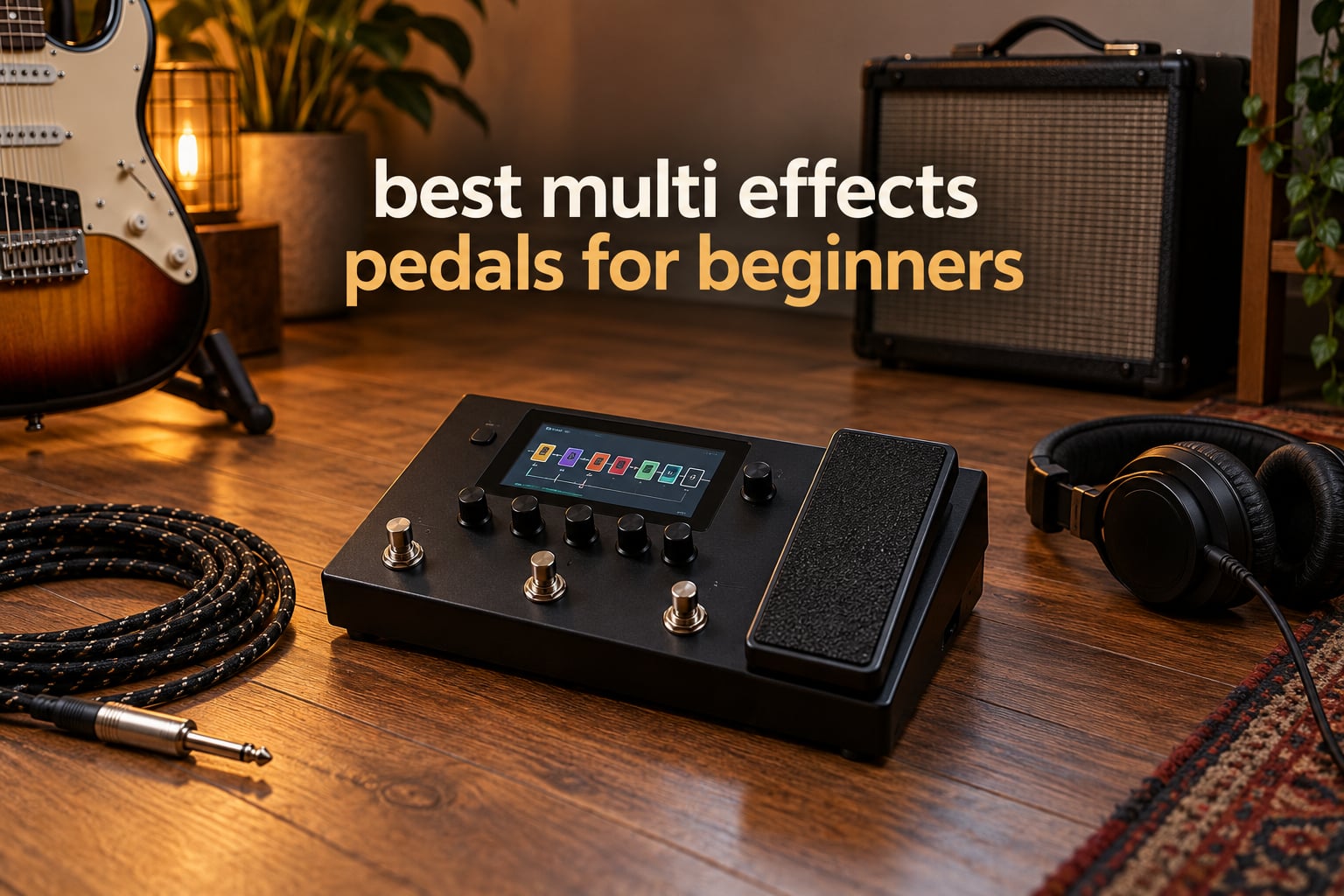
A multi-effects pedal is a single floor unit that bundles dozens of guitar effects – distortion, overdrive, delay, reverb, modulation, compression and more – plus digital models of amplifiers and speaker cabinets, all selectable and saveable as presets from one box. For a beginner it replaces the need to buy four or five individual stompboxes at once, and often the need for a separate amp as well.
If you want the short version: the Zoom G1X Four is the easiest multi effects pedal for beginners to use, and it is the one we would start on. It has a readable screen that shows which effects are active, a real footswitch layout rather than button-only editing, an expression pedal in the box, and it runs on batteries so you can practise anywhere. The rest of this roundup covers the full beginner range, from a pocket-sized board to a metal-chassis step-up model.
Everything here is scoped to electric guitar. Bass and acoustic players are not ignored – the units below carry bass amp models, and two of them include dedicated acoustic simulations – but the verdicts assume a beginner on an electric with a practice amp, a small PA, or headphones.
One thing to set expectations on: every one of these has a learning curve. The forum consensus on this is fair, described as not that complicated but real if you have never touched a multi-FX before. The difference between a good beginner board and a frustrating one is how quickly you get your first usable sound, and that is what we scored each of these on.
Table of Contents
Top 3 Picks for the Best Multi Effects Pedals for Beginners (October 2026)

Zoom G1X Four
- Built-in expression pedal
- 71 built-in effects
- 13 amp models
- 30-second looper

SONICAKE QME-10 Pocket Master
- 100+ effects
- 20 amp models
- USB-C audio interface
- Rechargeable battery
All 8 Multi Effects Pedals at a Glance in 2026
The table below is the short version of this roundup. Effect counts, amp model counts and beginner difficulty are the three things that actually separate these boards, so those are the columns worth comparing before you read the individual entries.
| Product | Specifications | Action |
|---|---|---|
|
Zoom G1X Four
|
|
Check Latest Price |
 MOOER GE100
|
|
Check Latest Price |
|
SONICAKE QME-10 Pocket Master
|
|
Check Latest Price |
|
Valeton GP-200
|
|
Check Latest Price |
 FLAMMA FX100
|
|
Check Latest Price |
 MOOER GE150 Pro
|
|
Check Latest Price |
 flatsons KMF-1
|
|
Check Latest Price |
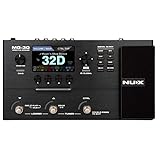 NUX MG-30
|
|
Check Latest Price |
1. Zoom G1X Four Review – Best All-Round First Multi Effects Pedal
Zoom G1X Four Guitar Multi-Effects Processor with Expression Pedal
71 effects
13 amp models
Expression pedal included
Battery or USB power
Pros
- Expression pedal doubles as volume and wah
- Battery or USB power bank for roaming practice
- 68 rhythm patterns work as a backing band
- Global EQ adapts the whole board to a PA in seconds
- Screen clearly shows which effects are on
Cons
- Looper capped at 30 seconds and can lag on playback
- Patch memory fills up quickly
- Button menus take a tutorial video to learn
The Zoom G1X Four is the board I keep coming back to for beginners, and it is not close. Owners consistently describe it as the best value beginner multi-effects, and the reason is less about the spec sheet than about how quickly you get a sound you like out of it. Turn on an amp model, add a distortion, save it, and you are playing electric guitar with a tone that will not embarrass you in a room full of people.
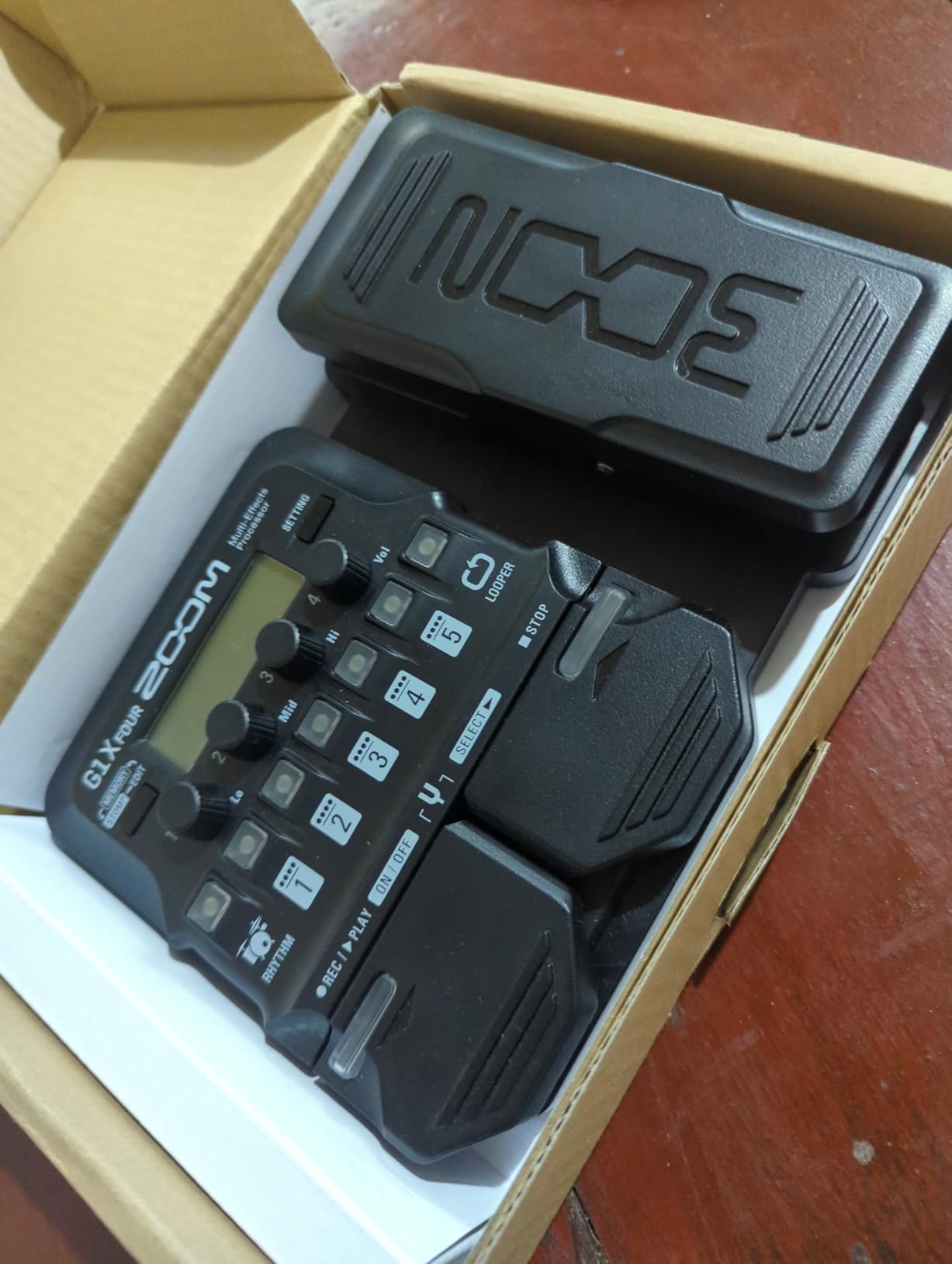
What separates it from cheaper boards is the combination of hardware rather than any single feature. The expression pedal is built in and assignable to volume or wah, so there is a real foot control under your right foot from day one. The screen is large enough to read at a glance, and it tells you which effects are currently engaged instead of making you memorise a status LED pattern.
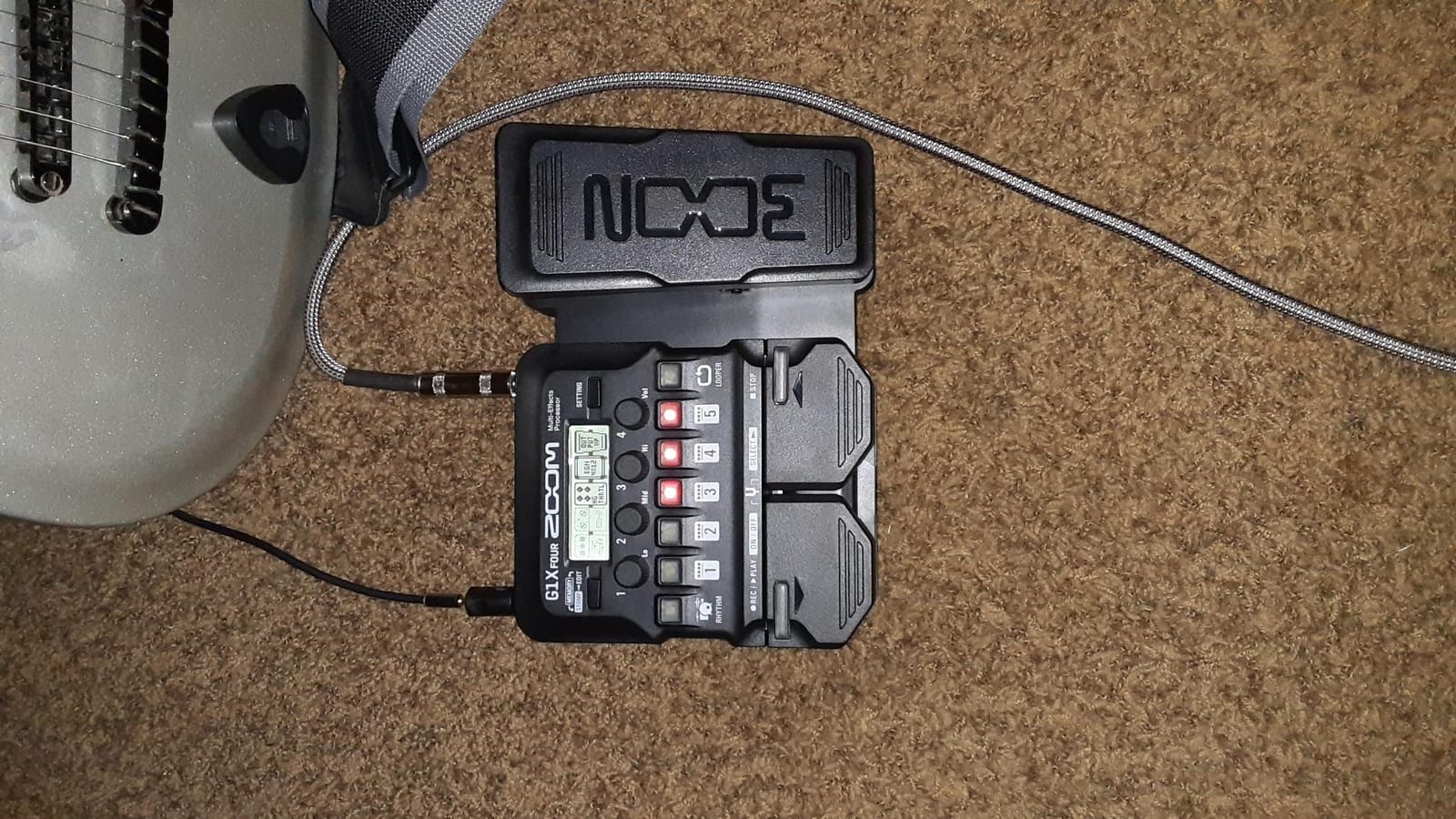
The practice features are unusually complete for the tier. The 68 built-in rhythm patterns turn the pedal into a backing band, the 30-second looper is enough to lay down a riff and play over it, and the aux input plus headphone monitoring mean silent practice with your phone feeding in through the same cable. Battery or USB power means no wall socket is required, and reviewers point out it fits in a gig bag or a backpack.
The honest weaknesses are small but real. The looper is short and reviewers report it can be slightly inaccurate on playback. Patch memory is tight, so not every effect fits on the board at once and it fills up quickly. The factory presets are also less impressive than the hardware, which means Guitar Lab, the Mac and Windows editor, is where the real potential lives. One review reports a non-working tuner on their unit, so check it on arrival.
For menu navigation, budget one short tutorial video. That is the single thing most likely to make a beginner bounce off a multi-FX, and a fifteen-minute walkthrough solves it here.
What makes this the easiest unit for a first-time player
Three things. The display tells you what is on, the footswitches do what a stompbox would do, and the expression pedal gives you foot control without buying another accessory. There is no app requirement to get a good basic tone, which matters more than it sounds – a phone-dependent board is a problem for a player who does not own a computer.
It is also the most forgiving unit on this list to start with. A global EQ lets you rebalance the whole board for a unfamiliar PA or a small practice amp, and the amp and cab models can take a cheap practice amp closer to a Marshall-style tone without you touching anything else.
Where it will frustrate you
If you are writing full songs with the looper, 30 seconds is short and the playback can feel laggy. If you want a deep library of saved patches, the on-board memory is the constraint and you will end up managing files in Guitar Lab instead. And the plastic body, while sturdy, is the one part of the package that feels like it will not survive a decade of gigging.
That is why we treat this as the first pedal rather than the last one. Buy it, learn on it, and outgrow it in a year or two if you want to.
2. MOOER GE100 Review – Best for the Most Features Per Pound
MOOER GE100 Multi-Effects Guitar Pedal 80 Presets, 66 Effects
66 effect types
80 factory presets
180-second looper
Assignable expression pedal
Pros
- Enormous feature set for the money
- 180-second looper far longer than most rivals
- Expression pedal works well as a volume pedal
- Runs on 4 AA batteries or the included adapter
Cons
- Many factory presets need editing to sound good
- Volume jumps between presets need balancing at the amp
- Interface is dense and takes an hour or two to learn
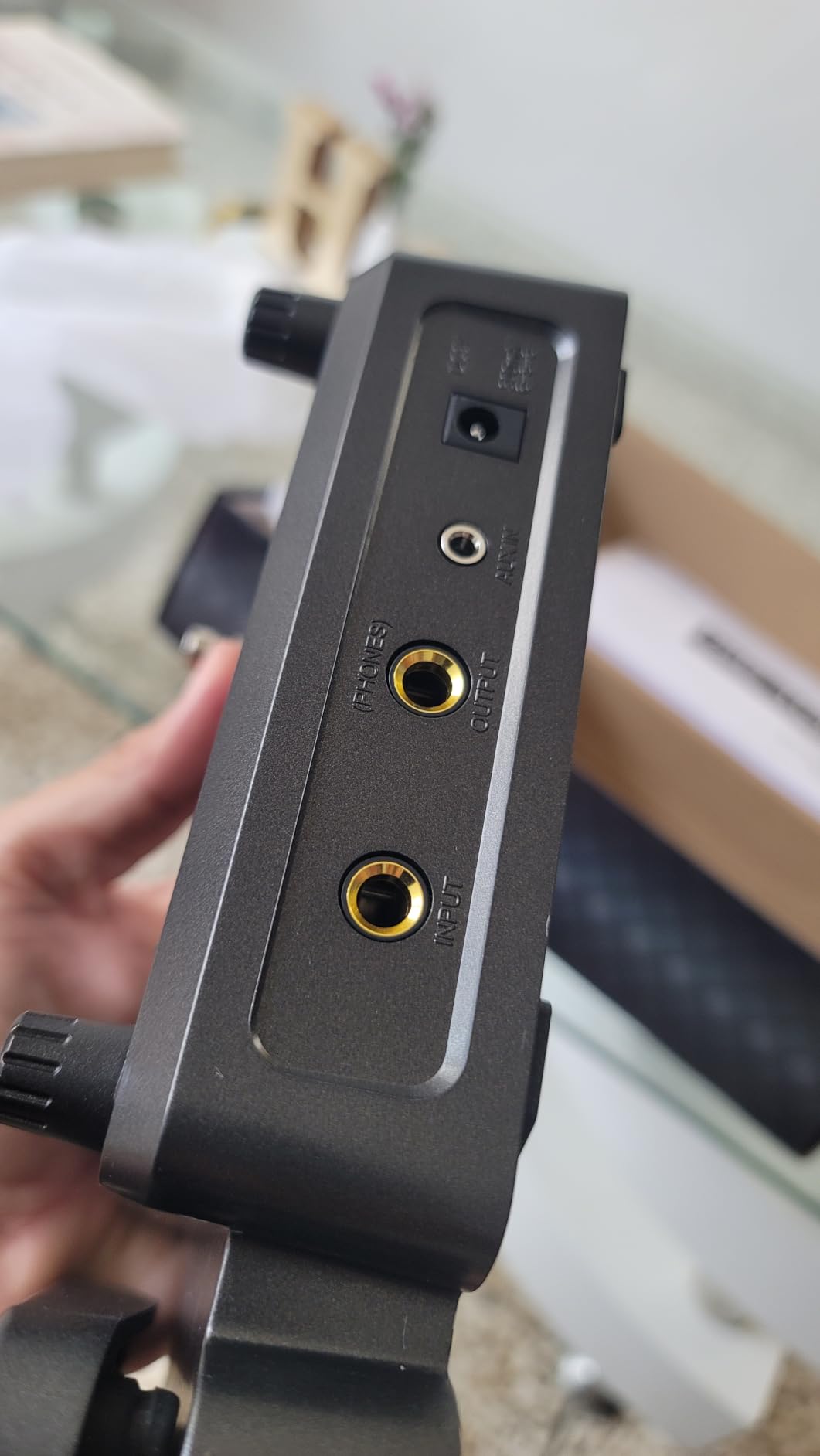
The GE100 is the unit friends keep recommending to each other in beginner threads, and it is easy to see why. It packs 66 effect types across 8 modules, 80 factory presets, 80 user slots, a 180-second looper, 40 drum rhythms, a tuner and an assignable expression pedal into one metal-feel box that sits well below the price of most of this list.
Beginners report getting good distorted electric tones and usable rhythms out of it within hours of unboxing. The 180-second looper with unlimited overdub is the standout, because it is long enough to build an actual multi-part loop rather than a single riff, and that turns practice from a chore into the most useful part of the week.
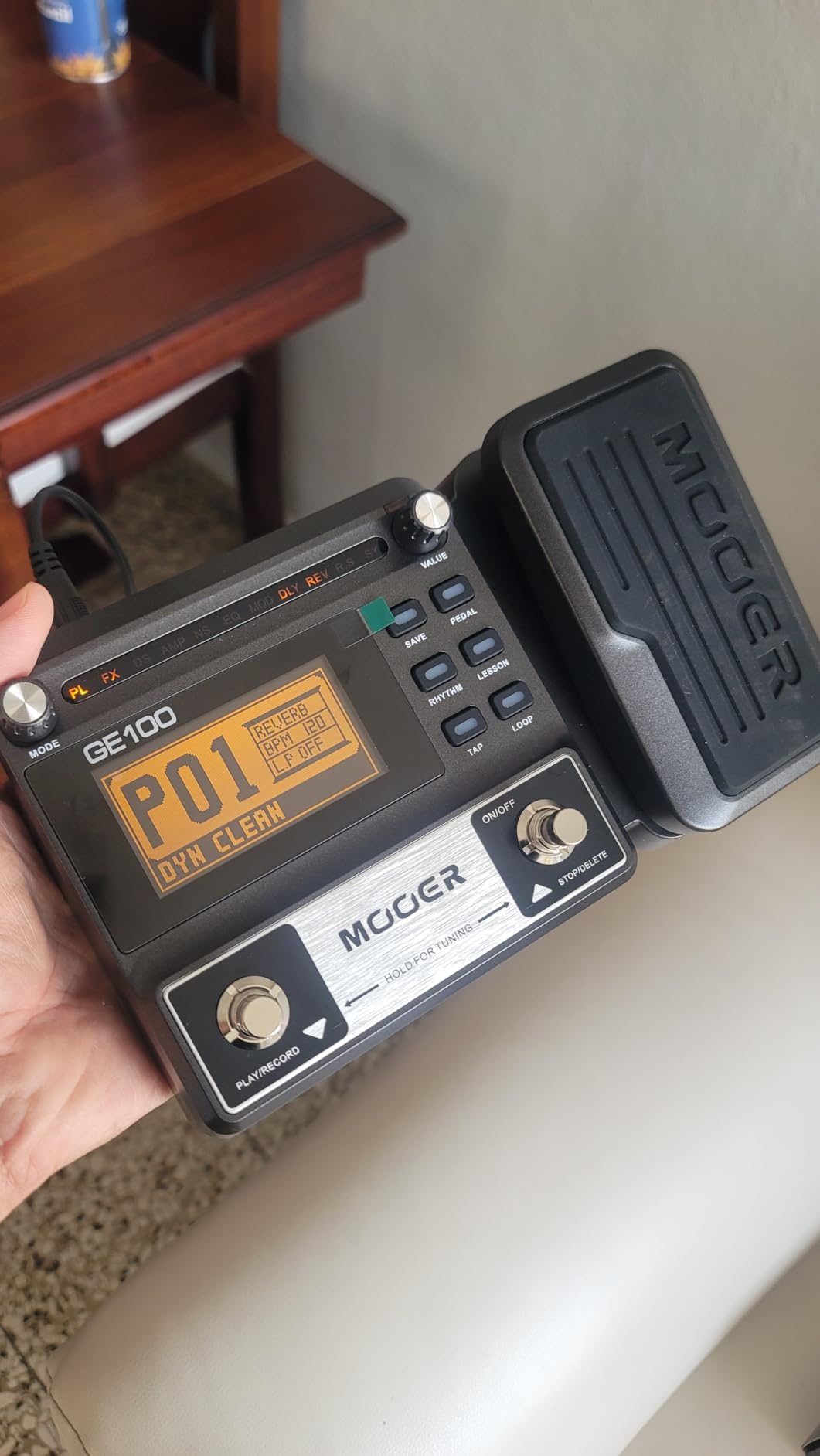
There is also a line-out mode that lets you get a decent tone playing into a plain amplifier or powered speaker, and a scale and chord learning function behind the LESSON button that is quietly useful for someone still early in their playing. The 4 AA battery option means it is portable without a power brick.
The weaknesses are the ones that come with feature density. Many of the 80 factory presets are of low quality and need editing before they sound good, and the volume level differences between presets mean you are often rebalancing at the amp. The tone can be harsh and raspy rather than clean and tight at this price. The interface is dense for a small number of buttons, so expect an hour or two with the manual before it feels natural.
There is no dedicated power switch, and the supplied adapter is US mains only, which matters if you are outside North America. One reviewer also found the expression pedal’s wah and octave modes unresponsive on their unit.
When this is the right first pedal
Choose the GE100 if practice time is the thing you most want to improve. A three-minute looper with overdub plus 40 drum rhythms gives you more to practise against than any other board at this level, and beginners consistently praise the drum patterns as sounding better than typical fake backing tracks.
It is also the pick if the idea of a built-in expression pedal appeals. Six parameters are assignable, and reviewers single it out as genuinely useful as a volume pedal rather than a gimmick.
When to look past it
The volume inconsistency between presets is the deal-breaker for live use. If you are playing out and cannot check levels before every song, this is the wrong board. The preset quality issue also means a beginner can spend an evening cycling through sounds that all sound wrong and conclude the pedal is bad, when the honest answer is that the presets are weak.
3. SONICAKE QME-10 Pocket Master Review – Best for Silent Practice Anywhere
SONICAKE QME-10 Pocket Master – Portable Multi Effects Pedal 100+ Effects
100+ effects
20 amp models
Built-in rechargeable battery
USB-C audio interface
Pros
- Genuinely pocket sized and strap or belt clip friendly
- Rechargeable battery plus Bluetooth for roaming silent practice
- Tone quality punches well above the price
- Free Mac
- Windows and mobile editing software
Cons
- Noticeable noise floor on high-gain settings
- Looper is very short at 10 seconds
- Editing is slow on the device without the app
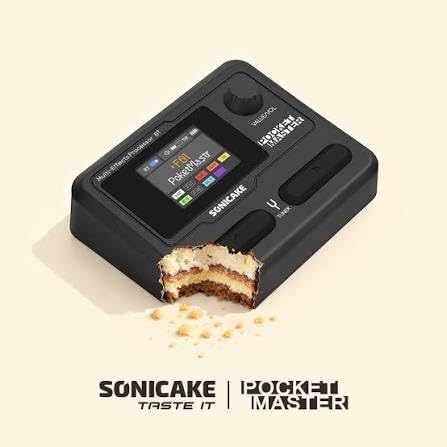
The QME-10 is the one to buy if practice happens in a bedroom, a dorm room or anywhere the volume has to stay low. It is genuinely pocket sized at just over 200 grams, it carries a built-in rechargeable battery, and it will run silent through headphones or a Bluetooth speaker. You can literally wear it and walk around the house playing.
Buyers are consistently surprised that a unit this small delivers tone they prefer to boards costing several times more. It runs 100+ built-in guitar, bass and acoustic effects with up to 9 simultaneous blocks in the chain, 20 amp models, 99 drum rhythms and 100 presets at 24-bit 44.1kHz processing. The SonicLink phone app and the free desktop editor make finding and editing sounds far easier than the single knob on the unit alone.

Two features stand out for tone chasing. It supports NAM A2 amp profile files and third party impulse responses with five user slots, which is unusual at this level, and the USB-C port works as a stereo audio interface with OTG for connecting straight to a phone. That makes it usable as a DI box for recording into a DAW.
The negatives are consistent across reviews. The noise floor is noticeable, particularly on high-gain settings, though the built-in noise gate helps. The looper is very short at 10 seconds, and one reviewer reports up to 40. Reverb is described as mundane and the overall timbre can be harsh, and high-gain metal tones are hard to dial in and can sound low-resolution.
Editing on the device itself is slow with one knob, and a number of functions including the full drum set depend on the phone app rather than the hardware. The rechargeable battery is not user-replaceable, the single quarter-inch stereo out means a splitter for separate left and right interface channels, and the USB-C cable is not included.
Why beginners keep recommending it
Because the wireless headphone workflow is free and instant. No amp, no cable to the wall, no argument with people downstairs. The rechargeable battery plus Bluetooth combination means the box is genuinely untethered, and beginners frequently cite this board as the thing that got them playing electric guitar at all.
It is also the least intimidating object here. A colour screen, a small footprint, and an app that does the hard editing for you. If you are intimidated by menu diving on a large floor unit, this is the opposite experience.
Where it falls short
The noise floor is the reason this is not our top pick. It is fine for clean and edge-of-breakup practice tones, but crank it into distortion and you will hear it. If your goal is high-gain metal tone rather than quiet practice, spend the money elsewhere and accept the power cable.
The 10-second looper also rules it out for anyone who wants to practise arrangements rather than single lines.
4. Valeton GP-200 Review – Best Sounding Step-Up Multi Effects Pedal
VALETON GP-200 Multi-Effects Guitar/Bass Pedal with Expression, FX Loop, MIDI, Amp Modeling, IR Cab Simulation, Stereo, USB Interface
240+ effects
140 amp and cab sims
8 LED footswitches
4.3-inch color LCD
Pros
- Metal chassis with metal knobs and a Gorilla Glass screen
- Factory presets are genuinely usable out of the box
- Menu structure is only two layers deep
- Line
- XLR and headphone outputs plus an FX loop
Cons
- Preset switching takes a noticeable amount of time
- Screen does not show the footswitch mapping per preset
- Single master volume for XLR and TRS outputs
The Valeton GP-200 is the step-up answer, and the thing that separates it from everything cheaper on this list is that the factory presets sound good on arrival. That single fact removes the most common beginner complaint about budget boards, where you spend your first week editing sounds other people have already mangled.
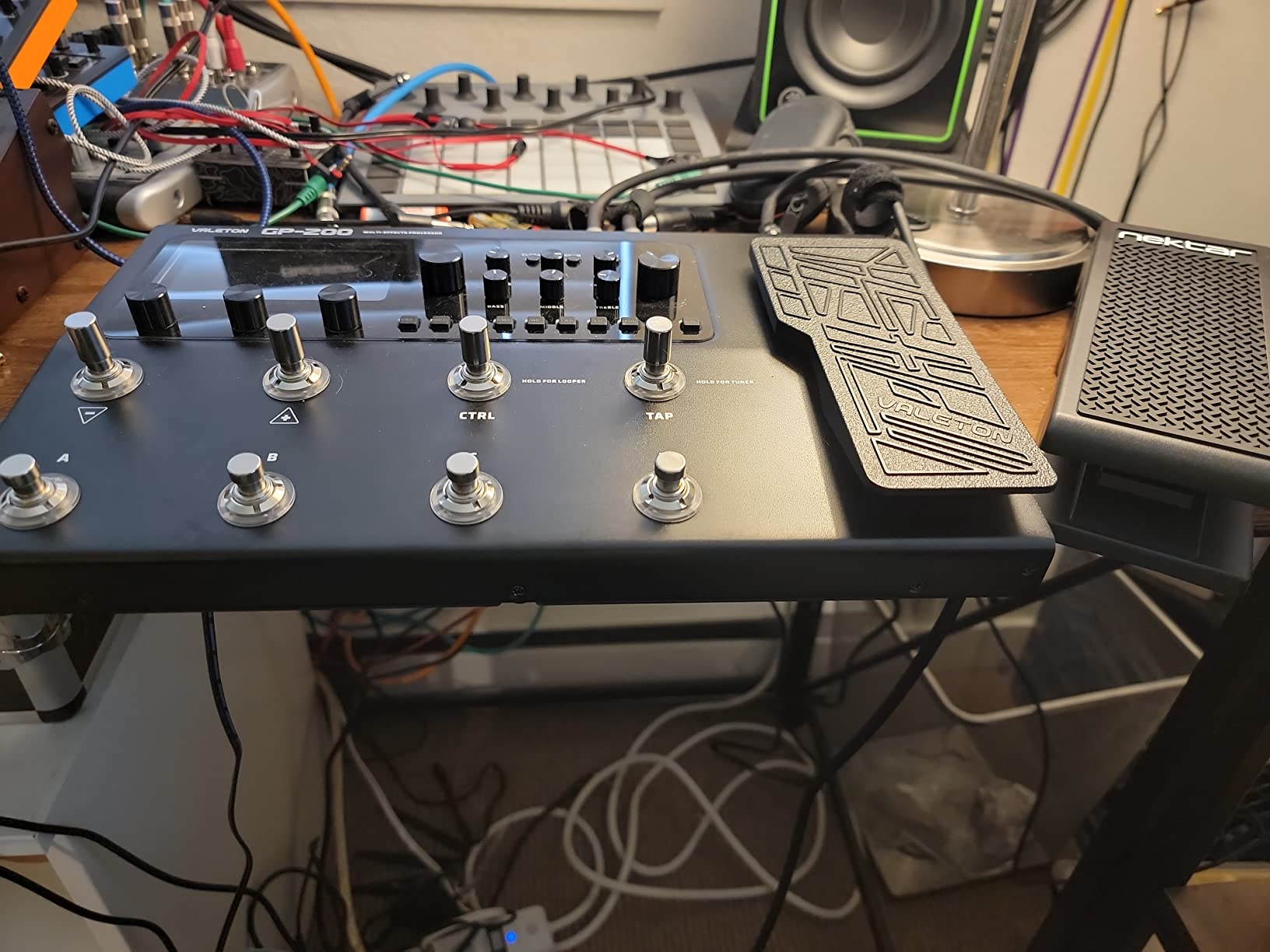
It is also the most substantial physically. An all-metal chassis with metal knobs and a Gorilla Glass screen is built to live in a gig bag, and the specification is large: 240+ effects, 140 amp and cabinet simulations, 100 stompbox emulations, 20 third party IR slots, 256 presets, 100 drum rhythms and a 180-second looper, all with an adjustable chain of up to 11 simultaneous effect blocks. Users report amp and cab modelling that sounds as good as or better than a Line 6 Helix or PodX3.
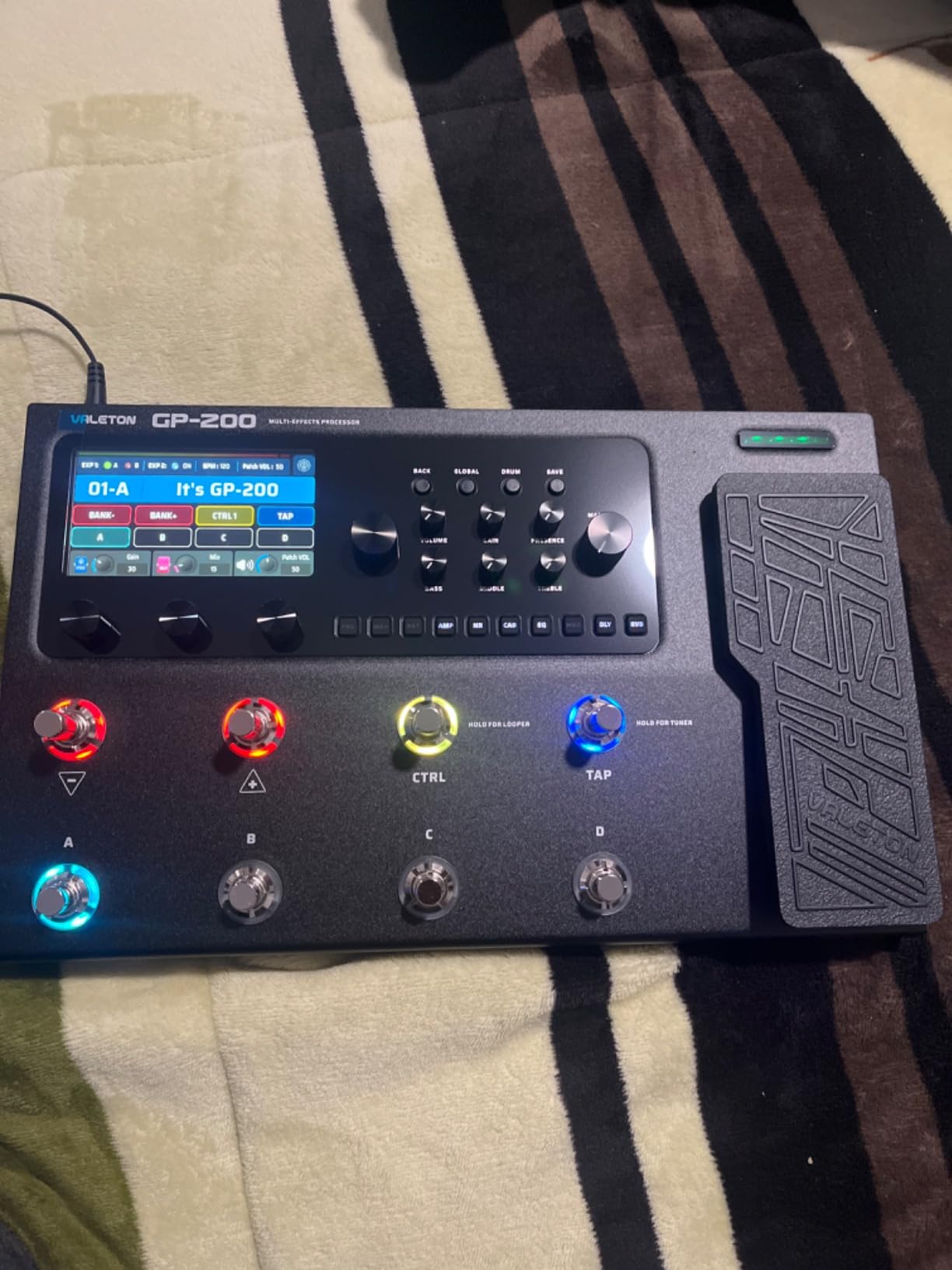
For a beginner, the usability story is the 4.3-inch TFT colour screen with a menu only two layers deep. That is far easier to work with than older modellers, and the free desktop editor is intuitive and mirrors changes on the unit immediately. The eight customizable LED footswitches give real stompbox control, and the I/O covers line, XLR, headphone and aux alongside a built-in FX loop for inserting external stompboxes later.
It handles both guitar and bass, so you do not need a separate board for either. MIDI in and a second expression jack are there for when you outgrow the basics.
The honest issues: preset switching takes a noticeable amount of time, the screen does not show which footswitch controls which effect, only one instance of each effect type is allowed per preset, and there is a single master volume for both XLR and TRS outputs. There is no mobile app, some high-gain tones come out fizzy, and the included power adapter feels cheap.
Who should buy this one
A beginner who already knows what tone they are chasing and does not want to spend a month building it. Usable factory patches, a two-level menu and a 4.3-inch screen mean you can get playing the same day, and the amp library is broad enough that you will not outgrow the clean and edge-of-breakup territory for years.
It is also the right call if you plan to gig on a PA with XLR output, or want an FX loop to add a real analogue pedal alongside it later.
Where it disappoints
Preset switching speed is the real one. If you play in a band that changes tone between songs, the wait is noticeable and you will feel it on stage. The one-instance-per-effect-type rule also means a natural boost into overdrive signal chain is not available without work, and a beginner experimenting with stacking will hit that wall early.
5. FLAMMA FX100 Review – Best for Headphone Practice and Streaming
FLAMMA FX100 Guitar Multi-effects Pedal with 55 Amp Models 151 Built-in Effects 80′ Looper 40 Drum Machine 10 3rd Party IR Slots Headphone OTG for Home Practice Performance Live Streaming
151 effects
55 amp models
80-second looper
Calibratable expression pedal
Pros
- Headphone output plus looper and drum rhythms built for home practice
- Calibratable expression pedal for volume
- wah and parameters
- OTG and Type-B USB for phone recording and desktop editing
- Tap tempo syncs delay time to drum tempo
Cons
- Editing relies on MODE and VALUE knobs which takes practice
- Only mono quarter-inch input and output jacks
- Needs a 9V power supply
The FLAMMA FX100 is the mid-tier board aimed squarely at someone practising at home and recording casually. It carries 55 amp models with non-linear digital modelling, 151 effects across 9 blocks, 26 factory IR cab models with 10 user slots for third party IRs, 200 presets, an 80-second looper and 40 drum rhythms plus 10 metronome options.
The headphone output is the reason it works so well in a bedroom. Combined with the looper and the drum machine, you have everything needed to practise a song alone and quietly, and the 1/8-inch jack means ordinary headphones plug straight in. Reviewers repeatedly highlight the headphone and OTG connectivity as the practical reasons to choose it.
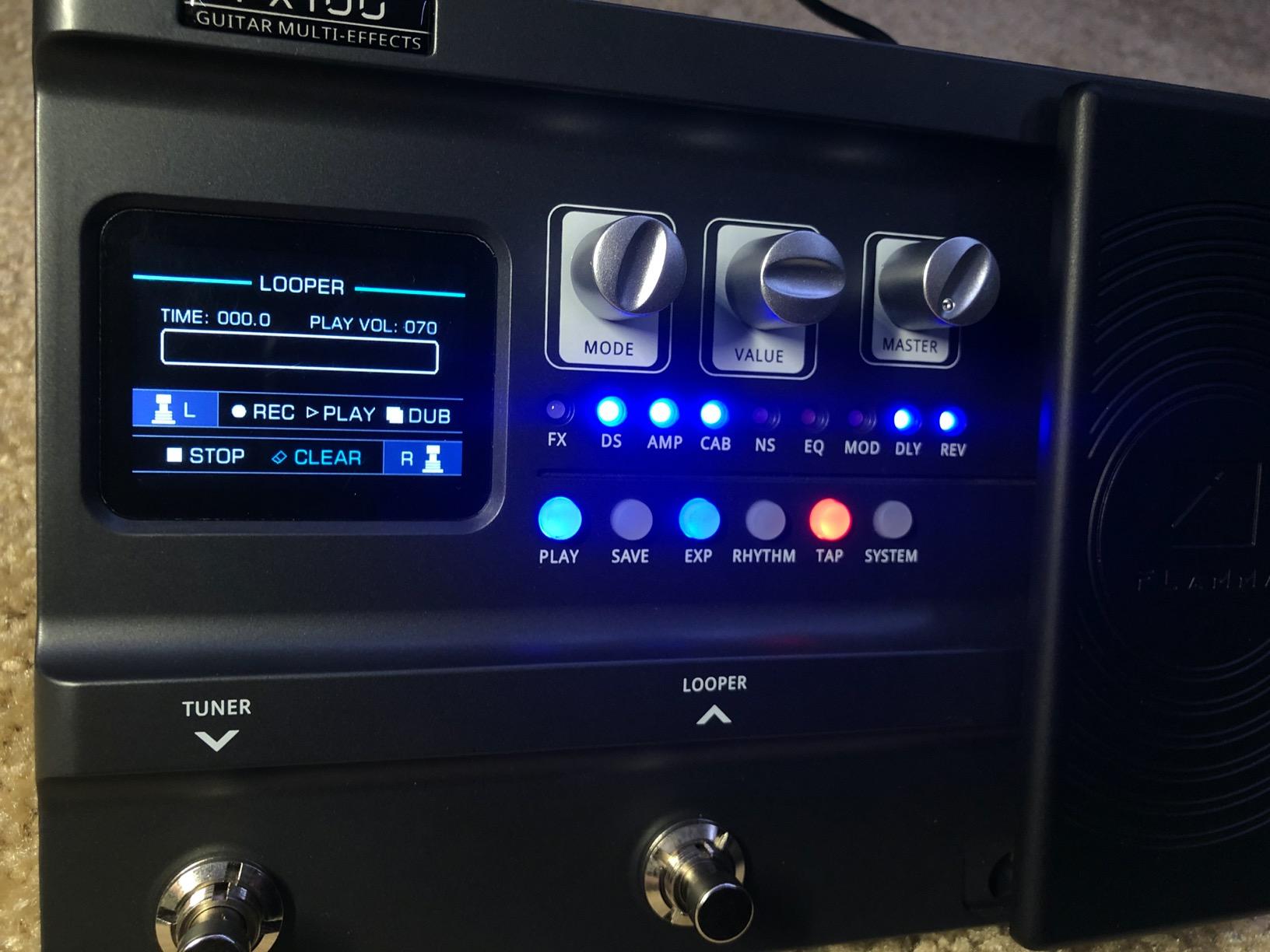
The expression pedal supports real-time control of volume, wah and effect parameters, with a heel and toe calibration routine so you can set where it starts and stops. LED effect block indicators and dedicated footswitches make preset changes quick without going into a menu, and tap tempo syncs your delay time to the rhythm tempo, which is genuinely useful while writing.
Recording and streaming are the other draw. The OTG micro USB port connects to compatible phones and tablets for direct audio and video capture, and the Type-B USB port links to a computer for the FX100 STUDIO software covering preset editing, firmware updates and PC recording. The amp and cab module can be switched off entirely so the pedal drops into a real amp or FX loop, or on for FRFR speakers and studio monitors.
The limitations are real. Effect editing relies on MODE and VALUE knobs, and that takes practice to learn. The input and output jacks are mono quarter-inch, so true balanced or stereo output is not available, and it requires a 9V power supply. At nearly 2 pounds it is sturdy but heavy for a floor board meant to be portable.
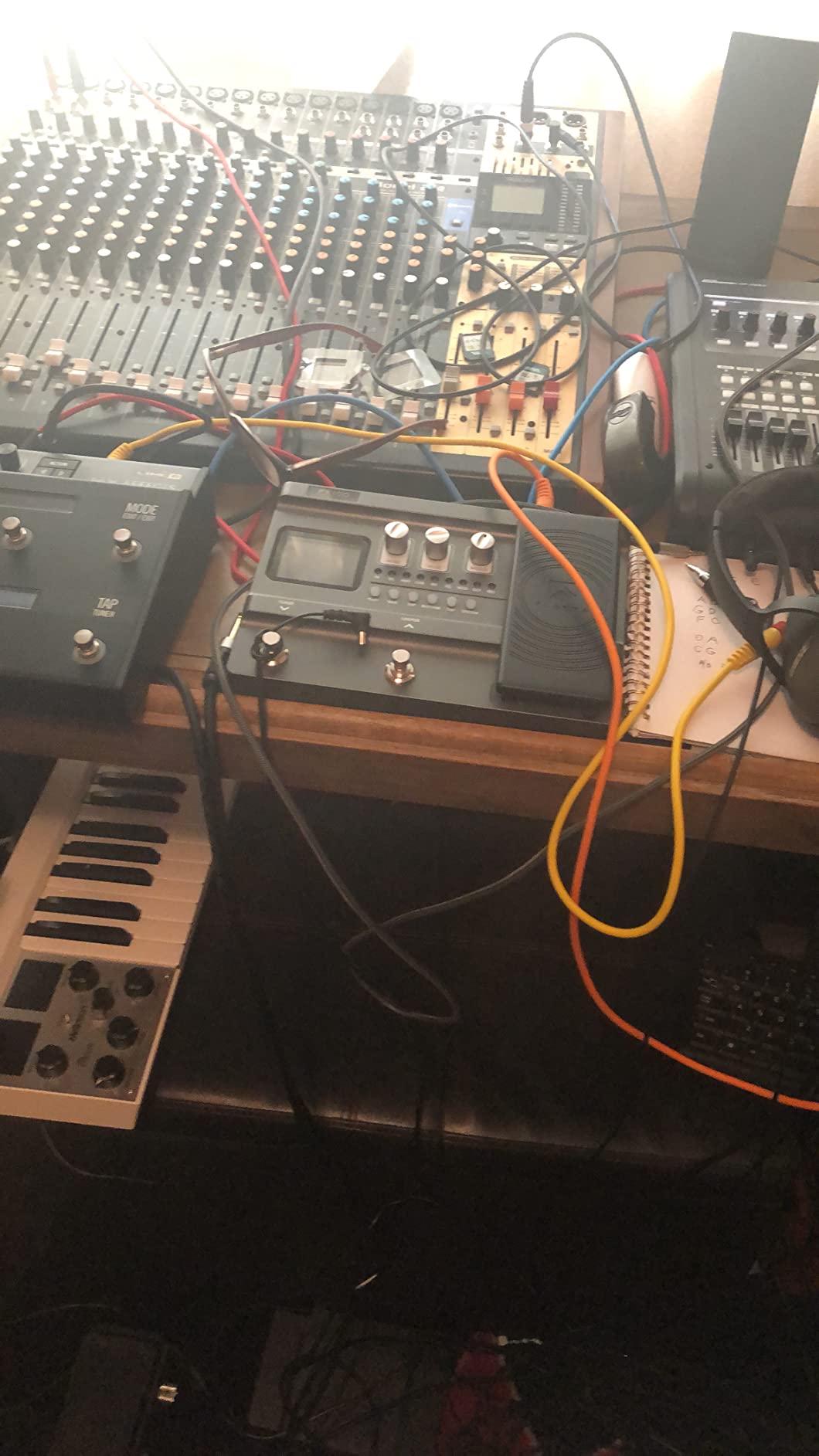
Best for the bedroom player who records
It is the only board here that treats streaming as a first-class use case rather than an afterthought. The OTG port plus desktop editor means you can capture a performance to a phone, edit patches on a laptop, and keep the same unit for practice, recording and small gigs without buying a second interface.
Twenty IR slots is generous, so you can load cabs that match whatever speaker you are playing through instead of relying entirely on the factory cabs.
When to skip it
If you are on the move, the power supply requirement and the weight tell you this is a home board. And if you dislike knob-driven editing, the MODE and VALUE workflow is the part to be honest with yourself about. It works, but it is not the interface a phone-first player wants.
6. MOOER GE150 Pro Review – Best for Looping and Drum Practice
MOOER GE150 Pro Guitar Multi Effects Processor, 200 Presets & 170 Effects, NAM & MNRS Support, 55 Amp Models, 26 Cab Sims, 20 IR Slots, USB OTG Recording, 4-Footswitch, Looper & Expression Pedal
170 effects
55 amp preamps
80-second stereo looper
Four multi-purpose footswitches
Pros
- Amp and cab modelling holds up against far costlier modellers
- Four multi-purpose footswitches control presets and looper
- 80-second stereo looper plus 40 drum rhythms
- Operates quietly with little background hum
Cons
- On-device parameter editing is limited so most changes need the PC editor
- Some presets carry noticeably more 60Hz hum
- Tone described as somewhat brittle against analog references
The GE150 Pro is the sibling of the GE100 aimed at players who have outgrown a practice board, and the headline is the 80-second stereo looper with 40 drum rhythms and 10 metronome modes, all controllable from the four multi-purpose footswitches. That combination is the most complete self-contained practice setup in this roundup.
Tone-wise owners rate it on the amp and cab modelling above everything else, saying the 55 classic amp preamps built on MOOER MNRS modelling technology and 26 cabinet simulations hold up against modellers costing many times more. The AMP and CAB modules support MNRS sample files including GNR and GIR, each with 20 slots, and NAM A2 profiles import and convert without issue.
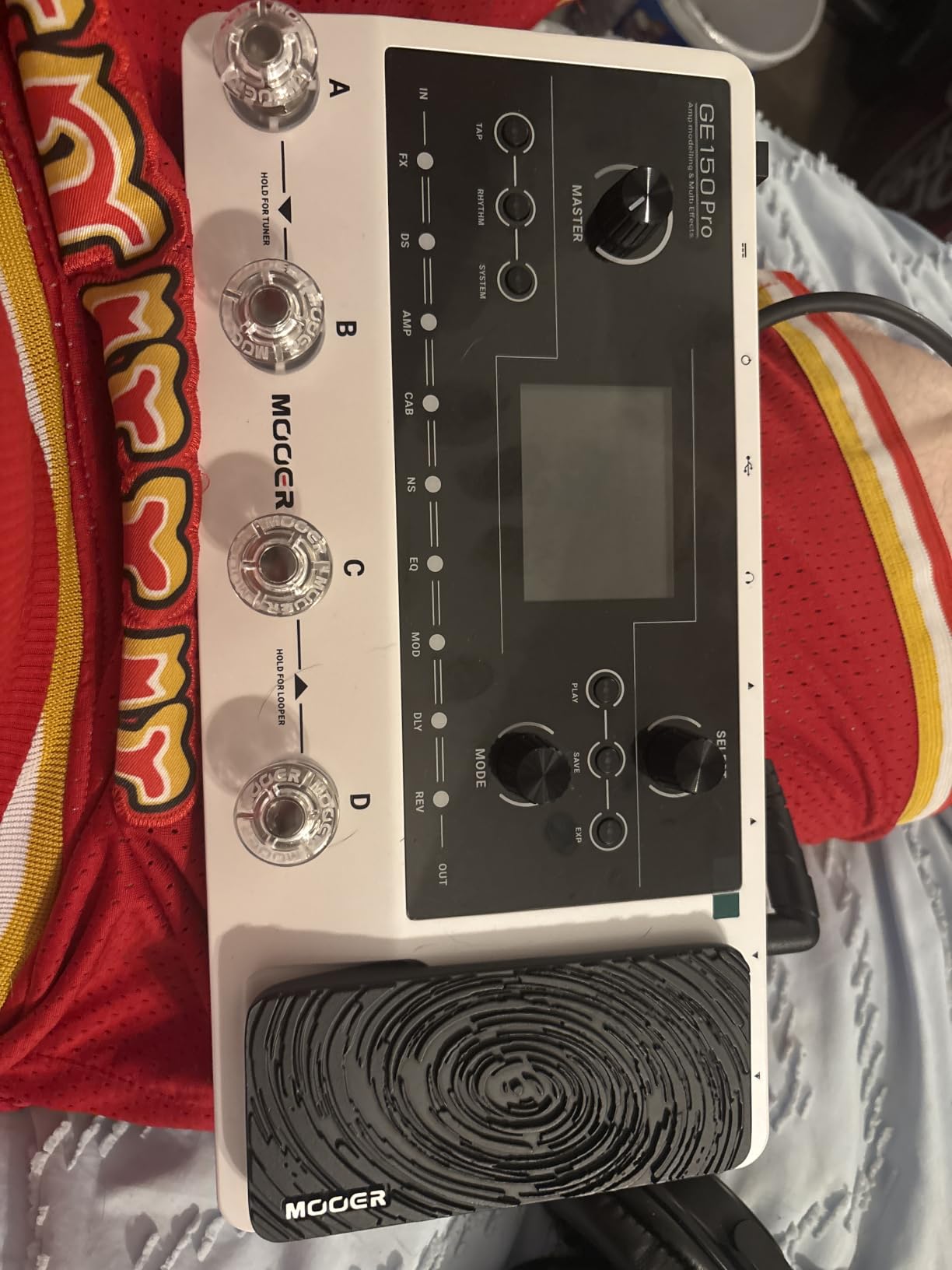
There are 200 factory presets and 170 effects. The expression pedal handles parameter control or output volume, with a toe-tap switching between the two modes, which is a smarter solution than most boards at this level. A precise instrument tuner, 1/8-inch aux input, stereo quarter-inch outputs and headphone output cover the connections, and the USB Type-C port handles tone editing, data management and firmware updates with OTG for phone recording.
Beginners report good usable sounds out of the box with minimal setup, and users happily run it through PA speakers. It also operates quietly on a pedalboard for a digital modeller.
The complaints cluster around software. Computer software initially failed to connect on some systems, and a later firmware and software update resolved it for at least one user, while another reports the firmware update utility caused a serious problem on their PC. On-device parameter editing is limited, so most deep changes require the PC editor. Some presets have noticeably more 60Hz hum than others, the overall tone is described as somewhat brittle compared with analog references, the tuner is unreliable for bass, and chorus and octave effects are considered so-so.
Built for practising arrangements
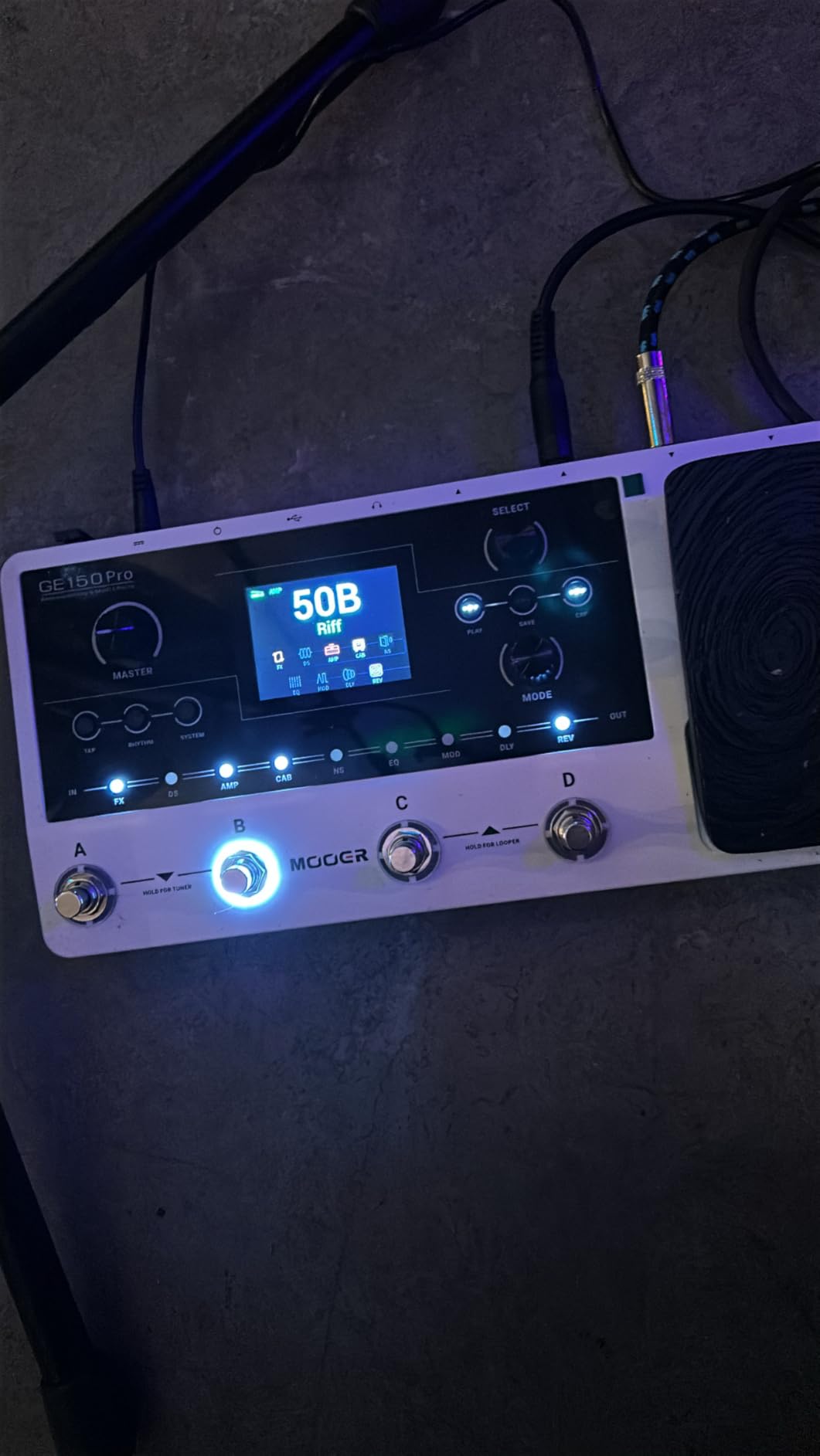
Four footswitch-controllable layers – preset browsing, looper record, play and stop, plus the drum machine – mean you can run a practice session without looking down. That is the difference between a looper you use and one you abandon after a week, and it is why this is the pick for anyone whose main goal is getting better rather than collecting sounds.
Beginners specifically report the footswitch layout as beginner-friendly, which is unusual for a four-switch board. The GE150 Pro Li edition adds an integrated lithium battery with up to 9 hours of use, if you want to cut the cable as well.
What to watch for
Buy it and update the software before you rely on it, because the connection and firmware experience is the weak point in the reviews. The MOOER AI tone generating app is not supported, so do not count on phone-based tone generation. And if you play bass, the tuner is not reliable, which is worth knowing before it annoys you mid-song.
7. flatsons KMF-1 Review – Best for a First Guitar or a Young Player
Flatsons KMF-1 Multi-Effects Guitar Pedal with 77 Practice Effects
77 effects
18 amp models
Stomp Mode
30-second looper
Pros
- 50 factory presets mean a beginner can play immediately
- Modules are clearly labelled so the menu makes sense
- Stomp Mode mimics individual pedals with 5 independent blocks
- 2-in-1 expression pedal assignable to 6 different effects
Cons
- Looper limited to 30 seconds
- Battery power lasts only around 2.5 hours on 6 AA cells
- Unit is heavy at just over 1 kg
The KMF-1 is the one to consider for a child, a youth player or anyone who is a few months into playing. Its defining feature for a beginner is the 50 factory presets, which means a player who cannot yet dial in a tone can still walk in, pick a sound that sounds right and play. That removes the exact paralysis the forums describe as the first multi-FX problem.
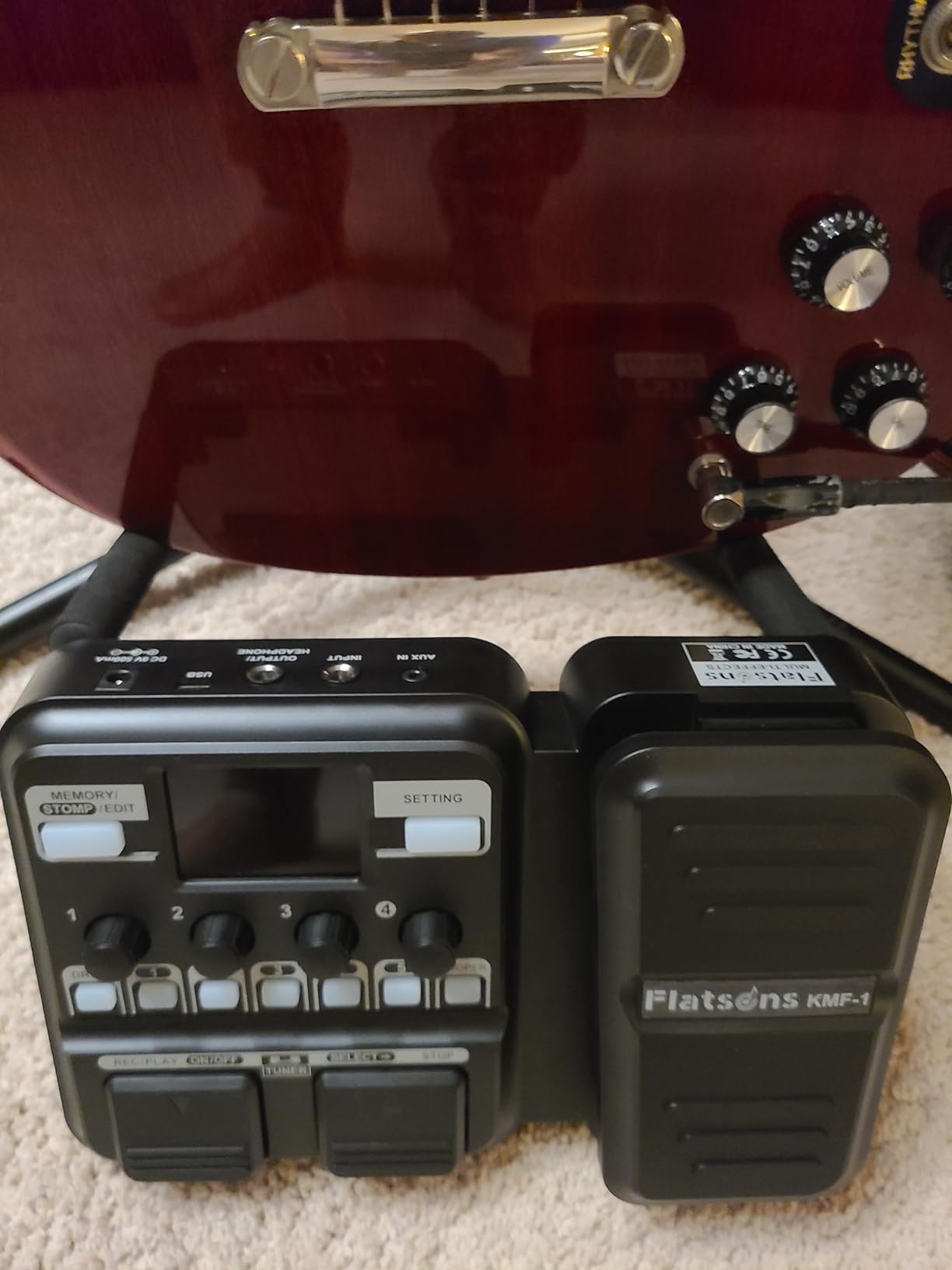
The underlying specification is sensible too. 77 effects are spread across 8 clearly labelled modules – Amplifier, Cabinet, Drive, Modulation, Delay, Dynamics, Reverb and Filter – with 18 amp models and 18 cabinet simulators, running 32-bit signal processing with 512-point IR sampling and TSAC analog circuit simulation.
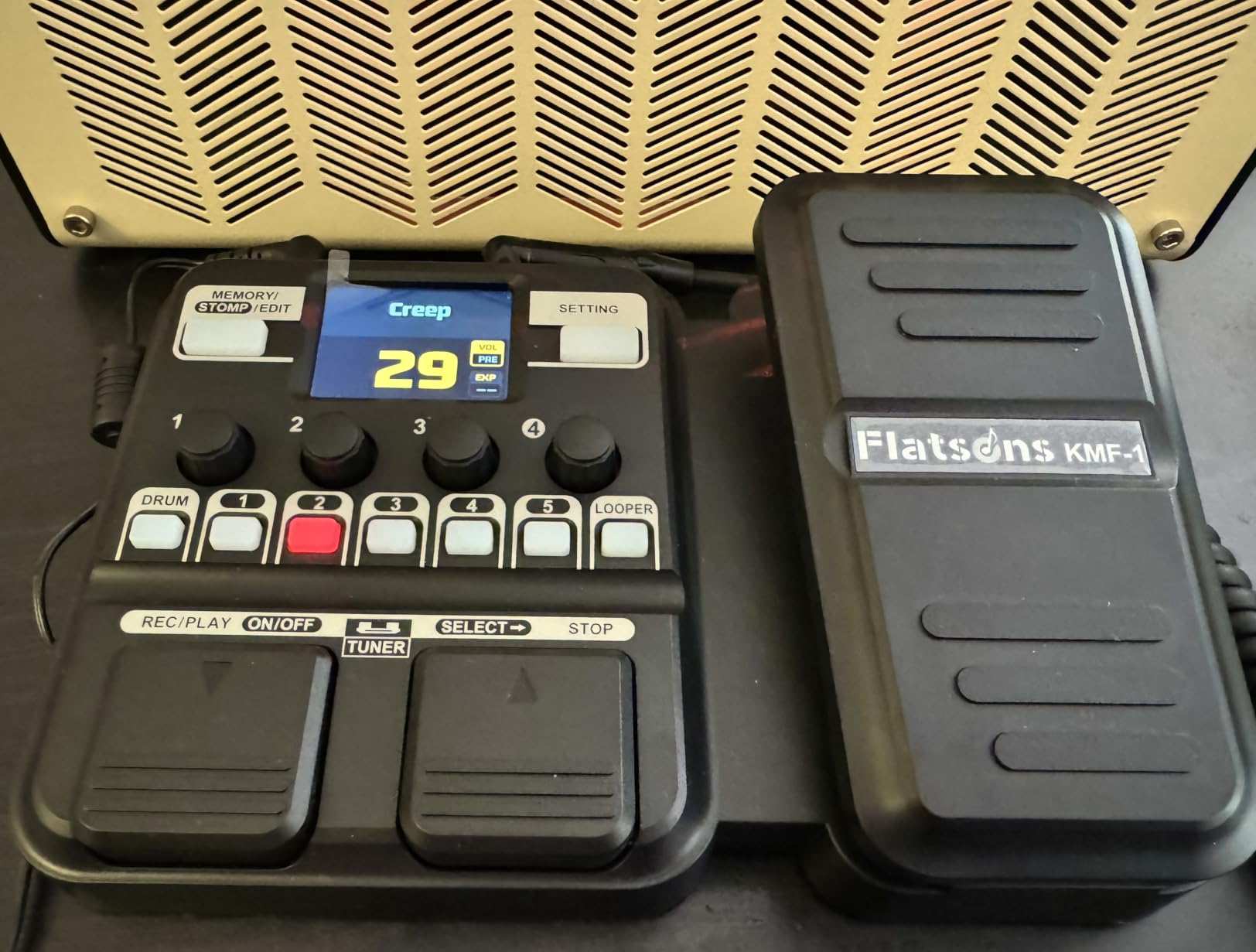
Stomp Mode is the feature that lets you grow out of it. It replicates classic single-pedal operation with 5 independent effect blocks that can be enabled and sequenced like a real pedalboard, and the Edit Mode allows per-effect parameter control when you are ready. The 2-in-1 expression pedal is assignable to 6 different effects, the 128×32 colour LCD gives real-time feedback, and Memory Mode switches tones instantly.
Practice tools include a built-in tuner, a 30-second looper, 42 drum rhythms and an AUX IN so you can play along to backing tracks from a phone. It runs on a 9V adapter or 6 AA batteries, which is handy, though the battery compartment only gives up to about 2.5 hours of use.
Being straight about the limits: the looper is 30 seconds, the battery life is short, and the unit is heavy at just over 1 kg, which is a lot of pedal for a small player. The cab simulation must be manually enabled or disabled depending on the rig, and that confuses newcomers more than any other single setting on this board.
Best for a first electric guitar
Nothing else here is as low-friction for someone who has never touched an effect. Fifty ready patches, a clearly labelled module structure, a tuner built in and a Stomp Mode that looks like the pedalboard they may eventually want. The scale of it is manageable in a way that a 240-effect board is not.
It is also the most honest thing to say about buying for a young player: the point is that they can make a noise they like on day one, not that they get the maximum feature count.
Where it will fall short
The 2.5 hours of battery life means it is not really an untethered practice board, and the weight makes it a permanent fixture rather than something you carry. If a young player is moving between rooms or playing outside, a rechargeable unit such as the QME-10 suits better.
The cab simulation switch is the one to explain before handing it over. Into headphones, monitors or FRFR speakers, the cab module should be on. Into a real amp or cabinet, switch it off or you get an unnatural double cab.
8. NUX MG-30 Review – Best for Amp Modeling That Feels Real
NUX MG-30 Guitar Multi-Effects Pedal Guitar/Bass/Acoustic Amp Modeling Processor, IR Loader, White-Box Algorithm, EFX Routing, 4” Color LCD, NMP-2 Footswitch Included
35 amp models
56 effect modules
4-inch color LCD
2ms latency
Pros
- Amp modelling reaches convincing real-amp tones quickly
- 4-inch screen and 5-way encoder mean less button pressing to reach a sound
- Interface praised as the best in its class
- Global input and output EQ makes any speaker easy to dial into
Cons
- Stereo looper is 30 seconds and loops cannot be saved
- No true bypass option
- Factory cab IRs described as lifeless against good third party IRs
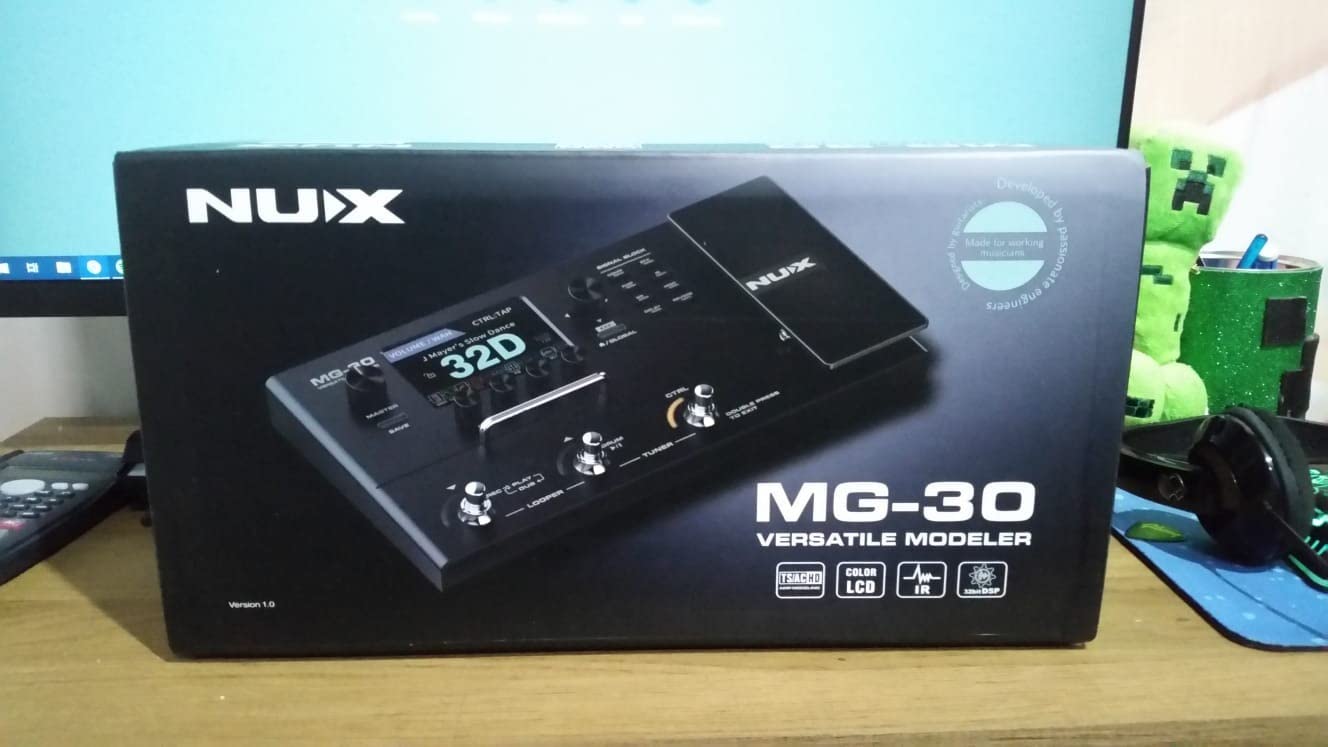
The NUX MG-30 is the most expensive board here, and it earns that in one specific area: making an amp model respond the way a real amplifier responds. Users report reaching a good Marshall Plexi and JCM800 tone in minutes, which is exactly the reaction the cheaper digital modellers struggle to produce. The TS/AC-HD modelling algorithm runs at 2K definition with 1024-sample IR loading on dual NXP RT processors with 32-bit AD/DA converters.
For a beginner this matters more than the effect count. What you are learning on is a model that behaves like an amp, so the instincts you develop transfer to a real amplifier later. The review consensus calls the interface the best in its class, and reviewers mention it favourably next to Fractal, Quad Cortex and Kemper.
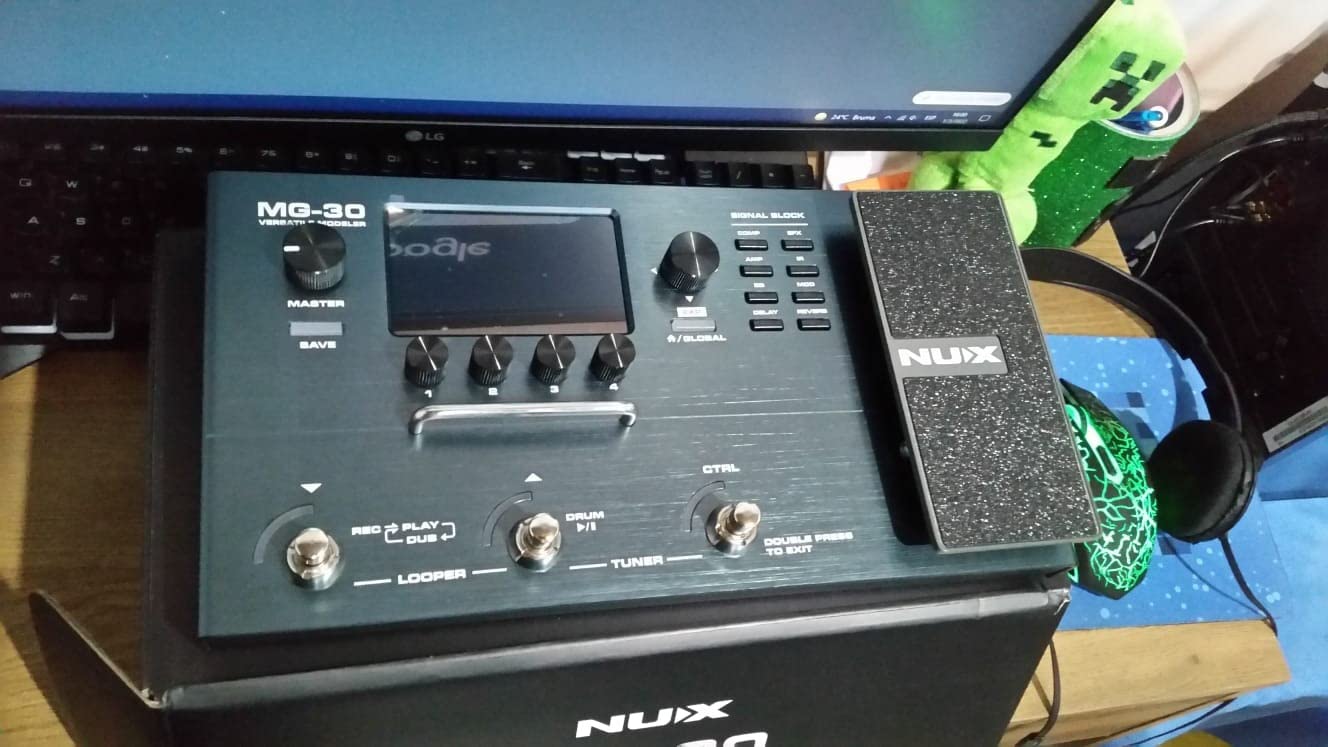
The 4-inch colour LCD with a 5-way encoder and a signal block indicator is unusually easy to work for a unit with this much going on. The indicator shows current status and helps you engage, bypass or edit effects quickly without hunting. There are 35 amp models – 28 electric, 2 acoustic and 5 bass – 56 effect modules with flexible 11-block signal routing, a SEND/RETURN loop positionable anywhere in the chain, and a global input and output EQ that makes dialling into any speaker configuration straightforward.
Two extras are worth noting. The EXP1 jack works with an expression pedal or with the included NMP-2 footswitch, which remote-controls three signal blocks in stomp fashion, so real footswitch control is in the box. USB handles audio interface duties, the QuickTone editor, firmware updates and MIDI with customisable CC mapping, and 85 parameters are assignable to MIDI on open firmware.
The list of cons is longer and mostly technical. The stereo looper is 30 seconds and loops cannot be saved. There is no true bypass option, so the unit colours the tone of your amp even with all effects off. The amp and IR blocks are locked together, so the IR always follows the amp in the chain. Factory cab IRs are described as lifeless compared with good third-party ones, and amp controls sometimes have less effect than on a real amp, so small knob moves do not change the tone as you would expect.
Preset switching uses three scenes per patch, which takes getting used to. The main volume knob also affects gain, so its position matters when building patches. The build feels a little fragile for heavy road use, hidden functions are not documented, and one reviewer reports a unit stopped powering on after a firmware update.
Who should choose the MG-30
Anyone who wants the feel of a real amplifier to sit under their fingers from the start, and who has the budget for it. The global input and output EQ, the positionable effects loop and the low 2ms latency make it easy to fit into an existing rig, and the Solid Studio cab IRs with 8 mic models and 3 mic positions give real options when you want to load something better.
Reviewers most often recommend it as a home, bedroom or backup rig rather than a touring unit, and the bundled NMP-2 footswitch is a genuinely useful inclusion for practice.
Why a beginner might skip it
There is no true bypass, which matters if you plan to put it in front of a good amplifier and want the amp to sound like itself. The fixed amp and IR pairing removes control you will eventually want. And for a player who will not record or gig for a year, the modelling depth is capability you are not yet using.
How to Use a Multi Effects Pedal in 10 Minutes
This is the part nobody explains properly, and it is where beginners lose their first afternoon. The forum phrase for the problem is that it is not that complicated but there is a learning curve if you have never used one. The fix is to ignore almost every effect for the first ten minutes.
1. Power and connect. Run your guitar into the input, then from the output into your practice amp, mixer or headphones. If you are going straight into headphones or powered speakers, make sure the cabinet simulation is switched on, because those speakers have no speaker cabinet of their own to colour the sound. If you are going into a real amp, switch the cab simulation off.
2. Pick an amp model, not an effect. Start with a clean amp model. Amp modeling means the pedal recreates the behaviour of a real amplifier, and a cabinet simulation, sometimes called an IR for impulse response, recreates the speaker and microphone. Choosing a clean amp model gives you a plain electric guitar sound, which is the foundation everything else sits on. The beginner mistake is turning on a distortion first and then wondering why it sounds bad.
3. Add exactly one effect. Turn on reverb or delay, adjust it until you can hear it without it dominating, and stop. This is how you learn what a single effect does, and it takes thirty seconds per effect.
4. Save it as a preset. Every board on this list has a save function. Saving your first clean-plus-delay patch means you never have to rebuild it, and it is the single best way to stop feeling overwhelmed.
5. Check the tuner and the volume. Use the built-in tuner before you blame the pedal for a bad-sounding chord. Then set your volume, because volume differences between presets are the most common reason a new player thinks something is broken.
6. Then explore. Add distortion, add modulation, adjust the EQ. The desktop editor that ships with most of these boards is where deep editing happens, and it is worth an hour once you know what you are trying to change.
Multi Effects Pedal vs. Modeling Amp vs. Individual Pedals
The most common question on the beginner forums is whether to buy a multi-FX pedal at all, or individual pedals, or a modeling amp instead. The honest answer depends on three things: how much you care about the feel of your signal chain, how portable you need to be, and whether you want to change sounds often.
Individual pedals are best when you want three sounds, forever, and value the physical stompbox experience. You can put them in front of any amp or PA and other players trust the signal chain. You can see what is on. The downside is cost, the long gap between now and the fourth pedal, and the way a beginner ends up with three pedals that all do the same job.
A modeling amp is best when you mainly want an amp. It plays, records and sounds good on its own, and the newest units are excellent. It is the fastest route to a good sound with no cable clutter, and it removes the question of whether you need an amp entirely. The limitation is that it is a single fixed box, so changing tone on a stage means changing settings on the amp itself.
A multi effects pedal is best when you want many sounds, want to experiment cheaply, practise silently through headphones, or need to cover more than one band without carrying a pedalboard. It slots into any amp or PA and records over USB. It is also a screen with menus, which is the part beginners underestimate.
The decision shortcut: if you play in one band and want a great sound with minimum fuss, buy the modeling amp. If you want to try effects you cannot afford to buy individually, buy a multi-FX. If you already know exactly which three effects you want and want them forever, buy those three pedals. Most beginners are best served by the second option, and the boards above are the current-generation version of it rather than the legacy units most roundups still list.
And to answer the other half of that question: yes, you can use a multi effects pedal with no amp at all, straight into headphones, a mixer, a powered speaker or a PA. Every board here has a headphone output. What you lose is the volume and the physical feel of an amp pushing air, which is exactly what a modeling amp gives you instead.
The 5 Effects a Beginner Should Actually Start With
Feature overload is the second most common beginner complaint, and the cure is not a bigger board. It is switching on five things total and learning what each one does. Every board on this list contains all five.
1. Tuner. Not an effect at all, but use it first. A cheap chromatic tuner built into the pedal removes the most common beginner embarrassment at zero cost.
2. Amp model, clean. This is your foundation tone, not an effect. Set it once and leave it. Everything else is built on top of it, which is why amp modeling and cabinet simulation matter more than the effect count.
3. Overdrive or distortion. The first effect that changes how your guitar sounds. Start on the edge of breakup rather than full distortion, because that is where you can still hear the notes you are playing.
4. Reverb. One knob, usually one parameter, and the fastest way to make a single guitar sound like a space. This is the effect beginners rate as the biggest improvement.
5. Delay. Set the time to roughly a third of the gap between beats and it will sit under your playing instead of fighting it. Most boards have a tap tempo that sets it faster than you can count.
Once those five are in a preset you like, the rest of the 77 or 240 effects stop being frightening, because you finally know what one effect does and what it is for. Add modulation, compression, noise gate and EQ from there.
What to Skip When Buying Your First Multi-FX
Every board here has a large number somewhere, and more effects is not a beginner advantage. It is a menu to get lost in. The feature count is close to meaningless when you compare a 66-effect board that sounds good to a 240-effect board with weak factory patches.
Skip any board where you cannot find out what the factory presets sound like before you buy, because the presets are what you will actually play in month one. Also be cautious about units that need a phone app for basic tone selection. They are better devices for a player with a computer, and a worse first purchase for a player without one.
Do not chase a long effect list at the expense of a readable screen and real footswitches. A board with a small monochrome display and menu-only editing is the single thing beginners complain about most, and no number of onboard amp models fixes it.
Ignore MIDI, USB audio and streaming features entirely for now unless you specifically record. They are genuinely good on several boards here, but they are not the reason to choose one, and optimising for them pushes you toward a board you will not enjoy playing.
And be careful with high-gain claims. Reviewers of the cheapest boards repeatedly describe tones that sound low-resolution or fizzy, and that is a limit of the hardware, not of your settings. If heavy distortion is your goal, an actual distortion pedal will serve you better than an expensive multi-FX.
Frequently Asked Questions
Which multi-effects pedal is the easiest for beginners to use?
The Zoom G1X Four is the easiest for beginners. Its screen shows which effects are engaged, the footswitches behave like a stompbox instead of a menu, a real expression pedal is included rather than sold separately, and it runs on batteries or a USB power bank. You can get a usable clean tone with delay in a few minutes without a computer or a phone.
What are the best pedals for beginners?
For a beginner electric guitarist, a multi-effects pedal beats a stack of individual pedals because it puts distortion, delay, reverb, modulation and more in one place, adds digital amp and cabinet models, and usually includes a tuner, looper and drum machine. The most useful options here are the Zoom G1X Four for the easiest overall operation, the MOOER GE100 for the most features, and the SONICAKE QME-10 for silent practice on a rechargeable battery.
What multi-effect pedal should I get?
If you want the easiest unit to operate, get the Zoom G1X Four. If silent practice through headphones is the priority, get the SONICAKE QME-10 Pocket Master. If you want the best sound and do not mind spending more, get the Valeton GP-200. If you want the longest looper and the most practice tools, get the MOOER GE100. If amp feel matters more than anything, get the NUX MG-30.
What 5 pedals should every guitarist have?
As effect types inside a multi-FX, the five worth learning first are a tuner, a clean amp model, overdrive or distortion, reverb, and delay. Set those five, save them as one preset, and the rest of the effects stop being overwhelming. Individual versions of the same idea would be a tuner, a wah or overdrive, a delay and a reverb.
Do I still need an amp if I have a multi effects pedal?
No, not to practise. Every multi effects pedal here has a headphone output, and the amp and cabinet models are designed to be used with headphones or powered speakers, so you can get a full sound with no amplifier at all. For playing out, a PA or mixer takes the same output an amp would. What you give up is the volume and the physical feel of a real speaker pushing air.
Which Multi Effects Pedal Should You Buy?
Start with the Zoom G1X Four. It is the easiest to operate, the most reviewed board here by a wide margin, and the one that gets a beginner playing rather than browsing.
To find your perfect match, start by identifying your primary practice setting. If your main priority is a quiet, untethered practice experience, the SONICAKE QME-10 Pocket Master is the standout choice because it runs on a rechargeable battery and supports Bluetooth. If you are focused on building skills and want the longest looper and most practice tools available, the MOOER GE100 provides a 180-second looper and 40 drum rhythms.
For players who are already comfortable with the basics, the picture changes. If you want the best possible sound and can wait a month while you learn, the Valeton GP-200 is the clear step up. And if how the amp feels under your fingers matters more to you than any other factor, the NUX MG-30 is the unit that gets closest to a real amplifier, thanks to its 2ms latency and responsive modeling.
Whichever you choose, set just five things, save one preset, and leave the rest for later. That is genuinely all the best multi effects pedals for beginners ask of you in the first month.